美联储降息预期

Search documents
美国1月就业强、通胀弱的背后【国盛宏观熊园团队】
Xin Lang Cai Jing· 2026-02-14 09:15
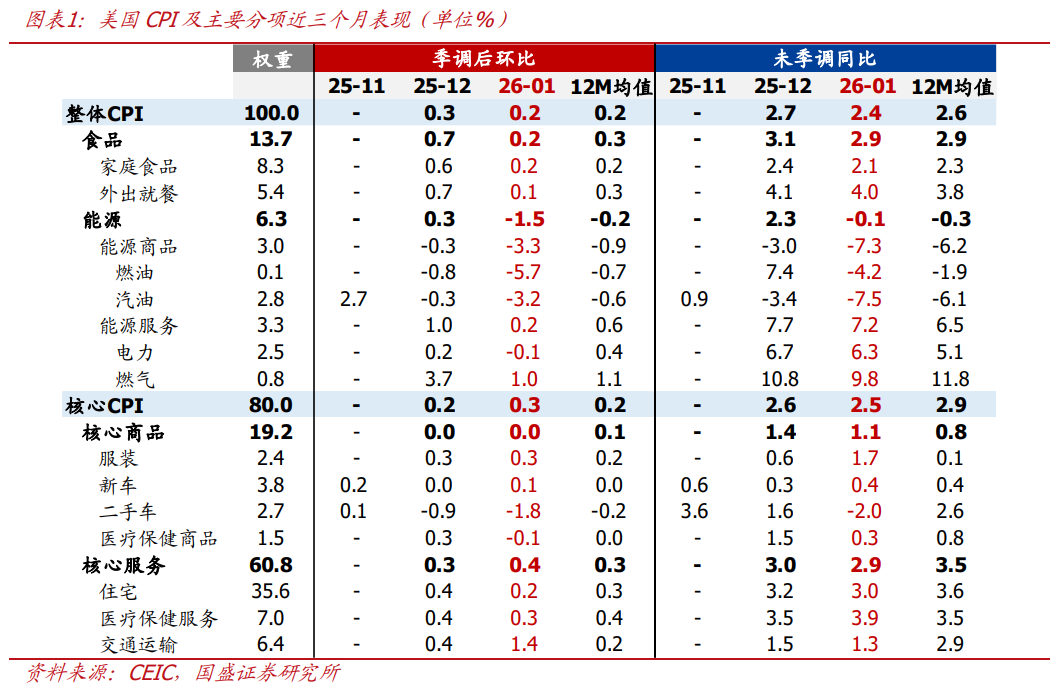
来源:熊园-国盛证券首席经济学家 国盛证券宏观分析师,戴琨 事件:美国2026年1月季调后非农就业人口增加13万人,远超市场预期,创2025年4月以来新高;1月失业率4.3%,低于市场预期,创2025年9月以来新 低。美国2026年1月未季调CPI同比2.4%,低于市场预期;季调后环比0.2%,低于市场预期;核心CPI环比0.3%,持平市场预期。 核心结论:"强"非农、"弱"CPI先后公布,资产价格明显受扰动,美联储降息预期先降温后再升温。CPI公布后,当前利率期货隐含的2026全年降息次数由 2.36次升至2.53次。两组数据结合看,较弱的CPI一定程度上打消了较强非农带来的鹰派压力。倾向于认为:美联储短期内可能仍难以释放明确的宽松信 号,资产价格仍将围绕增长韧性与通胀粘性的博弈展开震荡;政策空间的真正变化节点大概率出现在5月主席换届之后,交接后Warsh治下联储政策立场 若出现边际调整,叠加经济动能在上半年逐步放缓,下半年降息空间可能明显打开。继续提示:目前市场对美联储丧失独立性的计价可能不足;除降息路 径外,美元流动性也是关注焦点。 | | 权重 | | | 季调后环比 | | | | 未季调同比 | ...

金价银价反弹 白银期价涨超3%
Sou Hu Cai Jing· 2026-02-14 08:57
Group 1 - The core point of the article highlights that the January inflation data in the U.S. has eased concerns about persistent inflation, leading to increased expectations for interest rate cuts by the Federal Reserve [3][5]. - The U.S. January CPI rose by 2.4% year-on-year, marking the lowest growth rate since May 2025, and lower than the market expectation of 2.5% [5]. - The core CPI for January increased by 2.5% year-on-year, the lowest growth rate since March 2021, which has further bolstered market expectations for rate cuts [5]. Group 2 - In the stock market, the three major U.S. indices showed mixed results, with the Dow Jones up by 0.10% and the S&P 500 up by 0.05%, while the Nasdaq fell by 0.22% [3]. - The performance of precious metals was notable, with gold prices rising by 1.98% to $5046.30 per ounce and silver prices increasing by 3.02% to $77.964 per ounce [9]. - The overall weekly performance for gold and silver was positive, with gold prices up by 1.34% and silver prices up by 1.4% [9].
2026年1月美国通胀数据点评:服务强于商品,压力整体不大
Huafu Securities· 2026-02-14 06:44
Inflation Data - January CPI year-on-year growth decreased to 2.4%, below the market expectation of 2.5% and down from the previous value of 2.7%[2] - Core CPI also fell to 2.5%, down from 2.6%, marking the lowest level since April 2021[2] - Month-on-month, core CPI rose by 0.3%, in line with expectations, compared to a previous increase of 0.2%[2] Energy and Commodity Trends - Energy inflation dropped further, with January CPI energy component year-on-year growth at -0.1%, down from 2.3%[3] - Gasoline prices saw a year-on-year decline of -7.5%, contributing significantly to the overall energy inflation drop[3] - Core commodity inflation fell to 1.1% year-on-year, down from 1.4%, with used car prices plummeting to -2% year-on-year, a decline of 3.6 percentage points from the previous month[4] Service Inflation - Core service inflation decreased to 2.9% year-on-year, down from 3%, while month-on-month growth increased to 0.4% from 0.3%[4] - Housing inflation year-on-year was 3.3%, slightly down from 3.4%, indicating a continued moderation trend[4] - Medical services showed a rebound, with year-on-year growth rising to 3.9%[4] Market Reactions and Expectations - Following the inflation data release, U.S. stock indices experienced moderate gains, and the dollar index fell below 97[4] - The probability of the Federal Reserve lowering interest rates before June increased to 68%, up from 62%[4] - The yields on 2-year and 10-year U.S. Treasury bonds fell to 3.4% and 4.05%, respectively, both reaching new lows since November 2025[4]
服务强于商品,压力整体不大——2026年1月美国通胀数据点评【陈兴团队·华福宏观】
陈兴宏观研究· 2026-02-14 05:57
Core Insights - Inflation continues to ease, with January CPI year-on-year growth dropping to 2.4%, below the market expectation of 2.5% and down from 2.7% in the previous month. Core CPI also fell to 2.5%, the lowest since April 2021 [2] - Energy inflation has significantly decreased, with January CPI energy component year-on-year growth falling to -0.1% from 2.3%. Gasoline prices saw a year-on-year decline of 7.5%, although recent oil price rebounds may stabilize future gasoline inflation [5] - The price of used cars has plummeted, dragging down core goods inflation, which fell to 1.1% year-on-year from 1.4%. Used car prices dropped 2% year-on-year, marking the largest month-on-month decline since February 2024 [6] - Core services inflation remains sticky, with January core services year-on-year growth decreasing to 2.9% from 3%. Housing inflation has also slowed, while medical services have shown signs of strength [8] - Long-term inflation expectations have fluctuated, with one-year inflation expectations dropping to 3.5% while five-year expectations rebounded to 3.4%, indicating consumer concerns about potential inflation risks [10] - Expectations for interest rate cuts in the first half of the year have increased, with market expectations for a rate cut by the Federal Reserve rising to 68% following the inflation data release [11]

STARTRADER外汇:美联储降息预期升温 金银价格同步走高
Sou Hu Cai Jing· 2026-02-14 05:38
Group 1 - The core viewpoint of the articles is that the significant drop in U.S. inflation, as indicated by the January CPI data, has led to heightened expectations for a Federal Reserve interest rate cut, which in turn has positively impacted the global precious metals market [1][3]. - The January CPI data showed a year-on-year increase of 2.4%, lower than the market expectation of 2.5%, marking a decrease of 0.3 percentage points from December 2025's 2.7%, and the lowest inflation rate in recent times [3]. - Following the CPI release, the probability of a Federal Reserve rate cut in June surged from 49.9% to 83%, with the expected rate cut for the year adjusted to approximately 63 basis points, equivalent to 2.5 standard cuts [3]. Group 2 - The rise in gold and silver prices is logically linked to the increased expectations of a rate cut, as lower interest rates reduce the opportunity cost of holding non-yielding assets like gold and silver [4]. - As of February 14, gold was priced at $5040.56 per ounce, up $121.6 (2.47%), while silver was at $77.146 per ounce, up $2.01 (2.68%), reflecting a significant increase in both markets [4]. - The domestic gold and silver markets showed a correlated trend, with some variations in performance; while certain products experienced slight pullbacks, others maintained high prices, indicating a balanced market response to the rate cut expectations [4]. Group 3 - The precious metals market has experienced increased volatility, with instances of sharp price fluctuations, highlighting the market's sensitivity to Federal Reserve policy signals [5]. - Various institutions have differing forecasts for gold and silver prices; some remain bullish, anticipating further price increases post-rate cut, while others caution against potential corrections due to interest rate reversals and profit-taking [5]. - Additional factors influencing gold and silver prices include central banks' continuous accumulation of gold over the past 15 months and rising industrial demand for silver, particularly in the photovoltaic sector, which is contributing to a widening supply-demand gap [5].
黄金、白银大涨!
中国能源报· 2026-02-14 04:54
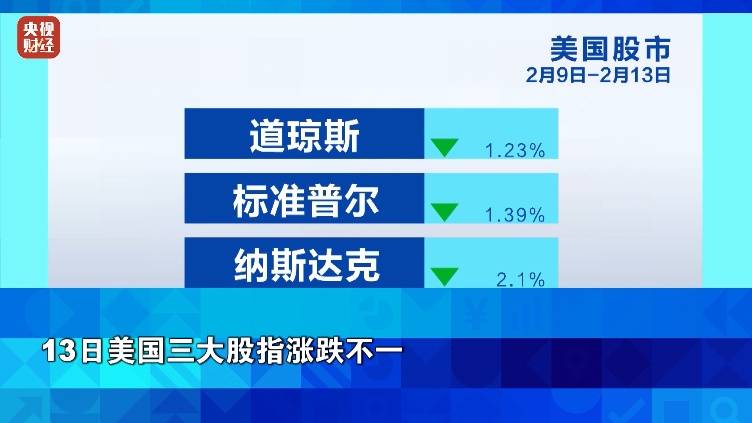
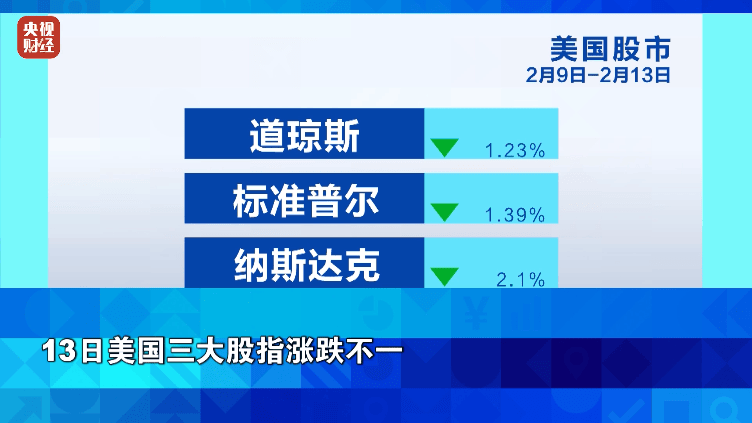
美国1月通胀数据提振美联储降息预期,国际金价和银价在前一个交易日大跌后反弹。全周 来看,黄金期价上涨1.3 4%,白银期价上涨1.4%。 当地时间周五,最新公布的美国1月CPI数据显示通胀压力超预期降温,在一定程度上缓解了 市场对特朗普高额关税可能导致持续通胀的担忧,美国三大股指中,道指上涨0.10%,标普 500指数上涨0 . 05%,纳指则下跌0 . 2 2%。盘面上,贵金属涨幅居前,泛美白银涨超6%,皇家 黄 金 涨 超 4% 。 博 彩 、 邮 轮 板 块 表 现 不 佳 , 挪 威 邮 轮 跌 超 7% , 嘉 年 华 邮 轮 跌 超 2% 。 全 周 来 看,道指下跌1.23%,标普500指数下跌1.39%,纳指下跌2.1%。 美国1月CPI同比增速创2 0 25年5月以来新低 提振市场对美联储今年降息预期 13日美国三大股指涨跌不一 原油期货方面,消息人士称,"欧佩克+"倾向于从今年4月起恢复石油增产,投资者权衡"欧佩 克+"供应前景以及美国通胀数据, 国际油价周五小幅上涨 。截至收盘,纽约商品交易所3月 交货的轻质原油期货价格收于每桶62.89美元,涨幅为0 .08%;4月交货的伦敦布伦特原油 ...
金价银价,大跌后反弹!
Sou Hu Cai Jing· 2026-02-14 04:50
Group 1 - The core viewpoint of the news is that the latest US inflation data for January has exceeded expectations, leading to increased market expectations for a Federal Reserve interest rate cut this year [3][5]. - The US January CPI rose by 2.4% year-on-year, marking the lowest growth rate since May 2025, and lower than the market expectation of 2.5% [5]. - The core CPI for January increased by 2.5% year-on-year, the lowest growth rate since March 2021, which has further bolstered the market's anticipation of a rate cut by the Federal Reserve [5]. Group 2 - In the stock market, the three major US indices showed mixed results, with the Dow Jones rising by 0.10% and the S&P 500 increasing by 0.05%, while the Nasdaq fell by 0.22% [3]. - The performance of precious metals was notable, with gold prices rising by 1.34% and silver prices increasing by 1.4% over the week [12]. - European stock indices displayed varied performance, with the UK FTSE 100 rising by 0.42%, while the French CAC40 index fell by 0.35% and the German DAX index increased by 0.25% [7]. Group 3 - In the oil market, there are indications that OPEC+ is inclined to resume oil production increases starting in April, which is being weighed against the backdrop of US inflation data [9]. - The price of light crude oil for March delivery closed at $62.89 per barrel, up by 0.08%, while Brent crude for April delivery closed at $67.75 per barrel, up by 0.34% [9].
深夜惊魂!金价银价突然大跳水,有人一夜亏惨
Sou Hu Cai Jing· 2026-02-14 04:33
Core Viewpoint - The significant drop in gold and silver prices was triggered by strong U.S. employment data, leading to a sharp decline in market expectations for interest rate cuts by the Federal Reserve [3][4]. Group 1: Market Reaction - Gold prices fell nearly $200 within 30 minutes, dropping from above $5000 to below $4900, marking a single-day decline of over 4%, the largest since 2026 [2][3]. - Silver prices plummeted over 10%, falling below $75, with a minimum price of $74.98, indicating extreme market conditions [3][6]. - The Shanghai Gold Exchange saw gold T D contracts drop by 2.49% to 1096.99 CNY/kg, while silver T D contracts fell by 8.62% to 18201 CNY/kg, with some contracts nearing the limit down [3][6]. Group 2: Economic Indicators - The U.S. non-farm payroll report for January showed an addition of 130,000 jobs, significantly exceeding the expected 70,000, with the unemployment rate decreasing from 4.4% to 4.3% and hourly wages increasing by 0.4% [3][4]. - These strong employment figures led to a sharp decrease in the probability of a Fed rate cut in March, dropping from 20% to 8%, with the first expected cut now pushed to July [3][4]. Group 3: Market Dynamics - The market experienced a "liquidity squeeze" as investors sold off gold and silver to cover losses from the stock market, which saw significant declines in major indices like the Nasdaq and S&P 500 [6]. - Technical factors exacerbated the price drop, as gold had previously risen 28% in January, leading to a chain reaction of stop-loss orders being triggered when prices fell below key psychological levels [6]. - Silver's decline was more severe due to its dual role as both a precious and industrial metal, with concerns over industrial demand following a drop in global manufacturing PMI [6]. Group 4: Broader Market Impact - Other precious and industrial metals also saw declines, with platinum down 3.2% to $1895/oz and palladium down 2.8% to $2150/oz [7]. - The broader commodity market faced selling pressure, with copper and aluminum prices also falling [7]. Group 5: Asset Reallocation - There was a noticeable shift in investor behavior, with U.S. Treasury bonds gaining favor as gold and silver prices fell, leading to a drop in 10-year and 2-year Treasury yields [9]. - The dollar index rose by 0.6% to 104.8, indicating a reallocation of assets from precious metals to traditional safe havens like U.S. debt [9]. Group 6: ETF Movements - Significant outflows were observed in gold and silver ETFs, with SPDR Gold Shares experiencing an outflow of $870 million and a reduction in holdings by 14.3 tons [9]. - iShares Silver Trust saw outflows of $320 million, with holdings decreasing by 285 tons, marking the largest single-day outflow for precious metal ETFs in 2026 [9]. Group 7: Institutional Insights - Citibank reported that global gold allocation as a percentage of GDP reached 0.7%, the highest in 55 years, suggesting potential future adjustments if this ratio returns to historical norms [10].
国际金价银价,大跌后反弹!
Sou Hu Cai Jing· 2026-02-14 04:22
Group 1 - The latest US January CPI data shows inflation pressure cooling more than expected, alleviating market concerns about sustained inflation due to high tariffs [3][5] - The US January CPI year-on-year increase is 2.4%, the lowest since May 2025, and below the market expectation of 2.5% [5] - The core CPI for January increased by 2.5% year-on-year, marking the lowest growth since March 2021 [5] Group 2 - The US stock indices showed mixed performance, with the Dow Jones up 0.10% and the S&P 500 up 0.05%, while the Nasdaq fell by 0.22% [3] - Precious metals saw significant gains, with silver rising over 6% and gold increasing over 4% [3] - The overall performance for the week showed the Dow down 1.23%, S&P 500 down 1.39%, and Nasdaq down 2.1% [3] Group 3 - In Europe, investors focused on corporate earnings, leading to mixed results in the major indices, with the FTSE 100 up 0.42% and the CAC 40 down 0.35% [7] - Oil prices experienced slight increases, with light crude oil futures closing at $62.89 per barrel, up 0.08%, and Brent crude at $67.75 per barrel, up 0.34% [9] - The week saw a decline in oil prices, with US oil down 1.04% and Brent oil down 0.44% [9] Group 4 - International gold and silver prices rebounded after a previous decline, with gold futures closing at $5046.30 per ounce, up 1.98%, and silver futures at $77.964 per ounce, up 3.02% [9] - For the week, gold prices increased by 1.34% and silver prices by 1.4% [9]
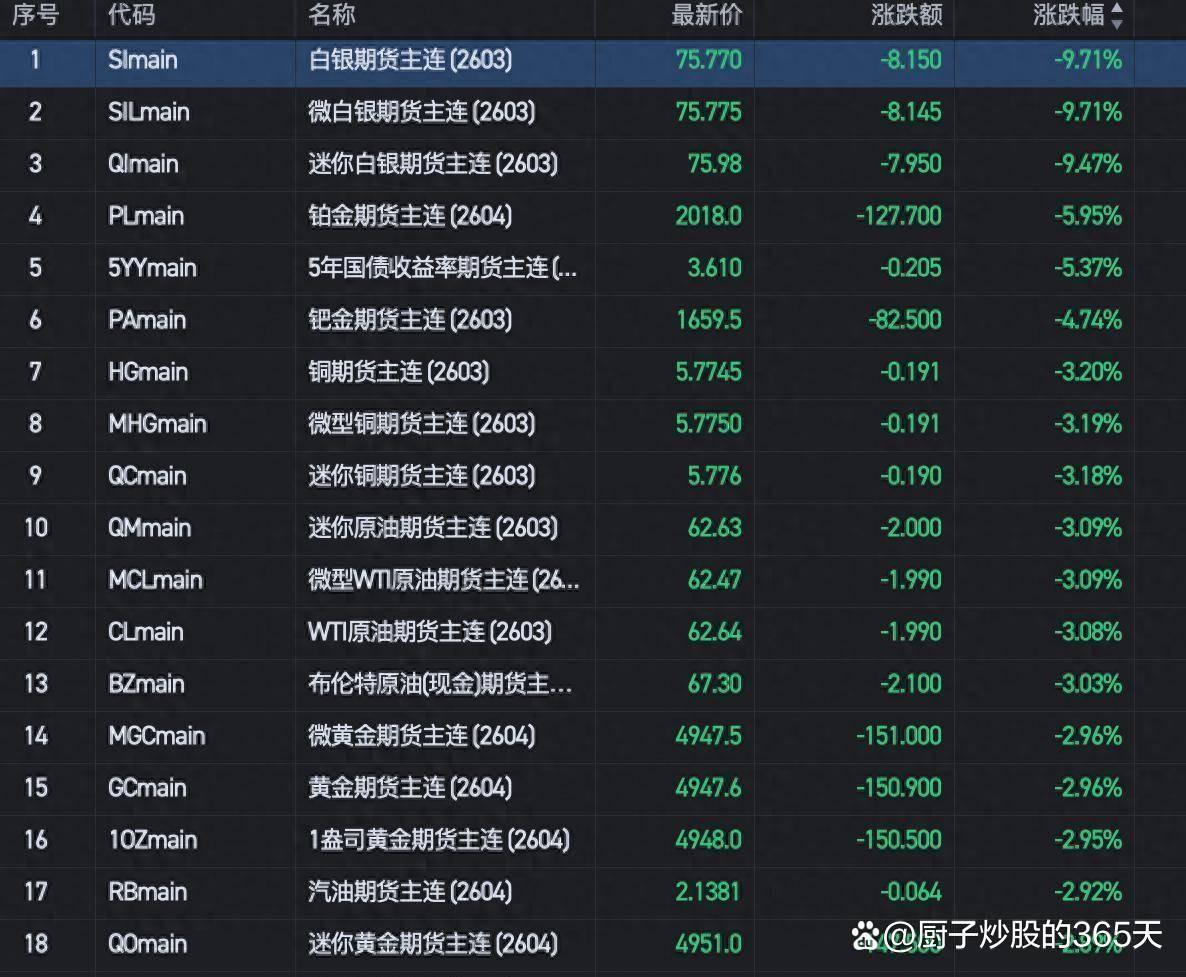
晚间暴雷!黄金、白银、原油、美股全线崩盘,42只中概集体下跌
Sou Hu Cai Jing· 2026-02-14 04:22
Market Overview - On February 13, 2026, a significant asset sell-off occurred in global financial markets, particularly impacting U.S. stock indices. The Dow Jones Industrial Average fell by 669.42 points (1.34%) to close at 49,451.98, while the Nasdaq Composite Index dropped 469.32 points (2.03%) to 22,597.15. The S&P 500 Index also declined by 108.71 points (1.57%) to 6,832.76 [1]. Commodity Market Impact - The sell-off extended to the commodity markets, with gold and silver experiencing substantial declines. COMEX gold futures fell by 3.08% to $4,941.4 per ounce, while COMEX silver futures plummeted by 10.62% to $75.01 per ounce [2][3]. Technology Sector Reaction - Major technology companies were severely affected, with Apple’s stock price dropping by 5%, resulting in a market value loss of over $120 billion (approximately 800 billion RMB). Other tech giants like Microsoft, Amazon, Tesla, Meta, and Nvidia also saw significant declines [3][4]. Chinese Concept Stocks - The Nasdaq Golden Dragon China Index, which includes many Chinese concept stocks, fell by 3% on the same day, indicating a collective sell-off in this sector. Over 40 Chinese concept stocks experienced substantial declines, with Tencent Music down 10.57% and Alibaba down 3.40% [3][4][6]. Employment Data Influence - The catalyst for this market turmoil was a strong U.S. employment report released on February 11, showing a non-farm payroll increase of 130,000 in January, significantly above the expected 70,000. This led to a shift in market expectations regarding Federal Reserve interest rate cuts, with the probability of a March rate cut dropping from 19.6% to 6% [5][6]. Capital Expenditure Concerns - Major tech companies announced aggressive capital expenditure plans for 2026, with Alphabet projecting $175 billion to $185 billion and Amazon estimating $200 billion, both nearly doubling their 2025 expenditures. This raised investor concerns about the return on such investments, especially as many companies reported record profits but saw stock price declines [10][11]. Market Sentiment and Volatility - The market's fear and volatility increased sharply, with the VIX index rising significantly. The sell-off was exacerbated by algorithm-driven trading, which triggered stop-loss orders and led to extreme price movements [15][16][17]. Global Market Impact - The financial turmoil that began in Wall Street quickly spread to global markets, with Asian and European stock markets opening lower in response to the U.S. declines [18].