供需关系

Search documents
N220炭黑采购价格调查结果及分析
Sou Hu Cai Jing· 2026-02-02 15:39
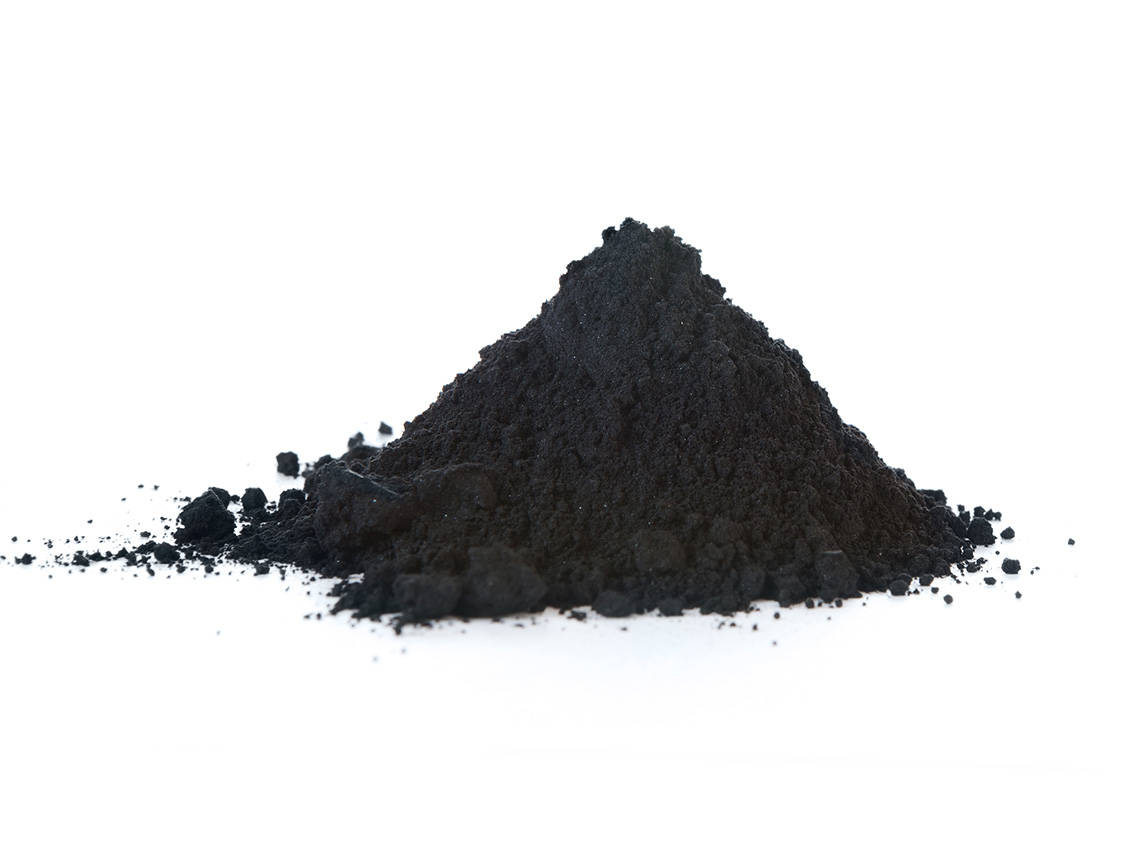
Core Insights - The procurement price of N220 carbon black has shown certain volatility over the past few years, with current prices ranging between 2000-4000 RMB per ton, influenced by factors such as quality, supply-demand dynamics, and environmental regulations [2][3] Group 1: Price Trends - N220 carbon black procurement prices have generally increased in recent years, although the fluctuations have not been significant [2] - The primary factor affecting the procurement price is the supply-demand relationship, where increased market demand can lead to price hikes, while decreased demand may result in price reductions [2] Group 2: Influencing Factors - Environmental requirements have increasingly impacted the procurement prices, as manufacturers may need to invest in environmental facilities and improve production processes, leading to higher production costs that are passed on to customers [3] - Changes in the international raw materials market, including fluctuations in energy prices, transportation costs, and exchange rates, also affect the procurement prices of N220 carbon black [3] Group 3: Strategic Implications - Understanding the trends and factors influencing N220 carbon black prices is crucial for companies to manage procurement costs and make informed operational decisions [3] - Companies can potentially lower procurement costs and enhance production efficiency and competitiveness through timely market research, effective supply chain management, and flexible procurement strategies [3]

大涨VS暴跌?这些节点决定全年走势……
Xin Lang Cai Jing· 2026-02-02 09:41
Core Viewpoint - The domestic steel market in January 2026 exhibited a fluctuating trend characterized by an initial rise followed by a decline, influenced by macro policy expectations, seasonal demand effects, and weak market transactions [10][11]. January Market Review - The overall steel price in January showed a pattern of "initial bottoming and recovery, followed by high-level decline, and a low-level rebound before another drop," with a core operating range of 3085-3198 yuan/ton [11]. - The first phase (January 5-7) saw a weak bottoming trend due to seasonal demand shrinkage and cautious winter storage intentions from traders, leading to a weak supply-demand dynamic [11]. - The second phase (January 8-21) experienced high-level fluctuations with no clear trend, as the market faced increasing supply-demand contradictions and inventory accumulation [12]. - The third phase (January 22-30) marked a low-level rebound driven by strengthening cost support and marginal improvements in market sentiment, although the overall weak supply-demand situation persisted [13]. February Steel Price Outlook - February is expected to be influenced by traditional holiday effects, with positive expectations for policy benefits from the March meetings providing support for the steel market [14]. - The central bank's announcement of a comprehensive monetary policy package, including potential rate cuts, lays a foundation for macro expectations, although immediate impacts on February are limited [14]. - The industry anticipates increased inventory pressure in February, with a significant reduction in demand before the holiday, which may suppress steel prices [14]. - Overall, February is projected to see a limited increase in prices, with expectations of a narrow fluctuation before the holiday and potential price increases afterward [14]. Operational Recommendations - Steel prices should be approached cautiously, with opportunities for minor replenishment only when prices return to undervalued zones, while profits can be gradually realized [15].

供需双弱,多晶硅持续走弱
Hong Ye Qi Huo· 2026-02-02 07:44
Report Summary Industry Information - The report focuses on the industrial silicon and polysilicon industries, analyzing their price trends, supply - demand situations, and downstream market conditions [1][2][3] Core Views - The current situation of industrial silicon is characterized by weak supply and demand, with high inventory difficult to reduce, but strong cost support below. The market is expected to remain volatile in the short term [2] - Polysilicon is also facing weak supply and demand, with high inventory levels. Affected by weak market sentiment, it is expected to maintain a weak and volatile trend in the short term [3] Summary by Directory Industrial Silicon - **Price**: As of January 30, 2026, the spot price of Xinjiang industrial silicon 553 oxygen - passed was 8800 yuan/ton, unchanged from last week; the futures main contract closed at 8850 yuan/ton [2][4][6] - **Supply**: Xinjiang's large factories implemented production cuts at the end of last month, and the overall industrial silicon production decreased month - on - month. The national industrial silicon furnace - opening number was 224, the start - up rate was 27.79%, and the weekly output was 8.36 tons, a decrease of 0.1 tons [2][16][18] - **Demand**: The weekly start - up of polysilicon was basically stable, and pre - holiday stocking was completed. The start - up of organic silicon increased slightly, but there were expectations of a decline in February. The start - up of aluminum alloy enterprises was divided. In December, industrial silicon exports were 5.49 tons, a 7% month - on - month decrease and a 2% year - on - year increase [2] - **Cost**: The cost of industrial silicon remained stable this week [2] - **Inventory**: As of January 30, the national social inventory of industrial silicon was 55.4 tons, a decrease of 0.2 tons from last week [2] - **Price Difference**: As of January 30, the price difference between Yunnan industrial silicon 553 oxygen - passed and 421 oxygen - passed was 400 yuan/ton, and that of Xinjiang was 250 yuan/ton, both unchanged from last week [8][10] Polysilicon - **Price**: As of January 30, the spot price of N - type dense material was 57500 yuan/ton, a decrease of 1500 yuan/ton from last week; the futures main contract closed at 47140 yuan/ton [3][12][14] - **Supply**: Since mid - last month, leading enterprises have actively implemented production suspension and reduction plans, and the supply has shrunk. The output in February will decline significantly month - on - month [3] - **Demand**: The start - up rate of downstream silicon wafer enterprises was low, and they were resistant to high - priced silicon materials. In December, polysilicon imports were 1872.8 tons, a 77% month - on - month increase; exports were 1670.4 tons, a 48% month - on - month decrease [3] - **Cost**: The cost of polysilicon remained stable this week [3] - **Inventory**: As of January 30, the polysilicon factory inventory was 30.27 tons, an increase of 0.25 tons from last week [3][20][22] Downstream Markets - **Silicon Wafers**: As of January 30, the average prices of N - type M10 - 182(130µm), N - type G10L - 183.75(130µm), N - type G12R - 210R(130µm) and N - type G12 - 210(130µm) decreased by 0.125, 0.125, 0.065 and 0.075 yuan/piece respectively from last week [24][26] - **External - demand Battery Cells**: As of January 30, the prices of M10 single - crystal TOPCon, G10L single - crystal TOPCon, G12R single - crystal TOPCon and G12 single - crystal TOPCon increased by 0.025 yuan/watt respectively from last week [28][30] - **Components**: As of January 30, the prices of 182 single - sided TOPCon, 210 single - sided TOPCon, 182 double - sided TOPCon and 210 double - sided TOPCon increased by 0.02 yuan/watt respectively from last week [32][34] - **Organic Silicon**: As of January 30, the price of organic silicon DMC in East China was 14000 yuan/ton, unchanged from last week. The start - up increased slightly last week, with maintenance expected in February [37] - **Aluminum Alloy**: As of January 30, the price of Shanghai aluminum alloy ingot ADC12 was 23700 yuan/ton, an increase of 200 yuan/ton from last week. The start - up rate of recycled aluminum enterprises declined [39][41]

中辉能化观点-20260202
Zhong Hui Qi Huo· 2026-02-02 04:59
1. Report Industry Investment Rating - The report does not explicitly provide an overall industry - wide investment rating. However, for individual varieties, ratings such as "cautious short", "bullish rebound", "sideways with a bullish bias", etc. are given [1][2][4] 2. Core Views of the Report - **Crude Oil**: Short - term, the price is volatile and bullish due to high geopolitical uncertainty in the Middle East, but there is still downward pressure in the long - term as the supply - surplus pattern remains and the demand off - season arrives [1][7] - **LPG**: Cost - side factors drive a rebound, with geopolitical impacts on oil prices and Saudi's CP contract price increase [1] - **L**: The uptrend continues as the inventory of the upstream is at a relatively low level, but attention should be paid to geopolitical and cold wave changes [14][17] - **PP**: The uptrend continues before the Spring Festival, with high - level maintenance reducing upstream inventory, but the fundamental supply - demand is weak [18][21] - **PVC**: It is sideways with a bullish bias in the short - term due to strong export orders, but there is a weakening expectation in the long - term [22][25] - **PTA**: The fundamental expectation is positive, and it is recommended to buy on dips [26][28] - **MEG**: Supply - demand is loose, and it is advisable to be cautious about chasing up [29][30] - **Methanol**: There is a game between weak reality and strong expectation, and it is recommended to buy on dips [32][34] - **Urea**: It rebounds in the short - term with cost support and strong supply - demand, but be cautious about chasing up as the downstream demand enters the off - season [37][38] - **LNG**: The impact of the cold wave is weakening, and the upside of gas prices is limited [41][43] - **Asphalt**: The valuation of the futures is high, and there may be a short - term correction [45][48] - **Glass**: The supply - demand is weak, and it is in a range - bound oscillation [50][53] - **Soda Ash**: The operation is bearish and sideways with a decline in the operating rate [54][57] 3. Summary by Variety Crude Oil - **Market Performance**: On the previous Friday, international oil prices fluctuated within a range. WTI decreased by 0.32%, Brent decreased by 0.39%, and domestic SC increased by 3.40% [6] - **Basic Logic**: Short - term, geopolitical factors in the Middle East lead to an increase in geopolitical premium; in the long - term, the supply is in surplus during the off - season, and global crude oil inventories are accumulating rapidly [7] - **Fundamentals**: OPEC+ maintained its production policy unchanged in the February 1st meeting and continued to suspend production increases in March. The geopolitical uncertainty in the Middle East has increased. The impact of the cold wave in the US is decreasing, and US crude oil production is gradually rising. India's diesel exports to West Africa reached a record high in December, and its crude oil imports in December increased by 1.6% month - on - month [8] - **Strategy Recommendation**: In the medium - to - long - term, the supply - demand fundamentals will improve after the first quarter. In the short - term, it is expected to rebound. Pay attention to the geopolitical situation in the Middle East. The range for SC is [460 - 480] [9] LPG - **Market Performance**: On January 30th, the PG main contract closed at 4353 yuan/ton, a 0.97% increase. Spot prices in Shandong, East China, and South China were 4480 (+60) yuan/ton, 4428 (+15) yuan/ton, and 4840 (-10) yuan/ton respectively [11] - **Basic Logic**: The price is mainly determined by the cost - side oil price. In the short - term, the oil price rebounds due to geopolitical disturbances, but is under pressure in the long - term. The supply is stable, and the downstream chemical demand is weak with inventory accumulation [12] - **Strategy Recommendation**: In the medium - to - long - term, the price has room for further compression as the upstream crude oil supply exceeds demand. In the short - term, the cost - side oil price is uncertain. The range for PG is [4300 - 4400] [13] L - **Market Performance**: The L05 contract price decreased by 0.5%. The L05 basis was - 174 yuan/ton, and the L59 spread was - 55 yuan/ton [15][16] - **Basic Logic**: The inventory of Sinopec and PetroChina has dropped to a low level in the same period. The uptrend continues, but attention should be paid to geopolitical and cold wave changes. The production is expected to increase this week, and the basis has dropped to a low level in the same period [17] - **Strategy Recommendation**: The range for L is [7000 - 7200] [17] PP - **Market Performance**: The PP05 contract price decreased by 0.7%. The PP05 basis was - 108 yuan/ton, and the PP59 spread was - 33 yuan/ton [19][20] - **Basic Logic**: Before the Spring Festival, the market is mainly trading on expectations. High - level maintenance has significantly reduced upstream inventory, and the uptrend continues. The current supply - demand is weak, and the parking ratio is 21%, reducing supply pressure [21] - **Strategy Recommendation**: The range for PP is [6800 - 7000] [21] PVC - **Market Performance**: The V05 contract price increased by 3.4%. The V05 basis was - 283 yuan/ton, and the V59 spread was - 122 yuan/ton [23][24] - **Basic Logic**: Export orders are strong, and enterprise inventory has dropped to a low level in the same period. In the short - term, it is sideways with a bullish bias. The spot price of liquid caustic soda has been falling, and the cost support of marginal devices has improved. However, there is a weakening expectation in the long - term [25] - **Strategy Recommendation**: The range for PVC is [5000 - 5200] [25] PTA - **Market Performance**: As of January 30th, TA05 closed at 5270, at the 90.5% quantile level in the past three months. The basis was 20 (+102) yuan/ton, and the TA5 - 9 spread was - 12 (+6) yuan/ton [28] - **Basic Logic**: The PTA device is under planned maintenance with a relatively high intensity. Downstream demand is seasonally weak, and there is seasonal inventory accumulation in January and February. However, the fundamental expectation is positive [28] - **Strategy Recommendation**: Pay attention to the opportunity to buy the 05 contract on dips. The range for TA05 is [5220 - 5420] [28] MEG - **Market Performance**: The EG05 contract price decreased by 37 yuan/ton. The basis was - 99 (+21) yuan/ton, and the 5 - 9 spread was - 105 (-8) yuan/ton [29] - **Basic Logic**: The low - valuation has been repaired. Domestic production capacity utilization has increased, and overseas devices have slightly increased their loads. Downstream demand is seasonally weak, and port inventory is accumulating [30] - **Strategy Recommendation**: Pay attention to the opportunity to short on rebounds. The range for EG05 is [3860 - 3980] [31] Methanol - **Market Performance**: The methanol main contract is at a high valuation in the past three months. The comprehensive profit is - 235 yuan/ton, and the East China basis is - 60 (+20) [34] - **Basic Logic**: Domestic methanol device operating rates are high, while overseas devices have significantly reduced their loads. Demand has weakened significantly. Although the fundamentals are relatively loose, geopolitical conflicts and cold weather in North America have led to a short - term increase in overseas natural gas costs, which is bullish [34] - **Strategy Recommendation**: Hold long positions. The range for MA05 is [2280 - 2350] [36] Urea - **Market Performance**: The urea main contract closed at 1788 (+12) yuan/ton, at the 73.3% quantile level in the past year. The Shandong small - particle basis was - 28 (-2) yuan/ton, and the UR5 - 9 spread was 25 yuan/ton [39] - **Basic Logic**: The absolute valuation is not low. The supply is under pressure as the production of previously maintained devices has resumed. Demand is strong in the short - term, but the downstream demand is entering the off - season [38][39] - **Strategy Recommendation**: Be cautious about chasing up. The range for UR05 is [1780 - 1810] [40] LNG - **Market Performance**: On January 29th, the NG main contract closed at 3.878 US dollars/million British thermal units, a 4.16% increase [42] - **Basic Logic**: The impact of the cold wave in the US on gas prices has weakened, and the upside of gas prices is limited. The supply is relatively sufficient, and the demand is in the peak season [43] - **Strategy Recommendation**: The range for NG is [3.556 - 4.050] [44] Asphalt - **Market Performance**: On January 30th, the BU main contract closed at 3424 yuan/ton, a 1.55% decrease. The market prices in Shandong, East China, and South China increased [47] - **Basic Logic**: The cost of asphalt raw materials has increased, and the oil price has rebounded due to geopolitical factors, but the basis is weak, and there is a risk of a short - term correction [48] - **Strategy Recommendation**: Pay attention to risks due to geopolitical uncertainties. The range for BU is [3400 - 3500] [49] Glass - **Market Performance**: The FG05 contract price decreased by 2.9%. The FG05 basis was - 36 yuan/ton, and the FG59 spread was - 112 yuan/ton [51][52] - **Basic Logic**: The supply - demand is weak, and the inventory of enterprises has slightly decreased at a high level. The futures price is oscillating at a low level. Attention should be paid to the reduction in supply [53] - **Strategy Recommendation**: Be cautious about chasing up. The range for FG is [1050 - 1100] [53] Soda Ash - **Market Performance**: The SA05 contract price decreased by 1.6%. The SA05 basis was - 34 yuan/ton, and the SA59 spread was - 62 yuan/ton [55][56] - **Basic Logic**: Some devices are planned for maintenance, and the operating rate has decreased. The demand for heavy soda ash is insufficient, and the supply is under pressure [57] - **Strategy Recommendation**: Be cautious about chasing up. The range for SA is [1200 - 1250] [57]
长江有色:宏观鹰风及供需承压锡市全线遭抛 2日锡价或大跌
Xin Lang Cai Jing· 2026-02-02 03:32
Core Viewpoint - The recent decline in tin prices is driven by a combination of macroeconomic pressures, weak demand recovery, and rising inventory levels, leading to a bearish sentiment in the market [2][3][4]. Group 1: Macroeconomic Factors - The US dollar index has seen significant gains, creating a strong currency environment that diminishes the attractiveness of dollar-denominated commodities like tin [2]. - The US stock market is experiencing heightened risk aversion, particularly affecting technology stocks, which has negatively impacted market confidence in downstream demand for tin in electronics and AI hardware [2]. - Hawkish signals from the Federal Reserve and unexpected inflation data have reversed optimistic expectations for interest rate cuts, leading to a tightening of liquidity support [2]. Group 2: Supply Dynamics - There is a clear expectation of a shift from tight to loose global supply conditions, primarily driven by steady recovery in Myanmar's Wa region and ongoing releases of legal production capacity in Indonesia [3]. - Global visible tin inventories have surged significantly from their lows, raising concerns about oversupply and putting downward pressure on prices [3]. Group 3: Demand Challenges - The traditional consumption sectors, which constitute the majority of tin demand, remain sluggish, with no strong signs of recovery in electronic solder, home appliances, and real estate-related tin chemical demand [4]. - Although emerging sectors like photovoltaics and AI servers show long-term resilience, their current share of total demand is still small, making it difficult to offset declines in traditional sectors [4]. - High historical tin prices have suppressed actual purchasing intentions among downstream users, leading to low inventory levels and weak support in the spot market [4]. Group 4: Industry Profitability - The profit distribution within the tin industry is increasingly skewed towards upstream resource providers, who are benefiting from their scarcity [5]. - As expectations for increased tin supply rise, the scarcity premium for upstream resources is likely to face downward pressure [5]. - Midstream smelting operations, primarily dominated by China, are stable but face rising environmental costs, while downstream processing enterprises are struggling with weak orders and high raw material costs [5]. Group 5: Market Sentiment - The sharp decline in futures prices has led to a collapse in trading sentiment in the spot market, with traders opting for aggressive selling to avoid further losses [6]. - Downstream processing companies are maintaining minimal purchasing levels due to weak end-user demand and a strong wait-and-see attitude, resulting in a lack of buying interest [7]. - The market is characterized by a "strong selling but weak buying" dynamic, indicating a challenging short-term trading atmosphere [7]. Group 6: Short-term Outlook - Tin prices are expected to continue fluctuating as they seek a bottom, with investors advised to monitor developments in Myanmar's production recovery, the Federal Reserve's March meeting, domestic consumption trends, and global inventory depletion rates [8].
中信建投期货:2月2日能化早报
Xin Lang Cai Jing· 2026-02-02 01:39
(李思进 期货交易咨询从业信息:Z0021407,仅供参考) PTA: 供需面供稳需减。PTA 行业负荷环比持平至 76.6%,处于历年同期偏低水平,鉴于一季度检修计划较多,预计供应将趋于收紧。需求端,终端新订单整体偏 弱,江浙地区终端工厂开工率持续下滑。聚酯行业负荷环比减少 2.0pct 至 84.2%,预计行业开工将加速下滑。综合来看,当前 TA-聚酯环节基本面尚有支 撑,PTA 现货基差走弱的持续性将受到聚酯减产的考验,同时终端需求走弱也将形成压制,一季度产业链面临累库压力。短期内,成本端支撑减弱,TA 5 月期价预计震荡偏弱运行,中线投资者等待回调至支撑区域 5100-5200 做多。需警惕霍尔木兹海峡遭封锁可能引发的油价冲高风险。 (李思进 期货交易咨询从业信息:Z0021407,仅供参考) EG: 供需面供增需减。国内方面,乙二醇行业负荷环比增加 1.2pct 至 74.3%,其中,合成气制负荷环比增加 1.6pct至 81.0%,处于历年同期高位,当前价格尚不 足以引发大规模减产。虽然北美及中东装置检修可能削减一季度进口,但由于近期乙二醇价格重心上移,吸引了部分中国台湾等地货源,加之国内供应充 ...


中信证券:2025年有色金属行情领跑大盘 看好贵金属、工业金属等板块配置价值
智通财经网· 2026-02-02 01:21
Core Viewpoint - The report from CITIC Securities indicates that after a significant market surge in 2025, the momentum for the prices of non-ferrous metals and stocks remains strong, supported by supply disruptions, localized high demand, and inventory accumulation, with liquidity easing and geopolitical tensions likely amplifying price elasticity for metals [1] Group 1: Market Performance and Price Trends - In 2025, the CITIC non-ferrous metal sector index increased by 98.6%, outperforming the CSI 300 index by 77.4 percentage points [1] - The leading segments included tungsten (+144.8%), nickel, cobalt, tin, and antimony (+130.7%), and copper (+123.9%) [1] - Precious metals showed the most significant price increases, with average prices for gold and silver in 2025 rising over 70% year-on-year [1] Group 2: Supply and Demand Dynamics - Supply disruptions in the metal industry are expected to become more frequent and severe, with significant price increases for cobalt, tin, lithium, copper, and nickel due to these disturbances [2] - Structural demand resilience remains strong despite potential weaknesses in sectors like real estate and home appliances, with high demand expected in areas such as power grid investment, energy storage batteries, and AI servers [2] - Inventory accumulation driven by trade disputes is expected to amplify demand for copper, lithium, and rare earths, leading to price increases [2] Group 3: Trading Activity and Geopolitical Impact - The report anticipates that global liquidity will remain loose in 2026, with increased trading activity in precious metals likely leading to unexpected price surges for silver, copper, tin, and lithium carbonate [3] - Ongoing geopolitical conflicts are expected to elevate risk aversion, driving up prices for precious metals and extending to other non-ferrous metals like copper, rare earths, tungsten, and natural uranium [3] Group 4: Price Outlook for Major Metals in 2026 - Precious metals are expected to benefit from monetary attributes and sustained risk aversion, with gold projected to reach $6,000 per ounce and silver potentially rising to $120 per ounce due to extreme shortages and trading enthusiasm [4] - Supply constraints and resilient demand are expected to support strong price performance for copper and aluminum, with average prices projected at $12,000 per ton and 23,000 yuan per ton, respectively [4] - Battery metals like lithium are anticipated to rise to a price range of 120,000 to 200,000 yuan per ton, while cobalt prices are expected to be between 400,000 and 500,000 yuan per ton due to quota reductions [4] - Other metals such as rare earths, tungsten, tin, and natural uranium are expected to continue benefiting from supply-demand tightness, with price targets of 600,000 to 800,000 yuan per ton, 450,000 to 550,000 yuan per ton, 450,000 to 500,000 yuan per ton, and $100 per pound, respectively [4]

石油化工行业周报:伊朗推动地缘溢价进一步上升
SINOLINK SECURITIES· 2026-02-01 10:50
Investment Rating - The report indicates a positive outlook for the oil and petrochemical sector, with the sector outperforming the Shanghai Composite Index by +8.40% this week [10]. Core Insights - Geopolitical factors remain the primary driver in the current oil market, with significant attention on the potential for conflict between the US and Iran. The market is pricing in a geopolitical risk premium of approximately $8-10 per barrel related to Iran [15][17]. - The report anticipates that if the situation with Iran does not escalate into a full-blown conflict, oil prices may revert to supply-demand fundamentals, potentially leading to a price decline [15][17]. - The report highlights that the recent cold wave and reduced production in Kazakhstan have slowed the accumulation of global inventories, with expectations of a return to a higher accumulation rate in the coming weeks [17][18]. Summary by Sections Market Review - The oil and petrochemical sector has shown a weekly increase of +7.95%, with specific indices such as the oil and gas resources index rising by +7.79% and the oil and gas extraction services index by +7.96% [10][11]. Oil Sector - As of January 29, WTI crude oil was priced at $65.42, up by $6.06, while Brent crude was at $72.57, up by $6.60. The EIA reported a decrease in commercial crude oil inventories by 2.295 million barrels [16][17]. - The report notes that US crude oil production stands at 13.696 million barrels per day, with a decrease in net imports by 61.8% [16]. Refining Sector - The average operating rate of domestic refineries was reported at 80.02%, with a slight increase of 1.24 percentage points from the previous week. The average refining margin for major refineries was 659.83 yuan per ton, down by 101.65 yuan per ton [16]. Polyester Sector - The PX-Naphtha spread has increased to approximately $340 per ton, with PTA processing fees at 374.32 yuan per ton. The report indicates a decline in profitability for polyester products, with average profit levels for various types of polyester showing negative margins [16]. Olefins Sector - The average price for ethylene in the domestic market was reported at 5769 yuan per ton, a slight decrease of 0.33%. The propylene market saw an increase in average transaction prices to 6400 yuan per ton, up by 3.64% [16].




生意社:成本端支撑走强 1月涤纶短纤价格先跌后涨
Xin Lang Cai Jing· 2026-01-31 09:11
Group 1 - The core viewpoint of the article indicates that the polyester staple fiber market experienced fluctuations in January, with prices rising by 2.19% by the end of the month due to improved cost support and overall market sentiment [3] - The international crude oil market has seen an upward trend, with WTI crude oil futures settling at $65.42 per barrel and Brent crude at $69.59 per barrel, driven by supply disruptions and geopolitical tensions [5] - The PTA market followed the fluctuations in crude oil prices, with the price in East China reaching 5298 yuan per ton, up 4.33% from the beginning of the month, while the industry operating rate stood at 75% [7] Group 2 - The supply side of PTA remains stable despite some production halts, with significant players like Hanbang Petrochemical and Yisheng New Materials temporarily shutting down operations [7] - The textile end market is experiencing a seasonal decline in orders as the Spring Festival approaches, leading to reduced production and increased reluctance among buyers to purchase [7] - Analysts suggest that short-term price movements for polyester staple fiber will primarily follow raw material fluctuations, with limited upward price potential due to high supply and weakening demand [7]
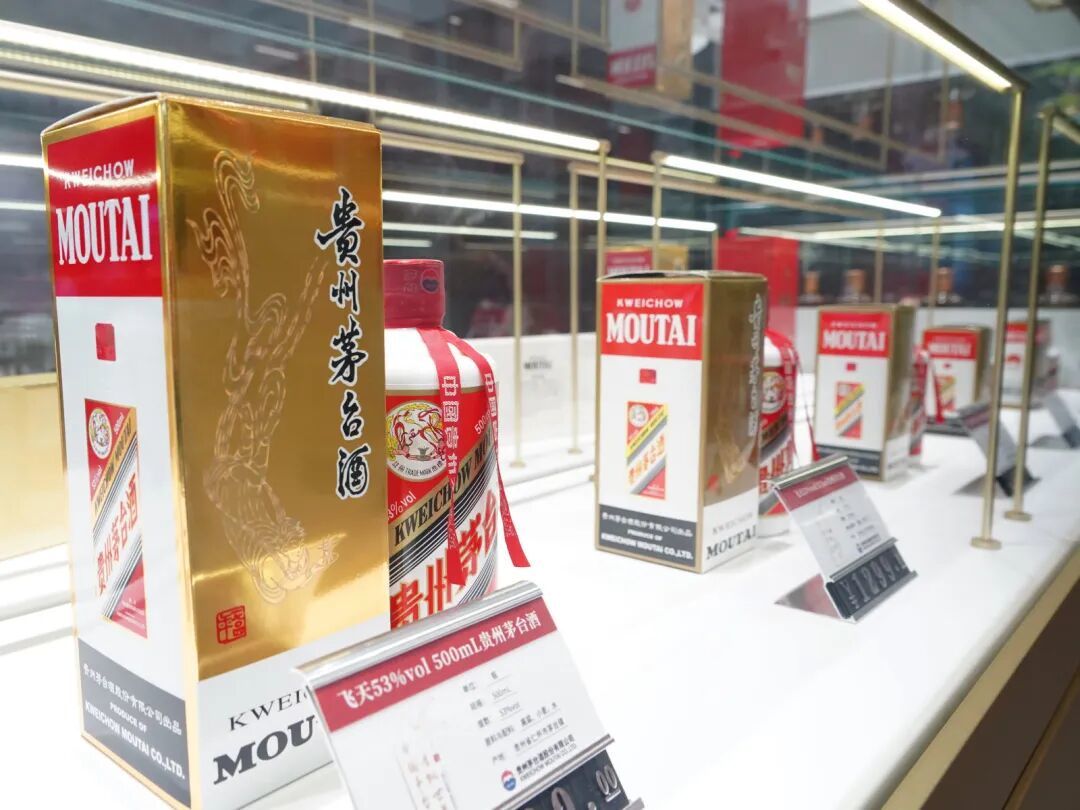
飞天茅台连涨三日,终端价达1860元/瓶,有经销商直呼需求超出预期
Mei Ri Jing Ji Xin Wen· 2026-01-31 07:08
Core Viewpoint - The market price of Feitian Moutai has been rising for three consecutive days, with the original box price exceeding 1700 yuan per bottle, marking the highest single-day increase of the year at approximately 100 yuan per bottle [1][3]. Group 1: Price Trends - The terminal market price in Chengdu reached 1860 yuan per bottle, an increase of 160 yuan compared to the previous two days [1][4]. - The price of Feitian Moutai has seen multiple increases within a single day, with reports indicating a rise of 4 times in one day and 2 times the next day [4]. - As of January 30, the market price for original box Feitian Moutai ranged from 1710 to 1770 yuan per bottle, while scattered bottles were priced between 1650 and 1700 yuan per bottle, with daily increases of 100 to 160 yuan for original boxes and 80 to 130 yuan for scattered bottles [7]. Group 2: Market Demand and Supply - The current market demand has exceeded expectations, with some distributors noting a significant increase in purchasing power, described as "heavenly" [1][5]. - The demand surge is attributed not only to the traditional seasonal increase during the Spring Festival but also to the impact of the iMoutai platform, which has attracted new consumer groups beyond traditional distribution channels [3][8]. - Many distributors have already sold out their quotas for January and February, leading to a potential demand exceeding supply situation [10][11]. Group 3: Future Price Stability - There is a prevailing optimistic outlook regarding the stability of Feitian Moutai prices post-Spring Festival, primarily based on supply-demand dynamics [10][11]. - Concerns remain about the sustainability of the new consumer base attracted by iMoutai and the potential for price corrections after the holiday season [12][13]. - Some distributors have noted a decline in group purchase numbers by over 30% year-on-year, indicating that the current purchasing behavior may not sustain long-term demand [12].