
贸易战

Search documents
收获季,中国订单至今为零,美国豆农感受痛苦
Huan Qiu Shi Bao· 2025-09-22 22:43
Group 1 - The core issue facing U.S. farmers is the lack of orders from China for soybeans during the harvest season, leading to severe economic distress [3][6] - U.S. soybean exports to China are projected to be zero this year, despite an expected export value of $12.8 billion for 2024 [3][6] - The agricultural crisis is exacerbated by high production costs and record yields, resulting in a significant drop in commodity prices, with soybean prices down approximately 40% from 2022 [5][6] Group 2 - The economic crisis is affecting not only farmers but also the entire supply chain, including transportation and logistics sectors, which are facing a sharp decline in demand [7][8] - The potential rise in farm bankruptcies is alarming, with a reported 55% increase in bankruptcies last year, and farmers are experiencing heightened stress levels [6][9] - Calls for the U.S. government to end the trade war with China are growing, as farmers believe that resolving trade issues is crucial for their survival [8][9] Group 3 - The U.S. government has promised over $60 billion in subsidies to farmers, but these funds may not be available until 2026, raising concerns about immediate relief [9] - The long-term impact of the trade war could lead to a decline in land values and reduced production if markets are not restored quickly [9] - The agricultural community is urging the government to prioritize soybean trade negotiations with China to prevent further economic damage [8][9]


中方一单未下,美国大豆被判死刑,美农民泣、特朗普劝,全无效用
Sou Hu Cai Jing· 2025-09-22 19:21
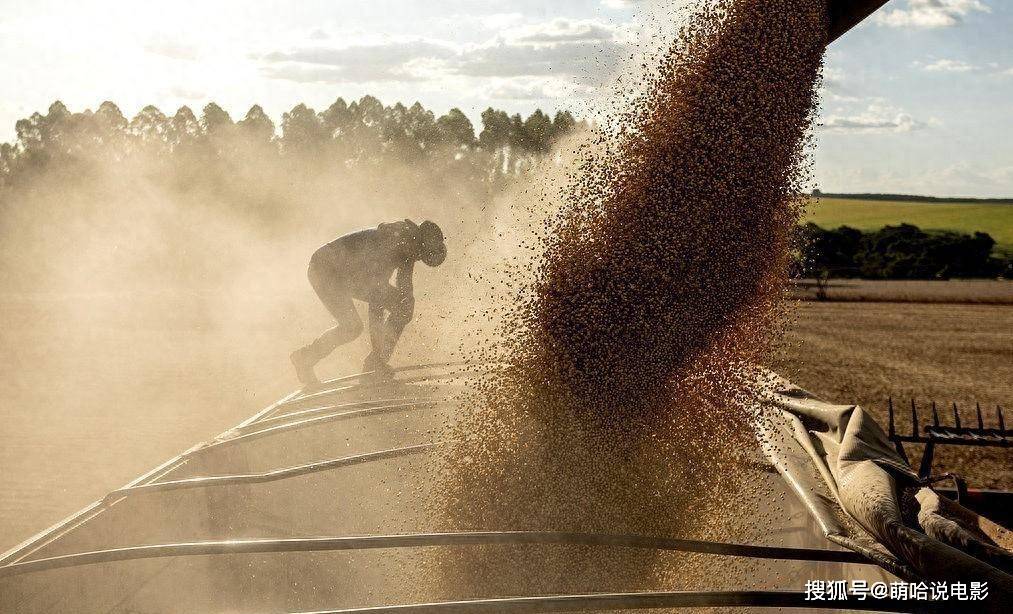
中美"大豆战"硝烟弥漫:金黄的绝望,巨人的抉择 在美利坚腹地,那片曾承载着丰收希望的金黄豆田,如今却被阴霾笼罩。收割机的轰鸣声不再是喜悦的奏鸣曲,而是奏响了一曲曲绝望的哀歌。 "瞧瞧这庄稼,我一生中从未种出过如此饱满的金黄!可现在,因为这场关税的拉锯战,中国不再下单。我只能看着它们被无情地碾碎,重新回归泥土,因 为它们毫无价值,无人问津。"一位美国中西部豆农在短视频平台上哽咽着,镜头中,一颗颗饱满成熟的大豆被粉碎机搅烂,化作田间的肥料。这幅画面, 如同美国农业在贸易战阴影下的一声声无助的呐喊。 今年秋季,美国迎来了令人瞩目的玉米和大豆大丰收,然而,曾经最大的买家——中国,却迟迟未发出任何订单。美国大豆协会主席凯莱布·拉格兰心急如 焚,紧急致信总统特朗普,发出了严峻的警告:美国农业正濒临一场深刻的危机,豆农们的处境已是"极其严峻"。 贸易寒风中的牺牲品:大豆的命运交织 这场突如其来的大豆危机,其根源可追溯至2025年初中美两国贸易摩擦的不断升级。彼时,特朗普政府先发制人,对来自加拿大和墨西哥的商品施加25%的 关税,同时对中国商品加征10%的关税。 作为强有力的回应,中国政府迅速启动了反制措施,对原产于美国的若 ...
特朗普当了两回总统,终于发现一个问题:只要不跟中国对着干,美国就还是超级大国
Sou Hu Cai Jing· 2025-09-22 16:45
更离谱的是,美国农民首当其冲。中国反制关税一上来,美国大豆出口直接被砍掉一大块,2019年美国不得不拿出280亿美元补贴农民。这钱哪来的?税 收。说白了还是美国老百姓埋单。 企业也没好到哪去。根据美小企业联合会的调研,到2025年,美国中小企业因为关税,每家每年平均多花12万美元成本。你想象一下,一个本来利润就不厚 的中小厂商,多背这么个负担,怎么活? 再说科技公司。2020年开始美国限制高端芯片卖中国,表面上看是要卡中国脖子。结果中国市场占了英伟达和高通接近一半收入,一刀切下去,他们的财报 直接掉头。高通2023年在中国的收入比上一年少了将近20%,股价也跟着跌。研发经费一紧,反过来影响他们自己在全球的竞争力。 你有没有发现,美国这几年跟中国硬刚,最后受伤的好像都是自己人? 我这两天翻了下数据,2018年特朗普发动贸易战的时候,对中国商品加税超过3000亿美元。他当时说要减少逆差,结果到2024年,美国对华逆差依然有3500 亿美元。美商务部的数据摆在那,这笔账怎么算都不像是赢。 所以特朗普2025年再上台,看财政部报告的时候才皱眉。因为他终于发现,这不是在维护超级大国的地位,而是在消耗超级大国的底子。 美 ...
中美密谈约6个小时,贝森特眉头紧锁,美国网民感慨:特朗普变了
Sou Hu Cai Jing· 2025-09-22 12:54
当地时间9月14日至15日,中美两国代表团在西班牙马德里举行了第四轮高层贸易谈判。这是继斯德哥尔摩会谈后,双方在关税停火协议背景下再一次续 谈。 此次会谈的核心内容主要有四点: 1、关税问题。双方在稀土、半导体、农产品等领域互加关税已导致全球供应链紧张。美国希望中国在关键原材料出口上做出让步,而中方则坚持美方必须 减少对中国企业的限制。 2、技术与出口管制。美国对中国先进芯片和相关设备的出口限制,一直被中方谴责。而中国也不惯着,采取了对等反制措施,发起对美国芯片产品的反倾 销调查,以平衡谈判筹码。 3、TikTok问题。美国要求字节跳动在9月17日前剥离TikTok美国业务,否则将采取进一步措施。中方则认为此举涉及企业正当权益,要求美方避免泛化国家 安全概念。 4、能源与地缘政治。美国提出希望中国减少从俄罗斯进口石油,以避免为俄乌冲突提供资金支持,中方对此态度一直都是公开公正的,这是中俄之间的正 常贸易。 这也不能怪他们,现在很多欧盟国家都在担心,如果真对中国全面加税,后果不堪设想,这将直接冲击欧洲本已脆弱的经济。尤其是德国、法国等在对华贸 易上依赖度较高的国家。欧洲媒体指出,如果跟随美国对中国征收100%关 ...
特朗普算盘落空,中方警告后不到24小时,日本拒绝对华加征关税
Sou Hu Cai Jing· 2025-09-22 11:00
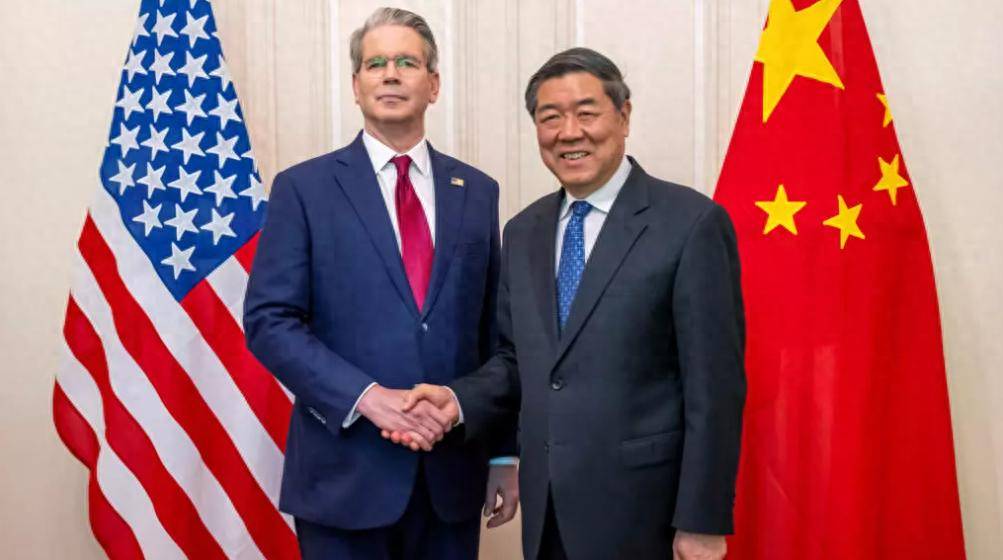
之前,美国一直催着日本、欧盟这些盟友,去对中国、印度这类买了很多俄罗斯石油的国家搞 "进一步 制裁",还要加50%甚至100%的关税,理由是 "这些国家在给俄罗斯提供战争资金"。 但到了9月16日下午,日本财务大臣加藤胜信却明确拒绝了美国这个要求。 真没想到啊,美国最铁的盟友,这一次竟公开站出来说"不"! 对华的"老套路"失效 说到特朗普的"关税战术",关注国际新闻的朋友可能都不陌生。 从2018年对华挑起贸易战开始,他就一直把加征关税当作"万能药",不管什么问题,似乎都觉得多征点 税就能让对方服软。 但到了2025年,他这套打法有了新变化,他硬要把俄乌冲突和中美贸易扯到一起,声称"中国买俄罗斯 石油",所以鼓动G7国家一起对中国加税。 这一招看似来势汹汹,其实背后反映出的是美国的战略焦虑。 根据2025年中国海关总署发布的关税调整时间表,美国从2月份就开始不断加码,先是借"芬太尼问 题"加了10%的关税,3月又提到20%,4月更离谱,搞出一套"对等关税"机制,把部分中国商品的税率 一路推高到145%。 信息来源:新华社/2025.05.12中美经贸高层会谈在瑞士日内瓦举行 虽然后来5月份中美在日内瓦举行了高 ...
贵金属:沪银涨3.81% 全球央行上半年增持超400吨黄金
Sou Hu Cai Jing· 2025-09-22 09:51
Core Viewpoint - Following the Federal Reserve's interest rate cut, precious metals have surged, with silver rising by 3.81% and gold increasing over 2%, surpassing the 3700 mark and setting a new historical high [1] Group 1: Precious Metals Performance - Silver has shown a significant increase of 3.81% [1] - Gold has risen over 2%, reaching above 3700, marking a new historical high [1] Group 2: Central Bank Activities - Global central banks have increased their gold purchases, adding over 400 tons in the first half of this year, following three consecutive years of buying over 1000 tons [1] Group 3: Economic Context - The trend of rising gold prices is supported by a shift towards de-globalization, the U.S. initiating trade wars, and a gradual decline in the credibility of the dollar [1] - The Federal Reserve's re-initiation of the interest rate cut cycle is expected to further weaken the dollar, opening up more upward potential for gold prices [1] Group 4: Market Dynamics - Silver, being a smaller market commodity, is expected to show greater elasticity, with its price likely to exceed that of gold in the later stages of a gold bull market [1]
日本做出明智决定,拒绝特朗普要求给中国加税,找的理由也很给力
Sou Hu Cai Jing· 2025-09-22 07:37
Group 1 - The G7 summit concluded with President Trump urging traditional allies like Japan and Germany to impose high tariffs on goods from China and India, ranging from 50% to 100% [1][3] - Japan's Finance Minister, Taro Kato, stated that Japan would not impose additional tariffs on China and India, citing World Trade Organization (WTO) rules as a defense [5][7] - Japan emphasized the principles of most-favored-nation treatment and non-discrimination under WTO rules, arguing that raising tariffs based solely on energy trade with Russia is prohibited [9] Group 2 - Japan's refusal to comply with Trump's demands reflects its deep economic ties with China, as evidenced by a nearly balanced trade volume of $206.4 billion in the first eight months of 2025 [10] - Historical lessons from the Plaza Accord in 1985, which led to Japan's economic stagnation, have influenced Japan's current independent stance on economic policies [12] - Japan's energy security strategy includes diversifying energy sources, with Russian energy imports being a key component, while also preparing to increase purchases from other regions [14] Group 3 - The political environment in Japan, particularly the impending resignation of Prime Minister Shigeru Ishiba, has provided a favorable context for rejecting U.S. demands [14] - China's strong opposition to unilateral sanctions and potential retaliatory measures has also played a crucial role in Japan's decision [15] - The U.S. has not immediately retaliated against Japan's refusal, indicating the complexity of U.S.-Japan relations and the ongoing security cooperation between the two nations [17] Group 4 - Japan's decision to reject Trump's tariff demands may signal a shift in global trade dynamics, where even close allies begin to prioritize national interests and international rules over blind allegiance [19]
谈了两天,中美宣布达成基本共识,特朗普罕见承认美国不行了
Sou Hu Cai Jing· 2025-09-22 06:52
谈判落幕之际,特朗普在社交媒体上发表长文,罕见承认美国制造业严重衰退,甚至坦言连航母建造都 困难重重。这位素来强硬的总统突然自揭短板,显然事出偶然。回顾其任期内的对华政策,虽然花样百 出却收效甚微。谈判期间,美方试图打台湾牌施压,不料解放军立即在山东外海展开实弹演习。现场目 这场在马德里举行的贸易谈判无疑是当前国际舞台的焦点事件。据最新报道,中国商务部代表李成钢在 15日宣布,双方就TikTok等经贸议题达成初步共识。从结果来看,美方显然未能如愿以偿。这一局面其 实早有预兆——谈判前夕,美方曾高调表示对现有关税政策相当满意,并暗示在元首会晤前不会调整关 税。 击者拍摄的画面显示,两枚导弹在空中完成精准拦截,这场家门口的实战演练既检验了战力,更展示了 中国捍卫核心利益的决心。 特朗普态度软化实属形势所迫。美国最后的台湾牌已然失效,国内更是乱象丛生:政治暴力事件频发, 两极化对立加剧。在国际舞台上,传统盟友纷纷转向,连巴西、加拿大等国家也开始深化与华合作。更 关键的是,美国制造业竞争力持续下滑,正如特朗普亲口承认的那样,现在连航母建造都屡屡延期。若 继续贸易战,美国承受的代价可能远超中国。 中美贸易谈判近期在西班 ...
果然,美国正在加速打造对华“关税联盟”!
Sou Hu Cai Jing· 2025-09-22 06:41
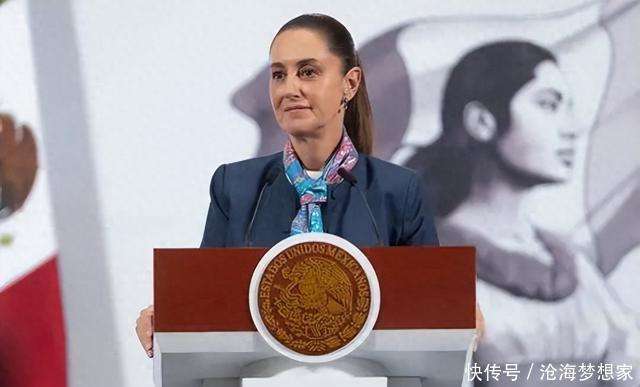
Core Points - The U.S. government is intensifying pressure on allies to impose tariffs on Chinese goods, although broad support remains limited [1] - Mexico's recent decision to raise import tariffs on countries without trade agreements is seen as a response to U.S. pressure [3][5] - The U.S. is attempting to form a tariff alliance against China, with Canada and the EU also aligning their trade policies more closely with U.S. interests [8][10] Group 1 - The U.S. has successfully influenced Mexico to increase tariffs on Chinese exports, including a maximum 50% tariff on key products like automobiles and textiles [5][6] - Canada has also been pressured to impose significant tariffs on Chinese electric vehicles and steel, indicating a broader North American strategy to create trade barriers against China [8][10] - The EU is gradually aligning its trade policies with the U.S., evidenced by recent anti-subsidy investigations into Chinese products and calls for high tariffs on Chinese goods [8][12] Group 2 - The formation of a tariff alliance aims to block Chinese goods from being rerouted through third countries, leverage allied nations to collectively counter China, and shift the burden of trade conflicts onto other nations [12] - Historical evidence suggests that trade wars yield no winners, and countries considering following the U.S. in imposing tariffs on China should carefully weigh the potential consequences [12]
贸易战不确定性尚存 集运指数(欧线)仍大幅走高
Jin Tou Wang· 2025-09-22 06:05
申银万国期货:目前船司9月底大柜均价在1500美元左右,折算成现货指数基本和10合约持平,马士基 当前报价已低于5月份报价,为年内新低同时也是2023年底绕行好望角以来新低,国庆前运价继续加速 下行。目前统计到10月周均运力降至28万TEU左右,运力相对有所下降,国庆黄金周后运价下行速率或 有放缓,关注后续船司调降节奏。 现货报价方面,达飞将9月末小柜与大柜订舱价格分别下调50美元和100美元至1010美元/TEU和1620美 元/FEU;赫伯罗特将9月末至10月上旬部分航次运价调降至985美元/TEU。 9月8日至9月12日,中国出口集装箱运输市场基本稳定,多数航线市场运价下跌,拖累综合指数下行。 据海关总署最新公布的数据显示,按美元计,中国8月出口同比增长4.4%,出口贸易延续平稳增长态 势。 机构观点 9月22日,集运指数(欧线)期货大幅走高,截至发稿主力合约报1103.0点,涨幅2.86%。 【消息面汇总】 上周五SCFI综合指数为1198.21点,周环比下跌14.30%,总体呈现加速下跌态势,具体航线来看,美 东、美西运价跌幅居前,创2023年12月以来新低,NCFI欧线环比下跌7.65%,跌至红海 ...