拉尼娜现象
Search documents
股市面面观丨最强冷空气上线,煤炭股10月迎久违爆发
Xin Hua Cai Jing· 2025-10-20 09:43
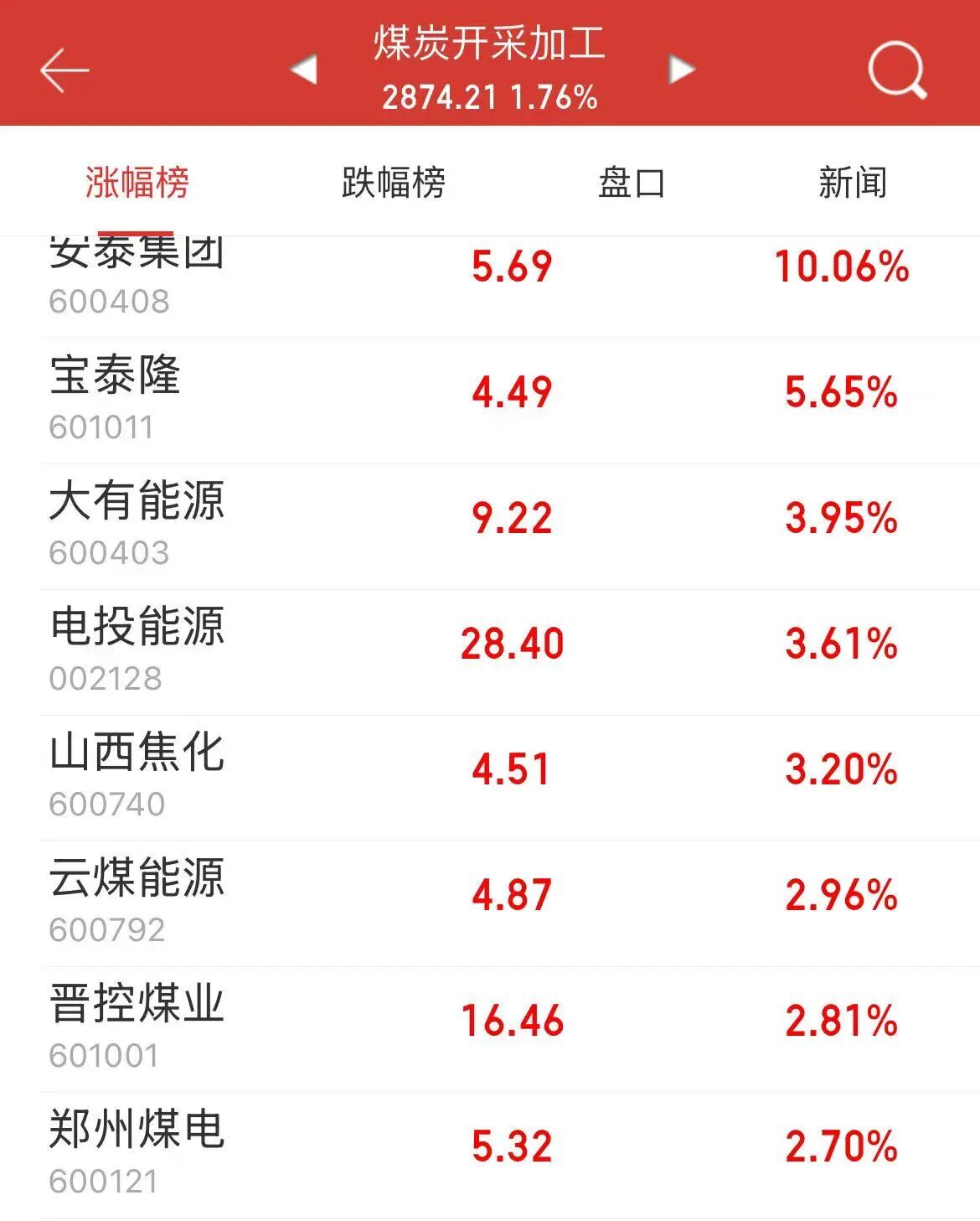
Group 1 - The A-share market has shown a correction trend since October, particularly in technology stocks represented by the ChiNext and STAR Market, while the dividend style has returned, with the Shanghai Dividend Index rising by 5.6% as of October 20, marking its best monthly performance of the year [1] - The surge in the Shanghai Dividend Index is largely attributed to coal stocks, with the Shenwan Coal Index rising over 12% in October, leading all 31 Shenwan first-level industry indices, and outperforming the second-place banking index by 7 percentage points [1] - Major coal stocks such as Dayou Energy, Baotailong, Antai Group, and Zhengzhou Coal Electricity have seen significant monthly gains, with Dayou Energy leading the sector with a nearly 79% increase [1] Group 2 - The sudden strength of the coal sector in October is likely driven by expectations of a cold winter, as the strongest cold air mass of the year has been reported, leading to significant temperature drops across northern regions [2] - The NOAA has predicted the continuation of the La Niña phenomenon, which is expected to strengthen cold winter expectations in China [2][3] - October is a critical period for coal stockpiling ahead of winter, with supply constraints due to safety inspections and reduced production, while demand remains strong due to winter preparation and speculative buying [4] Group 3 - Domestic thermal coal prices have been rising since hitting a low in May, with prices for major markets recently surpassing 600 yuan/ton [4] - However, there are expectations that the domestic thermal coal market may shift from strong to weak, with potential supply constraints due to increased safety inspections and a possible decrease in demand as prices rise [5]
天然橡胶供给释放加速
Qi Huo Ri Bao· 2025-10-16 00:11
Core Viewpoint - The natural rubber futures market is experiencing a weak and fluctuating trend, with a notable lack of core positive factors driving the market, leading to a cautious sentiment among investors [1][2][3] Group 1: Market Trends - Recent natural rubber futures prices have shown a weak oscillation, with the spot market also declining; the price of Yunnan's full latex in the Shanghai market has dropped to 14,250 yuan/ton [1] - After the National Day holiday, the overall capital flow in the rubber futures market has been positive, but macro risk events continue to evolve, keeping the market under pressure [1] - The import volume of natural and synthetic rubber in China reached 742,000 tons in September 2025, with year-on-year and month-on-month increases of 20.85% and 11.75% respectively, maintaining a high import level [2] Group 2: Supply and Demand Dynamics - The supply of new rubber has been slow due to adverse weather conditions, but the situation is expected to improve as the typhoon season ends and rainfall decreases in Southeast Asia, facilitating normal harvesting [1][3] - The tire market, a major downstream sector for natural rubber, is expected to weaken post-holiday, with domestic demand being sluggish while exports remain strong due to previous anti-dumping measures from the EU [2] - ANRPC forecasts a slight decline in global natural rubber production by 0.03% to 8.856 million tons for the first eight months of 2025, with consumption expected to drop by 0.6% to 10.146 million tons [3] Group 3: Price Outlook - The current low valuation of natural rubber and ongoing warehouse receipt cancellations suggest limited downward price movement, despite accelerated supply release [3] - The World Meteorological Organization has indicated a potential return of the La Niña phenomenon, which could lead to weather disruptions in Q4, potentially supporting a rebound in rubber prices if production decreases occur [3]
天然橡胶 供给释放加速
Qi Huo Ri Bao· 2025-10-15 22:47
Group 1 - Recent natural rubber futures prices have shown a weak oscillation trend, with market participants exhibiting strong wait-and-see sentiment. The spot market has also weakened, with the price of Yunnan's all-latex in the Shanghai market dropping to 14,250 yuan/ton, and the willingness of holders to sell is not strong. Downstream demand is limited to minimal essential stockpiling, resulting in low transaction activity [1] - After the National Day holiday, the overall capital flow in the rubber futures market has shown an inflow trend, but macro risk events continue to unfold, leading to a lack of core bullish factors in the short term, keeping the market under pressure [1] - The weather disturbances from previous rains and typhoons have slowed the supply of new rubber, but with the typhoon season ending and improved weather conditions in Southeast Asia, the recovery of tapping work is expected to boost supply. Rainfall in Southeast Asia is forecasted to decrease in the coming weeks, which will benefit production [1] Group 2 - In September 2025, China's imports of natural and synthetic rubber reached 742,000 tons, with year-on-year and month-on-month increases of 20.85% and 11.75%, respectively, maintaining a high import level. Cumulatively, from January to September, imports reached 6.115 million tons, an increase of over one million tons [2] - The tire market, a major downstream sector for natural rubber, is expected to weaken post-National Day holiday. The demand structure for semi-steel tires is showing divergence, with domestic demand weak and exports strong due to previous anti-dumping measures from the EU, but demand growth is expected to gradually return to normal levels [2] - Despite a recent recovery in tire manufacturers' operating rates, short-term raw material procurement demand remains limited due to pre-holiday stockpiling. The ANRPC forecasts a slight decline in global natural rubber production and consumption for the first eight months of 2025, with production in major producing countries like Thailand and China falling short of previous expectations [3]
白糖日报-20251015
Jian Xin Qi Huo· 2025-10-15 02:18
Report Information - Report Name: Sugar Daily Report - Date: October 15, 2025 - Researcher: Wang Haifeng, Lin Zhenlei, Yu Lanlan, Hong Chenliang, Liu Youran [3] 1. Report Industry Investment Rating - Not provided in the given content 2. Core Viewpoints - The supply pressure from major sugar - producing countries in both the Northern and Southern Hemispheres, along with the recent sharp decline in crude oil prices and the rapid depreciation of the Brazilian real, have exerted significant pressure on sugar prices [7]. - The Zhengzhou sugar futures were dragged down by the raw sugar, resulting in a significant decline, and the spot price also dropped significantly, indicating weak market demand and sugar mills' eagerness to clear inventory [8]. 3. Summary by Directory 3.1行情回顾与操作建议 (Market Review and Operation Suggestions) - **Futures Market Conditions**: On Monday, the New York raw sugar futures tumbled. The主力 March contract closed 3.29% lower at 15.57 cents per pound. The London ICE white sugar futures' December contract closed 1.4% lower at $444.00 per ton. SR601 closed at 5397 yuan per ton, down 77 yuan or 1.41%, with an increase of 32133 contracts in open interest. SR605 closed at 5370 yuan per ton, down 74 yuan or 1.36%, with an increase of 8310 contracts in open interest. The US sugar 03 contract closed at 15.57 cents per pound, down 0.53 cents or 3.29%, with a decrease of 26 contracts in open interest. The US sugar 05 contract closed at 15.13 cents per pound, down 0.49 cents or 3.14%, with an increase of 722 contracts in open interest [7]. - **Spot Market Conditions**: The spot prices in domestic production areas were lowered. The price of Nanning sugar was 5820 yuan, and that of Kunming sugar was 5710 yuan [8]. 3.2行业要闻 (Industry News) - **Sugar Mill Start - up**: As of now, 11 sugar mills in Inner Mongolia have started operation in the 2025/2026 sugar - making season, and the last one is expected to start tomorrow. The price of white sugar of Inner Mongolia Lingyunhai in the 2025/2026 sugar - making season is 5850 yuan per ton, and the price of granulated sugar is 5950 yuan per ton [9]. - **Indian Sugar Exports**: India exported 775,000 tons of sugar in the 2024 - 25 market year (October 2024 to September 2025). The largest destination for Indian sugar exports was Djibouti with 146,000 tons, followed by Somalia with 135,000 tons, and Sri Lanka with 134,000 tons. The Indian government allowed a total export of 1 million tons of sugar in the 2024 - 25 market year on January 20, 2025 [9]. - **Brazilian Sugar Production**: A survey of 10 analysts showed that the sugar - cane crushing volume in the central - southern region of Brazil in the second half of September was expected to increase by 3.3% year - on - year to 40.12 million tons, and the sugar production was estimated to increase by 7.7% year - on - year to 3.05 million tons [9]. - **Weather Phenomenon**: The Australian Bureau of Meteorology and the Climate Prediction Center under the US National Oceanic and Atmospheric Administration indicated that La Niña might occur briefly before early December this year and last until February 2026, which often causes rainfall and floods in Asia, especially in India [10]. 3.3数据概览 (Data Overview) - The report presents multiple data charts, including spot price trends, 2601 contract basis, SR1 - 5 spread, Brazilian raw sugar import profit, Zhengzhou Commodity Exchange warehouse receipts, Brazilian real exchange rate, and the trading and position data of the top 20 seats of the Zhengzhou sugar futures' main contract [12][14][19][22].
白糖日报-20251014
Jian Xin Qi Huo· 2025-10-14 02:07
行业 白糖日报 日期 2025 年 10 月 14 日 研究员:王海峰 021-60635728 wanghaifeng@ccb.ccbfutures.com 期货从业资格号:F0230741 021-60635740 linzhenlei@ccb.ccbfutures.com 期货从业资格号:F3055047 请阅读正文后的声明 #summary# 每日报告 一、行情回顾与操作建议 021-60635732 yulanlan@ccb.ccbfutures.com 期货从业资格号:F0301101 021-60635732 hongchenliang@ccb.ccbfutures .com 期货从业资格号:F3076808 研究员:刘悠然 021-60635570 liuyouran@ccb.ccbfutures.com 期货从业资格号:F03094925 农产品研究团队 研究员:林贞磊 研究员:余兰兰 研究员:洪辰亮 | 表1:期货行情 | | | | | | | --- | --- | --- | --- | --- | --- | | 合约 | | | | | 收盘价(元/吨 美分/磅) 持仓量(张) ...
云南产区天气改善 天然橡胶或宽幅震荡运行态势
Jin Tou Wang· 2025-09-30 08:00
Core Viewpoint - The domestic futures market for natural rubber is experiencing a decline, with the main contract closing at 15,030.00 CNY/ton, reflecting a drop of 2.02% [1] Supply Analysis - Global natural rubber producing regions are currently in the tapping season, with improved weather in Yunnan leading to normal latex production and stable raw material purchasing prices. However, the Hainan region is facing supply constraints due to increased rainfall from Typhoon "Bolaoi," limiting the actual procurement volume for local rubber processing plants [1] Demand Analysis - Tire manufacturing operations are undergoing slight adjustments, with most companies maintaining previous operational levels to build inventory for the post-holiday period. Some smaller semi-steel tire manufacturers are entering maintenance periods early due to insufficient orders, which slightly impacts their capacity utilization rates [1] Market Outlook - The overall capacity utilization rate is expected to fluctuate slightly. Major producing areas are affected by rainfall and typhoons, which may suppress raw material prices due to anticipated increases in supply. Natural rubber prices are likely to exhibit wide fluctuations in the future [1]
油脂市场四季度展望:现实与预期的十字路口
Dong Zheng Qi Huo· 2025-09-30 03:12
1. Report Industry Investment Rating No relevant content provided in the report. 2. Core Views of the Report - The main focus in the fourth quarter remains on the US biofuel policy and China-US/China-Canada relations, with policy impacts far outweighing fundamentals. After policies are gradually implemented, long opportunities mainly in palm oil are favored [5]. - The US is the biggest variable in the international oil market in the fourth quarter. The biofuel policy, especially the blending targets for 2026 - 27, as well as the redistribution plan for small refineries and the RINs coefficient for imported raw materials, will directly affect US soybean oil demand and the international oil price center [101]. - Palm oil will be influenced by US soybean oil in the fourth quarter, and it has its own drivers. The supply side may face early - onset production cuts and potential extreme rainfall due to La Nina, while the demand side focuses on Indonesia's B40 plan and potential B50 policies [102]. 3. Summary According to the Table of Contents 3.1 Third - Quarter Market Review - Internationally, Malaysian palm oil (MPO) outperformed US soybean oil in the third quarter. US soybean oil prices fluctuated around policy expectations and market rumors, and dropped below 50 cents/pound at the end of September. MPO remained at a high level supported by supply - demand patterns and US soybean oil prices [11]. - Domestically, the three major oils showed an upward trend with significant differences in strength. Palm oil followed the international market, while soybean and rapeseed oils were more affected by policies. Palm oil had a supply - demand weak situation, soybean oil had a strong de - stocking expectation but was still accumulating inventory, and rapeseed oil had a slow de - stocking speed due to high inventory and weak consumption [14]. 3.2 International Market Outlook 3.2.1 North and South America - **US**: - The planting and harvested areas of US soybeans in the 2025/26 season decreased significantly. Although the current yield per acre is ideal, there is still a possibility of a decline due to insufficient rainfall [19]. - The biofuel policy is beneficial to US soybean crushing demand, but the room for further significant increases in crushing is limited. The proportion of soybean oil in biofuel raw materials has rebounded, and the 45Z subsidy and increased RVO obligations from 2026 will further boost soybean oil demand [22][25]. - There is a large divergence in the market regarding the re - allocation of small refinery exemptions. EPA's proposed re - allocation has caused dissatisfaction among refineries [38]. - After the signing of the Big and Beautiful Act, the 45Z clean fuel tax credit has become law, which will lead to a substitution of a large part of UCO and tallow demand by North - American sourced soybean oil, rapeseed oil, and corn oil [42]. - If the EPA's proposed blending targets are met, there will be a supply gap in US soybean oil in 2026, which can only be filled by increasing imports. However, due to policy uncertainties, significant growth in soybean oil consumption in the fourth quarter is unlikely [44]. - **Canada**: - The final production forecast of Canadian rapeseed in the 2025/26 season is 20.1 million tons. China's anti - dumping tax on Canadian rapeseed is negative for its price, but the impact will be mitigated by expanded domestic crushing capacity and alternative export markets. Domestic crushing is expected to increase slightly, while exports will decline to 7 million tons [47]. - The price difference between European and Canadian rapeseed makes the EU have an incentive to import Canadian rapeseed. The improvement in domestic rapeseed crushing margins and the support for biofuel development offset the impact of reduced Chinese purchases [51]. 3.2.2 Asia - **Malaysian Palm Oil (MPO)**: - As of the third quarter, MPO had sufficient inventory, but production cuts may start earlier in September due to weather conditions. In the fourth quarter, the probability of La Nina increases, and there is a risk of floods and over - expected production cuts [53][70]. - MPO's domestic demand is expected to remain high in the fourth quarter, mainly due to potential CPO exports as POME to the EU and the support of biodiesel consumption [59]. - In terms of demand, MPO exports may recover slightly in the fourth quarter, with a peak in October. If US soybean oil can support the global soybean oil price center, palm oil may still be the preferred choice for countries like India [73]. - The pressure on MPO to accumulate inventory has passed, and it is expected to start de - stocking in September - October and accelerate the process in the fourth quarter [76]. - **Indonesian Palm Oil (IPO)**: - IPO production has recovered well this year, but the potential impact of the government's crackdown on illegal plantations remains. The transfer of plantation management may lead to supply uncertainties [79]. - It is difficult to achieve both high exports and high inventory in Indonesia. Domestic demand is more rigid, and the B40 plan needs to catch up in the fourth quarter. The inventory is expected to remain at around 2 million tons [83]. - The biodiesel industry in Indonesia is suffering serious losses, but it has little impact on actual blending. As of July 16, 2025, the B40 plan completion rate was about 47.51%. To complete the plan, there is still a large amount of remaining allocation and palm oil consumption required [90][91]. - **India**: - Before the Diwali festival, India's vegetable oil inventory is still low. In August, palm oil imports increased significantly, while soybean oil imports decreased. The total edible oil imports reached a 13 - month high [94]. - After replenishing inventory from June - August, India still has a need to continue purchasing and accumulating inventory. In the fourth quarter, India is expected to mainly purchase palm oil and South American soybean oil, with palm oil imports showing a trend of high in the early part and low in the late part [97][100]. 3.3 Domestic Market Outlook - **Palm Oil**: - In the fourth quarter, domestic palm oil is expected to maintain a supply - demand weak situation, following the international market. The narrowing import profit margin has led to an increase in purchases, and the inventory has reached a relatively high level, which is expected to continue to accumulate slowly [104][106]. - **Soybean Oil**: - In the third quarter, domestic soybean oil inventory accumulated rapidly due to a large amount of soybean arrivals and weak consumption. In the fourth quarter, it is expected to gradually de - stock, but inventory may still accumulate until the middle and late fourth quarter and then turn to de - stocking. Although exports have increased significantly, the possibility of large - scale exports continuing is low after India's备货 ends [111][134]. - If there is no reconciliation between China and the US and no purchase of US soybeans, there may be a shortage of soybean oil in the first quarter of next year [117]. - **Rapeseed Oil**: - Currently, domestic rapeseed oil inventory is extremely high, especially after the anti - dumping preliminary ruling on Canadian rapeseed. The import of rapeseed has decreased significantly, and the oil mill's rapeseed intake has shrunk year - on - year. The开机 rate is expected to continue to decline in the fourth quarter [120][125]. - The high price of rapeseed oil has led to low consumption, and it has been mostly replaced by soybean oil. Near the Double Festival, demand is expected to improve slightly [128]. - Russia has become the main source of China's rapeseed oil imports. Although imports can supplement the short - term supply, they cannot fully make up for the long - term gap caused by the lack of Canadian rapeseed [131]. 3.4 Strategies and Summary - The core is the US biofuel policy, which affects the global oil price center. Before the policy is determined, the market is expected to fluctuate within the range of 50 - 60 cents/pound [137]. - **Palm Oil**: - In the fourth quarter, palm oil is driven by supply and biodiesel. It is expected that Indonesia's B40 plan can be successfully completed, and domestic demand will increase. After the US biofuel policy is settled, palm oil prices are expected to rise. The recommended strategies are to go long on the palm oil 01 contract, conduct 1 - 5 positive spreads, and shrink the soybean - palm oil 01 contract price difference [137]. - **Soybean Oil**: - The current situation of the soybean oil market is weak, and it is difficult to see de - stocking in the short term. The inventory pressure may ease in the second half of the fourth quarter, but supply shortages are unlikely to occur. The recommended strategy is to shrink the soybean - palm oil 01 contract price difference [137]. - **Rapeseed Oil**: - The spot supply of rapeseed oil is relatively sufficient, but the supply gap of Canadian rapeseed in the fourth quarter is highly certain, and the market sentiment for going long is better than that of soybean oil. The recommended strategies are to go long on the rapeseed oil 01 contract and conduct 1 - 5 positive spreads [137].
《特殊商品》日报-20250930
Guang Fa Qi Huo· 2025-09-30 02:41
Report Industry Investment Ratings - Not provided in the given content Core Views Glass and Soda Ash - The overall supply - demand pattern of soda ash is still bearish, and a short - selling strategy during rebounds is recommended. For glass, the industry needs capacity clearance to solve the over - supply problem. In the fourth quarter, the implementation of policies and the load regulation of soda ash plants should be tracked [1]. Logs - The log market is in a volatile pattern. With the approaching of the "Golden September and Silver October" season, the improvement of shipment volume should be observed. Currently, the market lacks a strong upward driving force, and it is expected to fluctuate within a narrow range in the short term [3]. Industrial Silicon - From September to October, the supply of industrial silicon is increasing, and the balance is shifting to a more relaxed state. In the short term, the upward driving force is insufficient, and the price may fluctuate between 8,000 - 9,500 yuan/ton. Attention should be paid to the production reduction rhythm of silicon material enterprises and Sichuan - Yunnan industrial silicon enterprises in the fourth quarter [4]. Polysilicon - The supply - side regulation effect of polysilicon is not as expected, and the over - capacity pattern remains unchanged. Before the National Day holiday, the price is expected to fluctuate within a range of 48,000 - 53,000 yuan/ton. Policies on capacity clearance and industry storage, as well as the actual operation rate and production reduction implementation of polysilicon enterprises, should be followed [5]. Natural Rubber - Before the holiday, the natural rubber market has no obvious long - short contradictions, and the trading atmosphere is cautious. The price is expected to be weakly volatile in the short term, with the 01 contract ranging from 15,000 - 16,500 yuan/ton. The raw material output in the peak - production period of the main producing areas and the possible impact of La Nina should be monitored [6]. Summary by Related Catalogs Glass and Soda Ash Prices and Spreads - Glass prices in different regions remained unchanged, while glass futures contracts 2505 and 2509 declined. Soda ash prices in different regions were stable, and the soda ash 2509 contract decreased slightly. The basis of some contracts increased [1]. Supply - Soda ash production rate and weekly output decreased. Photovoltaic daily melting volume and the price of 3.2mm coated film remained unchanged [1]. Inventory - Glass inventory decreased slightly, soda ash factory inventory decreased, and soda ash delivery warehouse inventory increased. The number of days of soda ash inventory in glass factories remained unchanged [1]. Market Situation - The over - supply problem still exists. Although the factory inventory has decreased, the inventory has actually transferred to the middle and lower reaches. The weekly production remains high, and the demand is mainly for rigid needs. For glass, the deep - processing orders are still weak [1]. Logs Futures and Spot Prices - Some log futures contracts fluctuated slightly, and the prices of some spot logs increased. The basis of some contracts increased [3]. Supply - The monthly port shipment volume and the number of departing ships from New Zealand to China, Japan, and South Korea decreased. The inventory in major ports decreased [3]. Demand - The average daily shipment volume increased [3]. Market Situation - The log market is in a volatile state, with low trading volume. The short - term upward driving force is lacking [3]. Industrial Silicon Spot Prices and Basis - The prices of some industrial silicon products decreased slightly, and the basis of some products increased [4]. Monthly Spreads - Some monthly spreads of industrial silicon contracts changed significantly [4]. Fundamental Data - The production of industrial silicon, organic silicon DMC, and polysilicon increased, while the production of recycled aluminum alloy decreased. The export volume of industrial silicon increased [4]. Inventory - The inventory in Xinjiang decreased, while the inventory in Yunnan and Sichuan increased slightly. The social inventory remained unchanged [4]. Market Situation - The supply of industrial silicon is increasing, and the balance is becoming more relaxed. The price may fluctuate in a certain range in the short term [4]. Polysilicon Spot Prices and Basis - The average prices of N - type polysilicon products were mostly stable, and the basis of N - type materials increased [5]. Futures Prices and Monthly Spreads - The main futures contract of polysilicon decreased, and some monthly spreads changed significantly [5]. Fundamental Data - The weekly and monthly production of polysilicon increased. The import and export volumes of polysilicon and silicon wafers changed [5]. Inventory - The polysilicon inventory increased, and the silicon wafer inventory decreased [5]. Market Situation - The over - capacity problem of polysilicon persists, and the price is expected to fluctuate within a certain range before the holiday [5]. Natural Rubber Spot Prices and Basis - The prices of some natural rubber products decreased, and the basis and non - standard price difference changed [6]. Monthly Spreads - Some monthly spreads of natural rubber contracts changed significantly [6]. Fundamental Data - The production of natural rubber in some countries in July changed. The tire production in August increased, while the tire export decreased. The import of natural rubber increased [6]. Inventory - The bonded area inventory and factory futures inventory of natural rubber decreased [6]. Market Situation - Before the holiday, the natural rubber market is in a volatile state. The supply may increase due to reduced rainfall in Southeast Asia, and the demand faces export and domestic sales pressure [6].
农业策略:节日驱动不足,猪价下跌
Zhong Xin Qi Huo· 2025-09-30 01:39
Report Industry Investment Rating Not mentioned in the provided content. Core Viewpoints of the Report The report analyzes various agricultural and related commodity markets, providing short - and long - term outlooks and investment suggestions for each commodity. Overall, the market shows a mixed trend with some commodities expected to be weak, some to be in a range - bound state, and others with potential for short - term rebounds [1][6][8]. Summary by Commodity 1. Livestock - **Pig**: In the short term, the planned pig出栏量 in September increased by 4% month - on - month, and the completion rate was 64.6%. There is still significant pressure at the end of the month. In the medium term, the number of pigs for sale is expected to increase in Q4. In the long term, if the "anti - involution" policy of reducing 1 million sows is implemented, the supply pressure will ease in the second half of 2026. The outlook is weak - side oscillation, and attention should be paid to reverse arbitrage strategies [1][8]. 2. Oils and Fats - **Oils**: The outlook is that soybean oil and palm oil will oscillate, while rapeseed oil will oscillate with a stronger bias. The US soybean harvest is normal, but the good - quality rate is decreasing. The domestic soybean import volume will seasonally decline, and the soybean oil inventory will peak. The palm oil inventory accumulation in September may be limited, and the rapeseed oil inventory will decline. Attention should be paid to trade relations, supply in producing areas, and overseas biodiesel demand [6]. 3. Protein Meals - **Protein Meals**: The outlook is that both soybean meal and rapeseed meal will oscillate. Internationally, the US crop harvest is progressing well, and Brazil's sowing has a record - fast start. Domestically, there is support from pre - holiday stocking, but the inventory pressure is large. The supply of soybean meal is expected to increase in Q4 2025 and Q1 2026. Attention should be paid to the impact of pig "anti - involution" on sentiment [6][7]. 4. Grains - **Corn/Starch**: New grain is gradually coming onto the market. In the short term, there is pressure from the concentrated listing of new grain, but there may be a small rebound before the holiday. In the long term, the market is expected to be short - term bearish and long - term bullish. Attention should be paid to short - selling opportunities [7][8]. 5. Rubbers - **Natural Rubber**: The short - term fundamentals are supportive, and the market is expected to maintain a range - bound state. The market has a strong spot, is de - stocking, and the basis is narrowing. However, there is an expectation of increased supply in Q4. Attention should be paid to raw material prices and domestic social inventory changes [10][11]. - **Synthetic Rubber**: The market will continue to oscillate within a range. There are many device overhauls expected from September to November, and the price is at a low level, so the bearish sentiment has cooled, but there is no continuous upward driving force [12]. 6. Fibers - **Cotton**: The medium - term outlook is weak - side oscillation. The expected increase in Xinjiang's cotton production in the 25/26 season will bring supply pressure. Before the holiday, the price fluctuation will narrow. After the holiday, as new cotton is listed, the downward driving force will increase. Attention should be paid to the seed cotton purchase price and trade negotiations [12]. 7. Sweeteners - **Sugar**: In the short term (around National Day), it will oscillate, and the decline may slow down with a potential for a rebound. In Q4, as new sugar is listed in the Northern Hemisphere, the supply pressure will increase, and the price is expected to be weak - side oscillating. Attention should be paid to production data in Brazil's central - southern region [13][14]. 8. Pulps and Papers - **Pulp**: The market is weak - side oscillating. The downstream paper production peak is coming to an end, and the supply is in an oversupply situation. Although there is support from the delivery price, there is no clear upward logic [16]. - **Double - Glued Paper**: The market is weak - side oscillating. The supply is relatively abundant, the demand is not strong, and there is no clear upward or downward driving force in the short term. The long - term outlook is weak [17]. 9. Logs - **Logs**: The market will oscillate around 800 before the holiday. The spot price is stable, the inventory is being de - stocked, and the fundamentals are marginally improving. However, the delivery situation has a negative impact on the market, and the selling hedging pressure is large [19][20].
新作卖压逐步兑现,关注中美关税谈判
Guo Mao Qi Huo· 2025-09-29 06:51
Report Industry Investment Rating - The investment view is "shockingly weak" [1][2] Core Viewpoints of the Report - The international policy is loose but highly uncertain, while the domestic policy aims for stable growth but the domestic demand momentum needs to be released. The inflation pressure in the US has not completely subsided, and the market bets on further interest rate cuts by the end of the year, but the risk of "recessionary interest rate cuts" should be vigilant. There are still differences in the Sino-US tariff negotiations. In May 2025, some additional tariffs were cancelled, but the US has not clearly adjusted the 20% tariff related to "fentanyl" and the 10% basic tariff, and there are still significant variables in the later stage. Domestically, the official has introduced a series of economic stabilization policies, and the market expects a possible interest rate cut and reserve requirement ratio cut in the fourth quarter; the capital activity has increased marginally, but the domestic demand policy still needs to be strengthened [5][64]. - Globally, the cotton production in the 2025/26 season has been increased month-on-month, with China, India, and Australia being the main sources of incremental production, offsetting the production cuts in some regions. The US production has slightly increased, but there is a risk of a downward revision of the unit yield due to the drought in the main producing areas. The global ending inventory has dropped to the lowest in nearly four years, the inventory-consumption ratio has decreased, and the supply and demand have shifted to a tight balance. The trade flow has been restructured due to Sino-US frictions, and China has reduced its purchase of US cotton and shifted to other cotton-producing countries. Domestically, the cotton planting area in Xinjiang has increased year-on-year, and the sufficient accumulated temperature has helped to improve the unit yield. The total production is expected to increase significantly, the harvest time is advanced, the pre-sale volume of new cotton has increased significantly, and the hedging position has moved forward, suppressing the short-term supply elasticity. The risk preference of ginning factories has dropped to a low level due to continuous losses, the effective production capacity has been reduced, the shortage pattern of seed cotton has reversed, and at the same time, the port and industrial and commercial inventories are running at a low level, the import volume has shrunk, and the domestic supply is more dependent on new cotton. There is a game between cotton farmers and ginning factories regarding the opening price [5][68]. - Global consumption has been slightly adjusted upward but shows significant differentiation. China's "Golden September and Silver October" peak season has driven consumption growth, while countries such as Turkey and Pakistan have dragged down the global demand recovery due to weak textile exports. The import of textiles and clothing in Europe and the US has improved marginally, but the inventories of wholesalers are at a high level and the willingness to replenish stocks is weak. The orders of processing countries in Southeast Asia are mainly short-term orders, and there is a shortage of long-term orders. Domestically, the characteristics of the "Golden September and Silver October" peak season are not significant. Although the operating rate of textile enterprises has rebounded, it is still lower than the same period in previous years. The order increment is limited and mainly consists of small and short-term orders. The inventories of yarn, grey cloth, and textile enterprise raw materials have been continuously reduced but are still at a high level in the same period. Textile enterprises have a low willingness to actively stock up due to profit losses (cash flow losses for inland enterprises and small profits for Xinjiang enterprises). Exports show the characteristic of "trading volume for price", and the proportion of exports to emerging markets has increased to offset the decline in demand from Europe and the US [5][68]. Summary by Relevant Catalogs 1. Market Review - In the third quarter, the Zhengzhou cotton futures generally showed a volatile trend of "rising first and then falling". In July, the domestic planting area increased in the new year, and the weather conditions were generally favorable for cotton growth. The market was optimistic about the later production, but the old crop inventory was low, and at the same time, the downstream production capacity was excessive. The old crop basis was running at a high level, which supported the Zhengzhou cotton price. The Zhengzhou cotton ran strongly to 14,200 - 14,300 yuan/ton. For US cotton, although some producing areas encountered certain weather problems, the overall impact was limited, and the market's expectation of US cotton production was still relatively stable. The price fluctuated between 67 - 68 cents/pound [6]. - In August, as the new cotton in the Northern Hemisphere entered the critical growth stage, the impact of weather factors on the market became more significant. The weather in the Xinjiang production area in China was good, and the expectation of a bumper harvest of Xinjiang cotton increased. At the same time, the near-month Zhengzhou cotton continued to reduce its positions and decline, reflecting that the real willingness of long - term funds to take delivery was relatively low. In the US, continuous drought weather occurred in some main cotton - producing areas, resulting in a decrease in the good - quality rate of US cotton. However, due to market concerns that the Sino - US tariff negotiations would fall short of expectations, leading to continued sluggish exports of new crops, the US cotton price still maintained a volatile and weak operation [6]. - In September, as the new cotton was approaching the market, the game among all parties in the market intensified. At the macro level, the domestic introduced a series of economic stabilization policies, which boosted the sentiment of the commodity market. Driven by the positive market sentiment, the Zhengzhou cotton rushed up to near the previous high again, but due to the gradual listing of new cotton and the less - than - expected recovery of orders from downstream textile enterprises, the Zhengzhou cotton fell again. At the end of the month, the price of the main contract closed at 13,600 - 13,700 yuan/ton. For US cotton, as the new cotton began to be harvested one after another, the market's expectation of production gradually became clear. Although there was some production reduction due to previous weather problems, the demand side was still weak. The US cotton price fluctuated and fell after rushing up, and the price of the main contract closed at around 69 cents/pound at the end of the month [7]. 2. International Cotton Market 2.1 Global Trade Flow Reconstruction - In the 2025/26 season, the global cotton production increased by more than 230,000 tons month - on - month to 25.62 million tons. The main sources of incremental production were China, India, and Australia. The global cotton consumption increased by 180,000 tons month - on - month to 25.87 million tons, mainly driven by the recovery of consumption in China. The global cotton trade volume increased by 20,000 tons month - on - month. India and Australia were the main sources of export increment, and Vietnam and Turkey were the main sources of import increment. The global cotton trade generally maintained an expanding trend, but the Sino - US trade friction led to the gradual reconstruction of the global trade flow [13]. - Affected by the reduction of the initial inventory, the global cotton ending inventory decreased by nearly 170,000 tons month - on - month to 15.92 million tons, the lowest level in nearly four years. The global cotton inventory - consumption ratio dropped to 45%, down 1 percentage point month - on - month and 0.7 percentage points year - on - year, indicating that the global cotton "de - stocking" process continued, and the supply - demand pattern gradually switched from "loose" to "tight balance" [14]. 2.2 United States: Drought in Producing Areas and Obstructed Exports - In terms of new crop production, the USDA September supply - demand report showed that the estimated unit yield of US cotton in the 2025/26 season was 861 pounds/acre, down 1 pound/acre month - on - month, but the estimated harvest area was 7.37 million acres, up 10,000 acres month - on - month, resulting in a slight increase in the total production to 2.88 million tons, up 2,000 tons month - on - month. The adjustment of the unit yield was due to the continuous expansion of the drought area in the main US cotton - producing areas. As of September 16, 2025, about 41% of the US cotton - producing areas were affected by drought. As of September 22, 2025, the overall good - quality rate of US cotton plants was 52%, down 2 percentage points from the previous week [16][17]. - In terms of exports, from September 12 - 18, 2025, the export signing volume of US upland cotton in the 2025/26 season was 18,500 tons, down 54% from the previous week and the average level of the previous four weeks. The weekly export shipment volume was 31,100 tons, up 14% from the previous week and 6% from the average level of the previous four weeks. China continued to be absent from the new - season US cotton procurement. As of the week of September 18, 2025, the total sales progress of US upland cotton in the 2025/26 season was 7.7%, indicating that US cotton faced difficulties in the international market and its competitiveness needed to be improved [18]. - In terms of tariff negotiations, in May 2025, China and the US agreed to cancel the additional 91% tariffs imposed after April 2, but the US still had uncertainties in tariff policies. The market expected that the possibility of reducing the 10% (basic reciprocal tariff) was low; the 20% fentanyl tariff was expected to be reduced, but the reduction range was not clear; the reduction range of the 24% additional reciprocal tariff also depended on the negotiation results of both sides [19]. 2.3 Brazil: Both Supply and Sales Increase - For the old crop, in the 2024/25 season, the cotton planting area in Brazil continued to expand, with the national cotton planting area reaching about 2.09 million hectares, a year - on - year increase of 155,000 hectares (+7.3%). The average unit yield was 1,887 kg/hectare (-0.9%), equivalent to 125.8 kg/mu. Driven by the large increase in area, the total cotton production in Brazil in the 2024/25 season reached 3.94 million tons, a year - on - year increase of 233,000 tons (+6.3%), setting a new historical record [37]. - For the new crop, it is predicted that the cotton planting area in Brazil will be 2.14 million hectares, a year - on - year increase of 10.3%, and the output is expected to be 3.96 million tons, a year - on - year increase of 7%. The average unit yield is 1,849 kg/hectare, a year - on - year decrease of 2.9%. The main risk to the new - crop unit yield comes from the uncertainty of climate conditions. In the 2024/25 season, Brazil's total cotton exports reached 2.83 million tons, a year - on - year increase of 5.8%, making it the world's largest cotton exporter again. As of mid - September 2025, the pre - sale progress of Brazil's 2025/26 season cotton had reached 26% [40]. 2.4 India: Production Increases and Demand Stabilizes - In terms of production, the USDA latest report estimated that the cotton production in India in the 2025/26 season would be 4.16 million bales, with a planting area of 11.2 million hectares and a unit yield of 372 kg/hectare. The CAI predicted that the new - crop unit yield would increase by about 10% [42]. - In terms of imports, as of July 2025, the cumulative cotton import volume of India in the 2024/25 season (2024.8 - 2025.7) was 604,000 tons, a year - on - year increase of 284.5%, at a historical high. The CAI latest supply - demand data adjusted the cotton import volume of India in the 2024/25 season to 3.9 million bales [42][43]. - In terms of exports, the USDA September report showed that the cotton export of India in the 2024/25 season decreased by 40,000 tons month - on - month to 280,000 tons, a year - on - year decrease of 220,000 tons. The CAI estimated that the export in the 2024/25 season would be 1.8 million bales, lower than 2.836 million bales in the 2023/24 season. The export destinations were still concentrated in Southeast Asia, but the shares of major countries such as Bangladesh, Vietnam, and China all declined significantly [43]. - In terms of domestic consumption, the CAI estimated that as of the end of August 2025, the domestic cotton consumption in India in the 2024/25 season was 5.34 million tons, basically the same month - on - month and year - on - year [43]. 2.5 Southeast Asia: Total Volume Increases Steadily and Structure Differs - Southeast Asia has become the core destination for the transfer of global cotton spinning production capacity. Affected by the 50% tariff imposed by the US on Indian goods, a large number of Indian cotton product orders have been transferred to Southeast Asia. Vietnam, Bangladesh and other countries' yarn mills' cotton consumption demand has increased significantly. Vietnam has an advantage in tariff competition in the European and American markets and has become the preferred destination for export - oriented orders [45]. - Southeast Asia itself lacks cotton production and depends entirely on imports for raw materials. In the 2025/26 season, the cotton planting area in Pakistan is expected to be 1.85 million hectares, a decrease of 7.5% from the previous year. The output is predicted to be adjusted down to 1.05 million tons, a year - on - year decrease of 4% [46][47]. 3. Domestic Cotton Market 3.1 Supply: High Pressure from New Crops - For the old crop inventory, as of August 31, 2025, the total national social cotton inventory was 2.37 million tons, including 890,000 tons of industrial inventory and 1.48 million tons of commercial inventory, a year - on - year decrease of 13.5% and 14.0% respectively, significantly lower than 3 million tons in the same period in 2024. After entering September, the pace of old - crop inventory depletion slowed down slightly but remained at a low level. Spot transactions were dull, and textile enterprises mainly made rigid purchases [49]. - For the new crop output, in terms of area, according to the data of the National Cotton Market Monitoring System in July 2025, the national actual cotton sown area was 45.803 million mu, a year - on - year increase of 6.3%; among them, the actual sown area in the Xinjiang cotton area was 43.58 million mu, a year - on - year increase of 8.2%. In terms of unit yield, the comprehensive climate from sowing to boll - opening in the Xinjiang cotton area was suitable. The China Cotton Association data showed that the estimated unit yield of Xinjiang cotton in 2025 was 169 kg/mu, a year - on - year increase of 5.7%. Market institutions estimated that the output range was between 7.08 - 7.7 million tons [49][50]. - In terms of imports, since 2025, the domestic cotton import volume has decreased significantly year - on - year. From January to July 2025, the cumulative imported cotton was 513,100 tons, a year - on - year decrease of 74.3%. It may increase slightly from September to December due to the implementation of processing trade quotas, but it will still be relatively stable throughout the year [50]. 3.2 Demand: High and Stable in Xinjiang, Differentiated in Inland Areas - The operating rate of domestic yarn mills shows a pattern of "high and stable in Xinjiang, differentiated in inland areas". The operating rate of Xinjiang yarn mills is significantly better than that of inland areas. Since 2025, the operating rate of large - scale yarn mills in Xinjiang has been stable in the range of 80% - 90%. From the raw material end, the expected local cotton output in Xinjiang is sufficient, and yarn mills can purchase nearby, which not only has a stable supply but also saves long - distance transportation costs. From the industrial environment, in recent years, Xinjiang has continuously increased its support for the textile industry, and the policy dividends have attracted a large amount of investment [55]. - The demand for cotton in inland yarn mills shows a differentiated pattern of "stable for leading enterprises, sluggish for small and medium - sized enterprises", and the overall demand is weaker than that in Xinjiang. Large - scale inland yarn mills have relatively stable demand for cotton procurement, while small and medium - sized yarn mills face multiple operating pressures. On the one hand, the terminal consumer market demand is weak, and it is difficult to obtain orders, and most of them are small and short - term orders. On the other hand, the costs of raw material procurement, labor, transportation, etc. continue to rise, and the profit space of enterprises is compressed. Some enterprises have tight cash flow, and the operating rate can only be maintained at 50% - 60%, and there are even intermittent shutdown situations [56][57].