
家电

Search documents
首席之声-消费超跌反弹-掘金正当时
2026-03-19 02:39
Summary of Key Points from Conference Call Records Industry or Company Involved - Focus on various sectors including consumer goods, automotive, food and beverage, and healthcare Core Insights and Arguments Consumer Sector - Domestic demand is highlighted as a safe haven amid global uncertainties, particularly in food, condiments, and agricultural products with strong free cash flow [2][1] - The pork farming sector is at a cyclical bottom, with significant cash flow losses expected until mid-2026, presenting a good opportunity for investment [7][1] - The liquor industry is experiencing a K-shaped recovery, with high-end liquor sales rebounding first, expected to end destocking by the second half of 2026 [21][1] Automotive Sector - The automotive sector is driven by both domestic and international market dynamics, with companies like Geely and BYD expected to see significant valuation increases due to their competitive advantages and technological innovations [12][1][13][1] - Geely is projected to become the second-largest global electric vehicle seller, with potential profits exceeding 30 billion yuan [13][1] - BYD's innovative fast-charging technology is expected to stabilize its market share, with a long-term market value target of 1.5 trillion yuan [13][1] Food and Beverage Sector - The food and beverage sector is expected to see a recovery in growth rates in the second half of 2026, despite a slowdown in some segments post-Spring Festival [20][1][23][1] - The condiment industry is facing rising raw material costs, with leading companies like Haidilao expected to adjust pricing strategies to maintain margins [24][1] Healthcare Sector - The healthcare sector is witnessing price increases in specific segments, such as medical gloves and biological assets, which could impact profit margins differently across companies [27][1][28][1] - Investment strategies in innovative pharmaceuticals should focus on companies with strong profit support, such as Huadong Medicine and Kanghong Pharmaceutical [28][1] Home Appliances Sector - The home appliance industry is focusing on leading white goods companies with stable cash flows and attractive dividend yields, such as Midea and Haier, which are expected to grow 6-8% annually [32][1][33][1] - Companies with global competitiveness in emerging categories are also highlighted, with Anker Innovations and TCL Electronics being recommended for their growth potential [33][1][34][1] Other Important but Possibly Overlooked Content - The textile and apparel industry is nearing the end of a destocking phase, with companies like Li Ning and Bi Yin Le Fen expected to benefit from improved market conditions [18][1][19][1] - The restaurant supply chain is recovering, with companies like Anjuke Food and Sanquan Food projected to maintain double-digit growth [25][1] - The overall investment logic across sectors emphasizes the importance of identifying companies with strong fundamentals and growth potential amid fluctuating market conditions [2][1][32][1]
瑞达期货热轧卷板产业链日报-20260318
Rui Da Qi Huo· 2026-03-18 10:11
1. Report Industry Investment Rating - Not mentioned in the provided content 2. Core View of the Report - The weekly output of hot-rolled coils continued to decline, and the capacity utilization rate dropped to around 75%. Terminal demand rebounded, and inventory decreased slightly. Overall, the decrease in hot-rolled coil output alleviated the supply pressure. The international situation was volatile with many uncertainties, and the international oil price corrected from its high level, weakening the support for furnace materials and steel prices. Technically, the 1-hour MACD indicator of the HC2605 contract showed that DIFF and DEA were operating above the 0 axis, with green bars expanding. It is recommended to conduct short-term trading and pay attention to risk control [2] 3. Summary According to Different Categories 3.1 Futures Market - The closing price of the HC main contract was 3,310 yuan/ton, a decrease of 3 yuan; the trading volume was 1,171,958 lots, a decrease of 7,990 lots. The net position of the top 20 in the HC contract was -12,695 lots, an increase of 3,937 lots. The HC5 - 10 contract spread was -1 yuan/ton, unchanged. The HC warehouse receipt on the Shanghai Futures Exchange was 478,788 tons, an increase of 600 tons. The HC2605 - RB2605 contract spread was 170 yuan/ton, an increase of 5 yuan [2] 3.2 Spot Market - The price of 4.75 hot-rolled coils in Hangzhou was 3,320 yuan/ton, an increase of 10 yuan; in Guangzhou, it was 3,290 yuan/ton, an increase of 10 yuan; in Wuhan, it was 3,340 yuan/ton, an increase of 10 yuan; and in Tianjin, it was 3,230 yuan/ton, an increase of 10 yuan. The basis of the HC main contract was 10 yuan/ton, an increase of 13 yuan. The price difference between hot-rolled coils and rebar in Hangzhou was 30 yuan/ton, an increase of 10 yuan [2] 3.3 Upstream Situation - The price of 61.5% PB powder ore at Qingdao Port was 799 yuan/wet ton, an increase of 8 yuan. The market price of quasi-primary metallurgical coke in Hebei was 1,490 yuan/ton, unchanged. The price of 6 - 8mm scrap steel in Tangshan (tax-excluded) was 2,190 yuan/ton, unchanged. The price of Q235 billet in Hebei was 2,980 yuan/ton, unchanged. The inventory of iron ore at 45 ports was 171.918 million tons, an increase of 690,800 tons. The inventory of coke at sample coking plants was 561,000 tons, a decrease of 69,300 tons. The inventory of coke at sample steel mills was 6.8762 million tons, an increase of 160,900 tons. The inventory of billets in Hebei was 2.4051 million tons, an increase of 78,600 tons [2] 3.4 Industry Situation - The blast furnace operating rate of 247 steel mills was 78.36%, an increase of 0.67 percentage points; the blast furnace capacity utilization rate was 82.9%, a decrease of 2.40 percentage points. The weekly output of hot-rolled coils at sample steel mills was 2.9526 million tons, a decrease of 58,500 tons; the capacity utilization rate of hot-rolled coils was 75.43%, a decrease of 1.49 percentage points. The inventory of hot-rolled coils at sample steel mills was 892,800 tons, a decrease of 8,000 tons; the social inventory of hot-rolled coils in 33 cities was 3.8231 million tons, an increase of 7,000 tons. The monthly output of crude steel in China was 6.818 million tons, a decrease of 169,000 tons; the net export volume of steel was 747,000 tons, an increase of 18,000 tons [2] 3.5 Downstream Situation - The monthly output of automobiles was 1.6724 million, a decrease of 777,400; the monthly sales of automobiles was 1.8052 million, a decrease of 541,300. The monthly output of air conditioners was 21.6289 million, an increase of 6.6029 million; the monthly output of household refrigerators was 10.0115 million, an increase of 569,500; the monthly output of household washing machines was 11.975 million, a decrease of 38,000 [2] 3.6 Industry News - In February 2026, China exported 740,000 automobiles, a year-on-year increase of 75.1%; from January to February, the cumulative export was 1.53 million, a year-on-year increase of 57.9%. In February, China imported 30,000 automobiles, a year-on-year decrease of 11.6%; from January to February, the cumulative import was 70,000, a year-on-year increase of 24.7%. In February, China exported 408 ships, a year-on-year increase of 35.5%; from January to February, the cumulative export was 930, a year-on-year increase of 9.2% [2] 3.7 Key Points to Watch - The weekly output, in-plant inventory, and social inventory of hot-rolled coils on Thursday [2]
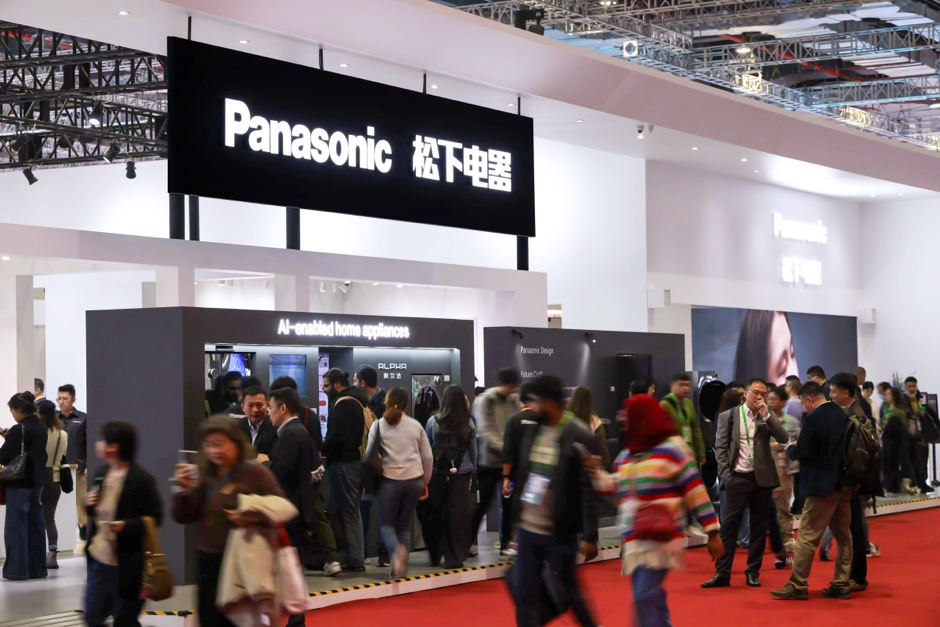
组织结构变革开启,松下在华事业在“不变”中“变化”
Sou Hu Wang· 2026-03-18 06:38
Core Insights - Panasonic Group is undergoing a significant organizational restructuring aimed at enhancing long-term growth and profitability, with a clear focus on the Chinese market as a vital strategic area [1][2][3] Organizational Changes - The restructuring will involve the dissolution of Panasonic Electric Company into three independent business entities, including a new Panasonic Electric Company focused on home appliances and smart living [2][3] - The new structure will officially launch in April 2026, with expected revenue improvements of over 150 billion yen by 2026 and an additional 150 billion yen by 2028, totaling over 300 billion yen [3] Strategic Importance of China - China is identified as a crucial strategic market for Panasonic, contributing nearly 100 billion RMB (approximately 24% of the group's total business) and about 30% of the group's profits [5][6] - Panasonic has generated over 15 billion RMB (30 billion yen) in operating cash flow in China from 2019 to 2024, showcasing the market's significance [6] Talent Localization and Development - The proportion of local executives in Panasonic Electric China Northeast Asia Company has increased from 38% to 64% between 2019 and 2024, reflecting a commitment to local talent development [7] - Panasonic employs over 40,000 staff in China, including 10,000 in R&D, with a significant focus on software development [7] Mission Upgrade - The mission of Panasonic Electric China Northeast Asia has evolved from "China for China" to "China for Global," emphasizing the company's intent to leverage its competitive advantages in the global market [8][12] - The company aims to provide comprehensive solutions rather than just hardware, aligning with sustainable development goals [4][12] Investment and Growth - Panasonic is making substantial investments in China, including a recent 7.5 billion yen investment in a new production line for multilayer substrate materials to meet AI server demand [13] - The company has launched multiple new investment projects in China, focusing on AI and smart living solutions, with a total investment exceeding 1.5 billion RMB [13][14] Alignment with Economic Development - Panasonic's organizational adjustments align with China's push for high-quality economic development, positioning the company as a key player in innovation and model exportation [18]


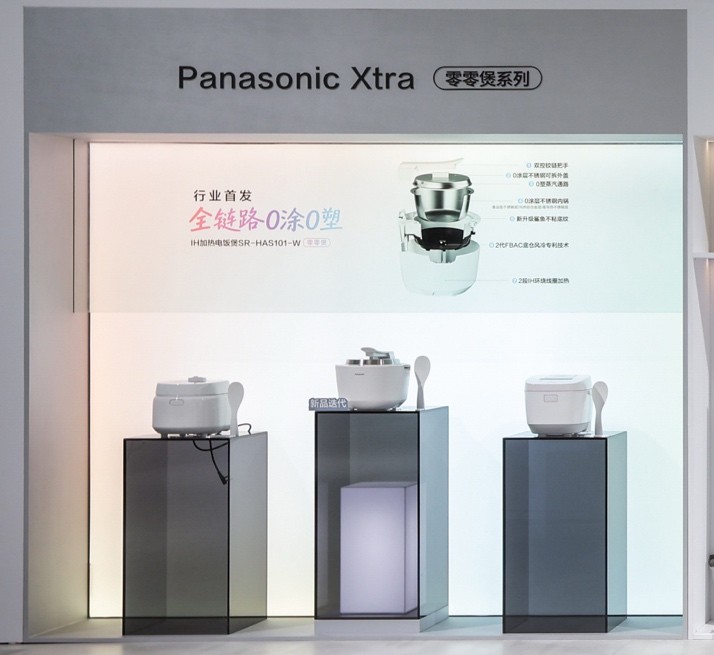
松下中国家电事业新战略:经营改革赋能,向外资品牌NO.1全速迈进
Sou Hu Wang· 2026-03-18 06:38
Core Insights - Panasonic Group announced a large-scale business reform in February 2025, focusing on reaffirming its mission of being a "social instrument" and leveraging product innovation to adapt to changing times [1] - The company has been deeply rooted in the Chinese market for 48 years, facing challenges from local brand competition and declining consumer demand in the home appliance sector [1] - The reform aims to transform the business model towards "sustainable development," enhancing overall solution offerings and significantly improving revenue [2] Business Strategy - The core objective of the reform is to shift from hardware sales to comprehensive solution outputs, targeting a revenue improvement of over 150 billion yen and an adjusted operating profit of over 600 billion yen by 2026 [2] - The home appliance sector is a key focus area, with a planned revenue improvement task of 33 billion yen [2] Organizational Restructuring - Key restructuring measures include simplifying the organizational structure by merging several subsidiaries into a new Panasonic Electric Company to enhance operational efficiency [3] - The restructured entities will focus on regional coordination and strategic missions, transitioning from "in China, for China" to "in China, for global" [3] Impact on Chinese Operations - The reform is expected to have a limited negative impact on the Chinese home appliance business, with several initiatives aimed at enhancing quality and efficiency [4] - Cost control measures will strengthen the "Chinese cost" advantage, while asset optimization will focus on core product categories [4] Competitive Advantages - Panasonic's home appliance business in China has shown robust growth, with a 106% year-on-year sales increase in FY2025 and a market share increase of over 30% in direct sales categories [5] - The company has developed three core competitive advantages: product specialization, market touchpoint optimization, and localized talent and decision-making mechanisms [6][7] Strategic Upgrade - The strategic upgrade from "China for China" to "China for Global" aims to leverage China's advantages in cost, speed, and model to drive global sales [8] - Key initiatives include creating a star product matrix, developing a full-channel ecosystem, and establishing an open commercial ecosystem for industry collaboration [10] Product Innovation and Exhibition - At the 2026 AWE, Panasonic will showcase its commitment to smart home solutions, emphasizing integrated space and intelligent technology [11] - The product lineup will include innovative home appliances that cater to diverse consumer needs, such as the ALPHA G5 washing machine and various kitchen appliances [15][16] Global Expansion and Ecosystem Building - Panasonic is actively promoting its "China for Global" strategy, with significant export growth in Southeast Asia and the Middle East [17] - The company aims to expand the "Made by China" initiative, utilizing local advantages to promote globally while fostering an open ecosystem for collaborative growth [17] Conclusion - The ongoing reforms at Panasonic are not just about improving financial metrics but also about reshaping strategic development logic, positioning the company for sustained competitiveness in the market [18]
行业最多!海尔智家斩获四项日内瓦国际发明展金奖
Jin Tou Wang· 2026-03-18 04:32AI Processing
3月15日,第51届日内瓦国际发明展在瑞士圆满落幕。作为全球历史最悠久、规模最大的发明展之一, 本届展会吸引了近40个国家和地区的1000余项发明成果参展。其中,海尔智家(600690)凭借在绿色科 技与人工智能领域的创新突破,一举斩获4项金奖,是行业里获奖最多的企业。 日内瓦国际发明展位列世界三大发明展,由瑞士联邦政府、世界知识产权组织(WIPO)等权威机构联合 主办,素有"国际科技创新成果的最高竞技场""发明界的奥林匹克"美誉,评审标准严苛、含金量极高。 在这个展现发明创新的国际舞台上,海尔冰箱AI细胞级解冻技术、一体三筒洗衣机、空调AI多联机及 制热正循环热流除微霜技术四项成果悉数斩获金奖,全方位展现了海尔智家在家电领域的原创科技引领 实力。 好的技术始终扎根用户需求,海尔智家此次获奖的四项核心科技,无一不是围绕解决用户生活难题而研 发。比如,冰箱AI细胞级解冻技术颠覆传统方式,通过精准能量波控制实现食材由内而外均匀解冻, 即使冻成"冰坨"的榴莲也能做到外壳坚硬、果肉新鲜如初。一体三筒洗衣机创新的一体水电设计与AI动 平衡技术,让三个内筒独立运行且互不干扰,用一个普通洗衣机占地面积实现内衣、外衣、袜子分 ...

华泰证券今日早参-20260318
HTSC· 2026-03-18 03:18
Macro Insights - The Federal Reserve is expected to maintain interest rates during the March meeting, with a downward adjustment in growth and upward adjustment in inflation forecasts, while keeping the rate cut guidance unchanged [2][3] - The geopolitical situation in the Middle East has led to rising oil prices, but it is not anticipated to significantly alter the Fed's guidance [2] Policy Insights - The recent "Two Sessions" in China have focused on modernizing the industrial system, technological innovation, and expanding domestic demand, with no explicit GDP growth target set in the 14th Five-Year Plan [2] - The State Council has outlined key tasks for 2026, emphasizing the need to respond better to external shocks and challenges [2] Technology Sector - At the GTC 2026 conference, NVIDIA's CEO announced the release of Groq 3 LPU and highlighted the unexpected demand for OpenClaw, which is expected to boost demand for devices like Mac Mini and x86 laptops [4] - The data center revenue forecast for 2025-2027 is projected to exceed $1 trillion, enhancing confidence in the growth prospects for companies like TSMC and Hon Hai [4] Consumer Sector - In January-February, China's retail sales increased by 2.8% year-on-year to 8.6 trillion yuan, driven by the long Spring Festival holiday and consumption promotion policies [5] - The government has introduced special bonds to support the replacement of consumer goods, indicating a focus on quality improvement and category upgrades [5] Transportation Sector - In January-February, domestic airlines experienced a rise in both volume and price, with passenger load factors increasing to 85.3% [6] - The industry is expected to see improved profitability as supply-demand fundamentals remain favorable, despite short-term oil price fluctuations [6] Media and Gaming Sector - Apple has reduced the commission rate for in-app purchases from 30% to 25%, which is expected to enhance profit margins for game developers [7] - This change is part of a broader trend towards lowering channel fees, benefiting the gaming industry's sustainable growth [7] Company-Specific Insights - Midea Group has been rated "Buy" with a target price of 109.42 HKD, focusing on its transformation into a technology-driven growth company [11] - Datang Power has also been rated "Buy," with a target price of 5.06 CNY, benefiting from its diversified energy operations [12] - The performance of China Light and Power is stable, with a projected dividend yield of 4.7% and a focus on capital expenditure to enhance profitability [13] - The performance of Yueda Group is under pressure, but its core IP business remains resilient, maintaining a "Buy" rating [14]





如何看2026年2月消费数据
2026-03-18 02:31
Summary of Key Points from Conference Call Records Industry Overview - **Consumer Retail Sector**: In January-February 2026, the retail sales of consumer goods increased by 2.8% year-on-year, with service consumption growing at 5.6%, outperforming goods retail at 2.5%. Online sales surged by 10.3%, significantly faster than offline sales [1][3][4]. Key Insights and Arguments - **Home Appliances**: The home appliance sector showed resilience with retail sales growing by 3.3% year-on-year in January-February 2026, following a high base of 10% growth in 2025. Major players like Midea and Haier reported growth close to 10%, driven by focused national subsidies and strong offline channel advantages [2][4]. - **Robotics Industry**: The humanoid robot sector is accelerating, with Tesla's V3 expected to begin mass production in summer 2026. The valuation of this sector has returned to historical lows, indicating potential investment opportunities [1][9]. - **Apparel Industry**: The apparel sector saw a 10% increase in retail sales, indicating a turning point in inventory replenishment. Brands like HLA and Bi Yi Le Fen are expected to see significant profit recovery [1][10][11]. - **New Energy Vehicles (NEVs)**: European demand for NEVs is expected to grow by 20%-30% in 2026, driven by high oil prices and subsidies. Chinese companies like BYD and Leap Motor are positioned to benefit from this trend [1][8]. - **Consumer Goods**: The consumer goods sector faces rising cost pressures due to increased raw material prices. Companies are likely to reduce promotions to achieve effective price increases, particularly in the condiment and dairy sectors [1][17][19]. Additional Important Insights - **Duty-Free Sales**: The duty-free sector experienced a 25.9% increase in sales in January-February 2026, indicating strong demand and potential for investment in companies like China Duty Free Group [1][6]. - **Investment Recommendations**: - Focus on undervalued sectors such as home appliances (Midea, Haier, Gree) and quality overseas expansion leaders (Anker Innovations, Ninebot) [2][4]. - In the apparel sector, companies like HLA, Bi Yi Le Fen, and Fuanna are recommended due to their recovery potential and strong dividend yields [10][11]. - In the consumer goods sector, prioritize companies with strong market positions like Haitian Flavoring and Mengniu Dairy [19][20]. Conclusion The conference call highlighted a resilient consumer market with specific sectors showing strong growth potential. Investment opportunities are emerging in home appliances, robotics, apparel, and new energy vehicles, while challenges in cost pressures for consumer goods require strategic adjustments in pricing and promotions.
家电行业2026年春季投资策略:逆风破浪,格局重塑
Shenwan Hongyuan Securities· 2026-03-17 15:27
Investment Highlights - Three main investment themes are identified: "Dividends," "Technology," and "Overseas Expansion" focusing on leading companies in the white and black appliance sectors with attributes of low valuation, high dividends, and stable growth [5] - The domestic market is expected to benefit from the continued effects of the trade-in policy, while the export market is supported by leading appliance companies establishing production bases globally to mitigate tariff impacts [5] - Recommended companies include Haier, Midea, Gree, Hisense, and others, which are positioned well for value appreciation [5] Sector Review - The white appliance sector has shown significant improvement in demand, with both domestic and export sales returning to double-digit growth in January 2026 [8][9] - The market share of leading brands has slightly increased, with Gree and Midea holding 20.1% and 29.9% respectively, while Haier's market share has improved [13] - Channel inventory levels have been decreasing, indicating a manageable risk in inventory [14] Trend Analysis - The report anticipates a favorable market environment in 2026 driven by domestic policies and emerging market demand [7] - The white appliance sector is expected to see a rebound in valuations as the market stabilizes [30] Company Recommendations - Specific companies recommended for investment include: - Huazhi Technology, focusing on new business areas such as liquid cooling and robotics [5] - Minbao Optoelectronics, entering high-demand PCB drilling markets [5] - Ugreen Technology, capitalizing on the overseas consumer electronics market [5] - Anfu Technology, with stable cash flow from battery operations and expansion into semiconductors [5] Market Dynamics - The report highlights the correlation between the real estate market and appliance sales, noting that air conditioning sales tend to lag behind real estate sales by several months [49] - The introduction of favorable policies is expected to stimulate market demand and improve sales performance [52]




【广发宏观贺骁束】3月经济初窥
郭磊宏观茶座· 2026-03-17 07:50
Core Viewpoint - The article discusses the current state of various industries in China, highlighting the fluctuations in production, demand, and economic indicators as of March 2026, with a focus on the impact of seasonal factors and the post-holiday recovery phase. Group 1: Power Generation and Industrial Operations - As of March 12, the cumulative power generation from coal-fired power plants decreased by 4.5% year-on-year, with a cumulative decline of 0.3% for the year [1][6] - The industrial operating rates show mixed trends, with the average operating rate of 247 blast furnaces falling by 3.0 percentage points year-on-year, while coking enterprises saw a recovery of 1.6 percentage points [2][7] - The operating rate for PVC increased by 1.1 percentage points year-on-year, while the operating rate for polyester filament weaving in Jiangsu and Zhejiang decreased by 14.8 percentage points [2][8] Group 2: Steel Production - The average daily crude steel production from key enterprises increased by 0.5% month-on-month but fell by 6.1% year-on-year as of March 10 [2][9] - The production of rebar from major steel mills rose by 5.1% month-on-month but decreased by 17.9% year-on-year [2][10] Group 3: Construction and Real Estate - The construction site resumption rate was 42.5%, down 5.2 percentage points year-on-year, indicating a need for further observation in the coming weeks [3][12] - From March 1 to March 16, the average daily transaction volume of commercial housing in 30 major cities fell by 9.8% year-on-year, a significant improvement from February's decline of 28.0% [3][16] Group 4: Consumer Electronics and Shipping - The production of home appliances continued to decline, with air conditioners, refrigerators, and washing machines seeing sales drop by 22.8% to 18.2% year-on-year [3][19] - The container throughput at domestic ports grew by 4.6% year-on-year, a decrease from February's 19.3% growth [3][20] Group 5: Economic Indicators - The Business Price Index (BPI) rose to its highest level since November 2022, indicating a strengthening in traditional industrial products [3][23] - The overall economic recovery in March is expected to show a slight decline in year-on-year comparisons due to the timing of the Spring Festival [5][27]

国泰海通晨报-20260317
国泰海通· 2026-03-17 01:34
Group 1: Medical Devices Industry - The brain-computer interface (BCI) market is at a critical turning point characterized by technological breakthroughs, clinical validation, and commercialization [1] - The first invasive brain-computer interface medical device has been approved for clinical use in China, marking a significant milestone in the global BCI market [2] - The product is designed for patients with quadriplegia due to cervical spinal cord injuries, significantly improving hand function and quality of life [2][3] - Clinical trials have shown 100% success in achieving primary clinical endpoints, with over 7000 days of safe implantation reported [3] - The Chinese government is actively promoting the BCI industry through policies and financial support, aiming to establish a robust industrial system by 2030 [4] Group 2: Economic Overview - The Chinese economy is showing strong signs of recovery, with significant improvements in production, consumption, and investment [8] - Industrial value-added output increased by 6.3% year-on-year, driven by high-end manufacturing and a broad recovery across various sectors [22] - Retail sales grew by 2.8% year-on-year, with service consumption and online sales performing particularly well [22] - Fixed asset investment saw a V-shaped recovery, with a cumulative year-on-year growth of 1.8%, although real estate investment remains in negative territory [22] Group 3: Aviation Industry - The 2026 Spring Festival travel period saw a record high in air passenger volume, with a year-on-year increase of 5.3% [34] - Domestic airfares are expected to rise by approximately 3-4% year-on-year during the Spring Festival, driven by high passenger loads [35] - The upcoming summer flight schedule will see a reduction in domestic flight plans, reflecting ongoing regulatory measures to control capacity growth [36] - The aviation industry is anticipated to enter a "super cycle" of profitability, supported by market demand and pricing dynamics [37]