
餐饮

Search documents
1.22犀牛财经早报:国际金价屡创新高 回调风险需警惕
Xi Niu Cai Jing· 2026-01-22 02:08
银行大额存单利率步入"0字头"时代 国际金价屡创新高 回调风险需警惕 大额存单利率步入"0字头"时代,银行正通过"短期化、高门槛、低利率"的组合策略开启负债端深度调 整。2026年开年,超40家银行发布的首期产品显示,1年期以下利率普遍跌破1%,3年期多低于2%,5 年期近乎绝迹,而百万元起存门槛产品悄然浮现。业内专家指出,这一结构性变化是银行业在净息差持 续低于1.5%的严峻压力下,为配合实体经济融资成本下行、实现自身稳健经营的必然选择。展望全 年,专家普遍认为,在适度宽松货币环境与银行息差压力持续的双重作用下,大额存单利率低位运行将 成常态,这标志着居民资产配置逻辑与银行负债管理模式正经历深刻重构。(经济参考报) 中金公司:2025年ETF市场增长空间充足 规模增速或放缓 中金公司研报指出,2025年ETF市场多点开花,规模与结构更为优化。总结来看,我们认为ETF市场无 论在长期维度还是今年都有较充足的增长空间,在公募整体市场内的份额还将继续上升,但今年的规模 增速或将继续放缓。同时结合资金流向与投资者结构的信息,我们认为无论对于宽基、行业主题、还是 跨境产品而言,资管机构资金的重要性都有明显提升,基金管 ...
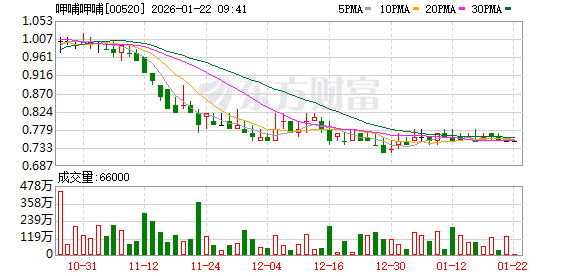
呷哺呷哺再推新品牌“呷牛排” 进军西餐赛道
Zhong Guo Jing Ying Bao· 2026-01-22 01:40
数据显示,美国年均牛肉消费量达36千克/人,日本为12千克/人,而作为世界第二大经济体的中国,人 均牛肉消费量仅为6千克,不足美国的六分之一。这一显著差距背后,是一片尚未饱和的蓝海市场。 值得注意的是,呷哺呷哺外卖业务表现亮眼,单店月销售额从2024年上半年的3.53万元增长至2025年上 半年的4.27万元,增幅达20.9%。上半年整体订单量增长超过55%,带动外卖毛收入同比增长22.4%。 从市场格局来看,当前鸡、鸭、鱼、猪、羊等主流肉食品类均有千店级头部连锁品牌,唯独牛排品类存 在有品类无巨头的空白,缺乏全国性标杆品牌,这为呷哺呷哺集团的战略布局延伸提供了机遇。 值得一提的是,当前市场存在明显的痛点,中高端品质牛排客单价突破300元,让日常消费望而却步。 传统百元牛排自助很难享受到高端食材,消费者陷入品质与价格的艰难取舍。贺光启指出,有些牛排餐 厅虽然经营很多年,但规模没有做大,这是因为高客单价的餐厅基本很难走大规模,太低客单价的餐厅 又缺少获利能力,有些小几十元的牛排又很难有质量保证。 (文章来源:中国经营报) 近日,火锅头部企业呷哺呷哺集团宣布跨界布局牛排赛道,推出全新子品牌"呷牛排",首店将于20 ...

零工取代星巴克全职咖啡师?奈雪们早就尝试了丨消费参考
2 1 Shi Ji Jing Ji Bao Dao· 2026-01-22 01:34
Group 1 - Starbucks China is focusing on controlling labor costs by increasing the recruitment of part-time employees, with 61.7% of job postings for student part-time positions and 17.8% for social part-time positions [1] - The majority of full-time job postings are concentrated in lower-tier cities, with only Shenzhen and Shanghai having limited full-time positions [1] - The trend of hiring part-time workers is becoming common in the restaurant industry, as seen with Nayuki Tea, which has also shifted to a workforce primarily composed of part-time employees [2] Group 2 - The management structure at Starbucks is changing, with the implementation of a "multi-store community" model where one store manager oversees multiple locations, aimed at reducing costs [2] - The shift from full-time baristas to gig workers raises concerns about maintaining service quality, which is a core competitive advantage for Starbucks [2][3]
5.4% 上海经济新动能构筑强韧性
Jie Fang Ri Bao· 2026-01-22 01:31
Economic Performance - Shanghai's GDP for 2025 exceeded 5.6 trillion yuan, with a year-on-year growth of 5.4%, surpassing the national growth rate of 5% and improving by 0.4 percentage points from 2024 [1] - The economic performance was achieved despite a challenging external environment at the beginning of the year, with significant recovery in industrial and foreign trade indicators by year-end [1] Sector Contributions - The primary industry added value was approximately 9.94 billion yuan, growing by 2%; the secondary industry added value was about 1.2 trillion yuan, growing by 3.5%; and the tertiary industry added value reached around 4.5 trillion yuan, growing by 6% [2] - The industrial sector's value added increased by 5.0% for the year, driven primarily by emerging industries, with the three leading industries (integrated circuits, artificial intelligence, and biomedicine) seeing a 9.6% increase in manufacturing output [2][3] Service Sector Growth - The service sector's value added grew by 6%, with the information service sector contributing the most at a growth rate of 15.3%, outpacing the financial sector's growth by 5.6 percentage points [3] - The rapid growth in the information service sector is attributed to the presence of platform companies, cloud computing, and integrated circuit design firms [3] Consumer Activity - The total retail sales of consumer goods in Shanghai increased by 4.6%, surpassing the national average, with significant contributions from policies promoting the replacement of old goods, particularly in sectors like new energy vehicles and home appliances [4][5] - The city issued 1 billion yuan in service consumption vouchers to stimulate spending in various sectors, leading to growth in accommodation and dining revenues [5] Foreign Trade Performance - Shanghai's total foreign trade reached 4.51 trillion yuan, growing by 5.6%, with exports at 2.02 trillion yuan (up 10.8%) and imports at 2.49 trillion yuan (up 1.8%), all setting historical records [6] - The resilience in foreign trade is attributed to the diversification of export markets, with significant growth in exports to ASEAN and Belt and Road countries [6] Global Connectivity - Shanghai's ongoing development of its "five centers" has enhanced its global connectivity, with the number of domestic and foreign financial institutions reaching 1,813 and the port's container throughput maintaining the global lead at 55.06 million standard containers [7] - The city's R&D expenditure as a percentage of GDP has increased to approximately 4.5%, reflecting a commitment to innovation and economic resilience [7]
2025年黑蚁资本消费者趋势研究报告:重返县域:新周期里的理智与情感
黑蚁资本· 2026-01-22 01:30
Investment Rating - The report does not explicitly state an investment rating for the industry Core Insights - The county market shows strong consumer resilience, with spending growth significantly outpacing that of first-tier cities, prompting brands to target lower-tier markets as a strategic choice [8][9] - Consumers in county areas are shifting from a focus on external identity symbols to valuing practical benefits and emotional connections in their purchases, indicating a trend towards more rational consumption [25][36] - The overall satisfaction of county residents remains stable, with a cautious optimism regarding future income and spending, reflecting a balanced approach to financial management [27][34] Summary by Sections Introduction - The report outlines the changing landscape of consumer behavior in county areas, emphasizing the need for brands to adapt their strategies to local market dynamics [23] Consumer Behavior Changes - Life changes include increased work pace and a more cautious approach to spending, with consumers prioritizing practical and emotional value in their purchases [16][27] - Demand for identity-related products has decreased, with a growing emphasis on experiences and emotional connections [25][36] - Spending patterns are diversifying, with a shift from functional optional spending to experiential optional spending [16][25] Market Dynamics - The county market is characterized by a high degree of consumer satisfaction and a dynamic balance of diverse needs, which presents unique opportunities for growth [11][25] - The report highlights the importance of understanding the internal dynamics of county consumers, including their evolving preferences and spending habits [24][28] Future Outlook - The report anticipates that the county market will continue to evolve, with emerging trends in consumer preferences indicating a shift towards higher emotional and experiential value in products and services [25][36] - The potential for growth in the county market is significant, driven by a large consumer base and the emergence of new consumption trends [26][34]
华泰证券今日早参-20260122
HTSC· 2026-01-22 01:29
Fixed Income Market - The bond market has shown a strong performance in the past two weeks, with the yield on the 10-year government bond decreasing from 1.90% to 1.83%, a decline of 6.7 basis points [2] - The yield on the 30-year government bond fell from 2.34% to 2.26%, a decrease of 7.4 basis points, indicating a significant rebound this week [2] - Short-term interest rates have also declined, with the 1-year government bond yield dropping from 1.36% to 1.29% [2] Global Long-term Bond Rates - Recent increases in long-term interest rates in the US and Japan have negatively impacted global bond and stock markets [3] - The rise in global long-term bond rates reflects more than just a recovery in fundamentals; it indicates challenges to fiscal discipline in developed countries and concerns over long-term demand for bonds [3] - The report suggests a cautious approach to investment, recommending a wait-and-see strategy for adjustments in the market [3] Transportation Industry - In December, the growth rate of retail sales and online retail sales slowed down due to the reduction of subsidies for trade-in programs [5] - The volume of express deliveries also saw a slowdown, with year-on-year growth dropping from 6.4% in November to 2.6% in December [5] - The report recommends focusing on companies with strong overseas growth potential, such as Jitu Express, and those with robust cash flow and competitive advantages like ZTO Express [5] Real Estate Market - The real estate market in 2025 saw a decline in supply and demand, but the rate of decline has slowed, indicating a potential stabilization [6] - Structural opportunities exist in core cities and certain second and third-tier cities, where some companies have performed well [6] - The report anticipates continued policy support aimed at stabilizing the real estate market, benefiting leading companies with strong resource acquisition capabilities [6] Environmental Protection Industry - Longking Environmental Protection is positioned as a leader in China's air pollution control industry, with a focus on green energy services linked to mining operations [7] - The company is expected to benefit from its projects in renewable energy and electric mining vehicles, which are anticipated to drive long-term growth [7] Non-ferrous Metals Industry - Zijin Mining is expected to benefit from rising copper and gold prices, with projected net profit growth of 57% in 2026 and 23% in 2027 [8] - The company is viewed as a stable operator with strong growth potential, maintaining a "buy" rating [8] Logistics Industry - Manbang Group is projected to have a revenue of 3.2 billion yuan in Q4 2025, with a year-on-year decline of 1% [9] - The company has announced a shareholder return plan, committing to return at least 50% of its non-GAAP net profit to shareholders through dividends or buybacks [9] Media and Entertainment Industry - Netflix reported a 17% year-on-year revenue growth in Q4, exceeding expectations, with a net profit increase of 29.4% [9] - The company anticipates revenue of $50.7 to $51.7 billion in 2026, with a focus on expanding advertising revenue and leveraging AI in content production [9] Food Industry - Lihigh Foods expects a revenue of 4.26 to 4.42 billion yuan in 2025, with a net profit growth of 16.1% to 23.5% [10] - The company is projected to recover in its frozen baking business and maintain strong growth in its cream business [10] Sportswear Industry - Anta Sports reported a slight decline in its main brand revenue in Q4 2025 but expects double-digit growth for the full year [16] - The company is focusing on a multi-brand strategy and plans to increase investment in product development and sports resources [16] Restaurant Industry - Xiaocaiyuan has seen a significant increase in its takeaway revenue, with a year-on-year growth of 13.7% in the first half of 2025 [17] - The company is adjusting its menu pricing and product offerings to enhance its competitive edge and focus on quality growth [17] Electronics Industry - TCL Electronics announced a strategic partnership with Sony, which is expected to enhance its global market position [18] - The company anticipates a net profit growth of 45% to 60% in 2025, driven by its globalization and mid-to-high-end strategies [18]
张坤4100点上首“发声”:消费、房价、AI和国运,究竟该怎么看?
Xin Lang Cai Jing· 2026-01-22 00:56
来源:资事堂 当市场在交易当下的热点时,张坤在思考和下注未来的"国运"。 2025年1月22日凌晨,张坤的四季报准时上网,一如既往、不差分毫,恰如他始终如一的投资风格。 但本季度的观点有了更多的"新"内容。 其一、这是近十年来,张坤管理的产品首次在上证指数4100点以上"发声",面对过去两年间1000点的涨 幅和高度分化的行情表现,张坤的看法和应对颇引人关注。 其二、这是外界印象中,张坤首次提及AI和AI泡沫论,他不仅坦率的讲出了自己的看法,而且也藉由 价值投资的逻辑推演,并点评了部分中国企业在AI大潮中的表现。 其三、这也是张坤罕见的从增量和存量角度分析了未来我们所在国家的经济、消费、房地产等关键要素 的走向,很多判断和论述也颇有新意。 总之,张坤这一季的季报,不容错过。 中期经济增速不会低 经历了市场的回暖后,场内机构观点在2016年初明显趋暖,这也是张坤在过去几个季度里始终坚持、相 信并重申的。 但他看的更加长远,张坤在本季报里展示了他对中国未来增速和增长空间的"大级别趋势的预判"。 换言之,他认为,从增量角度看,未来几年的经济增速不会低,而由此带动的内需、消费等因素也值得 比市场共识更积极的看待。 主 ...
财信证券晨会纪要-20260122
Caixin Securities· 2026-01-22 00:53
晨会纪要(R3) 晨会纪要 2026 年 01 月 22 日 | 市场数据 | | | | --- | --- | --- | | 指数名称 | 收盘 | 涨跌% | | 上证指数 | 4116.94 | 0.08 | | 深证成指 | 14255.12 | 0.70 | | 创业板指 | 3295.52 | 0.54 | | 科创 50 | 1535.39 | 3.53 | | 北证 50 | 1519.75 | 0.14 | | 沪深 300 | 4723.07 | 0.09 | 一、财信研究观点 【债券研究】债券市场综述 二、重要财经资讯 【财经要闻】市场监管总局发布 2025 年综合整治"内卷式"竞争十大典 型案例 【财经要闻】财政部发布《关于全面推行财政电子票据跨省报销工作的 通知》 上证指数-沪深 300 走势图 -5% 5% 15% 25% 35% 2025-01 2025-04 2025-07 2025-10 上证指数 沪深300 | 黄红卫 | 分析师 | | --- | --- | | 执业证书编号:S0530519010001 | | | huanghongwei@hnchasing.c ...
早报|西贝获新一轮融资,新荣记张勇等入股;黄仁勋:AI时代蓝领更吃香;特朗普称无意武力获取格陵兰岛;拼多多被处罚
虎嗅APP· 2026-01-22 00:48
Group 1 - Apple plans to transform Siri into its first chatbot product, expected to launch in the second half of 2026, relying on Google's Gemini model [2][3] - The chatbot, codenamed "CAMPOS," is set to be introduced in June 2026 and may run directly on Google Cloud using TPU chip technology [4] Group 2 - OpenAI's CEO Sam Altman is meeting with top Middle Eastern investors to prepare for a new funding round, aiming to raise at least $50 billion, with a post-funding valuation expected between $750 billion and $830 billion [6] - The negotiations are in the early stages, and the funding amount may still be adjusted [6] Group 3 - Moore Threads expects a net profit loss of between 950 million to 1.06 billion yuan for 2025, despite projecting annual revenue of 1.45 billion to 1.52 billion yuan, representing a growth of 230.70% to 246.67% year-on-year [7] Group 4 - The European Union is set to simultaneously review Netflix and Paramount's bids for Warner Bros, marking an unusual competitive scrutiny that could reshape Hollywood's power dynamics [8] Group 5 - Xibei Restaurant Group completed a new round of financing on January 20, with new investors including Taizhou Xinrongtai Investment and former Ant Group CEO Hu Xiaoming, although the specific amount remains undisclosed [11][12] - This financing increased Xibei's registered capital from 89.9 million yuan to 101.68 million yuan, a 13.1% increase [12] Group 6 - The Shanghai Futures Exchange is adjusting the margin ratios and price limits for copper and aluminum futures, increasing the price limit from 6% to 8% [30][31]


日本观光局:去年12月赴日中国游客同比下降45.3%
Ren Min Ri Bao· 2026-01-22 00:31
Core Viewpoint - The report from the Japan National Tourism Organization indicates a significant decline in the number of visitors from mainland China to Japan, attributed to rising tensions in Sino-Japanese relations following controversial remarks by Japanese Prime Minister Suga Yoshihide [1] Group 1: Visitor Statistics - In December of last year, the number of visitors from mainland China to Japan was 330,400, representing a substantial decrease of 45.3% compared to the same period the previous year [1] - The number of visitors from mainland China dropped from 562,600 in November to 715,700 in October of the same year, indicating a clear downward trend [1] Group 2: Economic Impact - Japanese media and experts have noted that the remarks made by Prime Minister Suga have led to ongoing tensions in Sino-Japanese relations, negatively affecting various sectors in Japan, including retail, accommodation, and dining [1] - Japan's largest travel agency, JTB Corporation, forecasts that due to the uncertain outlook for visitors from mainland China, the number of tourists entering Japan in 2026 may decrease by 3% [1]