
制造业

Search documents
PMI意外回落,什么信号
HUAXI Securities· 2026-01-31 13:25
Group 1: PMI Overview - January Manufacturing PMI decreased to 49.3%, down 0.8 percentage points from December's 50.1%[1] - Non-Manufacturing PMI also fell to 49.4%, down from 50.2% in the previous month[1] - The decline in Manufacturing PMI was primarily driven by significant drops in production and new orders, which fell by 1.1 and 1.6 percentage points, respectively[1] Group 2: Seasonal Adjustments and Market Conditions - The drop in Manufacturing PMI exceeded typical seasonal adjustments, with production and new orders falling more than historical averages for January[2] - The logistics and procurement association attributed the decline to adverse weather conditions and a weakening export environment, with new export orders down 1.2 percentage points[2] - Despite the overall decline, the proportion of manufacturing firms reporting insufficient market demand decreased by 9.4 percentage points to 54.9%[2] Group 3: Price Trends and Profitability - Manufacturing output prices rebounded by 1.7 percentage points to 50.6%, marking the first time in 19 months above the neutral line[3] - The purchasing prices of raw materials surged by 3.0 percentage points to 56.1%, the highest in 20 months, indicating cost pressures on manufacturing profits[3] - Over 34% of manufacturing firms reported declining profits, reflecting the impact of rising costs on profitability[3] Group 4: Sector-Specific Insights - The construction sector's business activity index fell to 48.8%, with new orders dropping by 7.3 percentage points, indicating a cautious outlook among construction firms[4] - The service sector remained relatively stable, with a slight decrease in the business activity index to 49.5%, and new orders down to 47.1%[4] - The service sector's business activity expectation index increased by 0.7 percentage points to 57.1%, suggesting optimism for consumer spending during the upcoming holiday[4] Group 5: Economic Outlook and Market Reactions - The overall composite PMI for January was 49.8%, a decrease of 0.9 percentage points from December, indicating a contraction in economic activity[5] - The report suggests that January's PMI trends may not be linear due to significant seasonal influences, with a focus on upcoming policy directions from the March meetings[6] - Recent market trends show significant net outflows from broad-based ETFs, indicating cautious investor sentiment, particularly in the consumer and technology sectors[6]
德国1月失业人数突破300万创12年新高
Sou Hu Cai Jing· 2026-01-31 12:07
Group 1 - The number of registered unemployed in Germany reached 3.085 million in January, an increase of 177,000 from the previous month, marking the highest level in 12 years [1] - The unemployment rate in Germany rose to 6.6% in January [1] - The German government has implemented several economic support measures, but their effectiveness remains limited, indicating that economic recovery must be a core issue this year [1] Group 2 - The German labor market is currently experiencing insufficient momentum, with the rise in unemployment primarily attributed to seasonal factors [1] - Germany's economy is projected to shrink consecutively in 2023 and 2024, with a slight growth of 0.2% expected in 2025 [1] - The German federal government's annual economic report has downgraded the growth forecast for 2026 to 1%, a reduction of 0.3 percentage points from last autumn's predictions, highlighting ongoing pressures on economic recovery [1] Group 3 - Analysts point out that Germany's economy faces long-term challenges such as high energy prices, weak global demand, and slow progress in structural reforms [2] - In 2025, Germany's exports to the U.S. are expected to be significantly impacted by external factors like increased tariffs, leading to a decline in overall exports for the third consecutive year [2] - While large-scale investments in infrastructure and defense are anticipated to provide some support to the economy, a lack of accompanying structural reforms may delay a noticeable economic recovery [2]
年初产需降温——1月PMI数据解读【陈兴团队·华福宏观】
陈兴宏观研究· 2026-01-31 10:27
Group 1 - The manufacturing PMI in January recorded a decline to 49.3%, which is 0.8 percentage points lower than the previous month and below the median level of the past five years [4][3] - Key sub-indices such as new orders, production, raw material inventory, and employment all showed a decrease, indicating a cooling in both supply and demand [4][2] - The new orders index fell to 49.2%, down 1.6 percentage points from the previous month, while the production index decreased to 50.6%, down 1.1 percentage points [6][4] Group 2 - The price index has risen significantly due to recent increases in commodity prices, with the raw material purchase price index at 56.1%, down 3.0 percentage points, and the factory price index at 50.6%, up 1.7 percentage points [8][3] - The construction industry has seen a notable decline, with the new orders index dropping significantly, leading to a business activity index of 48.8%, the lowest since April 2020 [9][3] - The non-manufacturing business activity index fell to 49.4%, with the service sector also experiencing a slight decline, indicating overall weak economic conditions [9][12]


德国经济年初增长势头增强
Shang Wu Bu Wang Zhan· 2026-01-31 04:06
Core Insights - The German economy shows unexpected growth momentum at the beginning of the new year, with the composite PMI rising to 52.5, exceeding market expectations and remaining above the expansion threshold of 50 [1] Group 1: Economic Indicators - The services sector is the main driver of growth, with its PMI reaching 53.3, indicating robust growth [1] - The industrial sector's PMI has improved but remains in the contraction zone at 48.7, suggesting a lag in the manufacturing recovery [1]
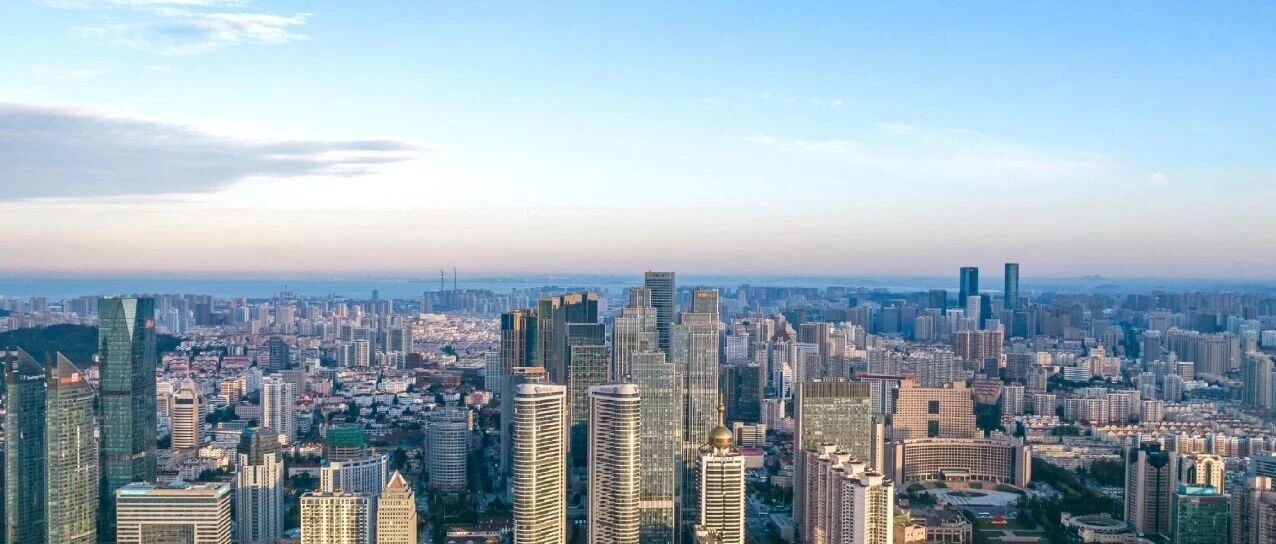
山东挑大梁,工业焕新机
经济观察报· 2026-01-31 02:16
Core Viewpoint - The economic performance of major provinces in 2025 reflects both the expectation and capability of these provinces to drive national economic growth, with a notable contribution to GDP from the top ten provinces [2][4]. Economic Growth Performance - In 2025, seven major provinces achieved GDP growth rates between 5.3% and 5.6%, surpassing the national average growth rate of 5% [2]. - Shandong, as a key economic province, has shown significant growth, with its GDP share of the national total increasing from 7.19% to 7.36% during the "14th Five-Year Plan" period [2]. Industrial Strength - Shandong is the only province in China with all 41 industrial categories, and its industrial added value is expected to grow by 7.6% in 2025, exceeding the national average by 1.7 percentage points [3][6]. - The province's manufacturing sector is undergoing transformation, with high-tech industries accounting for over 55% of industrial output [3][7]. Government Initiatives - The 2026 Shandong government work report emphasizes the importance of economic growth, industrial optimization, and green transformation, targeting a GDP growth of 5.5% and reaching a total of 10.3 trillion yuan [4][10]. - Shandong plans to implement 12 key industry growth plans and aims to complete over 3,000 technology transformation projects in 2026 [10][11]. Technological Innovation - The focus on technological innovation is crucial for Shandong's industrial development, with the province's artificial intelligence sector growing at an annual rate of over 30% [11]. - The government aims to enhance traditional industries while fostering new and future industries, contributing to a stable economic environment [11].
山东挑大梁,工业焕新机
Jing Ji Guan Cha Wang· 2026-01-30 14:57
Group 1 - The economic performance of major provinces in China is expected to play a crucial role in national GDP growth, with seven major provinces projected to achieve GDP growth rates between 5.3% and 5.6% in 2025, surpassing the national average of 5% [1][2] - Shandong Province, as a significant economic player, has shown remarkable growth, with its GDP share increasing from 7.19% to 7.36% during the 14th Five-Year Plan, and its GDP crossing the thresholds of 8 trillion, 9 trillion, and 10 trillion yuan [1][2] - The industrial sector in Shandong is a key driver of its economic strength, with the province being the only one in China to have all 41 industrial categories, and a projected industrial value-added growth of 7.6% in 2025, exceeding the national average by 1.7 percentage points [2][3] Group 2 - Shandong's manufacturing sector is undergoing significant transformation, with a focus on integrating advanced technologies into traditional industries, which account for 70% of its GDP [3][4] - The province's digital economy has surpassed 50% of its GDP, reflecting a 9 percentage point increase over the past five years, while high-tech industries now represent 55.3% of industrial output, a 10.6 percentage point increase since 2020 [4][5] - Shandong is actively fostering new production capabilities, with a focus on technological innovation, aiming for the artificial intelligence sector to exceed 200 billion yuan by 2027, maintaining an annual growth rate of over 30% [6][7] Group 3 - The GDP growth targets for Shandong from 2023 to 2025 have consistently been set above 5%, with actual growth rates of 6%, 5.7%, and 5.5%, indicating strong economic resilience [6] - The province plans to implement 12 key industry growth strategies, focusing on technological upgrades and project-based advancements to strengthen its industrial base [6][7] - Shandong aims to enhance its role as a significant economic growth hub in northern China, with initiatives to optimize traditional industries and cultivate emerging sectors [7]
美国金融资本的利益核心就在于美元,美元存续的根基就是继续扩张,推动全球化的继续深化,而美国当下的利益,可能是特朗普主张的进行收缩
Sou Hu Cai Jing· 2026-01-30 14:57
Group 1 - The article discusses the conflicting dynamics within the U.S., highlighting the tension between Wall Street's desire for global expansion and the nationalist agenda led by Trump, which focuses on domestic security and protectionism [3][5][10] - The Federal Reserve's decision to maintain interest rates between 3.5% and 3.75% indicates ongoing concerns about inflation and the stability of the U.S. dollar, despite pressures from both financial and industrial sectors [3][10][12] - Israel's strategic positioning in this conflict is emphasized, as Netanyahu's comments suggest a shift in allegiance towards Trump, indicating a potential realignment of U.S. foreign policy in the Middle East [5][6][8] Group 2 - The article raises questions about the sustainability of the alliances formed in this geopolitical landscape, particularly regarding Israel's role as a proxy in U.S. military actions in the region [10][12][14] - The potential implications of Trump's trade policies, such as tariffs on semiconductors, are discussed, suggesting a risk to the foundational credibility of the U.S. dollar [10][12] - The ongoing negotiations for military aid to Israel, with a focus on the upcoming contract and its implications for U.S.-Israel relations, are highlighted as a critical factor in the evolving power dynamics [12][14]

截至2025年第三季度末,阿曼外国直接投资累计达310亿里亚尔
Shang Wu Bu Wang Zhan· 2026-01-30 13:56
Core Insights - Foreign direct investment (FDI) in Oman continues to grow, reaching a total of 31 billion Omani Rials by the end of Q3 2025, representing a year-on-year increase of 16.2% [1] Investment Growth by Sector - The increase in FDI is primarily driven by the oil and gas extraction sector, which saw a growth of 21.1%, totaling 24.9 billion Omani Rials [1] - Manufacturing investments grew by 11.1%, reaching 2.7 billion Omani Rials [1] - Financial intermediation activities experienced a 9% increase, amounting to 1.5 billion Omani Rials [1] Investment by Source Country - The United Kingdom is the largest investor in Oman, with investments growing by 21.5% to reach 16 billion Omani Rials [1] - The United States follows closely, with a 24.7% increase in investments, totaling 8.3 billion Omani Rials [1] - Kuwait ranks third, with investments increasing by 11.5% to 1.4 billion Omani Rials [1]
张瑜:经济结构“黄金交叉”,中游制造“更胜一筹”!——张瑜旬度会议纪要No.130
一瑜中的· 2026-01-30 12:28
Core Viewpoint - The article focuses on "Four Golden Crosses and Their Implications for Investment," highlighting significant economic signals that indicate potential shifts in the economic landscape [2]. Group 1: Golden Cross of New and Old Economy GDP Proportions - A model categorizes the economy into new (equipment manufacturing, information, leasing, and business services) and old (real estate, construction, and building materials) sectors. In 2015, the new economy accounted for 14.5% of GDP, while the old economy was at 24.2%, a 10 percentage point difference. By 2025, the new economy is projected to rise to 20%, surpassing the old economy at 19.7%, marking a significant shift in economic structure [3]. - This change suggests that even if the old economy does not stabilize, the overall economy may still recover due to the growth and increased size of the new economy, aligning with expectations of nominal GDP bottoming out and rebounding by 2026 [3]. Group 2: Golden Cross of Household Wealth Structure - A simplified model of household wealth focuses on urban housing and financial assets. By 2026, financial assets (deposits and non-deposit financial assets) are expected to exceed the total market value of urban residential properties for the first time. Since 2022, the total market value of urban housing has been declining, while financial assets have been growing, indicating a potential shift in household wealth dynamics [6]. - If this golden cross occurs, it could lead to a new phase in household wealth, positively impacting social risk appetite and consumer spending tendencies [6]. Group 3: Recovery of Spending Willingness Across Three Sectors - The article examines the spending willingness of residents, government, and overseas sectors. The combined spending willingness of these three sectors has been declining since 2021. However, a turning point is anticipated in 2024-2025, with a stabilization in 2024 and a potential recovery in 2025, driven by better-than-expected exports and increased fiscal counter-cyclical measures [7]. - If this positive trend continues into 2026, it is expected to gradually reflect in economic data [7]. Group 4: Optimal Midstream Economic Conditions - An analysis of supply-demand structures in the manufacturing sector reveals that the midstream segment currently exhibits the best balance, surpassing the high point of 2021. The downstream sector has just turned positive in terms of supply-demand growth differentials, while upstream conditions may lag behind due to their strong ties to the old economy [10]. - The midstream sector's favorable conditions are clear and independent, suggesting a potential improvement in upstream supply-demand dynamics in the future [10].
十条举措,条条暖心!春节超长假期,南京送上“惠民稳岗留工”大礼包
Yang Zi Wan Bao Wang· 2026-01-30 12:28
Group 1: Core Initiatives - Nanjing City has implemented the "Ten Measures for Warm-hearted Benefits and Stable Employment during the 2026 Spring Festival," focusing on "consumer benefits, enterprise stability, and service upgrades" [28] - The measures include 10 specific actions aimed at enhancing consumer spending, supporting enterprises, and improving service efficiency [28][29] Group 2: Consumer Benefits - Over 400 promotional events will be organized, including an online New Year goods festival, with over 50 million yuan in various discount coupons [5][28] - A "Spring Festival Consumption Season" will feature diverse food promotions and a lottery for invoices over 100 yuan, with a maximum prize of 800 yuan [5][28] - Subsidies for consumers include up to 20,000 yuan for car scrapping and replacement, and up to 1,500 yuan for energy-efficient home appliances [9][28] Group 3: Support for Enterprises - Manufacturing enterprises with a quarterly output of over 200 million yuan will receive a reward of 0.1 yuan per kilowatt-hour for electricity used during the Spring Festival [18][29] - Support for foreign trade enterprises includes subsidies for participating in overseas trade exhibitions during the Spring Festival [21][29] - Continuous production incentives and targeted employment services will be provided to enterprises facing labor shortages [18][29] Group 4: Employment and Service Efficiency - Nanjing plans to hold over 60 "Talent Night Market" events and 400 recruitment activities, offering over 150,000 job positions [24][30] - The city will enhance transportation services during the Spring Festival, ensuring adequate supply for public transport and emergency services [27][30] - The implementation details of the measures will be accessible through platforms like "Ningqi Tong" and "My Nanjing" APP for streamlined service delivery [30]
