国防军工

Search documents
负债行为跟踪:杠杆资金活跃度上升
ZHONGTAI SECURITIES· 2025-12-28 12:50
1. Report Industry Investment Rating - Not provided in the document 2. Core Views of the Report - This week, both the US and Chinese stock markets performed well, with the US three major stock indices rising over 1% and the Shanghai Composite Index rising 1.9%. The growth is due to the resonance of the global technology sector and year - end pre - positioning [4]. - Market risk preference is on the rise. Since mid - December, the S&P 500 volatility has generally declined, and the basis discount of stock index futures has narrowed since December [4]. - Leverage funds' activity significantly increased this week, becoming a major driving factor for the market. The proportion of margin trading turnover in A - share turnover rebounded, and leverage funds flowed into major broad - based indices [5]. - In 2026, the incremental funds flowing into the stock market are estimated to be 3.1 trillion yuan, and the scale of "fixed income +" products will double. If the market adjusts in December, incremental funds may pre - position. Next year, technology will still be the most promising direction for the spring rally [7]. 3. Summary by Relevant Catalogs 3.1 Asset Price Performance 3.1.1 Global Asset Performance - Global stocks: Most global stock indices rose, with the Korean Composite Index rising 2.7% and the Nikkei 225 rising 2.5%. The French CAC40 and the British FTSE 100 declined [12]. - Global bonds: US Treasury yields declined, while Japanese and Chinese government bond yields rose [12]. - Global commodities: Precious metals performed well, with COMEX silver rising 18.2% and lithium carbonate rising 16.5%. The US dollar index declined [12]. 3.1.2 A - share Market Performance - Broad - based indices: A - shares generally rose, with the ChiNext and STAR 50 indices rising 3.9% and 2.8% respectively. The CSI 500 and CSI 1000 also had significant gains [21][23]. - Trading volume: Except for the dividend index, the average daily trading volume of broad - based indices increased, returning to the level around mid - August [25]. - Industry performance: The top five rising industries were non - ferrous metals (8.47%), national defense and military industry (7.51%), power equipment (6.27%), machinery and equipment (5.74%), and basic chemicals (5.70%). Most cyclical sectors performed well, except for banks and coal [31]. - Technology sector: Since December, optical modules and optical communications have led the way, and on Monday, most technology sub - sectors rose and many had increased trading volume [35][39]. 3.2 Capital Behavior Tracking 3.2.1 Leverage Funds - Margin trading turnover ratio: The proportion of margin trading turnover in A - share turnover rose from 10.24% to 11.20%. The margin trading balance increased to about 2.53 trillion yuan, and the ratio of margin trading balance to A - share free - float market capitalization slightly decreased [49]. - Inflow into broad - based indices: From Monday to Thursday, leverage funds flowed into major broad - based indices, with the Shanghai Composite Index, CSI 1000, and CSI 300 having daily net inflows of over 2.5 billion yuan. Most broad - based ETFs had net outflows on Monday - Thursday, and on Friday, most broad - based indices had inflows except for the Shanghai Composite Index ETF and ChiNext Index ETF [54]. - Market - cap gradient: Stocks of all market - cap gradients increased leverage, with large - cap stocks above 50 billion yuan having a larger increase. Stocks like Zhongji Innolight, Industrial Fulin, Cambricon, and Zijin Mining had large net margin purchases [58]. - Industry perspective: Industries with large margin net purchases as a proportion of turnover included communications, real estate, machinery and equipment, etc. The national defense and military industry increased leverage for six consecutive weeks, and agriculture, forestry, animal husbandry, and fishery increased leverage for nine consecutive weeks [62]. - Hot stocks: Some hot stocks in the national defense and military industry and electronics added leverage. Stocks like Zhaoyi Innovation, Zhongji Innolight, and others had a margin net purchase as a proportion of turnover exceeding 10% [70]. 3.2.2 Quantitative Funds - Excess return: Since December, the median excess returns of CSI 500 and CSI 1000 quantitative index - enhanced strategies have been - 1.15% and 0.61% respectively [72]. - Futures basis: This week, the near - month stock index futures basis changed from premium to discount, and the far - month contract basis discount narrowed. Excluding the futures delivery week, the basis discount has been narrowing since December [78]. 3.2.3 Main Force Funds - Sector net flows: The main force funds in the CSI 300 and ChiNext continued to have net outflows, but the outflows slowed down. The main force funds in the STAR Market had net outflows for five consecutive trading days, accelerating compared to last week [80]. - Industry flows: Main force funds flowed into the power equipment industry and out of industries such as national defense and military industry, computers, electronics, and non - bank finance [88]. 3.2.4 Northbound Funds - Trading volume and proportion: The total trading volume of northbound funds decreased, with the average daily trading volume dropping from 203 billion yuan to 176.6 billion yuan, and the proportion in A - share trading volume dropping from 11.52% to 9.29% [92]. - Performance of heavy - holding stocks: The heavy - holding stocks of the Northbound Connect changed from rising to falling, and the Northbound Connect 50 index underperformed the CSI 300 [94]. 3.2.5 Southbound Funds - Trading volume and net purchases: The average daily trading volume of southbound funds decreased from 144.2 billion yuan to 110.2 billion yuan, and the proportion increased from 52.3% to 58.9%. The average daily net purchase amount decreased from 2.9 billion yuan to 0.8 billion yuan [99]. - Industry allocation: Southbound funds still had a balanced allocation, flowing into industries such as media, electronics, and non - bank finance, and flowing out of industries such as communications, petroleum and petrochemicals, and non - ferrous metals [102].





主动量化周报:12月末或为建仓时点:小盘迎来强势期-20251228
ZHESHANG SECURITIES· 2025-12-28 12:26
- The report discusses the performance of BARRA style factors, highlighting that fundamental factors showed increased differentiation, with growth being preferred over value. Profitability-related factors entered a retracement phase, while trading-related factors like high turnover and short-term momentum provided significant excess returns. Additionally, mid-cap style factors outperformed, with both size and non-linear size factors showing positive excess returns[24][25] - The report identifies that high turnover stocks achieved an excess return of 0.9%, short-term momentum stocks provided 0.7%, and non-linear size factors contributed 0.7% in excess returns. Meanwhile, profitability-related factors like earnings quality and investment quality showed negative returns of -0.1% and -0.3%, respectively[25]
固定收益周报:为何人民币汇率大涨但港股疲弱-20251228
Huaxin Securities· 2025-12-28 11:04
Report Industry Investment Rating No relevant content provided. Core Viewpoints - The current RMB exchange - rate appreciation is more likely the third scenario where domestic entities' risk preference changes, so it does not benefit Hong Kong stocks, and the sustainability of the RMB's strength is questionable. It is hoped that future RMB appreciation will be the first scenario, corresponding to the burst of the US tech bubble [17]. - In the de - leveraging cycle, the bias of the stock - bond ratio in favor of equities is limited, and the value style has a higher probability of relative dominance [9][58]. Summary by Directory 1. National Balance Sheet Analysis - **Liability Side**: In November 2025, the liability growth rate of the real sector was 8.6% (previous value 8.7%), expected to decline to around 8.3% in December. The money market continued to loosen marginally last week. The central bank's stance indicates that the goal of stabilizing the macro - leverage ratio remains unchanged, waiting for the quantitative fiscal target from the Two Sessions in 2026 [2][16]. - **Fiscal Policy**: Last week, the net increase in government bonds was 1707 billion yuan (higher than the planned 1148 billion yuan), and the planned net increase next week is 174 billion yuan. The government liability growth rate is expected to decline to around 12.4% in December from 13.1% in November [2][18]. - **Monetary Policy**: Last week, the average weekly trading volume and price of funds increased, and the term spread widened. The one - year Treasury yield dropped to 1.29% at the weekend. The market may have over - anticipated a 2026 interest - rate cut. The term spread between the ten - year and one - year Treasuries widened to 55 basis points. The money - market loosening may be approaching its limit [3][18]. - **Asset Side**: In November, physical quantity data showed signs of stabilizing at a low level. The full - year nominal economic growth target for 2025 is 4.9%, and it is necessary to confirm whether 5% will be the central target for China's nominal economic growth in the next 1 - 2 years [3][19]. 2. Stock - Bond Cost - Effectiveness and Stock - Bond Style - **Economic Cycle**: Since 2011, China has entered a downward cycle of potential economic growth, which seems to have ended in Q4 2024. The Chinese government put forward three policy goals in 2016. Currently, the convergence on the liability side is not over but has limited space. If the valuation of the US technology sector is re - evaluated, global funds may flow to China [6][20]. - **Last Week's Market Performance**: The money market continued to loosen, risk preference rose, and the growth style dominated. The stock - bond ratio favored stocks. The ten - year Treasury yield rose 1 basis point to 1.84%, the one - year yield dropped 7 basis points to 1.29%, and the 30 - year yield remained stable at 2.22%. The broad - based rotation strategy underperformed the CSI 300 by - 0.32 pct last week and - 5.41 pct since July 2024 [7][21]. - **Investment Recommendations**: Bonds at the long end are considered to have investment value. For equities, a neutral stance is taken, with a focus on style. Before seeing the government's bond - issuance plan, the value style is expected to dominate. This week, the Shanghai 50 Index (60% position), the CSI 1000 Index (20% position), and the 30 - year Treasury ETF (20% position) are recommended [8][22]. 3. Industry Recommendations - **Industry Performance Review**: This week, A - shares rose with increased trading volume. Among Shenwan primary industries, non - ferrous metals, national defense and military industry, power equipment, electronics, and building materials had the largest increases, while beauty care, social services, banks, coal, and food and beverage had the largest declines [28]. - **Industry Crowding and Trading Volume**: As of December 26, the top five crowded industries were electronics, power equipment, machinery, national defense and military industry, and non - ferrous metals. The trading volume of the whole A - share market rebounded. Transportation, non - ferrous metals, and other industries had the highest trading - volume growth rates, while banks, coal, and other industries had the largest declines [31][32]. - **Industry Valuation and Earnings**: This week, the PE(TTM) of non - ferrous metals, national defense and military industry, and other industries increased the most, while that of social services, beauty care, and other industries decreased the most. Industries with high 2024 full - year earnings forecasts and relatively low current valuations include banks, securities, and others [36][37]. - **Industry Prosperity**: Externally, there was a marginal decline. The global manufacturing PMI decreased in November, and export growth rates of some countries changed. Domestically, the second - hand housing price dropped, and quantity indicators fluctuated. The highway truck traffic volume declined, and the industrial capacity utilization rate showed a fluctuating trend [41]. - **Public - Fund Market Review**: In the fourth week of December, most active public - fund equity funds outperformed the CSI 300. As of December 26, the net asset value of active public - fund equity funds slightly increased compared to Q4 2024 [55]. - **Industry Recommendations**: In the de - leveraging cycle, the stock - bond ratio favors equities to a limited extent, and the value style is more likely to dominate. The recommended A + H dividend portfolio includes 13 stocks, and the A - share portfolio includes 20 stocks, mainly in industries such as banks, telecommunications, and oil and petrochemicals [9][58].
转债建议关注平衡踏空风险
Soochow Securities· 2025-12-28 10:33
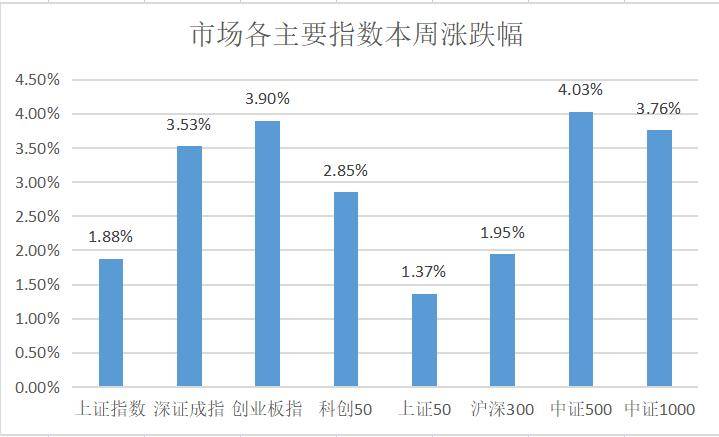
Group 1: Report Industry Investment Rating - No relevant content found Group 2: Core Views of the Report - Spot gold prices exceeded $4,500 per ounce, and factors in 2026 are favorable for gold. Gold is expected to play an important role in different asset portfolios, and the report continues to be bullish on gold [1][38]. - The global stock markets generally rose in the first week after the Bank of Japan's interest rate hike on December 19. The so - called "spring rally" may have started early, and the window for portfolio adjustment and layout in the fourth quarter is narrowing. Attention should be paid to balancing the risk of missing out on opportunities, and any short - term correction constitutes a significant right - hand layout opportunity [1][39]. - The most elastic convertible bond targets are the equity - oriented ones in the core themes of the annual strategy, such as Dinglong and Yongxi Convertible Bonds. The relatively elastic targets are in three undervalued directions: AI edge (consumer electronics, automotive intelligence, embodied robots), upstream key resource - type materials, and power transmission and distribution equipment. [1][40]. - The report attaches more importance to demand than supply. It recommends sectors with obvious growth expectations on the demand side, and sectors with marginal improvement on the supply side may have difficulty forming sustainable medium - term allocation opportunities without significant improvement on the demand side [1][40]. - The top ten high - rated, medium - low - priced convertible bonds with the greatest potential for parity premium rate repair next week are Hope Convertible Bond, Liuyao Convertible Bond, and others [1][40]. Group 3: Summary by Relevant Catalogs 1. Week - on - Week Market Review 1.1 Equity Market Overall Rise - From December 22 to December 26, the equity market overall rose. The Shanghai Composite Index rose 1.88% to 3,963.68 points, the Shenzhen Component Index rose 3.53% to 13,603.89 points, the ChiNext Index rose 3.90% to 3,243.88 points, and the CSI 300 rose 1.95% to 4,657.24 points. The average daily trading volume of the two markets increased by about 207.924 billion yuan to 1948.902 billion yuan, a week - on - week increase of 11.94% [6][9]. - Among the 31 Shenwan primary industries, 22 industries closed higher, with 14 industries rising more than 2%. Non - ferrous metals, national defense and military industry, power equipment, electronics, and building materials led the gains, rising 6.43%, 6.00%, 5.37%, 4.96%, and 4.56% respectively [14]. 1.2 Convertible Bond Market Overall Rise - From December 22 to December 26, the CSI Convertible Bond Index rose 1.64% to 493.25 points. Among the 29 Shenwan primary industries, 25 industries closed higher, with 7 industries rising more than 2%. National defense and military industry, non - ferrous metals, light industry manufacturing, computer, and electronics led the gains, rising 7.55%, 4.64%, 4.46%, 3.48%, and 3.27% respectively [16]. - The average daily trading volume of the convertible bond market was 80.058 billion yuan, a significant increase of 16.446 billion yuan, a week - on - week change of 25.85%. The top ten convertible bonds in terms of trading volume were Zai 22 Convertible Bond, Jiamei Convertible Bond, etc. About 76.79% of individual convertible bonds rose [16]. - The overall market conversion premium rate declined, with an average daily conversion premium rate of 41.60%, a decrease of 0.95 pct from the previous week. There were also changes in the conversion premium rate by price, parity, and industry [22][28]. - The conversion parity of 20 industries increased, with 12 industries rising more than 2%. Petroleum and petrochemicals, textile and apparel, automotive, steel, and national defense and military industry led the gains [31]. 1.3 Stock - Bond Market Sentiment Comparison - From December 22 to December 26, the weekly weighted average and median of the convertible bond and underlying stock markets were positive, and the underlying stocks had a larger weekly increase. The trading volume of both the convertible bond and underlying stock markets increased significantly, and the trading sentiment of the underlying stock market was better overall. However, the trading sentiment of the convertible bond market was better on some trading days [33]. 2. Outlook and Investment Strategy - Gold is expected to continue its upward trend and play an important role in asset portfolios [1][38]. - The equity market's "spring rally" may have started early, and attention should be paid to balancing the risk of missing out on opportunities [1][39]. - The convertible bond strategy recommends certain equity - oriented and undervalued - sector targets, and provides the top ten convertible bonds with the greatest potential for parity premium rate repair next week [1][40].
光大证券:多重支撑护航 春季行情行稳致远
Xin Lang Cai Jing· 2025-12-28 08:12
Group 1 - A-shares showed strong performance this week, with major indices generally rising, particularly the CSI 500, ChiNext Index, and the Small and Medium 100, while the Shanghai Composite and CSI 300 had smaller gains [1][6] - The current valuation of the Sci-Tech 50 and Wind All A indices is relatively high, with their PE (TTM) percentile exceeding 85% since 2010, as of December 26, 2025 [1][6] - Small-cap growth style outperformed this week, with significant gains in sectors such as non-ferrous metals and defense, while sectors like beauty care and social services saw declines [1][6] Group 2 - The A-share market is expected to continue its upward trend, supported by favorable policies and increased capital inflows, with historical patterns indicating a "spring rally" [3][8] - The trading volume has increased, surpassing 2 trillion yuan on Friday, with a total weekly turnover of 9.83 trillion yuan, marking a six-week high [3][8] - Policy support is anticipated to boost market confidence and attract various types of capital, with a focus on growth and consumption sectors, particularly TMT and advanced manufacturing during the "spring rally" [4][9] Group 3 - Recent policy developments include the People's Bank of China announcing a one-time credit repair policy, and the housing and urban-rural development meeting outlining real estate priorities for 2026 [2][7] - The issuance of L3 level autonomous driving vehicle licenses in Beijing marks a significant step in the automotive industry, alongside the 2025 Computing Power Internet Conference held in Chengdu [2][7] - The EU has extended economic sanctions against Russia for six months until July 31, 2026, and Japan has finalized its budget for the 2026 fiscal year, setting a new historical high [2][7]

短期择时看多指数增加,后市或震荡偏多:【金工周报】(20251222-20251226)-20251228
Huachuang Securities· 2025-12-28 07:45
- The report introduces multiple quantitative models for market timing, including short-term, medium-term, and long-term models, such as the "Volume Model," "Feature Institutional Model," "Feature Volume Model," "Intelligent Algorithm Model," "Limit-Up/Down Model," "Up/Down Return Difference Model," "Calendar Effect Model," and "Long-Term Momentum Model" [1][8][11] - The "Volume Model" is neutral for all broad-based indices in the short term, while the "Feature Institutional Model" is bullish, and the "Feature Volume Model" is bearish. The "Intelligent Algorithm Model" is neutral for both CSI 300 and CSI 500 indices [11][63] - The "Limit-Up/Down Model" and "Up/Down Return Difference Model" are bullish for all broad-based indices in the medium term, while the "Calendar Effect Model" remains neutral [12][64] - The "Long-Term Momentum Model" is bullish for the long term [13][65] - The "Comprehensive Weapon V3 Model" is bullish for A-shares, while the "Comprehensive Guozheng 2000 Model" is neutral [14][66] - For Hong Kong stocks, the "Turnover to Volatility Model" is bullish, while the "Up/Down Return Difference Model" is neutral in the medium term [15][67] - The report emphasizes that market timing requires a multi-cycle, multi-strategy model system, combining defensive and aggressive strategies to achieve a balanced approach [8] - Backtesting results for the models indicate that the "Double Bottom Pattern" portfolio outperformed the Shanghai Composite Index by 1.99% this week, with a cumulative return of 16.12% since December 31, 2020, compared to the index's 14.13% [38] - The "Cup and Handle Pattern" portfolio outperformed the Shanghai Composite Index by 1.32% this week but has underperformed the index by -1.36% cumulatively since December 31, 2020 [38]
北交所策略专题报告:2025年打新择时复盘:上市首日售出策略仍然为短期最佳策略
KAIYUAN SECURITIES· 2025-12-28 07:44
2025 年 12 月 28 日 北交所策略专题报告 2025 年打新择时复盘:上市首日售出策略仍然为短期最佳策略 ——北交所策略专题报告 北交所研究团队 诸海滨(分析师) zhuhaibin@kysec.cn 证书编号:S0790522080007 北交所 2025 年打新择时复盘,一周内新股股价最高日通常为上市首日 从 2025 年北交所节奏上来看,截至 2025 年 12 月 26 日,2025 年 1-12 月北交所 合计过会 49 家企业,合计上市 25 家企业,从 2025 年 4 季度开始,北交所上市 节奏出现提升,其中 2025 年 11-12 月北交所合计过会 22 家企业。从 2024 年至 今 48 家上市企业一周内股价变化趋势来看,多数企业股价最高日为上市首日。 我们按照上市日期为 T 日,上市企业股价最高日在 T 日、T+1、T+2、T+3、T+4、 T+5、T+6、T+7 的占比分别为 72.92%、0.00%、4.17% 、2.08%、4.17%、6.25%、 2.08%、8.33%。其中,一周内股价最高日不是上市首日的企业数量共有 13 家, 整体来主要由于 1)上市首日市场情 ...
机构资金买入力量有望增强
Xinda Securities· 2025-12-28 02:12
Group 1 - The core conclusion indicates that the buying power of institutional funds is expected to strengthen, with the Shanghai Composite Index achieving an "eight consecutive days of gains" and market trading volume recovering [2][8] - Positive factors catalyzing the year-end market rally include the rebound of US tech stocks, appreciation of the RMB, rising prices of non-ferrous metals (gold, silver, copper), and various themes in commercial aerospace [2][8] - The report emphasizes that the key factor driving the index to break through the upper range of the consolidation zone is the influx of incremental funds, particularly the gradual increase in institutional buying power [2][8] Group 2 - The appreciation of the RMB is beneficial for the return of overseas funds, with the RMB appreciating nearly 4% against the USD in 2025, and the offshore RMB/USD exchange rate breaking the "7" mark [9] - The report notes that the recent acceleration of inflows into stock ETFs indicates a significant increase in the net inflow scale of ETFs related to the CSI A500, suggesting that institutional funds are accelerating their layout [12][14] - The private equity fund management scale increased significantly by 1.04 trillion RMB in October 2025, reaching 7.0076 trillion RMB, and continued to rise to 7.0383 trillion RMB in November, indicating a potential important source of incremental funds for the market [14][15] Group 3 - The report highlights that there are currently no signs of accelerated inflows from resident incremental funds, but there is optimism for a seasonal surge in Q1, particularly in years when the Spring Festival is later [17][25] - The report suggests that the tactical foundation of the bull market remains solid, with the potential for a resonance between profit improvement and fund inflows [30][31] - The report recommends increasing allocations to value sectors and suggests that the technology sector typically shows significant excess returns during the spring market [36][37]
1月金股报告:春季行情可期
ZHONGTAI SECURITIES· 2025-12-27 13:19
Group 1 - The market rebound is primarily driven by enhanced logic of market winning rates both domestically and internationally [2] - Global liquidity concerns have significantly eased, particularly in the US, where the November core CPI rose by 2.6% year-on-year, the lowest since April 2021, boosting optimistic expectations for interest rate cuts [3] - Domestic market support stems from increased expectations for policy-driven liquidity easing and strengthened confidence in industrial development, with the central economic work conference setting clear policy goals for economic growth and price recovery [4] Group 2 - Technology assets are experiencing a contraction and differentiation, driven by "winning rate continuation" and "industrial explosion" logic, with telecommunications and defense industries leading the way [5] - In the cyclical sector, non-ferrous metals have performed well, benefiting from the transmission of technology industry chain prosperity and increased macro risk aversion [6] - The index is expected to show a strong upward trend, with the ChiNext index rising by 5.80% and the Shanghai Composite Index by 1.35% as of December 24 [7] Group 3 - The upcoming spring market is likely to focus on high-prosperity industries, with historical patterns indicating that strong economic conditions paired with strong industries lead to broad market gains [8] - Investment strategies should continue to focus on AI and less crowded technology sectors, global pricing resources, and consumer goods benefiting from moderate price recovery [8] - The January stock selection includes a diverse range of companies across various sectors, such as robotics, consumer goods, and advanced industries, indicating a strategic approach to capitalize on market trends [12][13]
行情录得五连阳,后市重点关注几条主线
Sou Hu Cai Jing· 2025-12-27 01:08
Group 1 - The market showed a continuous rebound this week, with all three major indices recording five consecutive days of gains. The CSI 500 index led with a weekly increase of 4.03%, while the SSE 50 and CSI 300 indices lagged behind [2][30]. - In terms of sector performance, industries such as non-ferrous metals, industrial trade, national defense, and chemicals saw significant gains, while utilities, media and entertainment, transportation, and pharmaceuticals underperformed [4][30]. - The thematic sectors that performed well included fiberglass, lithium battery electrolytes, Hainan Free Trade Port, photovoltaics, and batteries [5][30]. Group 2 - In November, the manufacturing PMI was reported at 49.2%, an increase of 0.2 percentage points from the previous month, indicating an improvement in economic conditions. Conversely, the non-manufacturing business activity index fell to 49.5%, down 0.6 percentage points [8]. - Consumer prices in November rose by 0.7% year-on-year, while the average for January to November remained flat compared to the previous year. Month-on-month, consumer prices decreased by 0.1% [13]. - In November, the export value from China increased by 5.9% year-on-year, while imports grew by 1.9%. The trade surplus reached $111.68 billion, up from $90.07 billion in the previous period [19]. - New social financing in November amounted to 2.49 trillion yuan, an increase of 159.7 billion yuan year-on-year, with new deposits totaling 1.41 trillion yuan [19]. - The industrial added value in November saw a real growth of 4.8% year-on-year, with a month-on-month increase of 0.44%. For the first eleven months, the growth was 6.0% year-on-year [21]. - Fixed asset investment from January to November totaled 4440.35 billion yuan, a decrease of 2.6% year-on-year, with real estate development investment down by 15.9% [24][25]. - Retail sales of consumer goods in November reached 43.898 billion yuan, reflecting a year-on-year growth of 1.3%, while the total for January to November grew by 4.0% [27][29]. Group 3 - The market outlook remains optimistic, with expectations for a spring rally in the coming year due to policy support and major projects being prioritized. The focus will be on domestic demand policies as a key driver for market performance [30][33]. - Despite current market fluctuations, there is a belief that the market will strengthen gradually, with strategies focusing on upcoming earnings disclosures and themes such as domestic demand, anti-involution, new momentum, and technological growth [33].