
Hua Er Jie Jian Wen

Search documents
金属狂欢掀高潮!白银首次破百、黄金逼近5000美元,伦铜重上1.3万大关
Hua Er Jie Jian Wen· 2026-01-23 17:21
23日周五,全球金属市场掀起新一轮上涨高潮。 纽约期银和伦敦现货白银均史上首次突破100美元关口,黄金连续第五个交易日刷新历史新高,进一步逼近5000美元大关,伦铜重上1.3万美元,接近 本月稍早创下的盘中最高纪录。其他贵金属和工业金属涨势凌厉。周五美股早盘刷新日高时,纽约铂金和钯金期货分别涨超6%和约7%,工业金属伦 镍和伦锡周五盘中均涨超4%。 这轮涨势受到多重因素推动。美元走弱、投资者资金大规模流出货币和主权债券,特朗普抨击美联储威胁央行独立性以及地缘政治局势动荡,均加剧 了避险情绪,共同推动金属持续上涨。 评论提及,特朗普关于美国"舰队"正前往伊朗的言论促使投资者涌入白银、黄金和铜等基本金属。这里所说的舰队是指,据新华社报道,美国总统特 朗普22日周四在总统专机"空军一号"上对媒体表示,美国正调集重兵前往伊朗,许多舰艇正在向伊朗行进。 华尔街机构普遍看涨贵金属后市。华尔街见闻上周提到,摩根大通预计,金价到2026年第四季度将达到5000美元,长期甚至看向6000美元;花旗在牛 市情景下将未来0-3个月金价目标上调至5000美元,白银目标上调至100美元;瑞银预计白银从当前水平仍有约25%的上涨空间,但 ...


东芯股份:2025年营收大增43.75%存储业务盈利,GPU投资亏损1.66亿拖累整体亏损扩大
Hua Er Jie Jian Wen· 2026-01-23 15:45
Financial Performance - The company forecasts a revenue of approximately 921 million yuan for 2025, representing a year-on-year increase of 43.75% [1][2] - The net profit attributable to shareholders is expected to be a loss of 174 to 214 million yuan, which is an increase in loss compared to 2024's loss of 167 million yuan [1][2] - The non-recurring net profit is projected to be a loss of 201 to 241 million yuan [1] Business Recovery - The storage chip segment benefits from an AI-driven industry upcycle, with product prices steadily recovering and quarterly revenue and gross margins showing sequential growth [2] - The storage business has achieved profitability, marking a significant turning point after a prolonged price decline in the small-capacity storage chip market [2] Investment Impact - The company has made a cumulative investment of approximately 411 million yuan in Lishuan Technology, with an expected investment loss of about 166 million yuan in 2025, which significantly impacts overall performance [3] - The first self-developed GPU chip "7G100" has successfully completed its first tape-out in 2025, but the investment is not expected to yield short-term returns [3] R&D Investment - The company maintains high levels of R&D investment, focusing on integrated technology in storage, computing, and networking [5] - The 1xnm flash memory product has achieved mass production and sales, and automotive-grade NAND Flash and NOR Flash products have been mass-produced in multiple vehicle models [5] Future Considerations - There are concerns regarding the sustainability of profitability in the storage business, the strategic logic behind GPU investments, the ramp-up speed of automotive-grade products, and the commercialization timeline for Wi-Fi 7 chips [6] - The company faces challenges in converting revenue growth into sustainable profits despite the positive momentum in its core business [6][7]

欧盟宣布暂停对美报复性关税6个月
Hua Er Jie Jian Wen· 2026-01-23 15:09
欧盟委员会表示,将提议再次暂停针对美国的930亿欧元(约合1091.9亿美元)报复性贸易措施六个 月,这一措施原定于2月7日生效。此举标志着在特朗普撤回对欧洲国家的关税威胁后,跨大西洋贸易紧 张局势暂时缓和。 与此同时,他强调欧盟保留了在需要时迅速激活报复性关税的能力。他称: "必须绝对明确的是——这些措施目前只是暂停,未来如有必要,我们可以随时重启。" 此次延期决定表明,欧盟正将重心放在推动执行去年8月达成的欧美贸易联合声明上。该声明经过数月 谈判达成,旨在缓和双方长期存在的贸易紧张关系。 1月23日,据路透报道,该方案最初于去年上半年制定,当时欧盟正与美国就贸易协议进行谈判。去年8 月,布鲁塞尔与华盛顿就贸易问题达成联合声明后,该方案被搁置六个月。 上周,美国总统特朗普以"寻求获得格陵兰岛控制权"为由,威胁对包括部分欧盟成员国在内的八个欧洲 国家加征新关税。此举一度促使欧盟此前已准备的报复性贸易措施成为潜在的反制选项。 然而,随着美方随后撤回相关关税威胁,欧盟决定继续保持其反制措施的暂停状态。据新华社,美国总 统特朗普21日在社交媒体发文称,他已经同北约秘书长吕特就未来达成有关格陵兰岛的协议制定了框 架, ...
商业火箭迎关键验证窗口:发动机决定太空探索深度,3D打印则是降本核心
Hua Er Jie Jian Wen· 2026-01-23 14:43
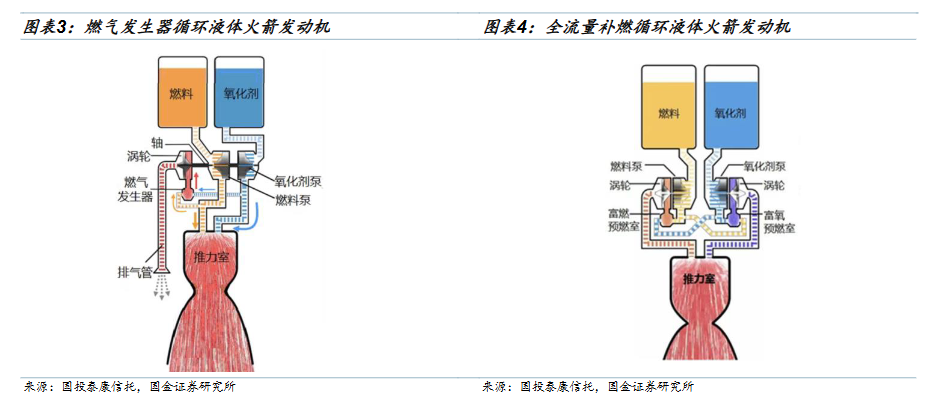
Core Viewpoint - The key to competition in the commercial aerospace industry lies in surpassing the profitability threshold of "2.8 tons payload at 800 km orbit," which is fundamentally linked to advancements in upstream hard technology, particularly in engine performance and 3D printing capabilities [1][2]. Industry Analysis - The commercial aerospace sector is entering a critical development phase, with 2026-2027 identified as a pivotal window for Chinese commercial rocket companies, marking the first flights of several medium to large liquid rockets and the practical testing of reusable technology [1][2]. - The demand for satellite internet, such as GW constellations, is driving the need for enhanced payload capacity and cost control, making companies that can meet the "2.8 tons at 800 km" threshold key players in the market [1][2]. Technological Advancements - Engine technology is evolving towards full-flow staged combustion and large thrust capabilities, which are essential for increasing rocket performance limits. Currently, most Chinese commercial rocket engines utilize gas generator cycles, but the industry is shifting towards more efficient full-flow staged combustion designs [3][4]. - 3D printing has become a core production capability in the aerospace sector, significantly reducing production cycles and weight. For instance, production times have decreased from 50 hours to 10 hours, with weight reductions exceeding 50% for certain components [10][11]. Market Dynamics - The transition from small solid rockets to medium and large liquid reusable rockets is reshaping the supply chain, with a focus on core components like 3D printing, large storage tanks, and servo systems, which are gaining increased market attention [2][3]. - The Chinese 3D printing market is projected to reach approximately 41.5 billion yuan in 2024, with the aerospace sector accounting for about 16.7% of this market, highlighting the growing importance of this technology in commercial rocket manufacturing [10][11]. Structural and Material Innovations - As payload capacities increase, rocket structures are evolving towards larger dimensions, with tank costs comprising over 60% of the overall structure costs. New materials, such as stainless steel, are being adopted for storage tanks due to their strength and cost-effectiveness [13]. - The control systems in rockets are also being upgraded to meet the demands of high-frequency launches, transitioning from traditional electric servos to electromechanical hydraulic servos, creating new market opportunities for related supply chain companies [13].
华尔街评英特尔财报:供应限制压制短期表现,拐点可能最早等到下半年
Hua Er Jie Jian Wen· 2026-01-23 14:11
英特尔最新发布的财报呈现出明显的割裂局面:尽管第四季度业绩超出预期,但由于当前季度指引疲软,引发了市场的抛售潮。华尔街分析师普 遍认为,供应受限是导致指引不及预期的核心原因,这一因素暂时掩盖了人工智能驱动下强劲的市场需求。 这家芯片巨头第四季度调整后每股收益为15美分,营收达到137亿美元,均高于LSEG(伦敦证券交易所集团)共识预期的8美分和134亿美元。然 而,其对第一季度的展望令华尔街感到失望。英特尔预计本季度营收在117亿美元至127亿美元之间,调整后每股收益仅为盈亏平衡。这两项数据 均显著低于分析师预期的125.1亿美元营收和5美分每股收益。 受令人失望的指引影响,英特尔股价在周五盘前交易中重挫13%。尽管英特尔的数据中心和人工智能业务显示出加速增长的迹象,但公司因制造 能力限制而无法满足这一需求,已成为投资者关注的焦点。 Desilva表示,如果产能充足,数据中心营收的表现本会显著优于季节性水平。目前,公司正在采取必要措施解决这一瓶颈,预计下一季度关键节 点的制造良率将有所提升,从而改善产品可用性。 2026年下半年或迎来催化剂 对于供应限制何时缓解,市场普遍将目光投向了今年晚些时候。Jeffer ...


美银:特朗普威胁加征关税当周,美股资金流出了170亿美元
Hua Er Jie Jian Wen· 2026-01-23 14:04
美国股市近期经历显著资金外流,显示出地缘政治风险对投资者情绪的直接冲击。在特朗普总统因格陵 兰岛问题威胁对部分欧洲国家征收关税的背景下,市场避险情绪升温,导致资本从美国资产中撤离。 据美国银行引用的EPFR Global数据显示,在截至1月21日的一周内,美股基金遭受了近170亿美元的资 金净流出。这一数据涵盖了特朗普发出关税威胁后的市场反应期,凸显了政策不确定性对资本流动的即 时影响。 与此同时,资金流向发生明显分化,欧洲和日本市场成为资金避风港。欧洲股票基金迎来了自6月以来 最强劲的六周资金流入,而日本基金则录得自10月以来最大的单周资金增量。这种跨市场的资金轮动反 映出投资者在全球范围内重新配置资产,以规避美国政策波动带来的风险。 尽管市场随后因关税威胁解除而企稳回升,但此次资金大幅出逃仍为市场敲响警钟。在美联储下周即将 召开会议之际,难以预测的美国决策制定过程持续对美元构成压力,市场参与者正密切关注政策走向对 经济基本面的潜在扰动。 受此消息提振,加之数据显示美国经济基础依然稳固,美国股市随后收复了当周的大部分失地。投资者 经历了一场由政策反复引发的震荡,从恐慌性抛售迅速转向重新评估。 然而,尽管股市 ...
美股财报季来临,CEO们集体警惕:美国消费正在被地缘政治的不确定性拖累
Hua Er Jie Jian Wen· 2026-01-23 13:41
随着美国财报季推进,企业高管们正对消费者前景发出集体预警。尽管经济数据显示增长稳健,但从航 空、消费品到工业领域的CEO们均表示,地缘政治紧张局势和政策不确定性正令消费者变得谨慎,企业 规划难度加大。 多家行业领军企业在最新财报中释放警示信号。达美航空在地缘政治不确定性中对利润持谨慎态度,美 联航警告全球紧张局势可能拖累旅行需求。宝洁和McCormick的高管表示消费者保持谨慎。3M因前景 不及预期出现4月以来最大跌幅,该公司称其消费和汽车业务面临的宏观环境仍不确定。工业分销商 Fastenal和物流公司JB Hunt Transport Services的业绩也令投资者失望。 3M在发布低于预期的前景后股价创下4月以来最大跌幅。这家生产便利贴、屋顶颗粒和电子材料的制造 商表示,其消费和汽车业务的宏观环境仍不确定。 政策不确定性主导企业规划 Interactive Brokers首席策略师Steve Sosnick表示,政策不确定性"绝对"掩盖了企业的积极消息: 这些悲观论调与许多主要经济指标形成对比。去年数据显示经济增长稳健、消费者支出具有韧性。根据 彭博行业研究汇编的数据,截至周四收盘,标普500指数中已 ...
贝莱德抛售美国、英国国债,因担心通胀反弹
Hua Er Jie Jian Wen· 2026-01-23 13:36
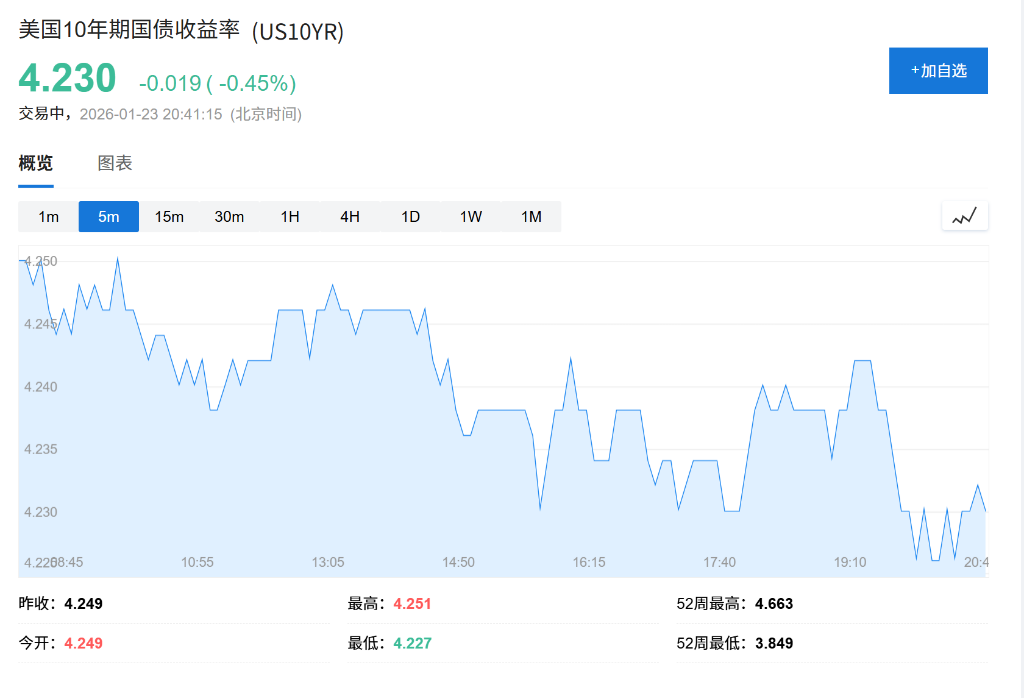
Core Viewpoint - BlackRock warns that the market is significantly underestimating the persistent inflation risks in the US and UK, which will hinder central banks' ability to cut interest rates [1] Group 1: Investment Strategy - BlackRock Tactical Opportunities Fund has been selling US and UK government bonds since the end of last year due to anticipated persistent inflation pressures [1] - Fund manager Tom Becker has increased short positions in long-dated US Treasuries and UK government bonds, indicating a belief that inflation will remain high [1][2] Group 2: Market Consensus and Divergence - The current market consensus is based on the expectation that prices will eventually decline, allowing for interest rate cuts, with traders pricing in approximately 50 basis points of cuts by the end of the year [2] - Becker's short-selling actions highlight a divergence between institutional investors and mainstream market views, suggesting that the market may be overly optimistic about the path of inflation [3] Group 3: Bond Yield Analysis - The 10-year US Treasury yield is currently at 4.2%, which is lower than the 4.8% high reached in January, indicating that existing yield levels may not be attractive enough given the current inflation outlook [3] - In the UK, government bond yields have significantly decreased, nearing their lowest levels in over a year, but Becker warns that high wage levels may prevent inflation from returning to the Bank of England's 2% target [6] Group 4: Inflation Challenges - Becker suggests that the challenges of inflation in the UK may not be as resolved as recent rebounds in the market imply, indicating that optimism in the UK bond market may be premature [7]

“去银行化”只是导火索?特朗普起诉戴蒙,十多年宿怨浮出水面
Hua Er Jie Jian Wen· 2026-01-23 12:44
"不允许他们这样做——戴蒙所做的,他不被允许这样做。" 摩根大通回应称,公司遵循联邦规则,这些规则要求银行"关闭给公司带来法律或监管风险的账户"。 该行与其他银行一样,在2021年特朗普支持者攻击国会大厦后数周内撤回了对特朗普的业务支持。摩根 大通表示支持特朗普政府近期完善相关法律、防止"银行业被武器化"的努力。 这起诉讼标志着特朗普与华尔街关系的最新裂痕。在特朗普的减税和放松监管政策为美国银行业带来史 上最赚钱的年份之一后,他本月对金融机构发起一连串攻击,其中包括要求大幅削减信用卡利率至可能 严重损害盈利的水平。而戴蒙作为业界元老级人物,长期在华尔街与白宫之间充当和事佬角色,如今却 成为总统的起诉对象。 "去银行化"指控与监管博弈 这起诉讼由律师Alejandro "Alex" Brito发起,他此前曾协助特朗普起诉多家媒体机构。诉状指称,戴蒙 及其领导的这家"觉醒"(woke)华尔街机构在特朗普首个任期结束后,出于政治动机切断了与其商业 帝国的联系。 作为回应,摩根大通指出其遵循的是旨在规避声誉风险的联邦规则。此前,特朗普政府监管机构货币监 理署(OCC)在前署长Jonathan Gould的领导下曾发现 ...

三星加快定制HBM4E设计,预计2026年中完成,SK海力士、美光同步跟进
Hua Er Jie Jian Wen· 2026-01-23 12:33
Core Insights - The competition in high bandwidth memory (HBM) technology is intensifying, with major storage chip manufacturers accelerating their focus on customized HBM4E solutions [1] - Samsung Electronics is significantly increasing its R&D investment, aiming to complete the design of its customized HBM4E by mid-2026, indicating a shift from standardized products to high-performance customized solutions [1] - The industry anticipates that HBM4E will be launched in 2027, followed by HBM5 in 2029, as major manufacturers like SK Hynix and Micron are also progressing on similar timelines [1][4] Group 1: Samsung's Strategy - Samsung has established dedicated teams for both standardized and customized HBM designs and has recently hired 250 engineers specifically for customized projects, targeting major tech clients like Google, Meta, and NVIDIA [1] - Samsung is currently in the backend design phase of HBM4E, which constitutes 60% to 70% of the overall design cycle, focusing on physical design after the RTL logic development [3] - The company plans to utilize a 2nm process for its customized HBM, aiming for higher performance, following the 4nm process used for its current HBM4 logic die [3] Group 2: Competitors' Approaches - SK Hynix and Micron are relying on deepening their collaboration with TSMC to address the challenges of customization, with both companies expected to complete their customized HBM4E development around the same time as Samsung [4] - SK Hynix is working closely with TSMC to develop next-generation HBM logic dies and is adopting a 12nm process for mainstream server logic dies, upgrading to a 3nm process for high-end designs [4] - Micron has commissioned TSMC to manufacture its HBM4E logic dies, aiming for production in 2027, but is facing structural disadvantages due to its decision to stick with existing DRAM processes [4]
