
Hua Er Jie Jian Wen

Search documents
A股震荡走高,商业航天持续活跃,恒科指涨1%,智谱涨近20%,金属再度爆发,沪银飙升超11%
Hua Er Jie Jian Wen· 2026-01-12 02:19
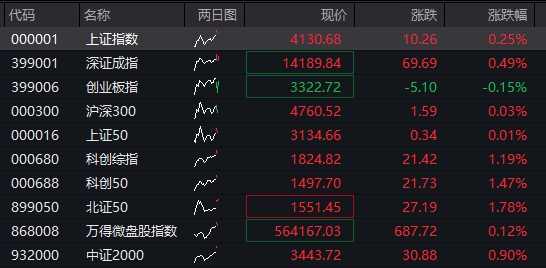
Market Overview - A-shares experienced a volatile rise, with the Shanghai Composite Index up 0.25% and the Shenzhen Component Index up 0.49%, while the ChiNext Index fell 0.15% [1][2] - Hong Kong stocks also saw gains, with the Hang Seng Index up 0.24% and the Hang Seng Tech Index up 0.91% [3][12] - The bond market showed an upward trend, with government bond futures rising across the board [3][4] Sector Performance - The commercial aerospace sector remained active, and AI applications continued to strengthen, with notable gains in tech stocks [1][10] - The battery sector faced declines, with companies like Defu Technology dropping over 10% [9][10] - The metal futures market saw significant increases, particularly in silver, which surged over 11%, and other metals like platinum and palladium also rose [1][15] Notable Stocks - "Global Large Model First Stock" Zhihui surged nearly 20% in early trading [6][12] - AI programming concept stocks experienced a rally, with companies like Zhuoyi Information hitting the daily limit up [8][10] Commodity Market - Domestic commodity futures showed widespread gains, with silver up 11.5%, lithium carbonate up 9%, and platinum up 5% [4][5] - Other commodities like nickel, copper, and aluminum also saw increases, while some commodities like glass and fuel experienced declines [5][15]

兵家必争之地!OpenAI和Anthropic之后,苹果也进军“医疗健康”
Hua Er Jie Jian Wen· 2026-01-12 02:19
Group 1: Apple's Strategy in Health Sector - Apple plans to launch a revamped Health app in the upcoming iOS 26.4 update, introducing AI agents, dietary tracking, and video services to strengthen its position in health monitoring [1][2] - The dietary tracking feature will allow users to monitor calorie intake and assist in weight loss, directly competing with existing services like MyFitnessPal and Noom [2] - Apple is developing an AI health agent that will provide personalized health and nutrition advice based on data from paired devices, potentially analyzing exercise posture in real-time using the iPhone's rear camera [2] Group 2: OpenAI's Market Entry - OpenAI has introduced ChatGPT Health, transforming ChatGPT into a "personal super assistant" for health inquiries, with a focus on privacy by isolating health-related conversations from other data [3] - OpenAI has partnered with b.well to integrate data from various health platforms, allowing users to connect their health data to ChatGPT, leveraging existing health data ecosystems [3] Group 3: Anthropic's B2B Approach - Anthropic has launched a HIPAA-compliant medical service with its chatbot Claude, enabling hospitals and healthcare institutions to legally process protected health data [4] - The effectiveness of Anthropic's B2B strategy is evidenced by the adoption of Claude by over 22,000 clinical providers at Banner Health, with 85% of users reporting improved speed and accuracy in their work [5]

经济学家发联名信警告:如果“数字欧元”失败,欧元区将“失去货币控制权”,转而依赖美国公司
Hua Er Jie Jian Wen· 2026-01-12 02:19
60多位知名经济学家致信欧洲议会,呼吁在银行业游说压力下捍卫"数字欧元"计划,以保卫欧洲货币主 权。 1月11日,据英国《金融时报》报道,超过60位著名经济学家向欧盟立法者发出紧急呼吁,要求全力支 持"数字欧元"项目。他们警告称,如果该计划失败,欧元区将面临"失去对自己货币控制权"的风险,并 进一步加深对美国支付巨头的依赖。 包括法国知名学者Thomas Piketty在内的68位签署者在致欧洲议会议员(MEPs)的公开信中直言,强大 的公共数字欧元并非"可有可无",而是欧洲主权、稳定和韧性的"基本保障"。这封信于上周五发出,旨 在影响下周举行的欧洲议会听证会。 经济学家们指出,目前欧元区有13个国家缺乏本土数字支付选项,完全依赖Visa、Mastercard和PayPal 等"国际卡组织"。他们警告称,这种过度依赖将使欧洲暴露在"地缘政治杠杆、外国商业利益和超出欧 洲控制的系统性风险"之下。 经济学家们写道:"欧洲将失去对我们经济中最基本要素——货币——的控制。一个稳健的公共数字欧 元是我们唯一的防线。" 签署者包括法国的Eric Monnet、德国的Jan Pieter Krahnen和伦敦的Daniel ...
伊朗局势突变,黄金、白银双双突破历史新高,油价延续涨势
Hua Er Jie Jian Wen· 2026-01-12 01:23
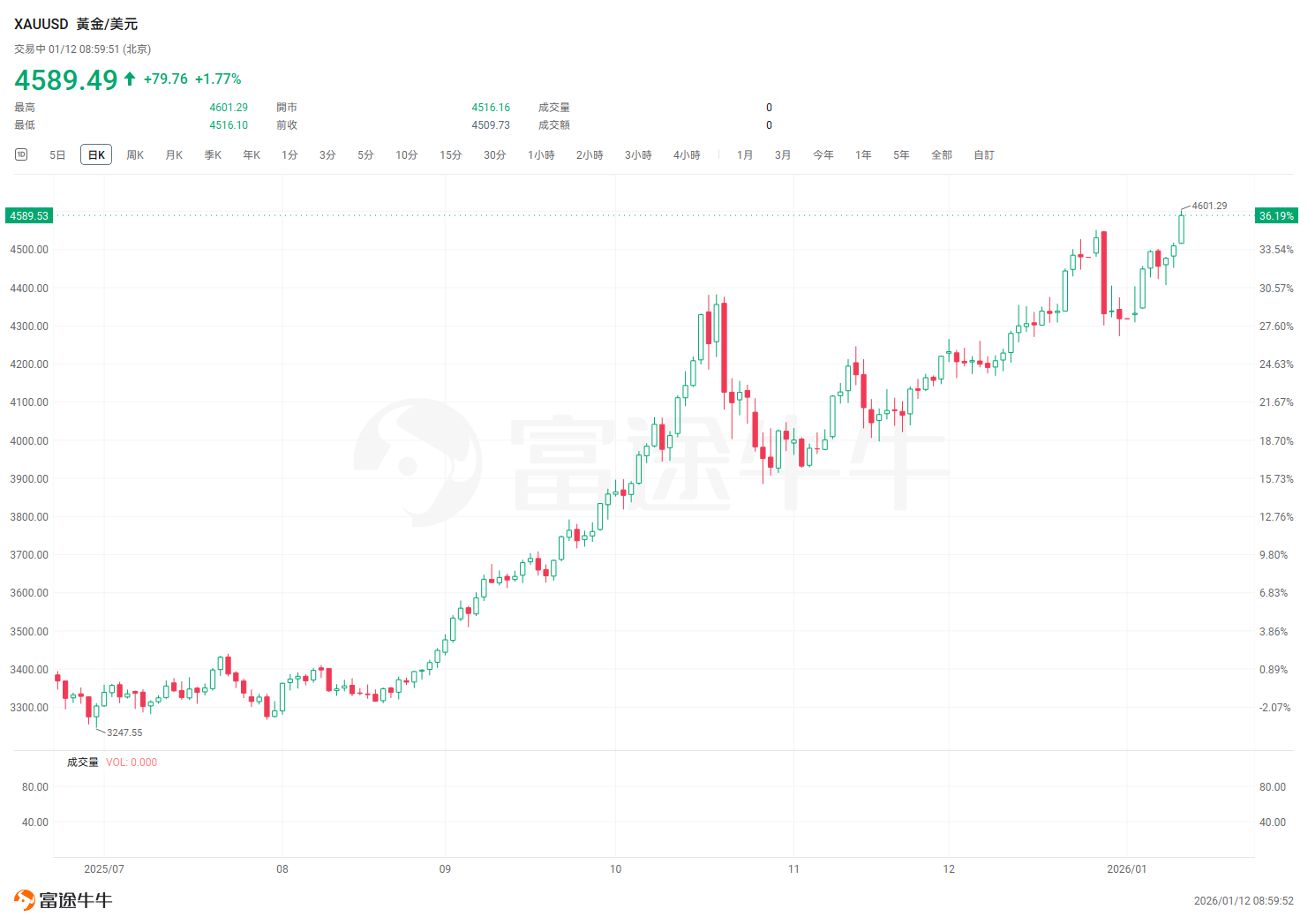
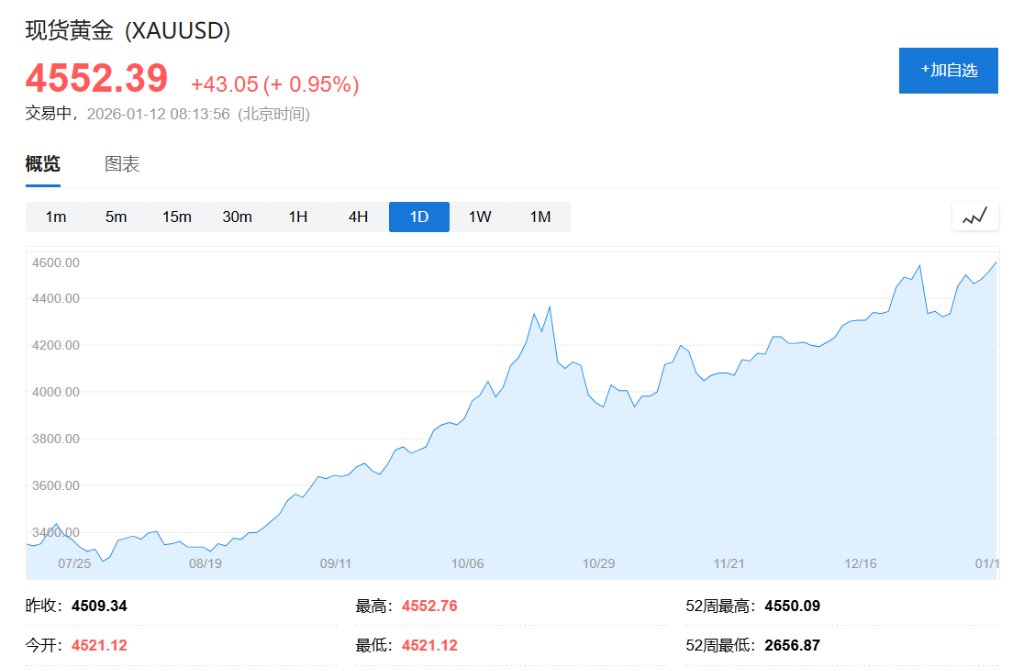
地缘政治风险压过供应过剩担忧,成为市场新主导逻辑。黄金再创新高,白银涨近4%,布伦特原油涨超1%逼近64美元/桶,同时市场正通过期权市场大举押 注油价上涨。据央视与新华社消息,特朗普将于13日商讨包括军事打击、派遣航母及网络攻击在内的多种干预方案。伊朗确认在近期动荡中数百人丧生。 伊朗方面的最新事态正在成为主导全球大宗商品市场的新逻辑。 1月12日周一避险情绪显著升温, 日内涨近2%,首次升破4600美元大关,再创历史新高,新年迄今累涨约280美元。 原油市场同样反应剧烈,布伦特原油和WTI原油双双涨超1%。数据显示,布伦特原油在经历了上周四和周五近6%的跳涨后,目前正逼近每桶64美元关口, 创下自10月以来的最大两日涨幅;WTI原油价格则维持在60美元附近。 涨幅扩大至近5%,价格继续突破此前新高,最高触及84.02美元。 BZmain 布伦特原油(现金)主连 (2603) 交易中 01/11 19:26:29 (美东) 63.61 + +0.27 +0.43% 最高 1500 64.00 今开 63.41 成交量 最低 昨收 63.29 63.34 成交额 0 @ 5日 日K 周K 月к 季K 年K 1分 ...
备受关注的“AI商业模式”:谷歌率先在Gemini中引入广告
Hua Er Jie Jian Wen· 2026-01-12 01:17
Core Insights - Google is introducing new personalized advertising features in its AI shopping tool, marking a significant step in the monetization of AI [1] - The initiative allows advertisers to offer exclusive deals to consumers preparing to purchase through Google's AI model, driven by the Gemini model [1][2] - This move represents a major shift from Google's traditional advertising model, aiming to provide value to retailers at critical moments to facilitate transactions [1][2] Group 1: New Advertising Features - The new advertising functionality enables brands to deliver highly personalized ads, such as discount codes, through its chatbot, advancing Google's position against AI competitors [2] - Retailers can set desired offers, with Google using AI to determine the optimal timing for displaying these deals to potential customers [2] - Initial focus during the pilot phase is on discounts, with plans to expand to other types of offers, such as bundled sales and free shipping [2] Group 2: Competitive Landscape - Google is leveraging its significant market share in online search to showcase its AI model to billions of users, despite its Gemini chatbot lagging behind ChatGPT in popularity [3] - Competitors like OpenAI, Microsoft, and Perplexity are racing to introduce e-commerce features in their chatbots to generate revenue from their costly AI products [3] - OpenAI has paused internal discussions on advertising products due to concerns about competitors narrowing the technological lead [3] Group 3: Industry Trends - Microsoft has launched Copilot Checkout, which provides recommendations and checkout services in its AI chat, resulting in a 53% increase in purchases within 30 minutes for users utilizing the feature [4] - Google’s CEO Sundar Pichai emphasized the need for collaboration in this transformative period for the industry, suggesting significant growth potential if executed well [4] Group 4: General Business Agreement - Google has introduced a "Universal Commerce Agreement" that allows shopping agents to research products and complete purchases without leaving its platform, developed in collaboration with major retailers like Walmart, Target, and Shopify [5]

浙商银行管理层变阵 深耕战略驶入深水区
Hua Er Jie Jian Wen· 2026-01-12 00:57
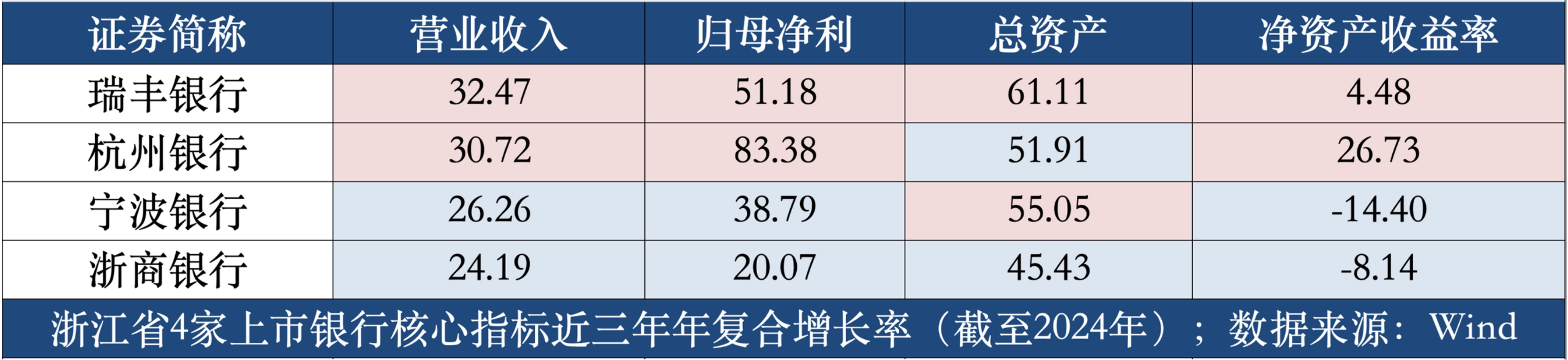
Core Viewpoint - Zhejiang Zheshang Bank has undergone a significant executive reshuffle, marking a strategic transition as it prepares for the next phase of its "Deepening Zhejiang" strategy, which is crucial for maintaining its competitive edge in the local banking market [1][3][5]. Executive Changes - The bank's chairman Chen Haiqiang has officially stepped down as president, with Lu Linhua appointed as the new president and nominated as an executive director candidate [1]. - Several other executives, including vice president Lin Jingran and assistant presidents Wang Chaoming and Hou Bo, have also resigned, while Zhou Weixin and Pan Huafeng have been promoted to vice presidents [1][2]. Strategic Context - The timing of these changes suggests a conclusion to the previous "three leaders" adjustment, as the bank prepares for a new strategic cycle starting in 2025 [2][5]. - The restructuring aims to align the executive team with the bank's strategic upgrades, focusing on efficiency and effectiveness by reducing redundant positions [6][7]. Talent Selection - The new leadership team is characterized by a younger demographic, with an average age below 50, reflecting a shift towards a more dynamic management style [11]. - Chen Haiqiang's background in the bank's core management and Lu Linhua's experience in financial regulation and local operations are seen as assets for the bank's strategic continuity and local market penetration [7][10]. Competitive Landscape - Zhejiang Zheshang Bank faces increasing competition from city commercial banks and rural commercial banks in its home market, which is impacting its market share [13][15]. - Financial data indicates that while the bank has shown strong growth in several metrics, it is still lagging behind competitors like Ningbo Bank and Hangzhou Bank in profitability and market performance [16][17]. Strategic Initiatives - The bank's new strategy emphasizes "deepening" its presence in Zhejiang, with initiatives aimed at enhancing local financial services and supporting regional economic development [18]. - The bank has reported significant growth in its inclusive loan balance and has exceeded its annual targets for serving individual businesses, indicating early success from the strategic adjustments [18]. Future Challenges - The new leadership, particularly Lu Linhua, will need to effectively integrate the flexible, localized approaches of the rural banking system with the standardized practices of a national bank to avoid internal friction [19].

伊朗局势突变,黄金再创新高,白银大涨逼近新高,油价延续涨势
Hua Er Jie Jian Wen· 2026-01-12 00:49
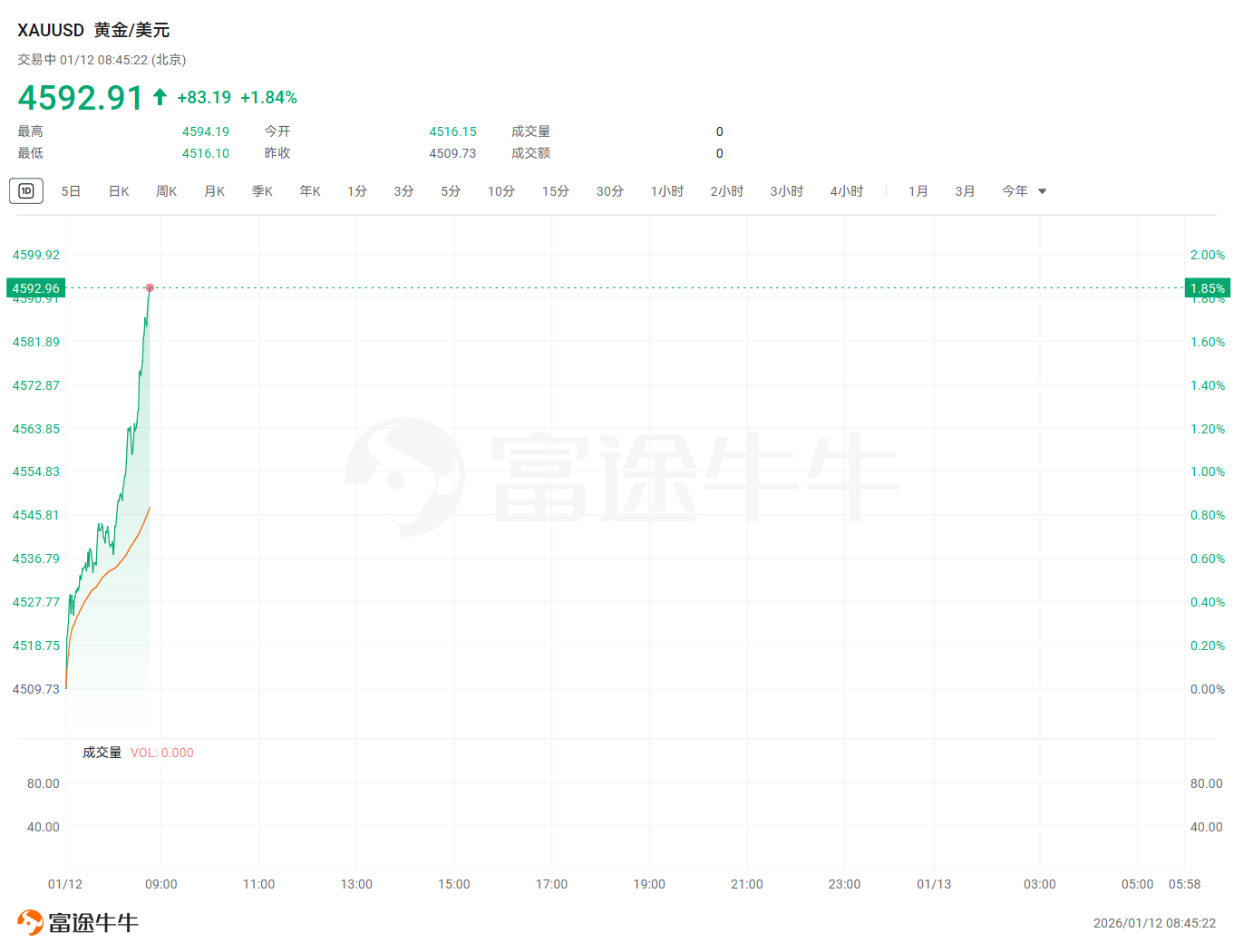
地缘政治风险压过供应过剩担忧,成为市场新主导逻辑。黄金再创新高,白银涨近3%,布伦特原油涨超1%逼近64美元/桶,同时市场正通过期权市场大举押 注油价上涨。据央视与新华社消息,特朗普将于13日商讨包括军事打击、派遣航母及网络攻击在内的多种干预方案。伊朗确认在近期动荡中数百人丧生。 伊朗方面的最新事态正在成为主导全球大宗商品市场的新逻辑。 1月12日周一避险情绪显著升温, 日内涨近2%,升破4590美元大关,再创历史新高。 涨幅扩大至4%,价格继续位于83美元的历史高位水平,逼近历史新高。 BZmain 布伦特原油(现金)主连 (2603) 交易中 01/11 19:26:29 (美东) 63.61 + +0.27 +0.43% 最高 1500 64.00 今开 63.41 成交量 最低 昨收 63.29 63.34 成交额 0 @ 5日 日K 周K 月к 季K 年K 1分 3分 5分 10分 15分 30分 1小时 2小时 3小时 4小时 | 1月 3月 63.96 63.61 63.36 62.75 62.15 61.55 60.94 60.34 A 59.74 成交量 VOL: 0.000 400.00 ...
伊朗局势突变,黄金再创新高,白银涨近3%,油价延续涨势
Hua Er Jie Jian Wen· 2026-01-12 00:25
伊朗方面的最新事态正在成为主导全球大宗商品市场的新逻辑。 1月12日周一避险情绪显著升温,现货黄金日内涨近1%,升至4550美元大关,再创历史新高。 白银涨幅扩大至2.7%,价格继续位于82美元的历史高位水平。 原油市场同样反应剧烈,布伦特原油和WTI原油双双涨超1%。数据显示,布伦特原油在经历了上周四和周五近6%的跳涨后,目前正逼近每桶64 美元关口,创下自10月以来的最大两日涨幅;WTI原油价格则维持在60美元附近。 市场焦虑的核心在于伊朗局势周末突变。当地时间1月11日,据央视新闻记者获悉,美国官员透露,美国总统特朗普正在考虑干涉伊朗的多种方 案,包括宣布向中东派遣航母战斗群、发动网络攻击和信息战等。另据新华社报道,特朗普将于13日与高级顾问会晤,专门讨论伊朗问题选项。 这一地缘政治风险盖过了此前市场对全球供应过剩的担忧。作为OPEC第四大产油国,伊朗近200万桶/日的原油出口面临中断风险,这直接改变了 投资者的预期。目前,市场正密切关注华盛顿方面的下一步决策以及德黑兰方面的应对措施。 避险买盘涌入 原油期权显露看涨信号 伊朗局势的动荡直接刺激了资金涌入大宗商品市场。油价已连续第三天上涨。 市场数据的变 ...
据报道,美国联邦检察官已对美联储主席鲍威尔展开调查
Hua Er Jie Jian Wen· 2026-01-12 00:10
市场有风险,投资需谨慎。本文不构成个人投资建议,也未考虑到个别用户特殊的投资目标、财务状况或需要。用户应考虑本文中的任何 意见、观点或结论是否符合其特定状况。据此投资,责任自负。 据报道,美国联邦检察官已对美联储主席鲍威尔展开调查。 风险提示及免责条款 ...
2026最大的交易主题:输不起的特朗普,国际秩序的终结
Hua Er Jie Jian Wen· 2026-01-11 08:49
进入2026年,全球宏观市场正在经历一场深刻的范式转变。资深分析师David Woo认为,面对中期选举 的巨大压力,特朗普政府正展现出不惜一切代价扭转局面的决心,这将重塑从能源到黄金的全球资产定 价逻辑。 David Woo表示,为弥补严重的民调劣势并避免在国会失去多数席位,特朗普政府的政策重心已全面转 向赢得"可负担性"辩论。这意味着2026年的终极交易主题将从单纯的再通胀转向激进的通缩手段——尤 其是通过强力掌控能源资源来大幅压低油价,目标是在大选前将汽油价格降至关键心理防线。这一战略 不仅意在平抑通胀,更意在通过改善中产阶级生活成本来稳固选票。 而特朗普此前对委内瑞拉的动作标志着战后建立的基于规则的国际秩序实质性终结。这一举措并非出于 意识形态考量,而是为了直接掌控能源资源,以期通过大幅增加供应来赢得国内的"可负担性论证"。特 朗普的目标是在秋季前将汽油价格压低至每加仑2.25美元,这将对原油市场造成剧烈冲击,预计油价将 下探至40至50美元区间。 Woo警告,随着美国放弃作为国际体系的传统担保人角色,全球地缘不安全感将急剧上升,这为黄金提 供了强劲支撑,并利好国防工业。相反,新兴市场股票将面临估值重估 ...