Hua Er Jie Jian Wen

Search documents
高盛:对冲基金 正以十年来最快的速度抄底亚洲市场
Hua Er Jie Jian Wen· 2026-02-16 23:58
高盛在给客户的报告中表示,上周亚洲市场的交易主要由做多买入推动,多头建仓与空头回补的比例为 8.4比1。 从全球行业来看,高盛表示,信息技术、工业、日常消费品和原材料板块的买入力度超过其他板块的卖 出力度。而可选消费、通信服务和金融板块则遭到最严重的抛售。 在连续四周净卖出后,对冲基金对美国股票的买家数量略多于卖家。 由于市场对人工智能基础设施公司的乐观情绪升温,对冲基金对新兴及发达亚洲市场的净买入规模在上 周录得自2016年高盛开始追踪相关数据以来的最大。对亚洲股票的敞口已升至至少自2016年以来的最高 水平。 根据高盛的一份报告,对冲基金上周转为全球股票的净买方,这是三周以来首次,资金流入所有主要市 场,但亚洲表现最为突出。对冲基金将其看涨交易集中在韩国、中国,印度市场出现"温和卖出"。 报告称,对冲基金在亚洲发达市场和新兴市场的大多数行业中买入股票,包括房地产、科技公司、工业 股和可选消费股,但未涉及金融股。 高盛的报告指出,随着投资者从动量交易中轮动出来,同时对美元走弱作出反应,新兴市场持续跑赢。 MSCI新兴市场指数今年以来上涨11%,而韩国综合股价指数(Kospi)已上涨逾30%,受三星电子和SK ...
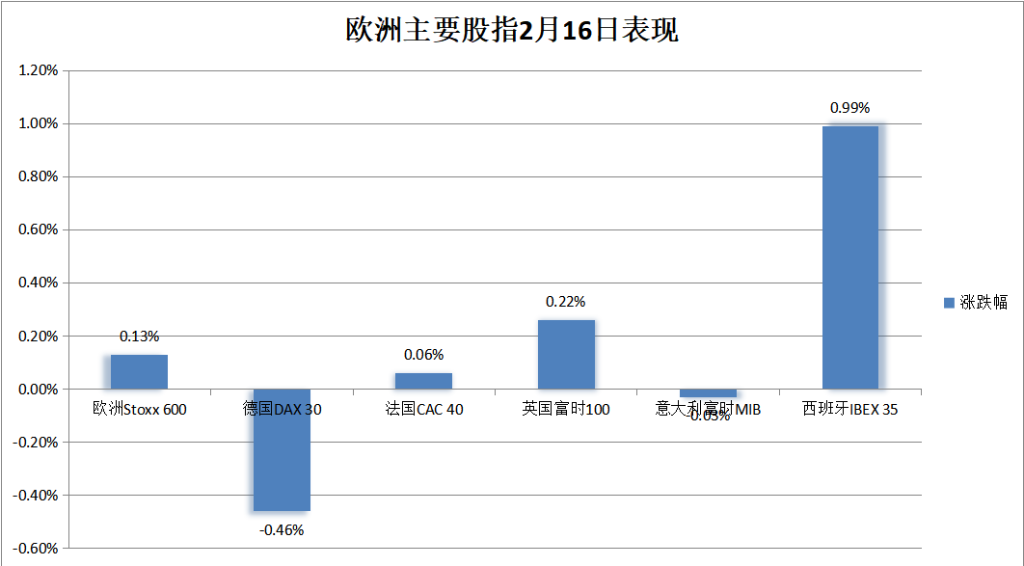
美股休市,科技股拖累欧股反弹,黄金失去“中国动力”失守5000美元,人民币涨破6.89
Hua Er Jie Jian Wen· 2026-02-16 21:49
KBC Securities全球股票主管Andrea Gabellone表示:"CPI数据公布后,股市背景是积极的。" 但他同时指出:"未来可能会出现更多分化,因为围绕关键 人工智能相关板块的情绪仍然非常关键。" 本周市场将迎来一系列重要数据,包括周二将公布的ADP私营部门就业数据和周三公布的美联储1月会议纪要,投资者将从中寻找经济状况的最新信 号。 周一全球市场在假期因素下交投清淡,但各类资产走势分化鲜明。美股因总统日休市、中国内地等部分亚洲市场因春节假期休市,欧股在金融板块带动 下小幅反弹,但科技股和奢侈品股拖累涨幅。投资者关注焦点仍集中在美联储降息路径及人工智能(AI)对企业盈利的影响。 中国市场休市,金银失去重要的上行推手,未能保住上周五CPI提振降息后带来的反弹势头,黄金失守5000美元关口。上周五传出的美国政府计划取消 部分钢铝关税消息令工业金属市场承压,铜库存持续增加令基本金属走弱。 上周五美国CPI通胀数据低于预期,强化了美联储今年的降息预期,交易员已完全消化7月降息的预期,并认为6月降息可能性增加。这一预期支撑了债 市价格上涨,基准十年期美国国债收益率上周五盘中创将近两个月来新低,周一美债休 ...


对话松延动力创始人姜哲源:从亮相春晚到「要规模」
Hua Er Jie Jian Wen· 2026-02-16 13:47
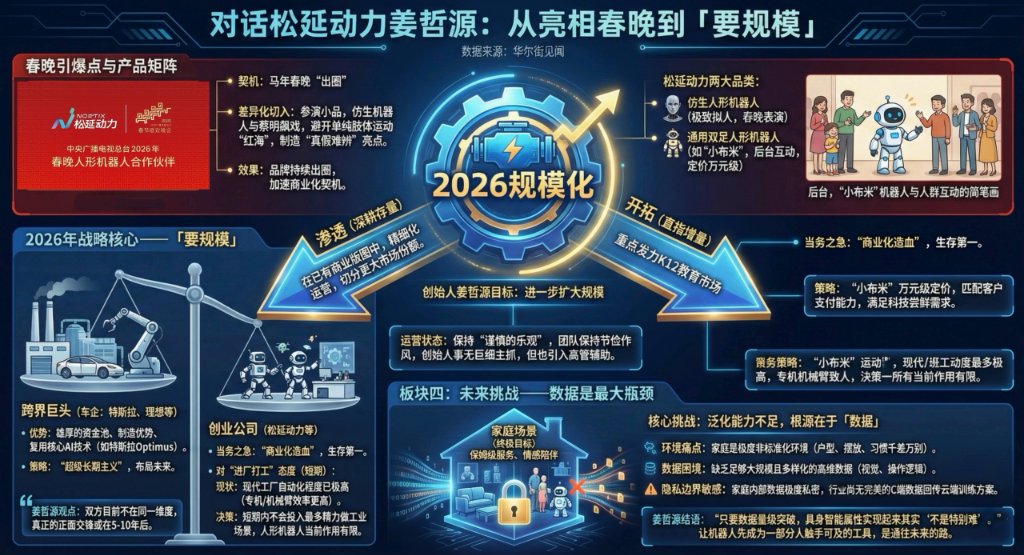
这台仿生人形机器人和"小布米"机器人均是出自北京松延动力科技集团股份有限公司(下称"松延动力"),这也从属于后者目前产品的两大品类 ——仿生人形机器人和通用双足人形机器人。 随着此次品牌的持续出圈,松延动力创始人姜哲源2026年计划进一步扩大规模。 在此次马年春晚上,喜剧演员蔡明与仿生人形机器人同台飙戏,台下"小布米"机器人穿梭在后台之中,引得各大艺人拍照合影拜年。 但挑战依旧存在。 车企特斯拉、理想挟资金与制造优势跨界而来,挤压着创业公司的空间,但姜哲源对此仍保持着"谨慎的乐观"。 在姜哲源看来,车企雄厚的资金池足以支撑其奉行"超级长期主义",而创业公司的当务之急是商业化造血。在细分场景与战略周期的错位下,双 方目前并不在同一维度竞争,真正的正面交锋或许要等到五至十年之后。 这场始于春晚的流量热度,正成为松延动力加速商业化的契机。 面对日益拥挤的赛道,松延动力能否在2026年走出一条差异化的突围之路,正受到关注。 在日前与华尔街见闻·全天候科技的一场对话中,姜哲源展望了关于松延动力的规划以及人形机器人行业的未来。 走差异化道路 此次马年春晚,松延动力切入的节目是更具差异化的领域"小品"。 喜剧演员蔡明与仿生 ...
“有组织控制了全球三分之一的超级油轮”
Hua Er Jie Jian Wen· 2026-02-16 13:31
一场史无前例的油轮收购行动正在撼动全球石油运输市场。 油轮市场是全球石油贸易中小众但至关重要的环节,长期以来由希腊、挪威等海运强国及沙特等主要石 油利益国的船东主导。Sinokor虽是一家根植于集装箱航运的较不知名企业,过去也曾进行过收紧市场 的租船操作,但至少一位市场参与者表示,当前的交易热潮远超其以往任何一次行动。 2月16日,据彭博援引几位业内资深人士,韩国Sinokor集团在过去一两个月内迅速买入或租赁大量船 只,目前控制约120艘超大型原油运输船。一些市场资深人士表示,这家公司所积累的船队规模,在其 从业经历中前所未见。 更引人注目的是,这家首尔航运公司背后站着全球航运巨头。据彭博报道,至少两家大型船东在与 Sinokor谈判船舶出售时发现,最终买家实为与Gianluigi Aponte有关的实体,这位亿万富翁创立了地中 海航运公司(MSC)在内的庞大航运帝国。目前尚不清楚两家公司之间的具体关系,以及有多少 Sinokor交易涉及MSC。 这一激进收购已令市场陷入恐慌。紧张的租船方争相预订舱位以防价格进一步上涨,运费成本急剧飙 升。据Clarkson Research Services数据,原油油轮 ...
美国1月非农新增就业13万人,创去年4月以来最大增幅,失业率降至4.3%,年度下修86.2万!
Hua Er Jie Jian Wen· 2026-02-16 12:30
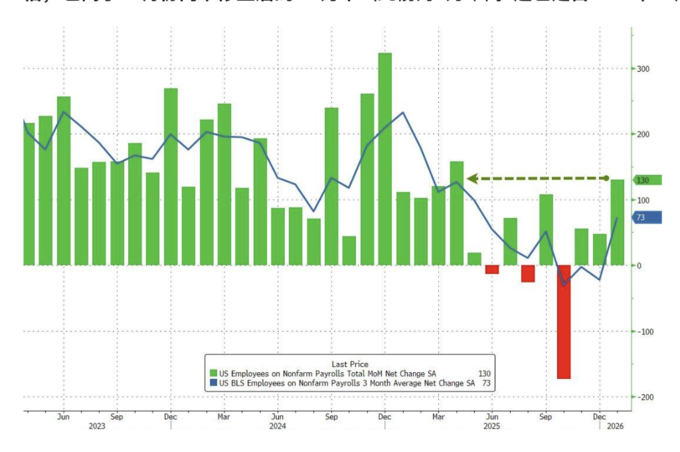
Core Viewpoint - The U.S. labor market shows resilience with January employment growth reaching a new high since December 2024, despite a surprising drop in the unemployment rate to 4.3%. However, significant downward revisions to previous employment data reveal a more substantial weakness in the labor market than previously understood [1][4]. Employment Growth and Revisions - In January, non-farm employment increased by 130,000, significantly exceeding market expectations of 65,000, marking the largest increase since April 2025 [1][7]. - The annual benchmark revision drastically lowered the total employment growth for 2025 from an initial report of 584,000 to 181,000, indicating a substantial correction in the understanding of last year's labor market performance [3][7]. - Monthly data revisions showed that the average monthly job growth last year was only 15,000, far below the initial estimate of 49,000 [7]. Sector Performance - The healthcare sector was the primary driver of employment growth in January, continuing to be a key engine for job expansion throughout 2025. Other sectors such as construction and professional services also saw job increases, while manufacturing recorded its first monthly growth of the year [8]. - Temporary help services continued to decline, with a reduction of 42,000 jobs in January, marking the fifth month of decline in the past six months [8]. Labor Market Stability - The January employment report indicates a gradual stabilization of the labor market after a year of cooling and low hiring activity. Despite expectations of overall weak job growth in 2026, clearer economic policy expectations and easing labor cost pressures may lead some employers to reconsider hiring plans [10]. - Job quality improved, with full-time positions increasing by 582,000 and part-time positions by 31,000. The unemployment rates for major demographic groups showed slight declines, with youth unemployment at 13.6% and adult male and female rates at 3.8% and 4.0%, respectively [11]. Market Reactions and Future Outlook - Following the data release, U.S. stock futures and Treasury yields rose, with traders reducing bets on a rate cut in June, now expecting the first cut to be delayed until July. The strong January data, despite the annual revisions, presents a complex picture for the Federal Reserve in assessing future rate cuts [6][12]. - The labor market's underlying fragility revealed by the revisions may provide the Federal Reserve with more room for policy adjustments [6].
木头姐:这轮市场波动是算法导致,而非基本面
Hua Er Jie Jian Wen· 2026-02-16 09:07
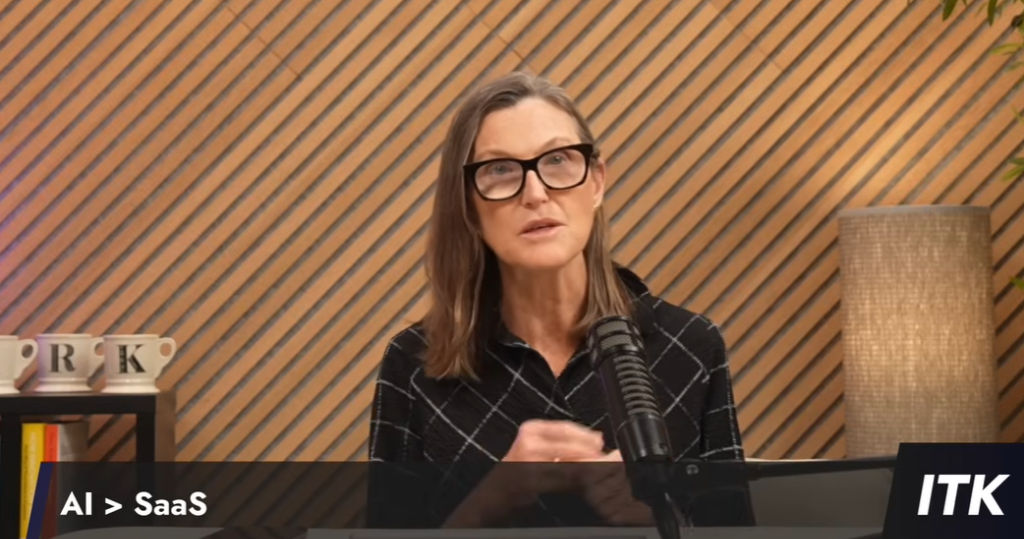
当地时间2月14日,ARK Invest CEO兼CIO凯茜·伍德在其视频栏目《ITK》2月节目中表示,近期市场大幅波动更多是程序化交易驱动,而不是基 本面发生了同等幅度的变化。她在节目开头直言:"这轮波动大多是算法交易'制造'的。算法不会像我们一样做研究。" 伍德说,这种波动会"把人吓坏",但也会制造定价错误。"去年4月关税风波时,很多人慌了。那时卖出的人,后来一年都在后悔。"她把当前行情 形容为"爬上忧虑之墙",并称这类市场往往更强。 算法为何会把波动"做出来" 伍德口中的"算法",核心不是对企业现金流和竞争格局做判断,而是按规则对风险敞口做机械调整。她用一句话概括近期盘面特征:"先卖再说、 回头再问。" 从交易机制看,程序化策略常以价格趋势、波动率、相关性、仓位风险预算等为触发条件: 她还点到另一层放大器:技术面主导的交易心态在上升。"现在很多人只做技术分析。"在她看来,越多人盯着同一条均线、同一个"关键点位", 越容易出现踩踏式的同向交易。 算法无法理解的"结构性转型" 在AI资本开支争议升温之际,木头姐把美股市场的"急涨急跌"归因于算法卖盘的连锁反应。 针对近期科技股尤其是软件板块的剧烈波动,伍德认 ...
阿里发布千问3.5,性能媲美Gemini 3, Token价格仅为其1/18
Hua Er Jie Jian Wen· 2026-02-16 09:07
Core Insights - Alibaba has launched a new generation of open-source model, Qwen3.5-Plus, which is claimed to outperform Gemini 3 Pro, making it the strongest open-source model globally [1] Model Performance - Qwen3.5-Plus features a total of 397 billion parameters, with only 17 billion activated, achieving superior performance compared to the trillion-parameter Qwen3-Max model [1] - The deployment memory usage has been reduced by 60%, and inference efficiency has significantly improved, with maximum inference throughput increased by up to 19 times [1] Cost Efficiency - The API pricing for Qwen3.5-Plus is set at 0.8 yuan per million tokens, which is only 1/18th of the cost of Gemini 3 Pro [1] Technological Advancements - Qwen3.5 has achieved breakthroughs in native multimodal capabilities through pre-training on mixed text and visual data, demonstrating excellent performance across various benchmarks in reasoning, programming, and agent intelligence [1] - The model has also excelled in authoritative evaluations of visual understanding, winning several performance accolades [1] Accessibility - The Qwen3.5-Plus model is now integrated into the Qwen APP and PC platform, with developers able to download it from the Modao community and HuggingFace, or access API services directly through Alibaba Cloud [1]

大摩:AI是资本开支黑洞,风险向信用市场蔓延
Hua Er Jie Jian Wen· 2026-02-16 08:17
在此背景下,有两个关键特征值得关注。其一,投资空间依然广阔。预计到2028年,AI相关投资将累计增长20%,但目前实际投入尚不足这一规 模的20%。这意味着,绝大部分投资机会仍在前方。 其二,融资结构正在生变。与2025年及之前的支出阶段不同,下一阶段的建设将更加依赖多元化的信用市场,包括有担保与无担保融资、证券化 与结构化产品,以及合资企业模式。即将到来的资本支出规模过于庞大,仅靠股权融资已难以支撑,信用将在系统性融资中扮演核心角色。 当前,股市疲软已向信用市场传导。年初至今,标普软件指数已下跌23%。这一压力在信用领域表现尤为明显,特别是在杠杆贷款和商业开发公 司(BDC)等对软件行业敞口较大的板块。 摩根士丹利警告,相关板块情绪可能持续低迷,信用投资者或需等待更长时间或更大幅度的价格修正,才会重新入场。尽管目前违约率仍处低 位,但随着AI应用加速推进及不确定性持续,信用市场的价格下跌或将扩大和加深。 摩根士丹利指出,人工智能正从单纯的资本市场热点,转变为引发信用市场结构性压力的真实变量。该行北美固定收益研究主管Vishwanath Tirupattur认为,市场对AI的认知正出现显著分化:一方面是科技巨 ...
重回增长但仍疲软,日本25年四季度GDP年化季率0.2%不及预期,扩张财政政策获支撑
Hua Er Jie Jian Wen· 2026-02-16 07:48
尽管增长远逊预期,但分析师认为,这尚不足以动摇日本央行今年晚些时候加息的计划。经济重返增长区间本身为央行继续收紧货币政策留出了 空间,尽管复苏力度温和。 消费与投资增长乏力 从细项数据来看,占GDP比重过半的私人消费在第四季度仅微增0.1%,较三季度0.4%的增速明显放缓。尽管企业近年来持续加薪,但食品价格 持续上涨令家庭支出承压,2025年全年实际工资月均录得同比下降。 资本支出同样表现乏力,仅增长0.2%,远低于路透调查预期的0.8%。三菱日联研究咨询首席经济学家Shinichiro Kobayashi指出: "利率上升与工资增长可能对中小企业构成双重风险,进而制约其资本支出能力。" 出口方面则呈现分化。第四季度出口下降0.3%,降幅较上季度的1.4%有所收窄,显示关税的初步冲击已逐步消化,但入境旅游遭受打击。 受高市早苗去年11月言论影响,我国发布赴日旅游警告,来自中国的游客数量在第四季度明显下滑。据新华社,中国驻东京旅游办事处主任欧阳 安表示,高市早苗近期错误言论已对中日文旅交流产生实质性影响。随着中国政府发布旅游、留学提醒和预警,航空公司也陆续推出免费退改政 策,中国游客赴日意愿降低。 央行加息路径 ...
美银Hartnett:“AI颠覆交易”加速扩散,一旦有科技巨头削减开支,将引发美股“轮动海啸”
Hua Er Jie Jian Wen· 2026-02-16 07:02
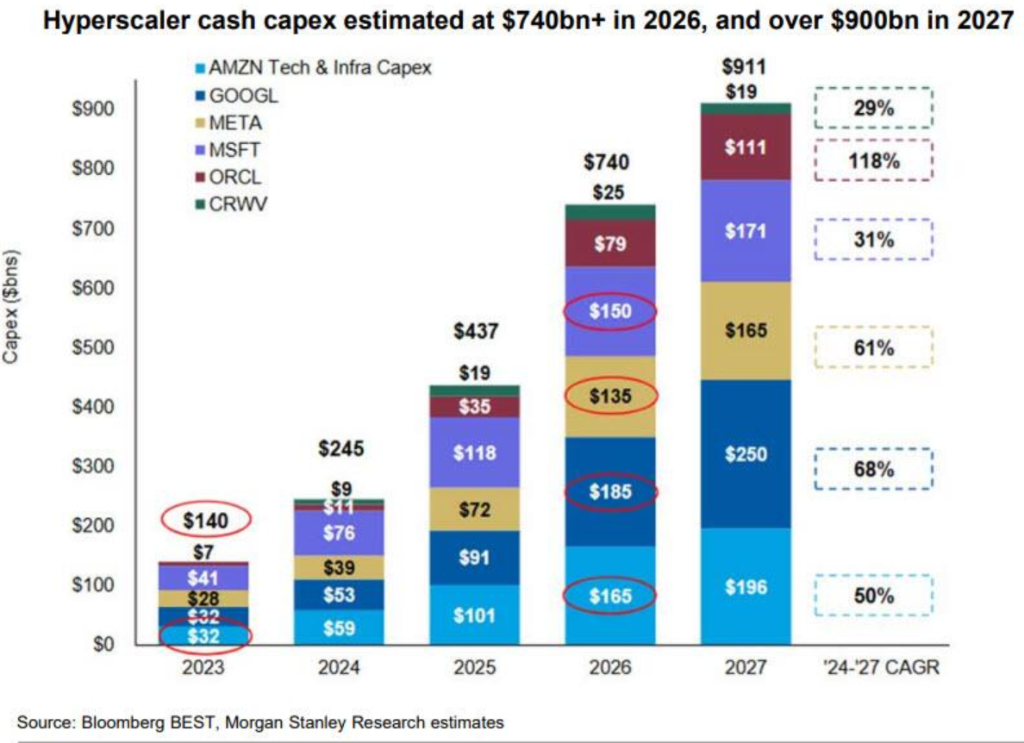
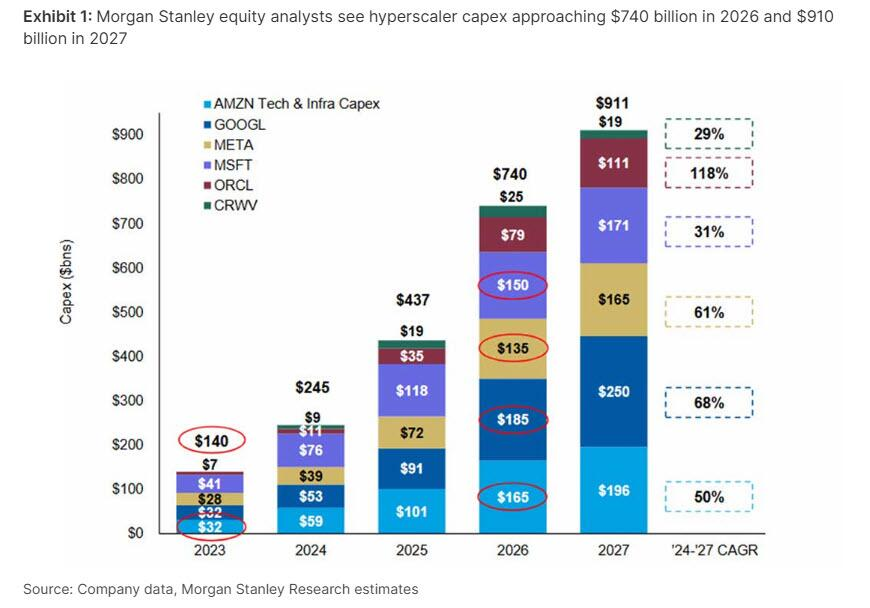
Group 1 - The core message of the report indicates a significant shift in AI capital expenditure from a "money printing machine" to a "money shredding machine," suggesting potential liquidity and asset pricing turmoil [1] - The expected capital expenditure for hyperscalers has surged to $740 billion by 2026, up from a previous estimate of $670 billion, raising concerns about extreme financial consequences for major tech companies [2] - The narrative in the market is shifting from "awe of AI" to "being impoverished by AI," with a clear signal for investors being the announcement of capital expenditure cuts by a major AI player [4] Group 2 - The report highlights a rapid spread of AI disruption effects into traditional service sectors, described as "wildfire AI disruption," impacting various industries sequentially [5][6] - The first sector affected by AI disruption was Indian tech stocks, which have not seen any buying support since being labeled as "AI victims," indicating a prolonged recovery period for such stocks [6] Group 3 - Political factors are intensifying the asset rotation, with a notable divergence in support for Trump between Wall Street and Main Street, leading to potential aggressive affordability policies ahead of the midterm elections [10][11] - The report suggests a strategy of "long Main Street, short Wall Street" is becoming effective, with significant asset performance divergence since the interest rate cut on October 29 [11] Group 4 - A historical shift in the correlation between the Japanese yen and the Nikkei index has been noted, indicating a potential long-term bull market for Japan, although a strong yen could negatively impact exporters [12][13] - Despite a $463 billion inflow into global equities, the Bull & Bear Indicator remains in the "sell" zone, suggesting that the adjustment in risk assets is not yet over [16] Group 5 - The report outlines a "great rotation" in asset leadership over the past 50 years, with significant political and financial events altering the flow of investments, indicating a potential shift towards emerging markets and small-cap stocks as the next structural leaders [17][20] - Emerging markets and small-cap stocks are expected to benefit from a transition in service-oriented to manufacturing-oriented investments, alongside rising costs in the AI arms race [20]