Zhong Guo Qi Che Bao Wang

Search documents
知行科技: iDC700 域控制器再获定点 赋能商用车与无人物流车自动驾驶规模化落地
Zhong Guo Qi Che Bao Wang· 2026-01-29 01:24
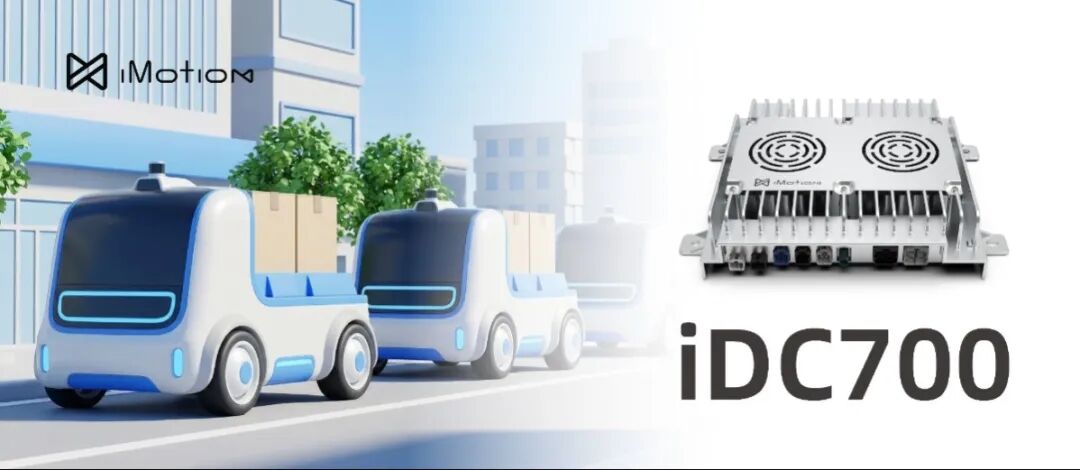
近日,知行科技基于地平线双征程®6M(下称J6M)打造的自动驾驶软硬一体域控制器iDC700,成功斩获某头部自主品牌商用车的量产项目定点。 此次量产定点,不仅再次印证了知行科技在无人物流车域控制器领域的技术复用能力与体系化运营效率,更凸显出其通过软硬件平台化、组织敏捷化 构建的可持续交付核心优势。在无人物流车行业迈向规模化落地的关键阶段,知行科技正凭借扎实的技术积淀与高效的协作体系,为行业的成本优化与快 速商业化落地提供坚实支撑。 硬件设计升级:针对自动驾驶场景下双SOC、多传感器集成带来的系统复杂性,知行科技通过优化接口与架构设计,减少数据传输延迟,保障数据交 互的高效可靠;同时聚焦高功耗痛点,优化散热方案与布局设计,通过仿真模拟与实测验证,确保控制器在安全温度区间内稳定运行。此外,面向无人物 流小车领域激烈的成本竞争,知行科技通过高效技术复用,实现成本控制与性能提升的双重目标。 东吴证券研究报告预计,2026年无人物流车销量有望突破10万辆,渗透率达到3.4%;无人物流车全生命周期单件配送成本仅为0.08元,较传统微面配 送模式降低60%以上。显然,规模化运营与成本控制,将成为无人物流车行业实现盈利与可持 ...

中集合斯康:首台IV型瓶氢气MEGC成功下线,填补国产技术空白赋能氢能全球化
Zhong Guo Qi Che Bao Wang· 2026-01-29 01:24
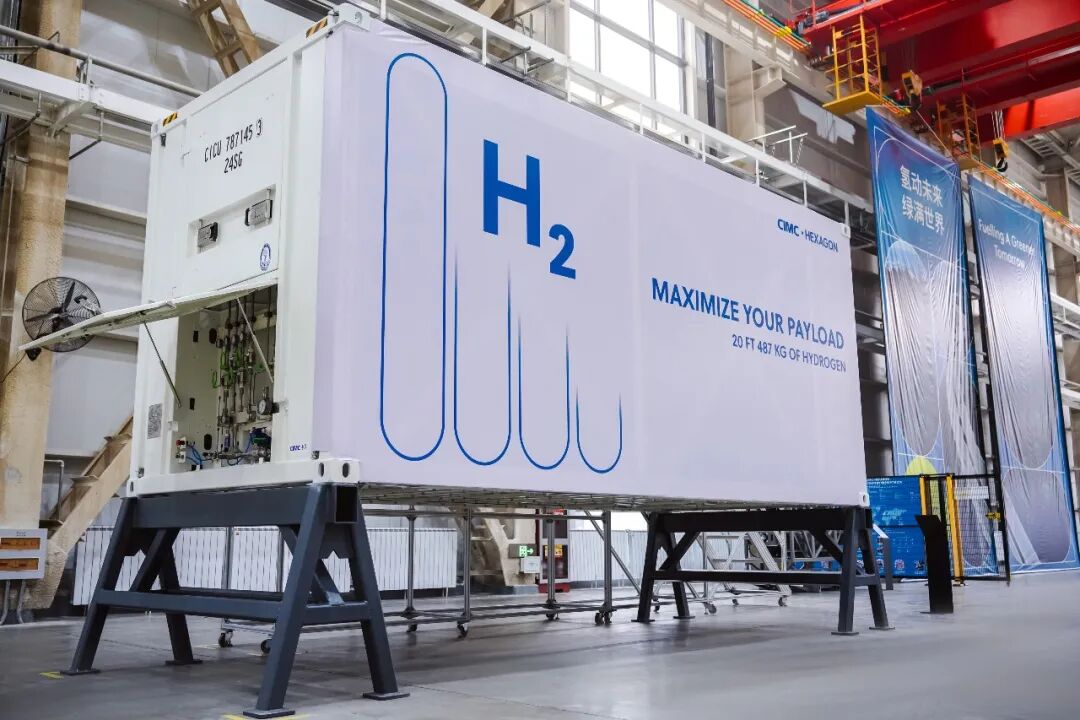
2026年1月,中集安瑞科与Hexagon Purus携手组建的合资公司——中集合斯康氢能发展(河北)有限公司(以下简称"中集合斯康")正式宣布,国内 首台20英尺IV型瓶氢气MEGC(管束集装箱)成功下线。这一突破性成果不仅填补了国产IV型瓶氢气MEGC的技术空白,更标志着我国高压氢气储运装备 国产化进程迈入全新阶段,凭借国际认证背书与全场景适配能力,为国产氢能装备参与全球竞争筑牢核心根基。 技术创新的背后,是股东双方优势的深度融合与协同发力。中集合斯康依托Hexagon Purus在复合材料高压储氢领域十余年的实战经验,以及全球700 余套MEGC系统的规模化应用验证,叠加中集安瑞科在氢能装备领域的全产业链布局与数十年能源装备制造积淀,实现了从核心部件研发到系统集成调试 的全流程技术把控,确保产品性能与可靠性达到国际领先水平,打破了海外企业在高端氢能储运装备领域的技术垄断。 双轨市场布局,开启氢能储运商业化新篇章 在市场战略层面,中集合斯康确立"先海外后国内"的双轨布局,以全球化视野推动氢能储运装备的商业化落地。初期阶段,公司将依托中集安瑞科在 东南亚的成熟业务基础,以及Hexagon Purus覆盖全球 ...
芯联集成:跻身2025功率器件装机量前三 车规级产品规模化配套头部车企
Zhong Guo Qi Che Bao Wang· 2026-01-29 01:24
Core Insights - The global power semiconductor market is undergoing significant technological iteration and restructuring, driven by the increasing demand for automotive-grade power devices due to the penetration of electric vehicles [1][3] - Chipone Technology has entered the top three in the power device installation ranking for the period from January to November 2025, indicating strong market performance [1][3] Industry Overview - Power devices are critical components supporting the electrification and intelligent transformation of vehicles, with installation rankings reflecting a company's recognition in the downstream vehicle market and supply chain integration capabilities [3] - The ranking is based on the sales statistics of domestic new energy passenger vehicles, covering mainstream domestic passenger car brands and new energy models [3] Company Performance - Chipone Technology's entry into the top three signifies that its technology and products have achieved stable supply to several leading automotive companies, marking a significant breakthrough in the automotive-grade power device sector [3] - Currently, Chipone Technology's products cover over 70% of automotive chip types, with automotive-grade products applied to 90% of new energy vehicle manufacturers in China [3] - The company aims to continue focusing on technological innovation in the power semiconductor field and expand its global market share, contributing to the electrification and intelligent transformation of the automotive industry, as well as the upgrade of the domestic semiconductor industry [3]

战略调整聚焦核心赛道 伊顿考虑出售或分拆汽车业务 估值或达 50 亿美元
Zhong Guo Qi Che Bao Wang· 2026-01-28 09:41
Core Viewpoint - Eaton Corporation is exploring strategic options for its automotive business, including a potential sale or spin-off, with an estimated valuation of up to $5 billion [1] Group 1: Strategic Evaluation - The company is working with advisory firms to assess multiple strategic options for its automotive division [1] - This strategic evaluation coincides with a period of weak growth in its traditional automotive business [1] Group 2: Business Focus - The move is seen as part of Eaton's strategy to optimize its business structure and focus on high-growth sectors, such as electrical and aerospace [1] - Core businesses are experiencing rapid growth, contrasting with the automotive segment's performance [1]

伟创力:联合英飞凌、维克多推出区域控制器开发套件 三方协同赋能软件定义汽车
Zhong Guo Qi Che Bao Wang· 2026-01-28 09:41
该开发套件基于去年发布的"伟创力模块化区域控制器设计平台"升级打造,核心价值在于帮助整车 厂快速完成区域控制器的创建、测试与原型化验证,从根本上提升开发效率,破解传统开发模式周期 长、效率低的痛点。 在软件定义汽车浪潮加速席卷的当下,加速技术创新、缩短产品开发周期已成为整车厂抢占市场先 机的核心诉求。近日,2026CES国际消费类电子产品展览会圆满落幕,伟创力携手英飞凌与维克多,在 展会期间正式发布一款高度可扩展的区域控制器开发套件,为行业搭建起从设计验证到量产落地的高速 通道,助力整车厂高效推进软件定义汽车转型。 伟创力汽车事业部总裁Mike Thoeny表示,依托伟创力、英飞凌、维克多三方在设计制造、芯片研 发与软件技术领域的深度协同优势,整车厂能够更快速、更可靠地部署分区架构,平稳从容地推进项目 量产进程。 英飞凌汽车系统事业部高级副总裁Ralf Schmidt表示,非常自豪能深化与伟创力的合作,三方携手 发力,共同推动行业加速迈向软件定义汽车新时代。 面向未来,伟创力将持续携手行业领先伙伴,以技术创新为核心驱动力,赋能汽车产业新生态构 建,与合作伙伴共同推动下一代移动出行向更智能、更高效、更可持续的方 ...

从《2025全球汽車業高階主管調查報告》中探寻汽车行业未来发展方向
Zhong Guo Qi Che Bao Wang· 2026-01-28 09:24
Core Insights - The automotive industry is undergoing profound changes, with a consensus among executives that transformation is not optional but necessary for future competitiveness [2][3] - There are differing opinions on the methods and paths for transformation, influenced by factors such as target customers, business models, and regional contexts [2] Industry Trends - 77% of companies report that strategic alliances and partnerships have contributed to business growth and are expected to play a more significant role in the future [3] - The rise of smart driving vehicles is reshaping market dynamics, with domestic brands leveraging intelligent driving technology to capture market share from traditional automakers [3] - The decline in market share for established brands is attributed to changing consumer interests towards electrification and smart vehicles rather than a decline in product quality [3] Technological Impact - 86% of original equipment manufacturers are heavily investing in artificial intelligence and emerging technologies, recognizing their importance in driving industry development [8] - AI applications are prevalent in the automotive sector, with 48% of executives indicating that R&D is the primary area benefiting from AI, followed by supply chain management (46%) and production/manufacturing (38%) [9] Regional Perspectives - There are significant regional differences in opinions regarding the ability of traditional automakers to regain competitiveness against new entrants, with 73% of executives in the Americas believing in their potential, compared to 60% in Europe and 78% in Asia-Pacific [5] - The belief that new participants will replace existing manufacturers and that China will lead the electric vehicle market is supported by 72% of executives in the Americas, 60% in Europe, and 77% in Asia-Pacific [6] Supply Chain Adjustments - 68% of companies are actively restructuring their supply chains to enhance resilience and flexibility, adapting to the evolving demands of electric and smart vehicles [8][18] - The need for collaboration with key suppliers is emphasized to ensure stable supply of raw materials and components [3] Future Strategies - Strategic alliances and partnerships are viewed as essential for navigating the complexities of rapid technological change and market competition, with 72% of executives prioritizing this approach [18] - Companies are diversifying their product and service offerings to meet the growing demand for personalized and varied consumer experiences, with 55% indicating this trend [19]
SK Innovation称终止与福特合资公司将产生约26亿美元资产损失
Zhong Guo Qi Che Bao Wang· 2026-01-28 09:17
SK Innovation表示,结束与福特汽车的电池合资公司后,将产生3.7万亿韩元(约合26亿美元)的 资产损失。SK Innovation与福特汽车上月表示,将终止BlueOval计划。两间公司于四年前宣布这项耗资 110亿美元、在美国建设三间电池工厂及一间电动农夫车组装厂的计划。在结束合作后,福特将接管合 资公司位于肯塔基州的两间厂房,而SK Innovation旗下的电池部门SK On将营运位于田纳西州的工厂。 ...

众泰汽车:预计2025年净利润为负值
Zhong Guo Qi Che Bao Wang· 2026-01-28 08:53
智通财经1月16日电,众泰汽车发布2025年度业绩预告,预计归属于上市公司股东的净利润为负 值,2025年经营业绩仍为亏损状态;预计2025年末净资产为正值。 ...

马来西亚推汽车以旧换新补贴,能否成为撬动车市销量密码?
Zhong Guo Qi Che Bao Wang· 2026-01-28 08:28
11:00 BREAK 211111111111 THE WATER Fille B48 44 IIII F in IIII TI EURT AND ASSESSMENTS TORACHIA TORASSOCA TOTAL IN mir man and million in wind miced to manages and miced micel micel mical sub- 0000 0000 PH20 0000 BBC00 BOX 2000 minute finne E H 【日常】 The First m m m m m nn mi mi m TE n n n a n a n s 2017 n a propo no n n n n a n u n u n n a n a m a m a m and and a man r the St a n province a not NN 21 . 80 1 1 本土期待与外资观望 上述消息一经发布,在马来西亚汽车市场激起了新的浪花。本土车企迅速表态,积极响应政策,认为这是绝佳机遇,预计能吸引大批旧车车主升级换 代,已准备好迎接新车销售高峰。 与此同时,马来 ...

C-IASI安全指数年度洞察:三电亮眼,智能安全配置走向标配
Zhong Guo Qi Che Bao Wang· 2026-01-28 08:03
Core Viewpoint - The automotive industry is undergoing a critical transformation towards electrification and intelligence, with safety being the core baseline for high-quality development. The C-IASI safety index, led by the China Automotive Engineering Research Institute, aims to enhance automotive safety standards through iterative regulations and innovative assessments by 2025 [1]. Group 1: C-IASI Safety Index Overview - In 2025, the C-IASI safety index will release evaluation results for 17 vehicle models across three batches, with the first two batches (14 models) adhering to the 2023 regulations and the third batch (3 models) following the revised 2024 regulations, which introduces a special index for new energy vehicles [2]. - The 2023 regulations consist of four sub-indices: crashworthiness and repair economy, occupant safety, pedestrian safety, and vehicle assistance safety. The 2024 revision adds a special index for new energy vehicles, focusing on repair economy and vehicle safety [4]. Group 2: Evaluation Results - The evaluation results for 2025 show significant improvements across core dimensions, with 94% of models achieving excellent or above ratings in occupant safety. All tested models have 100% configuration rates for front airbags, front side airbags, and curtain airbags, while rear side airbags and front center airbags have increased to 47% from 19% and 5% respectively in the 2020 version [4]. - In pedestrian safety, 100% of models received excellent or above ratings, indicating a growing emphasis on pedestrian protection in vehicle design [4]. - In vehicle assistance safety, 100% of models also achieved excellent or above ratings, with all 17 tested models equipped with AEB/LSS, and 58.8% of models featuring DMS, showing a shift towards mainstream safety configurations [5]. Group 3: Challenges and Opportunities - Despite advancements, crashworthiness and repair economy remain common weaknesses, with only 29% (5 models) receiving excellent ratings and 18% (3 models) rated as good, indicating room for improvement in controlling user after-sales costs [5]. - New energy vehicles are becoming the main focus of evaluations, with 15 out of 17 tested models being electric. The first three models evaluated under the new energy vehicle special index all received excellent ratings, particularly excelling in bottom collision tests [5]. Group 4: Technological Advancements - The continuous improvement in evaluation results reflects the strong influence of the C-IASI safety index on industry technological advancements. The China Automotive Engineering Research Institute aims for zero casualties in traffic accidents and is conducting forward-looking research on key evaluation technologies and standards [6]. - The AC-HUMs digital model, developed based on Chinese population data, represents a breakthrough in safety technology, enabling comprehensive assessments of injury risks [6]. - Research on pedestrian safety evaluation is being conducted to integrate active safety (AEB) with passive protection effects, enhancing overall safety assessments [8]. Group 5: Industry Standards and Collaboration - The China Automotive Engineering Research Institute has led the development of the first industry standard for occupant safety in high-angle seats, with over 20 companies already applying it [10]. - A collaborative effort has resulted in the first deformable barrier that accurately replicates vehicle-to-vehicle collision responses, supporting vehicle compatibility assessments [12]. - Virtual evaluation studies for diverse occupant protection in frontal and side collisions are being conducted, expanding existing physical evaluation conditions and promoting a more comprehensive occupant protection assessment system [14].