
Tai Mei Ti A P P

Search documents
带着中国车抵达伦敦,吉利的野心是向外输出“体系力”
Tai Mei Ti A P P· 2025-10-29 14:14
Core Insights - Geely officially launched its first global new energy vehicle, the Geely International EX5, in the UK, marking its entry into the European market [2] - The UK is seen as a strategic point for Geely, representing a shift from merely selling cars abroad to establishing a comprehensive presence in the European automotive industry [3][4] - Geely's strategy emphasizes a unified global manufacturing system, moving beyond simple brand expansion to a more integrated approach that leverages global resources and technology [4][6] Market Expansion Strategy - The UK market is chosen for its significant capacity and high standards, serving as a base for Geely's operations in Europe, targeting key markets like Germany, France, Italy, and Spain [3] - Geely plans to launch 15 new models in Europe over the next five years and establish a sales and service network of over 1,000 locations [3] - The concept of "One Geely" focuses on global resource synergy, technology sharing, and brand complementarity, creating a cohesive operational system [4] Technological Advancements - Geely has invested over 250 billion RMB in R&D over the past 11 years, establishing a leading AI-driven technology system with a comprehensive computing power of 23.5 EFLOPS [6] - The company has over 8.5 million vehicles equipped with L2 or higher autonomous driving capabilities, accumulating over 10 billion kilometers of driving data [6] - Geely operates 64 satellites for communication, navigation, and remote sensing, enhancing vehicle connectivity and stability in remote areas [6] Globalization Challenges - Geely faces challenges in maintaining technological leadership while ensuring compliance with various countries' data privacy regulations and safety standards [7] - The company acknowledges the global automotive industry is experiencing varying degrees of overcapacity, prompting a focus on efficiency rather than blind expansion [8][9] Competitive Strategy - Geely's approach to globalization is characterized by "anti-involution growth," focusing on value competition through technological innovation and brand premium rather than price competition [10] - The strategy involves a phased approach: exporting products, local collaboration, and building industries [11] - High-quality globalization entails addressing local certification, after-sales systems, regulatory compliance, and cultural differences [13] Long-term Vision - Geely's journey in the UK spans nearly two decades, evolving from manufacturing to a focus on intelligent systems and cultural integration [14] - The launch of the EX5 signifies a transition from being a global manufacturing hub to becoming a center for global innovation in the automotive sector [15]



白酒“跌幅王”诞生: 口子窖Q3利润蒸发9成,“全国化”成了“开倒车” | 看财报
Tai Mei Ti A P P· 2025-10-29 13:38
Core Viewpoint - Kouzi Jiao's Q3 financial report reveals a significant decline in performance, with a 46.23% drop in revenue and a 92.55% decrease in net profit, indicating severe challenges in both high-end and mid-range markets, jeopardizing its strategic goals and market position [2][3][6] Group 1: Financial Performance - In Q3, Kouzi Jiao reported revenue of 643 million yuan, a year-on-year decline of 46.23%, and a net profit of 26.97 million yuan, down 92.55% [2] - The core high-end liquor segment saw a revenue drop of 27.98% year-on-year, significantly impacting overall revenue [4][6] - The company's cash flow turned negative for the first time in a decade, with a net outflow of 390 million yuan, indicating poor sales collection [7] Group 2: Market Dynamics - The overall liquor industry is facing challenges such as declining demand, sluggish sales, and high inventory levels, exacerbated by a shift in market channels since 2025 [3][6] - Kouzi Jiao's primary market in Anhui experienced a revenue decline of 27.24%, which is worse than the 23.93% decline in the external market, highlighting difficulties in expanding its core market [6] Group 3: Strategic Challenges - The company's traditional large distributor model is proving ineffective in the current market, leading to low product penetration and sales pressure [9] - Despite ambitions to become a leading high-end liquor brand, Kouzi Jiao's product strategy has become diluted with multiple new product launches, resulting in unclear positioning [11] - Recent management strategies include a comprehensive reform plan aimed at enhancing market foundations and internal efficiencies, but the effectiveness of these measures remains uncertain [11]


出海受挫后换挡机器人赛道,宁波华翔距离300亿目标有多远?|看财报
Tai Mei Ti A P P· 2025-10-29 13:14
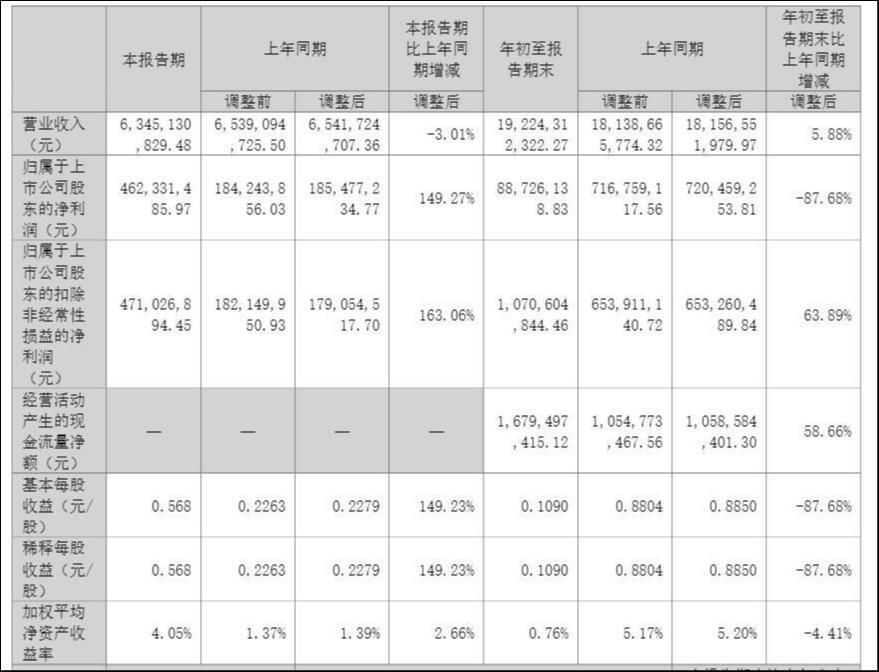
Core Viewpoint - Ningbo Huaxiang (002048.SZ) reported mixed results in its Q3 earnings, with a significant profit increase in Q3 due to the divestiture of loss-making European operations, but a nearly 90% drop in net profit for the first three quarters, raising concerns about meeting annual performance targets [1][2]. Financial Performance - For the first three quarters of 2025, the company achieved revenue of approximately 19.22 billion yuan, a year-on-year increase of 5.88%, while net profit attributable to shareholders was about 88.73 million yuan, a decrease of 87.68% [2][4]. - The adjusted net profit, excluding non-recurring items, was 1.07 billion yuan, reflecting a year-on-year increase of 63.89% [2][4]. Q3 Performance - In Q3 2025, the company reported revenue of 6.35 billion yuan, a decline of 3.01% year-on-year, while net profit attributable to shareholders was 462 million yuan, a year-on-year increase of 149.27% [4]. - The increase in Q3 net profit was primarily due to the sale of European operations, which reduced losses, and a rapid adjustment in the company's own brand production [4]. Business Strategy and Investments - The company is focusing on traditional production capacity in its recent 2.92 billion yuan fundraising, with limited investment in emerging sectors like robotics, raising questions about the necessity of capacity expansion and strategic direction [1][9]. - The fundraising will support projects including intelligent manufacturing in Wuhu, a production base for automotive interior parts in Chongqing, and a research and development center [9]. Capacity Utilization - The capacity utilization rates for various subsidiaries are low, with the Ningbo Interior System at 57.61% and Ningbo Lawrence at 51.52%, indicating underutilization of resources [8][9]. - The company’s main product lines, particularly interior components, have consistently accounted for over 50% of total revenue, yet the current capacity utilization does not support aggressive expansion plans [9]. Market Position and Future Outlook - The company has entered the robotics sector later than competitors, and the current investment strategy does not heavily favor this area, leaving its future market position uncertain [10].

国产“英伟达”们集体冲刺IPO
Tai Mei Ti A P P· 2025-10-29 12:17
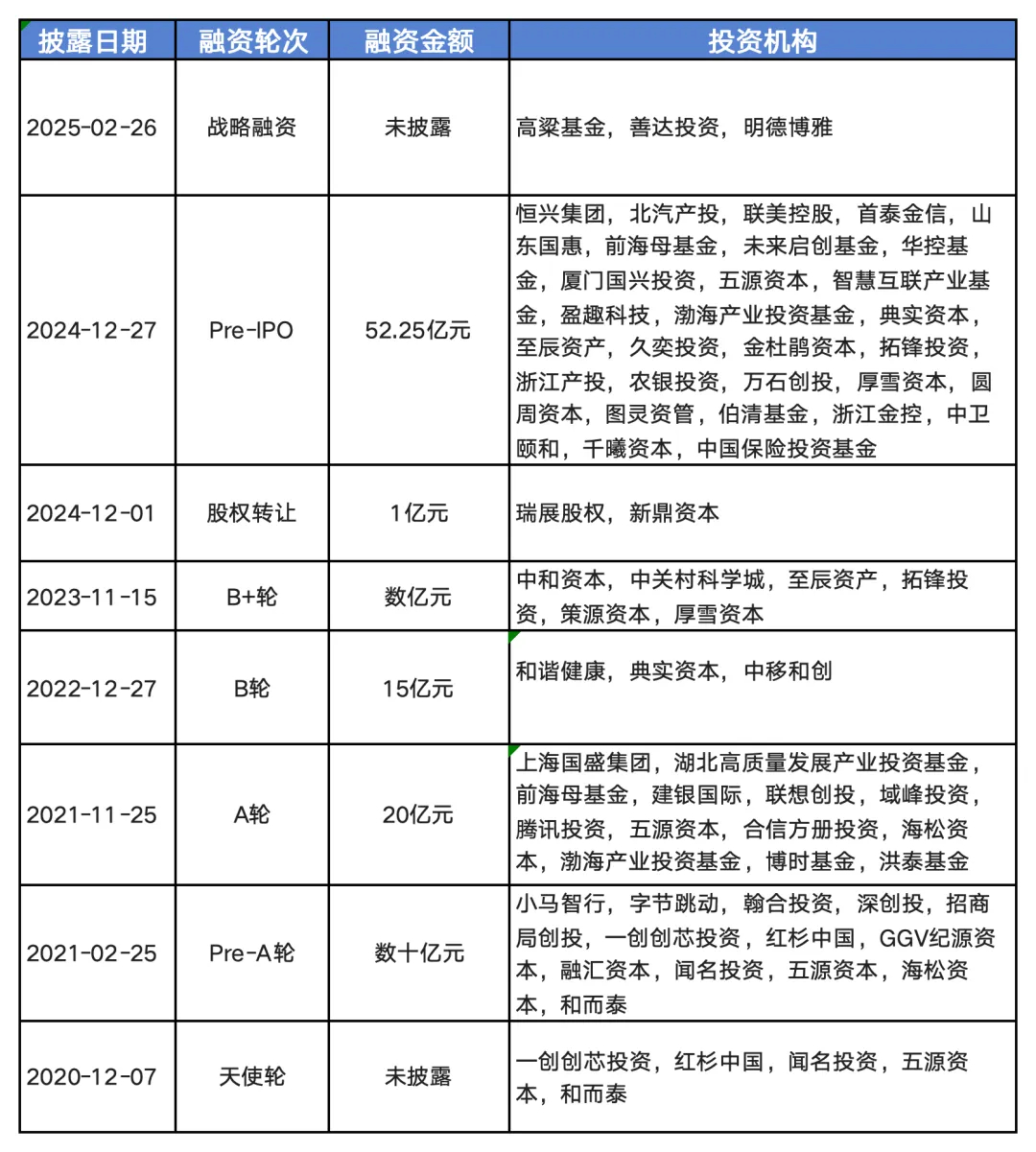
Core Insights - A significant trend is emerging as leading domestic GPU companies are rapidly pursuing IPOs, with notable examples including Moer Thread and Muxi Co., which have set records for the speed of their listing processes [1][3][10] - This capital frenzy is driven by the expectation for self-controlled computing power and the exit demands of numerous VCPEs during their fund lifecycle [2] Group 1: Moer Thread and Muxi Co. - Moer Thread's IPO process is remarkable, with its application accepted on June 30, 2025, and approval granted on September 26, 2025, taking only 88 days. The IPO aims to raise 8 billion yuan [3][7] - Founded in 2020 by Zhang Jianzhong, a former NVIDIA executive, Moer Thread focuses on full-function GPUs and has developed the MUSA architecture to support AI computing and graphics rendering on a single chip [3][4] - Moer Thread's revenue figures show a growth trajectory, with revenues of 46.09 million yuan in 2022, projected to reach 438 million yuan in 2024, and 702 million yuan in the first half of 2025, marking a compound annual growth rate of 208% [7][9] - Muxi Co. followed closely, with its IPO approved on October 24, 2025, after 116 days of review, aiming to raise 3.904 billion yuan for the development of next-generation GPU chips [10][12] - Muxi, also founded in 2020, focuses on high-performance general-purpose GPUs and has established a complete domestic supply chain for design, manufacturing, and testing [10][12] Group 2: Other Companies and Market Dynamics - Suiruan Technology is taking a more cautious approach to its IPO, currently in the counseling phase, with a complex shareholder structure potentially affecting its progress [13][17] - Suiruan's products include the domestic cloud training chip "Suis 1.0" and the fourth-generation training and inference chip "Suiruan L600," which features significant advancements in computing power and storage [14][15] - Wallran Technology's IPO path remains uncertain, with reports suggesting it has submitted a confidential listing application to the Hong Kong Stock Exchange [19][24] - Tian Shu Zhixin is also rumored to be pursuing a listing, focusing on GPGPU products that have already achieved commercial success [25][27] Group 3: Industry Trends and Challenges - The market for AI computing power is expanding rapidly, with national strategies emphasizing self-sufficiency in computing capabilities, and the Sci-Tech Innovation Board providing a pathway for unprofitable but technologically critical companies to go public [28][30] - Companies are seizing the historic opportunity for domestic substitution, particularly in light of supply constraints from NVIDIA, creating a significant market gap [29][30] - The collective IPO rush signals a broader industry trend where national interests and capital markets are aligning to promote high-end computing autonomy [30][31] - The limited capacity of the capital market means that the first companies to successfully list will gain a competitive financing advantage, potentially leading to a "Matthew effect" in the industry [31][32]

10亿买来10亿卖,德龙汇能再易主
Tai Mei Ti A P P· 2025-10-29 08:49
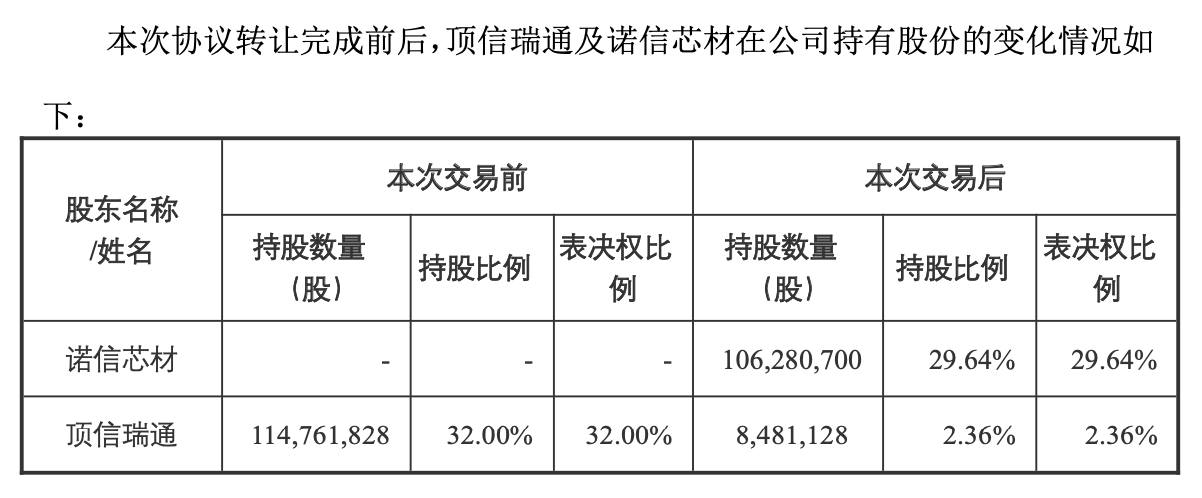
Core Viewpoint - Delong Huineng (000593.SZ) experienced a stock price surge following the announcement of a change in control, with shares closing at 9.58 yuan, marking a significant market reaction to the news of a new major shareholder [1] Summary by Sections Shareholder Change - Delong Huineng announced that its controlling shareholder, Beijing Dingxin Ruitong Technology Development Co., Ltd., signed a share transfer agreement with Dongyang Noxin Chip Material Enterprise Management Partnership (Limited Partnership), transferring 106 million shares, representing 29.64% of the total share capital, for a total consideration of 1 billion yuan at a price of 9.41 yuan per share [1][2] - After the transfer, Noxin Chip Material will hold 29.64% of the shares, while Dingxin Ruitong's stake will decrease to 2.36% [1][3] Background of New Shareholder - Noxin Chip Material was established on July 24, 2025, with a registered capital of 1.008 billion yuan and has not yet commenced business operations [3] - The ultimate control of Noxin Chip Material lies with Sun Weijia, who also controls other semiconductor-related enterprises, suggesting potential strategic moves in the semiconductor sector following the acquisition [4][7] Historical Context of Delong Huineng - Delong Huineng has undergone four ownership changes since its listing, with its business focus shifting multiple times, originally starting as a retail company before transitioning to pharmaceuticals and then to gas and energy [8][9] - The company was renamed from Datong Gas to Delong Huineng in 2022, reflecting its current focus on integrating traditional gas operations with new energy initiatives, including hydrogen and solar energy [9][11] Financial Performance - Despite revenue growth from 631 million yuan in 2018 to 1.737 billion yuan in 2024, the company has faced challenges in profitability, with cumulative losses of 208 million yuan during the same period [11] - The company is currently involved in legal proceedings regarding a subsidiary's failure to meet profit commitments, which may impact its financial stability [11]

股东股权转让价格“倒挂”!魔视智能携10亿亏损赴港| IPO观察
Tai Mei Ti A P P· 2025-10-29 07:52
Core Viewpoint - Magic Vision Technology (Shanghai) Co., Ltd. is preparing for an IPO on the Hong Kong Stock Exchange, facing a paradox of revenue growth while continuing to incur losses, with cumulative losses exceeding 773.54 million yuan over the past three and a half years [2][5]. Financial Performance - The company has reported continuous revenue growth, with total revenues of 117.8 million yuan in 2022, 146.5 million yuan in 2023, and projected revenues of 356.84 million yuan in 2024, marking a year-on-year growth of 143.53% in 2024 [4][5]. - Despite the revenue increase, the company has not achieved profitability, with annual losses of 200.43 million yuan in 2022, 227.95 million yuan in 2023, and 233.50 million yuan in 2024, leading to a total loss of 1.0228 billion yuan by June 2025 [5][6]. Business Segments - The primary revenue-generating segment is the Magic Drive solution, which contributed sales of 71.06 million yuan in 2022, 69.81 million yuan in 2023, and 227.07 million yuan in 2024, accounting for 60.3%, 47.6%, and 63.6% of total revenue respectively [3][4]. Capital and Financing - Since its establishment in 2015, the company has completed 11 rounds of financing, raising nearly 900 million yuan to support its operations despite ongoing losses [7]. - In June 2025, the company raised 293 million yuan at a share price of 9.4 yuan, but shortly after, shares were transferred at prices ranging from 3.8 yuan to 8.4 yuan, raising questions about the fairness of the pricing [7][8]. Shareholder Transactions - Notably, shareholder Chen Jianfei increased his stake at 9.4 yuan per share in June 2025, only to sell shares at 8.4 yuan per share a month later, indicating a potential discrepancy in share valuation [8][9].

非洲淘“铜”记:为新能源寻找全球支点
Tai Mei Ti A P P· 2025-10-29 07:16
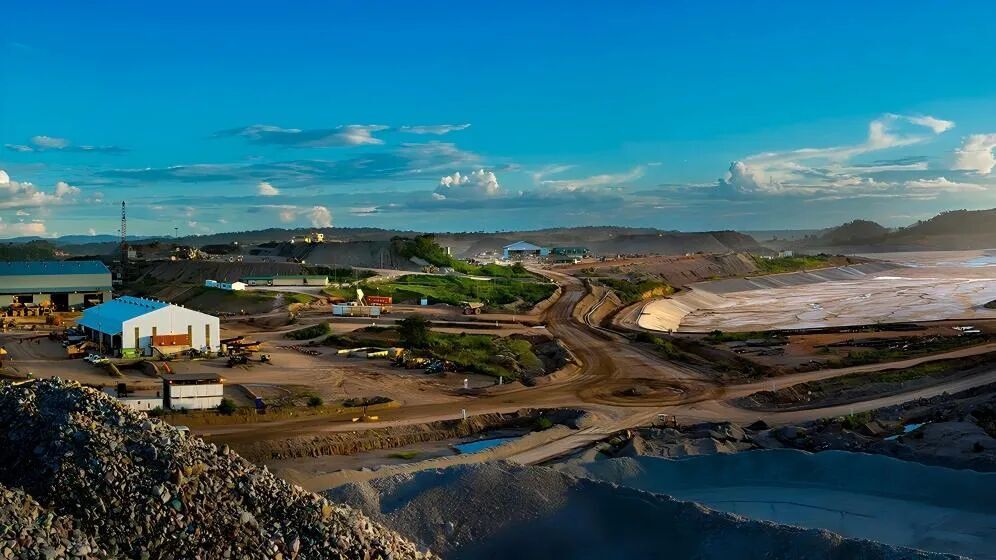
Core Insights - Luoyang Molybdenum Co. plans to invest $1.084 billion in the KFM Phase II project in the Democratic Republic of Congo, aiming to enhance copper production amid global supply shortages [1][5] - The project is strategically significant, reflecting the evolution of Chinese enterprises' globalization strategies [1][5] Project Overview - The KFM Phase II project builds on the success of Phase I and is a well-validated strategic decision [2] - The project will increase ore processing capacity by 7.26 million tons per year and is expected to produce an additional 100,000 tons of copper annually upon completion in 2027 [4] - The investment breakdown includes $859 million for engineering costs, $109 million for other construction expenses, and $116 million for contingency funds, showcasing meticulous project management [4] Financial Support - Luoyang Molybdenum reported a net profit of approximately 14.28 billion yuan for the first three quarters of 2025, a 72.61% increase year-on-year, providing a solid financial foundation for this investment [5] - The increase in profits is attributed to rising prices and sales of key products, including copper, cobalt, and other minerals [5] Global Significance - The International Energy Agency predicts that the market for critical minerals will quadruple by 2030, with copper demand expected to grow rapidly due to electrification [5] - The KFM Phase II project will play a crucial role in alleviating future copper supply constraints and will also provide essential raw materials for the global battery industry [5] Global Strategy - Luoyang Molybdenum's internationalization reflects a broader trend of Chinese companies expanding overseas, with significant investments in the DRC, including the Tenke Fungurume mine [6][8] - The company has diversified its portfolio to include various metals, enhancing its resilience against market fluctuations [9] Challenges and Opportunities - The rise of resource nationalism poses challenges for international mining companies, including increased taxes and local processing requirements [11][12] - Chinese companies, including Luoyang Molybdenum, have unique advantages in navigating these challenges by integrating resource development with infrastructure projects [13][14] - The company emphasizes local engagement, community development, and balancing interests among stakeholders to ensure stable operations [15][16]

百万倍算力增长的背后,AIDC如何建设才能“跟上需求”?
Tai Mei Ti A P P· 2025-10-29 05:27
Group 1: Core Insights - The development of AI models is transforming AI agents from execution tools to decision-making partners, driving an industrial revolution, with total computing power expected to increase by 100,000 times by 2035 [2] - The demand for computing power is surging, with China's daily token consumption projected to grow from 100 billion at the beginning of 2024 to 30 trillion by June 2024, reflecting a 300-fold increase [3] - AI applications are entering a phase of large-scale explosion, with public cloud model invocation in China expected to rise from 114 trillion tokens in 2024 to 536.7 trillion in the first half of 2025 [3] Group 2: Infrastructure Challenges - The surge in computing power demand is challenging existing data center infrastructure, which must evolve to meet the needs of AI applications [3][4] - Traditional data centers are unable to meet the requirements of intelligent computing centers (AIDC), necessitating disruptive innovations in computing architecture, materials, and engineering processes [3][4] - The construction of data centers faces challenges related to safety, resilience, high power, and energy consumption, with a need for proactive measures to ensure continuous power supply [4][5] Group 3: Safety and Reliability - Safety is a critical concern for AIDC, as any failure can lead to significant losses and jeopardize a company's competitive edge in AI [5][8] - AIDC requires a comprehensive security framework that covers the entire lifecycle of data centers, moving away from traditional single-point protection [8][9] - Huawei's approach includes a four-layer protection system that ensures reliability from components to systems [8] Group 4: Flexibility and Speed - The need for flexibility in data center construction is paramount, with Huawei proposing a "four modernization" solution to reduce delivery cycles by over 60% [10][12] - Decoupling subsystems in data centers allows for parallel construction, significantly speeding up project timelines [11] - Modular and prefabricated designs are becoming mainstream, enabling faster deployment and reducing on-site construction efforts [12] Group 5: Sustainability and Efficiency - The shift towards green and low-carbon solutions is becoming essential for AIDC, with a focus on enhancing system efficiency rather than merely reducing total energy consumption [13][14] - Innovations in power supply and cooling systems are critical for achieving energy efficiency, with Huawei's UPS achieving an efficiency of 99.1% [14][15] - The integration of renewable energy sources and intelligent energy management is vital for the sustainable operation of data centers [15][16] Group 6: Future Outlook - The evolution of data centers towards ultra-high power, density, and scale is necessary to meet the challenges posed by AI computing demands [16] - The design philosophy is shifting from large systems to standardized and modular distributed architectures, allowing for greater adaptability to future uncertainties [16] - The AI computing wave presents both significant opportunities and challenges, necessitating a robust and professional approach to navigate the transformation [16]

咖啡豆价格创历史新高,云南咖啡豆的机遇要来了吗?
Tai Mei Ti A P P· 2025-10-29 04:27
Core Insights - The price of Yunnan coffee has reached historical highs, with fresh fruit procurement prices peaking at 10 yuan per kilogram, and coffee bean prices surpassing 60 yuan per kilogram by February 2025, driven by global market dynamics and domestic consumption growth [2][3][6]. Price Trends - Yunnan coffee prices have seen a significant increase, with prices rising from 14.78 yuan per kilogram in 2018 to approximately 66 yuan per kilogram in 2025 [6]. - The price of Arabica coffee futures in New York has reached a record high of 4.36 USD per pound, influenced by adverse weather in Brazil, which is the world's largest coffee producer [3]. Market Dynamics - The Chinese coffee market is expanding rapidly, with the industry scale projected to reach 313.3 billion yuan in 2024, reflecting an 18.1% year-on-year growth [3]. - Yunnan coffee accounts for 98% of China's total coffee production, benefiting from a growing domestic market and geopolitical trade fluctuations [3][6]. Quality Improvement Initiatives - Starbucks has implemented a "quality for price" strategy in Yunnan, which has significantly improved the quality of coffee beans and increased farmers' incomes [5][6]. - By 2024, the area planted with coffee in Yunnan reached 1.1931 million acres, with a total production of 150,200 tons, marking a 4% increase in planting area and a 3% increase in production year-on-year [6]. Future Prospects - Starbucks plans to incorporate high-quality Yunnan coffee beans into every cup of classic espresso sold in mainland China, indicating strong future demand [7]. - The Yunnan coffee industry is at a turning point, focusing on not just increasing production but also enhancing the quality and variety of coffee beans [10].


黄仁勋最新演讲称将大举投资AI基础设施确保美国领先地位,英伟达股价再创新高
Tai Mei Ti A P P· 2025-10-29 01:40
Core Insights - The increasing prominence of artificial intelligence (AI) is highlighted by the hosting of two "AI Spring Festivals" annually, with the recent GTC conference in Washington D.C. focusing on AI policy and government roles [1] - CEO Jensen Huang's keynote emphasized the need for the U.S. to maintain its competitive edge in AI, alongside significant announcements regarding partnerships and technological advancements [1][2] Group 1: AI and Industry Developments - NVIDIA announced a $1 billion investment in Nokia to develop a 6G AI platform, aiming to restore U.S. leadership in telecommunications [2] - The introduction of NVQLink, a system architecture designed to connect quantum processors with GPU computing systems, was presented as a pivotal advancement for future computing [2][3] - Huang discussed the importance of AI in reshaping industries and infrastructure, asserting that the U.S. must lead in AI development to ensure a prosperous future [3] Group 2: Strategic Partnerships and Collaborations - The collaboration with the U.S. Department of Energy to build seven new AI supercomputers was announced, marking a significant step in advancing scientific research [2][23] - The partnership with Nokia will integrate NVIDIA's new Arc technology into future base stations, enhancing wireless communication capabilities through AI [16][17] Group 3: Market Position and Financial Performance - NVIDIA's stock price reached a historic high, surpassing $203, with a market capitalization nearing $5 trillion, reflecting strong investor confidence [4] - The company reported a significant decline in market share in China, dropping from 95% to zero due to regulatory challenges, impacting its sales in the region [4] Group 4: Future Outlook and Innovations - Huang emphasized the transformative potential of AI, stating that it will define the future of every industry and country, and highlighted the need for advanced AI infrastructure [3][25] - The concept of an "AI factory" was introduced, indicating a shift towards dedicated systems designed specifically for AI operations, which will enhance productivity and efficiency [37][38]