华尔街见闻

Search documents
DeepSeek V4诞生前夜?梁文锋署名新论文发布
华尔街见闻· 2026-01-13 11:01
Core Viewpoint - The article discusses a groundbreaking paper by DeepSeek and Peking University that introduces a new module called Engram, which separates memory from computation in AI models, leading to a significant increase in reasoning capabilities [3][12]. Group 1: Introduction of Engram Module - DeepSeek's Engram module represents a supply-side reform in AI model architecture, allowing static knowledge to be stored separately from computational tasks, thus enhancing AI's reasoning abilities [3][14]. - The Engram module is inspired by the classic N-gram concept from natural language processing, modernized to allow for efficient retrieval of static knowledge with a time complexity of O(1) [15][16]. Group 2: Technical Innovations - Engram utilizes a large, scalable embedding table to store static knowledge, allowing for direct retrieval without complex computations, contrasting with traditional Transformer models where knowledge is embedded in weights [18]. - Three technical barriers were addressed: - A. Vocabulary compression reduced the effective vocabulary size by 23% through normalization of semantically similar terms [19]. - B. Multi-head hashing resolves hash collisions by mapping multiple N-grams to limited memory slots, enhancing robustness [20]. - C. Context-aware gating acts as a referee to filter out irrelevant static knowledge based on the current context [21][22]. Group 3: Resource Allocation and Model Performance - A large-scale ablation study revealed a U-shaped scaling law for resource allocation, indicating that the optimal distribution of parameters is approximately 75%-80% for Engram and 20%-25% for MoE, minimizing loss [30][31]. - The introduction of Engram not only improved knowledge tasks but also unexpectedly enhanced performance in logic, coding, and mathematics, with significant score increases across various benchmarks [39][40]. Group 4: Engineering Breakthroughs - Engram's architecture allows for a separation of memory and computation, enabling large models to offload memory to cheaper, scalable CPU resources, thus reducing reliance on expensive GPU memory [46][49]. - This separation allows for prefetching of memory data, maintaining high throughput even with large parameter sizes, which is a significant advantage for future AI model development [51][52]. Group 5: Future Implications - The upcoming DeepSeek V4 model is expected to integrate Engram technology, achieving a balance between computation and memory, enhancing both knowledge capacity and reasoning capabilities while reducing inference costs [61][64]. - The paper signals a shift in the AI industry towards architectural innovation, moving away from merely increasing computational power and parameters, and redefining competitive standards in AI development [65].


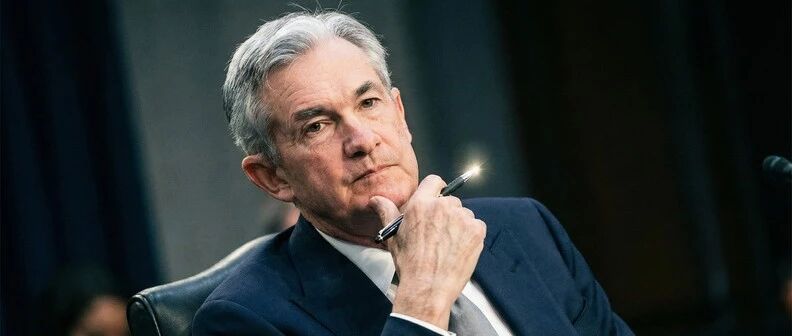
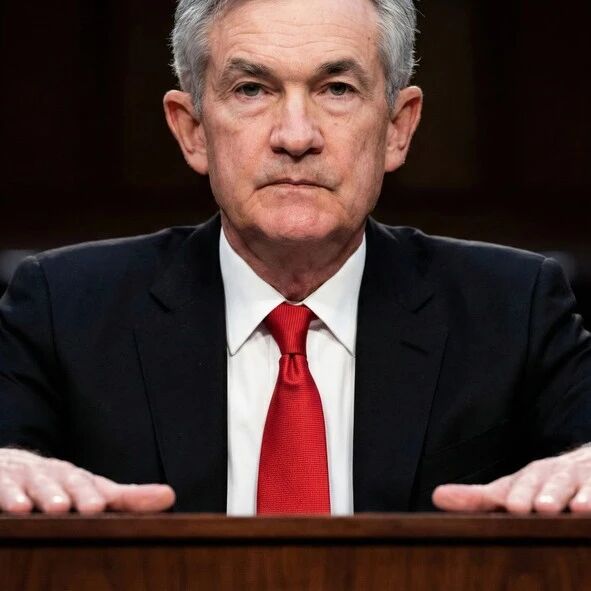
“美联储通讯社”:鲍威尔上周五接到传票,思考整个周末后,美联储主席决定“公开对抗特朗普”
华尔街见闻· 2026-01-13 11:01
Core Viewpoint - Federal Reserve Chairman Jerome Powell has broken years of restraint by publicly addressing a criminal investigation and political pressure from the Trump administration, which allegedly threatens to force the Fed to lower interest rates [2][4]. Group 1: Powell's Response to Investigation - Powell received a subpoena from a grand jury and decided to disclose the investigation publicly, marking a significant shift from his usual diplomatic and neutral stance [2][4]. - He characterized the investigation as a direct challenge to the Fed's independence and emphasized that the threat of criminal charges arises from the Fed's commitment to setting rates based on public interest rather than presidential preferences [4][5]. Group 2: Political Pressure and Market Reactions - Some Trump allies had anticipated that the pressure would lead Powell to resign before his term ends in May, but his public rebuttal signals a refusal to back down [3][5]. - Analysts were caught off guard by this escalation, especially since Powell has been pivotal in advocating for interest rate cuts during recent Fed meetings [6]. - Concerns are growing that if Powell loses his position as a protective figure, Trump's anger may shift towards other members of the Federal Open Market Committee [7]. Group 3: Future Implications and Risks - The current situation poses risks of further escalation, with Trump potentially attempting to dismiss Powell on grounds of "dereliction of duty," which could lead to prolonged legal battles [8]. - Political resistance is increasing, as Senator Thom Tillis indicated he would block any new Fed official nominations until the investigation concludes, complicating future personnel decisions at the Fed [8]. - Investors are shocked by the implications of potential criminal investigations for defying presidential orders, raising questions about the independence of any new Fed chair [9].
老干妈,出山救子,又赚翻了
华尔街见闻· 2026-01-13 11:01
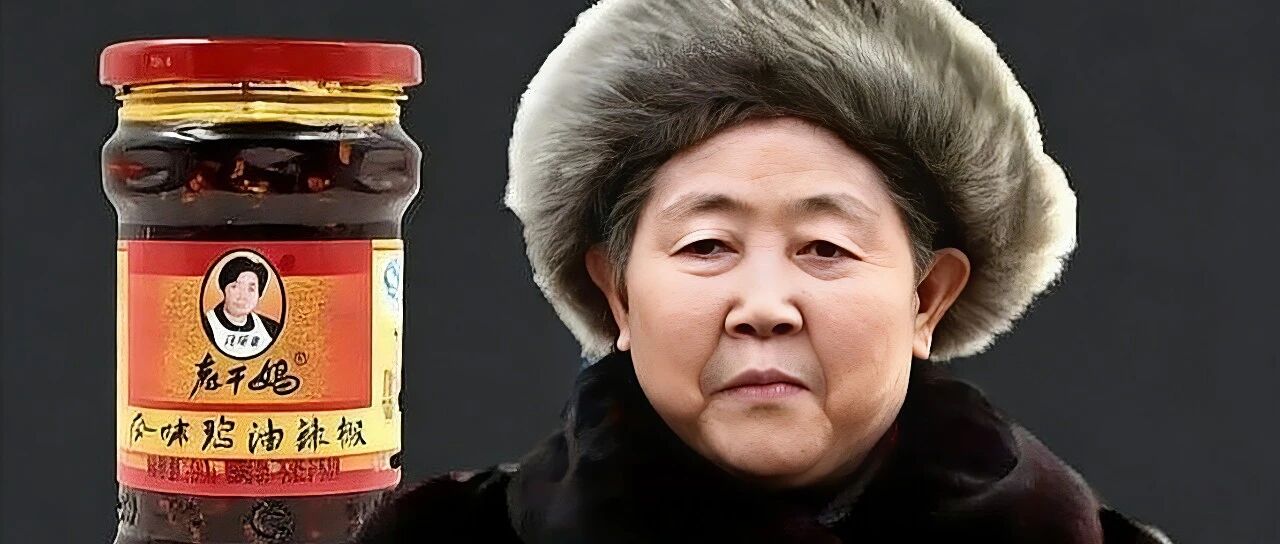
Core Viewpoint - The article discusses the resurgence of the Chinese condiment brand Lao Gan Ma, highlighting its recovery from a revenue decline and the importance of maintaining product quality and brand integrity in a competitive market [4][20][46]. Group 1: Company Overview - Lao Gan Ma, founded in 1996 in Guizhou, has been a staple in Chinese households for nearly 30 years and is now approaching a revenue of 5.4 billion yuan in 2024, nearly matching its historical peak [4]. - The brand holds approximately 20% market share in the Chinese chili sauce industry, significantly outpacing its closest competitors [7]. Group 2: Management and Leadership - The founder, Tao Huabi, returned to the company at the age of 72 to address quality issues after a management decision to switch from high-quality Guizhou chili peppers to cheaper alternatives led to a decline in product taste and sales [21][24]. - The management transition to her sons initially caused challenges, but Tao's return emphasized a focus on quality over short-term profits, leading to a recovery in brand reputation and sales [20][24]. Group 3: Product Quality and Market Strategy - The unique flavor of Lao Gan Ma is attributed to the high-quality Guizhou chili peppers, which are essential to its product identity and consumer loyalty [16][20]. - The company has resisted the trend of aggressive online marketing and instead focuses on maintaining its traditional distribution channels and product quality, which has proven effective in sustaining its market presence [37][39]. Group 4: Financial Performance - After a revenue decline from 4.5 billion yuan in 2016 to 4.3 billion yuan in 2018, the company has seen a rebound, with projections for 2024 nearing 5.4 billion yuan, indicating a successful recovery strategy [20][42]. - The brand's pricing strategy, with products priced between 8 to 15 yuan, has established a price anchor in the market, making it difficult for competitors to undercut without sacrificing profitability [33]. Group 5: Global Expansion - Lao Gan Ma has expanded its reach to over 160 countries, with a 30% year-on-year growth in overseas revenue, showcasing its global appeal without extensive marketing efforts [42][43]. - The brand's international success is largely driven by word-of-mouth and its reputation as a "must-have" condiment among overseas Chinese communities [44].
苹果选中Gemini,谷歌登上“4万亿”
华尔街见闻· 2026-01-13 01:14
Core Insights - Alphabet's stock price surged, marking a historic milestone as its market capitalization surpassed $4 trillion for the first time, making it the fourth company to reach this valuation after Nvidia, Microsoft, and Apple [1][5] - Apple has entered a multi-year partnership with Google to utilize Google's Gemini model and cloud technology for future Apple Foundation Models, indicating a significant strategic shift in Apple's approach to AI [2][4][7] Group 1: Alphabet's Market Performance - Alphabet's stock saw a cumulative increase of over 65% in 2025, making it the best-performing stock among the seven major tech companies in the U.S. [4] - Following the announcement of the partnership with Apple, Alphabet's stock rebounded from an initial drop, closing up over 1% and achieving a record closing high [1][5] Group 2: Partnership with Apple - The collaboration allows Apple to leverage Google's Gemini model for new AI features, including an updated version of Siri, which is expected to launch later this year [2][8] - This partnership signifies a long-term exploration of AI collaboration between Apple and Google, despite their competitive relationship in other areas [4][9] Group 3: AI Developments - Google's advancements in AI, including the release of the Gemini 3 language model and the introduction of custom AI chips, have positioned the company as a key player in the AI sector [6] - The partnership with Apple is part of a broader trend where tech companies are increasingly focusing on AI capabilities to enhance their product offerings and market competitiveness [4][6][14]


新“易中天”横空出世! GEO爆火,一文读懂
华尔街见闻· 2026-01-12 10:32
Core Viewpoint - The article discusses the emergence of Generative Engine Optimization (GEO) as a new marketing strategy in the AI search era, highlighting the shift from traditional click-based visibility to direct AI-generated answers that reshape brand exposure and marketing dynamics [5][15][86]. Group 1: Market Dynamics - The A-share AI application sector has seen a collective surge, with stocks like Yidian Tianxia and Zhongwen Online experiencing significant gains [3][1]. - The traditional search engine model is being disrupted as users increasingly rely on AI-generated answers instead of clicking through links, fundamentally altering brand visibility [12][14][21]. Group 2: The Shift in User Behavior - Users are moving from a behavior of clicking links to directly reading AI-generated answers, which changes the foundational logic of brand visibility [8][10][12]. - The traditional reliance on clicks for brand visibility is diminishing, leading to a new challenge for brands to be recognized in AI-generated content [9][21]. Group 3: GEO Definition and Mechanism - GEO is defined as a marketing technology service aimed at ensuring brands are actively mentioned in AI search results [29]. - Unlike traditional SEO, which focuses on ranking, GEO emphasizes the recognition and credibility of brand content by AI models [30][32]. Group 4: Optimization Strategies - Effective GEO strategies include enhancing brand content's recognizability and credibility, focusing on how AI perceives and references the content [30][44]. - The article outlines various optimization methods, such as incorporating authoritative quotes and statistics, which significantly improve content visibility in AI responses [44][48]. Group 5: Market Potential and Business Model - The global GEO market is projected to reach a scale comparable to the SEO market, with estimates suggesting it could exceed $10 billion [70][75]. - GEO companies are adopting subscription-based models, similar to SaaS businesses, which allows for recurring revenue streams and higher market concentration [61][68]. Group 6: Implementation Pathways - A six-step approach for brands to implement GEO includes intent analysis, content structuring, and authority endorsement to enhance AI visibility [76]. - The article emphasizes the importance of adapting content for different platforms to maximize AI acceptance and visibility [77][79]. Group 7: Future Implications - The transition to AI-driven marketing necessitates a fundamental shift in brand strategies from traffic generation to being included in AI-generated answers [86][87]. - Brands must focus on being perceived as credible and trustworthy to increase their chances of being mentioned in AI responses, which will become crucial for their success in the evolving digital landscape [83][84].

委内瑞拉变局对OPEC是“大麻烦”,美国有望控制“全球30%储量”
华尔街见闻· 2026-01-12 10:32
Core Viewpoint - The article discusses the potential impact of Trump's initiative to revamp Venezuela's oil fields and market its output, which could allow the U.S. to control production from an OPEC founding member and disrupt the global oil market [2]. Group 1: Venezuela's Oil Production Outlook - Some OPEC members believe that if the Venezuelan government modifies regulations to attract U.S. investors, the country could increase production by 2 million barrels per day within one to three years, up from the current less than 1 million barrels [3]. - Saudi Arabia is currently taking a wait-and-see approach, assessing that restoring Venezuela's production will take years and that U.S. companies need legal frameworks and guarantees before investing billions to repair Venezuela's infrastructure [3]. Group 2: U.S. Influence on Oil Market - The U.S. strategy regarding Venezuela could complicate OPEC's efforts to manage the market, as large reserves would fall under U.S. control, distancing them from OPEC [5]. - A recent report from JPMorgan indicates that this shift could give the U.S. greater influence over the oil market, potentially keeping prices at historically low levels and reshaping the power balance in the international energy market [5]. Group 3: Current Oil Price Trends - Due to increased global production and concerns about the global economy, oil prices have significantly dropped, with Brent crude currently trading around $63 per barrel and U.S. benchmark crude around $59 per barrel, both down about 20% from a year ago [7]. - Analysts have been revising down oil price forecasts, with JPMorgan predicting an average price of $58 for Brent and $54 for U.S. crude this year, with expectations of even lower prices next year [7]. - The ongoing low oil prices are expected to pressure global producers' profits and budgets, with prices falling below $50 per barrel potentially harming the U.S. shale oil industry, which has largely ignored Trump's calls for increased production [7].

登顶全球第一后,这家中国公司把“具身大脑”开源了!
华尔街见闻· 2026-01-12 10:32
Core Viewpoint - The article highlights that the Chinese startup Qianxun Intelligent has achieved a significant milestone by ranking first globally in the RoboChallenge with its Spirit v1.5 VLA model, surpassing competitors like Physical Intelligence. This achievement signifies a shift in the field of embodied intelligence from hardware competition to a focus on advanced cognitive capabilities [1][6][30]. Group 1: RoboChallenge Results - Qianxun Intelligent's Spirit v1.5 VLA model scored 66.09 with a success rate of 50.33%, outperforming Physical Intelligence's pi 0.5 model, which scored 61.84 with a success rate of 42.67% [1][2]. - The RoboChallenge, initiated by organizations like Dexmal and Hugging Face, emphasizes real robot execution capabilities and covers various evaluation dimensions such as complex instruction understanding and cross-scenario stability [2]. Group 2: Technological Innovations - Spirit v1.5's success is attributed to Qianxun Intelligent's unique approach to data, moving away from overly controlled training environments to embrace chaos, allowing the model to learn in more realistic settings [4][10]. - The VLA (Vision-Language-Action) architecture enables the robot to perceive and act intuitively, contrasting with traditional robotic systems that separate perception, planning, and control [10][12]. Group 3: Practical Applications - Qianxun Intelligent plans to deploy its humanoid robot "Xiao Mo" in the Ningde Times battery PACK production line by the end of 2025, marking the world's first humanoid robot battery PACK production line [16]. - The robot's performance in this high-pressure industrial environment has shown a stable connection success rate of over 99% and a threefold increase in daily workload [18]. Group 4: Strategic Implications - By open-sourcing Spirit v1.5, Qianxun Intelligent aims to establish itself as a leader in the embodied intelligence ecosystem, potentially setting industry standards and enabling further development by researchers and startups [20][24]. - The shift from hardware-centric narratives to model-centric narratives positions Qianxun Intelligent as a platform company comparable to OpenAI, focusing on data and model ecosystems rather than just hardware capabilities [31][32]. Group 5: Industry Impact - The article suggests that the true barriers in the industry are transitioning from hardware to data, models, ecosystems, and standards, indicating a significant evolution in the competitive landscape of embodied intelligence [32][33]. - Qianxun Intelligent's advancements represent a critical turning point for China's embodied intelligence models, showcasing that robots can perform tasks like humans, with Spirit v1.5 being a pivotal starting point [33].

洪灝:2026年正是逆命改运时,市场正处在35年大周期顶峰,各种曾被遗忘的资产开始疯涨,会诞生一个伟大的泡沫
华尔街见闻· 2026-01-12 10:32
Core Viewpoint - The market is expected to experience significant changes by 2026, with a high probability of a major bubble forming due to abundant liquidity and ongoing interest rate cuts by the Federal Reserve [12][81]. Group 1: Interest Rate and Inflation - A continued interest rate cut in January is highly likely, which could lead to a surge in precious metals as the credibility of the US dollar diminishes [3][32]. - The Federal Reserve's balance sheet has decreased from approximately $9.1 trillion to just over $6 trillion, indicating a significant contraction of about $3 trillion [17][18]. - The tight liquidity in the short-term market is evident, as shown by the low usage of repurchase agreements and rising repurchase rates [21][22]. Group 2: Gold and Silver Market Analysis - Gold has formed a classic "cup and handle" pattern since 2011, with a 99% probability of price increase following such patterns [3][36]. - The fair value of gold is estimated to be around $4,500, indicating it is currently in a reasonable valuation range [4][38]. - Silver has also formed a 60-year giant cup and handle pattern, suggesting that its price has not yet reached its peak, with expectations of further increases [6][48]. Group 3: Market Cycles and Predictions - The current market is at the peak of a 35-year cycle, with significant events such as bubbles and the resurgence of forgotten assets expected to occur [9][74]. - The year 2026 is anticipated to be a pivotal moment for investors, with the potential for a major bubble to emerge as liquidity conditions remain favorable [11][81]. - Historical patterns suggest that each cycle lasts approximately 17 years, with the last low point occurring in 2009, indicating that the market is currently at a critical juncture [68][73]. Group 4: Global Liquidity and Asset Prices - Global liquidity is on the rise, which is expected to lead to higher returns for gold and silver in the coming months [57][60]. - The relationship between liquidity conditions and asset prices indicates that as liquidity improves, asset prices, particularly for silver, will likely follow suit [58][60]. - The correlation between gold and stock market movements has been noted, with instances of both moving in the same direction, a rare occurrence last seen during the Plaza Accord [61][67].

从“架空美联储”到“起诉鲍威尔”--“输不起中选”的特朗普决定“接管美联储”
华尔街见闻· 2026-01-12 07:34
Core Viewpoint - The article discusses the political pressures faced by the Federal Reserve, particularly in light of a criminal investigation into Chairman Jerome Powell regarding the renovation project and its budget overruns, suggesting a broader strategy by the White House to influence monetary policy through indirect means [3][7][62]. Group 1: Federal Reserve's Political Pressure - The Federal Reserve's renovation project has come under scrutiny, with budget overruns leading to a criminal investigation into Powell's testimony before Congress [3][4]. - Powell's response to the investigation indicates a significant shift in the political landscape, suggesting that the real issue is the pressure on the Fed to adjust interest rates according to political preferences [4][5][6]. - The market's immediate reaction to the news was to seek safety, with the dollar weakening and gold prices rising, indicating investor concern over the implications of political interference in monetary policy [6][7]. Group 2: White House Strategy - The White House appears to be shifting its strategy from directly influencing the federal funds rate to using alternative methods to manage economic perceptions, such as shadow quantitative easing and credit card interest rate caps [7][32][36]. - The upcoming 2026 midterm elections are a driving factor behind the urgency to improve voter perceptions of economic conditions, focusing on affordability rather than macroeconomic policy [8][13][14]. - The administration's approach includes a $200 billion shadow QE to lower mortgage costs and a proposed 10% cap on credit card interest rates, which directly addresses voter concerns about monthly payments [32][36][38]. Group 3: Implications for Monetary Policy - The article suggests that the current political climate may lead to a functional takeover of monetary policy, where the White House can influence interest rates without changing the official policy rate [42][49]. - This shift could result in a long-term increase in risk premiums as the market begins to factor in political uncertainty into pricing, potentially leading to higher volatility and costs in the future [52][61]. - Powell's strong stance against political threats highlights the critical juncture for central bank independence, indicating that the current situation is not just about individual accountability but about the broader implications for the monetary system [55][62].
鲍威尔遭“刑事调查”,回应来了:因为没听总统的话,特朗普:对此一无所知
华尔街见闻· 2026-01-12 04:11
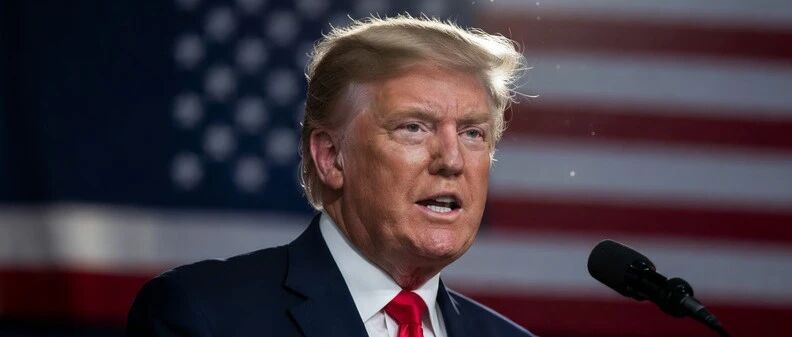
Core Viewpoint - The U.S. Department of Justice is conducting a criminal investigation into Federal Reserve Chairman Jerome Powell, focusing on the $2.5 billion renovation project of the Federal Reserve headquarters and whether Powell misled Congress regarding the project [2][3]. Group 1: Investigation Details - The investigation was initiated by the U.S. Attorney's Office for the District of Columbia and approved by Jeanine Pirro in November of the previous year, examining Powell's public statements and expenditure records [2]. - The inquiry not only targets the renovation project but also reflects the intense conflict between the White House and the Federal Reserve over interest rate policies, with Trump criticizing Powell for not significantly lowering rates [2][5]. Group 2: Powell's Response - Powell stated that the DOJ has issued a grand jury subpoena to the Federal Reserve and threatened criminal charges based on his testimony regarding the renovation project [3]. - He denied that the investigation was triggered by his testimony or the renovation project, asserting that the threats of criminal charges are merely excuses for the administration's pressure on the Fed to align with presidential preferences [3]. Group 3: Political Context - Trump's denial of any knowledge regarding the DOJ's subpoena coincides with Powell's term as Fed Chairman ending in May, with Trump indicating he has selected a successor [4][8]. - The investigation signifies a new level of administrative pressure on the central bank, as Trump has long sought to influence Powell's decisions on interest rates [5]. Group 4: Renovation Project Insights - The renovation project, which began in 2022 and is expected to be completed by 2027, involves the expansion and modernization of the Marriner S. Eccles building and another structure, with a budget overrun of approximately $700 million [6]. - The Federal Reserve attributes the cost overruns to rising material, equipment, and labor costs, as well as unforeseen issues like asbestos and soil contamination [6]. Group 5: Congressional Testimony - During a congressional hearing in June, Powell denied claims regarding luxury amenities for senior officials, emphasizing that the project has evolved and some initial features have been removed [7]. - The Federal Reserve subsequently published FAQs and a virtual tour to address criticisms and reaffirm Powell's statements [7]. Group 6: Succession Planning - As legal pressures mount, the Federal Reserve is also facing personnel changes, with Trump indicating he has chosen a successor for Powell, with Kevin A. Hassett being a leading candidate [8]. - Although Powell's chairmanship ends in May, his term as a board member will continue until January 2028, and he has not disclosed plans for his future at the Fed [9].