虎嗅APP

Search documents
中国股市慢牛,基本面逻辑是什么?
虎嗅APP· 2025-08-14 09:37
Core Viewpoint - The article discusses the recent bullish trend in the Chinese stock market, highlighting the Shanghai Composite Index reaching a four-year high of 5777.7, and contrasts this with the persistent skepticism from some analysts regarding the sustainability of this growth [5][6]. Group 1: Market Dynamics - The current stock market rally is likened to the historical context of the repeal of the Corn Laws in 1846, which allowed for rapid development of the bourgeoisie, suggesting that the current market conditions may similarly benefit from structural changes [7][28]. - The article emphasizes that the relationship between real estate and the stock market is critical, indicating that a downturn in the real estate market could lead to a rise in stock market performance, and vice versa [24][27]. Group 2: Economic Theory - The ongoing struggle between landlords and business owners is presented as a fundamental economic dynamic, where increasing rents can stifle business profitability and investment, leading to lower valuations in the stock market [10][19]. - The article argues that in a scenario where land supply is inelastic, even with high GDP growth, business profits may remain low due to rising rents, which are captured by landlords rather than business owners [16][22]. Group 3: Future Outlook - The article posits that recent policy shifts signal a transition away from a "landlord economy" towards a "shareholder economy," where profits are more likely to flow to business owners, thus potentially enhancing stock market valuations [25][27][30]. - It concludes that the historical context of economic transitions suggests that the current changes in the real estate market dynamics could lead to a more favorable environment for stock market growth, moving away from the constraints imposed by real estate [28][30].


比亚迪有一块被忽视的增长
虎嗅APP· 2025-08-14 09:37
Core Viewpoint - BYD's impressive performance in the first half of the year is largely driven by overseas sales, which have seen significant growth despite increasing domestic competition [2][4]. Group 1: Sales Performance - From January to July, BYD's passenger car sales reached 2.4543 million units, a year-on-year increase of 25.99% [2]. - Overseas sales of BYD's passenger cars and pickups reached 550,300 units, a year-on-year increase of over 130%, contributing more than 60% to the overall sales growth [2][4]. - In July alone, BYD achieved overseas sales of 80,200 units, accounting for 23.51% of its monthly performance [2]. Group 2: Market Expansion - BYD's strategy includes stable sales in existing markets and explosive growth in new markets, with Indonesia showing a staggering year-on-year increase of 1142% [4][5]. - Other countries with significant sales growth include Turkey, the UK, Spain, Germany, Italy, Norway, and Portugal, all exceeding 100% growth [5][6]. Group 3: Management Insights - BYD's overseas business is managed by three executives, focusing on different regions: Li Ke for Europe and America, Liu Xueliang for Asia-Pacific, and Huang Xuezhi for the Middle East and Africa [6]. - Liu Xueliang emphasizes the importance of building brand trust through years of operation in various countries, particularly in the electric bus sector, which has laid a solid foundation for passenger car sales [7][10]. Group 4: Strategic Goals - BYD aims for sustainable growth rather than just rapid sales increases, focusing on establishing a strong brand presence in international markets [10][12]. - The company is committed to a long-term vision, prioritizing the establishment of trust and quality service over immediate sales figures [12][24]. Group 5: Competitive Landscape - BYD faces significant competition from Japanese and Korean automakers in the Asia-Pacific region, which are well-established and have a conservative consumer base [20][26]. - The company is actively working to improve its brand image and consumer perception of Chinese brands in international markets [33][34]. Group 6: Future Outlook - BYD is expanding its production capabilities in various countries, including Cambodia and Pakistan, to enhance local manufacturing and sales [28][29]. - The company is also exploring the establishment of R&D centers in overseas markets to better tailor products to local consumer needs [30].


又乱又坑的大理研学要凉了?
虎嗅APP· 2025-08-14 09:37
Core Viewpoint - The article discusses the impact of a tragic incident involving an 8-year-old boy with autism who went missing in Dali, leading to a significant decline in the local study tour market and raising concerns about safety and transparency in the industry [4][8][24]. Group 1: Incident and Immediate Reactions - The search for the missing boy involved over 600 rescue personnel, complicated by adverse weather conditions [4]. - Local businesses and volunteers contributed supplies for the search efforts, reflecting community support [5]. - Parents who had enrolled their children in study tours expressed anxiety and reconsidered their plans, with many sharing their concerns on social media [9][10]. Group 2: Market Dynamics and Parental Concerns - The incident triggered a wave of negative feedback regarding the transparency and safety of study tours in Dali, with parents highlighting the lack of clear information about the programs [12][14]. - Parents reported that the information about study camps was often disorganized and relied heavily on social media for credibility [13]. - The fear among parents stemmed from the lack of clarity on who was supervising the children and the safety measures in place [14]. Group 3: Industry Overview and Challenges - The Dali study tour market is characterized by a mix of quality programs and poorly organized ones, leading to a perception of inconsistency [18][20]. - Many new entrants focus on profit rather than educational value, resulting in a competitive environment where marketing often overshadows quality [21][22]. - The article notes that the regulatory framework for study tours is unclear, with various agencies involved but no unified oversight [25][26]. Group 4: Future Implications and Recommendations - The article suggests that a market reshuffle is inevitable due to the incident, which may lead to a decline in poorly managed programs while allowing reputable ones to thrive [27][29]. - It emphasizes the need for standardized regulations and oversight to ensure safety and quality in study tours [28]. - The broader trend indicates that parents are now more discerning, prioritizing safety and educational value over mere experiences [30][31].

早报 | 两部门征求意见:辅助驾驶不能当自动驾驶;苹果回应马斯克垄断指控;阿里第一代程序员退隐江湖;湖北一地奖励生二三孩
虎嗅APP· 2025-08-14 00:18
Group 1 - The regulatory authorities in China are emphasizing that driver assistance systems should not be mistaken for autonomous driving, requiring clear communication to consumers [2] - The market supervision and industry departments are seeking public feedback on a draft notice regarding the recall and supervision of intelligent connected vehicles, with a deadline for feedback set for September 15, 2025 [2] - Companies must accurately report key information about their driver assistance systems and cannot conduct over-the-air (OTA) updates without prior approval [2] Group 2 - Actress Zhao Lusi is facing scrutiny over her promotion of a brand of apple juice, with allegations that the pricing is significantly higher than similar products, raising questions about the authenticity of her "support for farmers" claims [3][4] - The price of the apple juice promoted by Zhao Lusi is reported to be around 10 yuan per can, which is three times higher than the average price of similar products [4] - Zhao Lusi's team claims they purchased damaged apples from local farmers at market prices, but the pricing of the final product has led to public backlash [4] Group 3 - Nike has filed a lawsuit against actor Edison Chen for breach of contract, with the actual claim amount being approximately 126,000 USD (around 900,000 RMB) [5][6] - The lawsuit is directed at Chen personally, not at his brand CLOT or its partnership with Adidas [6] - If a settlement is not reached, the case may proceed to substantive hearings in the coming months [7] Group 4 - In Hubei, a local government is offering substantial financial incentives for families having more children, with rewards for second and third births reaching up to 287,188 yuan and 355,988 yuan respectively [8] - The policy has reportedly led to a 17% increase in birth rates in the region, marking a significant turnaround in population growth trends [8] Group 5 - Apple is reportedly developing a desktop AI virtual companion robot, which is expected to feature an advanced version of Siri and assist users in daily tasks [13][14] - The company is also working on a home security camera that supports facial recognition and automation features [14] Group 6 - OpenAI's CEO Sam Altman is planning to establish a brain-computer interface company named Merge Labs, aiming to compete with Elon Musk's Neuralink [15][16] - The new company is projected to have a target valuation of approximately 850 million USD and is in discussions to raise 250 million USD [16] Group 7 - The founder of Nippon Paint, Wu Qingliang, has passed away at the age of 98, leaving behind a significant legacy in the paint industry [18][19] - Wu was recognized as a billionaire, with a net worth of 10.4 billion USD, and was the only representative from the paint sector on the Forbes Singapore Rich List [18]

人口16连降,日本绷不住了
虎嗅APP· 2025-08-14 00:18
Core Viewpoint - Japan is experiencing a continuous population decline for 16 years, with the latest statistics showing a decrease of 908,000 people, marking the largest drop since records began. The total population is now 120.65 million [4][6]. Group 1: Population Decline - Japan's population has decreased by nearly 7 million since 2008, equivalent to the disappearance of two Osaka cities [6]. - The birth rate in Japan reached a historic low of 686,000 in 2024, while the death toll rose to nearly 1.6 million, indicating a significant demographic crisis [8][10]. - The median age in Japan is 49.4 years, with approximately 29.6% of the population aged 65 and older, highlighting the severe aging issue [12][14]. Group 2: Government Response - Japan has invested approximately 66 trillion yen (around 3.2 trillion yuan) over the past 20 years to combat the declining birth rate, but the effectiveness of these measures is questioned [6][20]. - The total fertility rate in Japan is now at 1.15, significantly below the replacement level of 2.1, although it is not the lowest in East Asia [20][22]. - The government has implemented extensive financial support for families, including a total average subsidy of 3.52 million yen (about 164,000 yuan) for children aged 0-18 [26][29]. Group 3: Comparison with Other Regions - The European Union's population reached 450.4 million in 2024, marking a continuous increase, with 19 out of 27 member states experiencing population growth [33][34]. - The EU's natural population decline is offset by immigration, with over 2.3 million net immigrants in 2024, contrasting with Japan's reluctance to accept immigrants [38][40]. - Japan's immigration policy may need to shift in response to its declining population, as the number of foreign residents has increased by 350,000 in the past year, reaching a total of 3.77 million [44][45].

背债苦命人成了银行“炸弹”
虎嗅APP· 2025-08-14 00:18
Core Viewpoint - The article reveals the alarming growth of the "debt-back" industry, highlighting the risks and consequences faced by individuals who engage in this practice, often under the guidance of intermediaries who downplay the dangers involved [4][5][14]. Group 1: Debt-Back Industry Overview - The debt-back industry is characterized by individuals taking on significant debts, often packaged as a shortcut to financial gain, leading to severe personal consequences such as social ostracism and legal repercussions [4][5][10]. - The financial black and gray market in China has seen a substantial increase, with the market size surpassing 280 billion yuan in early 2025, reflecting a 40% growth compared to 2023 [14]. - The number of individuals involved in the black and gray market is estimated to exceed 8 million in 2024, with a compound annual growth rate of 87% [14]. Group 2: Role of Intermediaries - Intermediaries play a crucial role in recruiting debt-bearers, often using deceptive practices to lure individuals into taking on debts without fully disclosing the associated risks [6][7][19]. - The classification of potential debt-bearers by intermediaries includes categories such as "clean" individuals with no credit history, "ordinary" individuals with some credit activity, and "blacklisted" individuals with poor credit records [20][22]. - Intermediaries often mislead individuals about the feasibility of taking on debt, with some even suggesting that being imprisoned for a short period could be a worthwhile trade-off for financial gain [10][11]. Group 3: Financial Institutions' Challenges - Financial institutions face significant challenges in managing risks associated with the debt-back industry, including moral hazards and difficulties in recovering loans [15][50]. - The internal culture within banks has shifted towards prioritizing growth, often at the expense of stringent risk management practices [16][48]. - The prevalence of fraudulent loan applications has led to increased scrutiny and the need for banks to enhance their risk assessment models to mitigate potential losses [46][47]. Group 4: Consequences for Debt-Bearers - Individuals who engage in debt-back schemes often find themselves unable to repay loans, leading to a status of "dishonesty" and potential legal consequences, including imprisonment [5][37]. - The financial gains for debt-bearers are typically minimal, with intermediaries and operators taking the majority of the loan amounts, leaving the debt-bearers with only a fraction of the total [36][41]. - The practice of "debt-back" is fundamentally a form of loan fraud, where intermediaries create false identities and financial documents to secure loans [41][42].

左手降价,右手「天价」:特仑苏的阳谋
虎嗅APP· 2025-08-13 13:35
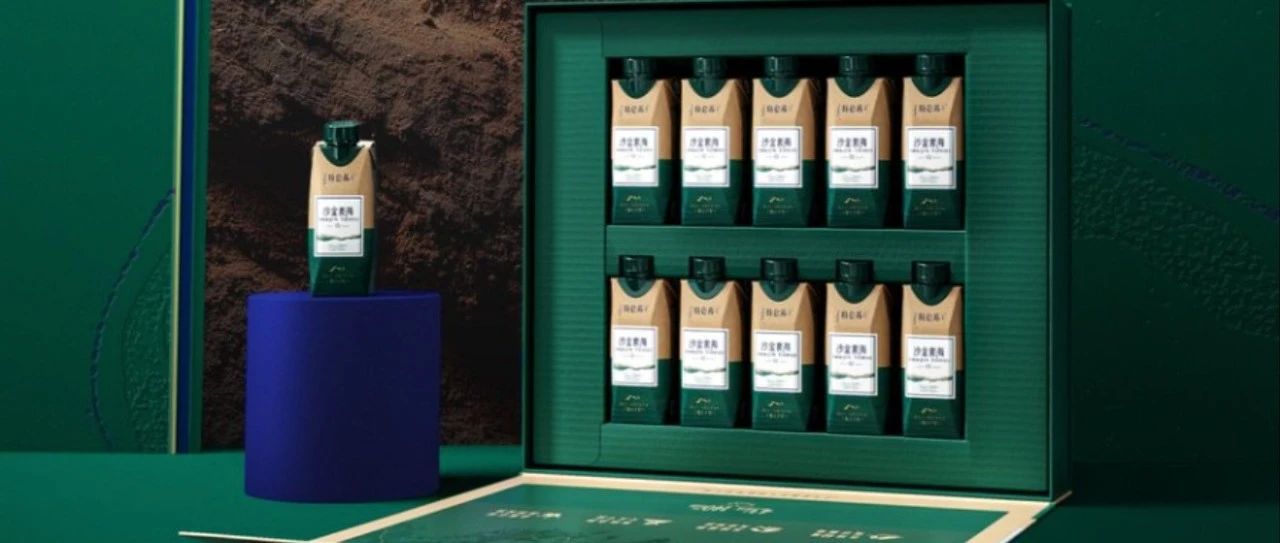
Core Viewpoint - The Chinese consumer goods industry is currently facing a "prisoner's dilemma," characterized by rational consumption, overcapacity, and a brutal price war that affects various sectors, including coffee, e-commerce, and dairy [2][3]. Group 1: Market Dynamics - The price war has created a vicious cycle where price reductions can temporarily boost sales but compress profits and damage brand value, while not lowering prices risks market elimination [3]. - In response to this environment, the brand TeLunSu has adopted a unique strategy of simultaneously lowering and raising prices, exemplified by its recent actions of reducing the price of its core high-end product "Desert Organic Milk" from 118 yuan to 99 yuan, while also launching a premium product priced at 188 yuan [3][4]. Group 2: Consumer Behavior - According to a McKinsey report, consumer behavior has not downgraded but has become more discerning, seeking a balance between "certain quality" and "reasonable price," emphasizing the importance of quality-price ratio [5]. - Data from Xiaohongshu indicates a 622% increase in searches for "organic milk," reflecting a growing willingness among consumers to pay for organic products while expecting reasonable pricing [6]. Group 3: Brand Strategy - TeLunSu's strategy of lowering the price of its flagship product is not a promotional tactic but a reflection of efficiency and scale benefits across the entire supply chain, aiming to break the perception that high quality equals high price [6]. - The introduction of the premium product "Sand Gold Set Desert Organic Pure Milk" is a significant move for TeLunSu, showcasing its resilience and commitment to high value during a period of industry adjustment [10][14]. Group 4: Industry Impact - TeLunSu's actions serve as a model for the industry, demonstrating how to escape the price war by focusing on extreme quality and brand value, thus creating a new definition of high-end products [10][18]. - The brand's commitment to long-term investment in quality and brand building, rather than short-term price competition, highlights its ability to navigate through economic cycles [14][15]. Group 5: Future Outlook - TeLunSu's new product launch is not just about self-improvement but also aims to elevate the entire industry by creating value beyond its own brand, fostering a collective resonance with consumers [18][20]. - The brand's strategic initiatives, including inviting consumers to experience its organic sourcing journey, aim to enhance consumer understanding and appreciation of its products, reinforcing its commitment to continuous improvement [20][21].
谁在商战里赢了,谁又栽了?| 虎嗅视频征集精选
虎嗅APP· 2025-08-13 13:35
Core Viewpoint - The article highlights a video collection activity themed around "business wars," showcasing unconventional storytelling approaches by creators, diverging from traditional narratives of brand and price battles [2]. Summary by Sections Featured Works - The first highlighted video, "The Behind-the-Scenes Struggle Comparable to Palace Dramas: The Inside Story of the Wahaha Inheritance Dispute," provides a detailed exploration of the controversy, engaging viewers for its thoroughness despite some disputed information [3]. - The second video, "Why Did the Dumpling King 'Yuanji Yunjiao' Fail?" addresses food safety concerns that resonate with consumers, reflecting the impact of such issues on brand reputation [4]. - The third entry, "The State Steps In to Halt the Takeout Three Kingdoms: What Will the Future of the Single Economy Look Like?" discusses the implications of regulatory actions on the evolving single economy, garnering significant viewer engagement with nearly 200,000 views and over 8,000 comments [5]. - The fourth video, "Starting from 'Nezha 2', Discussing the Power Games of Hong Kong's 'Four Big Families'," presents a conventional topic but maintains an engaging narrative style characteristic of Hong Kong cinema [6]. - The fifth piece, "A Pie from the Sky? Think Again, Starbucks Should Pay You Instead," employs humor and a logical twist to engage the audience, illustrating that business conflicts can occur in various settings beyond corporate environments [7]. About the Video Platform - The platform, Tiger Sniff Video, aims to become a brand with insights, expressiveness, and viewpoints in the fields of business, technology, and social observation, currently hosting over 500 talented video creators [6]. - Creators are encouraged to submit their works for potential features on the homepage, weekly prize opportunities, and chances for their quality content to be shared on the Tiger Sniff video account, increasing visibility [7].

爆红文旅项目,为何撑不过三年?
虎嗅APP· 2025-08-13 13:35
Core Viewpoint - The article discusses the recent failure of the large-scale performance project "Only Emei Mountain," which has accumulated losses of 600 million yuan and was officially announced to be suspended as of June 15 this year. This situation reflects a broader trend of popular cultural tourism projects facing operational challenges and declining visitor numbers [4][5][6]. Group 1: Project Failures - The "Only Emei Mountain" project has incurred significant losses, leading to its suspension after an investment of over 800 million yuan [4]. - Other cultural tourism projects, such as "Super Wenheyou" in Changsha and "Wenheyou" in Shenzhen, have also seen a decline in popularity, with many areas becoming vacant and underutilized [7][8][9]. - The "Dayong Ancient City," with a total investment of 2.5 billion yuan, has reported an average daily ticket sales of fewer than 20 people, leading to its classification as an "empty city" [11][12][13]. Group 2: Common Issues - Many popular cultural tourism projects are experiencing a decline in visitor numbers, often characterized by high initial traffic that does not translate into sustained revenue [20][21]. - The phenomenon of "photo economy" tourists, who visit primarily for social media content rather than genuine engagement, contributes to the financial struggles of these projects [22][24]. - The lack of differentiation and repetitive content across various projects leads to audience fatigue, diminishing the likelihood of repeat visits [31][32]. Group 3: Market Trends - The article highlights a shift in consumer behavior, with younger audiences preferring authentic experiences over superficial attractions, indicating a need for cultural tourism projects to adapt [46][47]. - Successful projects are those that focus on genuine content and community engagement rather than merely replicating popular trends [44][52]. - The article emphasizes the importance of operational management and continuous updates to maintain visitor interest and satisfaction [49][50]. Group 4: Recommendations for Future Projects - Cultural tourism projects should prioritize storytelling and authentic experiences to attract and retain visitors, moving away from the "one-time hit" mentality [43][46]. - Local governments and developers are encouraged to adopt a long-term perspective, focusing on sustainable operations rather than short-term gains [53][54]. - The article suggests that successful cultural tourism initiatives should involve professional management and community engagement to create a lasting impact [55].

DeepSeek母公司亿元腐败案背后
虎嗅APP· 2025-08-13 13:35
Core Viewpoint - The article discusses a corruption case involving DeepSeek's parent company, Huanfang Quantitative, highlighting the alleged misconduct of former market director Li Cheng and his connections with China Merchants Securities, which has raised concerns about the company's internal controls and its relationship with the AI subsidiary DeepSeek [4][19]. Group 1: Corruption Case Details - Li Cheng, the former market director of Huanfang Quantitative, is accused of colluding with a China Merchants Securities employee to siphon off 118 million yuan in trading commissions from 2018 to 2023 [4][7]. - The investigation revealed that Li Cheng and Meng Pengfei, a former manager at China Merchants Securities, arranged for Meng's relatives to act as "exclusive brokers" to facilitate the illicit commission extraction [7][8]. - Following the exposure of the case, several individuals involved, including Li Cheng and Meng Pengfei, have been handed over to judicial authorities for further action [8]. Group 2: Huanfang Quantitative's Background - Huanfang Quantitative was founded in 2015 by Liang Wenfeng and has since grown to manage over 60 billion yuan in assets, becoming one of China's top quantitative private equity firms [10][17]. - The firm has achieved a cumulative return of 124% from 2017 to 2022, significantly outperforming traditional investment strategies [17]. - Liang Wenfeng's vision for Huanfang was to leverage mathematics and AI for quantitative trading, marking a shift from traditional investment methods [14][15]. Group 3: Impact on DeepSeek - Despite the corruption scandal, DeepSeek, the AI subsidiary of Huanfang, appears to be insulated from the fallout due to its operational independence and focus on AI development rather than quantitative trading [19][20]. - However, DeepSeek faces challenges, including a significant drop in monthly downloads by 72.2% in Q2 2025, raising concerns about its market position and competition [21]. - The ongoing scrutiny of Huanfang's internal controls may affect investor confidence and regulatory oversight in the industry, potentially impacting DeepSeek's future operations [19].