虎嗅APP

Search documents
靠扒“脏”数据,这家公司干到估值数亿
虎嗅APP· 2026-01-17 13:44
Core Viewpoint - The article discusses how a Chinese startup, Qingdao Vector Spiral, is leveraging artificial intelligence (AI) to transform the traditional garment manufacturing industry, addressing communication issues across the entire supply chain and aiming to enhance productivity through AI integration [5][10]. Group 1: Industry Challenges and Opportunities - The garment industry is characterized by fragmentation, with many small workshops and a lack of structured data, making it difficult to implement digital transformation effectively [7][19]. - Traditional 3D technology in garment design is costly and lacks the creative and generative capabilities that AI offers, which can lead to more efficient and innovative design processes [8][20]. - The startup has developed the largest database in the garment industry and holds the only vertical model registration for the sector, indicating a significant competitive advantage [7][10]. Group 2: AI Implementation and Data Strategy - The company faced challenges in data collection due to the lack of structured data in the industry, necessitating manual data gathering and cleaning processes to create a comprehensive dataset for AI training [11][23]. - By establishing a "four-in-one" data structure that links fabric, design, production, and final product images, the company aims to overcome previous digital transformation failures [11][12]. - The total data volume has exceeded 200 million raw image data points, showcasing the scale of their data engineering efforts [24]. Group 3: Market Entry and Growth Strategy - The company initially targeted the Japanese market for its AI applications due to less competition and higher data quality, successfully acquiring hundreds of clients [30][31]. - Following success in Japan, the company is expanding into the Chinese market, focusing on production enterprises and adapting to complex local demands [32][36]. - The company has established a strong market presence, claiming to have the highest market share among large garment production groups in China [32]. Group 4: Future Developments and Business Model - The company plans to evolve its business model from SaaS to a "technology middle platform" that can standardize non-standard demands into technical components for faster delivery [38]. - Future offerings include "digital labor" that aims to replace traditional roles with AI-driven solutions, thereby optimizing labor costs in the garment industry [39][40]. - The company anticipates significant revenue growth, projecting a threefold increase annually based on enhanced technology capabilities and market expansion [43][44].

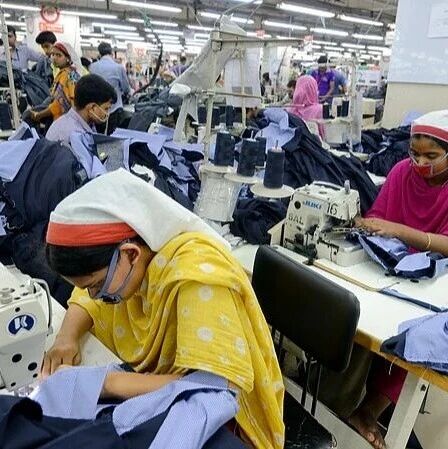
有意思周报|日本电视台在跨年夜播放《午夜凶铃2》,并请来僧侣全程念经;朝鲜正在扫荡课外补习班
虎嗅APP· 2026-01-17 12:00
Group 1 - Mattel has announced the launch of an autism-themed Barbie doll, celebrating diversity in families [29][30] - The development of the doll took 18 months in collaboration with the Autistic Self Advocacy Network, aiming to reflect the experiences of autistic individuals [30][32] - The doll features specific characteristics such as slightly crossed eyes and movable joints to represent behaviors associated with autism, along with accessories like a fidget spinner and noise-canceling headphones [33][34] Group 2 - The new Barbie doll is set to be released on Mattel's website and Target stores, with a suggested retail price of $11.87, and Walmart expected to start selling it in March [37] - This initiative is part of Mattel's ongoing commitment to reflect the world as seen by children and to expand representation within their product lines [36]

Claude Code从来就不是什么编程工具
虎嗅APP· 2026-01-17 09:01
Core Viewpoint - Anthropic's Claude Code is not merely a programming tool but a versatile AI assistant that can perform a wide range of tasks beyond coding, indicating a shift in how AI can be integrated into various workflows [6][7][12]. Group 1: Product Overview - Claude Code, initially launched as Claude CLI for internal testing, allows users to describe tasks in natural language, enabling the AI to read, write, and execute code autonomously [9]. - The product has gained significant traction, with annual revenue surpassing $1 billion and usage increasing over tenfold within three months of its release [11]. Group 2: Unique Features - Claude Code is designed as a Unix-like tool, emphasizing modularity and seamless integration into workflows, which explains its adoption by non-programmers for various tasks [13]. - The product's success stems from its minimalist design philosophy, focusing on essential functionalities without unnecessary complexity, allowing the AI to operate effectively [17]. Group 3: User Adoption and Impact - Users from diverse roles, including product managers and financial analysts, have started utilizing Claude Code for daily tasks, showcasing its broad applicability beyond traditional programming [21]. - The shift in skill requirements indicates that while coding skills may diminish, the ability to understand and evaluate AI-generated outputs becomes increasingly valuable [24]. Group 4: Strategic Intent - Anthropic's strategy involves leveraging Claude Code to refine its AI capabilities before expanding into broader applications like Claude Cowork and potentially a Claude OS, aiming to dominate the agent-based AI market [26][27].

让裤子不挑人,优衣库做对了什么?
虎嗅APP· 2026-01-17 09:01
Core Insights - The article highlights a growing discomfort among individuals regarding their clothing, particularly pants, due to lifestyle changes and the challenges of finding well-fitting options [2][3] - The demand for pants that accommodate various body types and activities has increased, leading to a shift in consumer expectations towards comfort and fit [6][8] Group 1: Consumer Trends and Challenges - The discomfort experienced by individuals has become a widespread sentiment, particularly focused on pants, which must fit well in various physical activities [3][5] - The complexity of designing pants is emphasized, as they must fit well both when stationary and during movement, making them a challenging garment to perfect [5][6] - The rise of e-commerce and social media has created a paradox where consumers face overwhelming choices yet struggle to find the right fit, leading to high return rates for pants [5][8] Group 2: Brand Response and Innovation - Uniqlo has positioned itself to address the common issues consumers face when purchasing pants, focusing on creating well-fitting options rather than chasing fleeting trends [10][25] - The success of Uniqlo's "bend pants" series illustrates the brand's commitment to understanding and solving real consumer pain points, leading to a product that appeals to a broad audience [18][19] - Uniqlo's approach involves extensive research and development, utilizing consumer feedback and data to continuously improve their pants offerings [22][24] Group 3: Product Development and Design - The article discusses Uniqlo's systematic approach to pants design, which includes a focus on fit, fabric, and finish, ensuring that their products meet diverse consumer needs [22][30] - The introduction of a full-size range allows Uniqlo to cater to a wider audience, addressing the complexities of body shapes and sizes [37][38] - Uniqlo's commitment to a "LifeWear" philosophy emphasizes a human-centered design approach, ensuring that clothing is tailored to fit the diverse lifestyles of consumers [42][43]

曾经就业率100%的王牌职业,年轻人舍不得它落寞
虎嗅APP· 2026-01-17 09:01
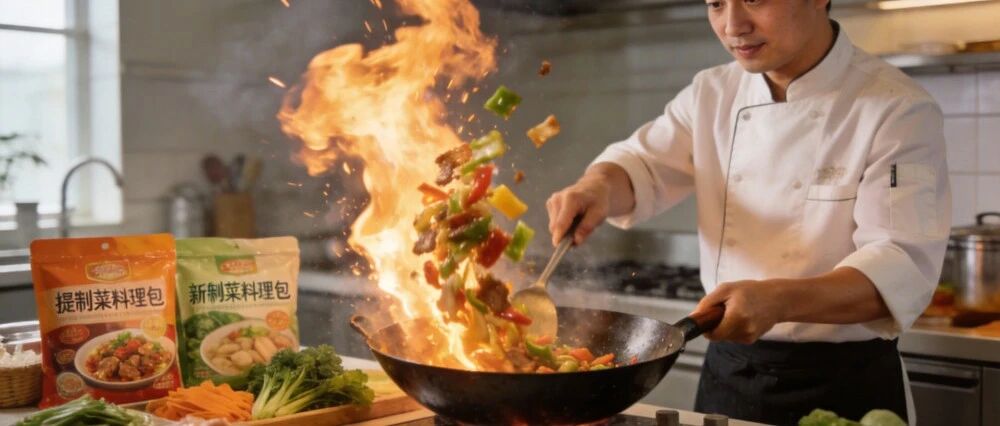
Core Viewpoint - The article discusses the evolving landscape of the culinary industry, highlighting the tension between the increasing standardization of food preparation and the enduring consumer desire for fresh, handmade dishes. It suggests that while the traditional role of chefs is changing, the essence of culinary craftsmanship remains vital and is adapting to new forms of service and presentation [4][41]. Group 1: Industry Trends - The rise of pre-prepared meals allows for easy replication and mass production, yet the unique flavors and warmth created by chefs cannot be fully replicated [4][41]. - There is a growing consumer preference for "freshly made" dishes, as seen in the popularity of restaurants that emphasize traditional cooking methods, such as Jiangxi stir-fry and local fast-food chains [5]. - Culinary shows like "Hundred Chefs Battle" and "One Meal Sealed with a God" have brought attention to the culinary arts, showcasing the stories and skills of chefs, thus revitalizing interest in the profession [5]. Group 2: Chef Experiences - The journey of chefs varies widely; for instance, Xu, who started as a kitchen apprentice, emphasizes the importance of mastering foundational skills like knife work and ingredient preparation, which are critical for kitchen efficiency and quality [7][10]. - Xu's experience reflects the traditional apprenticeship model in the culinary field, where knowledge is often passed down through mentorship and personal experience [9][12]. - The article also highlights non-traditional paths into the culinary world, such as those taken by graduates from other fields who pursue cooking out of passion, demonstrating the diverse backgrounds of modern chefs [14][19]. Group 3: Culinary Techniques and Innovations - The article notes that the culinary industry is increasingly moving towards standardization and industrialization, with companies developing composite sauces that simplify cooking processes and reduce the need for skilled labor [30][34]. - Despite the rise of pre-prepared meals, the article argues that the unique qualities of freshly cooked dishes, characterized by "wok hei," cannot be replicated by industrial methods, emphasizing the importance of chef expertise in achieving authentic flavors [37][41]. - The evolution of the culinary profession is also marked by the emergence of private chefs and home dining experiences, which allow chefs to connect more personally with consumers and showcase their skills in a more intimate setting [41][42].
我国在西藏下的一盘大棋
虎嗅APP· 2026-01-17 03:06
Economic Growth and Investment - Tibet's economic growth rate reached 7.2% year-on-year in the first half of 2025, ranking first in the country, continuing a trend since 2023 [2] - Fixed asset investment in Tibet grew by 24.8% year-on-year in the first half of 2025, 19.6% in 2024, and 35.1% in 2023, indicating strong investment-driven growth [2] Infrastructure Development - Major infrastructure projects such as the Sichuan-Tibet Railway, Yarlung Tsangpo River downstream hydropower project, and New Tibet Railway have drawn significant attention to Tibet [2] - These projects are expected to create nearly one million jobs, significantly increasing local income and stimulating various sectors [8] Economic Structure - Tibet exhibits a "non-typical dual economic structure," where traditional industries coexist with modern industries built through external aid, leading to a weak connection between agriculture and industrial development [3][4] - The industrial sector in Tibet has historically been underdeveloped, with industrial added value lower than that of the construction sector, indicating a reliance on construction for economic growth [6][7] Strategic Importance - Tibet's strategic position has gained importance as China shifts focus to developing the Chengdu-Chongqing economic circle, making Tibet a key area for national development [2][8] - The region's potential for clean energy, particularly hydropower, positions it as a crucial player in China's future energy landscape, with a significant portion of its hydropower resources yet to be developed [11][12] Future Prospects - The "East Data West Computing" strategy emphasizes the need for large-scale data centers in western regions, with Tibet being central to providing clean and stable electricity for digital economy support [12] - The development of hydropower resources in Tibet could transform it into a regional energy hub, reducing dependence on traditional energy sources and enhancing its geopolitical significance [17]

靠极致“抠门”,萨莉亚在中国“赚”了33亿
虎嗅APP· 2026-01-17 03:06
Core Viewpoint - Sallya's unique survival strategy focuses on transforming the restaurant industry into a manufacturing-like efficiency model, emphasizing cost control and operational efficiency over traditional pricing strategies [6][12][25]. Financial Performance - In 2025, Sallya's consolidated revenue reached 256.7 billion yen, a year-on-year increase of 14.3%. Operating profit was 15.4 billion yen, up 26.7%, and net profit was 11.1 billion yen, growing by 37.4%. In China, revenue was 70.96 billion yen (approximately 3.3 billion RMB), with a growth of 6.3% [5]. Operational Efficiency - Sallya operates with a minimal staff, often only 6 employees in the kitchen, achieving a labor efficiency of 580,000 RMB per person per year, which surpasses competitors like Haidilao [8][22]. - The restaurant's design allows for a compact kitchen that occupies only 30% of the total area, facilitating a high turnover rate of approximately 5.5 times per day [8][9]. - The company employs a unique assessment system for store managers that focuses on labor efficiency rather than sales figures, promoting a culture of operational efficiency [9][22]. Cost Control - Sallya maintains a low rent-to-sales ratio of 8%-10%, significantly below the industry average, and has implemented strict waste management practices to control costs [8][14]. - The company has developed a vertical integration model, controlling its supply chain from farming to food processing, which allows for better cost management and quality control [16][25]. Market Strategy - Sallya's pricing strategy is based on consumer demand rather than cost-plus pricing, with 80% of its menu items priced below 20 RMB, maintaining an average customer spend of around 45 RMB [15][19]. - The company has a long-term vision of reaching 10,000 stores globally, with plans to open 110 new stores in 2026, primarily in overseas markets [23][27]. Challenges and Adaptations - Despite facing a decline in operating profit in major cities, Sallya continues to expand, adding 82 new stores in a year, bringing the total to 497 [6][23]. - The company is adapting to market pressures by restructuring its management and implementing a regional control strategy to enhance operational efficiency [26][27].

一切要从西贝上市说起
虎嗅APP· 2026-01-17 03:06
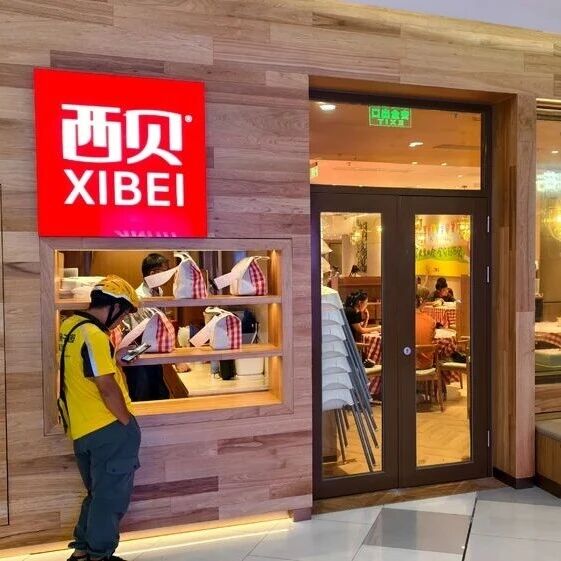
Core Viewpoint - The article discusses the challenges faced by Xibei, a Chinese restaurant chain, as it prepares for an IPO in 2026, highlighting its recent struggles, including the closure of over 100 stores and a significant financial loss attributed to both market conditions and public relations issues [5][10][32]. Group 1: Company Background and Financial Performance - Xibei, founded by Jia Guolong, has grown from a small eatery in Inner Mongolia to over 370 stores across 62 cities, achieving annual sales exceeding 60 billion yuan in 2023 with a net profit margin around 5% [10][11]. - The company has attempted multiple side ventures in the fast-food sector, all of which have failed, leading Jia to refocus on the core brand [10][11]. - In 2024, Xibei experienced a significant decline in business, prompting a reevaluation of its expansion strategy and store layout [11][12]. Group 2: Strategic Decisions and Market Position - Jia Guolong announced plans for an IPO in 2026, aiming for a market valuation exceeding 100 billion yuan, which necessitated rapid expansion and increased store numbers [11][12]. - The brand underwent a rebranding from "Xibei Youmian Village" to "Xibei" to simplify its image and improve operational efficiency [12]. - Xibei invested 3 million yuan in 2023 to upgrade its production line, resulting in improved efficiency and reduced costs [13][14]. Group 3: Challenges and Market Dynamics - The article highlights a critical misalignment in Xibei's business model, where it struggles to balance high operational costs with consumer expectations for quality and pricing [26][29]. - Xibei's pricing strategy, which positions it in the mid-range market (70-100 yuan per meal), has led to difficulties in maintaining profitability while competing with both low-cost and high-end dining options [24][25][29]. - The company faced a public relations crisis following a negative review from a prominent figure, which exacerbated existing issues related to its business model and market positioning [21][32]. Group 4: Future Outlook - The article suggests that even without the public relations incident, Xibei's challenges stem from deeper issues within its business strategy and market adaptation [23][32]. - The current market environment, characterized by oversupply and changing consumer behavior, poses significant risks for Xibei's future growth and sustainability [31][32].
普通人该不该为退休存钱?
虎嗅APP· 2026-01-16 13:34
Core Viewpoint - Elon Musk's assertion that individuals should not worry about saving for retirement is deemed misleading and dangerous by financial experts, who emphasize the importance of saving in an uncertain economic future driven by AI and technological advancements [4][6][7]. Group 1: Expert Critiques of Musk's Statements - Jeffrey Sanzanbach from Boston College describes Musk's comments as "dangerous" and "misleading," highlighting the potential reduction of social security funds and advocating for increased savings [7]. - Olivia Mitchell from Wharton acknowledges that while AI may enhance productivity, wealth distribution will likely remain uneven, necessitating personal savings [7]. - John Nosta criticizes Musk's assumptions, arguing that they rely on fragile premises regarding political will, financial systems, and social trust [8]. Group 2: Historical Context and Lessons - James Lancet from University College London points out that new technologies have historically failed to distribute benefits evenly across social classes, with no evidence suggesting AI will be an exception [11]. - Historical examples, such as employees of RAND Corporation in the 1950s who opted out of pension plans due to a belief in imminent nuclear war, illustrate the risks of neglecting savings [14][15]. - The Industrial and Internet revolutions increased productivity but also led to unprecedented wealth inequality, underscoring the need for caution in financial planning [13]. Group 3: Economic Implications of AI - The rise of AI is expected to diminish the value of human labor, making capital the primary source of power and influence [17][18]. - Money will increasingly be able to purchase outcomes in the real world, as AI can replace human labor, leading to a significant shift in economic dynamics [20][22]. - The ability to influence society will decline for those without capital, as AI may fulfill roles traditionally held by humans, reducing their economic and military value [26][27]. Group 4: Future Scenarios and Social Dynamics - The most likely future scenario involves greater inequality and a static society where those with capital maintain significant advantages [34][36]. - In a world where AI replaces human labor, the concentration of wealth and power among the capital-rich will likely increase, leading to a new form of aristocracy [39]. - Even in a materially abundant future, competition for status will persist, necessitating capital to navigate social hierarchies [32][33]. Group 5: Recommendations for Individuals - Experts unanimously recommend that individuals should save more, especially in light of potential reductions in social security [41]. - The risks associated with not saving are significantly higher than those of saving, as the future remains uncertain [42][43]. - Accumulating capital will be crucial for individuals to secure their positions in a future where AI dominates, allowing them to access the best resources and opportunities [44].

一根黄色胶带,给他拽来了16个亿
虎嗅APP· 2026-01-16 13:34
Core Viewpoint - The article discusses the unique "anti-hit product logic" of SmallRig, a Shenzhen-based company that has successfully navigated the overseas market by focusing on user co-creation, a wide range of SKUs, and high-frequency iteration rather than relying on single blockbuster products [4][8]. Group 1: Company Overview - SmallRig was founded in 2013 and specializes in photography and videography equipment, boasting over 1,000 SKUs currently available and plans to launch over 600 new products by 2025 [8][26]. - The company has achieved a GMV exceeding 1.6 billion yuan by 2025 and has consistently ranked at the top of Amazon's imaging accessories categories [8]. Group 2: User-Centric Development - SmallRig's approach involves gathering user feedback to identify pain points and develop products accordingly, rather than preemptively identifying market needs [7][14]. - The company has established a systematic method for collecting user opinions, which are categorized and prioritized for product development [17][18]. Group 3: Product Development Strategy - SmallRig's "DreamRig" project allows users to receive free samples of products, fostering a sense of community and encouraging user promotion [20][21]. - The company emphasizes modularity and standardization in its product design to manage the complexity of a large number of SKUs effectively [27][28]. Group 4: Marketing and Sales Strategy - SmallRig organizes its products around specific imaging scenarios, which enhances customer experience and increases average order value, with independent site customer spending averaging $120 compared to $50 on Amazon [30][29]. - The marketing strategy focuses on scene-based product organization, which contrasts with the single-listing competition on platforms like Amazon [30]. Group 5: Supply Chain and Information Systems - The company has developed its own supply chain and information systems to support its unique business model, which includes self-assembled production processes and custom-built ERP systems [34][35]. - SmallRig's reliance on long-term partnerships with suppliers has fostered mutual growth and innovation [34]. Group 6: Challenges and Future Outlook - Despite past growth rates of doubling revenue annually, the company now faces a more stable growth rate of 30%-40% and acknowledges the need for improved internal management structures to support this growth [52][51]. - The company recognizes that while its user-driven model may not yield the fastest growth, it provides a more sustainable path in a rapidly changing market [53].