
GWMOTOR(601633)

Search documents
元戎启行、毫末智行背后的投资人,对长城汽车爱恨两重天
Tai Mei Ti A P P· 2025-11-30 13:02
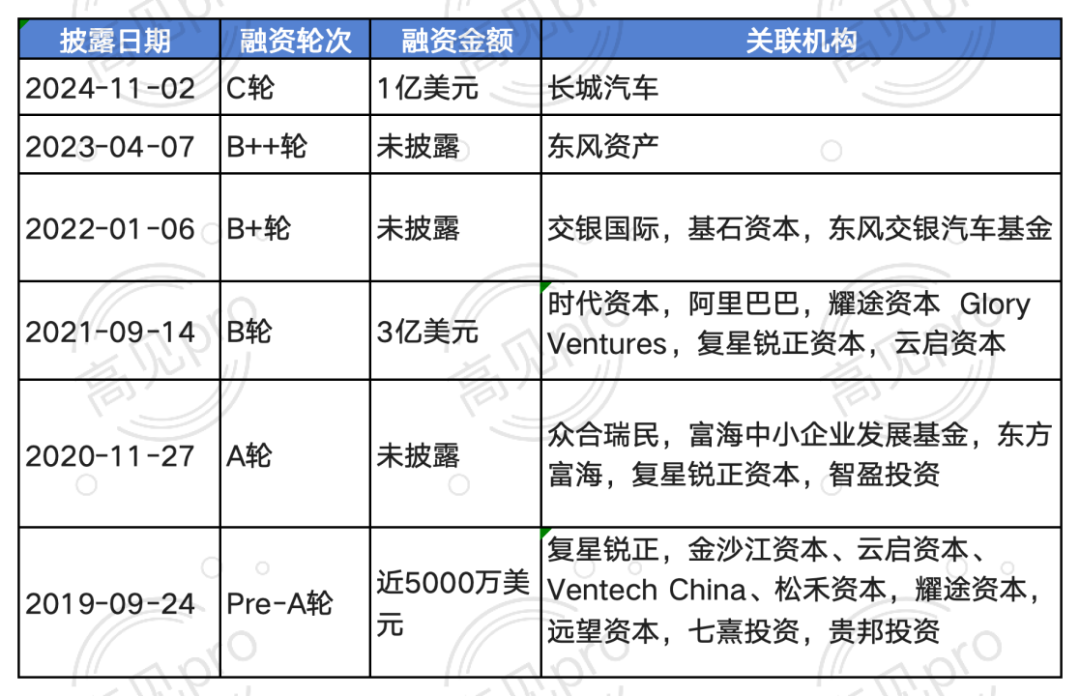
Core Insights - Yuanrong Qixing and Haomo Zhixing, both established in 2019, are experiencing vastly different trajectories as of winter 2025, with Yuanrong Qixing showing significant growth and Haomo Zhixing facing operational stagnation [1][2]. Company Performance - Yuanrong Qixing has delivered over 200,000 vehicles equipped with its urban NOA system, achieving a market share of nearly 40% among third-party suppliers in a single month [1]. - The CEO of Yuanrong Qixing, Zhou Guang, indicated plans to accelerate production and expand into Robotaxi and overseas markets [1]. - In contrast, Haomo Zhixing announced a company-wide shutdown starting November 24, 2024, with no set date for resumption, and has faced significant layoffs and executive departures since 2024 [1][2]. Investment Landscape - Yuanrong Qixing has maintained a steady financing pace, completing six rounds of funding with a total exceeding $500 million, including a recent $100 million Series C round led by Great Wall Motors [4][5]. - The investment structure of Yuanrong Qixing evolved significantly after its Series A and B rounds, with major players like Alibaba and Dongfeng Motor Group entering as strategic investors, indicating strong industry recognition of its technology [6][7]. - Haomo Zhixing has completed seven funding rounds, but its investor landscape has shifted, with a decline in participation from prominent investors like Hillhouse Capital and Meituan, signaling a loss of confidence in its growth potential [11][12][13]. Strategic Relationships - The relationship between Yuanrong Qixing and Great Wall Motors has evolved from a client-supplier dynamic to a deeper strategic partnership, enhancing both companies' operational synergies [7]. - Haomo Zhixing, originally incubated by Great Wall Motors, has struggled to establish independent market competitiveness, leading to a significant decline in investor interest [13][15]. Future Outlook - Yuanrong Qixing's increased delivery volumes in 2025 are seen as a strong foundation for potential public listing preparations, with recent investor exits interpreted as a positive signal for its market ambitions [10]. - Haomo Zhixing's future remains uncertain, with ongoing discussions about share buybacks at previous high valuations, but disagreements on pricing reflect the company's current operational challenges [15].


汽车行业周报:长安拟成立机器人子公司,零跑官宣100万台销量目标-20251130
CMS· 2025-11-30 11:05
Investment Rating - The report maintains a "Recommended" rating for the automotive industry, indicating a positive outlook for the sector [5]. Core Insights - The automotive industry experienced an overall increase of 3.3% during the week from November 24 to November 30, with significant developments including Changan's plan to establish a robotics subsidiary and Leap Motor's announcement of a sales target of 1 million units for 2026, marking it as the first new force car company in China to set such a target [1][9][28]. Market Performance - The automotive sector's performance was strong, with the Shanghai Composite Index rising by 1.4%, the Shenzhen A Index by 3.5%, and the ChiNext Index by 4.5% during the same week [2][10]. - Within the automotive industry, all secondary segments saw gains, particularly the automotive services and parts sectors, which rose by 3.9% and 3.7% respectively [13][10]. Individual Stock Performance - Notable stock performances included Tianpu Co., which surged by 35.3%, and Chaojie Co., which increased by 28.4% [3][16]. - Among covered stocks, GAC Group saw a rise of 21.7%, while Kanglongda experienced a decline of 6.0% [19][3]. Industry Developments - Changan Automobile plans to invest 225 million yuan to establish a robotics company, aiming to enhance its capabilities in intelligent automotive technology [9][25]. - Great Wall Motors is set to establish its first complete vehicle factory in Europe, targeting an annual production capacity of 300,000 units by 2029 [26]. - Avita has submitted an application for listing on the Hong Kong Stock Exchange, aiming for a second-quarter 2026 IPO [27]. Investment Recommendations - The report recommends focusing on companies with strong sales performance or potential blockbuster vehicles, such as BYD, Seres, Great Wall Motors, and Jianghuai Automobile [9]. - For commercial vehicles, it highlights Yutong Bus, China National Heavy Duty Truck Group, and Weichai Power as key investment opportunities [9].

西部研究月度金股报告系列(2025年12月):冰火转换继续,12月如何布局?-20251130
Western Securities· 2025-11-30 09:22
Group 1 - The current A-share bull market is part of a six-year global liquidity expansion driven by post-2020 monetary easing, with systemic revaluation of key assets such as gold, US tech stocks, and European/Japanese manufacturing [1][11] - The return of cross-border capital to China is expected to systematically reassess the competitive advantages of Chinese manufacturing, particularly in sectors like new energy, chemicals, and medical devices [2][12] - The A-share market is likely to experience volatility in 2026, with either a stagnation of the bull market or a "Davis Double Play" in consumer sectors, as external exports may not drive profits due to high base effects [3][13] Group 2 - The industrialization maturity phase in China has led to a bull market for core assets, driven by improved domestic consumption and the ability of manufacturing to generate national wealth through exports [4][14] - The recommendation for industry allocation focuses on a combination of "existing," "new," and "high" sectors, emphasizing non-ferrous metals, new consumption trends, and high-end manufacturing [5][14] Group 3 - The investment logic for China Hongqiao includes short-term price increases in electrolytic aluminum and long-term growth driven by integrated operations and high dividends [17][19] - For Luoyang Molybdenum, the investment rationale is based on the rising copper cycle and diversified product offerings, with a focus on sustainable growth [20][22] - Huafeng Aluminum is positioned for growth through high-end aluminum processing and international expansion, capitalizing on trends in the automotive sector [25][28] Group 4 - Nanjing Steel's strategy involves creating a fully integrated supply chain and exploring new growth points to stabilize returns on equity [29][32] - Dongfang Tower's investment logic is driven by rising prices of potassium chloride and phosphate rock, with ongoing capacity expansion [33][36] - Luxshare Precision is transitioning to an AI hardware manufacturer, benefiting from increased demand for computing power and AI models [37][40] Group 5 - Great Wall Motors is focusing on high-end SUVs and global expansion, with new model launches expected to drive sales [41][44] - Leap Motor is leveraging competitive pricing and differentiation in the domestic and overseas markets, with new models and subsidies supporting growth [45][48] - Heng Rui Pharmaceutical is advancing its clinical pipeline with over 100 innovative products, aiming for significant growth through international collaborations and new product approvals [49][51] Group 6 - Yifeng Pharmacy is expected to improve its market share through enhanced operational efficiency and strategic store adjustments [54][59] - Dongfang Electric is positioned to benefit from rising global demand for gas turbines, driven by AI-related power needs [60][63]




智驾独角兽,何以停摆?
智通财经网· 2025-11-30 09:16
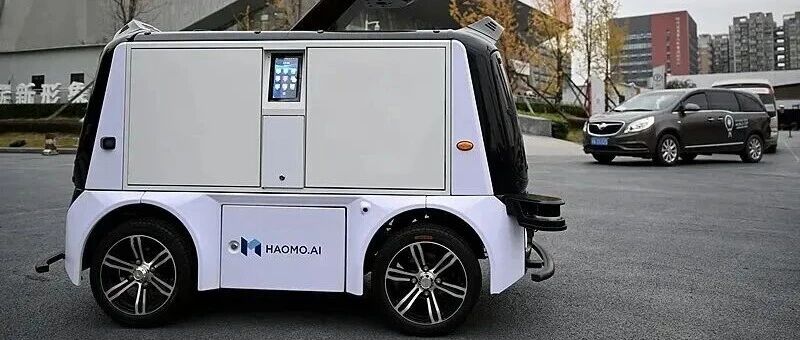
Core Viewpoint - The company, Haomo Zhixing, has faced significant operational challenges leading to a halt in its operations, primarily due to governance issues and a lack of independent decision-making, which hindered its ability to adapt to market changes [1][9]. Group 1: Company Background and Initial Success - Haomo Zhixing was once a leader in the autonomous driving sector, achieving significant milestones in its early years, including multiple product iterations and early entry into the unmanned logistics vehicle market [2]. - The company proposed innovative technical approaches, such as high-precision map elimination for urban autonomous driving, ahead of competitors like Xiaopeng Motors and Huawei [2]. Group 2: Decline in Performance - Despite initial successes, Haomo Zhixing's delivery progress has been slow, with its urban NOH coverage only reaching 8 cities by September 2024, falling short of its ambitious targets [3]. - The company has lost trust from its core customer, Great Wall Motors, as it failed to keep pace with the rapid advancements and demands of the autonomous driving industry [3][4]. Group 3: Dependency on Great Wall Motors - Haomo Zhixing's strong ties to Great Wall Motors, initially seen as an advantage, have become a liability, as the latter holds significant influence over the company's operational decisions [5][6]. - The governance structure has been criticized for lacking independence, leading to poor decision-making and ultimately contributing to the company's operational difficulties [7][9]. Group 4: Market Dynamics and Future Outlook - The autonomous driving industry is undergoing a rapid transformation, with a focus on cost reduction and accelerated production, which has intensified competition and reduced the survival space for less independent players like Haomo Zhixing [9]. - The company's attempts to diversify its customer base have not yielded significant results, as it has not successfully integrated its solutions into vehicles from manufacturers outside the Great Wall ecosystem [8][9].
智驾独角兽,何以停摆?
财联社· 2025-11-30 08:43
Core Viewpoint - The article discusses the decline of Haomo Zhixing, a once-promising autonomous driving company, highlighting its inability to adapt to market changes and the impact of its governance structure on its operational effectiveness [4][14]. Group 1: Company Development and Challenges - Haomo Zhixing was initially a leader in the autonomous driving sector, achieving significant milestones in product iterations and market entry, including early involvement in the unmanned logistics vehicle market [5][6]. - The company announced ambitious plans in August 2022 to expand its urban NOH (Navigation on Highways) coverage to 10 cities by the end of the year, but by September 2024, it had only achieved coverage in 8 cities, lagging behind competitors like Huawei and XPeng [7]. - The shift in the industry towards a "cost reduction + speed increase" cycle in 2023 exacerbated Haomo Zhixing's challenges, leading to a loss of trust from its key client, Great Wall Motors [7][8]. Group 2: Governance and Strategic Issues - Haomo Zhixing's strong ties to Great Wall Motors, which initially provided a competitive advantage, became a liability as the latter exerted significant control over the company's strategic decisions [9][10]. - The governance structure of Haomo Zhixing has been criticized for its lack of independence, with decisions being made without proper consultation with other stakeholders, leading to operational inefficiencies [11][12]. - Despite efforts to diversify its client base, including partnerships with other manufacturers, Haomo Zhixing has struggled to secure contracts outside of Great Wall Motors, indicating a failure to adapt its business model [12][13]. Group 3: Industry Context and Implications - The article suggests that Haomo Zhixing's decline reflects broader structural challenges within the autonomous driving industry, particularly as third-party solutions face increasing pressure in a rapidly consolidating supply chain [14]. - The lack of sufficient independence and resource accumulation among players like Haomo Zhixing highlights the growing difficulties faced by companies that cannot scale effectively in a competitive environment [14].
长城 Hi4 技术获奖背后,长期主义的 “技术复利”
晚点Auto· 2025-11-30 08:05
Core Viewpoint - Longhua Automotive's Hi4 technology is recognized as a significant innovation in the global off-road vehicle electrification transition, filling multiple technological gaps and representing a key case of innovation in the Chinese automotive industry [3]. Summary by Sections Hi4 Technology Overview - As of the end of 2024, a total of 410,000 vehicles equipped with the Hi4 technology have been sold since its launch [2][6]. - The Hi4 technology family includes various models tailored for different vehicle categories, such as Hi4 for family cars, Hi4 performance version for mid-to-large vehicles, Hi4-Z for general off-road vehicles, Hi4-T for strong off-road vehicles, and Hi4-G for heavy trucks [3]. Technical Innovations - The Hi4 technology employs a power distribution approach that allows for electric hybrid four-wheel drive and intelligent energy management, differing from traditional dual-motor hybrid systems [5]. - The upcoming Hi4-Z technology will introduce a three-speed power distribution system, enhancing energy allocation and efficiency [5]. Market Positioning and Strategy - Longhua Automotive has firmly stated its position against range-extended vehicles, focusing instead on its hybrid technology [6]. - The company emphasizes a platform-based approach, allowing for diverse solutions from a single architecture, which reduces R&D costs and enables quick responses to market demands [7]. Financial Performance - Longhua Automotive reported a 20.51% year-on-year revenue increase to 61.247 billion yuan in Q3, driven by the launch of several new models [9]. - The sales of the new high-end MPV model, which features advanced driving assistance and hybrid technology, have significantly contributed to the company's growth, with a 96% increase in new vehicle sales in the first three quarters [10]. Off-Road Market Dynamics - Longhua Automotive has successfully expanded its market presence in the off-road vehicle segment, with the Tank brand achieving a 42% year-on-year sales increase, totaling 231,000 units last year [11]. - The Tank 300 model has lowered the entry price for hard-core off-road vehicles, making them more accessible to a broader audience [13]. Global Expansion and Market Strategy - Longhua Automotive's overseas sales reached 454,000 units last year, marking a 44.6% increase, with strategic positioning in markets like Dubai and Australia [14]. - The company aims to achieve quality market share rather than engage in price wars, leveraging its technological advantages to establish long-term barriers against competition [14].
长城汽车回应在欧洲建厂
2 1 Shi Ji Jing Ji Bao Dao· 2025-11-30 07:57
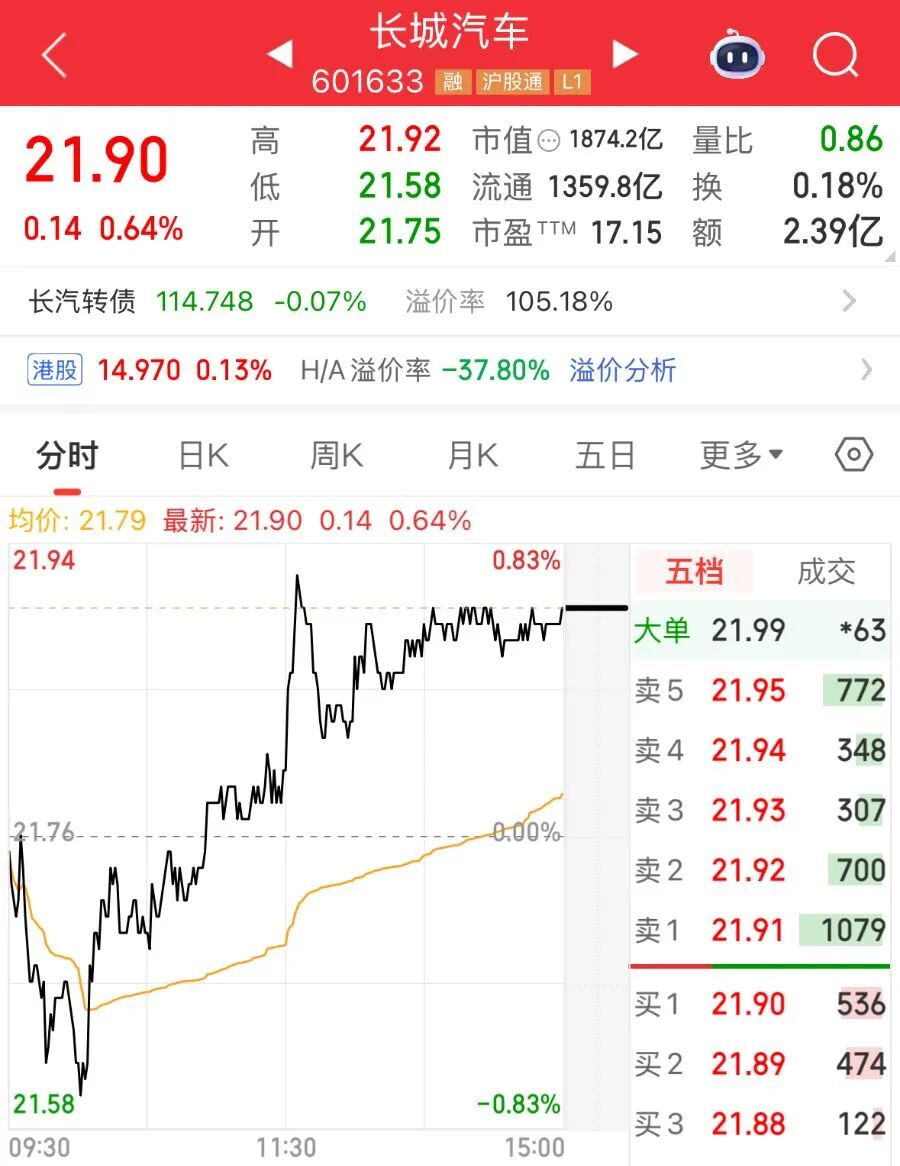
Core Viewpoint - Recent rumors about Great Wall Motors planning to establish its first automotive factory in Europe by 2029, with a target production of 300,000 vehicles annually, have been denied by the company, stating there are currently no such plans in place [1][2]. Group 1: Company Plans and Developments - Great Wall Motors is evaluating investment opportunities in Europe but has not conducted any site assessments in the region as of now [1][2]. - The company has established three full-process vehicle production bases in Thailand and Brazil, and has several KD factories in Ecuador, Malaysia, and Pakistan, but has not mentioned any operations in Europe [2]. - Great Wall Motors has set up a European Technology Center in Germany focused on research and design of vehicles and automotive parts [2]. Group 2: Financial Performance - In the first three quarters of 2025, Great Wall Motors reported revenue of 153.58 billion yuan, a year-on-year increase of 7.96%, but net profit attributable to shareholders decreased by 16.97% to 8.635 billion yuan [2]. - The third quarter of 2025 saw revenue of 61.25 billion yuan, a 20.51% increase year-on-year, while net profit dropped by 31.23% to 2.298 billion yuan [2]. - The company attributed the profit decline to increased investments in new user channels, new model launches, and brand promotion efforts [2]. Group 3: Market Performance - As of the market close on November 28, Great Wall Motors' A-shares were priced at 21.90 yuan per share, reflecting a 0.64% increase, with a total market capitalization of 187.4 billion yuan [3]. - The company's stock price has declined by over 15% year-to-date [3].
明星公司全部员工停工放假,公司剩不到300人,高管曾放话“不存在死这件事”
2 1 Shi Ji Jing Ji Bao Dao· 2025-11-29 13:47
Core Viewpoint - The recent announcement by Haomo Technology regarding a complete shutdown and holiday for all employees starting November 24, 2025, marks a significant downturn for the company, which has seen a drastic reduction in workforce and challenges in maintaining its position in the intelligent driving sector [2][3][22]. Company Overview - Haomo Technology, incubated by Great Wall Motors in 2019, was once a leading player in the intelligent driving industry, primarily supplying Great Wall's brands with its driving systems [2][3]. - The company had a peak workforce of nearly 800 employees, focusing on the development of intelligent driving technologies for passenger vehicles [2][3]. Recent Developments - In late 2023, Haomo lost a key contract with Great Wall's Weipai brand, which shifted to a competitor, Yuanrong Qixing, for its intelligent driving solutions due to delays in Haomo's product development [3][9]. - Despite retaining contracts with Great Wall for mid- and low-tier models in 2024, Haomo is not the sole supplier for other major automakers like Beijing Hyundai, Toyota, and BMW [8][9]. Strategic Challenges - Haomo's initial strategy involved a heavy investment in high-level talent and technology, but the company struggled to keep pace with competitors who adopted more advanced technological approaches [5][12]. - The company's reliance on Qualcomm chips limited its ability to compete effectively in the high-performance segment of the intelligent driving market, as its AI computing power was insufficient for urban driving applications [11][12]. Financial and Operational Issues - Haomo's financial health has deteriorated, with a significant drop in valuation from $1 billion in 2021 to approximately 900 million yuan in 2024, reflecting limited growth and investor confidence [20][22]. - The company has faced challenges in converting its technological advancements into cash flow, leading to a reliance on external financing to sustain operations [18][20]. Conclusion - The trajectory of Haomo Technology illustrates the complexities of navigating the intelligent driving landscape, where strong initial backing from Great Wall Motors ultimately constrained its ability to diversify partnerships and adapt to rapid technological changes [22][23].
明星公司全部员工停工放假,公司剩不到300人,高管曾放话“不存在死这件事”
21世纪经济报道· 2025-11-29 13:20
Core Viewpoint - The article discusses the decline of the autonomous driving supplier, Haomo Technology, highlighting its operational challenges, loss of key partnerships, and the impact of its reliance on Great Wall Motors [4][22]. Company Overview - Haomo Technology, incubated by Great Wall Motors in 2019, was once a leading player in the autonomous driving sector, primarily supplying technology for Great Wall's various vehicle brands [4][6]. - The company had a peak workforce of around 800 employees, focusing on autonomous driving technology, but has since dwindled to fewer than 300 employees [4][6]. Key Events - In 2023, Haomo faced significant setbacks, including the loss of its exclusive partnership with Great Wall Motors, which shifted to another supplier, Yuanrong Qixing, for its new models [5][10]. - Despite retaining some contracts with Great Wall for lower-tier models, Haomo's overall market position weakened as it became one of several suppliers for other major automakers like Hyundai, Toyota, and BMW [8][10]. Financial and Operational Challenges - Haomo's financial health has deteriorated, with a reported valuation of approximately 900 million yuan in 2024, showing limited growth compared to its previous valuation of 1 billion USD in 2021 [21][22]. - The company has undergone five rounds of financing, raising about 1.5 billion yuan, but has struggled to convert its technology into cash flow due to operational inefficiencies and a lack of market traction [21][22]. Technological Development - Haomo's technology strategy has been criticized for lagging behind competitors, particularly in the transition to more advanced autonomous driving systems that do not rely on high-definition maps [14][17]. - The company initially focused on a "heavy perception, light mapping" approach but failed to adapt quickly to industry shifts towards end-to-end models, which integrate perception, prediction, and planning into a single system [15][17]. Market Position and Future Outlook - The article suggests that Haomo's close ties with Great Wall Motors have limited its ability to establish deeper partnerships with other automakers, hindering its growth potential [22]. - As the industry moves towards more autonomous solutions, Haomo's inability to innovate and adapt may lead to further decline, raising questions about its long-term viability [22].

车展营销转变,中国汽车行业正告别流量狂热
Jing Ji Guan Cha Wang· 2025-11-29 11:23
Core Insights - The automotive industry in China is shifting from a focus on celebrity-driven marketing to emphasizing product value and safety, marking a significant change in marketing strategies [3][4][8] Group 1: Changes in Marketing Strategies - The trend of executives becoming social media influencers at auto shows has decreased, with companies now opting for professional athletes and entertainers to promote their brands [3][5] - At the 2025 Guangzhou Auto Show, notable figures like tennis champion Li Na and actress Guo Jingjing were used to attract attention, reflecting a shift towards more substantive promotional methods [5][6] - The previous strategy of leveraging high-profile executives for marketing is being replaced by a focus on aligning brand values with the personal images of chosen celebrities [6][7] Group 2: Emphasis on Product Value and Safety - Companies are now prioritizing the intrinsic value of their products over mere marketing gimmicks, with a focus on safety and quality as key selling points [8][9] - Recent incidents involving electric vehicles have prompted manufacturers to adopt more responsible marketing practices, including direct accountability for product safety [8][9] - The automotive industry is entering a phase of rational growth, driven by regulatory changes and a need for self-discipline among companies [9][10] Group 3: Consumer Behavior and Market Dynamics - Consumers are becoming more discerning, actively researching vehicle specifications and demanding transparency from manufacturers [10] - The industry's profit margins remain low, with a sales profit rate of 4.4% in the first ten months of 2025, indicating a need for companies to rethink their competitive strategies [9]

