BMW(BMWYY)

Search documents
齐普策明年5月卸任 米兰·内德利科维奇将上任宝马CEO
Zhong Guo Zhi Liang Xin Wen Wang· 2025-12-24 06:15
Group 1 - BMW Group announced that Milan Nedeljkovic will succeed Oliver Zipse as CEO, with Zipse stepping down on May 13, 2026, during the annual shareholders' meeting [1] - Nedeljkovic, aged 56, will assume the role the following day, with a contract lasting until 2031 [1] - The Chairman of the Supervisory Board, Nicolas Peter, praised Nedeljkovic's strategic vision, strong execution, and entrepreneurial mindset as key leadership qualities for maintaining BMW's success during the current transformation [3] Group 2 - Nedeljkovic has a background in mechanical engineering, having studied at Aachen University of Applied Sciences and the Massachusetts Institute of Technology, and holds a PhD in engineering from the Technical University of Munich [3] - He joined BMW Group as an intern in 1993 and has been a member of the management board since 2019, currently serving as the head of production [3] - Peter expressed gratitude for Zipse's contributions, highlighting his commitment to BMW's success and ability to guide the company through turbulent times [3]


宝马新掌门决战新世代
Zhong Guo Qi Che Bao Wang· 2025-12-23 10:28
Core Insights - The BMW Group's supervisory board has appointed Milan Nedeljković as the new chairman of the management board, effective May 14, 2026, marking a significant leadership transition as the current chairman, Zipse, concludes his 35-year career at BMW [2] - Nedeljković's tenure will coincide with a critical transformation period in the global automotive industry, focusing on electrification and intelligent technology, as well as the implementation of BMW's largest-ever "New Generation" strategy [2][6] - The "New Generation" strategy represents a pivotal shift for BMW, integrating core innovations in electrification and intelligent systems, which are essential for maintaining competitiveness in the evolving automotive landscape [2] Leadership Background - Milan Nedeljković has over 30 years of experience with BMW, having started as a trainee in 1993 and progressively advancing through various roles in production and quality management [3][4] - His leadership in the digital transformation of the Munich plant and subsequent roles has equipped him with a deep understanding of BMW's production systems and strategic direction [3][4] Production and Strategy - Since joining the board in 2019, Nedeljković has been instrumental in optimizing BMW's production system, leading the implementation of the iFactory flexible production system, which allows for the simultaneous production of combustion, hybrid, and electric vehicles [4] - The "New Generation" vehicle series, which includes the iX3, is set to launch in 2025, with strong pre-order demand reported across major markets [5] Market Challenges - The automotive industry is experiencing significant leadership changes, with many companies facing performance pressures during their transition to electrification, contrasting with BMW's proactive leadership transition [6] - BMW's profitability has been impacted, with a reported 6.9% decrease in net profit year-on-year for the first three quarters, attributed to ongoing investments in electrification and production upgrades [7] - The competitive landscape is shifting, with traditional luxury brands facing challenges from new entrants like Tesla and Chinese manufacturers, necessitating a strategic response from BMW [8] Regional Market Dynamics - In China, BMW faces increasing competition from local brands like BYD and Xpeng, making it crucial for Nedeljković to accelerate the development of intelligent technologies and tailor products to local consumer preferences [9] - The European market presents regulatory challenges, requiring BMW to invest in low-carbon production and sustainability initiatives, which may further strain profitability [9] - In the U.S. market, BMW must navigate supply chain complexities and tariff impacts while balancing local production and procurement strategies [10] Strategic Outlook - The "New Generation" initiative is not just a product line but a strategic declaration for BMW's next decade, with Nedeljković's leadership expected to play a critical role in the company's transformation and legacy [10]

宝马提议将所有优先股转换为普通股,拟于明年5月股东大会上提交提案。
Jin Rong Jie· 2025-12-22 07:20
Group 1 - The core proposal from BMW is to convert all preferred shares into common shares, which will be submitted for approval at the shareholders' meeting scheduled for May next year [1]
碳排放+补贴+产品三重共振,欧洲电动车开启短暂复兴还是长期繁荣?
Minmetals Securities· 2025-12-22 03:46
Investment Rating - The report rates the automotive industry as "Positive" [5] Core Insights - The development of new energy vehicles (NEVs) in Europe from 2020 to 2025 has experienced three phases: "explosion period ➡ stagnation period ➡ return to growth" [15] - The EU's carbon emission targets are driving the cyclical growth of electric vehicles (EVs) [15] - Government incentives and infrastructure development are directly related to EV penetration rates [2] - Automakers are transitioning to new electric platforms and expanding their product matrix to include entry-level models [3] - The long-term trend for European EVs suggests a potential for steady growth beyond cyclical fluctuations [4] Summary by Sections 1. EU's Top-Level Design - Carbon Emission Targets - The EU has implemented stringent carbon emission regulations, tightening targets every five years, which has led to a cyclical growth pattern in NEVs [16] - The average carbon emission target for 2025 is set at 93.6 g/km, with penalties for non-compliance [34] - The introduction of a "new energy vehicle coefficient" allows automakers to count EV sales more favorably towards their carbon targets [24][34] 2. Government Efforts - Incentives & Infrastructure - Various countries have introduced diverse and robust incentive measures, including purchase subsidies, which have significantly boosted EV sales [45] - The correlation between charging station density and EV penetration is strong, with a coefficient of approximately 0.64 [2] - By 2025, Europe will need around 7 million charging stations to meet carbon emission targets, with current numbers at approximately 1.218 million [2] 3. Automakers' Efforts - Electrification Transition - Major automakers are shifting from internal combustion engine platforms to dedicated electric platforms, enhancing product capabilities such as range and charging speed [3] - Companies like Volkswagen and Renault are focusing on reducing vehicle prices to make EVs more accessible, targeting price points around €20,000 [3] - The competitive landscape is evolving with increased offerings from Chinese automakers in the European market [3] 4. Long-Term Trends for European EVs - The average EV penetration rate in Europe needs to reach 33% from 2025 to 2027 to meet carbon emission requirements, with projected rates of 25%, 32%, and 35% for those years [4] - The long-term market outlook is positive, with expected compound annual growth rates (CAGR) of approximately 16% from 2025 to 2030 [4]

宝马高管:在中国更大规模地采购半导体,正变得具有吸引力
Guan Cha Zhe Wang· 2025-12-22 02:03
Group 1 - The core viewpoint is that BMW's new procurement director, Nicolai Martin, emphasizes the need to balance cost opportunities with geopolitical risks, particularly in the semiconductor sector [1][4] - Martin acknowledges the risks associated with reliance on Nexperia for chip supply, indicating that discussions to reduce dependency were ongoing when the situation escalated [1][2] - He highlights the attractiveness of sourcing semiconductors from China due to cost factors, noting that the Chinese semiconductor market is rapidly growing with nearly 100 production bases being established [2][4] Group 2 - Martin states that Chinese suppliers are crucial not only for semiconductors but also for other components, such as battery cells and interior/exterior parts, which are supplied globally [3][4] - He argues that closer relationships with Chinese suppliers do not equate to increased dependency risks, but rather enhance BMW's competitiveness in the global market [4][5] - The challenging situation faced by German and European suppliers, including layoffs and supply chain pressures, has prompted BMW to proactively assess the financial stability and quality of its partners [5]
欧洲产业转移
Sou Hu Cai Jing· 2025-12-21 18:19
Core Insights - European companies are increasingly investing in China, viewing it as a vital market with unique appeal, as highlighted by the statement from the general manager of Swiss company Medtronic [1] Group 1: Investment Trends - European investments in China have evolved from simple capacity layouts to deep-rooted, large-scale projects across the entire industrial chain [2] - Germany leads European investments in China, with Volkswagen investing €2.5 billion to expand its production and innovation center in Hefei, and BMW adding an additional ¥20 billion to its Shenyang base after a previous investment in a battery factory [3] - French pharmaceutical giant Sanofi has made a record investment of €1 billion to build an insulin production base in Beijing, marking a full industrial chain layout from raw materials to finished products [5] Group 2: Regional Contributions - Swiss and British companies are also actively investing in China, with Medtronic establishing its first production base in the Asia-Pacific region in Changzhou and subsequently adding €100 million to increase production capacity [7] - The number of British companies operating in China has reached 11,100, reflecting a double-digit growth in investments [7] Group 3: Competitive Advantages - The stable growth potential of the Chinese market is a key attraction, with China's GDP growth rate reaching 5% year-on-year in the first half of 2024, positioning it favorably among major economies [9] - China's complete industrial ecosystem supports multinational companies in achieving cost efficiency and effective supply chain integration [9] - Continuous improvements in the business environment in China, including the removal of foreign investment restrictions and enhanced support services, bolster investor confidence [10] Group 4: Innovation and Collaboration - China's focus on high-quality development and carbon neutrality offers new growth opportunities for European companies, with many viewing China as a critical testing ground for transitioning from traditional to new energy vehicles [10] - The collaboration between European companies and China is seen as mutually beneficial, providing advanced technology and management experience to China while allowing European firms to tap into a vibrant market [11]

欧洲人也是搞笑,禁了燃油车现在来后悔了
虎嗅APP· 2025-12-20 09:27
Core Viewpoint - The EU's recent proposal to delay the 2035 ban on the sale of all fuel vehicles, including hybrids, reflects a significant shift in its environmental policy, allowing car manufacturers to continue selling hybrid vehicles and use various methods to offset carbon emissions from hybrids [6][22]. Group 1: EU Regulations and Industry Response - In 2021, the EU announced a plan to ban fuel vehicles by 2035 as part of its environmental initiative, which initially boosted confidence among car manufacturers [6][8]. - The recent proposal allows car manufacturers to sell hybrid vehicles and introduces a carbon credit system, indicating a retreat from the original 100% emission reduction target [22][24]. - Major car manufacturers like Volkswagen and BMW expressed relief at the delay, while companies that had already transitioned to electric vehicles, such as Polestar and Volvo, criticized the decision as detrimental to climate goals and European competitiveness [7][22]. Group 2: Challenges in Electric Vehicle Transition - Despite initial enthusiasm, European car manufacturers faced challenges in the electric vehicle transition, including inadequate charging infrastructure and poor market performance [14][19]. - The bankruptcy of Northvolt, a key battery supplier, highlighted the difficulties in establishing a reliable local supply chain for electric vehicle components, with significant financial losses reported [16][17]. - The failure to develop a robust electric vehicle industry in Europe has led to increased reliance on foreign technology, particularly from China, raising concerns about competitiveness [19][27]. Group 3: Comparison with China's Electric Vehicle Industry - China has been proactive in developing its electric vehicle industry since 2009, positioning itself to compete directly with Western manufacturers [25][26]. - The contrast between Europe's struggles and China's advancements in electric vehicles suggests that European manufacturers may have underestimated the competitive landscape [27]. - The article implies that the EU's retreat from stringent regulations may be a response to the growing dominance of Chinese electric vehicles in the global market [24][30].
质疑欧盟规则,德国总理公开叫板,反对2035禁售燃油车
Sou Hu Cai Jing· 2025-12-20 05:15
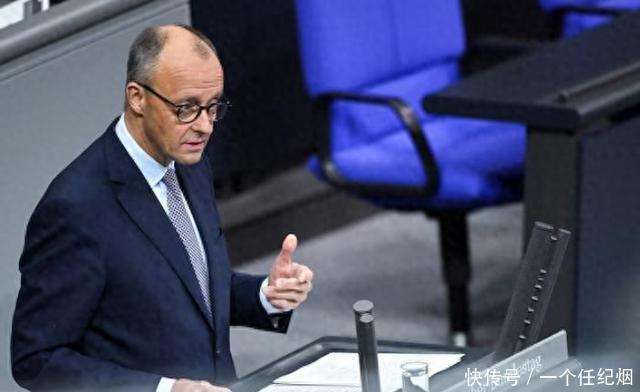
Core Argument - The article discusses the ongoing debate surrounding the EU's 2035 ban on combustion engine vehicles, highlighting German Chancellor Merz's push to reconsider the legislation due to its potential impact on millions of jobs in the German automotive industry [1][3][11]. Group 1: Legislative Context - The EU's regulation mandates a 55% reduction in new car carbon emissions by 2030, a further 50% reduction by 2034, and a complete zero-emission requirement by 2035, effectively phasing out internal combustion engine technology [3][4]. - The legislation has faced opposition from Germany, with former Chancellor Scholz expressing resistance to the ban [3][4]. Group 2: Economic Impact - The German automotive industry contributes nearly 5% to the national GDP and provides jobs for over 7 million workers, making it a critical sector for the country's economy [4][6]. - Merz's stance is supported by the German Automotive Industry Association and the Metal Industry Association, which have united to exert pressure on the EU [8][11]. Group 3: Industry Dynamics - The automotive sector in Germany is at a crossroads, facing challenges from the global expansion of Chinese electric vehicles and increasing import tariffs from the U.S. [11][19]. - The internal combustion engine is seen as a vital part of the industry, with companies like Volkswagen and BMW expressing concerns over the financial implications of a complete ban [8][17]. Group 4: Technological Considerations - The EU's legislation does allow for the registration and use of vehicles powered by synthetic fuels after 2035, which is viewed as a potential lifeline for the internal combustion engine [13][23]. - The development of solid-state batteries is anticipated to revolutionize the automotive market, with projections indicating that they will begin limited use by 2027 and achieve mass production by 2030 [23][25].
欧盟汽车“禁燃令”缘何松动
Xin Hua She· 2025-12-18 14:41
Core Viewpoint - The European Commission has proposed to relax the 2035 "ban on fuel vehicles" requirements, adjusting the new car "zero-emission" target to a "90% reduction" from 2021 levels, allowing some fuel vehicles to enter the market under specific conditions [1][2]. Group 1: Policy Changes - The European Council passed a regulation in March 2023 to ban the sale of new fuel-powered cars and small commercial vehicles starting in 2035, which was seen as a key strategy for decarbonizing the transport sector [2]. - The recent proposal allows for plug-in hybrid vehicles, range-extended vehicles, mild hybrid vehicles, and internal combustion engine vehicles to be sold after 2035, indicating a significant policy shift [2][4]. - This adjustment is viewed as the largest retreat in green policy by the EU in the past five years, aimed at providing breathing room for the electric transition in Europe [1][4]. Group 2: Industry Reactions - Major automotive manufacturers from Germany and Italy, as well as companies like Stellantis and Mercedes-Benz, have pressured the EU for this policy change, arguing that a single-path transition could undermine the resilience and survival of the European automotive industry [2][4]. - German Chancellor Merz welcomed the proposal, stating it is a pragmatic and economically reasonable approach that aligns with current market realities [2]. - BMW acknowledged the importance of recognizing the viability of internal combustion engines for the future [2]. Group 3: Concerns and Criticism - Critics, including automotive economist Ferdinand Dudenhöffer, argue that the proposal is the "worst possible solution," failing to provide a clear direction for industry transformation and potentially delaying investment and innovation [3]. - The proposal signals hesitation and compromise, which may lead to indecision in corporate strategy and wasted time in the transition process [3]. Group 4: Industry Challenges - The European automotive industry faces structural pressures, with electric vehicles accounting for only 16.4% of new car registrations from January to October this year [4]. - The transition is hindered by an immature electric vehicle market, insufficient charging infrastructure, and supply chain issues [4]. - Rising energy prices and tariffs from the U.S. have increased cost pressures, leading to profit declines among major German automakers [4]. Group 5: Diverging Positions - There are significant divisions within the EU regarding the adjustment of the fuel vehicle ban, with some member states advocating for "technological openness" to ensure investment confidence [5]. - Conversely, some European automakers and environmental organizations oppose the policy relaxation, fearing it will slow the transition and weaken Europe's long-term competitiveness in the new energy sector [5][6]. - Executives from companies like Volvo and Polestar express concerns that policy reversals undermine confidence in EU regulations and could harm climate goals [5][6].
欧盟“撤回”2035全面电动化
Bei Jing Shang Bao· 2025-12-18 14:21
Core Viewpoint - The European Commission has proposed to relax the 2035 ban on the sale of fuel vehicles, adjusting the new car "zero emissions" target to a "90% reduction" in emissions, allowing some fuel vehicles to remain in the market under specific conditions [1][3]. Policy Adjustments - The adjustment of the emission reduction policy is a significant change from the original 2021 target of a complete ban on new fuel vehicles by 2035, which aimed to force the automotive industry towards electrification [3]. - The latest proposal allows for a 90% reduction in emissions compared to 2021 baseline levels, with the remaining 10% potentially offset by using low-carbon steel, synthetic fuels, or non-food biofuels [3][4]. Industry Reactions - Major European automakers, including Volkswagen and Stellantis, have expressed concerns about weak demand for electric vehicles and have called for relaxed carbon emission targets [4]. - German automakers like BMW and Volkswagen support the proposal, viewing it as a pragmatic approach that aligns with current market realities [4]. Internal Divisions - There are significant divisions within the EU regarding the adjustment of the fuel vehicle ban, with some member states advocating for "technological openness" while others, including environmental organizations, oppose the relaxation of policies [5]. - Companies like Volvo and Polestar have voiced strong opposition to the policy shift, arguing it undermines the commitment to electrification and damages trust in EU regulations [5]. Market Dynamics - The European automotive industry is facing structural pressures, with hybrid vehicle registrations increasing while gasoline vehicle registrations have declined [7]. - The cost pressures from high energy prices and tariffs have further complicated the transition to electric vehicles, leading to profit declines among major German automakers [7][8]. Long-term Trends - Despite current challenges, the long-term trend towards electrification remains strong, with the market share of electric vehicles in the EU continuing to grow [8]. - In the first ten months of 2025, new registrations of pure electric vehicles reached approximately 1.47 million, representing a market share of 16.4%, an increase from 13.2% in the previous year [8].