
LI AUTO(LI)

Search documents
原人力资源负责人等已离职,李想首次直管人力资源
2 1 Shi Ji Jing Ji Bao Dao· 2025-11-11 13:01
Core Insights - Li Auto has announced an organizational restructuring, merging the "Organization Department" and "Human Resources" into a single "Human Resources" department, now led by Yang Haishan, who reports directly to CEO Li Xiang [2][3] Group 1: Organizational Changes - The restructuring increases the number of departments reporting directly to Li Xiang to five, including Brand, Strategy, Product, and Product Line [3] - Yang Haishan, a long-time employee, has transitioned from managing the after-sales department to leading the new Human Resources department [3][4] - The previous head of Human Resources, Yuan Chunfeng, is reportedly leaving the company, coinciding with the departure of Li Wenzhi, the former head of the CFO office [2][3] Group 2: Strategic Direction - The restructuring is part of a broader strategy to enhance organizational efficiency, moving away from processes that prioritize rhythm over efficiency, as previously adopted from Huawei's model [2][4] - Li Auto's shift towards a matrix organizational structure was initiated in late 2022, aiming to improve operational effectiveness by creating horizontal management entities [4] Group 3: Process and Efficiency - The division of responsibilities within the Human Resources department aims to reduce internal friction and streamline processes, with a focus on HR strategy and operational execution [4][5] - Employees have expressed concerns that existing processes can hinder quick decision-making and talent acquisition, indicating a need for further simplification [6] Group 4: Recent Adjustments - This restructuring marks the sixth major organizational change within Li Auto in 2023, following various adjustments in sales, research and development, and operational structures [7][8][9]


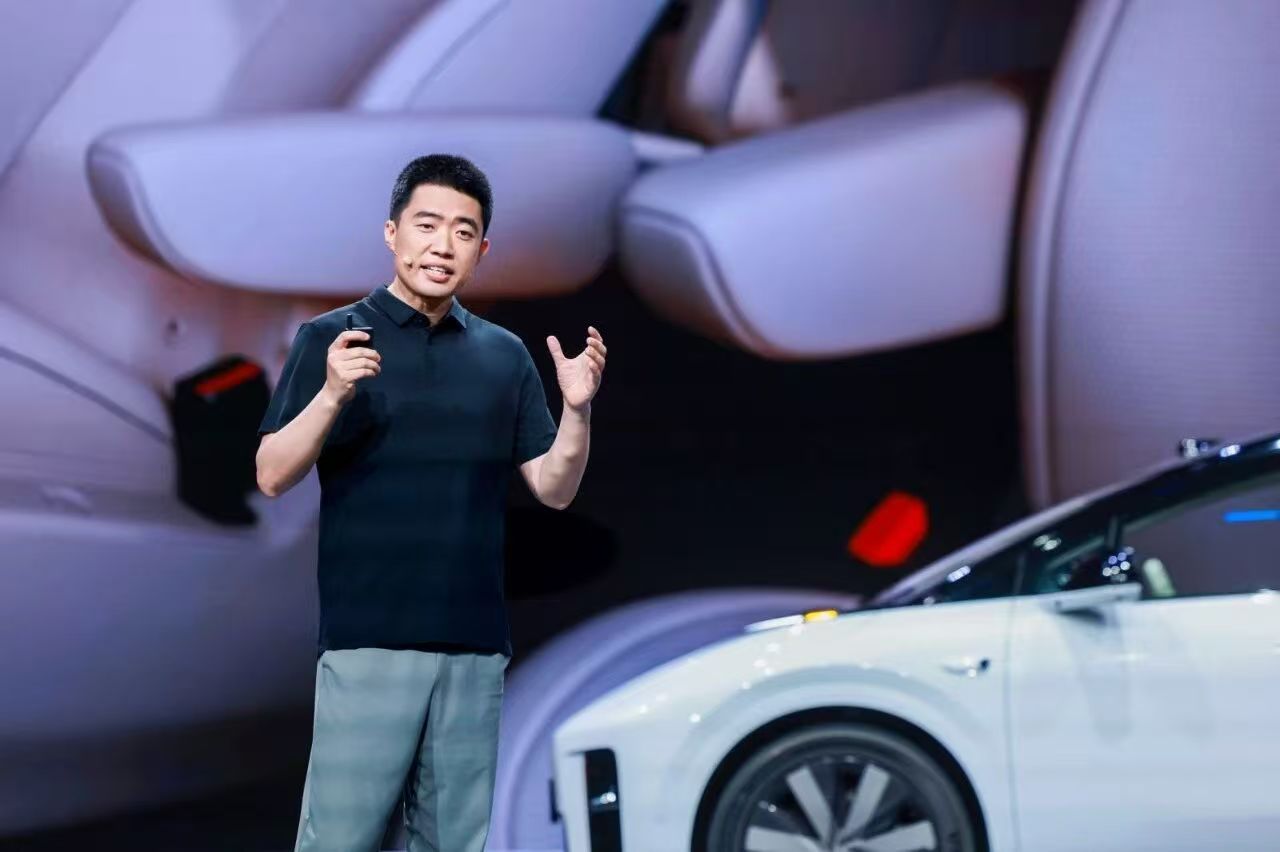
李想直管人事,华为系高管淡出理想管理层|36氪独家
3 6 Ke· 2025-11-11 12:16
Core Viewpoint - Li Auto has announced significant organizational and personnel adjustments, indicating a shift in management structure and strategy as the company faces increasing competition and operational challenges in the electric vehicle market [1][2][3]. Group 1: Organizational Changes - Yang Haishan, a veteran employee, has been appointed as the head of human resources, reporting directly to CEO Li Xiang, which centralizes management authority [1][4]. - The previous HR head, Li Wenzhi, has seen his responsibilities diminished, reflecting a broader trend of organizational restructuring within the company [1][2]. - The organizational structure has been streamlined, with the integration of the "Organization Department" and "Human Resources" into a single unit under the product and strategy group [4]. Group 2: Strategic Shifts - Li Auto has shifted away from the PBC performance model, which had led to negative internal competition, and reverted to the OKR management system [2][3]. - The company is undergoing a "de-Huawei" transformation, moving away from previous management practices influenced by Huawei, as evidenced by the departure of key personnel from Huawei [2][3]. - Li Xiang is focusing more on AI initiatives, attending multiple AI meetings weekly, although the company's AI investments are currently limited to specific areas like driver assistance [3]. Group 3: Market Position and Performance - Li Auto's delivery volumes have been surpassed by competitors NIO and Xpeng, with monthly deliveries around 30,000 compared to over 40,000 for its rivals [3]. - The company's stock has declined approximately 20% year-to-date, contrasting with NIO's 49.78% increase, indicating market concerns about Li Auto's competitive position [3]. - The company previously held a leading position in the new energy vehicle sector but has faced challenges following setbacks in its MEGA project, leading to adjustments in sales targets and workforce reductions [5].
16年,这份榜单跑出130家上市公司、188家独角兽…
创业邦· 2025-11-11 10:27
Core Viewpoint - The "China's Top 100 Future Unicorns" list aims to identify and accelerate the growth of potential unicorn companies in China over the next decade, serving as a significant indicator of innovation in the economy [3][5]. Group 1: Historical Performance - Over 16 years, the list has recognized 1,302 companies, with 130 achieving IPOs, 106 being acquired by larger firms, and 188 becoming industry-leading unicorns [4][6]. - The annual "Future Unicorn Conference" has become a key event for emerging unicorns, providing networking and investment opportunities [4]. Group 2: Notable Companies - The list includes several well-known companies that have reached significant market valuations, such as Xiaomi, Meituan, and NIO, which were among the first to be recognized [7][8]. - A selection of companies that have recently become unicorns includes New Stone Unmanned Vehicles, which raised over $600 million in its D round, and Galaxy General, which secured 1.1 billion RMB in its A+ round [10][11]. Group 3: Future Prospects - The ongoing search for high-growth companies valued between $100 million and $1 billion is emphasized, with a call for nominations for the 2025 list [13]. - The initiative aims to celebrate not just valuation but also the intrinsic value of these emerging leaders in the business landscape [13].





车企不过“双十一”?实探线下门店:热销车型直降超4万元,天天都是“购物节”
3 6 Ke· 2025-11-11 09:19
Core Insights - The automotive industry has not shown significant enthusiasm for the "Double Eleven" shopping festival, contrasting with other sectors like beauty and fashion that have seen explosive sales [1][3] - Many car manufacturers did not launch special promotions for "Double Eleven," treating it as an ordinary time rather than a major sales event [1][3] - The marketing strategies of car companies have shifted towards regular monthly or quarterly promotional offers rather than relying on specific shopping festivals [6][7] Group 1: Industry Response to "Double Eleven" - Car manufacturers, including traditional and new energy vehicle brands, have not actively promoted "Double Eleven" through special offers or marketing campaigns [3][6] - Sales personnel from various brands confirmed that there were no additional discounts or promotions specifically for "Double Eleven," with offers remaining consistent with regular monthly incentives [1][3][6] - Some brands, like Extreme Fox and Deep Blue, did announce limited-time offers, but these were often minor products or had conditions that extended beyond the festival itself [4][5] Group 2: Consumer Behavior and Market Dynamics - The long decision-making cycle for car purchases means consumers are less likely to be swayed by short-term discounts, reducing the effectiveness of promotional events like "Double Eleven" [6][7] - The competitive nature of the automotive market has led to a normalization of discounts, making consumers less responsive to special promotions during events [6][7] - Recent data indicates that the penetration rate of new energy vehicles in the market has reached 57.2%, suggesting a shift in consumer focus towards technology and product value rather than just price [11][12] Group 3: Marketing Strategies - Car companies are increasingly focusing on enhancing product value through technological advancements, such as smart driving systems and improved battery life, rather than relying solely on price reductions [11][12] - The marketing approach has evolved to include building brand identity and consumer loyalty through quality service and expanded consumer engagement [12] - Regular promotional strategies, such as monthly purchase rights and incentives, have become the norm, with companies like Xiaomi maintaining consistent offers across multiple months [7][9]

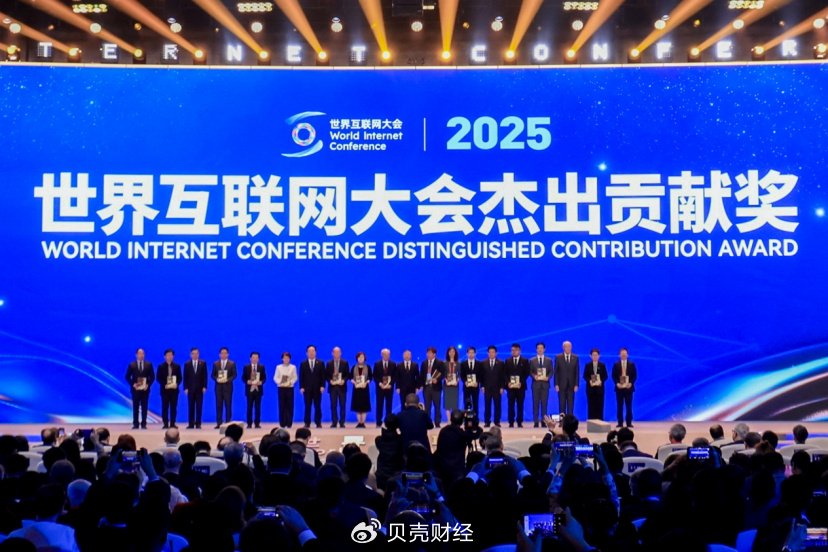
理想汽车荣获2025年世界互联网大会杰出贡献奖
Xin Jing Bao· 2025-11-11 06:55
Core Insights - Li Auto received the "Outstanding Contribution Award" at the 2025 World Internet Conference for its innovations in artificial intelligence and future mobility technologies [1][3] - The award highlights Li Auto's self-developed advanced driver assistance technology, which was selected from over 400 global technological achievements [1][3] Group 1: Award Recognition - The World Internet Conference aims to recognize individuals and companies that have made significant contributions to global internet development [3] - Li Auto was distinguished as a "Growth Potential" award recipient, standing out among nearly 200 applicants, indicating high recognition in the integration of AI technology and smart vehicles [3] Group 2: Technological Advancements - Li Auto has established a comprehensive capability from academic research to practical application, focusing on converting cutting-edge theories into user-perceptible technologies and products [4] - The company has made significant breakthroughs in AI products, particularly in advanced driver assistance and smart cockpit technologies, supported by a robust R&D system and substantial investment [4] - In 2024, Li Auto underwent two technological architecture transformations for its driver assistance system, transitioning from rule-based algorithms to an AI era centered on imitation learning and reinforcement learning [4] Group 3: AI Innovations - Li Auto launched the world's first VLA driver model in August, which possesses five core capabilities: spatial understanding, thinking, communication and memory, behavior, and iteration, providing a "personal driver" experience [4] - The MindGPT multimodal cognitive model, developed by Li Auto, is the first self-developed model by an automotive company to be registered under China's "Interim Measures for the Management of Generative Artificial Intelligence Services" [6] - The Li Auto assistant has evolved from a smart voice assistant to an intelligent agent, capable of tool usage, complex task completion, and memory understanding, enhancing user convenience [6] Group 4: Future Directions - Li Auto aims to continue its commitment to open collaboration and transform the values advocated by the World Internet Conference into practical pathways for the automotive industry, promoting high-quality industry development [6]
i6首个完整自然月交付5775|理想25年10月记录
理想TOP2· 2025-11-11 06:19
Core Insights - The article discusses the delivery performance of Li Auto in September 2025, highlighting a total delivery of 31,767 vehicles, with 18,430 being incremental and 13,427 being pure electric [1][2] - It also mentions various developments and announcements from Li Auto, including product design philosophy, autonomous driving technology, and strategic partnerships [3][4] Delivery Performance Summary - Total deliveries in September 2025 reached 31,767, a decrease from 33,951 in August 2025 [2] - Pure electric vehicle deliveries were 13,427 in September, down from 24,554 in August [2] - Breakdown of specific models for September includes L6 (9,680), L7 (4,347), L8 (2,183), L9 (2,130), i6 (5,775), i8 (5,749), and MEGA (1,903) [1][2] Recent Developments - On September 22, 2025, a user highlighted that many L6 owners seek self-expression rather than conforming to traditional family narratives [2] - Li Auto announced a successful trial of a new component aimed at enhancing vehicle safety on October 11, 2025 [4] - The company held a global partner conference on October 30, 2025, to share strategic outlooks for the next three years [3] Product and Technology Innovations - Li Auto released a new model of autonomous driving technology on September 24, 2025, aimed at improving user confidence in assisted driving [2] - The company is focusing on enhancing its operating system architecture, with a presentation on the technical advantages of its Star Ring OS on October 22, 2025 [2] Customer Feedback and Market Perception - There are reports of a certain percentage of users expressing dissatisfaction with recent delivery experiences as of October 13, 2025 [2] - Li Auto's CEO discussed the challenges of transitioning to AI and the anticipated growth in computing power needs during a video interview on October 18, 2025 [2]
长达十余年的购置税免征要退坡了,几家欢喜几家忧?
3 6 Ke· 2025-11-11 03:16
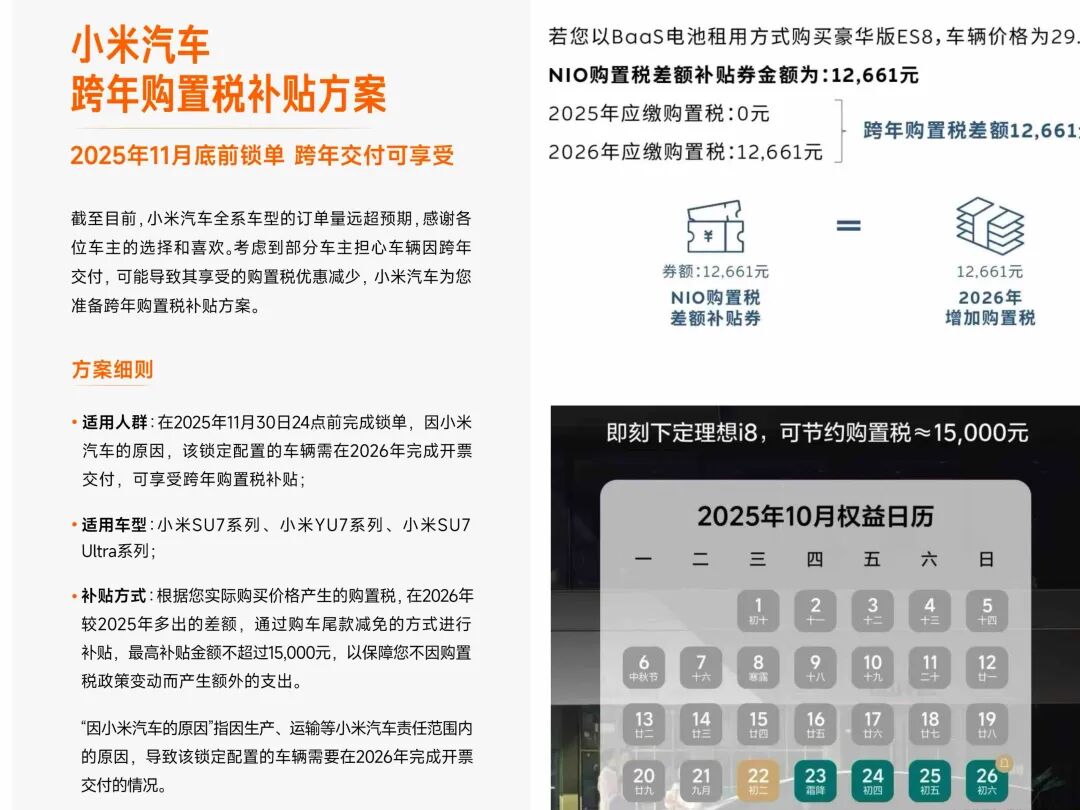
Core Insights - The article discusses the impending end of the vehicle purchase tax exemption for new energy vehicles (NEVs) in China, which has been in place for over a decade, and highlights the strategies adopted by various automakers to cope with this change [1][10][11]. Summary by Sections Purchase Tax Policy Changes - The exemption on vehicle purchase tax for NEVs will end by the end of 2025, with a new policy starting in 2026 that will halve the tax, allowing a maximum deduction of 15,000 yuan per vehicle [5][10]. - The current exemption allows for a maximum tax exemption of 30,000 yuan per vehicle, which will be reduced to 15,000 yuan starting next year [5][10]. Automaker Strategies - Automakers like Li Auto and Xiaomi are implementing sales strategies to encourage purchases before the tax exemption ends, including tax reimbursement policies for orders placed before the deadline [1][10]. - Many car manufacturers are launching new models in the second half of the year to boost sales, while some are offering subsidy guarantees for certain models to attract consumers [10][11]. Market Dynamics - The tightening of NEV incentives is leading to a shift in consumer behavior, with many potential buyers moving from a wait-and-see approach to making actual purchases [10][11]. - The overall market for NEVs has seen significant growth, with over 8.3 million applications for vehicle trade-ins this year, indicating a strong consumer interest in upgrading to new vehicles [11]. Impact of Subsidy Reductions - The reduction of subsidies and the tightening of policies are expected to impact the sales dynamics of different brands, with high-end brands like Li Auto and NIO seeing increased consumer inquiries, while mass-market brands like BYD are not experiencing the same urgency [15][16]. - The new regulations will also impose stricter requirements on the electric range of plug-in hybrid vehicles, potentially affecting around 40% of these models' eligibility for subsidies [16][17]. Industry Maturity - The article suggests that the NEV industry in China is transitioning from a policy-driven growth model to a market-driven one, emphasizing the need for automakers to focus on product quality, cost control, and market adaptability [17].

中国电动汽车周订单 - 或迎寒冬-China Autos & Shared Mobility- China EV Weekly Orders - Likely A Chilly Winter
2025-11-11 02:47
Summary of China Autos & Shared Mobility Conference Call Industry Overview - The conference call focused on the **China Autos & Shared Mobility** sector, particularly the electric vehicle (EV) market in China, highlighting weekly order trends from November 3-9, 2025 [1][5][8]. Key Company Insights - **BYD**: Weekly orders ranged from **80,000 to 80,500**, a decrease of **14% week-over-week (WoW)** and **32% month-over-month (MoM)**, attributed to ongoing inventory destocking [2][5]. - **Li Auto**: Orders were between **8,500 and 8,700**, down **14% WoW** and **59% MoM**, following a spike in late September due to the i6 launch [2][5]. - **NIO**: Reported orders of **9,000 to 9,200**, showing stability WoW but a **25% decline MoM**, influenced by the ES8 launch in late September [2][5]. - **XPeng**: Orders fell to **8,500 to 8,700**, a **6% decrease WoW** and **24% MoM** [3][5]. - **Tesla China**: Orders surged to **22,500 to 22,700**, marking a **50% increase WoW** and **32% MoM**, driven by the launch of the long-range Model Y [3][5]. - **Zeekr**: Orders plummeted to **8,800 to 9,000**, a **53% decrease WoW** and **64% MoM**, with attention on an upcoming privatization [4][5]. - **Leapmotor**: Orders increased to **12,000 to 12,200**, a **20% rise WoW** but a **29% decline MoM** [3][5]. Market Dynamics - The overall order intake for the week was slow, despite being the peak season, indicating potential challenges ahead [5][8]. - Several original equipment manufacturers (OEMs) have phased out compensatory incentives to mitigate potential purchase tax hikes expected next year [8]. - Local governments are reducing trade-in subsidies, which may further impact demand [8]. - OEMs are focusing on conserving orders in anticipation of a downturn in Q1 2026 while managing tight battery supply to ensure deliveries [8]. Additional Insights - The report indicates a cautious outlook for the industry, with demand trends suggesting a potential slowdown in the coming months [5][8]. - The data reflects a broader trend of fluctuating demand in the EV market, influenced by product launches, government policies, and market conditions [5][8]. This summary encapsulates the key points discussed during the conference call, providing insights into the current state and future outlook of the China Autos & Shared Mobility sector.


汽车早餐 | 岚图汽车第30万辆整车下线;理想汽车增程SUV累计交付量突破140万辆;中汽中心推出全球化技术验证体系
Zhong Guo Qi Che Bao Wang· 2025-11-11 01:39
Group 1: Industry Developments - The Ministry of Industry and Information Technology (MIIT) will select a batch of innovative and applicable new technologies and products to promote large-scale application in new scenarios [2] - The 23rd Guangzhou International Auto Show will take place from November 21, focusing on the transformation of the automotive industry towards electrification and intelligence [3] - Shanxi Province has implemented a public lottery system for applying for vehicle scrapping and renewal subsidies, effective from November 10 [4] Group 2: Automotive Technology and Standards - The China Automotive Technology and Research Center has launched a global technology verification system to support the rapid internationalization of China's new energy vehicles [5] - The U.S.-Thailand trade framework requires Thailand to accept U.S. manufactured vehicles that meet American standards [6] Group 3: Company News - Faraday Future announced that the first batch of complete components for the FX SuperOne will depart on November 15, with an expected arrival at the Port of Los Angeles by the end of November [7] - Subaru plans to reassess its 1.5 trillion yen (approximately $99.5 billion) electrification investment plan, aiming for annual cost savings of 200 billion yen by 2030 [8] - Lantu Motors has officially rolled out its 300,000th vehicle, marking a significant milestone for the brand [9] - Li Auto reported that its extended-range SUVs have surpassed cumulative deliveries of 1.4 million units [10] - SAIC-GM-Wuling announced that its Bingguo family has achieved cumulative sales of over 600,000 units [11] - NIO Battery Technology Company has undergone management changes, with Li Bin transitioning from chairman to director [12] - Honda China reported a 20.6% year-on-year decline in October sales, with total sales for the year-to-date reaching 527,740 units [13] - Great Wall Motors celebrated the production of its 10,000th vehicle at its KD factory in Uzbekistan, marking a significant step in its local market strategy [14]

理想增程SUV累计交付突破140万辆;长城成立智科汽车研发新公司
Mei Ri Jing Ji Xin Wen· 2025-11-10 23:08
Group 1 - The autonomous driving company WeRide has received approval from the UAE federal government to launch a fully unmanned Robotaxi commercial operation in Abu Dhabi, marking a significant milestone as the first city-level L4 autonomous driving commercial license outside the US [1] - This development signifies a breakthrough for Chinese autonomous driving technology in international markets, enhancing confidence in the smart driving sector's technological implementation capabilities [1] - The ongoing investment in cutting-edge technology by Middle Eastern capital reflects a growing global interest in the commercialization of smart mobility, potentially attracting more long-term investments in the integration of AI and transportation [1] Group 2 - Li Auto announced that its cumulative delivery of range-extended SUVs has surpassed 1.4 million units, with the Li L6 and L7 each exceeding 330,000 units, Li L8 surpassing 250,000 units, Li L9 exceeding 280,000 units, and Li ONE exceeding 200,000 units [2] - This milestone is expected to strengthen investor confidence in the competitiveness and scale effects of the company's product matrix, providing solid support for its market valuation [2] - The data also boosts the morale of the new energy vehicle sector, highlighting the penetration potential of domestic smart electric vehicles in niche markets, positively impacting upstream and downstream enterprises in the industry chain [2] Group 3 - Subaru announced a reevaluation of its planned 1.5 trillion yen investment in electrification, aiming to achieve annual cost savings of 200 billion yen by 2030 to offset the impact of US import tariffs [3] - The company plans to reallocate part of its investment from pure electric vehicles to enhance the development and production of hybrid and internal combustion engine models [3] - This strategic adjustment reflects the importance of a diversified technological approach in response to US tariff pressures, potentially prompting market reconsideration of the pure electric technology path [3] Group 4 - Great Wall Motors has established a new research and development company, Dalian Great Wall Zhike Automotive R&D Co., Ltd., focusing on new materials technology, automotive parts development, new energy vehicle sales, and more [4] - This move demonstrates the company's commitment to strengthening technological research and development and integrating its industry chain, which may bolster investor confidence in its long-term strategy [4] - In the context of the automotive industry's shift towards intelligence, this initiative could drive market interest in automakers with core self-research capabilities, as well as create demand expectations in the automotive new materials and parts sectors [4]
