
康师傅控股

Search documents
厦门已有部分企业试点实施食品数字标签
Zhong Guo Zhi Liang Xin Wen Wang· 2025-12-12 08:34
Core Viewpoint - The implementation of digital labels for pre-packaged food aims to enhance consumer access to product information, addressing issues of visibility and readability of traditional labels [1][4]. Group 1: Digital Label Implementation - The National Health Commission and the State Administration for Market Regulation have issued an announcement to promote digital labels for pre-packaged foods, building on the previously established food safety standards [1]. - Digital labels are designed to provide clearer, more accessible information, allowing consumers to easily view details such as ingredient lists and production dates through scanning [1][2]. Group 2: Current Adoption and Benefits - Several companies, including Mengniu, Master Kong, and Double Happiness, have begun using digital labels, with specific examples from Xiamen showing enhanced consumer engagement through detailed product information [2]. - The use of digital labels has significantly improved traceability, allowing companies like Yanzhiwu to provide instant access to food safety information and streamline complaint handling [3]. Group 3: Regulatory Framework and Future Directions - Digital labels must align with existing mandatory labeling requirements while allowing for more extensive information display without physical space limitations [4]. - The regulatory approach currently encourages the adoption of digital labels without making it mandatory, with plans for further training and standardization initiatives in the future [5].

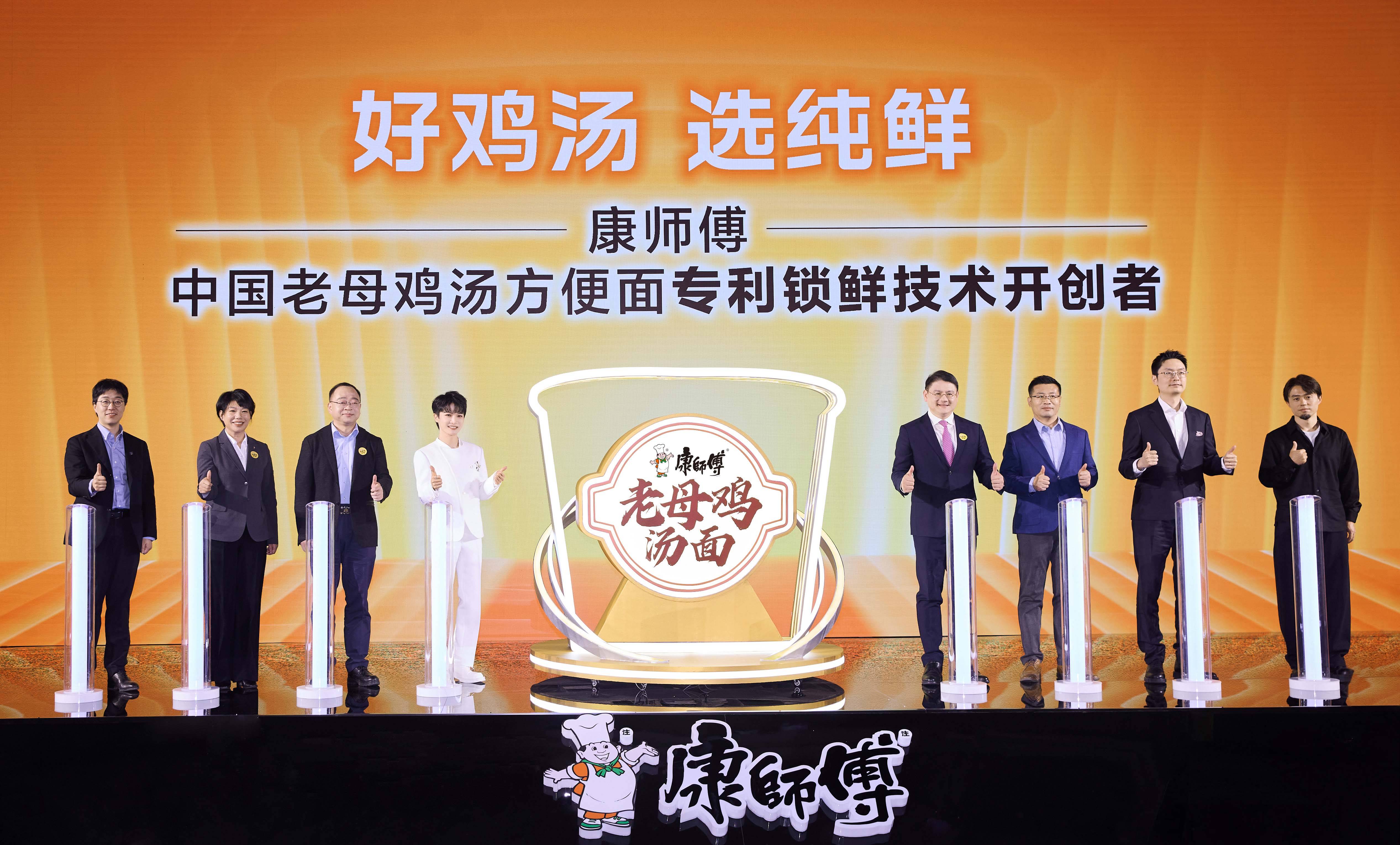
纯鲜领航,温暖相伴!康师傅“好鸡汤,选纯鲜”发布会圆满举办
Zhong Guo Shi Pin Wang· 2025-12-11 11:52
Core Viewpoint - The launch event for Master Kong's "Pure Fresh Chicken Soup" instant noodles showcased the company's innovative "patented freshness-locking" technology, setting a new benchmark in the industry for chicken soup instant noodles [1][4]. Group 1: Industry Insights - Master Kong, in collaboration with Frost & Sullivan, released a white paper titled "Current Status and Outlook of the Chinese Chicken Soup Instant Noodle Industry," which aims to inject strong momentum into industry development [4][18]. - The white paper confirms Master Kong as the "pioneer of patented freshness-locking technology" in the Chinese chicken soup instant noodle market, highlighting its role in driving industry innovation [4][18]. - The event featured discussions on the multi-dimensional value brought by Master Kong's innovative technology, including technical breakthroughs, industry leadership, cultural heritage, and emotional resonance [4][19]. Group 2: Consumer Trends - Consumer demand for instant food has evolved from basic "convenience" to higher expectations for "taste, health, and quality," making chicken soup instant noodles a significant force in industry optimization and consumption upgrade [9][20]. - Traditional chicken soup instant noodles have faced challenges such as inadequate flavor restoration and poor soup-noodle synergy, leading consumers to seek a product that offers a more authentic and nutritious experience [9][10]. Group 3: Technological Innovation - Master Kong has developed the "patented freshness-locking" technology over several years, which significantly preserves the flavor of chicken soup, providing consumers with a taste close to homemade [10][14]. - This technology represents a comprehensive upgrade from the processes of "stewing" to "fragrance" to "packaging," enhancing the overall product experience [14]. Group 4: Cultural Significance - Master Kong emphasizes the importance of preserving traditional Chinese dietary culture while innovating within the modern food industry, presenting "Pure Fresh Chicken Soup" as a solution to rejuvenate this cultural heritage [5][8]. - The brand's commitment to delivering not just a product but a sincere consumer promise reflects its dedication to maintaining the emotional connection associated with chicken soup in Chinese culture [8][21]. Group 5: Brand Engagement - The event featured brand ambassador Zhou Shen, who engaged with the audience, reinforcing the emotional connection between the brand and consumers through shared stories and experiences [21][25]. - Master Kong's initiatives, such as the "1 Square Meter Warm Noodle Shop," aim to provide warmth and comfort to urban dwellers, further solidifying the brand's presence in daily life [21][25].


国泰海通晨报-20251211
Haitong Securities· 2025-12-11 00:28
Group 1: Food and Beverage Industry - The report emphasizes prioritizing growth while focusing on undervalued traditional consumer leaders with strong long-term growth certainty, particularly in the soft drink sector, where companies like Nongfu Spring and Dongpeng Beverage show increased valuation attractiveness [1][4] - Recommendations include growth-oriented and stable targets in the liquor sector, such as Shanxi Fenjiu and Guizhou Moutai, alongside structural high-growth beverage companies like Dongpeng Beverage and Nongfu Spring [2] - The snack and food raw material sectors are highlighted for growth opportunities, with companies like Bailing Chuangyuan and Three Squirrels recommended for investment [2] Group 2: Strategy and Market Trends - The AI industry continues to show high prosperity, with demand for high-end storage devices like DRAM DDR4 increasing, driven by ongoing AI infrastructure investments [5][7] - Service consumption has seen a significant year-on-year increase, with notable improvements in tourism and entertainment sectors, indicating a shift towards light consumption types [6] - The real estate and durable goods sectors are experiencing a marginal decline in prosperity, with industrial metal prices rising significantly due to global supply dynamics [5][6] Group 3: Biopharmaceuticals - The report maintains a "Buy" rating for Kefu Medical, highlighting a strong revenue growth of 30.72% in Q3 2025, with a focus on improving operational efficiency in its hearing aid business [9][10]


以文化为媒,康师傅用“在场感”重塑快消品牌增长逻辑
新华网财经· 2025-12-10 12:10
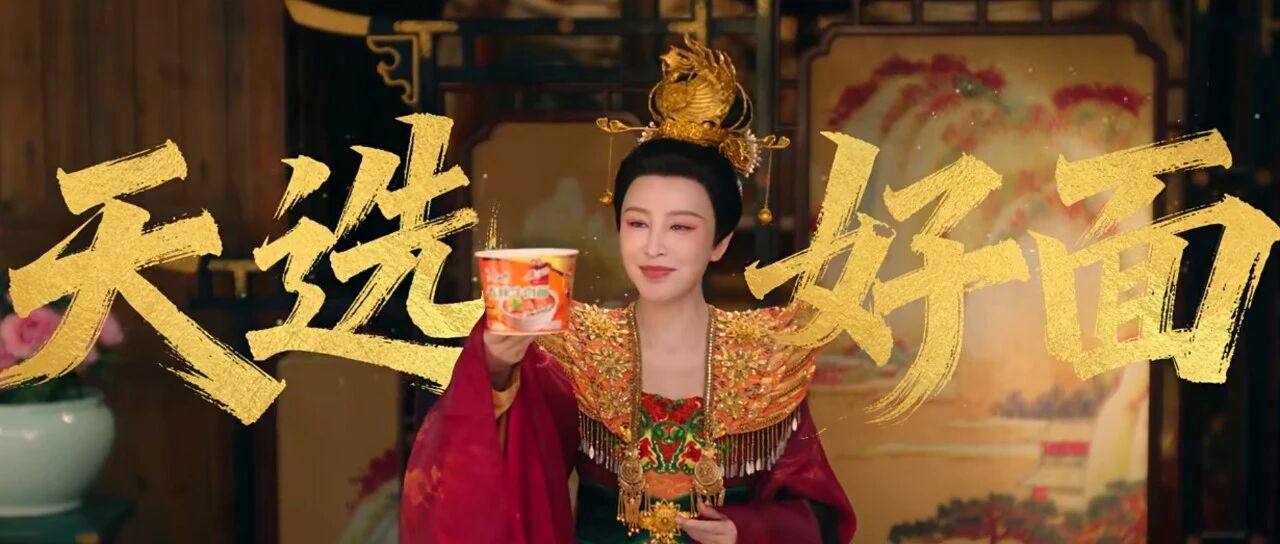
Core Insights - The fast-moving consumer goods (FMCG) industry, particularly the instant noodle segment, is at a critical transformation point, with growth entering a plateau phase and cultural consumption trends providing new momentum [2][3] - Traditional functional appeals of instant noodles are losing traction among younger consumers, while interest in traditional culture is rising, with 85.2% of consumers showing increased interest in traditional culture [2] - The integration of regional cultural elements into products, such as the surge in sales of culturally infused flavors like snail noodles, indicates a shift towards cultural resonance in consumer preferences [2] Group 1: Marketing Revolution - The ultimate battleground for marketing is in cultural recognition rather than mere product placement, necessitating a shift from one-way information dissemination to two-way co-creation of meaning [4] - Brands must transition from being "advertisers" to "content co-creators," from providing "product functionality" to delivering "cultural recognition," and from "one-time transactions" to building "emotional assets" [4][6] - The collaboration between brands and cultural narratives, such as the partnership between Kang Shifu and the popular IP "Tang Chao Gui Shi Lu," exemplifies how cultural foundations can enhance brand positioning [4][6] Group 2: Cultural Integration - Kang Shifu's collaboration with "Tang Chao Gui Shi Lu" innovatively integrates products into the narrative, making them key elements of the story rather than mere background props [7][10] - The use of AI technology to create customized content for characters enhances viewer engagement, transforming product exposure into a meaningful brand experience [10][12] - Over 60% of consumers are willing to pay a premium for products that offer cultural resonance, indicating a significant shift in consumer expectations [12][14] Group 3: Experience Creation - Kang Shifu's marketing strategy moves beyond passive demand fulfillment to actively creating new consumer experiences through cultural resonance and engagement [27][30] - The brand's initiatives, such as the "Chasing Drama Calendar" and the immersive "Kang Shifu Noodle Shop" experience, exemplify how to create a tangible connection between cultural narratives and consumer behavior [29][30] - By redefining itself as an essential component of the cultural experience, Kang Shifu establishes a competitive edge in the market [33] Group 4: Future Implications - The case of Kang Shifu and "Tang Chao Gui Shi Lu" illustrates that the most effective brand communication occurs when consumers are fully engaged in meaningful cultural experiences [35] - The integration of traditional culture into modern marketing strategies not only meets the demand for cultural recognition among younger consumers but also revitalizes traditional culinary heritage [35][36] - The future of competition will hinge on cultural interpretation, content co-creation, and the ability to define consumer experiences, marking a shift in the rules of engagement in the market [36]
知萌《2026中国消费趋势报告》发布
Zhong Guo Jing Ying Bao· 2025-12-10 12:06
Core Insights - The 2026 Consumer Trends Conference, hosted by Zhimeng Consulting, highlighted the evolution of consumer behavior in China over the past decade, emphasizing a shift from "high-speed growth" to "high-quality growth" and a deeper recognition of local culture and brands [2][3]. Group 1: Conference Overview - The conference took place on December 6-7, 2025, at the Crowne Plaza Hotel in Beijing, featuring the release of the "2026 China Consumer Trends Report" and the "Ten-Year History of Chinese Consumer Trends" [1]. - The event included 24 forward-looking speeches and 4 cross-industry roundtable discussions, covering key sectors such as food and beverage, home appliances, outdoor sports, retail, health, automotive, AI, and cultural tourism [1]. Group 2: Key Trends and Insights - The report identified ten major consumer trends for 2026: symbiosis of rationality and emotion, quality calculation, spiritual nomadism, daily highlights, shared experiences, local trends, insiderism, health tuning, brand consensus, and AI scenario power [3]. - These trends are interconnected and collectively address how brands can transition from merely providing products to delivering meaningful experiences in the "user sovereignty era" [3][4]. Group 3: Strategic Directions for Businesses - Companies are encouraged to focus on five strategic actions: reconstructing quality, reshaping scenarios for daily significance, enhancing emotional experiences, creating consensus to build brand loyalty, and seizing new opportunities in emerging markets [4]. - The ultimate goal is to help brands shift from chasing traffic to centering on user needs, thereby establishing themselves as indispensable "value anchors" in consumers' minds [4]. Group 4: Industry Insights and Discussions - Experts discussed the transformation of the Chinese consumer market and opportunities for expanding domestic demand, emphasizing the need for convenience and emotional resonance in consumer experiences [5]. - Various companies shared practical methods and case studies related to trend implementation, highlighting innovations in sectors like health beverages and AI in content marketing [6].
太古可口可乐中国区换帅
Guo Ji Jin Rong Bao· 2025-12-09 14:27
Core Viewpoint - The resignation of the president of Swire Coca-Cola China, Zhang Jian, has been approved, and he will officially leave by the end of March 2026, amid increasing competition and changing consumer preferences in the beverage industry [1][2]. Group 1: Company Overview - Swire Coca-Cola is the fifth-largest bottling group for Coca-Cola globally, holding exclusive rights in eight markets, including Greater China, the Midwest of the United States, and Southeast Asia [1]. - Zhang Jian has been with the company since 1995, rising through the ranks to lead the China operations [1][2]. Group 2: Industry Context - The beverage industry is experiencing intensified competition and a restructuring of product categories, with a notable shift towards healthier options like sugar-free tea and functional drinks, leading to a decline in the carbonated soft drink market [2][3]. - The company's revenue for the previous year was HKD 25.234 billion, reflecting a 6% year-on-year increase, primarily driven by price hikes, while both sales volume and active retail points saw a 1% decline [4]. Group 3: Leadership Transition - Hunter Jin, who will succeed Zhang Jian, has extensive experience within Swire Coca-Cola, having joined in 2004 and held various positions, including regional manager at a young age [5]. - Jin's management philosophy emphasizes a "family culture" and practical actions to enhance performance, such as energy-saving initiatives and meticulous sales practices [5]. Group 4: Market Dynamics - The beverage industry is witnessing significant personnel changes, with other companies like Wahaha and China Resources Beverage also undergoing leadership transitions, indicating a broader trend of transformation within the sector [6].
康师傅亮相2025企业家博鳌论坛
Sou Hu Cai Jing· 2025-12-09 10:20
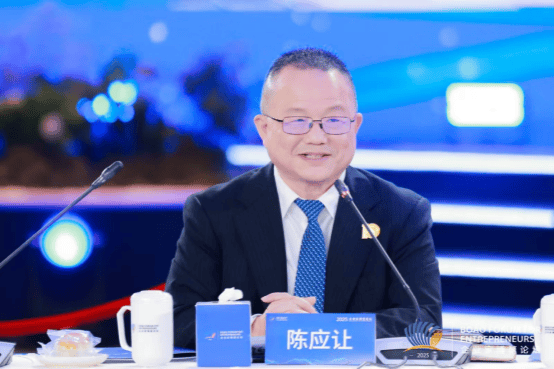
Core Viewpoint - The article highlights how Master Kong is leveraging innovation to drive high-quality development in the food and beverage industry, showcased during the 2025 Boao Forum for Entrepreneurs [1][4][15]. Group 1: Innovation and Technology - Master Kong's CEO, Chen Yingrang, emphasized that the upgrade of the food industry fundamentally relies on technological advancements, introducing patented aerospace temperature control technology in instant noodle production to enhance product stability [4]. - The company has invested billions in a food safety research management center, leading to innovations such as zero-oil frying technology and modern extraction techniques [4]. - Master Kong has accumulated over 600 patents and is enhancing its research and development system to meet the evolving consumer demands for health, culture, and diversity [6]. Group 2: Green Transformation and Supply Chain - Chen highlighted that "industrial chain innovation" and "green transformation" are key to achieving high-quality development in the food industry, with initiatives like establishing 200,000 acres of environmentally friendly vegetable bases [7]. - The company has achieved a 16.4% reduction in energy consumption and a 21.1% decrease in carbon emissions through technologies like waste heat recovery [7]. - Master Kong aims to build a sustainable supply chain and is committed to low-carbon production and circular packaging as part of its future competitiveness [7]. Group 3: Cultural and Experiential Innovation - Master Kong presented its innovations through a "dual exhibition" format at the forum, showcasing the cultural and experiential aspects of its products [8][14]. - The "Braised Beef Noodle·National Classic Time Museum" highlighted the evolution of the product since 1992, integrating technology and emotional connections with consumers [10][14]. - The "pH9.0 Alkaline Water Exhibition" focused on health drinking concepts and showcased the integration of traditional tea culture with modern extraction techniques [12][14]. Group 4: Future Opportunities and Collaboration - Chen expressed that the Boao Forum has become a vital platform for linking cutting-edge ideas and industry trends, with a focus on artificial intelligence applications in the food sector [15]. - The company plans to concentrate on three areas during the 14th Five-Year Plan: health-oriented product innovation, smart manufacturing, and advancing green low-carbon ESG practices [15]. - Master Kong aims to continue evolving as a brand that resonates with consumers while leading the future of joyful dining experiences [15].
追求“质价比”的时代,为什么这届年轻人转向康师傅?
Zhong Guo Shi Pin Wang· 2025-12-09 08:48
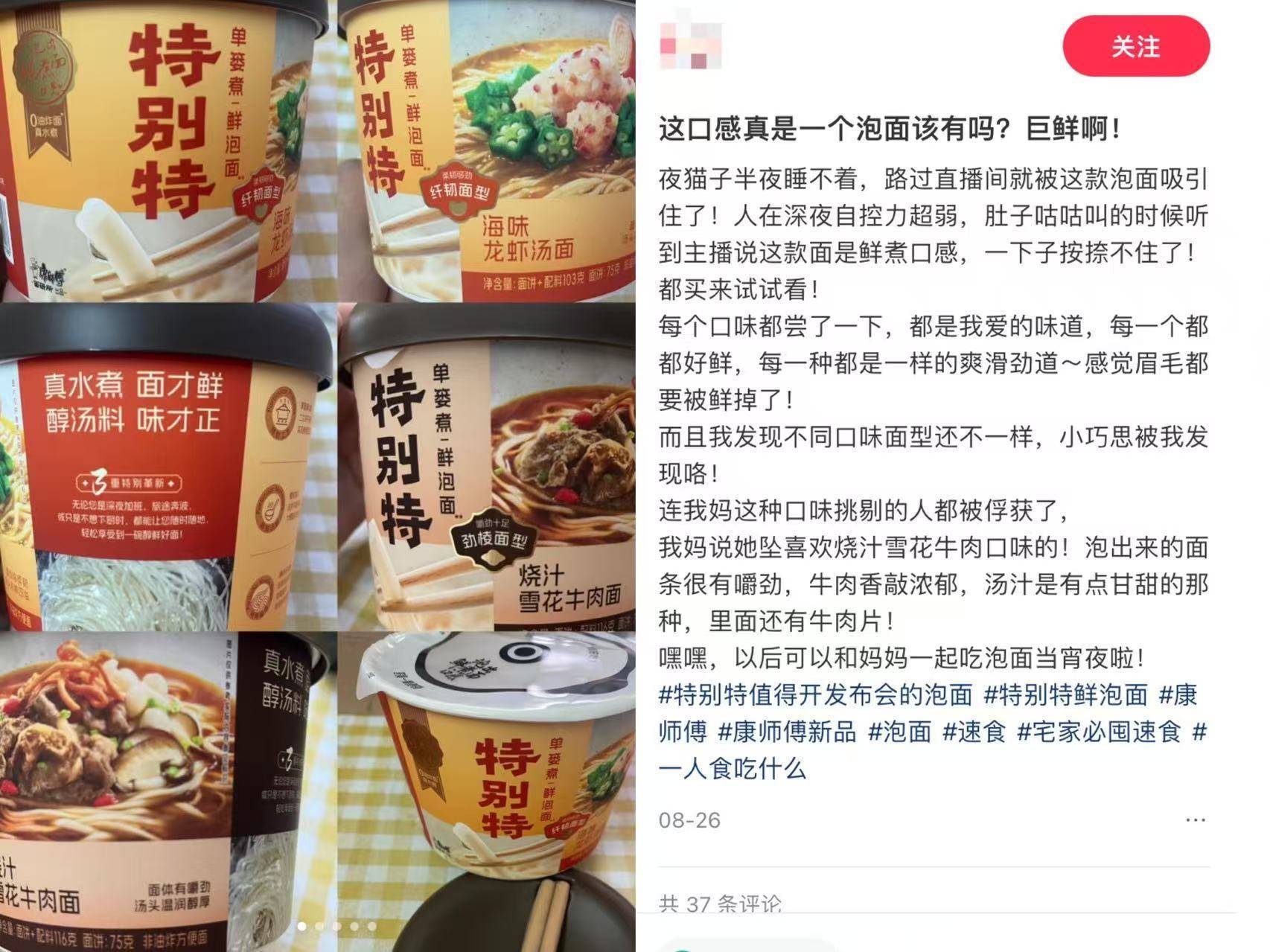
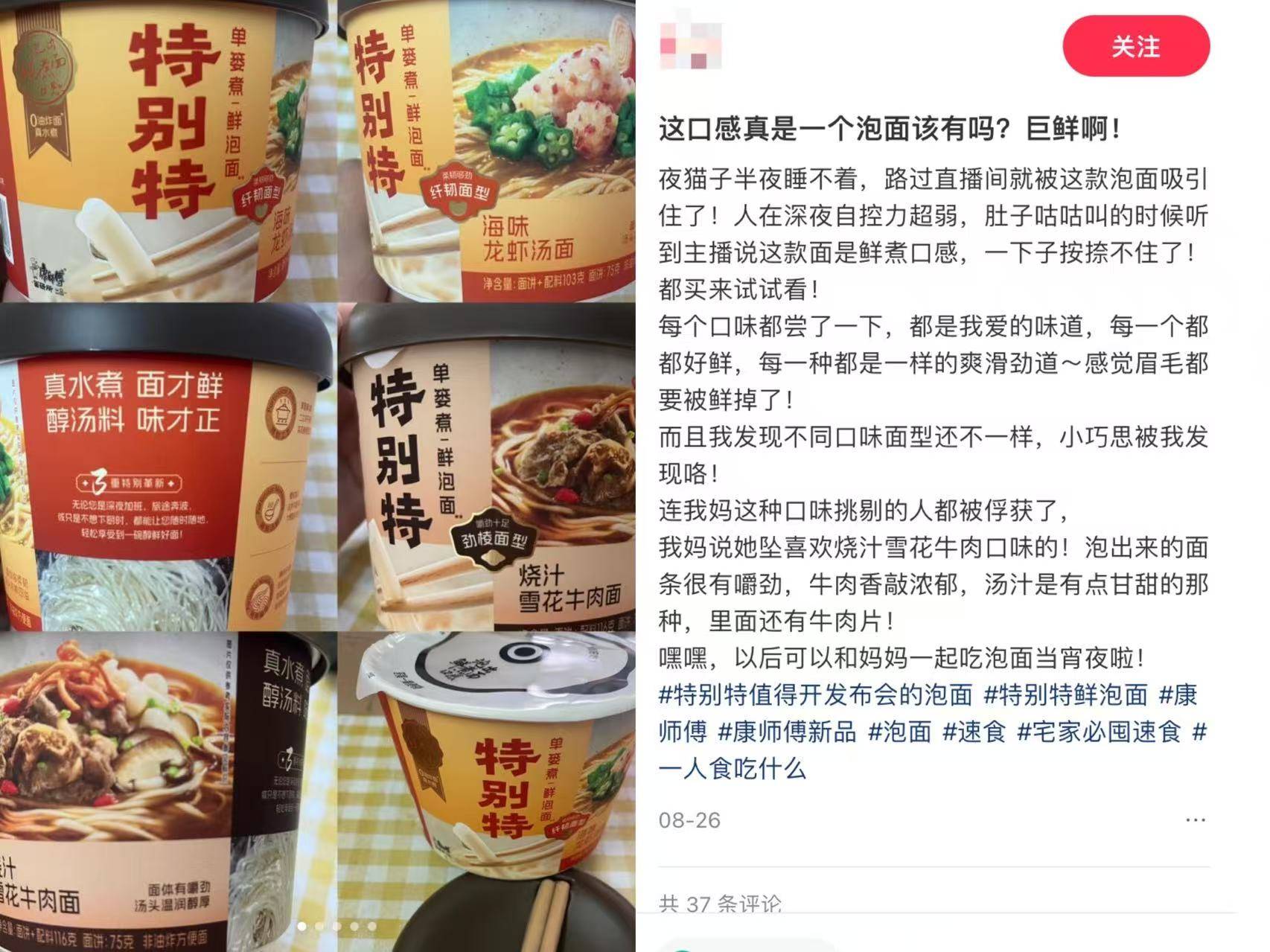
Core Insights - The article discusses the K-shaped divergence in consumer trends, highlighting simultaneous consumption upgrades and downgrades, with a focus on the food industry, particularly instant noodles [2][5]. Group 1: Consumer Behavior - There is a notable shift in consumer preferences from mere sustenance to quality, indicating a market demand gap [5]. - The popularity of instant noodles is reflected in social media engagement, with significant discussions around innovative ways to enjoy them, showcasing a desire for novelty and emotional satisfaction [4]. Group 2: Brand Innovation - Brands like Kang Shifu are responding to new consumer needs by launching innovative products that enhance value perception, with Kang Shifu's instant noodle business achieving a gross margin of 27.8% in the first half of 2025 [6][21]. - Kang Shifu has introduced products that cater to specific consumer demands, such as the "Special Fresh Noodles" that mimic the taste of freshly cooked noodles, and the "PREMIUM" cup that emphasizes convenience [11][15]. Group 3: Market Positioning - Kang Shifu's strategy involves filling market gaps rather than merely adding options to existing product lines, focusing on creating superior solutions that resonate with evolving consumer expectations [22]. - The company has successfully positioned instant noodles as a viable meal option rather than just a cheap snack, thereby redefining consumer perceptions and expanding market potential [27][29]. Group 4: Technological and Quality Innovations - Kang Shifu's product innovations are supported by significant investments in technology and quality control, with a dedicated team and numerous patents enhancing their competitive edge [34][40]. - The use of advanced cooking techniques and quality preservation methods has allowed Kang Shifu to maintain high standards in product quality, contributing to a positive brand image [36][41]. Group 5: Marketing Strategies - Kang Shifu employs innovative marketing strategies, including collaborations with popular culture to engage younger consumers and create emotional connections with the brand [44][47]. - The brand's initiatives, such as the "One Square Meter Noodle Shop," aim to create unique consumer experiences that resonate with urban lifestyles, further enhancing brand loyalty [51].
从守土到远征,康师傅重写方便面的价值坐标
Sou Hu Wang· 2025-12-09 07:50
Core Insights - The article discusses the K-shaped divergence in consumer trends, highlighting simultaneous consumption upgrades and downgrades, with a focus on the food industry, particularly instant noodles [1][2][4]. Group 1: Consumer Behavior - Consumers are shifting from mere sustenance to a focus on quality, indicating a market demand gap [4]. - The popularity of instant noodles is evident, with significant engagement on social media platforms, showcasing a desire for innovative and enjoyable consumption experiences [3][4]. Group 2: Brand Innovation - Brands like Kang Shifu are responding to new consumer needs by launching innovative products that enhance value perception, such as the "Specially Fresh Noodles" which mimic the taste of freshly cooked noodles [5][9]. - Kang Shifu's introduction of the PREMIUM selection emphasizes convenience and quality, appealing to modern consumer preferences [11][14]. Group 3: Market Positioning - Kang Shifu is strategically positioning its products to fill market gaps rather than merely competing on price, focusing on quality and unique offerings [16][22]. - The company is redefining instant noodles from a low-cost option to a viable choice for regular meals, thus expanding its market potential [19][33]. Group 4: Technological and Quality Advancements - Kang Shifu's success is attributed to its investment in technology and quality control, with a dedicated team and numerous patents enhancing product innovation [23][26]. - The company has implemented advanced cooking techniques and quality assurance measures, ensuring a superior product experience [23][26]. Group 5: Marketing Strategies - Kang Shifu employs innovative marketing strategies, including collaborations with popular culture to engage younger consumers and create emotional connections with the brand [27][31]. - The brand's initiatives aim to integrate instant noodles into everyday life, transforming consumer perceptions and usage scenarios [32][34].
2025饮料新品TOP100:元气森林、农夫山泉、康师傅、统一激战新品、乳饮退潮谁来补位?
Tai Mei Ti A P P· 2025-12-09 07:09
Core Insights - The beverage market is undergoing significant changes, with a focus on new product trends and market share dynamics as the year-end approaches [1][4] - The analysis will cover the top 100 new beverage products from December 2024 to November 2025, comparing them with the previous year's data to identify trends and shifts in consumer preferences [1][4] Market Overview - The beverage market is categorized into ten subcategories, including packaged water, functional drinks, dairy beverages, ready-to-drink tea and milk tea, ready-to-drink juice, ready-to-drink coffee, soda, rice beverages, Asian traditional drinks, and plant-based protein drinks [4][5] - The only subcategory exceeding 20% market share is dairy beverages, while ready-to-drink tea and milk tea, functional drinks, soda, and ready-to-drink juice each hold over 10% [8][10] Category Performance - Dairy beverages experienced a decline of approximately 2% in market share, with a year-on-year sales growth drop of over 13%, indicating a significant downturn [10] - Functional drinks and ready-to-drink juices saw positive growth, with sales increasing by around 4%, while ready-to-drink tea and milk tea, along with packaged water, showed slight declines in sales growth [10][11] - Plant-based protein drinks also faced a decline in market share and sales growth, attributed to a lack of new consumer interest [10] New Product Trends - The number of new products in the top 100 list has shifted, with non-refrigerated ready-to-drink juices and sugary ready-to-drink teas seeing significant increases in new product entries [17][20] - Conversely, categories like no-sugar ready-to-drink tea and sports drinks have seen a reduction in new product numbers, despite overall sales growth in the latter category [17][20] Group Distribution - Leading brands such as Yuanqi Forest and Kang Shifu each had nine products in the top 100, indicating strong market presence and product diversification [20][22] - Other notable brands include Nongfu Spring and Uni-President, each contributing several new products to the top 100 list [20][22] Pricing and Specifications - The average price per 100ml for new products varies across categories, with non-refrigerated ready-to-drink juices and sugary ready-to-drink teas generally priced higher than their no-sugar counterparts [29][31] - The trend towards larger packaging sizes is evident, with a threefold increase in the number of large-sized products (1000ml-1999ml) in the top 100, reflecting consumer preferences for value and sharing [26][29] Launch Timing - The timing of new product launches has shifted, with a noticeable increase in products launched in February and March 2025 compared to the previous year, indicating a trend towards earlier product introductions [31]

