古茗

Search documents
2026年投资策略-重视服务消费布局元年
2026-01-05 15:42
Summary of Key Points from Conference Call Records Industry Overview - The focus is on the service consumption sector, which is expected to be a key area for investment in 2026, driven by structural opportunities in the consumer market and the shift in consumer behavior from basic needs to entertainment and experience-based consumption [1][4]. Core Insights and Arguments - **Consumer Market Dynamics**: The total retail sales are projected to reach 50 trillion, primarily concentrated in goods and dining, showcasing strong resilience [1]. - **Service Consumption Potential**: There is significant potential in service consumption, supported by policies that increase holidays and enhance consumer capacity. The aging population, particularly the 60s demographic, is driving demand for healthcare and wellness services, making the silver economy a growth engine [1][5]. - **Travel Industry Opportunities**: Key areas in the travel industry include duty-free, hotels, scenic spots, and OTA (Online Travel Agency). The OTA sector has exceeded expectations due to supply chain recovery, while the duty-free sector benefits from a rebound in high-end consumption [1][6]. - **Population Dividend**: Four demographic groups (50s, 60s, 90s, and 10s) present new investment opportunities, corresponding to healthcare, silver economy, single economy, and parent-child education [1][7]. - **Technological Impact**: The application of technology is fostering a positive cycle of supply and demand for emerging products, with innovations attracting consumer interest [1][8]. Additional Important Insights - **Hainan Duty-Free Policy**: The ongoing duty-free policy in Hainan is expected to release significant consumption potential, particularly among local residents, and the introduction of domestic goods in duty-free stores is anticipated to drive growth [1][9][10]. - **Hotel Industry Outlook**: The hotel sector is expected to return to healthy growth in 2026, with leading companies likely to improve their valuations and performance due to supply-side improvements [1][11]. - **Tourism Sector Expectations**: The tourism industry is projected to thrive in 2026, supported by increased holiday days and potential service consumption subsidies, with a focus on the silver economy and pilgrimage tourism [1][12]. - **Restaurant Industry Trends**: The restaurant sector is expected to adapt well in a weak economic environment, with opportunities arising from new business lines and improved operational capabilities [1][14]. Investment Strategies - **Social Service Sector**: Investment strategies for 2026 focus on two main lines: incremental markets with marginal changes (duty-free, hotels, silver economy) and stable long-term opportunities in chain businesses and supply chains [2]. - **Education Sector**: The education sector is expected to see growth in vocational and AI education, with policies supporting resource allocation to match demographic structures [3][19]. Recommendations - **Key Companies to Watch**: - **Vocational Education**: Huatu Shanding, China Oriental Education, Action Education - **AI Education**: Duolingo, Kevin Education, TAL Education, New Oriental, Youdao, and Hong Kong-listed Fenbi [20]. This summary encapsulates the critical insights and strategic directions discussed in the conference call, highlighting the potential investment opportunities across various sectors.
2025年茶饮行业数据总结及2026年展望
2026-01-05 15:42
Summary of the Conference Call on the Tea Beverage Industry and Companies Industry Overview - The tea beverage industry is experiencing growth, with significant developments expected in 2026, particularly in Southeast Asia, South America, and Japan/Korea markets, which are identified as key growth areas due to their market potential and increasing brand presence [25][21]. Company Insights Gu Ming - **2025 Performance**: Gu Ming's GMV (Gross Merchandise Volume) grew approximately 18% year-on-year, with December's takeaway orders dropping to 37% due to subsidy reductions and seasonal factors. The actual revenue rate for takeout was around 75%, down from nearly 70% during peak subsidy periods [1][3][5]. - **2026 Projections**: Gu Ming anticipates a total revenue (GMV) of 35 billion yuan in 2026, with company revenue expected to exceed 40% of GMV. Growth will primarily come from the addition of over 3,000 new stores, with daily average revenue per store projected to remain stable at around 7,500 to 8,000 yuan [1][7]. - **Sales Strategy**: The company plans to increase coffee product sales to 25% of total sales, promote breakfast and afternoon tea offerings, and introduce new products. The expected ROI for paid advertising is projected to be between 1:4 and 1:5 [1][9][10]. - **Store Performance**: In December, Gu Ming's average daily revenue per store was 209,000 yuan, with a stable average transaction value of 25.7 yuan [2]. Mi Xue Bing Cheng - **2025 Performance**: Mi Xue Bing Cheng reported a same-store sales growth of 3-4% in December, with a slight increase in actual revenue of about 1%. Online sales accounted for 36% of total sales, showing a year-on-year increase but a decline compared to the previous month [16][22]. - **2026 Expansion Plans**: The company plans to add 5,000 new stores in 2026, focusing on tourist attractions and transportation hubs, with a total of 8,000 new stores expected. The company aims to maintain its pricing strategy without increasing prices to achieve a 5% same-store growth [18][22]. - **Sales Strategy**: Mi Xue Bing Cheng is also looking to enhance its product offerings and has plans to open flagship stores to strengthen its brand presence in key locations [34]. Lucky Coffee - **2025 Performance**: Lucky Coffee's daily average sales reached approximately 3,300 yuan, with a significant increase in store numbers from 4,500 to 11,000 by the end of 2025. The company has focused on coffee products, which now account for 80% of its offerings, with 90% of sales coming from coffee-related products [26][27]. - **Future Growth**: The company expects a 10% growth in single-store performance for 2026, driven by increased foot traffic and optimized marketing strategies [28]. Key Challenges and Considerations - **Subsidy Reductions**: The reduction in takeout subsidies has led to a decline in revenue rates, which could impact overall sales performance across the industry [3][5]. - **Market Competition**: The potential for price wars due to reduced subsidies may affect consumer behavior and sales dynamics, particularly in the mid-tier beverage market [22]. - **Investment Models**: Different investment models among companies, such as Gu Ming's higher investment costs compared to Lucky Coffee's lower model, may influence their expansion strategies and franchisee recruitment [32]. Conclusion The tea beverage industry is poised for growth, with companies like Gu Ming, Mi Xue Bing Cheng, and Lucky Coffee implementing strategic plans to enhance their market presence and sales performance. However, challenges such as subsidy reductions and competitive pressures will require careful navigation to sustain growth trajectories in the coming years.
年度投资策略报告:底部向阳,寻找结构性亮点-20260105
Tai Ping Yang Zheng Quan· 2026-01-05 14:15
Overall Industry Review - The food and beverage sector significantly underperformed the market, with a year-to-date decline of -0.62%, lagging behind the Shanghai Composite Index by 15.0 percentage points [7][11] - The snack sector showed strong performance with a year-to-date increase of 28.88%, driven by channel expansion and a total revenue growth of 30.97% in the first three quarters of 2025 [11] - The beverage sector, particularly soft drinks, benefited from travel demand and low-price, high-frequency consumption, achieving a revenue and profit growth in double digits [11][14] Alcoholic Beverages - The liquor sector exhibited weak performance, with a decline in sales and prices, particularly for white liquor, which saw a year-on-year revenue drop of -5.83% and a net profit decline of -6.93% in the first three quarters of 2025 [11][44] - The overall white liquor sector's revenue decreased by -5.8% and net profit by -6.9% in the first three quarters of 2025, with a significant drop in Q3, where total revenue fell by -18.4% [44] - The report indicates that the white liquor industry is in a prolonged adjustment phase, with the current downturn lasting 57 months, marking the longest adjustment period in history [35][40] Future Outlook - The central economic work conference emphasized the importance of boosting domestic demand in 2026, with expectations for policy support to stimulate recovery [3] - The report suggests focusing on sectors with low bases for recovery, such as frozen foods and beverages, which are expected to benefit from demand recovery and new product opportunities [3][4] - The report highlights the potential for structural opportunities in the food and beverage sector, particularly in overseas markets and cost improvements, recommending companies like Anqi Yeast and Mijiu Group for their overseas expansion strategies [4][34] Investment Strategies - The report identifies four key investment themes for 2026: opportunities in overseas markets, cost benefits, new product launches, and value-for-money consumption [4] - Companies with strong platform capabilities and innovative products, such as Dongpeng Beverage and Wancheng Group, are recommended for their potential in the beverage sector [4] - The report also emphasizes the importance of identifying companies that can adapt to a low-inflation, low-confidence environment by offering high-value products [14]






新茶饮2026:一半是深海,一半是远洋
3 6 Ke· 2026-01-05 12:57
Core Insights - The new tea beverage industry is reaching its ceiling, with contrasting signals indicating the end of a chaotic growth phase and a shift towards stability and efficiency [1][2] - The industry growth rate is projected to stabilize between 5%-7% in the first three quarters of 2025, similar to the previous year, leading to a more strategic competition focused on brand loyalty and operational efficiency [2][20] Industry Trends - Product innovation has shifted from a focus on sensory stimulation to becoming a "meaning anchor" for consumers' lifestyle and emotional needs [3] - The controversy surrounding the pricing strategy of brands like Mixue Ice City highlights the risks of straying from established brand perceptions [4][5] Brand Strategies - Successful brands are transitioning towards health-oriented products, emphasizing low-calorie and functional ingredients to align with consumer trends towards healthier lifestyles [6] - The evolution of co-branding strategies reflects a deeper engagement with consumers, moving from simple logo placements to creating shared values and experiences [7] Retail Dynamics - The role of physical stores is evolving from mere distribution points to brand experience centers that collect data and provide localized services [8][9] - The focus is shifting towards optimizing store efficiency and creating unique customer experiences that cannot be replicated online [9][11] Market Expansion - Brands like Mixue Ice City are rapidly expanding internationally, leveraging their successful domestic models in emerging markets, while others like Nayuki and Heytea are focusing on cultural branding in developed markets [17][18] - The competition will increasingly hinge on supply chain efficiency and the ability to adapt to local markets, with successful brands needing to balance cost control with product innovation [14][15][19] Future Outlook - The tea beverage industry is expected to surpass a market size of one trillion yuan by 2026, with growth concentrated among leading brands, making it challenging for smaller players to survive [20][21] - The industry is entering a phase of intense competition and consolidation, where only brands with robust supply chains and operational capabilities will thrive [21]

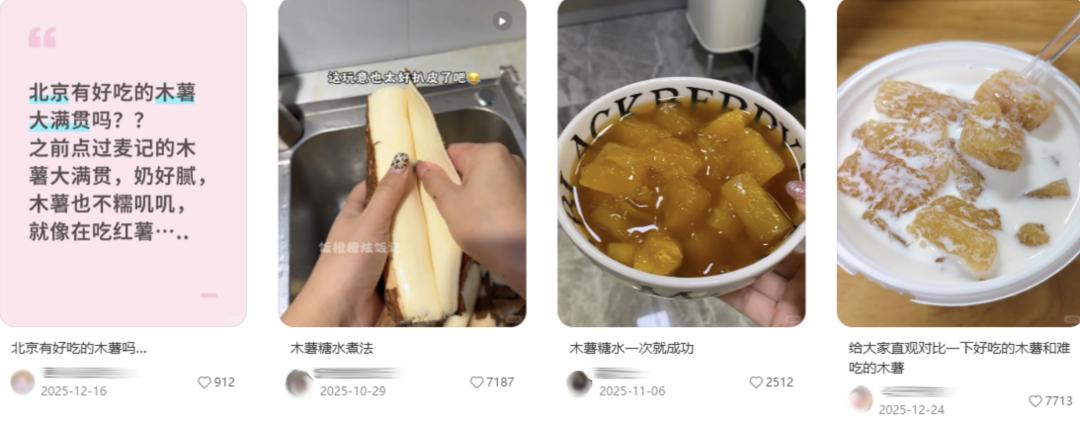
喝古茗单加6份木薯堪比韩国国宴,这个容易吃中毒的奶茶小料咋被抢成断货王?
3 6 Ke· 2026-01-05 09:11
Core Viewpoint - The rising popularity of cassava as a trendy ingredient in winter beverages, particularly in milk tea, has led to significant social media engagement and consumer interest, despite potential health risks associated with its consumption [1][3][19]. Group 1: Popularity and Social Media Engagement - Cassava has become a viral sensation, with the hashtag CassavaSugarWater garnering 930 million views on Douyin and over 200 million views on Xiaohongshu [1][4]. - The unique texture of cassava, described as "geng jiu jiu," has captivated consumers, leading to its classification into three main types: "pulling cassava," "powdery cassava," and "geng jiu jiu cassava," with the latter being the most favored [1][5][7]. Group 2: Consumer Behavior and Product Development - Consumers are increasingly prioritizing cassava over traditional milk tea, with some opting to add multiple servings of cassava to their drinks, indicating a shift in consumption patterns [10][22]. - Brands like Gu Ming have introduced cassava products, such as a 19 yuan peach gum cassava dessert, which quickly gained popularity, leading to a surge in demand for cassava as a key ingredient [3][10]. Group 3: Health Concerns and Preparation Challenges - Despite its popularity, cassava poses health risks due to its natural toxins, which can lead to food poisoning if not properly prepared [19][21]. - The preparation of cassava requires careful handling, including peeling, soaking, and cooking to eliminate toxins, which adds complexity to its consumption [21][22]. Group 4: Market Dynamics and Supply Chain Issues - The cassava market is characterized by a fragmented supply chain, with production concentrated in specific regions, leading to challenges in standardization and quality control [27][30]. - The demand for cassava has prompted brands to explore sourcing from various production bases to ensure consistent quality, highlighting the need for a stable supply chain [28][30].
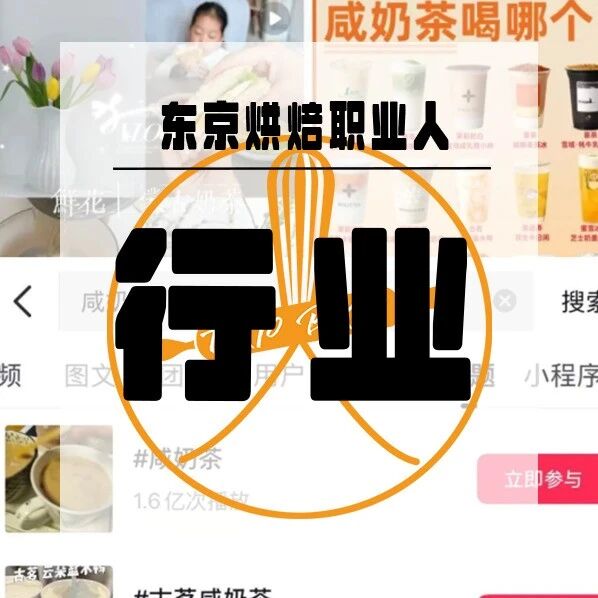
甜不动了!为什么茶咖品牌集体上新咸奶茶?
东京烘焙职业人· 2026-01-05 08:33
Core Viewpoint - The rise of "salty milk tea" is becoming a significant trend in the beverage industry for the autumn and winter of 2025, driven by innovative product launches from various tea and coffee brands [5][10]. Group 1: Popularity and Market Trends - "Salty milk tea" has gained substantial attention on social media platforms, with over 50 million views on Xiaohongshu and more than 160 million video plays related to the topic on Douyin [5]. - Major brands like Heytea and Luckin Coffee are introducing unique salty milk tea products, with Heytea launching two new flavors that quickly sold out in some locations [10][12]. - Other brands, including Cha Bai Dao and Nayuki, have also released salty milk tea products that have been well-received, with Cha Bai Dao's offerings selling over 1 million cups within 10 days of launch [12][15]. Group 2: Industry Dynamics and Consumer Behavior - The introduction of salty milk tea is a response to the increasing product homogeneity in the ready-to-drink beverage market, where brands are seeking differentiation through innovative flavors [16]. - Salty milk tea appeals to consumers who are experiencing "taste fatigue" from overly sweet beverages, thus stimulating demand and boosting sales for brands [16]. - However, the popularity of salty milk tea is still largely dependent on novelty and differentiation, with mixed consumer reviews indicating that while some enjoy the flavor, others find it underwhelming [18].
国信证券晨会纪要-20260105
Guoxin Securities· 2026-01-05 01:16
宏观与策略 宏观快评:12 月 PMI 数据解读-年末脉冲,助力收官 固定收益专题研究:2026 年 1 月转债市场研判及"十强转债"组合 策略深度:资配跨年展望(三)-龙头科技,强者恒强 总量专题(首席经济学家团队):总量专题-26 年牛市的变与不变 行业与公司 证券研究报告 | 2026年01月05日 | 晨会纪要 | | --- | | 数据日期:2025-12-31 | 上证综指 | 深证成指沪深 | 300 指数 | 中小板综指 | 创业板综指 | 科创 50 | | --- | --- | --- | --- | --- | --- | --- | | 收盘指数(点) | 3968.84 | 13525.02 | 4629.93 | 14545.57 | 3911.49 | 1344.20 | | 涨跌幅度(%) | 0.09 | -0.58 | -0.45 | -0.30 | -0.51 | -1.15 | | 成交金额(亿元) | 8295.11 | 12156.30 | 4444.91 | 4402.74 | 5436.91 | 492.84 | $\frac{10}{100}$$\frac ...
新消费行业周报(2025.12.29-2026.1.2):元旦假期出行数据亮眼,抖音美妆GMV预计全年高增-20260105
Hua Yuan Zheng Quan· 2026-01-05 01:05
Investment Rating - The industry investment rating is "Positive" (maintained) [3] Core Insights - The New Year's holiday consumption data showed strong performance, likely due to the longer holiday period compared to the previous year. Anticipation for the upcoming 9-day Spring Festival holiday is high [4] - Emerging consumer goods are thriving, reflecting new consumption concepts among the younger generation. Understanding these new narratives is key to capturing growth opportunities in new consumer companies [17] Summary by Relevant Sections Travel Data - During the New Year's holiday, an estimated 590 million people traveled, with an average of 198 million daily, a year-on-year increase of 19.5%. Railway passenger volume is expected to reach 48.22 million, a 53.1% increase, while civil aviation passenger volume is expected to be 5.88 million, a 10.49% increase [4] Key Scenic Area Data - Ticket bookings for the "Xi'an City Wall and Beilin Historical Cultural Scenic Area" surged by 134% year-on-year. The growth rate for cultural tourism bookings in Xi'an reached 41%. Mountain scenic area ticket bookings increased by over 150%, with Huangshan orders up 544% year-on-year [4] Duty-Free Sales - During the New Year's holiday, 442,000 duty-free items were sold, a 52.4% increase year-on-year, with shopping amounts reaching 712 million yuan, up 128.9% [4] Restaurant and Hotel Performance - Data from Haidilao indicated over 400,000 table reservations for New Year's Eve and New Year's Day. Hotel occupancy rates increased by nearly 50% compared to the previous year [4] Cosmetics Market - Douyin's beauty segment GMV exceeded 210 billion yuan from January to November 2025, with an annual forecast of over 230 billion yuan. The growth rate for color cosmetics and beauty tools was 24.8%, slightly higher than skincare products [4] Investment Recommendations - In the beauty sector, focus on high-quality domestic brands with strong innovation, such as Maogeping and Shangmei. In the gold and jewelry sector, consider brands like Laopu Gold and Chaohongji that appeal to younger consumers. For trendy toys, companies with successful IP creation and operation experience, like Pop Mart, are recommended. In the ready-to-drink tea sector, strong brands with wide coverage like Mixue Group and Guming are suggested [5][17]
“投资21万,一天卖不到300元”,第一批糖水铺开始关店?
3 6 Ke· 2026-01-05 00:49
Core Insights - The sugar water market is experiencing a stark contrast, with major brands expanding rapidly while many single-store operators struggle to survive [1][3][5] Market Overview - Major brands like Gu Ming, Cha Bai Dao, CoCo, and 7 Fen Tian are entering the sugar water market, while established players like Man Ji and Xian Yu Xian continue to deepen their presence [1] - New brands such as Mai Ji and Tang Xu are also expanding quickly, with nearly 1,000 new stores opened this year [1] Challenges Faced by Single-Store Operators - Many single-store operators report daily sales struggling to exceed 300 yuan, with some experiencing a significant drop in revenue shortly after opening [3][5] - Common complaints include low customer traffic and insufficient sales to cover basic operational costs, leading to a sense of despair among owners [3][5] Consumer Behavior and Market Dynamics - Sugar water consumption is characterized by lower frequency compared to tea, as it is often seen as a dessert rather than a quick beverage [5][7] - The average daily customer flow for sugar water shops is around 20, with sales averaging only 360 yuan, which is insufficient to cover costs [7][9] Competitive Landscape - The entry of large chain brands has intensified competition, with prices for similar products dropping, making it difficult for smaller operators to compete [9][11] - Major brands benefit from economies of scale in sourcing and distribution, allowing them to offer lower prices and better quality [11] Operational Challenges - Sugar water preparation is labor-intensive and time-consuming, leading to high operational costs and wastage [12][14] - The complexity of managing diverse ingredients and maintaining freshness adds to the challenges faced by operators [12][14] Seasonal Variability - The sugar water market is highly seasonal, with significant drops in sales during colder months, making year-round profitability difficult [15] Future Outlook - Despite the challenges, there is potential for differentiation and growth in the sugar water market, particularly in untapped lower-tier markets [19][20] - Brands that can effectively understand consumer preferences and offer unique products may still find success in this evolving landscape [20]
一周新消费NO.342|徐福记请全国人民吃1亿颗糖;东鹏饮料官宣闫妮代言海岛椰
新消费智库· 2026-01-04 13:04
New Consumption Highlights - Yili launched a garlic-flavored yogurt drink, a creative addition to its yogurt series with playful packaging [3] - Lays introduced a new Spring Festival limited series featuring Kung Fu Panda-themed packaging [3] - Watsons released an AI-designed series of Hong Kong landmark packaging for its distilled water products [3] - Heytea collaborated with Pop Mart for a second wave of co-branded products, including a tiramisu-flavored drink [4] - Yili announced plans to launch a -196°C frozen berry-flavored ice cream in 2026, utilizing liquid nitrogen technology [5] - Genki Forest upgraded its "Ice Blast Little Lime" sparkling water with a fresher lemon flavor and new packaging [7] - Nongfu Spring introduced a new "Pure Transparent Square Ice" product at Sam's Club, designed for wine and cocktail use [7] - Manner launched a winter specialty drink, grapefruit hot Americano, available from December 30 [8] - Guming began selling bottled juices in select stores, including 100% HPP apple juice [10] - Xu Fu Ji plans to distribute 100 million candies nationwide as part of a promotional campaign [12] - JD.com will fully implement national subsidies for various home appliances and electronics starting January 1 [15] - Cafe Deco Group from Hong Kong filed for an IPO in the US, aiming to raise up to $13 million [12] - The new Chinese health drink market is projected to reach a scale of 10 billion yuan, driven by the trend of convenient health solutions [12] - Qinghua Fenjiu was recognized as a world-renowned wine town, highlighting its significance in the liquor industry [12] Industry Events - Wuliangye received the Most Investment Value Listed Company award at the 2025 Jin Junma Awards [12] - JD.com announced a partnership with the national subsidy program to support consumer electronics purchases [15] - UU Delivery launched a cross-year rescue service in 20 cities to address transportation challenges during New Year's Eve [16] - Longan's Deep Blue Automotive secured over 6.1 billion yuan in Series C financing to support its electric vehicle platform [20] - Neurable, a brain-computer interface headphone brand, raised $35 million in Series A funding for commercialization [20] - Micro-Nano Star completed a 1 billion yuan Series D financing round, recognized for its capabilities in satellite manufacturing [20] Food Industry Developments - Nissin Foods announced its first foray into the ice cream business through the acquisition of Seria Roile [28] - Hema launched its 2026 New Year Festival, featuring a wide range of festive products [28] - Pizza Hut tested the night snack market with a new brand, Pizza Grill Skewers, in Shanghai [28] - Orion plans to invest 11 billion won to expand its production facilities in Russia by 2027 [28] - Yi Li released its first interactive drama short film in the dairy industry [28] - Xiangpiaopiao announced plans to establish subsidiaries in Singapore and Thailand, investing 268 million yuan in a beverage production base [28] New Brand Initiatives - FILA Kids opened a new store at Beijing Universal City, enhancing its retail strategy [33] - Adidas launched a new pet clothing line inspired by traditional Chinese aesthetics [33] - Kidswant opened a new flagship store in Beijing, marking a significant expansion in high-line cities [35] - Hunter opened its first store in Jiangsu, focusing on a nature-inspired shopping experience [36] - Arome Manpo launched its first flagship store in Shanghai, emphasizing a unique design concept [38]