
奔驰

Search documents
Stellantis力荐多元路线并存,欧盟2035燃油车禁令或生变?
Zhong Guo Qi Che Bao Wang· 2025-11-25 09:21
Core Viewpoint - Stellantis opposes the EU's 2035 ban on new internal combustion engine vehicles, advocating for the continued sale of plug-in hybrids and range-extended electric vehicles, and supports alternative fuels as a decarbonization pathway [2][4][12] Industry Response - Stellantis is among several European automakers pressuring the EU, highlighting the significant impact on Italy's economy and employment due to the strict implementation of the ban [4][9] - The company promotes a "technology-neutral" principle, arguing for the coexistence of various technological pathways, including plug-in hybrids and synthetic fuels, to address consumer needs and regional differences [4][10] Market Conditions - The European Automobile Manufacturers Association (ACEA) reports that the EU's electric vehicle penetration rate for 2024 is significantly below expectations, indicating that the market is not developing as policymakers envisioned [5][7] - The slow sales of electric vehicles, particularly in major markets like Germany and France, coupled with varying subsidy policies across EU member states, have created challenges for the automotive industry [7][8] Infrastructure Challenges - The lack of adequate charging infrastructure is a major bottleneck for electric vehicle adoption, with the current installation rate of charging stations falling far short of the required pace [8] - High raw material costs are increasing production expenses for automakers, squeezing profit margins and leading to layoffs and factory closures as companies struggle to adapt [8][11] Divergent National Perspectives - There are notable divisions among EU member states regarding the 2035 ban, with countries like Italy advocating for a delay due to the potential devastating impact on their automotive industries [9][10] - Germany is pushing for exemptions for synthetic fuels, viewing them as a viable transitional solution for high-end fuel vehicles to achieve carbon neutrality [10] Future Implications - Regardless of whether the ban is modified, European automakers face pressure to accelerate electrification, which may lead to short-term employment issues and economic repercussions [11][12] - The debate over the ban reflects the broader conflict between environmental ideals and the survival of the automotive industry, with the outcome potentially reshaping global decarbonization strategies [12]


致力为工业客户提供全局柔性无人智能工厂解决方案,法睿兰达完成B轮主力融资
机器人圈· 2025-11-25 09:06
Group 1 - The core viewpoint of the article highlights that the global flexible unmanned intelligent factory solution provider, Fariland, has completed its Series B financing round, primarily funded by the Wuhan Economic and Technological Development Zone Junshan New City Technology Investment Group, with the total financing expected to exceed 100 million yuan [2][3] - In 2022, Bojiang Capital led Fariland's Series A financing, which amounted to nearly 50 million yuan [3] - Fariland was established in August 2020 and holds nearly 300 patents, with core technologies such as navigation algorithms and scheduling systems developed entirely in-house [3] Group 2 - Fariland is dedicated to providing global industrial clients with comprehensive flexible unmanned intelligent factory solutions, with a product line that includes mobile robots and humanoid robots, covering various aspects of industrial manufacturing [3] - The company is a leader in the application of embodied intelligence technology in the industrial sector, with multiple embodied intelligent robot products already delivered to customers [3] - Fariland serves over 100 clients, including renowned global companies such as Mercedes-Benz, Dongfeng, FAW, Wuling, Seres, Lantu, and Faurecia [3]

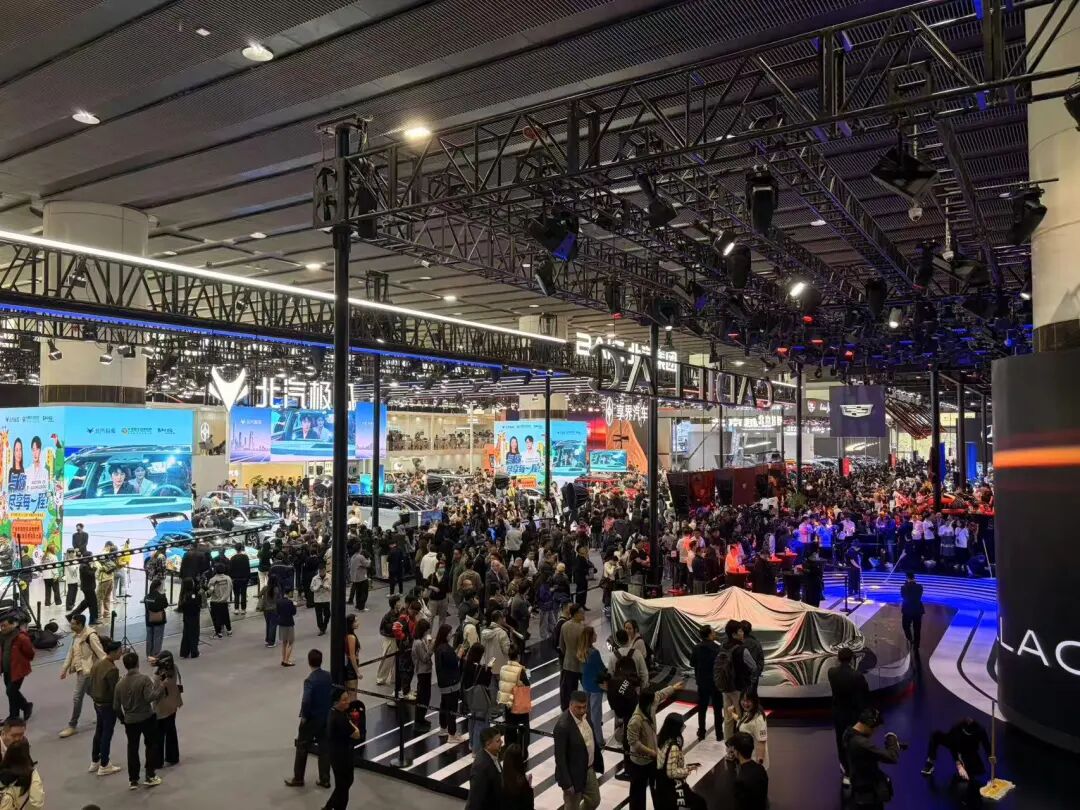
2025广州车展观察:谁在定义明天的汽车?
2 1 Shi Ji Jing Ji Bao Dao· 2025-11-24 13:01
Core Insights - The 2025 Guangzhou Auto Show highlights that while new energy vehicles (NEVs) have established themselves as the market mainstream, the technological pathways to the future are increasingly diverse and fragmented [1][2][3] Market Trends - The total number of vehicles at the Guangzhou Auto Show reached 1,085, with 629 new energy models, accounting for 58%, an increase of 14.3 percentage points from 2024 [1] - The penetration rate of new energy passenger vehicles in the market has exceeded 52.9% in the first ten months of this year, significantly surpassing the 20% target set for 2025 in the "New Energy Vehicle Industry Development Plan (2021-2035)" [1] - In October, the retail sales of pure electric vehicles grew by 20% year-on-year, while range-extended models saw a decline of 7.7% [1][7] Technological Developments - Industry insiders assert that while pure electric vehicles are seen as the ultimate solution, range-extended and hybrid models remain critical transitional options [2] - The focus on emotional value and user service is becoming essential for automakers in the post-subsidy era, with deep intelligence in smart cabins and driving systems being a key area of development [2][4] - Huawei's introduction of the MoLA architecture aims to address traditional voice assistant limitations, marking a significant step towards "smart cabin L3" capabilities [2] Strategic Collaborations - Foreign automakers are increasingly recognizing the importance of Chinese suppliers, with partnerships like BMW and Momenta, and Mercedes-Benz and Momenta, aimed at enhancing their competitive edge in the Chinese market [4][5] - Audi has embraced Huawei's technology, launching the A5L as the first fuel vehicle equipped with Huawei's advanced driving system [5] Market Dynamics - Despite a decline in the market share of range-extended vehicles, the number of such models being launched is increasing, indicating a complex market response [7][8] - Companies like Xpeng and Geely are actively introducing range-extended models, reflecting a strategic pivot despite market trends [7][8] - The consensus among industry experts is that while pure electric vehicles are the future, a combination of pure electric, range-extended, and hybrid technologies will coexist for the foreseeable future [8][9][10]
劳斯莱斯等顶级豪车退群,海外品牌自救,这届广州车展还有哪些趋势?
3 6 Ke· 2025-11-24 10:14
Core Insights - The automotive industry is shifting from a "price war" to a "value war," focusing on product quality and features rather than just pricing strategies [2][5][15] - The Guangzhou Auto Show reflects a more pragmatic approach, with companies emphasizing self-improvement and local partnerships, particularly with Huawei [6][9][11] - Consumer behavior is becoming more rational, with a greater focus on product quality and functionality rather than brand loyalty or emotional appeal [15][17] Industry Trends - The current Guangzhou Auto Show has fewer high-profile executives and new models, indicating a shift towards marketing and sales of existing models [1] - The competition among car manufacturers is increasingly centered on product performance and quality, moving away from aggressive pricing strategies [2][3] - There is a notable increase in the number of D-class SUVs being launched, with over 10 new models introduced in the second half of the year, priced between 200,000 to 500,000 yuan [3][5] Brand Strategies - Domestic brands are focusing on enhancing value rather than cutting prices, with many introducing advanced features in new models without reducing prices [5][12] - Foreign brands are increasingly localizing their operations, with many models developed by domestic teams and collaborations with local suppliers [6][8] - Major foreign brands like Mercedes, BMW, and Audi are adopting more competitive pricing strategies, with some models priced lower than domestic competitors [8][12] Consumer Behavior - Consumers are showing a more practical approach to purchasing decisions, focusing on the alignment of products with their needs rather than emotional factors [15][17] - The trend of rapid product iteration in the automotive sector has led to a more discerning consumer base, with buyers prioritizing quality and functionality [17] - The overall sentiment suggests that the automotive industry will continue to face intense competition, but with a more mature and rational market environment in the coming years [15][17]


搞不出固态电池,不丢人
创业邦· 2025-11-24 10:13
以下文章来源于远川汽车评论 ,作者母智婕 远川汽车评论 . 不止是汽车 来源丨远川汽车评论( ID: yuanchuanqiche ) 作者丨 母智婕 编辑丨 熊宇翔 图源丨Midjourney 最近,车企与电池厂密集抛出固态电池装车计划,量产时间表看似愈发清晰,另一边,学术界在材料与工程上的突破,也被解读为产业拐点将至的信号。 但现实情况是,你的下一辆电动车,有极大概率装的仍然是液态锂电池。 我们并非要否定固态电池的远大前程,而是要警惕被过度狂热的叙事所裹挟,本文将直面四个核心争议。 问题一: 固态电池 能彻底解决 里程焦虑 ,而且永不自燃吗? 要了解固态电池,要先了解电解液。 在传统的液态锂电池中,电解液扮演了"通道"的作用,让锂离子可以在正负极之间可以自由穿梭,但问题是,在高温、穿刺或者短路的情况下,电解液可 能被引燃,引发热失控。 在低温情况下,电解液容易变得粘稠,导致电池内阻增加,影响电动车的续航和充放电性能,"电车难过山海关"一定程度上也是因为它。 另一方面,电解液本身并不储存能量,但却占了电芯体积30%左右,这导致电池体积能量密度无法得到有效提升,反映到电动车上,就是一块100度电的电 池包,重 ...

年轻人为什么不愿消费了?
Sou Hu Cai Jing· 2025-11-24 01:42
Core Insights - The article discusses the significant shift in consumer behavior among young people, moving from a culture of excessive spending to a more cautious approach towards consumption, reflecting broader economic uncertainties and income concerns [1][4]. Group 1: Consumer Behavior Changes - There has been a notable change in the perception of consumption among young people, transitioning from viewing it as a status symbol to seeing it as a potential trap [4]. - The current consumer market shows a clear polarization, with traditional consumption sectors struggling while emotional spending, such as travel and entertainment, is on the rise [5][8]. - Fast fashion brands have seen a 15% increase in sales, while luxury brands have experienced a 5% decline, indicating a shift in consumer preferences [5]. Group 2: Economic Factors Influencing Consumption - The average daily spending during the recent holiday period was 113.9 yuan, reflecting a 13% decrease compared to the previous year and a drop to levels seen in 2019 [7]. - Many consumers are opting for lower-cost options, with a significant increase in orders under 20 yuan in major cities, suggesting a trend towards frugality [5][6]. - The reduction in income and job security has led to increased anxiety and a more cautious approach to spending among young consumers [13][14]. Group 3: Emotional and Health-Related Spending - Despite the overall decline in consumption, there is a notable increase in spending on emotional and health-related products, such as sleep aids and wellness items [10]. - The popularity of blind box products, particularly from brands like Pop Mart, highlights a growing trend in emotional consumption among young people [9]. Group 4: Recommendations for Stimulating Consumption - To address the current consumption stagnation, it is suggested that measures such as issuing large-scale consumption vouchers or cash incentives could serve as a "strong heart injection" to stimulate spending [18]. - The article emphasizes the need for a balance between supply and demand to encourage price increases and ultimately boost consumer confidence [18].
合资车企在华竞争局势,开始分化
Guan Cha Zhe Wang· 2025-11-23 12:06
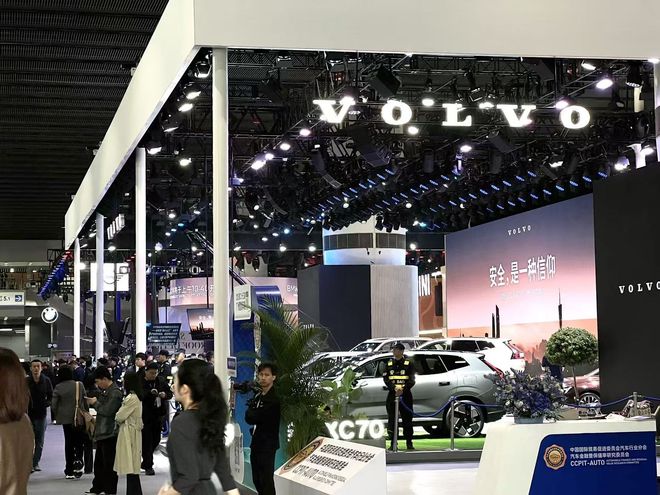
Core Insights - The 2025 Guangzhou Auto Show marks a critical test for joint venture brands in the Chinese automotive market, reflecting the industry's transformation and the challenges faced by these brands in adapting to local market dynamics [1][3][28] - The absence of luxury brands from the auto show has become a norm, indicating a significant decline in their market presence due to the rise of domestic electric vehicle manufacturers [4][6] - Joint venture brands are struggling to find new strategic positioning in the Chinese market, with some opting out of the exhibition as they reassess their market strategies [6][7] Industry Trends - The luxury car segment has seen a drastic decline, with imported car sales dropping by 32% year-on-year in the first three quarters of 2025, highlighting the impact of domestic electric vehicle competition [4][28] - Japanese automakers, traditionally slow to embrace electrification, are now compelled to localize their strategies to remain competitive in China, a key profit source for them [7][28] - The integration of local supply chains is seen as essential for joint venture brands to address issues of technological lag and high costs, although this may lead to a loss of brand differentiation [11][12] Company Strategies - Companies like Toyota and Nissan are incorporating Huawei's "HarmonyOS" into their marketing, indicating a shift towards leveraging local technology to enhance their offerings [9][11] - German brands such as BMW and Mercedes-Benz are attempting to redefine their brand value by integrating local innovations and technologies into their new electric models [15][19] - Volkswagen is focusing on reliability and safety while promoting its "China speed" in innovation, showcasing a commitment to adapting to local market demands [21][28] Market Dynamics - The market share of joint venture brands has significantly decreased from 60% to 34.8% between 2020 and 2024, despite a slight recovery to over 35% in the first half of 2025 [28] - The transition from policy-driven to market-driven dynamics in the Chinese automotive sector poses new challenges for joint venture brands, necessitating a shift from price competition to value competition [28]
老登审美
投资界· 2025-11-23 08:04
Core Viewpoint - The article discusses the evolving landscape of the luxury electric vehicle (EV) market in China, highlighting how traditional luxury car aesthetics and configurations are being adopted by new energy vehicle manufacturers to attract consumers who value both performance and design [6][10][22]. Group 1: Market Trends - The penetration rate of new energy vehicles in China has surged from 5% to nearly 50% over the past five years, driven by policy subsidies and improved electric infrastructure [7]. - The luxury segment of the EV market, priced above 400,000 yuan, remains largely dominated by traditional fuel vehicles, indicating a significant opportunity for new entrants [12][22]. Group 2: Design and Aesthetics - Many new energy vehicles are adopting classic luxury design elements from traditional fuel vehicles, such as chrome accents and high-quality materials, to appeal to consumers' nostalgia and desire for luxury [6][19]. - The trend of "aesthetic retro" is evident as new energy vehicles incorporate design features that resonate with older consumers, often referred to as "old money" aesthetics [6][10]. Group 3: Competitive Landscape - Traditional luxury car brands like BBA (Benz, BMW, Audi) face challenges in adapting to the new market dynamics, as they have not fully embraced the trend of lowering power costs and enhancing configurations [10][22]. - New energy vehicle manufacturers are leveraging lower power costs and competitive pricing to offer superior configurations, effectively disrupting the established luxury vehicle hierarchy [9][10]. Group 4: Consumer Behavior - The target demographic for luxury vehicles is shifting, with a focus on middle-aged consumers who have significant purchasing power, making it essential for brands to align their offerings with this group's preferences [18][19]. - Emotional value and brand identity are becoming increasingly important in the luxury vehicle market, as consumers seek vehicles that reflect their status and lifestyle [21][22].

今年广州车展,一堆“豆包”上车了 | 巴伦精选
Tai Mei Ti A P P· 2025-11-23 08:04
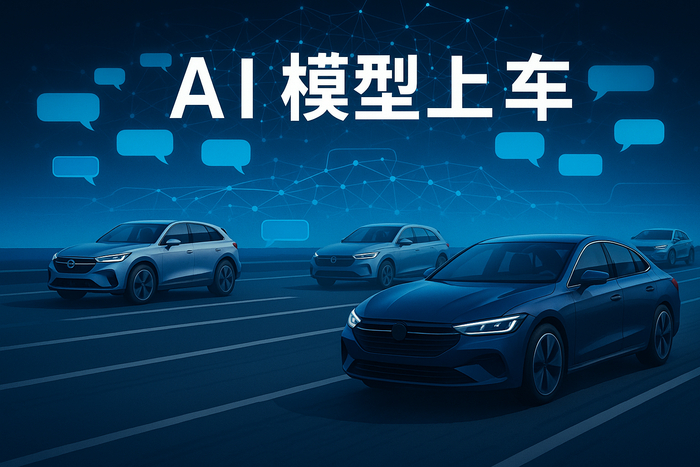
Core Insights - The competition in the smart car industry is shifting from hardware capabilities to the sophistication of AI models, with the "Doubao" model leading in adoption among new mass-produced vehicles set to launch in 2025 [2][3][9] - The integration of large models into vehicles is moving from a novelty to a necessity, with companies focusing on the usability and effectiveness of these AI systems rather than just their presence [3][9] Industry Trends - The 2023 Guangzhou Auto Show highlighted a significant increase in the deployment of AI models in vehicles, with the "Doubao" model being integrated into a wide range of cars from luxury brands like Mercedes and Audi to mainstream models from Roewe and Changan Mazda [2][3][5] - The shift in power dynamics within the automotive industry is evident, as companies now prioritize the robustness of their AI model foundations and the real-world data they can leverage over traditional hardware specifications [3][7] Product Innovations - The "Doubao" model enhances user interaction in vehicles, exemplified by its implementation in the Mercedes-Benz EQ CLA, which improves interaction efficiency by 50% and can recognize four emotional states [5][6] - Other models, such as the Roewe M7 DMH, utilize the "Doubao" model for complex command execution, demonstrating the ability to understand nuanced language and perform multiple actions in response to a single command [6][7] Strategic Partnerships - Fire Mountain Engine has expanded its partnerships with major automotive brands, including Mercedes, BMW, and Volkswagen, integrating its AI capabilities into various aspects of vehicle operation and customer engagement [7][8] - The collaboration with Mercedes illustrates a comprehensive approach, extending beyond in-car systems to include digital marketing and customer lifecycle management [7][8] Future Outlook - The competitive landscape for AI in vehicles is still evolving, with the true measure of success lying in the ability to deeply integrate AI models into practical use cases and continuously iterate based on real-world data [9][10] - The challenge for Fire Mountain Engine will be to maintain its leading position while allowing automotive companies to retain brand identity and control over their technology [10]
蓝思科技(300433):以技术创新为驱 持续走向平台化
Xin Lang Cai Jing· 2025-11-23 06:36
事件:11 月20 日,蓝思科技发布投资者关系活动记录表,表示,目前公司已切入北美及国内多家头部 机器人企业的供应链,关节模组、灵巧手、结构件已批量交付,人形机器人、四足机器人整机组装规模 位居行业前列。预计今年人形机器人出货3000 台以上,四足机器狗10000 台,初步成为最大的具身智能 硬件制造平台之一。 2026 年,预计实现人形机器人核心部件和整机组装规模翻番,2027 年人形机器人与四足机器狗出货量 稳居全球前列。 拥有众多全球知名客户,持续走向平台化:在消费电子产品和智能汽车领域,公司拥有众多全球知名客 户,包括苹果、三星、华为、小米、OPPO、vivo、荣耀、谷歌、Meta,特斯拉、宁德时代、宝马、奔 驰、大众、理想、蔚来、比亚迪等。平台化布局方面,公司已具备以核心技术为支撑的产业化能力体 系,紧抓市场扩展所带来的机遇,积极拓展从消费电子、智能汽车与座舱到智能穿戴,以及智慧零售、 智能机器人等方面的全领域应用。在智能手机与电脑方面,根据公司发布的2025 年半年报显示,2025 年上半年,公司智能手机与电脑类业务实现营业收入271.85 亿元,同比增长13.19%。公司持续巩固在 玻璃、陶瓷、 ...
