
中美贸易摩擦

Search documents
中美贸易摩擦下,油脂走势何去何从?
Chang Jiang Qi Huo· 2025-10-21 11:59
Report Industry Investment Rating - Not provided in the given content Core Viewpoints - In the short term, the macro - risk is partially reduced but still exists, and the fundamentals of the three major oils are in a state of mixed long and short positions, with short - term prices expected to continue to fluctuate. Palm oil and soybean oil are expected to be relatively strong, while rapeseed oil is expected to be relatively weak but with limited downside space [1][29] - In the medium to long term, palm oil is expected to strengthen after November. Soybean oil prices should be treated with cautious optimism, and the anti - dumping policy on Canadian rapeseed is the biggest uncertainty for rapeseed oil [2][30] Summary by Related Catalogs Palm Oil - **Short - term situation**: The MPOB September report was unexpectedly bearish, and October data showed continued production growth and weakened export demand, leading to rising inventory. However, the upcoming traditional减产 season in Southeast Asia in November, uncertainties in Indonesian production, and the progress of the B50 test provide bullish support. It is expected that the price will have limited fluctuations in October and strengthen towards the end of the production season [5][6] - **Malaysian situation**: The September inventory reached a five - year high of 2.36 million tons. The production from October 1 - 15 increased by 6.86% month - on - month, and the export growth from October 1 - 20 was lower than that from October 1 - 15. The inventory is expected to rise in October, but the time for further inventory accumulation is limited [6] - **Indonesian situation**: In July, the inventory was relatively low at 2.57 million tons. There are concerns about production decline due to the nationalization of illegal plantations. The B50 biodiesel has completed non - road tests, with an expected demand increase of 3 - 4 million tons of palm oil. The inventory is expected to remain in a tight balance in 2025 [9] - **Domestic situation**: After the National Day holiday, the palm oil inventory rebounded. As of October 17, the inventory was 575,700 tons, and the short - term de - stocking is expected to be limited [11] - **Medium - to - long - term outlook**: Starting from November, the traditional减产 season in Southeast Asia, combined with the B50 news and domestic de - stocking expectations, will help the palm oil price strengthen in the fourth quarter [14] Soybean Oil - **Short - term situation**: The short - term rebound of US soybeans is limited due to uncertain Sino - US trade relations, weak export demand, and lack of other bullish factors. The domestic soybean oil supply is also loose, and the short - term rebound is expected to be limited, with a fluctuating trend [15] - **US soybean situation**: There is a high probability of a decrease in the new - crop yield, and the domestic consumption is strong, but the export is uncertain, and the supply pressure will be large after the harvest. The short - term rebound of the 01 contract is limited, with the upper pressure level at 1050 - 1070 [16] - **South American situation**: As of October 11, the sowing progress of Brazilian soybeans in the 2025/2026 season was 11.1%, which was relatively fast. Currently, there is no short - term weather risk [20] - **Domestic situation**: The domestic soybean and soybean oil inventories have been at high levels. The soybean arrivals from November to January are expected to be normal, and the supply in the fourth quarter is sufficient [22] - **Medium - to - long - term outlook**: There are potential bullish factors, and the medium - to - long - term trend of soybean oil is cautiously optimistic [24] Rapeseed Oil - **Policy impact**: The anti - dumping policy on Canadian rapeseed is the main factor affecting domestic rapeseed oil. Since August, the domestic rapeseed arrivals have significantly decreased. Before November, the supply shortage cannot be solved, and after November, the supply tension may be partially alleviated, but the supply - demand imbalance remains [25][26] - **Policy risk**: There is room for policy softening in Canada. The recent meeting between China and Canada did not have a breakthrough, and the impact on rapeseed oil is limited. Continued attention should be paid to Sino - Canadian relations and processing restrictions on Australian rapeseed [27] Strategy - For the 01 contracts of soybean, palm, and rapeseed oil, pay attention to the performance in the ranges of 8150 - 8400, 9200 - 9600, and 9800 - 10000 respectively, and it is recommended to adopt the idea of buying on dips [2][30]
中国对美征收船舶特别港务费,当属韩国最难受,李在明知道闯祸了
Sou Hu Cai Jing· 2025-10-21 10:36
Group 1 - The U.S. Trade Representative announced additional port service fees on Chinese vessels starting October 14, 2025, charging $50 per ton and $120 per container, citing unfair competition from China's shipbuilding industry, which holds over 50% of the global market share [3] - In retaliation, China's Ministry of Transport announced special port fees on U.S. vessels, starting at 400 RMB per net ton and increasing to 1120 RMB over three years, with exemptions for Chinese-built ships [3] - The first U.S. ships arriving in China on October 14 will incur significant fees, with a 30,000-ton vessel facing over 12 million RMB in charges, potentially leading to rerouting of shipping lines [3] Group 2 - Following the U.S. measures, South Korea's Hanwha Group faced immediate repercussions as China announced trade restrictions on five U.S. subsidiaries of Hanwha, which were involved in providing information for the U.S. 301 investigation against China [5] - Hanwha Marine, a major South Korean shipbuilding company, had previously invested over $1 billion to acquire a U.S. shipyard and planned to expand its production capacity significantly, focusing on U.S. military projects [6] - The South Korean government has committed to investing $150 billion to support the U.S. shipbuilding industry under the MASGA plan, aiming to secure priority access to U.S. defense contracts [8] Group 3 - South Korea's President Lee Jae-myung has continued a pro-U.S. policy, particularly in shipbuilding and defense, which has led to increased dependency on Chinese supply chains for critical materials [10] - Hanwha's reliance on Chinese rare earth materials for its products poses a risk, as supply chain disruptions could delay U.S. orders and incur significant penalties [10] - Following the announcement of trade restrictions, Hanwha's stock price dropped by 5.8%, resulting in a market value loss of $4.1 billion, while other South Korean shipbuilders also experienced declines [12] Group 4 - The South Korean government is actively seeking alternatives to reduce reliance on Chinese rare earth materials, with a target to decrease dependency from 70% to 50% within 90 days [12] - However, challenges remain as alternative suppliers are currently overwhelmed with orders, leading to increased costs and longer delivery times [12] - China's recent export controls on rare earth technologies further complicate the situation for South Korean companies, potentially increasing their operational costs by at least 35% [12]


日度策略:纯碱前空持有新增纸浆卖看跌-20251021
Xing Ye Qi Huo· 2025-10-21 06:46
Report Industry Investment Ratings - **Equity Index**: Bullish in the long - term, maintaining a long - position mindset, with a short - term view of a volatile pattern [1] - **Treasury Bonds**: Volatile pattern, with reduced pressure for further adjustment [1] - **Gold and Silver**: Bullish in the long - term, with new positions on hold for the short - term due to reduced short - term bullish factors [4] - **Non - ferrous Metals (Copper)**: Cautiously bullish, with previous long positions still holdable, and attention to Sino - US relations [4] - **Non - ferrous Metals (Aluminum)**: Bullish in the long - term, with short - term upward drivers depending on macro changes; Alumina in a bearish pattern [4] - **Non - ferrous Metals (Nickel)**: Volatile pattern, with the strategy of selling put options at low levels continuing to be held [4] - **Lithium Carbonate**: Volatile pattern, with supply and demand both increasing [6] - **Silicon Energy**: Volatile pattern, with the market influenced by short - term policy disturbances [6] - **Steel and Ore (Rebar)**: Volatile pattern, with short - term support strengthened, and light - position short positions in the 01 contract holdable [6] - **Steel and Ore (Hot - rolled Coil)**: Cautiously bearish, with short - term support strengthened, and light - position short positions in the 01 contract holdable [6] - **Steel and Ore (Iron Ore)**: Volatile pattern, with the price having stronger support below, and a wait - and - see approach for unilateral positions [6] - **Coking Coal and Coke**: Volatile pattern, with limited actual improvement in fundamentals [8] - **Soda Ash**: Cautiously bearish, with previous short positions in the 01 contract holdable [8] - **Glass**: Volatile pattern, with the strategy of holding short positions in out - of - the - money call options on near - term contracts [8] - **Crude Oil**: Bearish pattern, with supply and demand lacking support [8] - **Methanol**: Volatile pattern, with the strategy of selling put options continuing [8] - **Polyolefins**: Bearish pattern, with the strategy of long - L - short - PP spread arbitrage holdable, and selling put options for the 11 - contract [10] - **Cotton**: Bearish pattern, with prices expected to remain within the current volatile range [10] - **Natural Rubber**: Volatile pattern, with support at the bottom [10] - **Palm Oil**: Bullish in the medium - term, with a volatile pattern in the short - term [10] Core Views - The Sino - US trade friction shows signs of easing, which has an impact on market risk appetite and asset prices. The long - term driving force of the technology sector remains clear, and the market is paying attention to important meetings at the end of the month [1] - The bond market has rebounded from a low level, and the pressure for further adjustment has decreased due to factors such as the approaching domestic important meeting, uncertain Sino - US trade relations, and loose liquidity [1] - For precious metals, although the long - term upward logic is clear, short - term bullish factors have weakened, and new positions should be on hold [4] - Non - ferrous metals are affected by both macro events and fundamentals. Copper has fundamental support, while aluminum has supply constraints and its long - term upward trend remains, and nickel is in a volatile pattern [4] - The supply and demand of lithium carbonate are both increasing, and the price has a ceiling and a floor. The silicon energy market is influenced by short - term policies, and the steel and ore market is affected by supply - demand contradictions and policy expectations [6] - The coking coal and coke market has limited actual improvement in fundamentals, and the soda ash market is in a supply - surplus situation, while the glass market is in a volatile pattern [8] - The crude oil market is under supply pressure and lacks support from supply and demand, and the methanol market is in a multi - empty stalemate [8] - Polyolefins are in a supply - surplus situation, cotton has fundamental pressure, natural rubber has support at the bottom, and palm oil has medium - term price resilience [10] Summary by Related Catalogs Equity Index - Last week, the A - share market adjusted with reduced volume, and the main indexes closed down. High - dividend sectors such as coal and banks were relatively strong, while sectors such as electronics, media, and automobiles led the decline. The Sino - US trade friction shows signs of easing, and the long - term driving force of the technology sector remains clear. The equity index maintains a long - position mindset and pays attention to important meetings at the end of the month [1] Treasury Bonds - The bond market rebounded from a low level last week. Due to factors such as the approaching domestic important meeting, uncertain Sino - US trade relations, and loose liquidity, the pressure for further adjustment has decreased [1] Precious Metals - Gold and silver have a clear long - term upward logic, but short - term bullish factors have weakened. It is recommended to maintain a long - position mindset in the long - term and put new positions on hold in the short - term. Previous long positions in AU2512 and AG2512 can continue to be held [4] Non - ferrous Metals - **Copper**: The Sino - US trade game continues, but the fundamentals support copper prices. The previous long positions can still be held, and attention should be paid to the development of Sino - US relations [4] - **Aluminum**: The aluminum price fluctuated last week. The social inventory of Shanghai aluminum has decreased, and the supply constraint continues. The long - term upward trend remains, but the short - term upward driver depends on macro changes. Alumina is in a bearish pattern [4] - **Nickel**: The nickel market has a balanced supply and demand pattern, with both surplus pressure and cost support. The nickel price is in a volatile pattern, and the strategy of selling put options at low levels can continue to be held [4] Lithium Carbonate - The supply and demand of lithium carbonate are both increasing. The resource - end disturbances are gradually weakening, and the price has a ceiling and a floor [6] Silicon Energy - The supply of industrial silicon is increasing, and the market price of polysilicon is affected by policy expectations. The overall market is in a relatively loose situation and is in a volatile pattern [6] Steel and Ore - **Rebar**: The demand for construction steel is weak in the peak season, and the supply and demand are both weak. The risk of negative feedback in the industrial chain is accumulating. However, policy expectations are positive, and the price is expected to be volatile [6] - **Hot - rolled Coil**: The supply pressure of hot - rolled coils is relatively high, and the inventory is increasing. The risk of negative feedback in the industrial chain is rising. Policy expectations are positive, and the price is expected to be volatile [6] - **Iron Ore**: The supply - demand structure of imported ore is under marginal pressure, but the supply - demand contradiction has not yet accumulated significantly. Policy expectations are positive, and the price has support below. It is recommended to take a wait - and - see approach for unilateral positions [6] Coking Coal and Coke - **Coking Coal**: Although there are supply - side disturbances, the actual improvement in fundamentals is limited, and the upward driving force of prices may not be sustainable [8] - **Coke**: The coke price follows the coal price. The actual demand is acceptable, but the expected demand is not good. The coke oven start - up rate may decline marginally [8] Soda Ash and Glass - **Soda Ash**: The supply of soda ash exceeds demand, and the industry is increasing inventory passively. It is recommended to hold previous short positions [8] - **Glass**: The demand for glass is weak in the peak season, and the supply - contraction expectation has not been fulfilled. It is recommended to hold short positions in out - of - the - money call options on near - term contracts [8] Crude Oil - The supply of crude oil is under pressure, and the inventory is expected to increase. The supply and demand lack support, and the price is in a bearish pattern [8] Methanol - The overseas methanol plant start - up rate is high. The market is in a multi - empty stalemate, and it is recommended to continue selling put options [8] Polyolefins - Polyolefins are in a supply - surplus situation, and the price is weak. It is recommended to hold the long - L - short - PP spread arbitrage and sell put options for the 11 - contract [10] Cotton - The supply of cotton is under pressure, and the demand is weak. The price is expected to remain within the current volatile range [10] Natural Rubber - The natural rubber market is in the peak production season, but the actual demand is not bad. The price has support at the bottom [10] Palm Oil - The medium - term price of palm oil has resilience, and the short - term is affected by other oils and crude oil. It is recommended to maintain a long - position mindset [10]
中泰期货晨会纪要-20251021
Zhong Tai Qi Huo· 2025-10-21 03:26
1. Report Industry Investment Ratings - The report provides a rating table for different commodities, categorizing them as bearish, neutral, or bullish. For example, palm oil, soybeans, and gold are rated bearish; rubber, hot-rolled coils, and rapeseed oil are rated neutral; and rapeseed meal, aluminum, and soybean meal are rated bullish [6]. 2. Core Views of the Report - The overall market is influenced by various factors such as macroeconomic data, trade tensions, and policy changes. The report suggests different trading strategies for various commodities based on their supply - demand fundamentals, cost factors, and market sentiment [13][15][17]. 3. Summary by Relevant Catalogs 3.1 Macro Information - The Fourth Plenary Session of the 20th Central Committee started on October 20. China's Q3 GDP grew 4.8%, and industrial production exceeded expectations. The 70 - city housing prices showed a mixed trend, with most cities having a decline in the secondary - housing market and a narrowing year - on - year decline in new - housing prices. The 10 - month LPR remained unchanged. The US and Australia signed a rare - earth and key - mineral agreement, and there are developments in the US government shutdown and international trade tensions [8][9][10]. 3.2 Macro Finance - **Stock Index Futures**: Consider a strategy of buying on dips and focus on index rotation. Although the market rebounded due to improved risk appetite, trading volume was weak. The macro - economic situation showed a supply - strong and demand - weak pattern, and it is expected that monetary policy may be further loosened in the fourth quarter [13]. - **Treasury Bond Futures**: Adopt a strategy of expecting a slow rise and pay attention to the odds of short - term bonds. The market was affected by risk - appetite changes and interest - rate cut expectations. The overall economic situation is similar to that of stock index futures, with a supply - strong and demand - weak pattern [15]. 3.3 Black Commodities - **Steel and Iron Ore**: Steel may experience a shock adjustment, and iron - ore short positions can be reduced on dips. The market is affected by factors such as trade frictions, supply - demand fundamentals, and cost. The demand for building materials is weak, while the demand for coils is relatively good. Steel mills' profits are low, and iron - ore prices are volatile [17][18]. - **Coking Coal and Coke**: The prices of coking coal and coke may continue to fluctuate strongly in the short term. Supply is gradually recovering, but there are still expectations of production restrictions and safety inspections. The demand from downstream steel mills is relatively strong, but the weak profit of steel mills restricts the upward space [19][20]. - **Ferroalloys**: Silicon iron is stronger than manganese silicon from the perspective of supply - demand and cost. The reasonable valuation range of the spread between the two is between - 450 and - 250 yuan/ton. There is no recommended unilateral strategy for now [21]. - **Soda Ash and Glass**: For soda ash, hold a bearish view or take short - term profits. For glass, adopt a wait - and - see approach. Soda - ash supply is at a high level, and the supply - demand contradiction is difficult to resolve. Glass is affected by the market confidence and the demand in the peak season [22]. 3.4 Non - ferrous Metals and New Materials - **Aluminum and Alumina**: Aluminum prices are expected to fluctuate at a high level, and it is recommended to short on rallies. Alumina is expected to continue to decline, and it is advisable to short on rallies when the futures price is at a premium [24]. - **Zinc**: Hold short positions. Domestic zinc inventories have increased, and the market is affected by factors such as supply - demand and inventory changes [24]. - **Lithium Carbonate**: It will mainly fluctuate in the short term. Supply is increasing, and demand is relatively strong in the short term. The impact of export controls on short - term demand is limited [26]. - **Industrial Silicon**: It will fluctuate weakly in a range. Although coal prices provide cost support, the supply - demand situation is weak due to the resumption of production by large enterprises and the expected reduction of production by polysilicon enterprises in the dry season [27]. - **Polysilicon**: It will continue to fluctuate narrowly in a range. The spot price provides support, and the upper limit depends on the implementation of capacity - merger policies [28]. 3.5 Agricultural Products - **Cotton**: Adopt a strategy of shorting on rallies. Supply pressure is increasing, and demand is weak. The market is affected by trade tensions and the US government shutdown [30]. - **Sugar**: The domestic sugar supply is abundant, but the cost provides support. Consider a short - rolling strategy or a wait - and - see approach. The global sugar market is expected to have a surplus [32][33]. - **Eggs**: Short near - month contracts on rallies. The supply of eggs is abundant, and the demand is in the off - season. The process of reducing production capacity is slow [35]. - **Apples**: The price will fluctuate. The price in the western region is firm, and the market is affected by factors such as the listing volume [37]. - **Corn**: Sell out - of - the - money call options on the 01 contract. The new - season corn supply is increasing, and the price is under pressure, but low inventory and some purchasing support the price [38]. - **Red Dates**: Adopt a wait - and - see approach. The market price is stable, and the consumption is weak, but the opening - price expectation is high [39]. - **Pigs**: Short the LH2601 contract on rallies. The supply pressure continues, but there are some factors supporting the price at the bottom [39][40]. 3.6 Energy and Chemicals - **Crude Oil**: Hold existing short positions. The supply - demand situation is bearish, with increasing supply and weakening demand. The price may have a small - scale repair before the Sino - US summit [42]. - **Fuel Oil**: Its price will follow the trend of crude oil. The supply is abundant, and the demand is weak. The market is affected by geopolitical risks and macro - economic expectations [44]. - **Plastics**: It will fluctuate weakly. The supply pressure is large, but the current price is relatively low, so it is advisable to reduce short positions and wait for a rebound to short again [45]. - **Rubber**: It will mainly fluctuate. Consider a double - selling strategy in the short term. The inventory is decreasing, and the price is affected by factors such as raw - material supply and international macro - situation [46]. - **Methanol**: Adopt a weakly - fluctuating strategy and wait for a rebound to go long in small amounts. The market is affected by factors such as the arrival of Iranian goods [47]. - **Caustic Soda**: Adopt a fluctuating strategy. The price is affected by factors such as the price of caustic soda and liquid chlorine, and the demand from the alumina industry [48]. - **Asphalt**: Its price will follow the trend of crude oil. The current demand is in the peak season, and the production and inventory situation is normal [49]. - **Polyester Industry Chain**: The products in the polyester industry chain will continue to fluctuate weakly. The supply - demand situation of each product is different, but they are all affected by factors such as oil prices and new - device commissioning [50]. - **Liquefied Petroleum Gas**: It will be bearish in the long term. Although it is strong in the short term, the supply is abundant, and the demand is expected to weaken [51]. 3.7 Paper and Wood Products - **Offset Printing Paper**: It will fluctuate weakly. The supply may be excessive due to the resumption of production by Chenming during the off - season [52]. - **Paper Pulp**: Observe the de - stocking situation at ports and spot transactions. If the spot price is stable, consider going long on the far - month 01 contract [54]. - **Logs**: The fundamentals are weakly fluctuating. Consider going long on the 01 contract on dips, and focus on downstream demand and freight - related factors [55]. 3.8 Others - **Urea**: Adopt a fluctuating strategy. Pay attention to the impact of cost factors on futures prices, and the supply - demand situation remains weak [56]. - **Synthetic Rubber**: It will fluctuate, and be cautious about chasing the rise. The downstream procurement is weak, and the price is under pressure [57].
聚烯烃日报:聚烯烃延续偏弱,关注宏观动态-20251021
Hua Tai Qi Huo· 2025-10-21 02:12
1. Report Industry Investment Rating No relevant content provided. 2. Core Viewpoints of the Report - The polyolefin market continues to be weak, with PE and PP prices under pressure due to factors such as supply - demand imbalances and weakening cost support [1][2][3] - For PE, the continuous decline is due to loose supply - demand fundamentals, post - holiday inventory accumulation, and weakening cost support from falling crude oil prices. For PP, the weakening is dragged down by falling crude oil and propane prices, along with a loose supply - demand pattern [2][3] - The report suggests a wait - and - see approach for single - side trading, and provides strategies for inter - period and inter - variety trading [4] 3. Summary by Related Catalogs Market News and Important Data - **Price and Basis**: L main contract closed at 6879 yuan/ton (+5), PP main contract at 6565 yuan/ton (+14). LL North China spot was 6880 yuan/ton (+30), LL East China spot at 6950 yuan/ton (+0), PP East China spot at 6580 yuan/ton (+10). LL North China basis was 1 yuan/ton (+25), LL East China basis 71 yuan/ton (-5), PP East China basis 15 yuan/ton (-4) [1] - **Upstream Supply**: PE开工率 was 81.8% (-2.2%), PP开工率 was 78.2% (+0.5%) [1] - **Production Profit**: PE oil - based production profit was 492.1 yuan/ton (-17.4), PP oil - based production profit was - 127.9 yuan/ton (-17.4), PDH - based PP production profit was 110.2 yuan/ton (-21.6) [1] - **Imports and Exports**: LL import profit was - 150.2 yuan/ton (+0.3), PP import profit was - 573.0 yuan/ton (-49.7), PP export profit was 31.3 US dollars/ton (+6.2) [1] - **Downstream Demand**: PE downstream agricultural film开工率 was 42.9% (+7.3%), PE downstream packaging film开工率 was 52.2% (-0.7%), PP downstream plastic weaving开工率 was 44.3% (+0.0%), PP downstream BOPP film开工率 was 61.2% (+0.5%) [1] Market Analysis - **PE**: Recent continuous decline is due to loose supply - demand, post - holiday inventory accumulation, and weakening cost support from falling crude oil prices. Supply is expected to increase with new device startups. Demand follows up limitedly, and cost support weakens. Monitor cost and macro - policy impacts [2] - **PP**: The weakening of the futures market is due to falling crude oil and propane prices and a loose supply - demand pattern. Supply is expected to increase with new device startups. Demand follows up insufficiently, and cost support weakens. Monitor propane supply and PDH device operation [3] Strategy - **Single - side**: Wait and see; short - term weak and volatile, focus on macro - dynamics [4] - **Inter - period**: L01 - L05 reverse spread; PP01 - PP05 reverse spread [4] - **Inter - variety**: Short the spread of PP01 - 3MA01 when it is high [4]
广发期货日评-20251021
Guang Fa Qi Huo· 2025-10-21 02:11
Report Industry Investment Ratings No specific industry investment ratings are provided in the report. Core Viewpoints - The Sino-US trade friction is in a stage of mutual exploration. Market risk appetite may be suppressed in the short term, but the long - term upward trend of stock indices remains unchanged. [2] - Policy factors for treasury bonds have not yet been finalized, and the bond market is weak. [2] - Precious metals are rising in sync with the US, and the market risk appetite has recovered. [2] - The shipping index (European line) is experiencing short - term fluctuations, and the main contract is showing a downward trend. [2] - The steel industry has an oversupply of plates and needs to reduce production to destock. [2] - The supply - side disturbances in the iron ore market are weakening, and the market is showing signs of weakness. [2] - The coal market is showing positive signs, with rising coal prices and increased downstream restocking demand. [2] - The non - ferrous metals market is generally in a state of shock, with different trends for each metal. [2] - The energy and chemical industry has a complex situation, with different products showing different trends such as weakening, shock, and short - term support. [2] - The agricultural products market has various trends, including price rebounds, narrow - range shocks, and downward trends. [2] - Special commodities and new energy products also have their own unique price trends and investment suggestions. [2] Summaries by Related Catalogs Financial - **Stock Indices**: Due to Sino - US trade friction, stock indices are expected to first decline and then rebound. The long - term upward trend remains unchanged. Conservative investors can wait for volatility to subside and buy at low prices, or try to sell out - of - the - money put options. [2] - **Treasury Bonds**: Policy factors are uncertain. Unilateral strategies are recommended to wait and see. Pay attention to key meetings and incremental policies. Positive arbitrage can be considered for the TL contract due to the recovery of IRR. [2] - **Precious Metals**: Gold is recommended to be bought at low prices. Silver should be operated with caution in the short term, and out - of - the money put options can be sold when observing the decline in volatility. [2] Black - **Steel**: There is an oversupply of plates. Unilateral operations can wait and see, and multi - coking coal and short - hot - rolled coil operations are recommended. Monthly spreads are mainly for high - level reverse arbitrage, and the spread between coils and rebar and profit margins are converging. [2] - **Iron Ore**: The supply - side disturbances are weakening. Unilateral operations should wait and see in the range of 750 - 800. Arbitrage can be multi - coking coal and short - iron ore. [2] - **Coking Coal**: It is recommended to buy coking coal 2601 at low prices in the range of 1150 - 1300. Arbitrage can be long - coking coal and short - coke. [2] - **Coke**: Buy coke 2601 at low prices in the range of 1650 - 1750. Arbitrage can be long - coking coal and short - coke. [2] Non - Ferrous Metals - **Copper**: The social inventory is increasing during the peak season, and the copper price is in a state of shock. Pay attention to the support level of 84000 - 85000. [2] - **Aluminum**: The social inventory is in a state of gentle destocking, and the price is fluctuating around the 21000 center. [2] - **Zinc**: The fundamentals change little, and the zinc price is in a state of shock. [2] - **Tin**: Supported by strong fundamentals, the tin price is in a high - level shock. Look for buying opportunities when the macro - sentiment declines. [2] - **Nickel and Stainless Steel**: Nickel is showing a slight upward trend in shock, and stainless steel has weak industrial sentiment and insufficient demand. [2] Energy and Chemical - **Crude Oil**: The market has a loose supply and an unclear macro - outlook, so the short - term oil price is weak. Adopt a short - selling strategy at high prices. [2] - **Other Chemical Products**: Each product has different trends. For example, PX and PTA are in a weak shock, and short - fiber has short - term support. Different investment strategies such as waiting and seeing, arbitrage, and short - selling at high prices are recommended. [2] Agricultural Products - **Grains and Oils**: Different products have different trends. For example, soybeans are affected by the improvement of US demand expectations, and palm oil is in a narrow - range shock. [2] - **Livestock and Poultry**: The pig price is rebounding due to the profit from the fat - lean price difference and the second - round fattening. [2] - **Other Agricultural Products**: Each product has its own price trend, such as sugar showing a downward trend, and cotton being in a range - bound shock. [2] Special Commodities and New Energy - **Special Commodities**: Glass is showing a weakening trend, and rubber needs to pay attention to the raw material price increase during the peak season. [2] - **New Energy**: Polysilicon futures are showing a downward trend with reduced positions, and lithium carbonate is showing a strong upward trend. [2]
广发早知道:汇总版-20251021
Guang Fa Qi Huo· 2025-10-21 01:48
Report Industry Investment Rating - Not mentioned in the provided content Core Viewpoints of the Report - The overall market shows a complex situation with various factors influencing different sectors. For example, in the stock index futures market, the main line may enter rotation, and the index opened higher and fluctuated. In the bond market, the bond futures weakened. The precious metals market showed an upward trend despite the easing of geopolitical and trade frictions. Different commodities in the commodity futures market also have their own characteristics, such as copper prices oscillating due to social inventory accumulation during the peak season, and alumina prices continuing to be under pressure due to supply - side pressure and weak demand [2][5][8] Summary by Directory Financial Derivatives Financial Futures - **Stock Index Futures**: The A - share market opened higher and fluctuated narrowly on Monday. The main contracts of the four major stock index futures all rose with the index, and the basis discount of the main contracts oscillated narrowly. The China - US trade friction is in the mutual exploration stage. The market risk preference may be suppressed in the short term, but the index is expected to fall first and then rebound, and the medium - and long - term upward trend remains unchanged. It is recommended to wait for the volatility to converge and then enter the market at a low price or try to sell put options at the support level [2][3][4] - **Bond Futures**: Bond futures closed down across the board. The central bank's net repurchase of funds was conducted on October 20. The overall economic situation shows that the pressure to achieve the annual economic target is not significant, and the necessity of policy strengthening has decreased. The key factors affecting the bond market in the short term are risk preference, the implementation of the new fund redemption fee regulations, and the progress of the China - US trade negotiations. It is recommended to wait and see for the unilateral strategy and pay attention to the positive arbitrage of the TL contract [5][6][7] Precious Metals - The prices of gold and silver rose synchronously with risk assets. The US economic operation and employment market are affected by government "shutdown" and trade frictions. The Fed's policy interest - rate cut path may strengthen the expectation of continuous easing and depress the US dollar credit. Geopolitical and other risk events are frequent, and investors may increase the allocation of precious metals. In the short term, before the APEC meeting in South Korea at the end of October, there are uncertainties in Trump's internal and external and tariff policies and the China - US trade negotiation process. It is recommended to maintain the idea of buying on dips. For silver, it is necessary to pay attention to factors such as the London inter - bank lending and leasing rates, and it is advisable to be cautious in unilateral operations [8][9][10] Container Shipping Index (European Line) - The spot quotes of container shipping to Europe show different ranges. The futures price of the main contract rose on the previous day. The current spot price is expected to gradually increase, which will drive the futures price to rise. It is expected that the short - term market will show a strong - side oscillating pattern. It is recommended to buy the main EC contract below 1600 [12][13] Commodity Futures Non - ferrous Metals - **Copper**: The social inventory of copper increased during the peak season, and the copper price oscillated. The macro factors such as the potential US bank "thunderstorm" and the China - US tariff negotiation deadline need to be concerned. The supply of copper ore is in short supply, and the production of refined copper in October is expected to decline. The high copper price has a certain inhibitory effect on demand, but the demand has strong resilience. It is recommended to pay attention to the support level of 84000 - 85000 for the main contract [13][14][18] - **Alumina**: The alumina market continued its weak pattern, and the futures price continued to decline. The supply pressure is significant, and the demand is weak. The high - cost enterprises may reduce production to relieve the operation pressure. It is expected that the short - term spot price will continue to be under pressure, and the reference range for the main contract is 2750 - 2950 yuan/ton [18][20][21] - **Aluminum**: The aluminum price maintained a high - level oscillating pattern, and the market trading atmosphere was relatively light. The macro situation is mixed, and the fundamentals show that the supply is stable, the demand has the resilience of the peak season, and the inventory continues to decline. It is expected that the short - term Shanghai aluminum will maintain a high - level oscillating trend, and the reference range for the main contract is 20700 - 21300 yuan/ton [21][22][23] - **Aluminum Alloy**: The casting aluminum alloy followed the aluminum price and showed an interval oscillating trend. The cost support is obvious, the supply is restricted by raw materials and policies, the demand shows a mild recovery, and the inventory starts to decline. It is expected that the short - term ADC12 price will maintain a strong - side oscillating trend, and the reference range for the main contract is 20200 - 20800 yuan/ton [23][25][26] - **Zinc**: The zinc price oscillated. The supply is relatively loose, but the increase in production in the second half of the year may be limited. The demand has no unexpected performance, and the overseas inventory is low. The expected interest - rate cuts support the zinc price. The short - term price may be driven by macro factors, but the fundamentals provide limited upward elasticity. It is recommended that the main contract refer to the range of 21500 - 22500 [26][27][29] - **Tin**: The tin price oscillated at a high level. The supply of tin ore is in short supply, and the demand is weak. The traditional consumer electronics and home appliance markets have weak demand, while the AI and photovoltaic industries drive partial consumption. It is expected that the short - term macro - level fluctuations will increase, and it is recommended to pay attention to the buying points caused by the decline in macro sentiment [30][32][33] - **Nickel**: The nickel price oscillated weakly. The production of refined nickel is at a relatively high level, and the demand for electroplating and stainless steel is general. The overseas and domestic inventories are increasing. It is expected that the price will oscillate within the range of 120000 - 126000, and it is necessary to pay attention to macro expectations and Indonesian industrial policies [33][35][36] - **Stainless Steel**: The stainless - steel price maintained a weak pattern. The macro - level interest - rate cut expectations are rising, the cost of nickel ore has support, but the price of nickel iron is weakening, and the peak - season demand is not significantly boosted. It is expected that the short - term price will be weakly adjusted, and the reference range for the main contract is 12400 - 12800 [37][38][39] - **Lithium Carbonate**: The lithium carbonate futures oscillated narrowly. The supply increased during the peak season, the demand was optimistic, and the inventory continued to decline. The Pilbara Minerals will hold a lithium concentrate auction, and the demand - supply gap is expected to expand in October. It is expected that the short - term price will be strong, and the reference range for the main contract is 75000 - 78000 yuan/ton [41][42][43] Black Metals - **Steel**: The spot price of steel was stable. The cost of carbon elements has support, and the cost of iron elements may decline. The supply of iron elements increased in the first nine months, and the production of five major steel products decreased slightly. The domestic demand is expected to be weak, but there is a policy support expectation in the fourth quarter, and the export is at a high level. The inventory of five major steel products decreased, but the plate inventory needs to be reduced through production cuts. It is recommended to wait and see for the unilateral operation and consider the carbon - iron arbitrage [44][45][47] - **Iron Ore**: The iron ore futures continued to oscillate weakly. The global shipment of iron ore increased, and the arrival volume at 45 ports decreased significantly. The demand from steel mills is weakening, and the inventory pressure is increasing. It is expected that the iron ore price will be weak due to the weak steel price. It is recommended to wait and see for the unilateral operation and consider the arbitrage of buying coking coal and selling iron ore [48][50][51] - **Coking Coal**: The coking coal futures oscillated upward. The domestic coking coal market rebounded after a slight decline, and the downstream procurement increased. The supply of domestic mines increased after the holiday, and the supply of imported Mongolian coal was tight. The demand from iron and steel enterprises was weak, and the inventory was moderately reduced. It is recommended to buy the 2601 contract of coking coal at a low price in the short term and consider the arbitrage of buying coking coal and selling coke [52][53][54] - **Coke**: The coke futures oscillated upward. The second - round price increase of coke is waiting to be implemented. The supply of coking coal is expected to be tight, and the coking industry's production decreased due to losses. The demand from steel mills is weak, and the inventory is moderately reduced. It is recommended to buy the 2601 contract of coke at a low price and consider the arbitrage of buying coking coal and selling coke [55][57][58] Agricultural Products - **Meal Products**: The price of domestic soybean meal in the spot market rose steadily on October 20, and the price of rapeseed meal also increased. The demand expectation of US soybeans has improved, but the Chinese procurement is still zero. The new US soybeans have a high excellent - rate, and the Brazilian new - crop soybeans are sown smoothly. The domestic soybean supply in the fourth quarter is sufficient, and the inventory of domestic soybeans and soybean meal is still high. It is expected that the spot price will be difficult to improve this year, but the downward space is limited. The M2601 contract has support at around 2900, and the 1 - 5 positive spread may have opportunities [59][60][61] - **Pigs**: The spot price of pigs rebounded slightly. The profit of pig breeding decreased, and the average slaughter weight decreased slightly. In the short term, the supply and demand are basically balanced, and the second - fattening boosts the pig price. In the long term, the supply pressure in the fourth quarter will continue to be released, and the pig price is not optimistic. It is recommended to short on rallies in the futures market and hold the LH3 - 7 reverse spread [62][63]
黑色建材日报-20251021
Wu Kuang Qi Huo· 2025-10-21 01:12
1. Report Industry Investment Rating No relevant content provided. 2. Core Viewpoints of the Report - In the long - term, under the background of a gradually loosening macro - environment, the medium - to - long - term trend of steel prices remains unchanged. In the short - term, the weak demand for steel is difficult to improve significantly, and attention should be paid to the policy strength and direction around the Fourth Plenary Session [2]. - Iron ore prices are under pressure due to factors such as a decline in steel mill profits, an increase in port inventories, and weak terminal demand. The ore price is expected to fluctuate weakly, with support at 760 - 765 yuan/ton [5]. - For the black sector, it is more cost - effective to look for rebound opportunities rather than shorting. Manganese silicon and ferrosilicon are likely to follow the black sector's trend [9][10]. - Industrial silicon prices are affected by supply pressure and follow the commodity environment, with short - term consolidation. Polysilicon prices are in a phased correction within the shock range, with support at 48000 yuan/ton [13][15]. - Glass prices are expected to maintain a weak shock trend due to high inventory and weak demand. Soda ash prices are expected to continue a weak and stable shock operation due to a loose supply - demand pattern [18][20]. 3. Summary by Related Catalogs Steel Market Quotes - The closing price of the rebar main contract was 3045 yuan/ton, up 8 yuan/ton (0.263%) from the previous trading day. The registered warehouse receipts decreased by 147,655 tons, and the main contract open interest increased by 1,609 lots. The Tianjin and Shanghai spot prices remained unchanged. - The closing price of the hot - rolled coil main contract was 3215 yuan/ton, up 11 yuan/ton (0.343%) from the previous trading day. The registered warehouse receipts decreased by 2,379 tons, and the main contract open interest increased by 7,152 lots. The Lechang spot price increased by 20 yuan/ton, while the Shanghai price remained unchanged [1]. Strategy Views - Macroscopically, the Fourth Plenary Session is expected to guide the economic development in the next five years. Fundamentally, rebar production decreased slightly, and post - holiday demand led to a slight reduction in inventory, but overall demand recovery was insufficient. Hot - rolled coil production continued to decline, demand increased after the holiday, but inventory remained high, and the spread between hot - rolled coil and rebar continued to narrow [2]. Iron Ore Market Quotes - The main contract of iron ore (I2601) closed at 767.00 yuan/ton, with a change of - 0.52% (- 4.00). The open interest increased by 10,158 lots to 555,600 lots. The weighted open interest was 926,800 lots. The spot price of PB fines at Qingdao Port was 778 yuan/wet ton, with a basis of 59.83 yuan/ton and a basis rate of 7.24% [4]. Strategy Views - Supply: The overseas iron ore shipment volume rebounded, with increases in Australia, Brazil, and non - mainstream countries. The near - end arrival volume decreased. - Demand: The average daily hot metal output decreased by 0.59 tons to 240.95 tons. Some blast furnaces were shut down for maintenance due to profit decline, and the steel mill profitability rate continued to decline. - Overall: The iron ore price is under pressure, and it is expected to fluctuate weakly, with support at 760 - 765 yuan/ton [5]. Manganese Silicon and Ferrosilicon Market Quotes - On October 20, the manganese silicon main contract (SM601) closed up 0.35% at 5738 yuan/ton. The Tianjin 6517 manganese silicon spot price was 5680 yuan/ton, with a basis of 190 yuan/ton. - The ferrosilicon main contract (SF601) closed up 0.11% at 5436 yuan/ton. The Tianjin 72 ferrosilicon spot price was 5600 yuan/ton, with a basis of 164 yuan/ton [7][8]. Strategy Views - Current factors such as high hot metal levels and inventory pressure on the plate side are mostly priced in. Macro factors such as important meetings will be more important. - For the black sector, it is more cost - effective to look for rebound opportunities. Manganese silicon may be driven by the manganese ore end, and ferrosilicon is likely to follow the black sector's trend [9][10]. Industrial Silicon and Polysilicon Market Quotes - Industrial silicon: The main contract (SI2511) closed at 8565 yuan/ton, up 1.60% (+ 135). The weighted contract open interest decreased by 14,328 lots to 427,791 lots. The spot price of East China non - oxygen 553 remained unchanged at 9300 yuan/ton, with a basis of 735 yuan/ton. - Polysilicon: The main contract (PS2511) closed at 50340 yuan/ton, down 3.82% (- 2000). The weighted contract open interest decreased by 23,629 lots to 253,316 lots. The spot prices of N - type granular silicon, N - type dense material, and N - type re - feeding material remained unchanged, with a basis of 2460 yuan/ton [12][14]. Strategy Views - Industrial silicon: Supply pressure exists, and it is expected to consolidate in the short - term, following the commodity environment. - Polysilicon: It is in a phased correction within the shock range, with support at 48000 yuan/ton [13][15]. Glass and Soda Ash Market Quotes - Glass: The main contract closed at 1147 yuan/ton, up 1.59% (+ 18). The North China large - plate price decreased by 30 yuan, and the Central China price remained unchanged. The weekly inventory of float glass sample enterprises increased by 145.16 million cases (+ 2.31%). - Soda ash: The main contract closed at 1235 yuan/ton, up 0.24% (+ 3). The Shahe heavy - soda price remained unchanged. The weekly inventory of soda ash sample enterprises increased by 4.07 million tons (+ 2.31%) [17][19]. Strategy Views - Glass: Due to high inventory and weak demand, it is expected to maintain a weak shock trend. - Soda ash: Due to a loose supply - demand pattern, it is expected to continue a weak and stable shock operation [18][20].
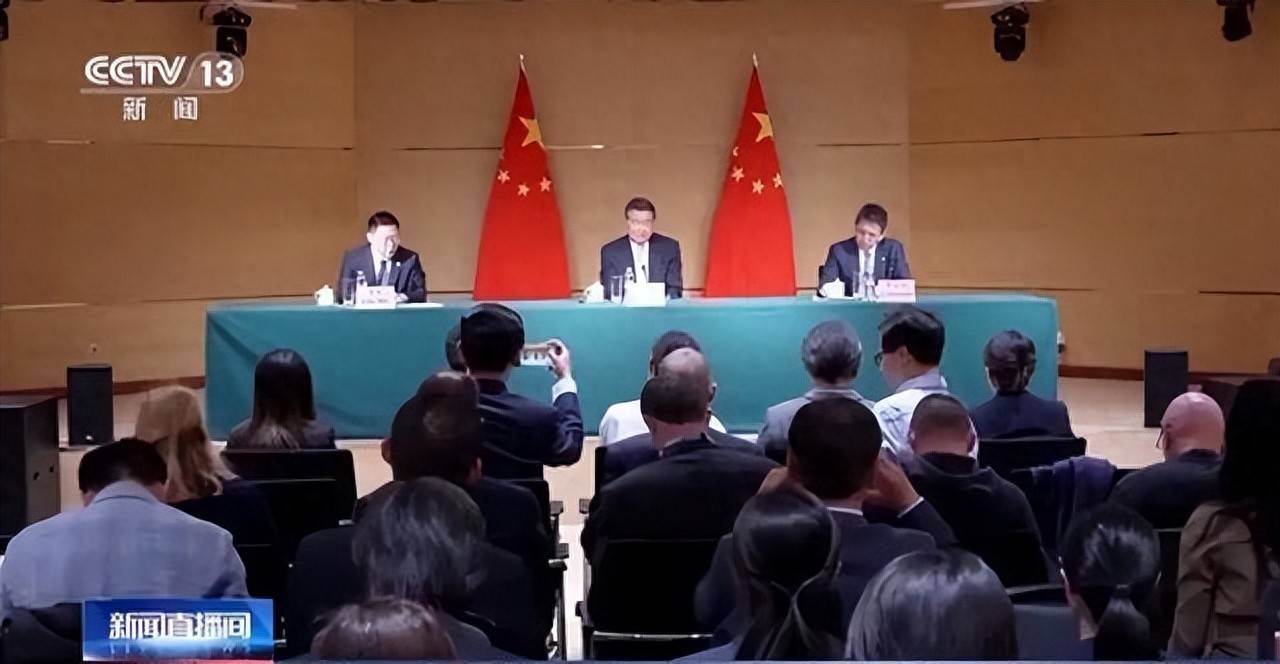
中美谈判,有一点会让美国很胆寒,它对中国不再重要了!
Sou Hu Cai Jing· 2025-10-20 18:00
Group 1 - The core issue revolves around escalating trade tensions between the US and China, initiated by tariffs imposed by the Trump administration on Chinese goods, which led to retaliatory measures from China, affecting various sectors including technology and agriculture [1][3]. - The US increased tariffs on Chinese goods from 10% to as high as 34%, while China responded with tariffs reaching up to 84%, creating significant market volatility and impacting companies reliant on the US-China supply chain [1][3]. - In October, China expanded its export controls on rare earth metals, crucial for high-tech and defense industries, prompting a strong reaction from the US, including threats of 100% tariffs on Chinese goods [3][4]. Group 2 - The US defense industry is particularly vulnerable due to its heavy reliance on Chinese rare earth elements, with potential cost increases of at least 15% and delays in military projects if supply is disrupted [4][6]. - China has diversified its supply chains, increasing imports from Latin America and Australia, which reduces its dependency on the US market and strengthens its bargaining position [6][9]. - The negotiations between the US and China revealed weaknesses in US strategy, with the US appearing reactive and lacking a coherent long-term plan, while China maintained a firm stance on its trade policies [7][9].
华宝期货黑色产业链周报-20251020
Hua Bao Qi Huo· 2025-10-20 11:18
1. Report Industry Investment Rating - No investment rating information was provided in the report. 2. Core Viewpoints of the Report - **Steel Products**: Steel prices are expected to operate at a low level with short - term downward pressure. Attention should be paid to the narrowing of the spread between hot - rolled and rebar [9]. - **Iron Ore**: The price of iron ore will operate within a range, with the main contract of Dalian iron ore futures between 760 - 800 yuan/ton, corresponding to an external market price of approximately 103 - 107 US dollars/ton [10]. - **Coking Coal and Coke**: In the short term, the supply of coking coal and coke increases while the demand decreases, but they are still at a relatively high level. The price should be treated with cautious optimism [11]. - **Ferroalloys**: The supply of ferromanganese and ferrosilicon remains loose, and the demand shows no obvious improvement. The alloy prices are expected to be under pressure and operate weakly [12]. 3. Summary by Directory 3.1 Week - on - Week Market Review - **Futures and Spot Prices**: From October 10 to October 17, 2025, the closing prices of most futures and spot varieties in the black industry chain changed. For example, the RB2601 contract of rebar decreased from 3103 to 3037 yuan/ton, a decrease of 2.13%; the HC2601 contract of hot - rolled coil decreased from 3285 to 3204 yuan/ton, a decrease of 2.47%. However, the J2601 contract of coke increased from 1666.5 to 1676 yuan/ton, an increase of 0.57% [7]. 3.2 This Week's Black Market Forecast 3.2.1 Steel Products - **Logic**: The blast furnace iron - making capacity utilization rate of 247 steel mills decreased slightly, and the average capacity utilization rate of 90 independent electric arc furnace steel mills increased. The steel products market oscillated and declined last week, and the downstream weakness improved limitedly. The Sino - US trade friction affected market sentiment, and important domestic meetings and Sino - US economic and trade consultations are worth noting [9]. - **Viewpoint**: Low - level operation, short - term downward pressure, and attention to the narrowing of the spread between hot - rolled and rebar [9]. 3.2.2 Iron Ore - **Logic**: The macro - level meeting is expected to focus on new - quality productivity and consumption. The supply of foreign mines decreased slightly, the arrival volume will return to the median level, the domestic demand decreased but remained high, the steel mill inventory decreased slightly, and the port inventory increased [10]. - **Viewpoint**: The price will operate within a range, with the main contract of Dalian iron ore futures between 760 - 800 yuan/ton, corresponding to an external market price of approximately 103 - 107 US dollars/ton [10]. 3.2.3 Coking Coal and Coke - **Logic**: The futures prices of coking coal and coke first declined and then rose last week, affected by Sino - US trade policies and anti - involution expectations. The spot market was stable and slightly strong, and some coke enterprises planned a second price increase. The coal mine output increased, the imported coal volume increased monthly, the coke enterprise profit contracted, and the steel mill profit was in deficit [11]. - **Viewpoint**: In the short term, the supply increases while the demand decreases, but they are still at a relatively high level. The price should be treated with cautious optimism [11]. 3.2.4 Ferroalloys - **Logic**: Overseas, the US government shutdown affected economic data and Fed policy decisions. Domestically, the demand improvement expectation was weak. The supply of ferromanganese and ferrosilicon was relatively loose, the demand decreased, the inventory increased, and the cost support was stable [12]. - **Viewpoint**: The alloy prices are expected to be under pressure and operate weakly. Attention should be paid to domestic macro - policies and the progress of Sino - US economic and trade consultations [12]. 3.3 Variety Data 3.3.1 Steel Products - **Rebar**: The output last week was 201.16 tons, a week - on - week decrease of 2.24 tons; the apparent demand was 219.75 tons, a week - on - week increase of 73.74 tons. The total inventory was 641.04 tons, a week - on - week decrease of 18.59 tons [14][21]. - **Hot - Rolled Coil**: The output last week was 321.84 tons, a week - on - week decrease of 1.45 tons; the apparent demand was 315.55 tons, a week - on - week increase of 24.58 tons. The total inventory was 419.19 tons, a week - on - week increase of 6.29 tons [24][29]. 3.3.2 Iron Ore - **Port Inventory**: The total import ore port inventory (45 ports) last week was 14278.27 tons, a week - on - week increase of 253.77 tons [41]. - **Steel Mill Inventory**: The inventory of 247 steel enterprises last week was 8982.73 tons, a week - on - week decrease of 63.46 tons [48]. - **Global Shipment**: The global total shipment last week was 3207.5 tons, a week - on - week decrease of 71.5 tons [54]. 3.3.3 Coking Coal and Coke - **Coke Inventory**: The total coke inventory (coke enterprises + steel mills + ports) last week was 891.85 tons, a week - on - week decrease of 17.84 tons [74]. - **Coking Coal Inventory**: The total coking coal inventory (coke enterprises + steel mills + coal mines + ports + coal washing plants) last week was 2599.21 tons, a week - on - week increase of 87.92 tons [82]. 3.3.4 Ferroalloys - **Spot Price**: The price of semi - carbonate manganese ore in Tianjin Port last week was 33.5 yuan/dry ton degree, a week - on - week decrease of 0.3 yuan [106]. - **Output**: The silicon - manganese output of 187 independent enterprises last week was 208810 tons, a week - on - week increase of 4585 tons [110]. - **Demand**: The demand for silicon - manganese of five major steel types last week was 121113 tons, a week - on - week decrease of 960 tons [114]. - **Inventory**: The silicon - manganese inventory of 63 independent enterprises on October 17 was 262500 tons, a week - on - week increase of 20000 tons [117].