汽车等

Search documents
兼评9月企业利润数据:低基数延续提振利润,工企年内首次补库
KAIYUAN SECURITIES· 2025-10-27 14:42
Group 1: Profit and Revenue Trends - From January to September 2025, the cumulative profit of national industrial enterprises increased by 3.2% year-on-year, up from 0.9% previously[2] - In September, the monthly revenue of industrial enterprises improved by approximately 3.1% year-on-year, an increase of 0.8 percentage points from the previous value[3] - The profit growth rate for September rose by 1.2 percentage points to 21.6%, marking two consecutive months of high growth[3] Group 2: Profit Structure and Contributions - The contributions to September's profit growth were +7.0% from industrial value added, -2.6% from PPI, and +15.2% from profit margin year-on-year[3] - In September, the cost, expenses, investment income, and profit per 100 yuan of revenue were 85.4, 8.3, -0.8, and 5.5 yuan respectively, with significant contributions from reduced expenses[3] - The profit margin structure showed a notable decrease in expense rates, contributing positively to overall profitability[12] Group 3: Inventory and Economic Outlook - In September, nominal inventory increased by 0.5 percentage points to 2.8%, indicating the first shift to replenishing inventory this year[5] - The report anticipates increased downward pressure on economic growth in Q4, despite recent fiscal policy measures aimed at boosting investment[5] - The ongoing improvement in the "anti-involution" industries has led to a more significant profit recovery compared to non-anti-involution sectors, with a 3.9 percentage point improvement in cumulative profit year-on-year for anti-involution industries[4]
【中国制造新观察】产业转型升级不是齐步走
Jing Ji Ri Bao· 2025-10-27 00:42
Group 1 - The core viewpoint emphasizes the importance of respecting the differentiated pace of industrial transformation, which should be based on comparative advantages and implemented through differentiated strategies [1][3] - The National Bureau of Statistics recently released major economic data for the first three quarters, indicating rapid growth in industries such as the digital economy and new energy, while some sectors are experiencing a slowdown or decline [1] - The Ministry of Industry and Information Technology has introduced a new round of ten key industry stabilization growth plans, highlighting the varying policy orientations across different industries [1][3] Group 2 - Regional endowment differences determine the starting line for transformation, with coastal areas leading in high-end industries due to advantages in geography, policy, and talent, while central and western regions focus on addressing shortcomings [1][2] - Different industry characteristics dictate the speed of transformation, with technology-intensive sectors like the internet and electronics advancing rapidly, while traditional manufacturing industries face longer transformation cycles [2] - The differentiation among operating entities affects their transformation capabilities, with large enterprises leading the way and small to medium enterprises playing a crucial role, while some micro-enterprises struggle due to lack of resources [2][3] Group 3 - There is a need to avoid anxiety over the varying speeds of transformation and to prevent the widening of gaps, as blind governance and a one-size-fits-all approach can hinder orderly industrial transformation [3] - The differentiation in industrial transformation is not a gap in development but rather a ladder for high-quality development, where the combination of technological advantages, resource potential, and innovative capabilities can lead to significant industrial progress [4]
立信数据:2025年二季度中国消费者消费意愿调查报告
Sou Hu Cai Jing· 2025-10-25 01:47
Core Insights - The consumer willingness index in China for Q2 2025 is 120.2, indicating a slight decline from the previous quarter and a year-on-year decrease of 7.1 points, suggesting a stabilization phase in consumer sentiment [1][8][10]. Consumer Willingness Index Comparison - The willingness index shows significant regional and demographic disparities, with the Northeast region scoring the highest at 127.4, while the Western region is the lowest at 111.5 [17][19]. - Urban consumers have a higher index (122.2) compared to rural consumers (109.4), with first-tier cities outperforming lower-tier cities [19][21]. - High-income consumers have an index of 140.0, significantly higher than middle-income (120.9) and low-income (111.3) groups, indicating a widening gap in consumer sentiment [21][28]. Consumer Satisfaction and Economic Outlook - Over half of consumers (55.5%) perceive prices as "high," despite a slight decrease in CPI, reflecting a persistent expectation for price reductions [2][49]. - Consumer satisfaction regarding current economic conditions is slightly declining, with 30.5% rating it as "good" and a satisfaction index of 114.1 [30][32]. - Expectations for future economic conditions are also low, with only 44.5% believing their situation will improve in a year, marking the lowest level since the survey began [34][38]. Spending Behavior and Future Intentions - Consumers are primarily saving (51.8%) and investing in children's education (45.3%), with a notable increase in savings intentions [2][11]. - There is a strong demand for home appliances, clothing, and travel in the next six months, with the "trade-in" policy showing effectiveness but facing limitations [11][12]. - The automotive sector is seeing a rebound in consumer intent, particularly for mid-range vehicles priced between 100,000 to 200,000 yuan, although the growth in new energy vehicle adoption is slowing [12][48]. Policy Recommendations - Recommendations include enhancing social security, stabilizing growth and employment, reducing educational burdens, and issuing consumption vouchers to boost consumer confidence [2][14]. - Emphasis on improving the quality of products and services is crucial for encouraging consumer spending [11][48].


21评论|从产业链优势视角发现未来十年重大投资机会
2 1 Shi Ji Jing Ji Bao Dao· 2025-10-24 13:03
Group 1 - The core viewpoint emphasizes the need for China to accelerate high-level technological self-reliance and innovation to enhance its production capabilities and seize opportunities in the new technological revolution [2] - The upgrading of industrial structure is identified as a key path for economic transformation from factor-driven to innovation-driven growth, with industrial chain advantages being crucial for national competitiveness [3] - The future decade will see China's industrial chain advantages enter a self-reinforcing "positive feedback" development phase, driven by the transition from agriculture to industry and the enhancement of technological capabilities through international market competition [4] Group 2 - Globalization provides the necessary conditions for maintaining China's industrial chain advantages, with trade statistics showing a 4% year-on-year increase in imports and exports, and a 7.1% growth in exports for the first three quarters of 2025 [5] - The rapid growth of high-tech exports, including a 104.7% increase in electric vehicles and a 174.7% increase in photovoltaic components, reflects the macroeconomic advantages and growth potential stemming from industrial chain upgrades [5] - Infrastructure development has created conditions for industrial clustering and factor mobility, with technological innovation becoming the key driver for industries to move up the value chain [6] Group 3 - The interaction of asset prices and labor costs serves as a balancing factor in the industrial upgrading process, with capital markets playing a crucial role in supporting the growth of the industrial chain advantages [7] - The long-term growth of China's economy is supported by the continuous rise in per capita GDP, which opens up long-term upward potential for capital markets [7] - The perspective of industrial chain advantages is seen as a lens for identifying investment opportunities over the next decade, with a focus on emerging strategic industries such as new energy and advanced manufacturing [8][9]

SGS辛斌:供应链绿色转型是ESG关键,信披质量有待完善
Nan Fang Du Shi Bao· 2025-10-24 10:28
Group 1 - The core viewpoint of the articles emphasizes the increasing importance of ESG (Environmental, Social, and Governance) practices and disclosures in both global and domestic contexts, highlighting the need for companies to not only implement ESG strategies effectively but also to communicate their efforts effectively [2][5]. - Current trends indicate that global ESG disclosure policies are becoming more mandatory and simplified, while domestic regulations are tightening, leading to a gradual improvement in A-share ESG disclosure guidelines [2]. - The disclosure rate of sustainable development reports among domestic listed companies is projected to rise from 36.16% in 2022 to 46.09% in 2024, although the verification rate of ESG reports remains below 10% [5]. Group 2 - The transition to a green supply chain is identified as a key factor for sustainable development, with major international companies like Amazon, Lenovo, Huawei, and Apple setting responsible procurement policies that influence suppliers' ESG practices [5]. - There is a noted lag in the maturity of green supply chain management practices in China compared to regions like Europe and North America, where environmental management in supply chains has been more established [5]. - The quality of ESG disclosures is criticized for being insufficient, with issues such as selective disclosure and "greenwashing" being prevalent, where companies may present favorable sustainability information while downplaying negative aspects [6]. Group 3 - Many companies lack quantitative metrics and data in their sustainability reports, which diminishes the credibility and usefulness of the disclosures for decision-making [6]. - Only 26.24% of the 2,481 A-share listed companies that disclosed sustainability reports in 2024 conducted a dual materiality assessment, indicating a gap in identifying truly significant sustainability issues for stakeholders [6]. - Companies are encouraged to adhere strictly to international standards to avoid "greenwashing" and to adapt their verification standards based on market demands [6].
张伊娜:上海前三季度消费回暖增强势头及关键指标排名表现并非偶然
Sou Hu Cai Jing· 2025-10-23 00:46
Core Insights - Shanghai's consumer market shows signs of recovery and increased vitality, with a 4.3% year-on-year growth in social retail sales in the first three quarters of 2025, ranking first among five international consumption centers despite being slightly below the national average of 4.5% [3][4] Group 1: Policy Impact - The implementation of the "2025 Consumption Expansion Action Plan" has led to increased consumption subsidies, particularly in major consumption areas, generating nearly 110 billion yuan in consumption through "trade-in" policies for appliances, furniture, and automobiles [3] - The "Le Shanghai" consumption vouchers have effectively stimulated consumer enthusiasm across various sectors, including dining, retail, and tourism, while also promoting supply-side innovation to enhance consumption scenarios [3] Group 2: Local Consumption Trends - The stabilization of the stock market, with the Shanghai Composite Index maintaining above 3,800 points, has positively influenced local consumption, supported by a 4.3% increase in per capita disposable income [4] - There is a notable shift in consumer preferences from basic needs to quality demands, with significant year-on-year retail growth in sports and entertainment goods (27.7%), furniture (22.1%), and home appliances (28.2%) [4] Group 3: Tourism and External Consumption - The relaxation of visa policies has led to a 37% year-on-year increase in inbound tourism, significantly boosting related sectors such as culture, tourism, and retail [5] - Events like the "Shanghai Summer" and "Tourism Festival" have further enhanced the synergy between inbound and local consumption, contributing to substantial economic growth [5] Group 4: Growth Dynamics - The low base effect from the previous year, when the consumer market was in recovery, has accentuated the growth trend observed in 2025, characterized by a dual pathway of recovery and structural upgrade in the consumption market [6]

A股超659家公司设立ESG委员会,有公司年内股价最高暴涨12倍
Mei Ri Jing Ji Xin Wen· 2025-10-22 12:24
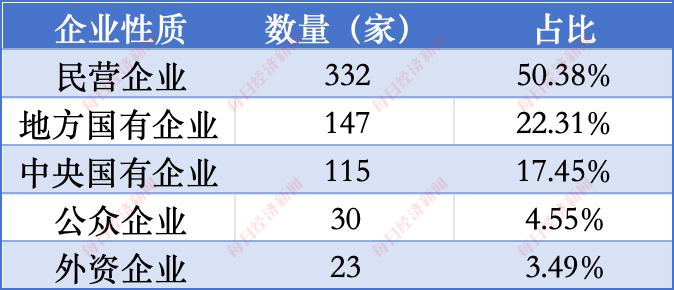
Core Viewpoint - The China Securities Regulatory Commission has announced the revised "Corporate Governance Guidelines for Listed Companies," which will take effect on January 1, 2026, emphasizing the establishment of sustainability committees in companies [1]. Group 1: Establishment of ESG Committees - As of October 21, at least 659 companies in the A-share market have established sustainability/ESG committees over the past three years, with private enterprises making up over half of this number [2][3]. - The distribution of companies establishing ESG committees includes 332 private companies (50.38%), 147 local state-owned enterprises (22.31%), and 115 central state-owned enterprises (17.45%) [3][4]. - ESG committees are generally positioned as strategic advisory bodies to the board, focusing on long-term development strategies, major investment decisions, and sustainable development [4]. Group 2: Financial and Stock Performance - Among the 659 companies with ESG committees, nearly 80% have seen their stock prices rise this year, with the highest increase exceeding 12 times [2][6]. - The average market capitalization of these companies is approximately 37.5 billion yuan, with China Mobile, Industrial Fulian, and BYD being the top three companies by market cap [6][7]. - In terms of revenue growth, 367 companies reported year-on-year increases in 2024, representing 55.69% of the total, while this number rose to 389 companies (59.03%) in the mid-2025 report [9][10]. Group 3: Return on Equity (ROE) Analysis - In 2024, 555 companies reported a positive ROE, accounting for 84.22%, with notable performers including Jinbo Biological, Zhengdan Co., and Dongpeng Beverage [12][13]. - The number of companies with positive ROE increased to 565 (85.74%) in the mid-2025 report [12][13]. - The establishment of ESG committees is correlated with improved financial performance, although some companies still exhibit poor results due to superficial implementation of ESG principles [14].





富国观市丨贸易摩擦压制情绪,下周聚焦政策指引
Sou Hu Cai Jing· 2025-10-22 05:49
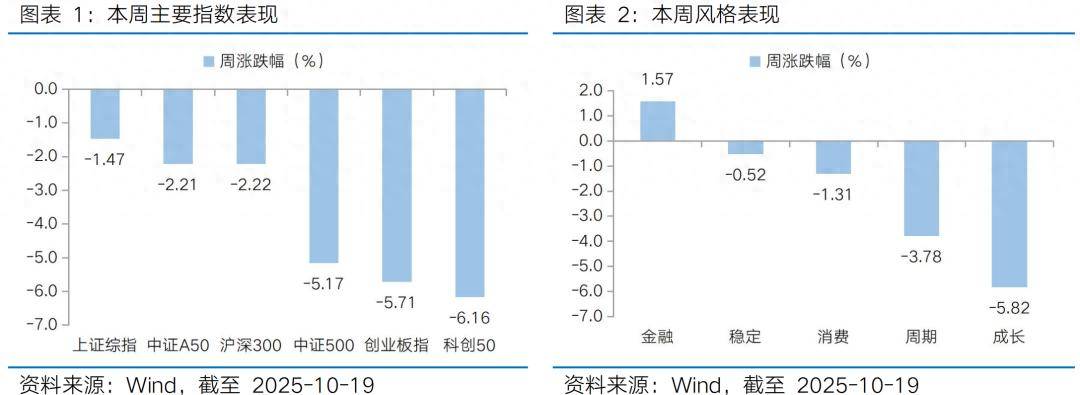
A-share Market Analysis - The A-share market performed poorly this week due to multiple factors, including external trade frictions, with major indices collectively declining. The Shanghai Composite Index fell by 1.47%, the ChiNext Index dropped by 5.71%, and the CSI 300 decreased by 2.22% [1] - Defensive sectors such as banking and coal showed relative resilience, while the previously popular technology growth sector experienced significant adjustments. The banking sector led with a gain of 4.89%, while electronics fell by 7.14% [1] - The market's performance was influenced by external uncertainties, particularly the escalation of Sino-US trade tensions, which amplified market volatility [5] Hong Kong Market Analysis - The Hong Kong market experienced a downward trend influenced by both internal and external factors, with the Hang Seng Index declining by 3.97% and the Hang Seng Technology Index dropping by 7.98% [8][11] - Defensive sectors like utilities and telecommunications performed relatively well, while growth sectors such as information technology and healthcare faced significant declines [8] - Southbound capital showed a contrary trend, with a net inflow of 450.89 million HKD, indicating a potential long-term value recognition by domestic investors [8] Macroeconomic Events to Watch - The upcoming Fourth Plenary Session from October 20 to 23 is expected to focus on the "14th Five-Year Plan," which will be a key area of market attention, particularly regarding policies supporting new productivity and addressing internal competition [7][13] - The release of Q3 earnings reports later in October will also be crucial, as market sentiment will likely adjust based on corporate profitability [7] Technology Sector Insights - The recent adjustment in the technology sector is attributed to external uncertainties and profit-taking from previous gains, but the underlying industry logic remains intact, suggesting that the main trend for technology stocks is not over [6] - The technology sector is supported by three key industry dynamics: increasing demand driven by technological iterations, rising domestic substitution rates, and potential demand surges if business models prove successful [6] Future Outlook - Despite the ongoing tensions in Sino-US trade relations, the core logic of the Hong Kong market remains focused on domestic economic recovery and global liquidity conditions. The market is expected to stabilize as long as liquidity expectations are maintained [14] - The "barbell" strategy of investing in both high-growth technology sectors and stable dividend-paying assets is recommended to balance risk and return in the current market environment [14]
A股市场缩量调整后或如何演绎?
ZHONGTAI SECURITIES· 2025-10-20 06:34
Report Summary 1. Report Industry Investment Rating No information provided in the content. 2. Core Viewpoints of the Report - The recent volume contraction in the A-share market is a result of technical corrections in over - rising sectors, cautious market sentiment due to Sino - US relations and external uncertainties, and a slowdown in incremental funds. However, it is not a trend reversal. Policy and fundamental factors are expected to boost market confidence, and trading volume may gradually recover [7][8][10]. - It is recommended to continue focusing on two main investment lines: the non - ferrous metals sector and leading stocks in science and technology growth sectors such as semiconductors and artificial intelligence [10]. 3. Summary by Relevant Catalogs Market Review - **Market Performance**: Most major A - share indices rose last week, with the Shanghai 50 having the largest increase (weekly return of - 0.24%). Among major industries, the financial and energy indices performed relatively well (weekly returns of 1.91% and 1.63% respectively), while the information technology and telecommunications service indices performed poorly (weekly returns of - 6.70% and - 4.79% respectively). Among the 30 Shenwan primary industries, 4 industries rose, with banks, coal, and food and beverage having larger increases of 4.89%, 4.17%, and 0.86% respectively; electronics, media, and automobiles had larger declines of 7.14%, 6.27%, and 5.99% respectively [11][16][18]. - **Trading Heat**: The average daily trading volume of the Wind All - A Index last week was 2192.852 billion yuan (previous value: 2602.982 billion yuan), at a relatively high historical level (93.40% of the three - year historical quantile) [21]. - **Valuation Tracking**: As of October 17, 2025, the valuation (PE_TTM) of the Wind All - A Index was 21.96, a decrease of - 0.51 from the previous week, at the 89.20% quantile of the past 5 - year history. Among the 30 Shenwan primary industries, 4 industries saw valuation (PE_TTM) recoveries [26]. Market Observation - **Analysis of Volume Contraction Adjustment**: Last week, the trading volume of major A - share indices declined comprehensively, especially in small - cap and ChiNext and STAR Market sectors. The decline in trading volume was mainly due to technical corrections in over - rising sectors, cautious market sentiment caused by Sino - US relations and external uncertainties, and a slowdown in incremental funds, including cautious northbound funds, cooling margin trading, and increased shareholder reduction pressure [7]. - **Positive Factors**: The upcoming Fourth Plenary Session of the 20th Central Committee may bring continuous policy support in areas such as artificial intelligence and advanced manufacturing. As the third - quarter earnings reports are intensively disclosed, corporate profit situations are becoming clearer, with 82.54% of the 126 companies that have released earnings forecasts reporting positive news. These factors may attract off - market funds to re - enter the market and increase trading volume [8]. - **Investment Recommendations**: Despite the volume contraction adjustment last week, it is not a trend reversal. It is recommended to focus on the non - ferrous metals sector and leading stocks in science and technology growth sectors such as semiconductors and artificial intelligence [10]. Economic Calendar - **Domestic Economic Data**: Key domestic economic data to be released this week include China's unemployment rate, year - on - year growth rate of total retail sales of consumer goods, year - on - year growth rate of quarterly GDP, 1 - year loan prime rate (LPR), and cumulative year - on - year growth rate of urban fixed - asset investment [28]. - **Domestic Important Events**: The National Bureau of Statistics of China will hold a press conference on the economic operation situation [28]. - **Overseas Economic Data**: Overseas economic data to be released include the year - on - year growth rate of US industrial output, unadjusted year - on - year CPI in the US, and Markit composite PMI [28]. - **Overseas Important Events**: Michael Barr, the Vice Chairman of the Federal Reserve for Financial Supervision, will give a speech [28].
立方财评 | 当广交会不再只是卖货,中国外贸在比拼什么?
Sou Hu Cai Jing· 2025-10-19 06:47
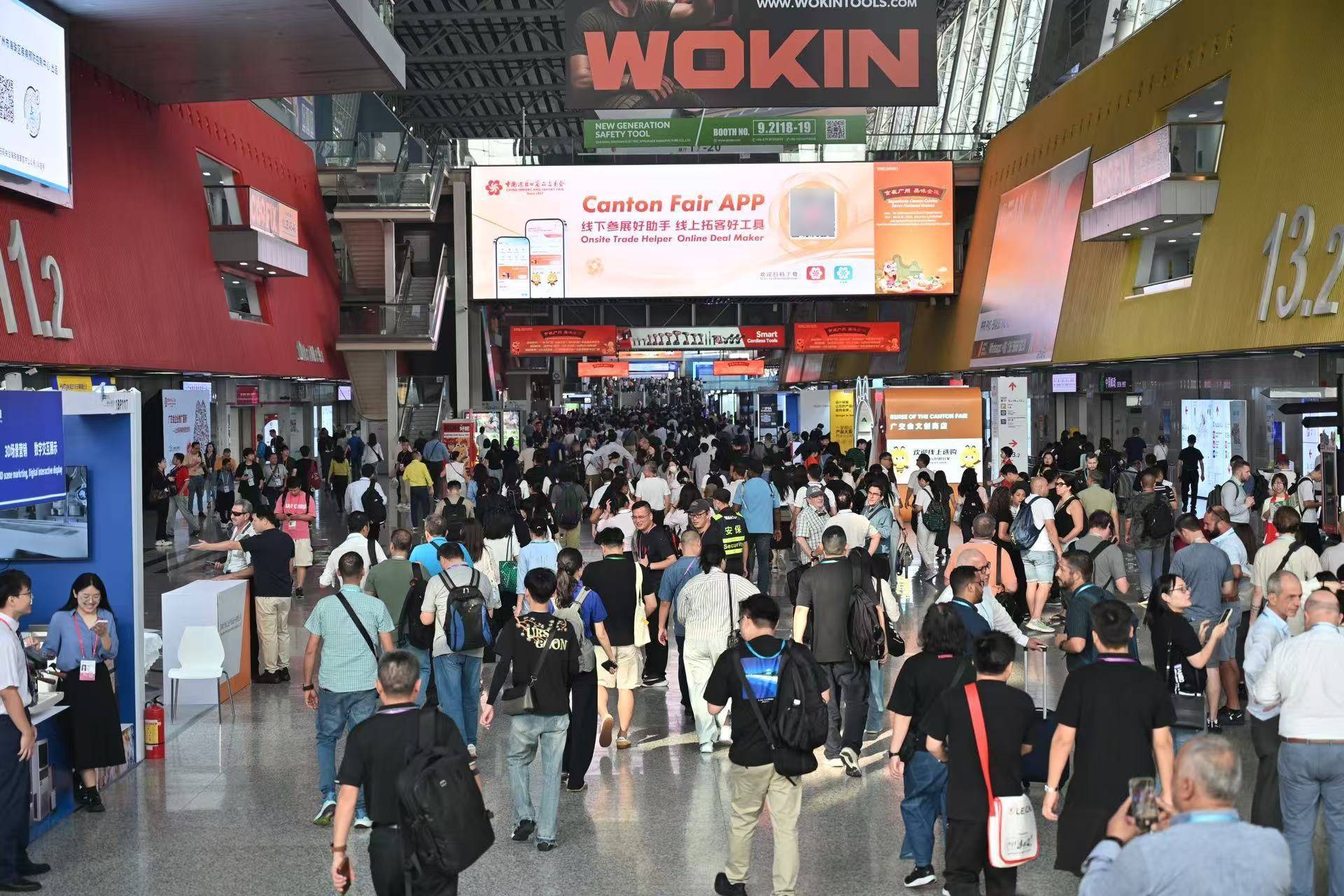
Core Insights - The 138th China Import and Export Fair (Canton Fair) showcases a significant transformation in China's foreign trade, emphasizing innovation and a shift from manufacturing to intelligent manufacturing, with record participation and exhibition space [1][3]. Group 1: Transformation in Foreign Trade - The fair features over 74,600 exhibition spaces and more than 32,000 participating companies, both of which are historical highs, signaling a robust commitment to foreign trade transformation [1]. - The theme of the first phase is "advanced manufacturing," highlighting the emergence of hard technology products such as AI home appliances and robotics, which are now driving actual orders rather than merely showcasing capabilities [3]. Group 2: Market Strategy Evolution - Chinese companies are shifting from broad market strategies to more tailored approaches, focusing on deep market insights to align products and services with specific customer needs [4]. - Examples include customized products for African markets, indicating a move from "what can I produce" to "what do you need," fostering long-term relationships based on trust [4]. Group 3: Integrated Market Approach - The fair introduces a section for "foreign trade quality products to expand domestic sales," promoting the integration of domestic and foreign trade [5]. - The number of buyers from countries involved in the Belt and Road Initiative is increasing, with emerging markets like Brazil, the Middle East, Central Asia, and Africa becoming key drivers of order growth [5]. Group 4: Systematic Competition - The Canton Fair reflects a comprehensive advancement in China's supply chain, emphasizing technology empowerment, market insight, and global layout [9]. - The evolution of foreign trade is characterized by a transition from price competition to value creation, supported by new productive forces and trust-based relationships [9].