非银金融

Search documents
非银金融周报:健全功能完善的金融市场,积极发展直接融资-20251116
HUAXI Securities· 2025-11-16 11:51
Investment Rating - The industry rating is "Recommended" [5] Core Insights - The report highlights the importance of developing a robust financial market and promoting direct financing through equity and bond markets to optimize financing structures and reduce corporate financing costs, which is crucial for stimulating market vitality and supporting high-quality economic development [3][13] - The A-share market has shown significant growth in trading volume, with the average daily trading volume reaching 20,438 billion yuan, a 1.6% increase from the previous period and a 1.0% increase year-on-year [1][17] - The insurance sector is experiencing a structural differentiation, with life insurance premiums showing a temporary slowdown while property insurance premiums are growing steadily [14] Summary by Sections Market and Sector Performance - The non-bank financial Shenwan index increased by 0.16%, outperforming the CSI 300 index by 1.24 percentage points, ranking 20th among all primary industries [2][12] - The securities sector declined by 1.01%, while the insurance sector rose by 2.63%, and internet finance increased by 1.83% [2][12] Securities: Development of Direct Financing - The People's Bank of China emphasizes the need for a well-functioning financial market that caters to various investment and financing needs, advocating for the development of direct financing through equity and bond markets [3][13] Insurance: Premium Trends - In September, life insurance premiums decreased to 1,962 billion yuan, a year-on-year decline of 4.6%, while property insurance premiums rose to 1,511 billion yuan, a year-on-year increase of 7.2% [14] Market Indicators - As of November 13, 2025, the margin balance in the two markets reached 25,065.19 billion yuan, a 0.31% increase from the previous period and a 59.95% increase compared to the average level in 2024 [1][17]






哪些低估滞涨方向尚未轮动?
Huaan Securities· 2025-11-16 11:24
Core Insights - Economic and financial data show marginal weakening, with internal policy support expectations rising, but the probability of new incremental policies being introduced near year-end is low, leading to continued high-level fluctuations in the market [3][4] - The AI industry adjustment provides better layout opportunities, while sectors with earnings support such as energy storage/batteries, military industry, storage, and engineering machinery should also be emphasized [3][6] Market Perspective - October macroeconomic data continues to show marginal slowdown, with investment declining rapidly and consumption growth remaining low. The GDP growth rate for October is estimated at around 4.6%, which is a marginal decline from the second quarter [4][13] - The third-quarter monetary policy execution report indicates an increased probability of monetary policy easing to support the economy, with a shift in focus towards interest rates rather than quantity [5][22] Industry Allocation - The market has entered a high-level fluctuation phase since early October, with significant increases in industry rotation intensity. Consumption sectors have shown strong performance recently, while resource sectors led the previous week [6][29] - Low valuation and stagnant sectors such as non-banking, food and beverage, agriculture, public utilities, and home appliances are expected to see short-term rebound opportunities [6][30] Financial Data Analysis - Fixed asset investment in October showed a cumulative year-on-year decline of 1.7%, with manufacturing investment growth at 2.7%, and real estate investment down by 14.7% [16][19] - The real estate sector continues to show a downward trend, with property investment in October down 23% year-on-year, indicating significant cash flow pressure on real estate companies [19][20] Future Outlook - The AI industry remains a key focus for investment, with specific attention on computing power and application sectors. The third-quarter reports continue to validate the relative performance advantages of growth styles [38][40] - Sectors with strong earnings support, including energy storage, military, storage, and engineering machinery, are also highlighted as promising areas for investment [40]
——信用周报20251116:临近年末保持久期,重点关注中长端品种-20251116
Huachuang Securities· 2025-11-16 09:16
Group 1 - The report emphasizes maintaining duration as the year-end approaches, with a focus on medium to long-term credit varieties, particularly 4-5 year products which show marginal improvement in cost-performance despite still low spread levels [2][10][12] - The current yield range for long-term credit bonds (5 years and above) rated AA+ and above is between 2.16% and 2.66%, indicating a certain level of yield cost-performance [3][10] - The report notes that funds have significantly increased their allocation to 5-year and above credit bonds, reflecting a trend towards extending duration for yield [3][10] Group 2 - The report highlights key policies and events, including Tianjin's measures to support high-quality development of REITs, which aim to enhance capital market services for the real economy [4][19] - The upcoming revision of the "Commercial Bank M&A Loan Management Measures" is expected to broaden the scope of applicable loans and optimize loan conditions, which could facilitate mergers and acquisitions [4][19][24] - The report mentions that the National Development and Reform Commission has recommended 105 infrastructure REITs projects to the CSRC, with 83 already issued, indicating a normalization in the issuance of infrastructure REITs [4][19][24] Group 3 - The report indicates that the credit bond market has seen a majority of yields decline, with financial bonds performing better, while credit spreads have shown divergence [6][10] - The issuance scale of credit bonds this week was 269.9 billion, a decrease of 20.5 billion from the previous week, with net financing also down [7][10] - The report notes a decrease in trading activity in both the interbank and exchange markets for credit bonds, suggesting a decline in market liquidity [7][10]
风格扩散的两种潜在结局
Xinda Securities· 2025-11-16 03:24
Group 1 - The report indicates that over the past two months, the value style has strengthened significantly, with financial, cyclical, and consumer sectors rotating in performance [2][10][11] - The core reason for this style diffusion is attributed to the performance window before year-end, where sectors lack high-frequency quarterly reports to validate performance, leading to volatility driven mainly by valuation and expectations [2][10] - Historical context shows that in the second half of 2014, a liquidity bull market saw a shift from TMT to value, with cyclical and financial sectors performing well, although this trend was short-lived [2][10][18] Group 2 - The report notes that the current style diffusion is still in a phase driven by valuation, expectations, and capital inflow, which is expected to last at least 1-2 quarters [2][10][25] - For the style diffusion to transition into an annual-level market, the profitability logic of value stocks needs to be validated [2][10][25] - The report suggests that in the later stages of the liquidity bull market, the technology sector, which has a stronger long-term industrial logic, may return to prominence before the stabilization of value stock fundamentals [2][10][25] Group 3 - The report highlights that the financial sector is currently undervalued, with a high probability of outperforming as resident capital accelerates inflow [29][34] - The electrical equipment sector is noted for its potential growth, benefiting from investments in the AI industry and improving supply-demand dynamics [29][34] - The cyclical sector, particularly steel and chemicals, is expected to see opportunities due to stabilizing supply policies and potential demand recovery [29][34]
数据点评 | “存款搬家”再现(申万宏观·赵伟团队)
Sou Hu Cai Jing· 2025-11-14 18:11
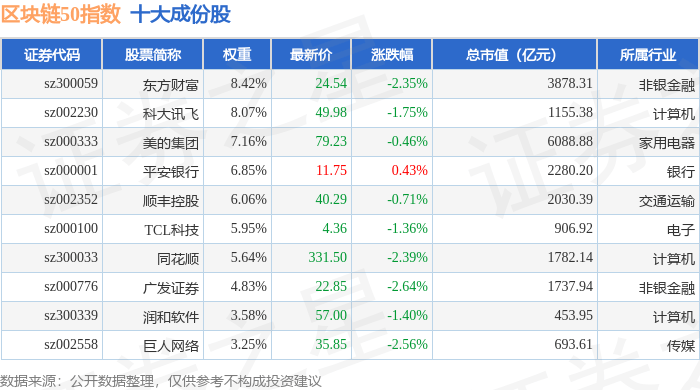
Group 1 - The core viewpoint highlights the re-emergence of the "deposit migration" phenomenon, with a decrease of approximately 770 billion yuan in resident deposits and a corresponding increase of 770 billion yuan in non-bank institution deposits, indicating a "seesaw" relationship [1][5][33] - The M1 growth rate decline is attributed to the decrease in resident deposits, which is directly related to the contraction in resident credit demand, particularly a reduction of 335.6 billion yuan in short-term loans [1][8][33] - In October, corporate loans remained primarily focused on short-term financing, with a year-on-year growth rate of short-term loans and bill financing increasing by 0.6 percentage points to 10.0%, while medium- and long-term loans saw a slight decline [2][13] Group 2 - The growth rate of social financing (社融) further declined, primarily due to a decrease in net government bond financing by 560.2 billion yuan, which was a key factor in the slowdown of social financing growth [2][18] - The outlook for social financing stability is optimistic with the implementation of two fiscal policies, including the full deployment of 500 billion yuan in new policy financial tools and the issuance of 500 billion yuan in local government bond limits expected in November and December [2][20] - In October, new social financing amounted to 815 billion yuan, a year-on-year decrease of 597 billion yuan, driven by declines in government bonds and RMB loans [3][26]

11月14日区块链50(399286)指数跌1.49%,成份股汉得信息(300170)领跌
Sou Hu Cai Jing· 2025-11-14 16:42
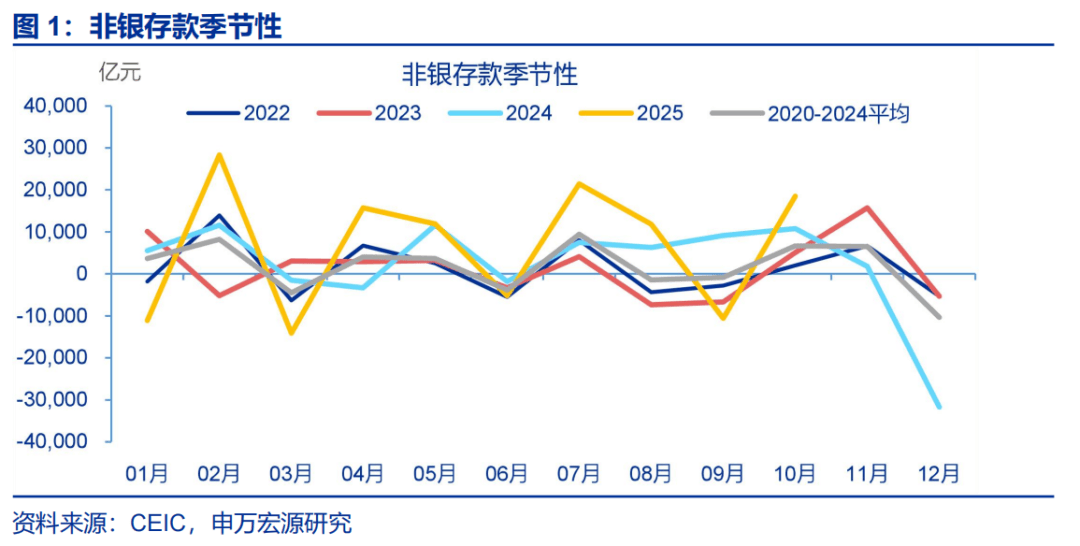
Market Performance - The Blockchain 50 Index (399286) closed at 3982.08 points, down 1.49%, with a trading volume of 35.197 billion yuan and a turnover rate of 1.74% [1] - Among the index constituents, 4 stocks rose while 45 stocks fell, with Yihualu leading the gainers at 3.15% and Handexin leading the decliners at 3.57% [1] Key Constituents - The top ten constituents of the Blockchain 50 Index include: - Dongfang Caifu (8.42% weight) at 24.54 yuan, down 2.35% [1] - Keda Xunfei (8.07% weight) at 49.98 yuan, down 1.75% [1] - Midea Group (7.16% weight) at 79.23 yuan, down 0.46% [1] - Ping An Bank (6.85% weight) at 11.75 yuan, up 0.43% [1] - SF Holding (6.06% weight) at 40.29 yuan, down 0.71% [1] - TCL Technology (5.95% weight) at 4.36 yuan, down 1.36% [1] - Tonghuashun (5.64% weight) at 331.50 yuan, down 2.39% [1] - Guangfa Securities (4.83% weight) at 22.85 yuan, down 2.64% [1] - Runhe Software (3.58% weight) at 57.00 yuan, down 1.40% [1] - Giant Network (3.25% weight) at 35.85 yuan, down 2.56% [1] Capital Flow - The net outflow of main funds from the Blockchain 50 Index constituents totaled 2.988 billion yuan, while retail investors saw a net inflow of 2.268 billion yuan [3] - Notable capital flows include: - Ping An Bank with a main fund net inflow of 12.8 million yuan [3] - Yihualu with a main fund net inflow of 41.29 million yuan [3] - Midea Group with a main fund net inflow of 10.00 million yuan [3]





东莞证券财富通每周策略-20251114
Dongguan Securities· 2025-11-14 10:39
证券研究报告 2025 年 11 月 14 日 星期五 【下周策略】 ◆下周大势研判:震荡巩固 从本周市场来看: 首先,10 月信贷社融增速收敛,企业信贷增速放缓、居民融资 意愿承压。 其次,10 月份经济运行基本平稳,稳中有进态势持续。 最后,政策将继续实施好适度宽松的货币政策,保持社会融资 条件相对宽松。 总体来看,本周沪指在 4000 点附近震荡整理。10 月信贷社融 增速放缓,企业信贷增长减弱,居民融资意愿仍偏低。10 月经济运 行总体平稳,延续稳中有进态势,但也面临外部环境不确定、内部 结构调整等挑战,经济平稳运行存在压力。不过随着扩内需、稳就 业、稳预期等政策持续发力并落地见效,经济有望实现质的有效提 升与量的合理增长。货币政策方面,在全年 5%左右增速目标预计可 达的背景下,货币政策短期加码的紧迫性降低,重点转向既有政策 的落实与跨周期工具储备。货币宽松方向不变,降准、降息仍可期, 节奏上更侧重"相机抉择"。后续需关注 12 月上中旬政治局会议和 中央经济工作会议的政策定调,以及美联储动向与"十五五"规划 衔接对政策的影响。从技术面来看,当前沪指在 4000 点附近震荡 整理,资金分歧有所加大, ...
固定收益点评:“南向通”扩容下的境外债券投资机会
GOLDEN SUN SECURITIES· 2025-11-14 09:17
Report Industry Investment Rating No industry investment rating is provided in the report. Core Viewpoints The report explores investment opportunities in the Hong Kong bond market under the expansion of the "Southbound Connect." It analyzes the market conditions of Chinese dollar-denominated bonds and Dim Sum bonds, and points out potential investment opportunities based on factors such as interest rates, exchange rates, and credit risks [2]. Summary by Directory I. Bond "Southbound Connect" Introduction - Launched on September 24, 2021, it allows domestic investors to invest in bonds traded in the Hong Kong bond market through a connected mechanism [9]. - Initially, it only supported spot bond trading and later gradually introduced repo trading. In 2025, measures were announced to expand trading currencies and extend trading hours [10]. - Regulatory authorities have defined the current participants and trading counterparties. The scope of participants is expected to expand to include non-bank institutions such as securities firms, insurance companies, and asset management companies [11]. II. "Southbound Connect" Investment Target Situation Hong Kong Bond Market Situation - The Hong Kong bond market consists of three main segments: Hong Kong dollar, offshore RMB, and G3 currency markets. As of the end of 2024, the outstanding amounts of Hong Kong dollar bonds, offshore RMB bonds, and G3 currency bonds were 195.5 billion, 173.2 billion, and 565.6 billion US dollars respectively, with G3 currency bonds dominating the market [24]. - From 2015 to 2024, the total size of the Hong Kong bond market showed a significant upward trend, reaching HK$2.83 trillion in 2024. The Exchange Fund and the Hong Kong Special Administrative Region Government are the cornerstones of the market, and overseas issuers and local statutory bodies have also contributed to its growth [26]. Hong Kong Chinese Dollar-Denominated Bond Market Status - Affected by factors such as the US dollar interest rate hike, rising overseas financing costs, and changes in the credit environment, the issuance volume of Chinese dollar-denominated bonds in Hong Kong has declined significantly since 2022, with negative net financing in the past three years [32]. - As of October 30, 2025, the outstanding amount of Chinese dollar-denominated bonds traded on the Hong Kong Stock Exchange and CMU was 361.5 billion US dollars, with 1,180 bonds. They are mainly concentrated in industries such as finance and energy, with coupon rates mostly between 3% - 5% and maturities mostly over 3 years [37][40]. Dim Sum Bond Market Status - The issuance volume and net financing of Dim Sum bonds have increased significantly since 2022, reflecting the promotion of RMB internationalization and the expansion of the "Southbound Connect" [43]. - As of October 29, 2025, the outstanding amount of Dim Sum bonds traded on the Hong Kong Stock Exchange and CMU was 1.5666 trillion RMB, with 1,266 bonds. They are mainly concentrated in industries such as finance, real estate, and consumption, with coupon rates mostly between 3% - 5% and maturities mostly between 1 - 3 years [48][50]. III. Investment Opportunities in Chinese Dollar-Denominated Bonds - The benchmark interest rate for Chinese dollar-denominated bonds is US Treasury bonds. In the first three quarters of 2025, US Treasury bond yields fluctuated and declined in the third quarter. It is expected to remain volatile at a low level in the future [55]. - Investment-grade Chinese dollar-denominated bonds have declined with US Treasury bonds this year, and the spread has narrowed to a low level since 2024. High-yield bonds have fluctuated, and the spread is at a high percentile [57]. - Due to the continuous advancement of debt resolution policies, the spread of overseas Chinese dollar-denominated urban investment bonds has significantly compressed since mid-2024 [59]. - The spread of real estate Chinese dollar-denominated bonds has shown significant differentiation. The spread of investment-grade bonds has continued to compress, while that of non-investment-grade bonds has fluctuated at a high level [63]. - In terms of exchange rates, the US dollar has depreciated against the RMB in 2025, and the narrowing of the discount has reduced the exchange rate hedging cost, increasing the allocation value of Chinese dollar-denominated bonds [66]. - From a credit perspective, the number of defaults or extensions of local state-owned enterprises and central enterprises has decreased, and the investment strategy can focus on bonds of central and state-owned enterprises with large onshore-offshore spreads [67]. IV. Investment Opportunities in Dim Sum Bonds - The benchmark interest rate for Dim Sum bonds is offshore RMB sovereign bonds. This year, Dim Sum bonds have outperformed onshore bonds, and the spread has narrowed to about 50bp [69]. - On the supply side, due to the financing cost advantage and policy support, the issuance of Dim Sum bonds has increased in recent years, and the product structure is expected to become more diverse [71]. - On the demand side, the expansion of the "Southbound Connect" has broadened cross-border investment channels, and the strong demand of domestic institutions for overseas investment is beneficial to the secondary market performance of Dim Sum bonds. Some Dim Sum bonds still have relatively high spreads compared to onshore bonds, offering good value [71].
数读A股|三季度外资调仓:科技制造吸金 摩根士丹利增持超三成
Xin Jing Bao· 2025-11-14 08:55
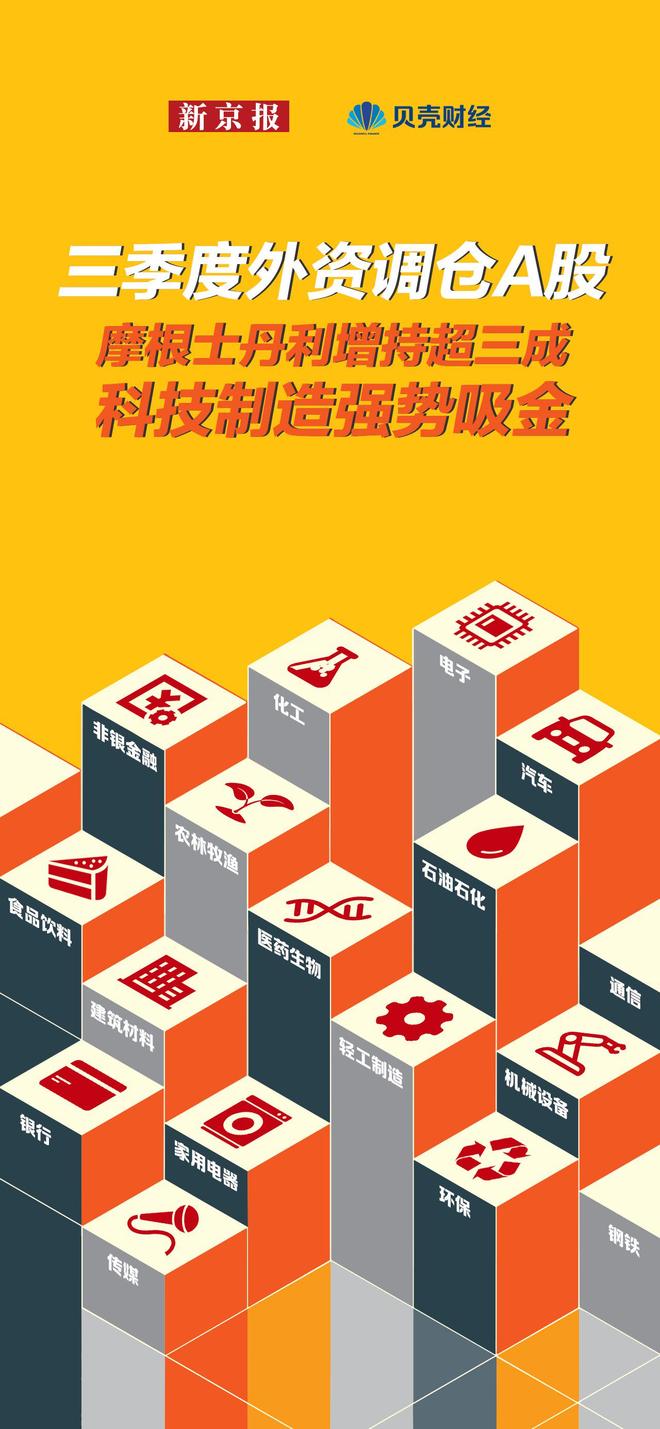
Group 1 - Foreign capital in A-shares decreased by 166 million shares in Q3, totaling 1.161 billion shares, but the total market value increased by 12.4% to 2.73 trillion yuan [4][5] - The electronic, chemical, and automotive sectors saw significant increases in foreign holdings, with increases of 19.6 million shares, 5.04 million shares, and 3.62 million shares respectively [8][10] - Major foreign institutions such as Morgan Stanley and Goldman Sachs increased their holdings by over 15%, with Morgan Stanley's holdings increasing by 33.1% [22][24] Group 2 - The electronic industry had the highest increase in foreign holdings, with a market value increase of 161.35 billion yuan, ranking first among all sectors [10][12] - Traditional sectors like banking, construction decoration, and non-bank financials faced significant reductions in foreign holdings, with declines of 67.68 million shares, 22.54 million shares, and 18.75 million shares respectively [12][21] - QFII/RQFII increased their holdings in the real estate sector by 361.1% compared to the previous quarter [15][18] Group 3 - The overall trend shows foreign capital is shifting from traditional consumer and financial sectors to technology and manufacturing sectors, reflecting confidence in China's economic transformation [25][32] - Foreign capital's interest in sectors like new energy and semiconductors continues to grow, while traditional blue-chip stocks are experiencing phase-out reductions [29][33] - The top foreign institutions are increasingly favoring high-end manufacturing and energy technology stocks, indicating a strategic shift in investment focus [22][25]





年底行情深度解析,跨年行情的“黄金周期”应该如何布局?
Sou Hu Cai Jing· 2025-11-14 07:59
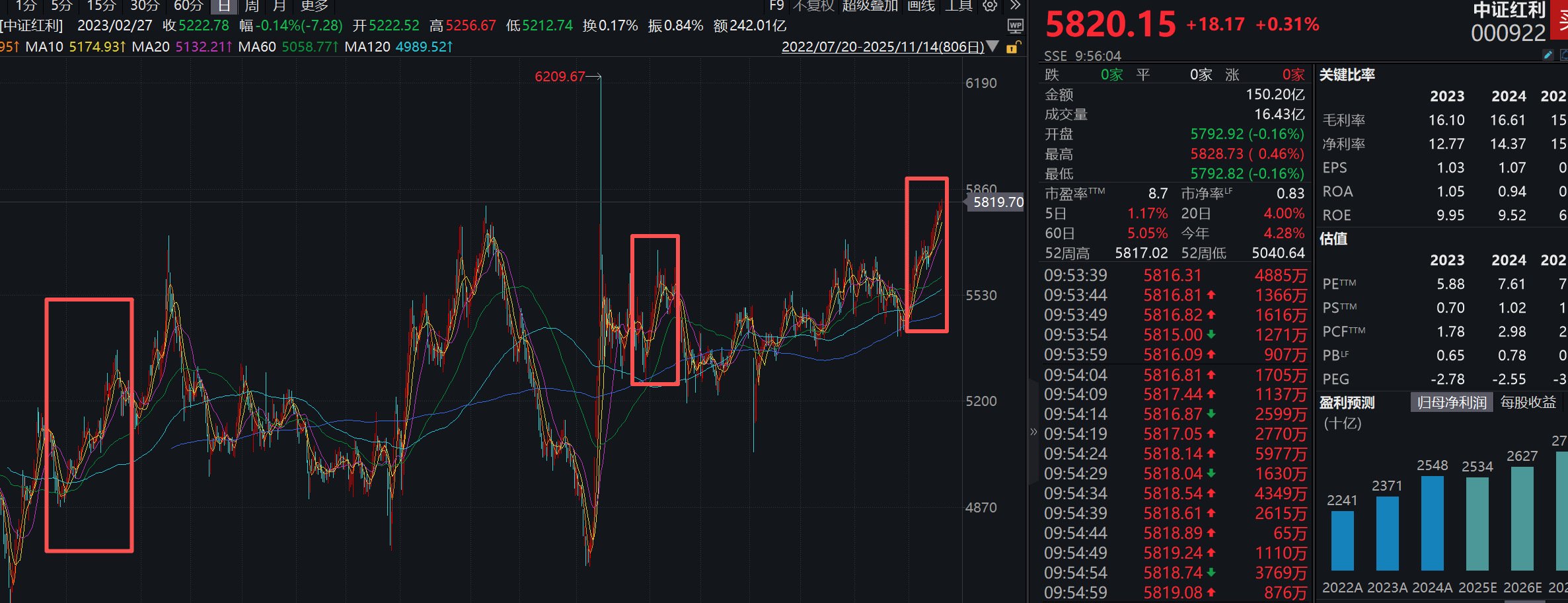
Core Viewpoint - The market is experiencing an upward trend with the Shanghai Composite Index breaking a 10-year high at 4030.40 points, leading to discussions on whether investors should switch sectors as the year-end approaches [1] Market Trends - The market is currently in a policy vacuum period, with strong sectors like semiconductors, AI, and chips showing lackluster performance recently [1] - Historical patterns indicate that value stocks such as banks, non-bank financials, and food and beverage sectors have a win rate exceeding 70% during the year-end period (November-December) [3] - The banking sector saw a 9.36% increase in December 2024, while technology sectors like computers and electronics gained a 15% increase in January 2023 [3] Sector Performance - The Consumer sector, particularly the liquor segment, has shown strong performance despite pressure from fundamentals after the third-quarter reports [1] - The China Securities Dividend Index tends to perform well before year-end, indicating a potential shift in market focus [1] Investment Strategies - Two key investment tracks are highlighted: 1. **Cyclical Recovery in Undervalued Industries**: Traditional industries are seeing improvements in supply-demand dynamics, with sectors like white goods, engineering machinery, and commercial vehicles being identified as having global competitive advantages [6] 2. **Defensive High-Dividend Strategies**: High-dividend assets are viewed as a stabilizing force in investment portfolios, particularly in uncertain market conditions [10] Fund Performance - The China Securities Major Consumer Index has nearly doubled in size since 2023, with the Huatai-PineBridge China Securities Major Consumer ETF leading with a scale exceeding 20 billion [7] - The demand for long-term dividend investments remains strong, driven by the ongoing asset shortage in the banking sector [11] Index and Fund Recommendations - The S&P Hong Kong Stock Connect Low Volatility Dividend Index and the Hang Seng High Dividend Low Volatility Index are recommended for investors seeking stable growth and risk diversification [12][13]