
Qi Huo Ri Bao Wang

Search documents
中国证监会:强化债券和期货市场功能发挥
Qi Huo Ri Bao Wang· 2025-10-24 11:53
Core Viewpoint - The meeting emphasized the importance of implementing the spirit of the 20th Central Committee's Fourth Plenary Session, focusing on the strategic planning for the 15th Five-Year Plan and the need for the China Securities Regulatory Commission (CSRC) to enhance its regulatory framework and market resilience [1][2][3]. Group 1: Meeting Highlights - The meeting recognized the significant achievements made in the past five years under the leadership of the Central Committee, attributing these successes to the guidance of Xi Jinping's thoughts on socialism with Chinese characteristics [2]. - The CSRC is tasked with improving its political stance and aligning its actions with the Central Committee's decisions, emphasizing the importance of risk prevention and high-quality development in the capital market [3]. Group 2: Strategic Focus Areas - The CSRC aims to enhance the resilience and risk resistance of the capital market by fostering high-quality listed companies and establishing a stable market ecosystem [3]. - There is a focus on improving the inclusiveness and adaptability of capital market regulations, including reforms in the Sci-Tech Innovation Board and the Growth Enterprise Market [3]. - The meeting highlighted the need for effective regulatory enforcement, targeting illegal activities in the securities and futures markets, and enhancing investor protection [3]. - The CSRC plans to deepen the opening of the capital market, balancing openness with security, and supporting Hong Kong's status as an international financial center [3]. - Strengthening the integrity and construction of the CSRC's workforce is also a priority, with an emphasis on accountability and anti-corruption measures [3][4].
玻璃价格上行空间有限
Qi Huo Ri Bao Wang· 2025-10-24 11:33
Core Viewpoint - The glass market is experiencing weak fluctuations in prices, with some regions seeing price declines in the spot market. The market is caught in a stalemate between production cut expectations and weak demand realities, leading to intensified competition [1] Supply Side - The supply side remains relatively stable in production rhythm, but spot prices continue to decline, resulting in continuous inventory accumulation by companies. This breaks the usual post-holiday inventory reduction pattern, becoming a significant factor suppressing prices [1] - There is a need to monitor the actual impact of anti-involution policies on production capacity and the progress of industrial optimization adjustments. A substantial contraction in supply could create opportunities for a temporary price rebound [1] Demand Side - The demand side shows weakness, with deep processing enterprises experiencing a significant year-on-year decline in order days. Additionally, the new construction and completion data in the real estate sector are sluggish, further restricting actual glass consumption [1] - End-user procurement remains cautious and observant, reflecting a lack of confidence in the market despite macro-level expectations of policy benefits and potential demand recovery during peak seasons [1] Market Outlook - In the short term, prices are likely to continue hovering at low levels, awaiting a directional breakthrough. In the medium to long term, the overall upward potential remains constrained by the strength of demand recovery [1]
A股高开高走 沪指再创十年新高!
Qi Huo Ri Bao Wang· 2025-10-24 10:09
Group 1: A-Share Market Performance - The A-share market saw significant gains with the Shanghai Composite Index reaching a 10-year high, closing up 0.71% at 3950.31 points, while the Shenzhen Component Index rose 2.02% to 13289.18 points, and the ChiNext Index increased by 3.57% to 3171.57 points [1] - The total trading volume in the Shanghai and Shenzhen markets was 1.97 trillion yuan, showing a substantial increase compared to the previous trading day [1] Group 2: Sector Performance - The electronics, semiconductor, and computer hardware sectors led the market gains, particularly in computing hardware, with CPO concept stocks performing strongly [1] - Major players in the optical module sector saw significant increases, with Zhongji Xuchuang rising over 12% to reach a historical high, and Huylv Ecological achieving three consecutive trading limits [1] - Storage chip stocks also performed well, with both Shannon Chip and Purang Co. hitting the daily limit of 20% and reaching new highs [1] - The commercial aerospace sector experienced a surge, with over ten stocks hitting the daily limit [1] - Conversely, coal stocks faced collective adjustments, with Antai Group hitting the daily limit down [1] Group 3: Industry Insights - According to Guojin Securities, cryptocurrency mining companies are emerging as new entrants in the AI data center space due to their low electricity costs and substantial approved power quotas [1] - Most cryptocurrency mining companies are preparing to transition to AI data centers, although their strategies and progress vary [1] - It is recommended to focus on companies that are aggressively transitioning to AI data centers, have clear plans for AI computing power expansion, and possess a favorable valuation compared to their current stock price [1] Group 4: Coal Market Outlook - CITIC Securities reports that the supply and demand dynamics for thermal coal are favorable, with prices expected to continue rising due to recent weather impacts and maintenance affecting production and transportation [2] - As the northern regions enter the heating season, demand from non-electric industries such as chemicals and metallurgy is increasing, leading to heightened market activity and bullish sentiment [2] Group 5: Market Sentiment and Future Outlook - According to Caixin Securities, there is a weak willingness for new capital to enter the market, resulting in insufficient momentum for market advances [2] - The market is currently awaiting the outcome of significant macroeconomic events to clarify investment directions and restore confidence [2] - Despite short-term caution, the foundation for a "slow bull" market remains intact, supported by ongoing global tech investment enthusiasm and other favorable factors, suggesting potential for continued strength in A-share indices in the fourth quarter [2]
华宝期货与中粮期货开展联合党建活动
Qi Huo Ri Bao Wang· 2025-10-24 06:39
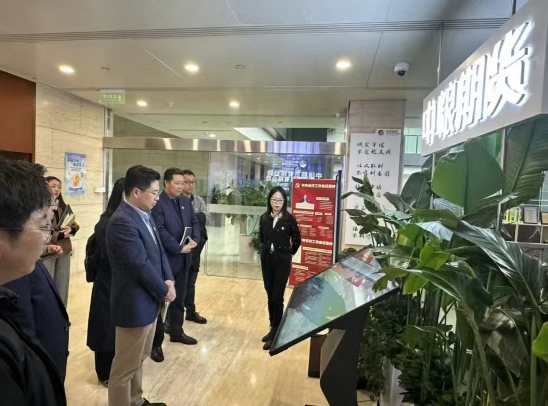
10月22日,华宝期货与中粮期货开展"党建引领聚合力 业务共融促发展"联合党建活动。中粮资本党群 工作部副总经理金琳,中粮期货党委副书记、纪委书记黎志峰,中粮期货总经理助理王琳,华宝期货党 总支书记、副书记以及双方党支部书记、部门负责人、党员代表近20人出席活动。 首先参观了中粮期货产融展厅,详细了解了中粮期货的发展历程、重点业务和服务实体经济的情况。在 交流座谈环节,双方分享了各自党建工作的经验成果,并围绕党建业务互融互促、产融结合服务实体经 济、服务央企主责主业等内容进行了深入交流探讨。双方认为,华宝期货和中粮期货具有相似的战略定 位和责任使命,要通过党建共建促进交流合作,相互学习先进经验,携手推动期货行业高质量发展,共 同走好金融服务实体经济之路。 ...

从四方面入手提升人民币资产吸引力
Qi Huo Ri Bao Wang· 2025-10-24 00:55
Core Insights - The global attractiveness of RMB assets has significantly increased, with overseas entities holding over 10 trillion RMB in domestic financial assets, and RMB bonds and stocks being included in major global asset indices [1][2] Group 1: RMB Internationalization Progress - The internationalization of RMB is progressing through three stages: trade settlement currency, investment currency, and reserve currency, with trade advantages being crucial for becoming a settlement currency [1] - As of mid-2025, the total cross-border RMB payment amount reached 35 trillion RMB, a year-on-year increase of 14%, with goods trade accounting for 6.4 trillion RMB, representing 28% of total cross-border payments [1] - The "14th Five-Year Plan" emphasizes a market-driven approach to RMB internationalization, promoting a new type of mutually beneficial cooperation based on the free use of RMB [2] Group 2: Growth in Foreign Investment - The scale of foreign investment in RMB assets continues to expand, with overseas institutions and individuals holding 10.4 trillion RMB in domestic financial assets as of June this year, including 3.1 trillion RMB in stocks and 4.3 trillion RMB in bonds [2] - RMB stocks and bonds have been included in major global asset indices, enhancing their international profile [2] - Over 80 countries and regions have included RMB in their foreign exchange reserves, with 30% of surveyed central banks indicating plans to increase RMB asset allocations [2] Group 3: Benefits for Domestic Entities - The increased global attractiveness of RMB assets directly benefits Chinese enterprises by allowing them to engage in "local currency financing," significantly reducing exchange rate risks and enhancing bargaining power in global trade [3] - As RMB becomes the second-largest trade financing currency, Chinese companies can settle trade with countries involved in the Belt and Road Initiative directly in RMB, reducing reliance on the US dollar [3] Group 4: Strategies for Enhancing RMB Attractiveness - Strengthening the economic fundamentals is essential to solidify the "value anchor" of RMB assets, which includes promoting domestic demand and addressing potential risks in sectors like real estate and local debt [4] - Deepening financial market openness is crucial for attracting international capital, which involves expanding market access and developing innovative RMB-denominated financial products [5] - Improving financial infrastructure is necessary to enhance the liquidity and convenience of RMB assets, including upgrading cross-border payment systems and expanding investment channels [6] - Strengthening international cooperation can broaden the usage scenarios for RMB assets, such as through currency swaps and pricing commodities in RMB [7]
透过“三季报”看中国经济稳中有进
Qi Huo Ri Bao Wang· 2025-10-24 00:48
Economic Overview - China's GDP grew by 5.2% year-on-year in the first three quarters, reflecting strong resilience despite external pressures [1][2] - The economic performance indicates a transition from "scale expansion" to "quality improvement" [1][3] Macroeconomic Indicators - The urban unemployment rate averaged 5.2%, remaining stable [2] - Consumer Price Index (CPI) decreased by 0.1%, while core CPI increased by 0.6%, indicating a gradual recovery in consumer confidence [2] - Total import and export value reached 33.6 trillion yuan, a 4.0% increase year-on-year, marking a historical high for the period [2] Industrial Growth - High-tech manufacturing output increased by 9.6%, outpacing overall industrial growth by 3.4 percentage points [3] - Notable growth in "hardcore" products: 3D printing equipment up by 40.5%, industrial robots by 29.8%, and new energy vehicles by 29.7% [3] Consumer Trends - Retail sales of consumer goods grew by 4.5%, with significant increases in jewelry and sports goods [4] - The "trade-in" policy boosted sales in home appliances and communication equipment, with growth rates of 25.3% and 20.5% respectively [4] - Online retail sales increased by 9.8%, reflecting a shift towards experience-based consumption [4] Foreign Trade Performance - Exports grew by 7.1%, with a trade surplus of 6.28 trillion yuan, a record high [5][6] - The export of mechanical and electrical products rose by 9.6%, accounting for 60.5% of total exports [5] Market Confidence - The 5.2% growth rate in the first three quarters supports the goal of around 5% growth for the entire year [7] - Long-term confidence is bolstered by China's large market size and complete industrial system, despite short-term fluctuations [7]
“双保险”策略助力碳酸锂企业化险为盈
Qi Huo Ri Bao Wang· 2025-10-24 00:41
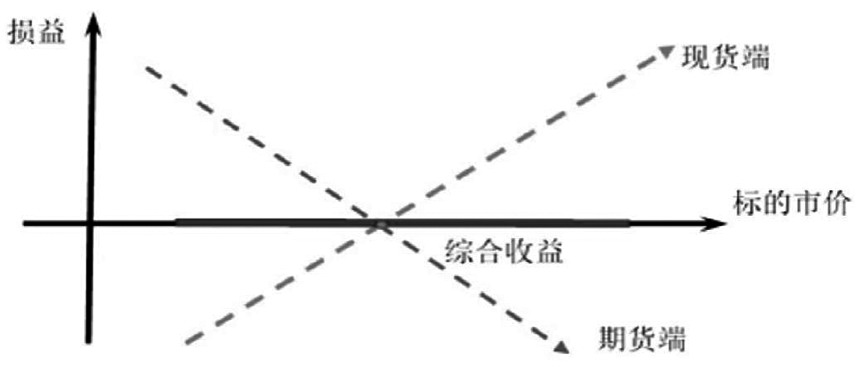
Core Viewpoint - The article discusses the implementation of a dual pricing system combining "futures pricing + spot delivery" to mitigate the risks associated with the volatile lithium carbonate market, particularly for Z Company, a small enterprise in the lithium mining sector [1][2]. Group 1: Company Background - Wukuang Futures, a core platform under China Minmetals, is one of the earliest futures companies in China, providing a comprehensive range of services including futures brokerage, risk management, asset management, and trading consulting [2]. - Z Company focuses on lithium ore mining and trade, having acquired approximately 190,000 tons of lithium carbonate equivalent (LCE) reserves across five lithium mining projects in Africa before its establishment in 2018 [2]. Group 2: Market Conditions - The lithium carbonate market has experienced significant volatility, with prices dropping from an average of 97,000 yuan per ton at the beginning of 2024 to 75,000 yuan per ton by year-end, resulting in an annual average price of approximately 91,000 yuan per ton, a decline of about 65% compared to 2023 [2][3]. Group 3: Risk Management Strategy - Wukuang Futures analyzed Z Company's operational needs and selected the LC2408 futures contract for its liquidity to provide a short hedge strategy, effectively mitigating the risk of price declines [1][6]. - The strategy involves a dual pricing system that allows Z Company to lock in lithium carbonate prices and alleviate inventory pressure while ensuring stable raw material supply for downstream buyers [1][9]. Group 4: Implementation and Training - Wukuang Futures provided risk management consulting and specialized training to Z Company, helping establish a futures business management system and offering ongoing market analysis [6][8]. - Training sessions were tailored to different levels within Z Company, focusing on risk control, operational rules, and the application of futures tools [8][15]. Group 5: Financial Outcomes - By the end of 2024, despite a loss of 720,000 yuan in the spot market, Z Company achieved a profit of 2,780,000 yuan from futures trading, resulting in a total profit of 2,060,000 yuan, significantly enhancing its risk management capabilities [11][13]. - The futures strategy demonstrated effective risk mitigation and profitability enhancement, with the average selling price of futures contracts at 117,500 yuan per ton and a closing price of 89,700 yuan per ton [13][14]. Group 6: Service Model Innovation - The project exemplifies a customized service model that combines futures hedging with tailored training and risk management, setting a precedent for similar small and medium-sized enterprises in the industry [14][15].
广西甜蜜事业“期”元素出圈
Qi Huo Ri Bao Wang· 2025-10-24 00:41
Core Insights - The introduction of sugar futures and options has strengthened the connection between sugarcane farmers, sugar factories, and food enterprises, helping to resolve many challenges in the industry chain [1] - The sugar futures market has evolved since its launch in 2006, playing a crucial role in risk management for the sugar industry [2] - Guangxi, as the largest sugarcane production area in China, has seen significant advancements in its sugar industry due to the application of futures and options tools [3] Group 1: Industry Developments - The Zhengzhou Commodity Exchange (ZCE) is implementing several innovative measures in 2024 to enhance services for the sugar industry, including optimizing delivery processes and introducing new trading models [2] - The "insurance + futures" projects have been successfully implemented in sugar-producing areas, stabilizing sugarcane planting areas and ensuring farmers' income [2] - The collaboration between ZCE and Guangxi Pan Sugar Technology Co., Ltd. has led to the establishment of a trading cluster for sugar futures and spot market integration, enhancing industry resilience [3] Group 2: Risk Management Innovations - The sugar market is experiencing increased price volatility and a more diverse range of industry participants, necessitating improved risk management capabilities [4] - Financial service institutions are focusing on market risk prevention and mitigation, utilizing tools like basis trading and over-the-counter derivatives to provide customized risk management services [4] - The evolution of sugar spot trading from fixed pricing to basis trading and the gradual adoption of rights-based trading models are enhancing price risk management and optimizing revenue for commodity enterprises [5] Group 3: Case Studies and Future Outlook - A case study highlighted the successful implementation of a structured cumulative sales option trading model for a large sugar production enterprise in Guangxi, allowing for profit locking and effective risk management [6] - Guangxi is developing a "two cores, one pole, two areas" growth framework for the sugar industry, indicating a promising future for the integration of futures elements in the region's sugar sector [6]
以期货之力为山东经济高质量发展蓄能
Qi Huo Ri Bao Wang· 2025-10-24 00:41
Core Viewpoint - The "DCE·Industry Tour" training program aims to enhance the quality development of state-owned enterprises and listed companies in Shandong through the application of futures derivatives in risk management and price discovery amidst global economic uncertainties [1][2]. Group 1: Training Program and Objectives - The training program, guided by the Shandong Provincial State-owned Assets Supervision and Administration Commission and the Shandong Securities Regulatory Bureau, focuses on the practical application of futures tools to support local enterprises [1]. - The program addresses five dimensions: policy guidance, practical enterprise applications, industry pain points, digital transformation, and future planning [1]. Group 2: Industry Participation and Development - Shandong has become a key region for the Dalian Commodity Exchange (DCE), with a comprehensive delivery system established for various commodities, including polyethylene, coking coal, and iron ore [2]. - The enthusiasm of enterprises to participate in the futures market has increased, with leading companies transitioning from passive price acceptance to active risk management [2]. - Since 2024, DCE has conducted over 70 training sessions in Shandong, covering 31 enterprises and over 1,800 participants, with financial support exceeding 2.1 million yuan [2]. Group 3: Regulatory and Market Insights - The Shandong Provincial State-owned Assets Supervision and Administration Commission emphasizes the importance of futures tools in managing risks and stabilizing costs amid increasing commodity price volatility [3]. - The Shandong Securities Regulatory Bureau reported that the futures market in Shandong is robust, with 614 enterprises receiving hedging services involving approximately 540 billion yuan [4]. - The region has seen the implementation of 999 "insurance + futures" projects, with insurance payouts of 660 million yuan, leading the nation [4]. Group 4: Practical Applications and Challenges - The participation of listed companies in futures is gradually increasing, with 1,503 companies publishing hedging announcements in 2024, reflecting a 15.7% year-on-year growth [6]. - However, the overall hedging participation rate among listed companies remains low at 28.6%, with commodity hedging participation below 10% [6]. - Challenges such as the applicability of hedging accounting, information disclosure conflicts, and a shortage of professional talent are identified as barriers to greater participation [6]. Group 5: Digital Transformation and Future Directions - Digital transformation is recognized as a crucial support for enhancing the quality and efficiency of futures business, with companies urged to integrate futures tools into their operational strategies [7]. - The integration of futures operations with actual business activities is essential to avoid disconnection and maximize risk management benefits [7]. - Future initiatives will focus on deepening collaboration with government and industry leaders to promote risk management case studies and develop model enterprises in Shandong [3].
广西兴宾区“糖业无忧”项目启动
Qi Huo Ri Bao Wang· 2025-10-24 00:41
Group 1 - The "Sugar Industry Worry-Free" project initiated by Zhengzhou Commodity Exchange in Guangxi Xingbin District aims to provide income security for nearly 50,000 acres of sugarcane planting, supported by various government levels and financial institutions [1][2] - The project is the first county-level initiative approved by Zhengzhou Commodity Exchange in Guangxi, highlighting the region's significance as a major sugarcane production area in China [1][2] - The project addresses the long-standing issue of price volatility in the sugar market, which has affected both sugarcane farmers' income and the stable operation of sugar enterprises [1][2] Group 2 - The "Sugar Industry Worry-Free" project employs an "insurance + futures + sugar enterprises" model, providing risk protection for farmers while encouraging sugar companies to manage risks through the futures market [2][3] - This project upgrades traditional price insurance to income insurance, combining the advantages of both types of insurance to better meet the comprehensive protection needs of sugarcane farmers [2][3] - The implementation of the project is expected to establish a long-term cooperation mechanism among government, sugar enterprises, banks, insurance, and futures markets, enhancing agricultural risk management and supporting rural financial development [3]