美股IPO

Search documents
TPU挑战GPU,但美银建议:英伟达、博通、AMD都买
美股IPO· 2025-11-27 10:28
Core Viewpoint - Bank of America predicts that the AI data center market will grow fivefold to over $1.2 trillion by 2030, maintaining a buy rating on Nvidia, Broadcom, and AMD despite potential market share declines for Nvidia [1][3]. Market Growth and Dynamics - The total addressable market (TAM) for AI data centers is expected to increase from $242 billion in 2025 to over $1.2 trillion by 2030, indicating significant growth potential [6]. - Even if Nvidia's market share normalizes from 85% to 75%, its absolute revenue is projected to experience explosive growth [3][6]. Competitive Landscape - Despite the emergence of Google's TPU and other custom chips, which pose challenges to GPUs, Bank of America maintains a bullish outlook on Nvidia, Broadcom, and AMD [3][5]. - Custom chips are primarily advantageous for companies like Google and Meta with large internal workloads, while GPUs retain irreplaceable advantages in public cloud and enterprise markets [3][7]. Investment Recommendations - Bank of America recommends a buy rating for Nvidia, Broadcom, and AMD, asserting that current valuations do not fully reflect their long-term profitability [3][9]. - Nvidia is expected to achieve over 40% sales and earnings per share growth, with a target price of $275, while Broadcom is seen as a major beneficiary of the custom chip trend, with a target price of $400 [9][10]. - AMD is also recommended for holding, with a target price of $300, reflecting its competitive position against Nvidia [12]. Future Projections - Nvidia's earnings per share are projected to exceed $10 by 2027 and surpass $20 by 2030 [10]. - Bank of America anticipates that the company's AI business revenue will grow over 100% year-on-year in 2026 due to additional TPU and Anthropic projects [11].

“AI新王”谷歌市值迈向4万亿,大摩预测:2027年“外销”高达100万片TPU!
美股IPO· 2025-11-27 03:38
Core Viewpoint - Morgan Stanley's report indicates that Google's TPU may be sold externally in quantities of 1 million, transforming it from a cost center to a profit center, directly challenging Nvidia's hardware monopoly [1][4][5]. Group 1: Market Potential and Financial Impact - The market's expectations for Alphabet's external sales of its TPU have increased, especially following the successful launch of the Gemini 3 model, leading to a strong performance in Alphabet's stock price, with its market capitalization nearing $4 trillion [2][4]. - Morgan Stanley estimates that selling 500,000 TPUs could boost Alphabet's cloud business revenue by 11% and increase its earnings per share (EPS) by 3%, indicating a significant impact on its financial model [6][7]. - The potential for external sales of TPUs is seen as a new growth engine for Alphabet, with increasing interest from external customers due to the global demand for computing power [7][9]. Group 2: Competitive Landscape - The AI chip market is currently dominated by Nvidia, which holds approximately 90% market share, but the entry of Alphabet and other tech giants into the custom chip market could disrupt this monopoly [10][12]. - Reports of Meta potentially purchasing Alphabet's AI chips are viewed as a direct signal of reducing Nvidia's market share, highlighting the competitive dynamics in the AI hardware space [10][12]. - Nvidia maintains confidence in its market position, emphasizing its technological lead while Alphabet leverages its customized solutions and software ecosystem to challenge this dominance [12][13]. Group 3: Stock Performance and Market Sentiment - Alphabet's advancements in AI models, particularly the Gemini 3 model, have provided sustained momentum for its stock price, which has risen 56% over the past three months and 71% year-to-date [14]. - In contrast, Nvidia's stock has seen a slight decline of 2% over the past three months, despite a 32% increase for the year, indicating a shift in market sentiment towards companies with stronger growth prospects in AI [14].



黄金真正的“大庄家”:“稳定币老大”Tether
美股IPO· 2025-11-27 03:38
Core Insights - Tether has emerged as a significant player in the gold market, holding 116 tons of gold as of September 30, making it the largest single holder of gold outside of major central banks [2][3][5] - The surge in gold prices this year, which increased by approximately $2000, coincided with Tether's accelerated gold purchases, indicating a potential influence on market dynamics [5][7] - Tether's strategy involves supporting two different tokens with gold reserves, reflecting a complex motivation behind its gold acquisition [10][13] Group 1: Tether's Gold Holdings and Market Impact - Tether's gold holdings are valued at around $14 billion, comparable to the official reserves of countries like South Korea and Hungary [3][5] - In Q3, Tether purchased about 26 tons of gold, accounting for 2% of global gold demand during that period and 12% of known central bank purchases [3][8] - The demand from Tether is believed to have tightened supply in the short term and influenced market sentiment, potentially driving speculative investments into gold [5][11] Group 2: Future Projections and Regulatory Challenges - Tether plans to purchase approximately 100 tons of physical gold by 2025, supported by an expected profit of nearly $15 billion this year [8][9] - The recent passage of the GENIUS Act, which prohibits stablecoin issuers from using gold as reserve assets, raises questions about Tether's increasing gold reserves despite regulatory constraints [10][14] - Tether's ambition to promote tokenized gold as a viable alternative to fiat-backed cryptocurrencies reflects a long-term vision, despite current market challenges [13][14] Group 3: Risks and Speculative Nature of Gold - The intertwining of cryptocurrency and traditional safe-haven assets like gold introduces risks, particularly if stablecoin demand reverses, leading to potential sell-off pressures on gold reserves [11][12] - The volatility of cryptocurrencies contrasts with the perceived stability of gold, raising concerns about the speculative nature of gold as an investment in the current market environment [11][12] - Tether's approach to tokenized gold aims to address the challenges faced by retail investors in holding physical gold, but demand for such products remains limited [13]

从小米到惠普,多家科技公司警告“内存短缺”,戴尔电话会称“从未见过成本上涨如此之快”
美股IPO· 2025-11-27 03:38
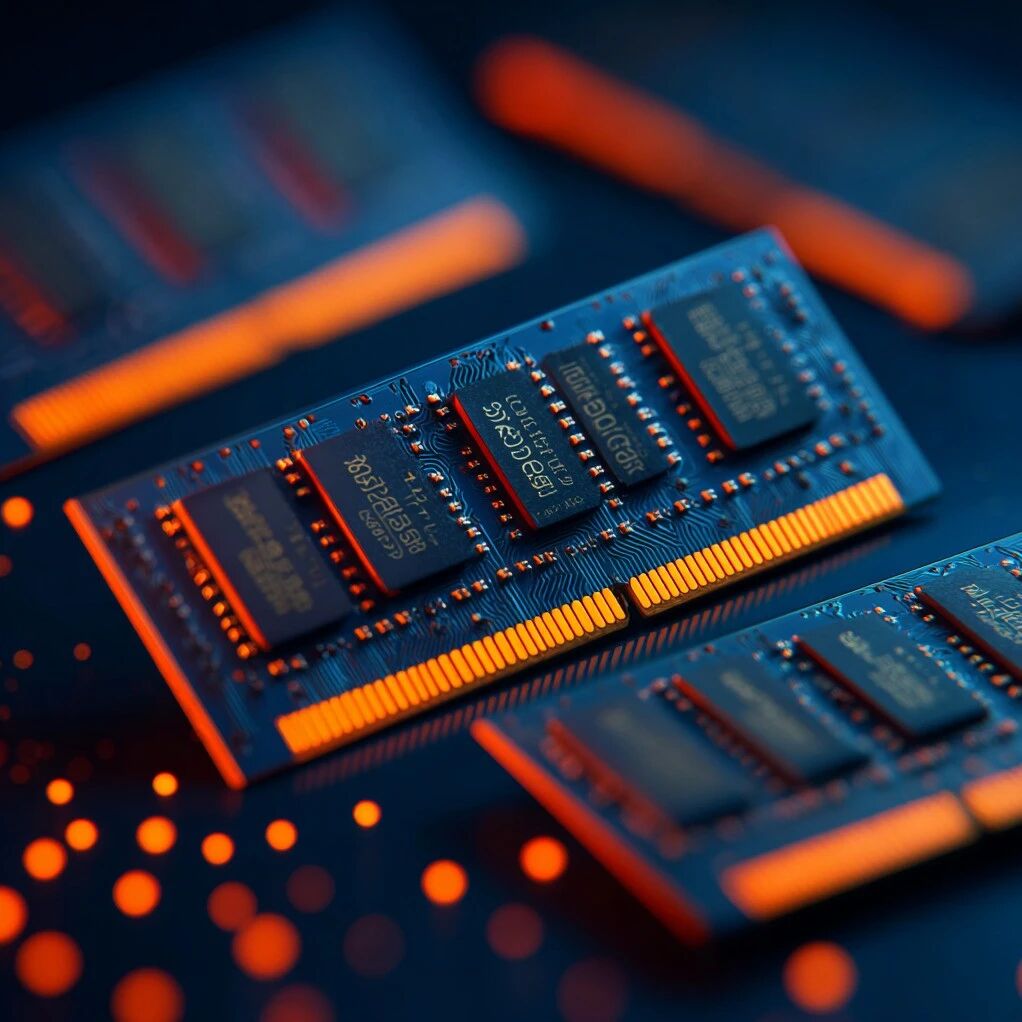
Core Viewpoint - The technology industry is facing a memory chip supply crisis driven by the demand for AI infrastructure, leading to unprecedented cost increases across various electronic products [3][5]. Group 1: Cost Increases and Supply Shortages - Dell and Lenovo have reported unprecedented cost increases, with Dell's COO stating that the company has "never seen costs rise at this pace" [3][6]. - HP's CEO anticipates significant challenges in the second half of 2026, indicating that the company may raise prices as necessary due to rising memory costs, which account for 15% to 18% of a typical PC's cost [3][6]. - Counterpoint Research predicts a 50% increase in memory module prices by the second quarter of next year, with Xiaomi already raising flagship device prices due to the memory chip shortage [4][6]. Group 2: AI's Impact on Memory Chip Production - The shortage is attributed to a reallocation of chip production capacity towards AI systems, with manufacturers prioritizing high-margin products for AI over more common memory types [5][6]. - Major AI chip supplier NVIDIA is influencing manufacturers to focus on advanced systems for AI data centers, which may limit production of automotive and electronic products through 2026 [5][6]. Group 3: Manufacturer Responses to Supply Crisis - Manufacturers like Lenovo and ASUS are increasing their memory inventories by approximately 50% to mitigate supply risks, while Xiaomi has secured supply agreements for 2026 [6][7]. - Xiaomi's management acknowledges potential price increases to offset rising memory costs, emphasizing a focus on product structure optimization rather than just volume growth [6][7]. - Apple remains relatively optimistic, managing costs effectively despite slight upward pressure on memory prices [6][7]. Group 4: Market Valuation and Supplier Dynamics - The supply constraints have led to a surge in valuations for top memory manufacturers, with Samsung, SK Hynix, and Micron experiencing significant stock price increases [7]. - SK Hynix has sold its entire memory chip product line for the upcoming year, while Micron expects supply tightness to persist until 2026 [7]. - The competition for AI infrastructure is driving up costs across the consumer electronics supply chain, impacting energy bills and overall production costs [7].






“大空头 vs 英伟达”论战继续!“大空头”逐条反驳英伟达回应:不敢相信这来自全球市值最高公司
美股IPO· 2025-11-27 03:38
Core Viewpoint - Michael Burry criticizes Nvidia's internal memo as disappointing and filled with "straw man arguments," emphasizing that the real risk lies in the potential asset write-downs faced by Nvidia's customers due to rapid technological obsolescence [1][3][5]. Group 1: Burry's Critique - Burry continues to hold put options on Nvidia and Palantir, each valued at approximately $10 million, indicating his bearish outlook on these AI companies [5][12]. - He argues that Nvidia's memo misrepresents his criticisms, particularly regarding depreciation policies, stating that he never questioned Nvidia's own asset depreciation [7][9]. - Burry highlights the risk of asset write-downs for companies extending the useful life of AI chips, warning that rapid technological advancements could render these assets obsolete [9][10]. Group 2: Nvidia's Response - Nvidia distributed a seven-page memo to Wall Street analysts to counter criticisms, asserting that its accounting practices are robust and transparent, with no comparison to historical accounting frauds [14]. - The company claims that its customers typically depreciate GPUs over four to six years, aligning with actual usage, countering claims of a two to three-year lifespan [15]. - Nvidia refutes allegations of circular financing, stating that its strategic investments in Q3 amounted to $3.7 billion, a small fraction of its revenue, and calls such claims baseless [16]. Group 3: Market Context - Following Burry's warnings and the onset of earnings season, Nvidia's stock has declined approximately 14% from its peak on November 3, reflecting a shift in investor sentiment towards AI-related companies [5][13]. - The ongoing debate about whether AI represents a revolutionary advancement or a speculative bubble has intensified, with Palantir's stock also experiencing a 20% drop from recent highs [13].

大涨超4%!暴跌的甲骨文股价见底?华尔街"抄底派"料股价涨超90%,“现有估值几乎没考虑OpenAI业务”
美股IPO· 2025-11-27 00:21
Core Viewpoint - Deutsche Bank and HSBC maintain a bullish outlook on Oracle, suggesting that the market has not priced in the potential of its OpenAI business, despite recent stock price declines [1][5][9] Group 1: Stock Performance and Analyst Ratings - Oracle's stock experienced a significant rebound after a nearly 30% drop over the past month, with a 6.6% increase at the start of trading on Wednesday [3] - Deutsche Bank and HSBC reaffirmed their buy ratings for Oracle, projecting at least a 90% upside from current levels, with Deutsche Bank setting a target price of $375 and HSBC at $382 [5][9] - Analysts believe that even without additional revenue from OpenAI, Oracle's earnings per share (EPS) will only decrease from $21 to approximately $17 by fiscal year 2030 [7][8] Group 2: Remaining Performance Obligations (RPO) and Market Concerns - Oracle's RPO has surged by 411% over the past six quarters, primarily due to long-term contracts, raising concerns about renegotiation risks if customer demand changes [6] - The company disclosed that it secured approximately $65 billion in incremental RPO from four clients, pushing its total RPO over $500 billion [5][11] - HSBC argues that market fears regarding Oracle's RPO are unfounded and stem from a lack of information, emphasizing that the company is effectively planning to meet its commitments [9] Group 3: Debt and Profitability Concerns - Oracle's debt has significantly increased to fund its AI and cloud infrastructure expansion, leading to a negative free cash flow of approximately $5.9 billion, marking its weakest performance in decades [11] - The company's debt-to-equity ratio is currently much higher than industry standards, raising concerns among shareholders and bondholders [11] - Analysts express worries about Oracle's cloud business profitability, noting that its gross margins are significantly lower than some competitors [11] Group 4: Investment Opportunities - Some analysts believe Oracle's stock may have been oversold, indicating a potential buying opportunity as technical indicators suggest it is in an oversold state [12] - Oracle's cloud infrastructure revenue surged by 52% year-over-year, driven by strong demand for AI workloads, with RPO increasing by 41% to $138 billion [13] - The overall analyst sentiment remains positive, with 32 out of 45 analysts rating Oracle as a buy or higher, anticipating cloud growth exceeding 40% in fiscal year 2026 [13]


理想电话会全文:李想宣布回归创业模式押注具身智能,2026年交付自研M100芯片AI系统
美股IPO· 2025-11-27 00:21
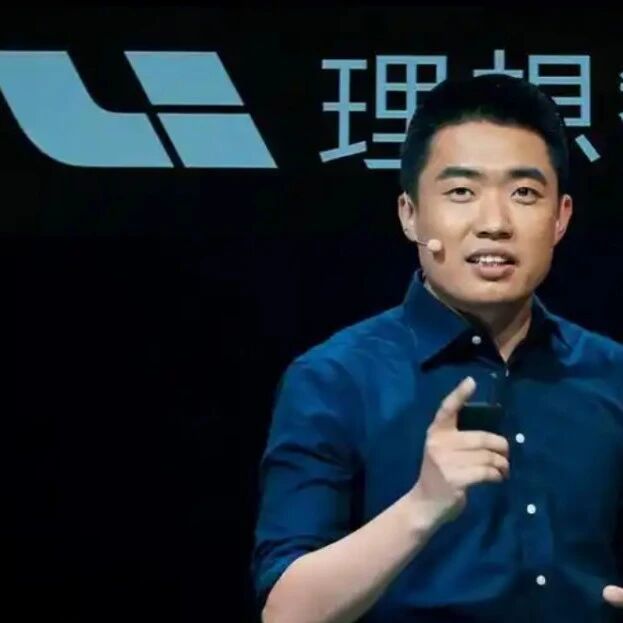
Core Viewpoint - The company is transitioning to a "startup management model" to better adapt to the rapidly changing automotive and technology landscape, focusing on developing "embodied intelligent" vehicles that provide proactive services rather than just passive functionalities [8][10][14]. Financial Performance - In Q3, the company's revenue decreased by 36.2% year-on-year to 27.4 billion RMB, with a net loss of 624 million RMB compared to a net profit of 2.8 billion RMB in the same period last year [3][20][22]. - Vehicle sales revenue was 25.9 billion RMB, down 37.4% year-on-year, primarily due to a significant drop in delivery volumes [20]. - The gross profit margin fell to 16.3%, down from 21.5% year-on-year, largely due to increased costs associated with recalls and lower production volumes [20][22]. Product and Technology Development - The company is developing the M100 AI inference chip, expected to be commercialized next year, which will significantly enhance performance-cost ratios compared to current high-end chips [1][3][46]. - The focus is on creating a vehicle foundation model for physical AI, enhancing perception, understanding, and response capabilities [1][4][46]. - The company plans to launch a major redesign of the L series by 2026, featuring an 800V high-voltage platform and 5C ultra-fast charging technology [4][39]. Strategic Choices - The management emphasizes the importance of organizational structure, product definition, and technology selection as key strategic choices for the next decade [8][11][18]. - The company aims to redefine its products as "embodied intelligent" robots, moving beyond traditional electric vehicles to offer proactive and automated services [12][14][18]. Supply Chain and Production - The company has established a complete self-research chain for its electric drive systems, including the development of silicon carbide power chips and proprietary power modules [4][30]. - A dual-supplier model for battery supply will be implemented to enhance production capacity and ensure quality [33][34]. Future Outlook - The company anticipates delivering between 100,000 to 110,000 vehicles in Q4 2025, with projected revenue between 36.5 billion and 39.2 billion RMB [23]. - The management expresses confidence in overcoming current challenges and achieving significant growth in the next decade through technological advancements and a focus on user value [18][39].

华尔街“最乐观多头”摩根大通:AI超级周期驱动,标普500指数2026年有望冲破8000点
美股IPO· 2025-11-27 00:21
Group 1: Market Predictions - Morgan Stanley predicts the S&P 500 index could reach a base target of 7500 points by the end of 2026, with potential to exceed 8000 points under further Federal Reserve easing conditions, driven by an AI supercycle and a resilient U.S. economy [1] - The Nifty 50 index in India is expected to rise to 30,000 points by the end of 2026, approximately a 15% increase from current levels, supported by tax cuts and interest rate reductions [5] Group 2: Economic Drivers - Recent tax cuts and anticipated interest rate cuts by the Reserve Bank of India are expected to boost domestic demand, with a 25 basis point rate cut likely in December [7] - The Indian stock market's valuation has fallen below long-term averages after a period of underperformance, providing a supportive backdrop for recovery [7] Group 3: Trade Relations - The likelihood of a U.S.-India trade agreement is high, which could lead to a short-term revaluation of the stock market, particularly benefiting sectors like IT and pharmaceuticals [8][9] - The potential removal of a 25% punitive tariff on imports from India could enhance investor confidence and attract foreign capital inflows [8] Group 4: Sector Preferences - Morgan Stanley maintains an "overweight" rating on sectors such as materials, financials, consumer goods, healthcare, real estate, defense, and power, while holding a "underweight" stance on IT and pharmaceuticals [10] - Industries benefiting from domestic consumption growth and infrastructure development are expected to perform better, with financials poised to gain from the interest rate cycle and increased corporate debt demand [10]


美联储褐皮书凸显美联储困境:就业市场疲软与通胀压力并存
美股IPO· 2025-11-27 00:21
美联储发布的经济褐皮书报告显示,近期结束的美国政府停摆和AI的应用都对求职者前景构成压力。关税和医疗保险成本上升则推高了企业支出,可能 加剧通胀担忧。由于近期政府停摆导致大量经济数据暂停发布,本次褐皮书对美联储决策的重要性可能超过以往。 美联储最新经济调查显示,美国经济活动近期几乎陷入停滞,就业市场持续走弱的同时成本和物价压力依然存在,美联储在12月关键会议上将面临的双 重风险权衡。 周三,美联储发布的经济褐皮书报告显示, 十二个联邦储备区中有半数辖区的雇主招聘意愿下降。近期结束的美国政府停摆和AI的应用都对求职者前 景构成压力。 与此同时,关税和医疗保险成本上升推高了企业支出,可能加剧通胀担忧 。 消费支出出现分化迹象 ,多个辖区的高收入消费者支出保持韧性,但中低 收入家庭正在"勒紧裤腰带"。 由于近期政府停摆导致大量经济数据暂停发布,本次褐皮书对美联储决策的重要性可能超过以往。 目前美联储内部对12月9日至10日会议的政策走向存在分歧。部分官员因劳动力市场放缓而倾向于降息25个基点,另一部分则因通胀居高不下主张将利 率不变。市场目前预计降息概率超八成。 (市场目前预期美联储12月降息概率为81%) 就业市 ...

盘前一度跌超4%!扭盈为亏!理想Q3营收同比下滑36%,净亏损6.24亿元,Q4指引较预期低近30%
美股IPO· 2025-11-26 11:15
Core Viewpoint - The company reported a significant decline in Q3 performance, with a shift from profit to loss, highlighting challenges in the transition period and increased competition in the market [3][4]. Financial Performance - Q3 revenue was 27.4 billion RMB, a year-on-year decrease of 36.2% and a quarter-on-quarter decrease of 9.5% [4]. - The net loss for Q3 was 624 million RMB, compared to a profit of 2.8 billion RMB in the same period last year [4]. - Overall gross margin fell to 16.3%, down 5.2 percentage points from 21.5% year-on-year; vehicle gross margin dropped to 15.5% [4][6]. - Operating cash flow was negative 7.4 billion RMB, contrasting with a positive 11 billion RMB in the same quarter last year; free cash flow reached negative 8.9 billion RMB [4][10]. Delivery and Market Position - Q3 delivery volume was 93,211 vehicles, a dramatic year-on-year decline of 39.0%, marking the second consecutive quarter below 100,000 units [6][8]. - The company is losing market share in the competitive 300,000-500,000 RMB family SUV segment, facing intense competition from BYD, Huawei's AITO, and XPeng [8]. Challenges and Outlook - The management attributed the gross margin decline to the estimated costs associated with the recall of the Ideal MEGA, which impacted margins by approximately 4 percentage points [3][6]. - Q4 delivery volume is projected to be between 100,000 and 110,000 vehicles, a year-on-year decrease of 30.7% to 37.0%, with expected revenue between 26.5 billion and 29.2 billion RMB [6]. - The company is experiencing severe cash flow deterioration, primarily due to reduced cash receipts from customers and increased payments for inventory [10]. R&D and Innovation - R&D expenses in Q3 reached 3 billion RMB, a year-on-year increase of 15.0%, accounting for over 10% of revenue, which further compresses profit margins [12]. - Despite challenges, the company has received over 100,000 orders for the new models i8 and i6, indicating potential for future growth [11].