GWMOTOR(601633)

Search documents
一体铸造是画饼还是大趋势?大家吵得不可开交
3 6 Ke· 2025-12-29 01:28
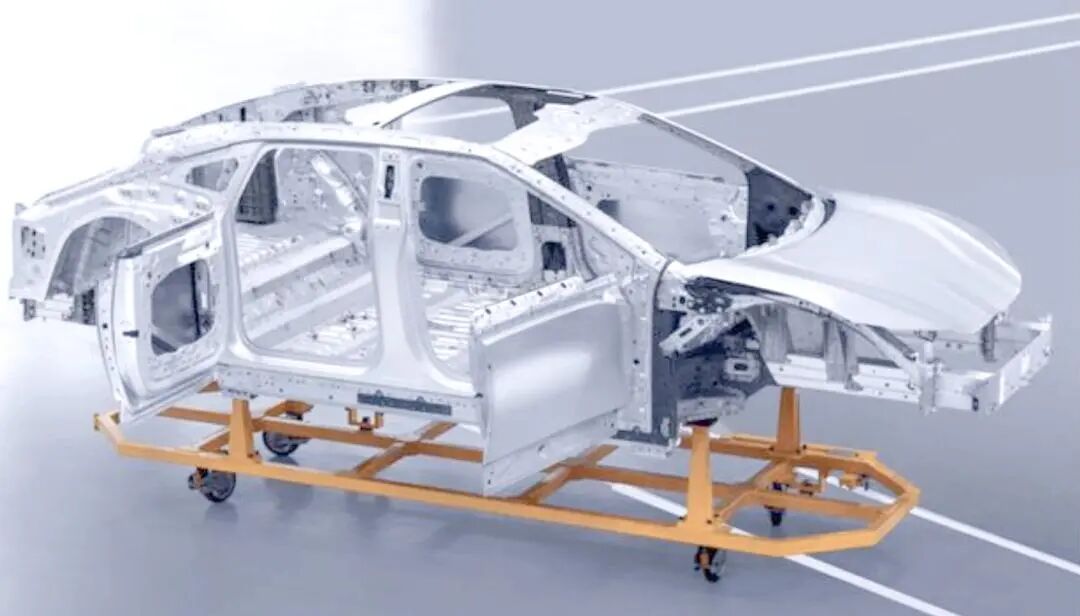
Core Viewpoint - The debate surrounding "integrated die-casting" technology in the automotive industry highlights a divide between traditional automakers focusing on lifecycle costs and new players emphasizing manufacturing efficiency and product performance [3][10]. Group 1: Integrated Die-Casting Technology - Integrated die-casting technology was popularized by Tesla's CEO Elon Musk in September 2020, announcing its use in the Model Y to replace over 370 traditional stamped and welded parts with 2-3 large castings, reducing manufacturing costs by approximately 40% [3][4]. - The technology significantly reduces the number of parts, leading to lower production line requirements and costs, while also simplifying the manufacturing process to just a few minutes [4][6]. - The lightweight nature of aluminum castings allows for a weight reduction of over 10% in the Model Y, directly enhancing electric vehicle range and improving vehicle rigidity and safety [4][6]. Group 2: Industry Response and Adoption - Following Tesla's lead, several Chinese automakers, including Li Auto and Xiaomi, have adopted integrated die-casting, emphasizing its benefits in production efficiency and vehicle performance [6][10]. - Traditional automakers are divided in their approach, with some, like Great Wall Motors, expressing skepticism about the technology's high repair costs and economic viability, while others, including Volvo and Volkswagen, are embracing it for future electric vehicle models [10][11]. Group 3: Challenges and Considerations - The high repair costs associated with aluminum components, which are difficult to repair after significant damage, pose a challenge for consumer acceptance and insurance costs [7][10]. - The initial investment in integrated die-casting technology is substantial, with equipment costs exceeding 50 million to 100 million yuan, making it a significant barrier for automakers with lower production volumes [8][10]. - The debate reflects a broader industry discussion on the balance between technological advancement and market acceptance, with integrated die-casting emerging as a key technology for high-end electric vehicles while other diverse manufacturing approaches remain relevant [11][13].



用“文化引擎”驱动汽车产业发展
Ren Min Wang· 2025-12-29 01:13
Core Viewpoint - The integration of traditional Chinese culture into the automotive industry is essential for the development of a unique Chinese automotive culture, which is rooted in the nation's heritage and provides a solid foundation for innovation and growth [1][4]. Group 1: Cultural Integration - Great Wall Motors is committed to infusing traditional Chinese culture into its brand identity, creating a national brand that resonates with consumers [2]. - The company draws inspiration from historical engineering, such as the Dujiangyan irrigation system, to innovate technologies like the Hi4 energy distribution system, which has received prestigious awards [2]. - By incorporating elements from traditional art, such as Dunhuang murals, into product design, Great Wall Motors has successfully attracted younger consumers with new color options [2]. Group 2: Market Performance - China's automotive production and sales have maintained the world's largest volume for 16 consecutive years, with over 31 million units sold in the first 11 months of 2025, and domestic brands holding a 69.6% market share [3]. - The infusion of traditional cultural values, such as integrity and innovation, has facilitated the transition of the automotive industry from scale expansion to value enhancement [3]. Group 3: Global Strategy - Great Wall Motors aims to establish a comprehensive "ecological export" model that encompasses research, production, supply, sales, and service, promoting Chinese traditional aesthetics in international markets [3]. - The company's approach to global expansion is based on mutual respect and aims for win-win outcomes, enhancing the recognition and reputation of Chinese automotive brands abroad [3]. Group 4: Future Outlook - The "14th Five-Year Plan" period presents a strategic opportunity for China's automotive industry to transition from a major automotive nation to a strong automotive nation, emphasizing the importance of both technology and culture [4]. - Great Wall Motors will continue to uphold and promote traditional Chinese culture while striving to enhance its national brand and better serve global users [4].
魏建军:用“文化引擎”驱动汽车产业发展
Ren Min Ri Bao· 2025-12-28 22:17
Group 1 - The integration of traditional Chinese culture into the automotive industry provides a deeper foundation and support for development, emphasizing the importance of both technological and cultural aspects in building a strong automotive nation [1][4] - Great Wall Motors is actively infusing traditional Chinese culture into its brand identity, creating products that resonate with national pride, such as the Hi4 technology inspired by ancient engineering and new paint colors inspired by Dunhuang murals [2][3] - The automotive industry in China has maintained its position as the world's largest producer and seller for 16 consecutive years, with a market share of 69.6% for domestic passenger vehicles, reflecting the influence of traditional cultural values on business practices [3] Group 2 - The "14th Five-Year Plan" period presents a strategic opportunity for the Chinese automotive industry to transition from a major automotive nation to a strong one, highlighting the need for companies to focus on both technology and culture [4] - Great Wall Motors aims to create a comprehensive "ecological export" model that integrates research, production, supply, sales, and service, promoting traditional Chinese aesthetics in international markets [3][4] - The recognition and reputation of Chinese automotive brands are continuously improving as traditional culture becomes more deeply embedded in the industry, fostering a mutually beneficial relationship between cultural promotion and brand development [3]
零跑D19开启盲订、零跑D99亮相!极氪完成退市回归吉利!魏牌蓝山进阶版、极石ADAMAS上市!丨一周大事件
电动车公社· 2025-12-28 17:52
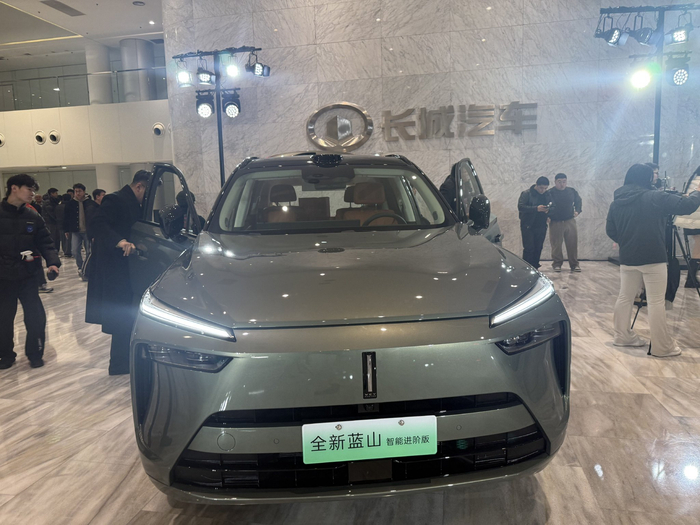
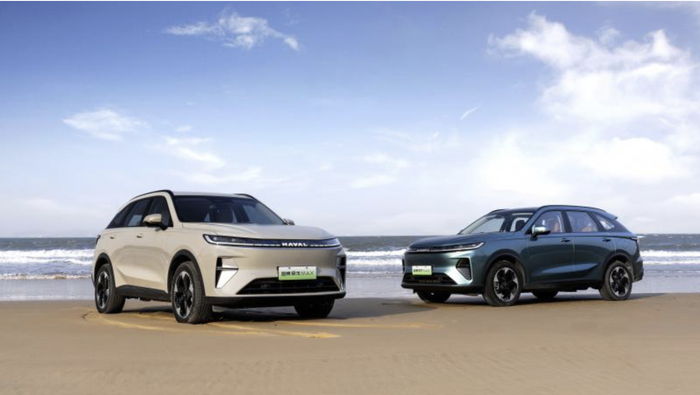
Core Viewpoint - The article highlights the recent developments in the electric vehicle (EV) industry, focusing on new car launches, company dynamics, and regulatory changes that are shaping the market landscape. Group 1: New Car Launches - The Weipai Lanshan Intelligent Advanced Edition has been launched with a limited-time price range of 275,800 to 302,800 yuan, featuring three models and advanced smart driving capabilities [2][4][6] - The Jishi ADAMAS has been introduced at a limited-time price of 334,900 to 344,900 yuan, positioned as a luxury version of the Jishi 01, with enhanced interior and exterior features [11][13][19] - The Leap D19 has opened for blind orders, while the Leap D99 has been unveiled, both showcasing advanced technology and flexible seating arrangements [20][22][23] Group 2: Company Dynamics - Geely has completed the privatization and merger of Zeekr, making it a wholly-owned subsidiary, which is expected to streamline operations and enhance market competitiveness [24][25][29] - Harman International is entering the advanced driver assistance systems (ADAS) market by acquiring ZF's ADAS business for 1.5 billion euros, aiming to leverage existing technologies for growth [30][31][33] - Leap Motor has set an ambitious target of achieving annual sales of 4 million vehicles, reflecting its growth trajectory and commitment to self-research and development [27] Group 3: Industry Trends and Regulations - Toyota's global sales fell by 2% in November, with a significant 12% drop in China, indicating challenges in maintaining growth amid increasing competition in the EV sector [47][48] - Dongfeng Motor has surpassed 1 million units in annual sales of new energy vehicles, marking its entry into the "million club" and showcasing its successful transition to electric mobility [49][51] - New regulations for electric vehicles, including mandatory energy consumption limits and safety standards, will take effect in 2026, pushing manufacturers towards technological upgrades [62][66][69]



长城汽车的2025:外援退场之后,选择了自己人
Tai Mei Ti A P P· 2025-12-28 15:52
Core Viewpoint - In 2025, Great Wall Motors underwent significant personnel changes, shifting from external hires to a complete return to internal leadership, reflecting a strategic response to market pressures and internal challenges [2][3][4]. Group 1: Personnel Changes - The year began with the establishment of a new ultra-luxury business unit, led by Chairman Wei Jianjun, indicating a strategic pivot towards high-quality, low-volume vehicle development [3]. - By the end of the year, all five core brands of Great Wall Motors were led by internal executives, marking a shift from previous external management attempts [4]. - The adjustments included the appointment of experienced internal leaders, such as Zhao Yongpo, who took over as CEO of the Wey brand after the departure of external manager Feng Fuzhi [4][12]. Group 2: Historical Context - Great Wall Motors has a history of frequent leadership changes, with the Wey brand experiencing eight CEO changes in nine years, often linked to fluctuating sales and strategic direction [12]. - The company has struggled with integrating external managers due to cultural and operational mismatches, leading to high turnover rates among external hires [6][8]. - The internal management style emphasizes centralized decision-making and loyalty, contrasting sharply with the more flexible approaches of external hires [6][17]. Group 3: Market Response and Strategy - The frequent changes in leadership have often been triggered by sales performance, with significant drops in sales prompting management shifts [9][10]. - The case of the Ora brand illustrates this pattern, where leadership changes were directly correlated with sales declines and subsequent recovery efforts [10]. - Great Wall Motors' strategy appears to oscillate between seeking external innovation and relying on internal expertise, aiming for stability in a rapidly changing market [17][18]. Group 4: Industry Comparison - Great Wall's approach contrasts with other automakers that have opted for external hires to navigate the Chinese market, highlighting different strategies in response to market dynamics [14][15]. - While Great Wall focuses on internal stability and technical expertise, competitors like Geely adopt a more integrative approach, combining internal and external resources for agility [15][16]. - The ongoing debate within the industry centers on whether internal leadership can effectively drive innovation and adapt to market changes, as seen in Great Wall's recent shifts [17].
汽车行业周报(20251222-20251228):多元催化有望带动板块预期修复,建议提前布局明年机会-20251228
Huachuang Securities· 2025-12-28 11:46
Investment Rating - The report maintains a "Buy" recommendation for the automotive sector, indicating a positive outlook for the upcoming year [1]. Core Insights - The automotive sector is expected to see a recovery in market expectations driven by three potential catalysts: the implementation of subsidy policies, better-than-expected export figures in Q1 (with November exports increasing by 45%), and stronger-than-expected retail sales post-Spring Festival [1]. - Retail sales for Q4 2025 have been revised downwards due to previous expectations of demand being pulled forward, with a forecast of a 14% decline in retail sales for Q4 2025, followed by a slight growth of 0.3% in 2025 [2]. - The report highlights the performance of key automotive companies, recommending Geely and JAC Motors due to their strong product cycles and potential for significant profit increases [5]. Data Tracking - In early December, discount rates slightly decreased, with an average discount amount of 22,156 yuan, reflecting a 0.4 percentage point decrease from the previous month [4]. - In October, wholesale vehicle sales reached 2.96 million units, a year-on-year increase of 7.5%, while retail sales fell by 9.2% year-on-year [4]. - The report provides detailed sales figures for new energy vehicle manufacturers, with BYD delivering 480,186 units in November, a 5.3% year-on-year decline but an 8.7% increase from the previous month [6]. Market Performance - The automotive sector index increased by 2.66% this week, ranking 12th out of 29 sectors [9]. - The report notes that the automotive sector's performance is improving, with a significant number of stocks showing positive growth [31]. - The average price-to-earnings (PE) ratio for the automotive sector is reported at 33, indicating a relatively high valuation compared to historical averages [31].




从致敬经典到迈向未来:长城汽车的文化觉醒与高端征途
Huan Qiu Wang· 2025-12-28 06:23
Core Insights - Longhua Automobile is pursuing a high-end strategy that integrates automotive culture and industrial aesthetics, aiming to create a unique Chinese automotive identity in the global market [1][6][9] Group 1: High-End Strategy and Cultural Integration - Longhua Automobile's chairman, Wei Jianjun, engaged in discussions with Huang Zongmin, founder of the Sanhe Classic Car Museum, to explore automotive culture and brand value [1][3] - The company aims to combine technical strength with cultural soft power, addressing the need for a unique Chinese imprint in the global automotive culture [1][6] - The establishment of the Longhua Super Luxury Car Business Group in January 2025 marks the company's entry into the ultra-luxury market, focusing on high-end categories like supercars and D-class sedans [4][7] Group 2: Technological Advancements and Product Development - Longhua's high-end strategy is supported by its self-developed 4.0T V8 twin-turbo engine, which is compatible with a hybrid system, showcasing the company's commitment to performance and safety [4][9] - The super luxury car project reflects a long-term approach to vehicle manufacturing, emphasizing the importance of time in creating true value [4][6] Group 3: Global Market and Cultural Value - Longhua's global strategy includes not only product and technology exports but also cultural value exports, enhancing the brand's presence in the international market [9] - The company's efforts in the super luxury segment aim to provide a new solution for enhancing the value of Chinese automotive brands, contributing to the construction of Chinese automotive culture [9]
汽车行业 2026 年度投资策略报告:不必悲观,结构存机会-20251227
Guohai Securities· 2025-12-27 13:27
Core Insights - The report maintains a "Recommended" rating for the automotive industry, emphasizing that there are opportunities despite potential challenges in 2026 [1][2] - The automotive sector showed a 20% increase over the past 12 months, outperforming the Shanghai and Shenzhen 300 index, which increased by 16.8% [3] Group 1: Industry Overview - The automotive industry is expected to experience a strong performance in commercial vehicles while passenger vehicles may face challenges in 2026 [4] - The report highlights that the passenger vehicle market in 2025 was supported by trade-in policies, leading to stable performance, but anticipates pressure on total volume in 2026 [4] - The heavy truck segment is projected to see positive growth in 2026, driven by domestic demand recovery and increased exports [4] Group 2: Opportunities in Passenger Vehicles - The report identifies a significant opportunity in the high-end passenger vehicle market, particularly for models priced above 300,000 yuan, which is expected to continue to grow [4][5] - Domestic brands are anticipated to make substantial advancements in the high-end market with new models launching in 2026 [5] Group 3: Heavy Truck Market Insights - The heavy truck market is expected to benefit from a recovery in domestic demand and a favorable export environment, with wholesale volumes projected to grow positively in 2026 [4][5] - The report notes that the penetration rate of electric heavy trucks may stabilize in 2026 after significant increases in 2025, which could positively impact profitability [5] Group 4: Smart Driving and Technology - The report discusses the acceleration of high-level autonomous driving technology penetrating lower-priced models, which is expected to drive volume growth in 2026 [5] - The introduction of new AI-driven cockpit technologies is anticipated to enhance the value of smart cabins, creating additional investment opportunities in related components [5] Group 5: Robotics Sector - The report indicates that the humanoid robotics sector is entering a new phase, with significant growth potential for leading manufacturers and their supply chains [5] - The collaboration between domestic and international manufacturers is expected to enhance production capabilities and technological advancements in humanoid robots [5] Group 6: Investment Recommendations - The report recommends several companies for investment, including Jianghuai Automobile, Top Group, and BYD, highlighting their potential in the evolving automotive landscape [6][9] - Specific recommendations for heavy truck manufacturers include China National Heavy Duty Truck Group and Weichai Power, which are expected to benefit from industry growth [6][9]

长城汽车取得混动车型热管理架构专利,实现余热充分利用
Jin Rong Jie· 2025-12-27 01:25
Group 1 - The core viewpoint of the news is that Great Wall Motors has obtained a patent for a hybrid vehicle thermal management architecture, which aims to enhance the efficiency of battery heating through innovative heat pump technology [1] Group 2 - The patent, titled "Thermal Management Architecture for Hybrid Models and Hybrid Vehicles," was authorized with announcement number CN223720707U, and the application date is March 2025 [1] - The patent includes a dual-stage compression heat pump system that replaces electric heaters for battery heating, utilizing waste heat from the heat pump and electric motor to improve energy efficiency [1] - Great Wall Motors, established in 2001 and based in Baoding, has a registered capital of approximately 8.56 billion RMB and has invested in 75 companies, participated in 2,897 bidding projects, and holds 5,000 trademark and patent records [2]
长城魏牌高端化“变阵”
Zhong Guo Jing Ying Bao· 2025-12-26 20:31
Core Viewpoint - The frequent changes in leadership at the high-end brand WEY under Great Wall Motors reflect the complexities of operating an automotive brand, with the new CEO Zhao Yongpo aiming to leverage his extensive experience to enhance the brand's market position and product offerings [3][5][7]. Leadership Changes - Zhao Yongpo has taken over as CEO of WEY, succeeding Feng Fuzhi, who served for only eight months. This marks the ninth CEO since the brand's establishment in 2016 [3][5]. - Feng Fuzhi's tenure was characterized by efforts to expand the direct sales channel, but he faced significant pressure, leading to his departure [5]. - Zhao Yongpo has over 20 years of experience within Great Wall Motors and has been involved in the development of WEY from its inception [6]. Brand Development and Market Position - WEY has experienced a "high-open, low-walk, and recovery" trajectory since its establishment, with a peak sales figure of 139,000 units in 2018, followed by a decline due to delays in transitioning to electric vehicles [7]. - The brand has recently seen a resurgence, with sales of 89,000 units from January to October 2025, representing a year-on-year increase of 93.94% [7]. - Future product strategies include launching new models based on a new platform by 2026, aiming to cover various powertrain options [7]. Direct Sales Strategy - The establishment of a direct sales model is seen as crucial for enhancing brand perception and user experience, with over 500 direct service points planned across more than 130 cities by November 2025 [8][9]. - The direct sales approach allows for better control over user touchpoints and service standards, which is essential for building a high-end brand image [9][10]. - However, the rapid expansion of direct sales outlets poses challenges, as seen in the case of other companies like Li Auto, which took over six years to reach a similar number of stores [9][10]. Challenges in Expansion - The process of establishing high-quality direct sales outlets is complex and time-consuming, involving multiple stages from site selection to team training [10]. - The competition for prime retail locations in key commercial areas is intense, often requiring brands to wait for suitable opportunities [10]. - Great Wall Motors has invested over 2 billion yuan in its direct sales system, highlighting the commitment to overcoming the challenges of brand management in the automotive sector [10].