LI AUTO(LI)

Search documents
12月黑猫投诉汽车行业红黑榜:理想汽车无法按约定时间交车20000元报废补贴作废
Xin Lang Cai Jing· 2026-01-15 07:07
Core Insights - The article discusses the December complaint handling red and black list released by the Black Cat Complaint platform, highlighting the effectiveness of companies in addressing consumer complaints [1][10] - As of December 2025, the platform has received nearly 31.95 million valid consumer complaints, with approximately 24.75 million responses from companies and around 20.99 million complaints resolved [1][10] Group 1: Complaint Statistics - The Black Cat Complaint platform has accumulated nearly 31.95 million valid consumer complaints by the end of December 2025 [1][10] - Companies have responded to approximately 24.75 million complaints, with about 20.99 million complaints resolved [1][10] - In December alone, there were nearly 790,000 valid complaints [1][10] Group 2: Industry Red and Black Lists - In the shared services sector, the black list includes companies such as Guangyu Koste, Wisdom Xiaolian, and Yunma Technology, while the red list features companies like Hello and Monster Charging [5][14] - In the shopping platform category, the black list includes major platforms like Taobao Mall and JD.com, while the red list includes Heart Joy Mall and Tmall Supermarket [5][15] - The travel and accommodation sector's black list includes airlines such as Shenzhen Airlines and All Nippon Airways, while the red list features travel services like Ctrip and Shenzhou Car Rental [5][15] - In the entertainment sector, the black list includes WeChat and Tencent, while the red list features iQIYI and Guangdong Fuzhi Smart Technology [5][15] - The education and training sector's black list includes Duolingo and Zhonggong Education, while the red list features companies like Helian Tang and Yuan Tutor [5][15]


12月黑猫投诉企业红黑榜:金铲铲之战抽奖bug珍稀角色变白菜价
Xin Lang Cai Jing· 2026-01-15 05:26
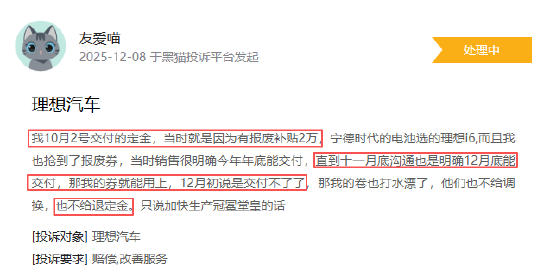
Core Insights - The article presents the December complaint handling red and black list by the Black Cat Complaint platform, reflecting the complaint resolution status of various companies [1][13] - As of December 2025, the platform received nearly 31.95 million valid consumer complaints, with approximately 24.75 million responses from companies and around 20.99 million complaints resolved [1][13] - The red and black lists categorize companies by industry and highlight recent consumer concerns, providing valuable references for consumers [1][13] Group 1: Complaint Trends - In December, there were nearly 790,000 valid complaints, indicating a significant volume of consumer grievances [1][13] - The complaints cover various sectors, including e-commerce, travel, and entertainment, showcasing widespread issues across industries [1][13] Group 2: Notable Complaints - Consumers reported delays and fraudulent activities related to silver bars purchased on Taobao, with ineffective customer service responses [2][14] - New Balance faced complaints regarding unjustified refusal of returns, with a reported complaint volume of 76 and a response rate of 0% [3][15] - Li Auto was criticized for failing to deliver vehicles as promised, resulting in the forfeiture of a 20,000 yuan vehicle scrapping subsidy for consumers [4][16] - Shenzhen Airlines received complaints about flight cancellations and changes without compensation, accumulating 4,916 complaints with a response rate of only 9.24% [5][17] - The game "Gold Shovel Battle" experienced a pricing loophole, allowing players to acquire high-value items at a fraction of the cost, leading to 191 complaints with a 0% response rate [6][18] - Agoda faced backlash for misleading room descriptions, with 39 complaints and a refusal to refund despite meeting conditions for a full refund [7][19] Group 3: Industry Red and Black Lists - The red and black lists for December highlight companies with the most complaints and commendable service across various sectors, including shared services, shopping platforms, travel, entertainment, and education [8][20][22] - Notable companies on the black list include Taobao, Shenzhen Airlines, and New Balance, while the red list features companies like Haier and Chengdu Ocean Travel [20][22]

2025年度新势力销量分析:零跑强势登顶 头部阵营再重构
Zhong Guo Zhi Liang Xin Wen Wang· 2026-01-15 03:32
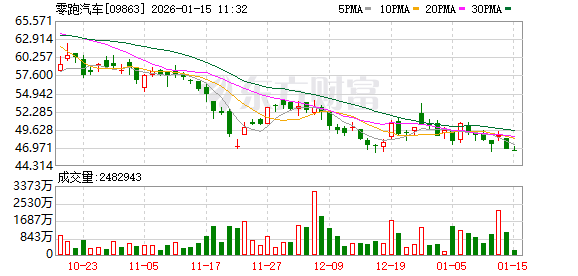
Core Insights - The competition in the Chinese new energy vehicle market is intensifying, with a clear shift from "price competition" to "value competition" among new car manufacturers [3] Group 1: Top Performers - Leap Motor achieved a remarkable delivery of 596,555 vehicles in 2025, marking a 103% year-on-year increase and exceeding its annual target of 500,000 vehicles with a completion rate of 119.3% [2][5] - Hongmeng Zhixing delivered 589,107 vehicles, a 32% increase year-on-year, but only reached 58.91% of its ambitious target of 1 million vehicles [5][7] - Xiaopeng Motors delivered 429,445 vehicles, achieving a 126% year-on-year growth and surpassing its target of 350,000 vehicles with a completion rate of 122.69% [9][10] Group 2: Emerging Players and Challenges - Xiaomi Motors entered the market with over 410,000 deliveries, achieving a completion rate of over 114% against its target of 350,000 vehicles, indicating a successful first full sales year [10][12] - Li Auto faced challenges with a total delivery of 406,343 vehicles, down 19% year-on-year, and only achieving 63% of its target of 640,000 vehicles [12][14] - Deep Blue delivered 333,117 vehicles, a 36.6% increase, but faced declining sales in the last two months of the year, highlighting transition pressures [16] Group 3: Diverse Growth Patterns - NIO achieved a record delivery of 326,028 vehicles, a 46.9% increase, with a completion rate of 74.1% against its target [18] - Zeekr delivered 224,000 vehicles, with a slight increase of 0.9%, but fell short of its target of 320,000 vehicles, indicating growth pressures in a competitive market [19][21] - Avita delivered over 120,000 vehicles, but only achieved 60% of its target, reflecting challenges in scaling amidst intense competition [25] Group 4: Market Dynamics and Future Outlook - The market is transitioning from rapid expansion to high-quality development, with brands needing to focus on technological capabilities and precise market positioning to succeed [27] - The implementation of new national subsidy policies in 2026 is expected to accelerate industry reshuffling, intensifying competition in the mainstream price segment [27]


突发!理想基座模型一号位换帅、自驾产品负责人调整,詹锟接手基座模型
自动驾驶之心· 2026-01-15 02:55
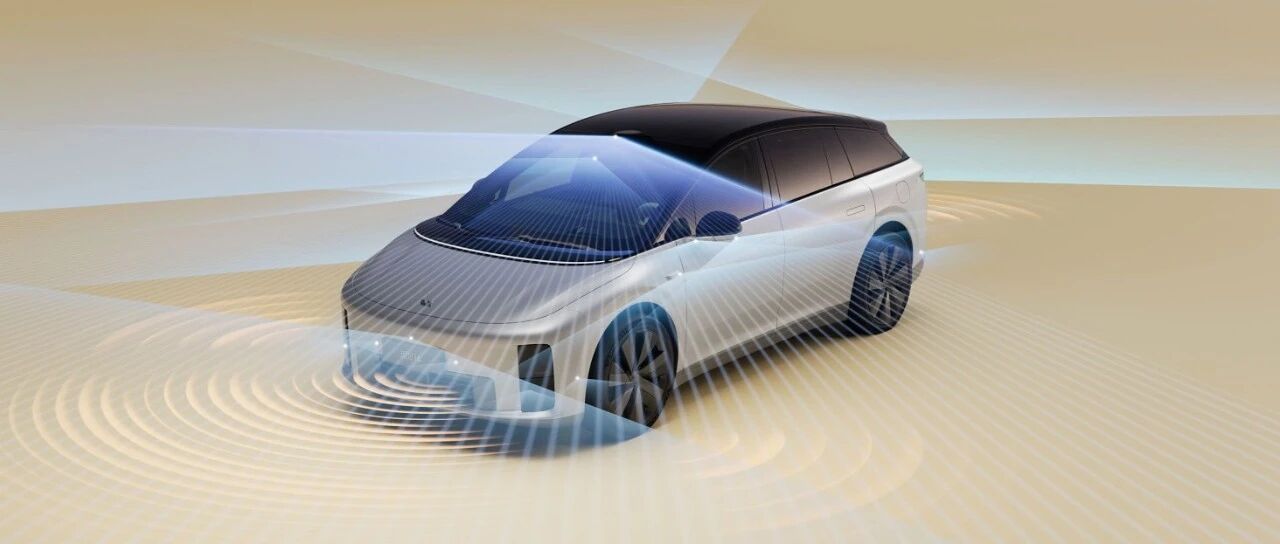
Core Viewpoint - The article discusses recent organizational changes at Li Auto, focusing on the shift towards embodied intelligence and the integration of the VLA model for autonomous driving development [2][6]. Group 1: Organizational Changes - Li Auto is reallocating resources towards embodied intelligence as competition in automotive intelligence enters a "modeling" phase [2]. - Key personnel changes include Zhan Kun taking over the VLA integration and development work, reporting directly to the CTO, while Chen Wei, responsible for the LLM direction, is leaving the company [2][5]. - The internal restructuring reflects a preference for promoting from within, indicating strong confidence in the existing technical team [6]. Group 2: Technological Developments - Significant upgrades to the VLA model have been made in recent months, with high internal confidence in version 8.2 [6]. - The integration of robotics and autonomous driving is being coordinated under a larger embodied paradigm, with Shua Yifan now responsible for the autonomous driving product [4][5]. - The development of a new generation closed-loop system is being emphasized, combining base models, cloud, and vehicle-end technologies [8]. Group 3: Industry Trends - The trend towards integrated hardware and software solutions is expected to be a major industry focus by 2026 [10]. - The success of Horizon Robotics' HSD is noted as a contributing factor to the recent organizational adjustments at Li Auto [8].
理想调整基座模型业务:詹锟接手,VLA 研发整合
Xin Lang Cai Jing· 2026-01-15 02:34
Core Viewpoint - The appointment of Zhan Kun as the head of the foundational model business at Li Auto signifies a strategic shift in the company's approach to developing its VLA (Vision-Language-Action) foundational model, integrating technology teams to support autonomous driving, smart cockpit, and potential future robotics initiatives [1] Group 1 - Zhan Kun will oversee the development of the VLA foundational model and will integrate related technology research teams [1] - Zhan Kun's reporting structure has changed; he will now report to the CTO and head of the Systems and Computing Group, Xie Yan, instead of the Senior Vice President of Autonomous Driving R&D, Lang Xianpeng [1] - Zhan Kun will continue to be responsible for the engineering and platformization of the smart driving VLA model [1] Group 2 - The current head of the foundational model, Chen Wei, may join an entrepreneurial venture [1]
晚点独家丨理想调整基座模型业务:詹锟接手,VLA 研发整合
晚点LatePost· 2026-01-15 02:17
Core Insights - The article discusses the strategic shift at Li Auto, focusing on the integration of the VLA (Vision-Language-Action) model into its AI strategy, which aims to enhance the company's capabilities in autonomous driving and intelligent cockpit technologies [4][6]. Group 1: Leadership Changes and Organizational Structure - Jian Kun, a senior algorithm expert in autonomous driving, will take over the VLA model business, reporting directly to the CTO, Xie Yan, instead of the previous head of autonomous driving, Lang Xianpeng [4]. - The VLA model development was previously divided between two departments, with the language component led by Chen Wei and the vision and action components managed by the autonomous driving team [6]. - The VLA model has been elevated from a single project to a company-wide foundational model, indicating a clearer focus on embodied intelligence as a core part of Li Auto's AI strategy [6]. Group 2: VLA Model and Future Developments - The VLA model is designed to support embodied intelligence, with "V" representing perception, "L" for planning and decision-making, and "A" for action, applicable to both physical and digital realms [6]. - Li Auto plans to fully deploy the VLA driver model in its AD Max vehicles by September 2025, aiming for smoother longitudinal control and improved accuracy at complex intersections [8]. - The company intends to enhance language and behavioral interactions and adapt its self-developed M100 chip by 2026 [8]. Group 3: Talent Movement and Industry Context - Several technical talents have left Li Auto following the AI model boom, but some maintain close communication with the company and participate in industry sharing sessions [7]. - Chen Wei, the outgoing head of the VLA model, previously emphasized the importance of building a complete agent system centered around the VLA model, viewing all products as robotic entities [7].

车企自研、第三方合作“双轮驱动”,城市NOA规模化加速
Zhong Guo Jing Ji Wang· 2026-01-15 02:12
Core Insights - 2025 is identified as a critical year for the commercialization of urban NOA (Navigation Assisted Driving) in China, with a projected market scale growth [1] - The report indicates that from January to November 2025, the cumulative sales of passenger cars equipped with urban NOA reached 3.129 million units, with a penetration rate of 15.1%, an increase of 5.6 percentage points compared to the entire year of 2024 [1] Industry Background - NOA technology is seen as a key driver for smart connected vehicles, bridging advanced driver assistance and fully autonomous driving, which is crucial for enhancing user travel experience and asserting China's competitive voice in the global automotive industry [3] - The report highlights that among the passenger cars sold with urban NOA, domestic brands accounted for 2.5373 million units, representing 81.1% of the total, showcasing innovation and competitiveness in the smart connected vehicle sector [3] Market Dynamics - The current market for urban NOA is characterized by a dual-driven model of self-research by car manufacturers and collaboration with third-party suppliers [5] - Major players in self-research include Tesla, NIO, Xpeng, Li Auto, Xiaomi, and others, while approximately 29 brands collaborate with third-party suppliers [5] - The third-party supplier market is dominated by two key players, Momenta and Huawei, which together hold about 80% market share; Momenta's urban NOA installations reached 414,400 units, accounting for 61.06% of third-party suppliers, while Huawei's HI model accounted for 19.76% with 134,100 units [5] Technological Advancements - The rapid iteration of technology and market competition is driving systemic changes in smart driving technology, core architecture, and industrial ecology [9] - The report emphasizes that end-to-end large models are becoming the core engine for NOA technology iteration, facilitating a shift from modular architecture to integrated systems [10] - New energy vehicle manufacturers are building technological barriers through full-stack self-research, while traditional automakers are accelerating technology deployment through partnerships with third-party suppliers [10] Future Outlook - The report anticipates that by 2030, urban NOA will become a mainstream feature in both assisted and autonomous driving [10] - Recommendations for enhancing the high-quality development of NOA include improving top-level design, strengthening technological innovation, enhancing industry collaboration, and exploring global competitiveness for supply chain enterprises [11]

突发!美国白宫宣布对特定半导体等加征25%关税;大厂80亿资产遭侵吞?宝能董事长姚振华实名举报;梁文锋旗下幻方量化,去年收益率56.6%
雷峰网· 2026-01-15 00:35
Key Points - The U.S. White House announced a 25% tariff on certain imported semiconductors and related products starting January 15, 2026, following a previous statement by former President Trump regarding tariffs on chips and semiconductors [4][5] - Baoneng Group's chairman, Yao Zhenhua, accused local authorities of undervaluing assets of Qoros Auto, claiming a third-party evaluation valued the assets at approximately 8 billion yuan, while they were set to be auctioned at 1.5 billion yuan [7][8] - Ctrip Group is under investigation for alleged monopolistic practices by the State Administration for Market Regulation, with the company stating it will cooperate with the investigation [10] - RoboSense announced it expects to sell 303,000 units of its robotic lidar products in 2025, marking a 1141.8% year-on-year increase [13] - Liang Wenfeng's company, Huanfang Quantitative, achieved a 56.6% return in 2025, with assets exceeding 70 billion yuan [10][11] - Tesla will discontinue the one-time purchase option for its Full Self-Driving (FSD) software, transitioning to a subscription-only model starting February 14, 2026 [39][40] - The Chinese smartphone market saw Huawei leading in shipments with 46.7 million units, followed closely by Apple with 46.2 million units, while the overall market experienced a slight decline of 0.6% year-on-year [27][28] - Meta plans to double its production capacity for AI smart glasses to 20 million units by 2026, focusing on AI integration [46][47] - TSMC is reportedly planning to invest significantly in the U.S. by building at least five new semiconductor factories, despite facing high production costs compared to its Taiwan facilities [50]





纳指收跌1%,甲骨文、博通跌超4%
Mei Ri Jing Ji Xin Wen· 2026-01-15 00:10
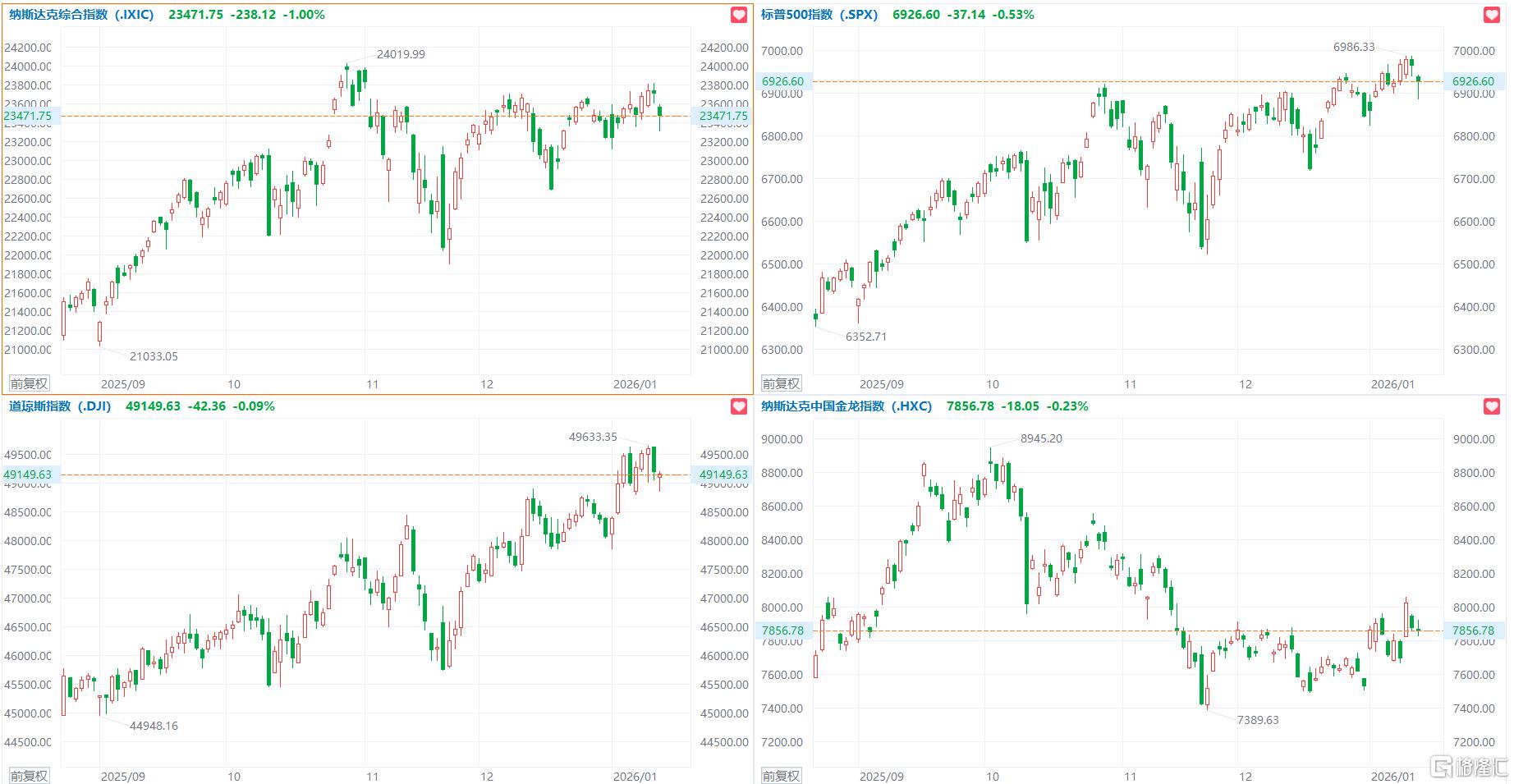
Market Overview - The three major U.S. stock indices closed lower, with the Dow Jones down 0.08%, the Nasdaq down 1.00%, and the S&P 500 down 0.53% [2] - Technology stocks experienced widespread declines, with Oracle and Broadcom falling over 4%, and Amazon, Microsoft, and Meta dropping over 2% [2] - Notably, Intel saw a contrary increase, rising over 3% [2] Chinese Stocks Performance - The Nasdaq Golden Dragon China Index decreased by 0.23%, with significant declines in several Chinese companies [2] - Ctrip fell over 17%, Pinduoduo dropped nearly 4%, and electric vehicle manufacturers such as Li Auto, NIO, and Xpeng, along with Bawang Tea, all declined over 2% [2] - In contrast, Bilibili experienced a rise of over 6% [2]


美股三大指数集体收跌,纳指跌1%,甲骨文、博通跌超4%
Ge Long Hui· 2026-01-14 23:51
Market Overview - The three major U.S. stock indices closed lower, with the Dow Jones down 0.08%, the Nasdaq down 1.00%, and the S&P 500 down 0.53% [1] - Technology stocks experienced widespread declines, with Oracle and Broadcom falling over 4%, and Amazon, Microsoft, and Meta dropping over 2% [1] - Notably, Intel saw a contrary increase, rising over 3% [1] Chinese Stocks Performance - The Nasdaq Golden Dragon China Index decreased by 0.23% [1] - Among popular Chinese stocks, Meituan fell approximately 4%, Pinduoduo dropped 3.9%, and Netease, Li Auto, NIO, and Xpeng all declined over 2% [1] - Conversely, Baidu rose by 0.8%, Tencent increased by 1%, and several companies including WeRide and Pony.ai saw gains of 1.3% and 1.8% respectively, while Alibaba increased by 1.9% [1]