NIO(NIO)

Search documents
李斌开年内部讲话:预计2025年第四季度盈利目标可实现,推动AI在全业务链条落地
Xin Lang Cai Jing· 2026-01-15 10:55
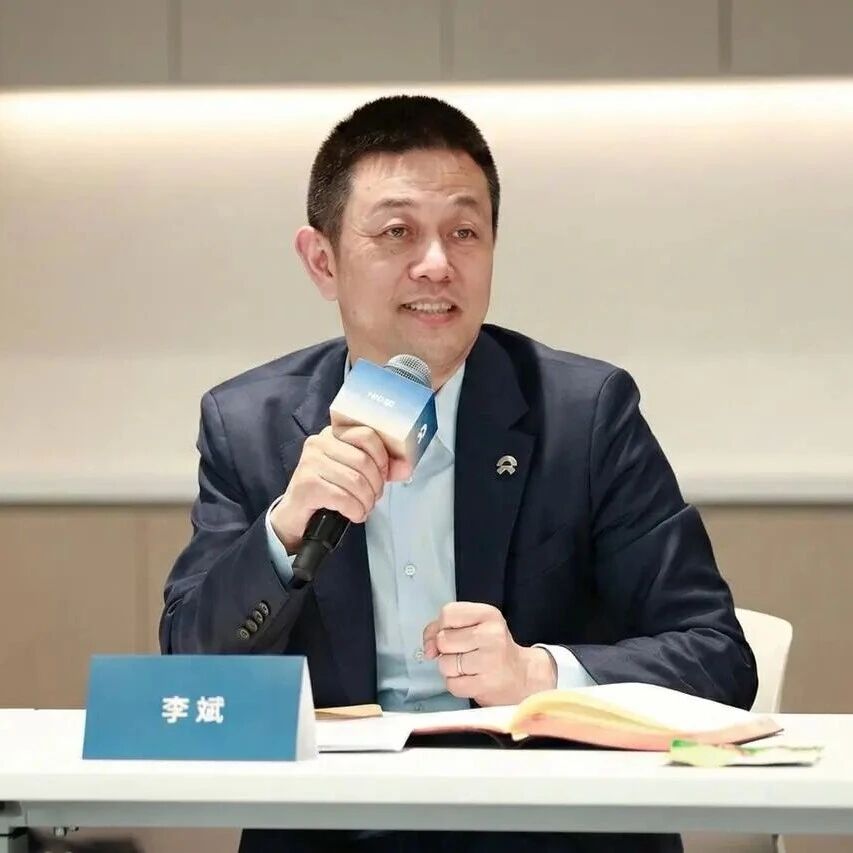
1月5日,蔚来汽车通过内部邮件宣布,正式成立人工智能技术委员会(AGI Committee),该委员会将 牵头推进AI在全业务链条中的落地执行。 1月15日,智通财经获悉,1月14日,蔚来汽车CEO李斌发表新年首次内部讲话。他表示,蔚来在去年第 四季度交付4万辆全新ES8,每辆车均有稳健毛利,预计2025年第四季度盈利目标可以实现。李斌希 望,接下来3至5年,蔚来汽车能够实现年均40%至50%的稳定增长。 李斌在讲话最后强调,2026年公司面临的最大挑战并非市场、产品或销售,而在于组织内部心态。他表 示,蔚来汽车仍是一家创业公司,必须持续巩固阵地,打持久战,以长期、持续的努力赢得最终胜利。 (智通财经记者 周姝祺) 另外,李斌表示,要推动AI在全业务链条中的系统性落地,构建公司级AI能力体系,覆盖从研发、生 产制造、供应链,到财务、人力资源等所有部门和流程,通过AI全面提升效率。 在内部讲话中,李斌明确了蔚来汽车今年的三项重点任务。首先,确保三款新车型按计划、高质量交 付;其次,加大对智能驾驶的算力投入,目标是发布三个重要智驾版本,重新回到行业领先地位。李斌 指出,在公司整体资源依然紧张情况下,他仍然为智驾部 ...

李斌勾勒蔚来2026:全业务链“AI化”,未来三年锚定年增40%
Xin Hua Cai Jing· 2026-01-15 10:29
据了解,蔚来AI战略主要围绕两个方向展开:一是智能驾驶,将持续进行全栈自研,通过年内规划的 三次大版本更新,目标重回行业第一梯队。公司已在算力投入上给予专项支持。 二是AI全业务链落地,将AI应用从研发制造延伸至供应链、销售、财务、人力等所有环节,构建公司 级AI能力体系。李斌强调,蔚来全员需主动拥抱AI,通过每个环节的效率提升,实现公司整体竞争力 的倍增。 李斌表示,目前蔚来在中国市场份额仍不足2%,成长空间巨大。全员需摒弃松懈心态,保持"创业公 司"的奋斗精神,以应对未来的诸多不确定性。 新华财经上海1月15日电1月14日下午,蔚来汽车召开内部会议,蔚来创始人、董事长兼CEO李斌首次发 表2026年内部讲话,公布了公司年度战略目标,核心聚焦于实现稳健增长、全面深化AI技术应用,以 及持续夯实组织体系能力。 李斌表示,回顾2025年,下半年在乐道L90、全新ES8等车型的带动下,蔚来实现销量回升,第四季度 凭借较高毛利车型的放量,有望实现单季盈利,标志着公司进入新的发展周期。 谈及2026年核心目标,李斌表示销量要实现40%-50%的稳健增长,对应销量目标约为45.6万至48.9万 辆,同时要在接下来3-5 ...
从两个“百万”看中国新能源汽车产业量质齐升
Zhong Guo Zhi Liang Xin Wen Wang· 2026-01-15 09:20
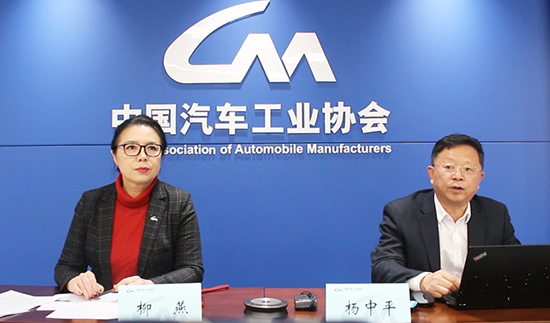
Group 1 - The core message highlights the significant milestones achieved by Chinese electric vehicle manufacturers, with NIO producing its one-millionth vehicle, symbolizing a dual breakthrough in scale and brand for the industry [1] - The emergence of new energy vehicle companies like NIO, Li Auto, and Xpeng has redefined the automotive industry in China, moving away from traditional fuel vehicles to electric and intelligent models, thus reshaping business models and user relationships [2] - The collaboration between Huawei and JAC Motors to create the high-end vehicle, the Zunji S800, signifies a shift in the automotive industry towards high-end pricing and advanced technology integration, marking a new phase in China's automotive evolution [2] Group 2 - Data from the China Association of Automobile Manufacturers indicates strong performance in the new energy vehicle sector, with production and sales reaching 14.907 million and 14.78 million units respectively from January to November 2025, reflecting year-on-year growth of 31.4% and 31.2% [3] - The Chinese new energy vehicle industry is transitioning from survival to value creation, indicating a maturation phase as brands aim for global competitiveness [3]




独家丨李斌新年首次内部讲话:成立「人工智能技术委员会」,加大投入推动AI全业务链落地
雷峰网· 2026-01-15 04:32
Core Viewpoint - The company aims to enhance operational efficiency and anticipates profitability opportunities in Q4 2025, driven by strategic investments in AI and product development [1][5]. Group 1: AI Investment and Strategy - The company plans to increase investments in artificial intelligence (AI) in 2026, focusing on integrating AI across all business units to improve product competitiveness and operational efficiency [2][4]. - An AI Technology Committee has been established to oversee the development and implementation of AI strategies, including industry insights, capability mapping, and community building for AI talent [3][4]. - The CEO emphasized the importance of AI in enhancing efficiency across various departments, stating that a 3% efficiency gain in each area could lead to significant overall improvements [11]. Group 2: Business Growth and Financial Goals - The company targets a sales volume of 456,400 to 489,000 vehicles in 2026, aiming for a steady growth rate of 40-50% [4][7]. - The gross margin for vehicles is expected to improve, with a target of 17-18% for Q4, supported by strong performance in new models and non-vehicle business segments [7][8]. - The company anticipates non-vehicle business revenue to exceed 10 billion, indicating substantial growth potential in this area [7]. Group 3: Operational Efficiency and Cost Management - The focus for 2025 includes controlling sales management expenses and ensuring a reasonable return on investment (ROI) for variable costs [8]. - The company is committed to enhancing efficiency through a structured approach, prioritizing high-impact initiatives while managing limited resources effectively [9][10]. - The CEO highlighted the need for a mindset shift within the organization, emphasizing the importance of maintaining a startup mentality despite achieving some scale [12].

2025年度新势力销量分析:零跑强势登顶 头部阵营再重构
Zhong Guo Zhi Liang Xin Wen Wang· 2026-01-15 03:32
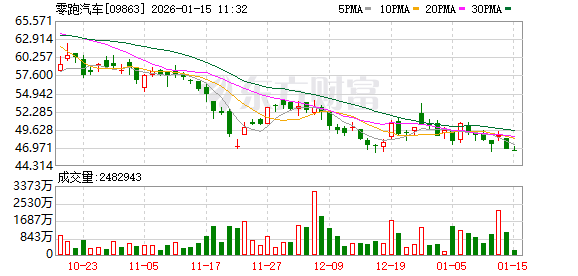
Core Insights - The competition in the Chinese new energy vehicle market is intensifying, with a clear shift from "price competition" to "value competition" among new car manufacturers [3] Group 1: Top Performers - Leap Motor achieved a remarkable delivery of 596,555 vehicles in 2025, marking a 103% year-on-year increase and exceeding its annual target of 500,000 vehicles with a completion rate of 119.3% [2][5] - Hongmeng Zhixing delivered 589,107 vehicles, a 32% increase year-on-year, but only reached 58.91% of its ambitious target of 1 million vehicles [5][7] - Xiaopeng Motors delivered 429,445 vehicles, achieving a 126% year-on-year growth and surpassing its target of 350,000 vehicles with a completion rate of 122.69% [9][10] Group 2: Emerging Players and Challenges - Xiaomi Motors entered the market with over 410,000 deliveries, achieving a completion rate of over 114% against its target of 350,000 vehicles, indicating a successful first full sales year [10][12] - Li Auto faced challenges with a total delivery of 406,343 vehicles, down 19% year-on-year, and only achieving 63% of its target of 640,000 vehicles [12][14] - Deep Blue delivered 333,117 vehicles, a 36.6% increase, but faced declining sales in the last two months of the year, highlighting transition pressures [16] Group 3: Diverse Growth Patterns - NIO achieved a record delivery of 326,028 vehicles, a 46.9% increase, with a completion rate of 74.1% against its target [18] - Zeekr delivered 224,000 vehicles, with a slight increase of 0.9%, but fell short of its target of 320,000 vehicles, indicating growth pressures in a competitive market [19][21] - Avita delivered over 120,000 vehicles, but only achieved 60% of its target, reflecting challenges in scaling amidst intense competition [25] Group 4: Market Dynamics and Future Outlook - The market is transitioning from rapid expansion to high-quality development, with brands needing to focus on technological capabilities and precise market positioning to succeed [27] - The implementation of new national subsidy policies in 2026 is expected to accelerate industry reshuffling, intensifying competition in the mainstream price segment [27]

车企自研、第三方合作“双轮驱动”,城市NOA规模化加速
Zhong Guo Jing Ji Wang· 2026-01-15 02:12
Core Insights - 2025 is identified as a critical year for the commercialization of urban NOA (Navigation Assisted Driving) in China, with a projected market scale growth [1] - The report indicates that from January to November 2025, the cumulative sales of passenger cars equipped with urban NOA reached 3.129 million units, with a penetration rate of 15.1%, an increase of 5.6 percentage points compared to the entire year of 2024 [1] Industry Background - NOA technology is seen as a key driver for smart connected vehicles, bridging advanced driver assistance and fully autonomous driving, which is crucial for enhancing user travel experience and asserting China's competitive voice in the global automotive industry [3] - The report highlights that among the passenger cars sold with urban NOA, domestic brands accounted for 2.5373 million units, representing 81.1% of the total, showcasing innovation and competitiveness in the smart connected vehicle sector [3] Market Dynamics - The current market for urban NOA is characterized by a dual-driven model of self-research by car manufacturers and collaboration with third-party suppliers [5] - Major players in self-research include Tesla, NIO, Xpeng, Li Auto, Xiaomi, and others, while approximately 29 brands collaborate with third-party suppliers [5] - The third-party supplier market is dominated by two key players, Momenta and Huawei, which together hold about 80% market share; Momenta's urban NOA installations reached 414,400 units, accounting for 61.06% of third-party suppliers, while Huawei's HI model accounted for 19.76% with 134,100 units [5] Technological Advancements - The rapid iteration of technology and market competition is driving systemic changes in smart driving technology, core architecture, and industrial ecology [9] - The report emphasizes that end-to-end large models are becoming the core engine for NOA technology iteration, facilitating a shift from modular architecture to integrated systems [10] - New energy vehicle manufacturers are building technological barriers through full-stack self-research, while traditional automakers are accelerating technology deployment through partnerships with third-party suppliers [10] Future Outlook - The report anticipates that by 2030, urban NOA will become a mainstream feature in both assisted and autonomous driving [10] - Recommendations for enhancing the high-quality development of NOA include improving top-level design, strengthening technological innovation, enhancing industry collaboration, and exploring global competitiveness for supply chain enterprises [11]

纳指收跌1%,甲骨文、博通跌超4%
Mei Ri Jing Ji Xin Wen· 2026-01-15 00:10
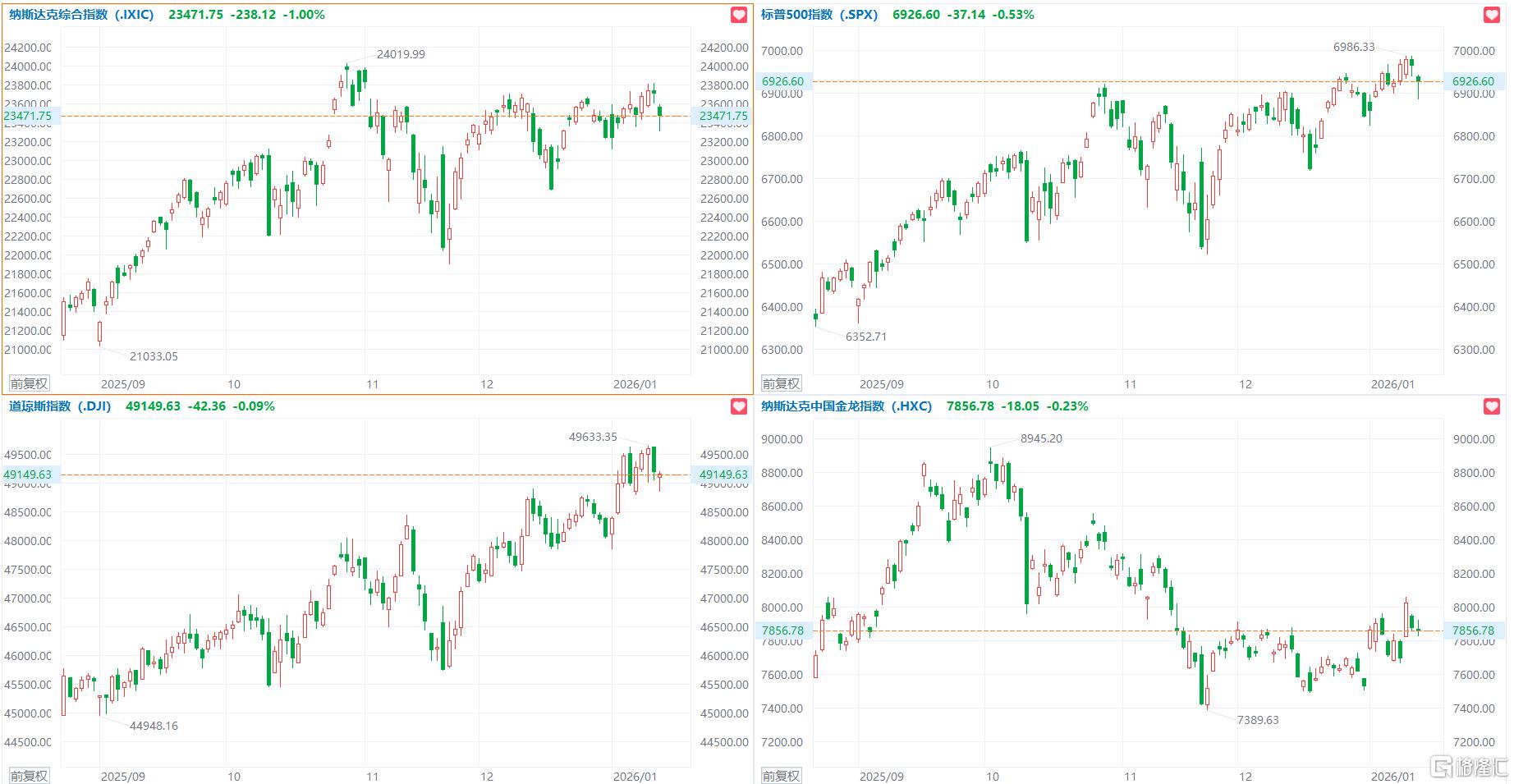
Market Overview - The three major U.S. stock indices closed lower, with the Dow Jones down 0.08%, the Nasdaq down 1.00%, and the S&P 500 down 0.53% [2] - Technology stocks experienced widespread declines, with Oracle and Broadcom falling over 4%, and Amazon, Microsoft, and Meta dropping over 2% [2] - Notably, Intel saw a contrary increase, rising over 3% [2] Chinese Stocks Performance - The Nasdaq Golden Dragon China Index decreased by 0.23%, with significant declines in several Chinese companies [2] - Ctrip fell over 17%, Pinduoduo dropped nearly 4%, and electric vehicle manufacturers such as Li Auto, NIO, and Xpeng, along with Bawang Tea, all declined over 2% [2] - In contrast, Bilibili experienced a rise of over 6% [2]


美股三大指数集体收跌,纳指跌1%,甲骨文、博通跌超4%
Ge Long Hui· 2026-01-14 23:51
Market Overview - The three major U.S. stock indices closed lower, with the Dow Jones down 0.08%, the Nasdaq down 1.00%, and the S&P 500 down 0.53% [1] - Technology stocks experienced widespread declines, with Oracle and Broadcom falling over 4%, and Amazon, Microsoft, and Meta dropping over 2% [1] - Notably, Intel saw a contrary increase, rising over 3% [1] Chinese Stocks Performance - The Nasdaq Golden Dragon China Index decreased by 0.23% [1] - Among popular Chinese stocks, Meituan fell approximately 4%, Pinduoduo dropped 3.9%, and Netease, Li Auto, NIO, and Xpeng all declined over 2% [1] - Conversely, Baidu rose by 0.8%, Tencent increased by 1%, and several companies including WeRide and Pony.ai saw gains of 1.3% and 1.8% respectively, while Alibaba increased by 1.9% [1]




“活着就有机会”,冬天里的造车新势力
汽车商业评论· 2026-01-14 23:07
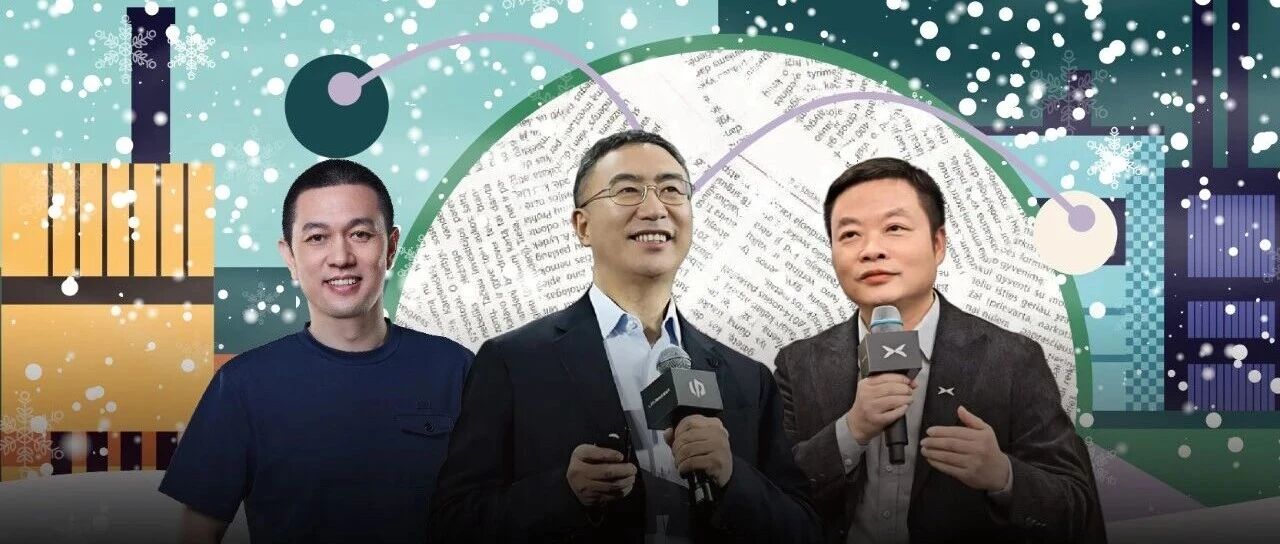
Core Viewpoint - The article discusses the recent milestones achieved by Chinese electric vehicle manufacturers NIO, Xpeng, and Leap Motor, highlighting their growth and strategic directions in the evolving automotive market, particularly in the context of the 2026 automotive landscape [3][5][8]. Group 1: Milestones and Achievements - NIO reached a significant milestone of producing 1 million vehicles on January 6, 2026, marking a critical point in its growth trajectory [8][12]. - Xpeng and Leap Motor also achieved the 1 million vehicle production mark in late 2025, with Xpeng hitting this milestone on November 21, 2025, and Leap Motor on September 25, 2025 [11][12]. - The time taken for each company to reach 1 million vehicles varied, with NIO taking approximately 7 years and 8 months, while Leap Motor achieved it in about 6 years [12]. Group 2: Strategic Directions - NIO's focus for 2026 includes launching larger, high-margin vehicles, with a goal of achieving profitability [13][27]. - Xpeng is expanding its range of extended-range vehicles, with plans for multiple new models, indicating a shift in strategy to meet market demands [15][30]. - Leap Motor aims for aggressive growth, setting a sales target of 1 million vehicles for 2026 and aspiring to reach an annual sales volume of over 4 million vehicles in the next decade [32]. Group 3: Market Context and Competition - The article notes that the competition among the new energy vehicle manufacturers has intensified, with each company striving to establish a strong market presence [7][19]. - Leap Motor emerged as the top seller among new energy vehicle manufacturers in 2025, delivering 596,555 vehicles, a 103% increase year-on-year [19][21]. - Xpeng and NIO also reported significant growth, with Xpeng delivering 429,445 vehicles (up 126%) and NIO delivering 326,028 vehicles (up 46.9%) [21]. Group 4: Future Outlook - Industry leaders express cautious optimism for 2026, with NIO's management indicating a focus on steady growth rather than ambitious targets [27][28]. - Xpeng's CEO emphasizes the importance of maintaining a balanced approach while capitalizing on global market opportunities [30]. - Leap Motor's CEO envisions a future where multiple Chinese manufacturers achieve significant sales volumes, potentially capturing a large share of the global automotive market [32].
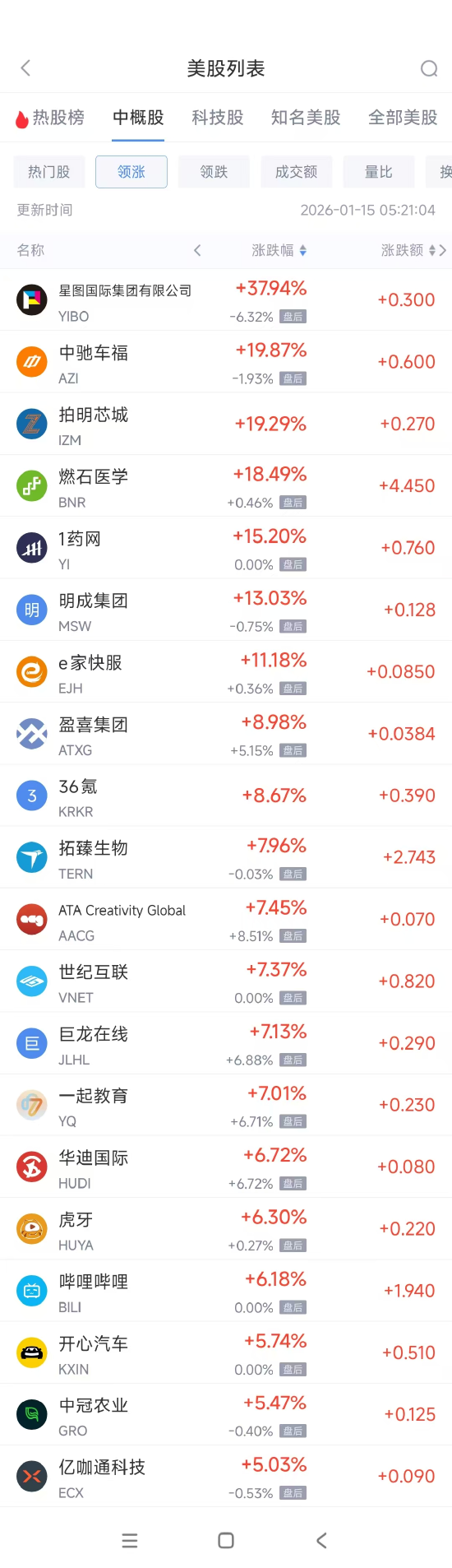
1月15日热门中概股涨跌不一,携程重挫逾17%
Xin Lang Cai Jing· 2026-01-14 21:26
Core Viewpoint - The performance of Chinese concept stocks varied on January 15, with the Nasdaq China Golden Dragon Index (HXC) declining by 0.23% amid ongoing geopolitical risks and the market digesting recent bank earnings reports [1][8]. Group 1: Stock Performance - Among the rising stocks, Alibaba increased by 1.75%, Baidu by 0.77%, and Bilibili by 6.18% [1][7]. - Notable declines included Ctrip, which fell by 17.05%, and Pinduoduo, which dropped by 3.98% [1][8]. - The Dow Jones Industrial Average decreased by 42.36 points (0.09%), the Nasdaq fell by 238.12 points (1.00%), and the S&P 500 dropped by 36.75 points (0.53%) [1][8]. Group 2: Leading Gainers and Losers - Leading gainers included Ming Cheng Group (+13.03%), e家快服 (+11.18%), and 36氪 (+8.67%) [4][9]. - Leading losers featured Ctrip (-17.05%), 英米 (-9.47%), and 浩希健康 (-7.50%) [5][10].