NIO(NIO)

Search documents
李斌锁定了终局门票
Hua Er Jie Jian Wen· 2026-01-08 09:23
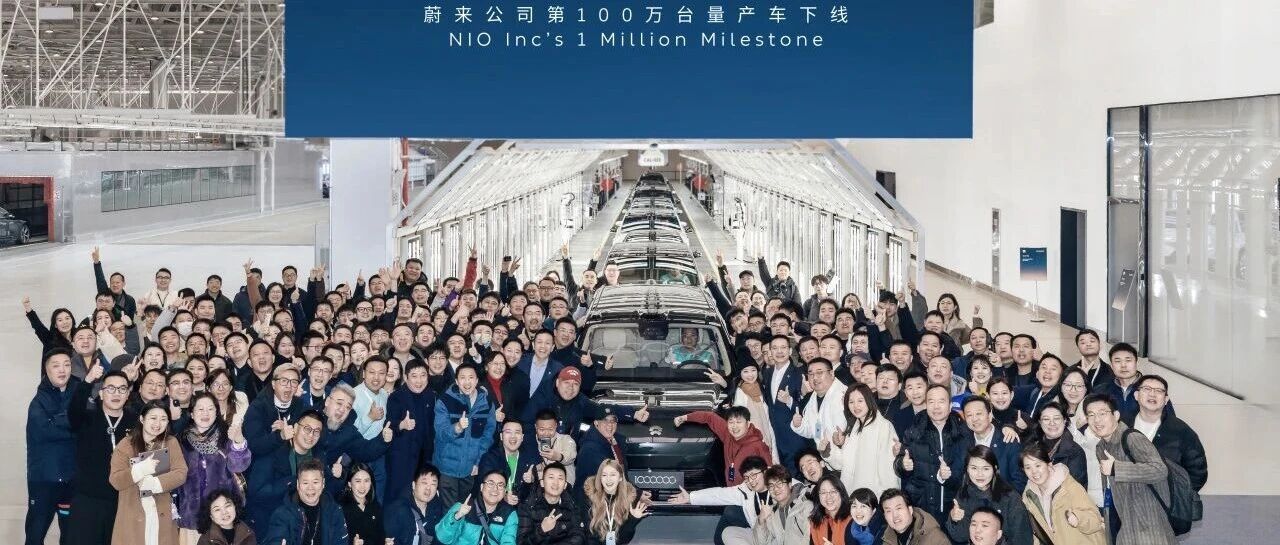
"蔚来还活着,活着就有机会"。 1月6日,被屡次质疑"还能够活多久"后,蔚来正式迎来了第100万辆量产车的交付,正式加入车企百万 俱乐部。 蔚来董事长李斌在现场发出了上述感慨。 而在造车新势力的阵营中,这一刻或许比此前任何一家车企的百万庆典都更具分量。 不同于增程模式的"曲线救国",也不同于内卷的以价换量,蔚来是用"高端纯电+换电模式"这一hard模 式跑通了商业闭环。李斌坦言,"自从做了蔚来,感觉进入到了一个无尽的游戏,泥泞路上的马拉松, 确实很辛苦"。好在蔚来在行业一轮轮洗牌中,依旧跟上了大部队。 正如蔚来联合创始人秦力洪所言,汽车行业的100万辆,对一个公司的成长来说是一个重要的里程碑, 也是一个是否能够长期存活的重要观察指标,意味着蔚来真正进入决赛圈。对于经历过"命悬一线"的蔚 来而言,这也是对"长期主义"的奖励。 过去几年,蔚来曾无数次被舆论问及"还能活多久",而站在百万辆的节点回望,蔚来之所以能活下来并 迎来增长,核心在于做对了两件极难的事:敢于在底层技术上进行"死磕式"投入,以及在基建服务上坚 持"笨功夫"。 李斌透露,蔚来累计在研发上投入了超过650亿人民币,这种投入深入到了最底层的硬骨头。甚 ...

2026仅1家目标销量翻倍,车企不再“放卫星”
凤凰网财经· 2026-01-08 08:09
Core Viewpoint - The Chinese automotive market, particularly in the new energy vehicle (NEV) sector, is transitioning from rapid growth to a more cautious approach, with manufacturers setting more conservative sales targets for 2026 compared to previous years [2]. Group 1: Sales Targets and Growth Rates - Traditional automakers are adopting more cautious growth targets, while new entrants, despite maintaining optimism, have reduced their aggressive growth ambitions [2]. - Among seven automotive manufacturers analyzed, only Leap Motor set a doubling sales target from 500,000 units in 2025 to 1 million in 2026 [2]. - Geely has the highest sales target for 2026 at 3.45 million units, representing a 14% growth from 2025, with a projected NEV sales target of 2.22 million units, up 32% from the previous year [5]. - Dongfeng aims for a total sales target of 3.25 million units in 2026, with an estimated growth rate exceeding 30% [5]. - Chery has set a target of 3.2 million units for 2026, reflecting a 14% increase from 2025 [6]. - Great Wall Motors has adjusted its 2026 sales target down to a minimum of 1.8 million units, a 36% increase from the previous year [6]. - NIO aims for a sales target of 456,000 to 489,000 units in 2026, maintaining a growth rate of 40%-50% [7]. Group 2: Market Dynamics and Strategies - The implementation of a halved purchase tax for NEVs and adjustments to subsidy policies are introducing new variables into the domestic automotive market [2]. - Dongfeng's new brand, Yipai Technology, plans to launch six new models by 2026, indicating a strategic focus on innovation [6]. - Xiaomi has set a sales target for 2026 that exceeds a 30% increase from last year's actual sales, with plans to upgrade its vehicle lineup [8]. - The new Xiaomi SU7 is expected to launch in April 2026, featuring advanced driving assistance hardware and improved range capabilities [8].






造车新势力10年沉浮:既分高下,也决生死
Jing Ji Guan Cha Wang· 2026-01-08 07:36
Core Insights - The article highlights the contrasting fates of new energy vehicle manufacturers in China, with Leap Motor achieving significant sales success while Neta Auto faces bankruptcy [2] - The landscape of new car manufacturers has drastically changed since 2015, with only a few remaining competitive players in the market [2] Group 1: Leap Motor's Success - Leap Motor is projected to sell nearly 600,000 vehicles in 2025, marking a 103% year-on-year increase and securing the title of sales champion among new car manufacturers [3] - The company shifted its strategy to target the mainstream market, launching models like the T03 and C11, which contributed to its sales growth [3] - Leap Motor has formed strategic partnerships with Stellantis and FAW, enhancing its brand credibility and accelerating its international expansion [3] Group 2: Hongmeng Zhixing's Rise - Hongmeng Zhixing, formerly Huawei Smart Selection, has seen rapid growth, with total deliveries reaching 589,000 units in 2025, a 32% increase from the previous year [4][5] - The AITO Wenjie brand, particularly the Wenjie M7, has been a significant contributor to this growth, with 420,000 units delivered in 2025, accounting for 71% of total sales [5] Group 3: Xiaomi's Entry - Xiaomi, entering the automotive sector later than its competitors, achieved sales of 412,000 vehicles in 2025, surpassing its target and ranking fifth among new energy vehicle manufacturers [5] - Despite its success, Xiaomi has faced challenges, including negative publicity related to safety incidents and design issues [5] Group 4: The Decline of "Wei Xiao Li" - The trio of "Wei Xiao Li" (NIO, Li Auto, and Xpeng) has experienced a divergence in performance, with NIO's sales declining to 326,000 units in 2025, despite a 47% year-on-year increase [6][7] - Xpeng led the trio with sales of 429,000 units, a 126% increase, while Li Auto's sales fell by 19.6% to 405,900 units, marking a significant drop from its previous leadership position [7][8] Group 5: Industry Challenges and Failures - The article discusses the decline of many new energy vehicle manufacturers, categorizing them into three groups: those that failed before mass production, those that made strategic errors, and those that faced funding issues [9][10] - Notable failures include companies like LeEco and Byton, which struggled with financial sustainability and market competition [10] Group 6: Future Outlook - The article suggests that the next decade will be more challenging for remaining players, emphasizing the need for operational efficiency and cost control to survive in a competitive environment [10][11] - New entrants continue to emerge, indicating ongoing interest in the automotive sector despite the challenges faced by existing manufacturers [11]


盘点2026年部分车企销量目标
Zhong Guo Qi Che Bao Wang· 2026-01-08 07:15
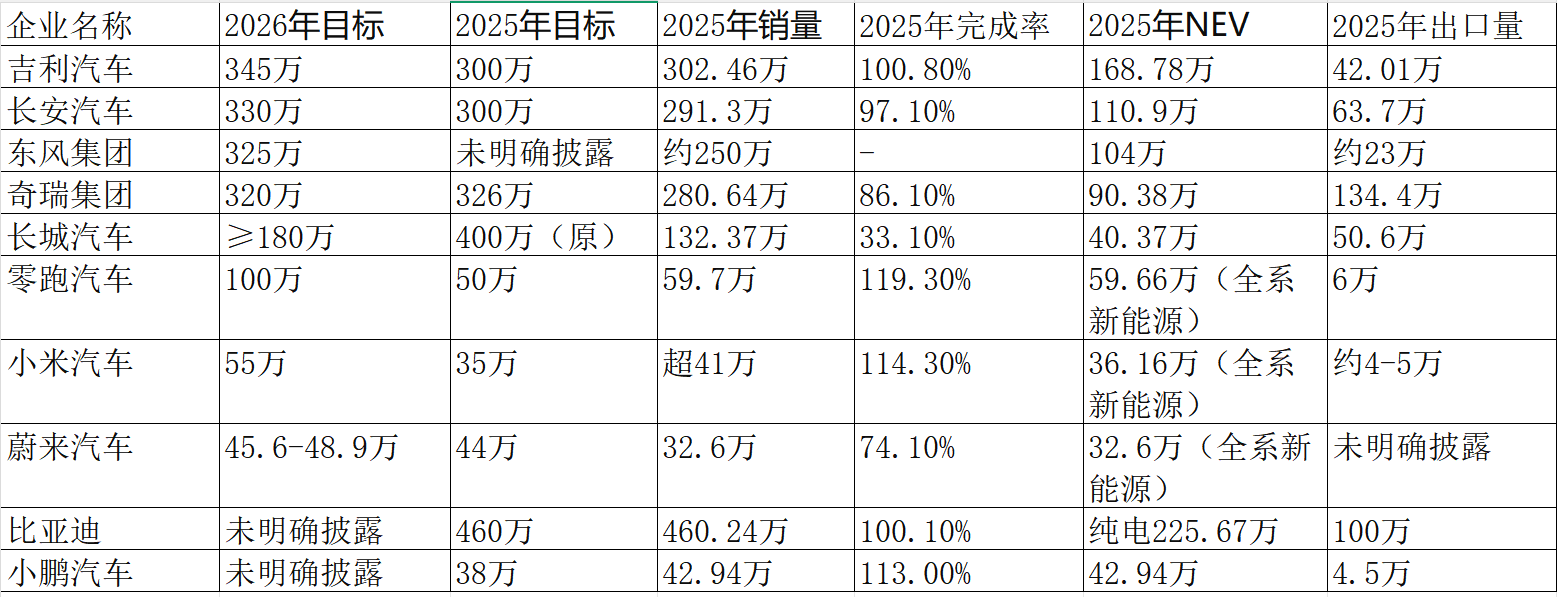
Core Viewpoint - Several automotive companies have announced their sales targets for 2026, and an analysis of their 2025 performance reveals the potential challenges they may face in achieving these goals [3]. Group 1: Company Performance and Targets - Geely Automobile aims for a target of 3.45 million units in 2026, having achieved 3.0246 million units in 2025, exceeding its target of 3 million units with a completion rate of 100.8% [3] - BYD's actual sales in 2025 reached 4.6024 million units, surpassing its adjusted target of 4.6 million units, with a significant pure electric sales figure of 2.2567 million units, ranking first globally [5] - Leap Motor set a target of 1 million units for 2026, achieving 597,000 units in 2025, exceeding its target of 500,000 units with a completion rate of 119.3% [8] - Changan Automobile has a target of 3.3 million units for 2026, with 2025 sales of 2.913 million units, achieving a completion rate of 97.1% [12] - Chery Group aims for 3.2 million units in 2026, having sold 2.8064 million units in 2025, with a completion rate of 86.1% [15] - NIO targets between 456,000 and 489,000 units for 2026, with 2025 sales of 326,000 units, achieving a completion rate of 74.1% [20] Group 2: Challenges Faced by Companies - Geely faces challenges such as EU anti-subsidy investigations and changes in Brazil's tax policies affecting exports [3][4] - BYD needs to improve sales in the high-end market, particularly for its luxury models, and address rising overseas transportation costs, which increased by 47% [6][7] - Leap Motor must compete in the 100,000-150,000 yuan market against Geely and Changan, while its gross margin is only 12%, below the industry average of 15% [10] - Changan's challenges include competition in the new energy market with BYD and Tesla, and reliance on Middle Eastern and Southeast Asian markets for exports, which are subject to geopolitical risks [14] - Chery's domestic market faces low new energy penetration at 32%, necessitating a faster transition, while its exports are vulnerable to currency fluctuations and trade barriers [15] - Great Wall Motors has significantly reduced its target from 4 million to 1.8 million units, indicating a strategic contraction, and faces delays in its new energy transition [18][19] - NIO's sales target increase of 40-50% requires monthly sales of 38,000-41,000 units, while its average monthly sales in 2025 were only 27,000 units, alongside ongoing financial losses [22] Group 3: Industry Trends and Insights - The competition in the automotive market is intensifying, with many companies having gross margins below the industry average of 15%, limiting their operational flexibility [23] - The price volatility of lithium carbonate, a key component for batteries, is expected to negatively impact cost reduction efforts for automotive companies in 2026 [23] - The automotive industry is entering a phase of "technology-driven + globalization" competition, requiring companies to balance scale, profit, and technology to achieve their 2026 targets [25]


Chinese EV Maker NIO Will Enter Australia and New Zealand Markets This Year
WSJ· 2026-01-08 05:55
Group 1 - The core viewpoint is that Chinese automaker NIO is set to enter the Australian and New Zealand markets this year as part of its overseas expansion strategy amid increasing competition in China's auto market [1] Group 2 - NIO's move into Australia and New Zealand reflects its efforts to diversify and grow its market presence internationally [1] - The expansion comes at a time when competition within the Chinese auto market is intensifying, indicating a strategic response to domestic market pressures [1]

进入百万台俱乐部的蔚来,决赛圈准备怎么打?
2 1 Shi Ji Jing Ji Bao Dao· 2026-01-08 02:16
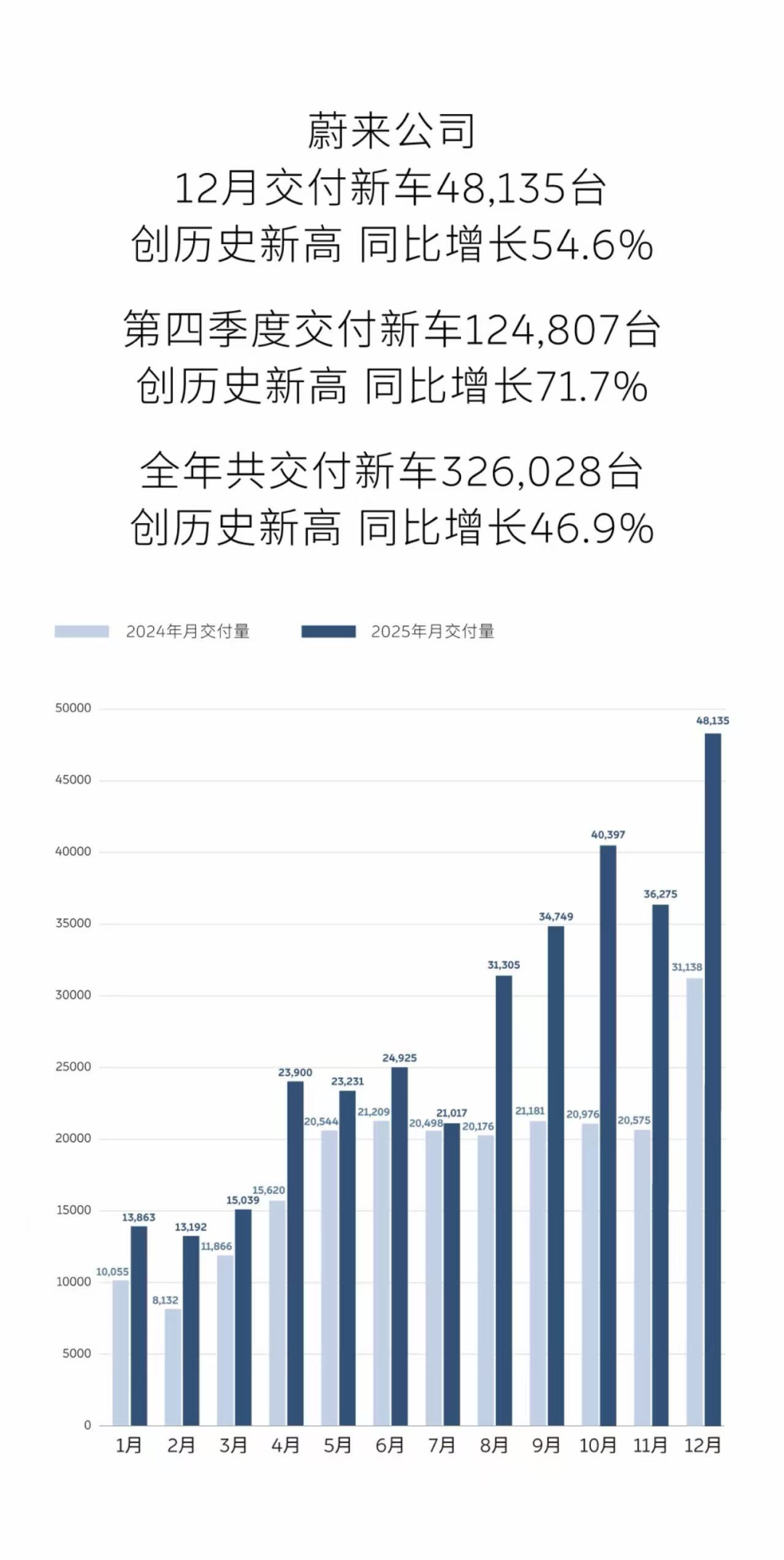
Core Insights - NIO achieved a significant milestone with the production of its one millionth vehicle on January 6, 2026, marking a return to rapid growth and setting new sales records for December 2025 and the entire year [1][2] - CEO Li Bin emphasized the need for continuous effort and strategic focus in his internal communication, highlighting the importance of building a solid foundation for long-term development [1][10] Sales Performance - In December 2025, NIO delivered 48,135 vehicles, a year-on-year increase of 54.6%, and for the fourth quarter, total deliveries reached 124,807, up 71.7% year-on-year [1] - The total vehicle deliveries for 2025 amounted to 326,028, reflecting a 46.9% year-on-year growth, all of which are historical highs for the company [1] Growth Strategy - NIO is entering a third growth phase, aiming for annual growth rates of 40-50% while focusing on maintaining stable and rapid growth [2] - The company plans to expand into lower-tier markets by opening integrated stores for its three brands: NIO, Lado, and Firefly [7] Product Development and Market Position - The new ES8 model achieved a record monthly delivery of 22,256 units, setting a new benchmark for vehicles priced above 400,000 yuan [6] - The multi-brand strategy is proving effective, with the Firefly model also surpassing 7,000 units in monthly sales, indicating a successful synergy among NIO's brands [6] Technological Advancements - NIO's investments in technology and infrastructure are beginning to yield results, with the launch of self-developed platforms and chips enhancing product competitiveness and reducing costs [6][12] - The company has established nearly 3,700 battery swap stations nationwide, significantly alleviating range anxiety for electric vehicle users [7] Organizational Efficiency - Li Bin noted that organizational changes have strengthened operational efficiency and cost control, which are crucial for competing in the market [9][10] - The implementation of the CBU (Core Business Unit) mechanism has led to a more focused approach on core operations, enhancing execution capabilities [9][10] Market Outlook - Li Bin predicts that by 2030, the penetration rate of new energy vehicles will exceed 90%, with pure electric vehicles accounting for over 80% of the market [11][16] - The market is shifting favorably for NIO, as pure electric vehicles are becoming the dominant choice, with significant growth in the large SUV segment [18]
进入百万台俱乐部的蔚来,决赛圈准备怎么打?
21世纪经济报道· 2026-01-08 02:06
Core Viewpoint - NIO has achieved significant milestones, including the production of its one millionth vehicle, while also expressing a sense of urgency and commitment to continuous improvement and growth in a recent internal communication from CEO Li Bin [1][3]. Sales Performance - In December 2025, NIO delivered 48,135 vehicles, marking a 54.6% year-on-year increase, and in Q4 2025, deliveries reached 124,807 units, up 71.7% year-on-year. The total deliveries for 2025 amounted to 326,028 vehicles, representing a 46.9% increase, all setting new historical records [1][3]. - The new ES8 model achieved a monthly delivery of 22,256 units, setting a record for vehicles priced above 400,000 yuan, and reached 40,000 units in just 100 days post-launch, the fastest in its category [9][12]. Growth Strategy - NIO aims for an annual growth rate of 40-50% in its third growth phase, focusing on maintaining stable and rapid growth [3]. - The company plans to expand into lower-tier markets by opening comprehensive stores for its three brands: NIO, Ladao, and Firefly, with the first batch set to open before the Spring Festival [14]. Technological and Infrastructure Development - NIO's investments in R&D and infrastructure are beginning to yield results, with the launch of its self-developed 925V platform and NX9031 chip enhancing product competitiveness and reducing costs [12][14]. - The expansion of the battery swap network, with nearly 3,700 stations nationwide, has alleviated range anxiety for electric vehicle users, contributing to the sales success of the Ladao L90 and new ES8 models [12][14]. Organizational Efficiency - NIO has undergone significant organizational changes, implementing the CBU (Core Business Unit) mechanism to enhance operational efficiency and focus on core activities, which has improved execution and management stability [16][18]. - The CBU mechanism emphasizes ROI metrics and performance accountability, leading to a more focused approach on vehicle production and sales [18]. Market Outlook - Li Bin predicts that by 2030, the penetration rate of new energy vehicles will exceed 90%, with pure electric vehicles accounting for over 80% of the market, supported by the growing trend towards electrification [19][22]. - The competitive landscape is intensifying, with traditional automakers accelerating their electrification efforts, but NIO remains confident in its technological innovations and infrastructure investments [19][22].
蔚来全新ES8:新款调整价格后火爆,对比最多的是问界M9
车fans· 2026-01-08 00:31
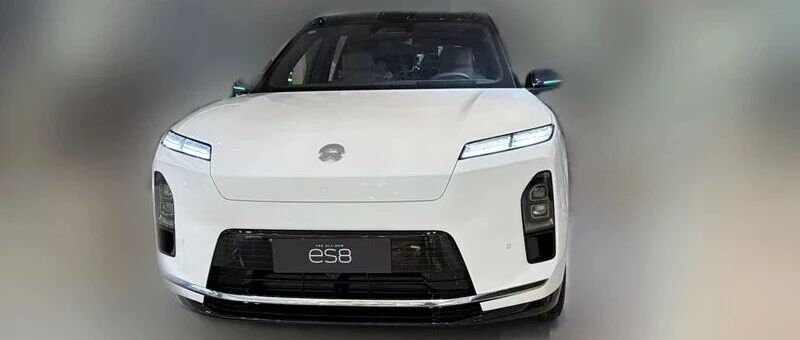
Core Viewpoint - The newly launched NIO ES8 has gained significant popularity due to its competitive pricing and enhanced features compared to the previous generation, leading to a stable order volume despite a waiting period of 4-5 months for delivery [2][3]. Sales Performance - The new ES8 is approximately 100,000 yuan cheaper than its predecessor, which has contributed to its strong market performance [2]. - The best-selling configuration is the six-seat Executive Luxury version priced at 406,800 yuan, followed by the six-seat Executive Signature version at 446,800 yuan [3]. Customer Demographics - The primary buyers of the ES8 are business owners, including those in construction, logistics, and high-level executives, predominantly aged between 40-55 years [5]. - A notable customer profile includes individuals from humble backgrounds who aspire to own luxury vehicles, viewing NIO as a prestigious brand comparable to traditional luxury brands [7][9]. Consumer Preferences - Customers are attracted to the NIO brand for its luxury image and strong business attributes, as well as the mature technology of the third-generation ES8, which offers battery swapping options [11]. - The most frequently compared model is the AITO M9, with buyers often swayed by Huawei's brand reputation and the M9's advanced driving assistance features [12][13]. Purchase Options - The most common financing option is a 5-year plan with 2 years of zero interest, along with a Battery-as-a-Service (BaaS) rental scheme [15]. - For the six-seat Executive Luxury version under the BaaS plan, the monthly battery rental is 1,128 yuan, with the vehicle price set at 298,800 yuan [15]. Customer Feedback - Current customer complaints include the inadequacy of the advanced driving assistance system and the limited availability of battery swap stations in rural areas [21]. - Maintenance costs for the ES8 are relatively low, with the first service free and subsequent services costing between 600-800 yuan [20]. Recent Customer Rights - Recent customer rights include a newly announced trade-in policy for old vehicles [29].
大反转?长安辟谣取消年终奖,或发4.3倍月薪+3000现金;吉利汽车今年要卖345万辆!多家车企公布2026销量目标;OPPO确认realme将回归
雷峰网· 2026-01-08 00:27
Key Points - Multiple automakers have announced their sales targets for 2026, with Geely aiming for 3.45 million units this year, representing a 14% growth rate, making it the highest among disclosed targets [4] - Dongfeng Group has set a target of 3.25 million units for 2026, with an estimated growth rate exceeding 30%, including 1.7 million electric vehicles [4] - Chery Group aims for 3.2 million units, a 14% increase from 2025, while Great Wall Motors has lowered its target from 2.49 million to 1.8 million units, reflecting a 36% growth from last year [5] - NIO's sales target for 2026 is set between 456,000 and 489,000 units, indicating a growth rate of 40-50% [5] Domestic News - Lei Jun, founder of Xiaomi, expressed his discomfort with being labeled a "marketing master," emphasizing that Xiaomi's success is rooted in product and technology rather than marketing [7] - Changan Automobile refuted rumors about canceling year-end bonuses, confirming a plan to distribute bonuses equivalent to 4.3 months' salary plus a fixed amount of 3,000 yuan [10][11] - Realme will return to OPPO as a sub-brand, with CEO Sky Li overseeing all sub-brand operations, aiming for better resource integration [13] International News - Tesla faced a significant decline in European sales for 2025, with a 27.8% drop from approximately 326,000 units in 2024 to about 235,000 units [35] - The decline was particularly severe in Germany, where sales plummeted by 48.4%, and in France, where new policies negatively impacted sales by 37.5% [36][37] - Despite the overall downturn, Tesla saw a 41.3% increase in Norway, although this growth is expected to be short-lived due to upcoming changes in electric vehicle incentives [37] Company Developments - IKEA China announced the closure of seven stores as part of a strategy to optimize its channel layout and enhance business resilience [14] - Huawei's spun-off business, xFusion, is set to initiate an IPO, with a valuation estimated at nearly $9 billion [15] - Roborock unveiled a concept cleaning robot at CES 2026, featuring a unique design that allows it to navigate stairs [30]



蔚来第100万辆量产车下线 李斌称有信心实现单季盈利
Chang Jiang Shang Bao· 2026-01-08 00:03
Core Viewpoint - NIO has achieved a significant milestone by producing its one-millionth vehicle, marking the beginning of a new phase focused on high-quality growth and aiming for annual growth rates of 40%-50% [2][5] Group 1: Production and Delivery Milestones - On January 6, NIO's one-millionth vehicle, a green ES8, rolled off the production line at its Hefei factory, representing a key milestone in the company's development [2][3] - In 2025, NIO delivered a record 326,000 vehicles, a year-on-year increase of 46.9%, with the NIO brand contributing 178,800 vehicles, the Lido brand 107,800 vehicles, and the Firefly brand 39,400 vehicles [4] Group 2: Financial Performance and Profitability Outlook - NIO reported a revenue of 52.837 billion yuan for the first three quarters of 2025, a year-on-year increase of approximately 15%, but incurred a net loss of 15.693 billion yuan [7] - The company aims to achieve profitability in the fourth quarter of 2025, with confidence stemming from the strong performance of the new ES8 model, which has a high gross margin [6][7] Group 3: Strategic Goals and Market Position - NIO's CEO Li Bin outlined the company's strategic goals, including a commitment to technological leadership, infrastructure development, and maintaining a strong market presence in China and globally [5][8] - The company anticipates that by 2030, the penetration rate of new energy vehicles in China will exceed 90%, with pure electric vehicles making up at least 80% of that figure [8] Group 4: Partnerships and Collaborations - NIO has signed a five-year strategic cooperation agreement with CATL to enhance collaboration in technology, ecology, and market promotion, focusing on battery longevity and battery swap technology [8][9]