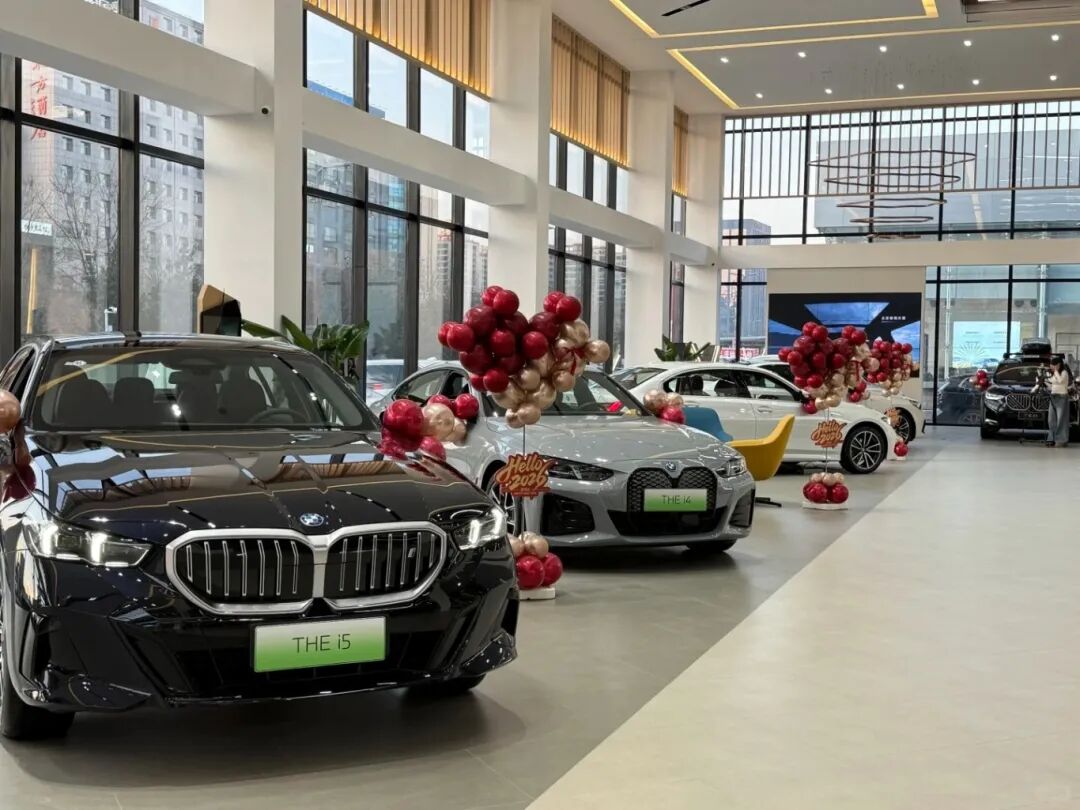
宝马

Search documents
全球大公司要闻 | Anthropic洽谈按3500亿美元估值融资100亿美元
Wind万得· 2026-01-07 23:08
Group 1 - Eli Lilly announced the acquisition of biopharmaceutical company Ventyx Biosciences for over $1 billion to enhance its innovative drug pipeline and R&D capabilities in relevant therapeutic areas [2] - Qualcomm is in talks with Samsung Electronics regarding the outsourcing of 2nm chip manufacturing, planning to shift the Snapdragon 8 Elite processor from TSMC's 3nm to Samsung's 2nm process, with chip design completed and expected to enter mass production soon [2] - Nvidia is collaborating with Lenovo to launch the "Lenovo AI Cloud Super Factory" to accelerate AI deployment and expansion, and is also partnering with Caterpillar to transform heavy industry using physical AI and robotics technology [2] Group 2 - Ping An Life announced that its asset management arm will invest in Agricultural Bank of China H-shares, reaching a 20% stake by December 30, 2025, triggering a stake increase [5] - Baidu Kunlun Chip plans to raise up to $2 billion through a Hong Kong IPO to expand its AI chip business, aiding in technology development and market expansion [5] - Zhipu AI listed on the Hong Kong Stock Exchange under the code "2513," becoming the "first global large model stock" with a valuation expected to reach HKD 51.1 billion [5] Group 3 - Morgan Stanley has reached an agreement to take over Apple’s credit card business from Goldman Sachs, which plans to divest approximately $20 billion in outstanding credit card debt at a discount of over $1 billion [8] - Amazon's Ring will launch a commercial mobile surveillance vehicle priced at $5,000, equipped with 360-degree cameras and wireless connectivity, expected to enter the commercial security market this spring [8] - Alphabet's market capitalization reached $3.88 trillion, surpassing Apple for the first time since 2019, driven by growth in its search engine and AI business [8] Group 4 - Samsung Electronics reported an operating profit of 16.9 trillion KRW (approximately $12.7 billion) for Q4 2025, a 160% year-on-year increase, and announced a stock buyback of 250 trillion KRW (approximately $19 billion) for employee compensation [11] - Toyota's annual sales in the U.S. exceeded 2 million units, with strong performance in SUVs, while GAC Toyota is the only growth driver for GAC Group in 2025 [11] - Hyundai Motor selected Italy's Danieli to supply $650 million worth of metallurgical equipment for its U.S. green factory, accelerating its electrification transition [11]



AI芯片狂卷1480亿美元,但这块业务却熄火:英伟达押注制造业四年收益寥寥
Hua Er Jie Jian Wen· 2026-01-07 13:47
Core Insights - Nvidia's AI chip business generated nearly $148 billion in revenue over the past nine months, significantly surpassing the $27.5 billion from the same period in 2023, but the company's transition to an integrated hardware-software platform has faced major setbacks [1] - The Omniverse software, which was intended to be a core tool for creating digital twins in manufacturing and logistics, has seen minimal revenue and a stalled commercialization process, leading to the decision to shut down the Omniverse Cloud service by August 2025 due to lack of demand [1][3] - CEO Jensen Huang expressed frustration over the slow progress of the Omniverse division, criticizing the team for focusing on demonstrations rather than product development, and highlighting the lack of widespread adoption by large enterprises [1][4] Revenue and Market Response - Despite the explosive growth in AI chip revenue, the market has not reacted strongly to the revenue gap from Omniverse, indicating the challenges Nvidia faces in establishing a second growth curve [2] - The inability to address software usability and industry adaptation issues may hinder Nvidia's ambitions in robotics and industrial digitalization for the long term [2] Demand and Service Closure - Omniverse was launched in 2021 as a platform for designers to collaborate on 3D designs, but the reality has fallen short of expectations, with few clients actually signing on for large-scale simulations [3] - Developers have reported that the platform is difficult to use, incomplete, and prone to crashes, leading to the termination of the cloud service project [3] Internal Pressure and Management Concerns - Huang's anxiety over Omniverse's performance is evident, as he has pressured the team to find new revenue sources and has expressed frustration in internal meetings regarding the lack of profitability and the team's focus on demonstrations [4] - The actual outcomes of collaborative projects have also led to dissatisfaction among management, particularly regarding the scale of partnerships with companies like BMW [4] Long-term Challenges and Industry Barriers - Nvidia executives compare Omniverse to CUDA, suggesting that it may take years of investment to fully realize its potential in the "physical AI" market [6] - The company faces intense competition and structural barriers in the robotics simulation field, with many large enterprises preferring to develop their own internal simulation software rather than relying on Nvidia's platform [6] - Industry-specific technical challenges and cost-effectiveness issues also pose significant obstacles to the widespread adoption of Omniverse [6][5] Development and Market Creation - Currently, Omniverse is seen as a horizontal open platform for developers rather than a complete application, indicating that Nvidia's attempt to create a market from scratch will require a lengthy nurturing period [7]
2026年,这些“创二代”,谁能突围,谁是扶不起的阿斗?
3 6 Ke· 2026-01-07 13:07
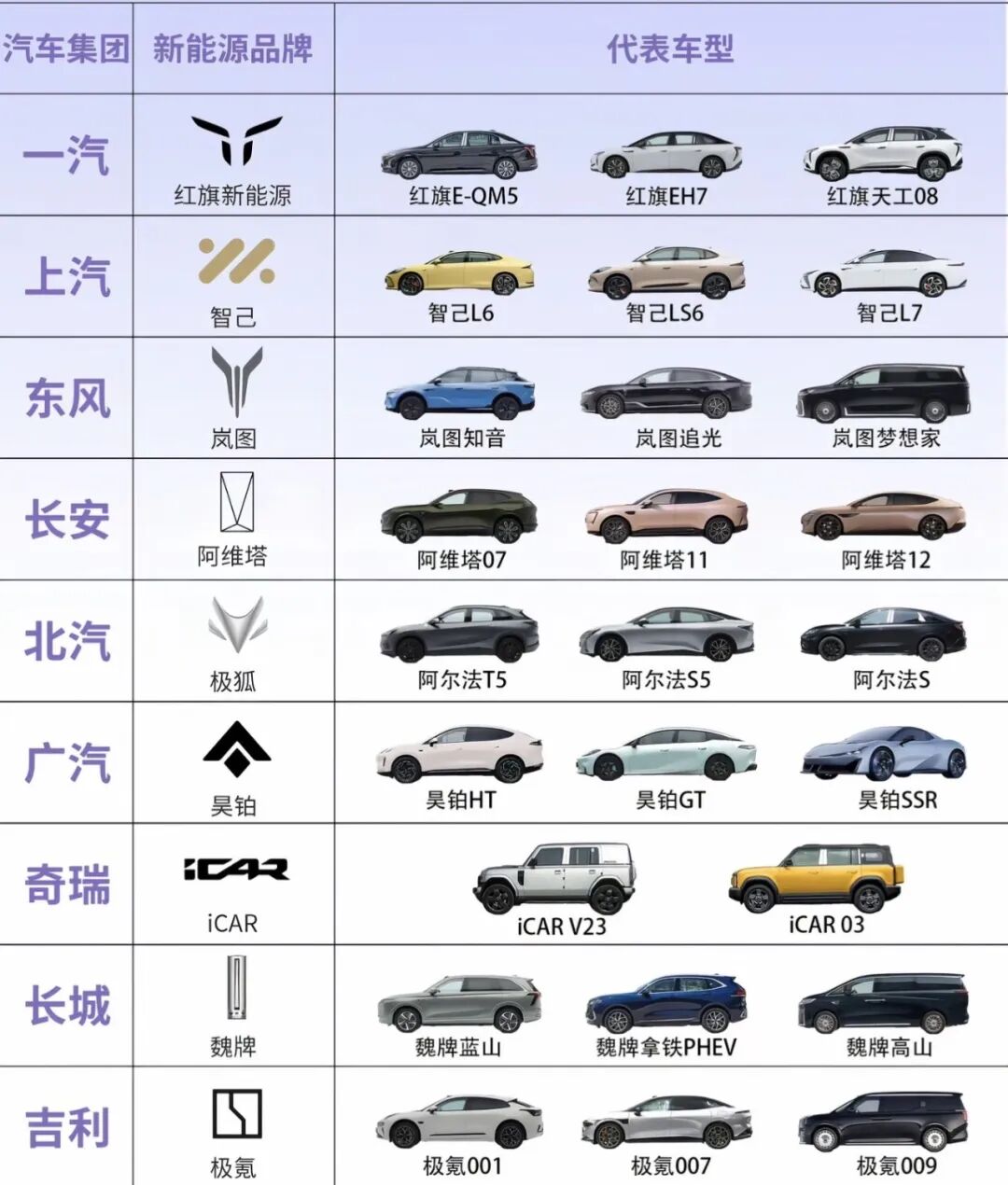
Core Insights - The new energy vehicle (NEV) industry in 2025 has seen a clear division between leading brands and those lagging behind, with companies like Leap Motor, Hongmeng Zhixing, and Xiaopeng firmly establishing themselves in the top tier, while traditional automaker-backed brands struggle to gain traction [1][6][11] Group 1: Market Performance - In 2025, the top three new car brands were Leap Motor (596,555 units, +103%), Hongmeng Zhixing (589,107 units, +32%), and Xiaopeng (429,445 units, +126%) [6][7] - The second tier includes Xiaomi Auto (over 411,625 units), Li Auto (406,343 units), and Deep Blue (333,117 units), while brands like Lantu, Avita, and Zhiji lagged with sales of 150,169, 128,772, and 81,017 units respectively [6][7][8] - The overall NEV market is expected to enter a phase of slower growth and intensified competition in 2026, with significant price cuts from major players like BMW and Tesla reigniting a price war [2][5] Group 2: Brand Dynamics - The "second-generation" brands, despite their backing from established automakers, have not been able to match the performance of pure new car brands, with significant sales gaps [6][11] - However, brands like Deep Blue and Lantu have shown impressive growth rates, with Lantu achieving a 87% increase in sales [8][21] - Traditional automakers are heavily investing in these "second-generation" brands, providing them with essential resources and support to compete in the high-end NEV market [11][13][15] Group 3: Future Outlook - Predictions for 2026 indicate a potential market growth of only about 2%, significantly lower than the previous year's growth [16] - Lantu is expected to expand its product lineup significantly and is on track for an IPO, which could enhance its market position [21][23] - Deep Blue is also positioned for growth, having achieved a high completion rate of its annual sales target [21][23] - Brands like Avita and Zeekr may stabilize but face challenges in maintaining competitive pricing and market share [26][29]





特斯拉吹响号角,2026年新能源汽车竞赛进入下一轮
Xin Lang Cai Jing· 2026-01-07 12:53
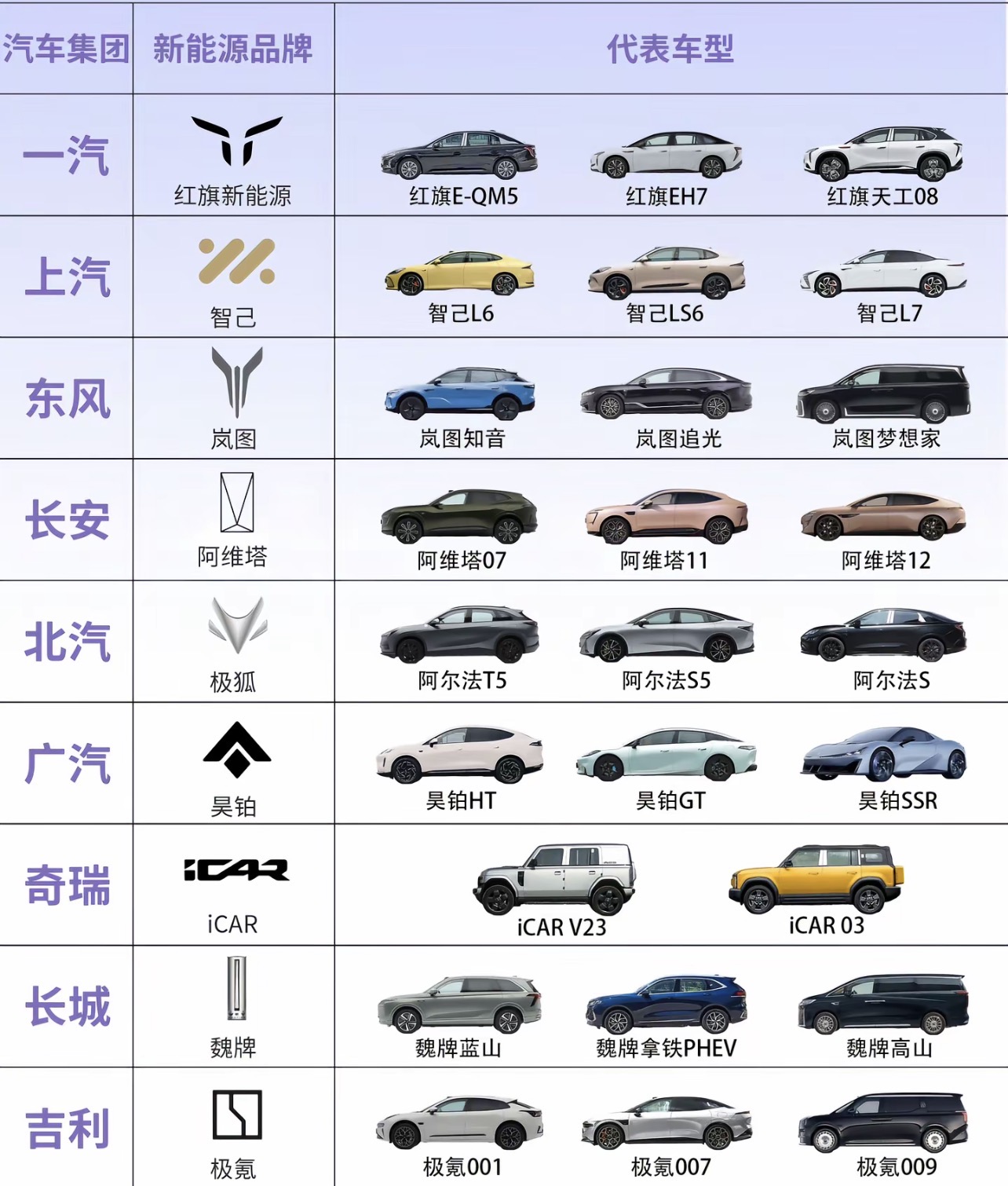
Core Insights - The new energy vehicle (NEV) industry in 2025 has shown a clear division between leading brands and those lagging behind, with a notable performance from new entrants like Leap Motor, Hongmeng Zhixing, and Xiaopeng, which have solidified their positions in the first tier of the market [2][5][6] - Traditional automakers' second-generation brands, such as Deep Blue, Zhiji, and Avita, despite having strong backing, have struggled to compete and remain in the second tier [2][5] Market Performance - In 2025, the top three new car brands were Leap Motor (596,555 units, +103%), Hongmeng Zhixing (589,107 units, +32%), and Xiaopeng (429,445 units, +126%) [5][7] - Other notable brands included Xiaomi Auto (over 411,625 units), Li Auto (406,343 units), and Deep Blue (333,117 units) [5][7] - The bottom performers were Avita (128,772 units), Zhiji (81,000 units), and Deep Blue (150,169 units), with Zhiji being the only brand with sales below 100,000 units [6][7][8] Competitive Landscape - The NEV market is transitioning from growth to intensified competition, with a resurgence of price wars as seen with BMW's significant price cuts across multiple models [3][4][14] - The first-tier brands are primarily pure new car manufacturers, while many second-tier brands are traditional automakers' second-generation brands, which have shown promising growth rates despite lower overall sales [8][11] Future Outlook - The NEV market is expected to see slower growth in 2026, with predictions of only about 2% increase in sales, leading to a more competitive environment [14][15] - Brands like Lantu and Deep Blue are anticipated to perform well in 2026, with Lantu expected to expand its product lineup significantly and Deep Blue achieving high delivery rates [19][21] - Conversely, brands like Avita and Zeekr may face challenges in maintaining momentum due to market saturation and pricing pressures [22][25] Consumer Sentiment - Consumers show a preference for traditional automakers' NEV brands, citing concerns over the stability and reliability of newer entrants [26][27] - The backing of established manufacturers provides a sense of security for consumers, influencing their purchasing decisions [26][27]
中国银行协助汉高集团发行2026首单外资熊猫债
Xin Lang Cai Jing· 2026-01-07 11:13
作为主承销商,中国银行参与了80%以上的跨国公司熊猫债发行,凭借卓越的专业能力,支持众多外资 企业从市场的"新伙伴"成长为深耕中国的"老朋友"。 来源:中国银行 中国银行将继续发挥跨境金融服务主渠道作用和外汇外贸专业优势,依托覆盖境外64个国家和地区的机 构网络,助力全球企业共享中国发展机遇,当好连接中国与全球市场的金融纽带。 责任编辑:曹睿潼 来源:中国银行 1月7日,中国银行作为唯一中资主承销商,成功协助德国工业巨头汉高集团在中国银行间债券市场发行 15亿元熊猫债。 1月7日,中国银行作为唯一中资主承销商,成功协助德国工业巨头汉高集团在中国银行间债券市场发行 15亿元熊猫债。 本次发行是汉高集团在人民币债券市场的"首秀",也是2026年全市场首笔外资熊猫债,对进一步提升熊 猫债市场国际影响力具有积极意义。 作为熊猫债市场的深耕者和引领者,中国银行始终致力于搭建中国内地资本市场双向开放的桥梁。自 2014年梅赛德斯-奔驰集团开启跨国公司熊猫债先河以来,以威立雅、宝马、大众、巴斯夫、汉高等为 代表的二十余家国际巨头相继入场。 作为熊猫债市场的深耕者和引领者,中国银行始终致力于搭建中国内地资本市场双向开放的桥梁 ...

参展中企占比22%,CES显露中美路径分水岭
Guan Cha Zhe Wang· 2026-01-07 10:15
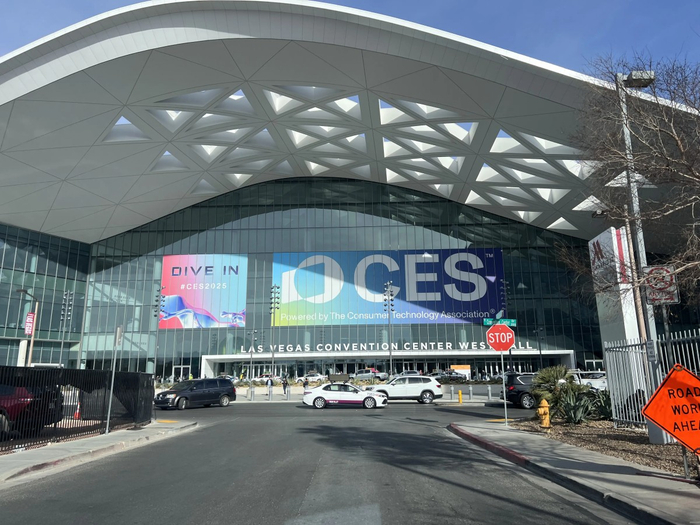
(文/观察者网 张家栋 编辑/高莘) 1月6日,CES 2026(2026年国际消费电子展)在拉斯维加斯正式启幕,在全球科技产业经历新一轮周 期调整背景下,这一展会正被赋予新的含义——不仅是前沿技术的集中展示窗口,也逐渐成为中美企业 在多个关键技术领域同台亮相的平台。 官方数据显示,本届CES参展商总数超过4000家,其中,尽管受到地缘政治等因素影响,中国企业参展 总数依然达到942家,占比约22%,延续了全球第二大参展国的地位。 CES拉斯维加斯会展中心 更值得关注的是,除参展数量变化之外,中国企业的参展结构也在发生变化,尤其是在AI技术介入 后,中国企业正从以往的单一品类单打独斗,走向覆盖整车制造、智能驾驶、AI芯片、机器人、消费 电子、核心零部件与系统平台等多领域协同,几乎贯穿产业链的全链路AI路径。 而这种变化,也正成为本届CES上,在围绕英伟达硬件建立的生态外,最具象征意义的变化之一,并且 令本届CES成为直观感受中美在AI等前沿科技领域差异化路径及竞争的窗口。 从整体展会主题看,AI是贯穿CES 2026的主线。无论是消费电子、汽车、机器人,还是算力与云端系 统,人工智能都不再只是为人类生产赋能的 ...
小米汽车明年拟推4款新车,包含2款增程|36氪独家
3 6 Ke· 2026-01-07 07:13
Core Insights - Xiaomi plans to launch four new car models in 2026, including the revamped SU7, SU7 Executive version, a five-seat range-extended SUV, and a seven-seat range-extended SUV [1][2] - The seven-seat range-extended SUV, codenamed "Kunlun," aims to compete in the family market with a large battery providing a pure electric range of 400-500 kilometers [2][4] - Xiaomi has achieved significant sales milestones, delivering over 500,000 vehicles within a short time frame, and aims to penetrate the mainstream family market with its new SUV offerings [9][10] Product Strategy - The new range-extended SUVs are designed to address the needs of family users, focusing on space, energy efficiency, and smart features [4][10] - The market for range-extended SUVs is growing rapidly, with over 15 new models expected to launch in China by 2025, indicating strong competition [5][6] - Xiaomi's entry into this segment is seen as a strategic move to diversify its product line and enhance its market presence [10][11] Competitive Landscape - Xiaomi will face established competitors like Li Auto and Aito, which have already built strong brand recognition among family users [11] - The company has previously disrupted the electric vehicle market by breaking Tesla's dominance, indicating its potential to challenge existing players in the family car segment [11] - The introduction of new models marks a shift in Xiaomi's strategy from rapid product launches to a more systematic approach to competition, focusing on comprehensive capabilities across the supply chain and customer service [11]

二手车市场这么火爆,为什么你的车还是卖不出好价?
Xin Lang Cai Jing· 2026-01-07 06:56
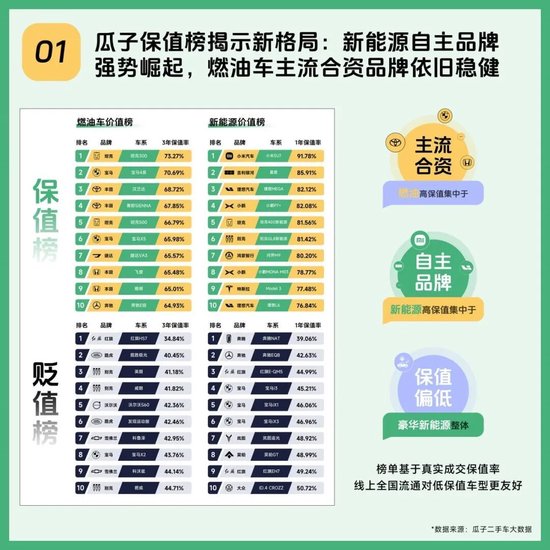
Core Insights - The article discusses the current state of the used car market in China, highlighting the disparity between reported car value retention rates and actual selling experiences for individual sellers [20][24]. - It emphasizes the role of platforms like Guazi in bridging the gap between buyers and sellers, enhancing transaction efficiency and trust [27][29]. Group 1: Used Car Value Retention - The 2025 used car value retention report indicates that traditional fuel vehicles, particularly from brands like Toyota and Honda, maintain strong value, with three-year retention rates above 65% [18][19]. - In contrast, electric vehicles (EVs) like the Xiaomi SU7 show a one-year retention rate of 91.78%, while some luxury brands struggle, with models like BMW i3 retaining only about 45% [18][19]. Group 2: Market Dynamics - The used car market is experiencing high activity, with over 11.2 million vehicles exchanged through trade-in programs from January to November 2025, and a peak used car transfer rate of 33.1% in October 2025 [19][20]. - The disparity in selling experiences arises from the complex transaction structure, where 84% of used cars do not sell directly to individual buyers but go through intermediaries like dealerships [24][25]. Group 3: Challenges in Selling - Individual sellers often face challenges due to a lack of trust and transparency in personal-to-person transactions, leading to lower offers from dealers compared to expected market values [26][25]. - The article notes that selling directly to individuals can be inefficient due to limited exposure and geographical constraints, making it difficult for sellers to reach potential buyers willing to pay higher prices [26][27]. Group 4: Role of Guazi - Guazi plays a crucial role in eliminating geographical limitations, allowing sellers to reach a broader audience, with over 100 million users engaging on the platform daily [27][29]. - The platform enhances trust through comprehensive vehicle inspections and transparent pricing based on real transaction data, enabling competitive bidding between individual buyers and professional dealers [29][30]. Group 5: Underestimated Vehicles - Certain categories of used cars, such as EVs, high-end luxury vehicles, older cars, and niche models, are often undervalued in traditional markets but can achieve fair market prices through Guazi's platform [30][31]. - The article provides examples of individual sellers who successfully sold their vehicles at higher prices than local dealers offered, thanks to Guazi's nationwide reach and intelligent pricing systems [33][34]. Group 6: Future Outlook - As the trend of vehicle trade-ins continues, the pricing capabilities and efficiency of platforms like Guazi will significantly impact how sellers maximize their vehicle values [35].
赛轮轮胎20260106
2026-01-07 03:05
Key Points Summary of Sailun Tire Conference Call Company Overview - **Company**: Sailun Tire - **Industry**: Tire Manufacturing Core Insights and Arguments - **Globalization Strategy**: Sailun Tire effectively manages exchange rate fluctuations through a global layout, with domestic factories importing natural rubber priced in USD and a high export ratio, making the overall impact of exchange rate fluctuations manageable [2][5] - **EU Anti-Dumping Investigation**: The preliminary results of the EU's anti-dumping investigation on Chinese semi-steel tires are expected in January 2025. Sailun has shifted its European exports to production bases in Vietnam, which has sufficient orders and high operating rates, minimizing the overall impact on the company [2][3][8] - **New Factory Developments**: The construction of new factories in Indonesia and Mexico is progressing steadily, expected to reach design capacity by March 2026. The new factory in He Ping has already produced its first unit, and the Dongjiakou semi-steel tire project is expected to commence production in Q4 2025 [2][4][5] - **Market Competition**: The domestic semi-steel tire market is becoming increasingly competitive. Sailun has set conservative targets for 2025, focusing on the OE (Original Equipment) market with a goal of 8 million units, while increasing the replacement market target by 100,000 units [2][10] - **Global Minimum Tax Impact**: The global minimum tax policy is expected to affect Sailun, particularly in Cambodia, where it must meet a 15% tax rate. This trend is anticipated to make it increasingly difficult to enjoy lower tax rates in the future [2][11][12] Additional Important Content - **Operational Challenges**: In Q4 2024, Sailun faces challenges such as tariffs imposed by the US on Chinese tires and intensified competition in the domestic market. Despite stable revenue and sales from January to September, profits have declined [3] - **Production Capacity and Strategy**: The company has a production capacity of 37 million tires in Vietnam and Cambodia, with plans to meet demand from the US and European markets. The expected production from the new Egyptian factory will also help meet market needs [10][15] - **Pricing and Profit Margins**: Pricing and profit margins are influenced by supply and demand dynamics. While some prices remain stable, adjustments are made based on long-term relationships with distributors and strategic customers [9][14] - **R&D and Testing Facilities**: The East China testing ground is expected to enhance product testing efficiency and reduce costs, aiding in the testing of new energy vehicles and brand marketing [4][24] - **Liquid Gold Tire Sales**: Sales of the Liquid Gold tire have increased by approximately 10% compared to 2024, although it has not met expectations. The high marketing costs have made it difficult to calculate specific profitability [25] - **Expansion Plans**: There are plans to potentially expand the capacity of the Egyptian factory, as the initial phase only occupies about one-third of the total land area [6] This summary encapsulates the key points discussed during the conference call, highlighting Sailun Tire's strategic responses to market challenges and opportunities within the tire manufacturing industry.

国补\降价\购置税兜底全堆上,新车咋还卖不动?
3 6 Ke· 2026-01-07 02:55
Core Viewpoint - The domestic passenger car market is experiencing a significant decline in demand, with consumer sentiment remaining cautious despite government subsidies. Major brands are facing substantial order drops, while only a few have managed to maintain order volumes through temporary incentives [1][3][4]. Group 1: Market Performance - The overall customer traffic in the domestic passenger car market has decreased significantly compared to the same period last year, indicating a contraction in market demand [1]. - Major brands like BYD, Leap Motor, and Chery have seen order volumes drop by over 50% in the first three days of January compared to the last weekend of December, primarily due to unmet policy expectations and reduced brand subsidies [1]. - In contrast, Geely Galaxy has shown resilience with orders reaching 8-10 units per store, while Tesla maintained orders at 15-18 units, albeit down over 30% from December [1]. Group 2: Pricing Strategies - BMW has initiated a price war by reducing the prices of 31 models, with discounts reaching up to 301,000 yuan for the flagship 7 Series, marking a significant shift for a luxury brand that rarely engages in large-scale price cuts [3][4]. - Following BMW's lead, numerous automakers have introduced various incentives, including tax rebates and cash discounts, in an attempt to stimulate demand, although these measures have not effectively countered the market's cold reception during the New Year period [3][4]. Group 3: Subsidy Policies - The automotive industry is witnessing a surge in subsidy policies across various brands, with a focus on counteracting the reduction of national subsidies and adjusting purchase tax incentives [4][6]. - Luxury brands are adopting aggressive subsidy strategies, with BMW and Volvo offering substantial direct discounts and additional benefits such as free maintenance and financing options [4][6]. - Domestic brands are implementing targeted subsidies for mid-to-low-end models, with Geely Galaxy and Wuling providing significant purchase tax rebates and trade-in bonuses to attract budget-conscious consumers [6][7]. Group 4: Consumer Behavior - The market is experiencing a clear divide in consumer response, with luxury brands facing a relatively stable order decline due to lower price sensitivity among their target customers, while mass-market vehicles under 150,000 yuan are seeing the most significant drops in orders [10][12]. - The anticipated reduction in national subsidies for 2026 has led to increased consumer hesitance, particularly among mid-to-low-end buyers, who are now facing higher costs for vehicle purchases [17][19]. - The reliance on subsidies has created a false sense of demand, leading to a market correction as consumers delay purchases in anticipation of better deals [19][20].