
恒力石化

Search documents
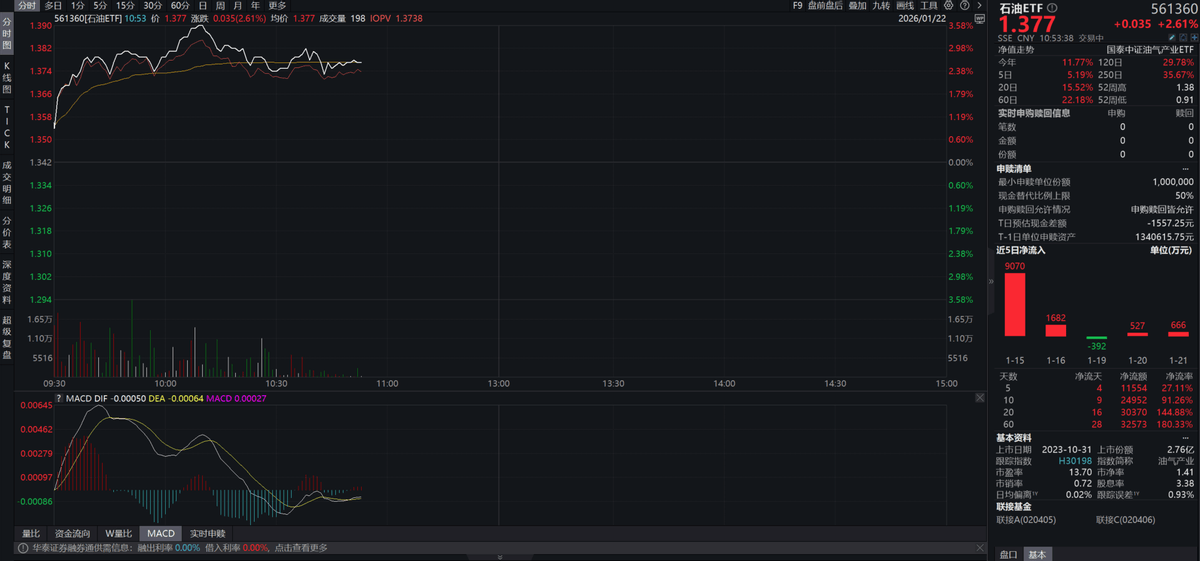
供需重塑+政策赋能,石油板块迎周期机遇,石油ETF(561360)涨超2%
Sou Hu Cai Jing· 2026-01-22 03:11
Core Viewpoint - The oil and petrochemical industry is undergoing a critical transition phase characterized by the reshaping of the old structure and the initiation of a new cycle, driven by multiple factors such as global supply adjustments, domestic anti-competition policies, and deepening refining and chemical integration, leading to a gradual increase in industry prosperity and investment value [1] Group 1: Industry Dynamics - The global supply structure is being reshaped, with a shift of industrial focus towards China. European countries are shutting down ethylene production due to high energy costs and weak demand, with a cumulative exit of approximately 4.5 million tons/year of ethylene capacity since 2024. South Korea plans to reduce ethylene capacity by 2.7 to 3.7 million tons/year, optimizing the global petrochemical supply landscape [3] - China is becoming a core capacity hub, with the share of global PE and PP capacity increasing from 2018 to 2025, and an annual compound growth rate of 13.5% for ethylene capacity. Over 37 million tons of olefin-related facilities are planned during the 14th Five-Year Plan, accelerating the shift of global industrial focus eastward [3] - Geopolitical tensions, such as the Russia-Ukraine conflict, are causing disruptions in Russian refinery production, leading to declines in oil product output and exports, which supports oil prices. The uncertainty in Iran's situation, combined with OPEC+ halting production increases, provides temporary support for oil prices [3] Group 2: Domestic Policy and Supply Structure - Domestic anti-competition policies are driving the optimization of supply structure. A joint initiative by five departments is targeting the elimination of outdated petrochemical facilities, with over 35% of old capacity in sectors like soda ash and polyester being phased out, indicating significant optimization potential [4] - Industry self-discipline is being promoted, with leading companies in the polyester and organic silicon sectors collaborating to reduce production to stabilize prices. The polyester filament industry has seen cumulative production cuts exceeding 24%, while organic silicon companies have agreed to a 30% reduction and a price increase to 13,500 yuan/ton, effectively alleviating supply-demand conflicts [4] - Capacity expansion is becoming more rational, with a shift from "scale expansion" to "high-quality development." Smaller local refineries are gradually exiting the market, while leading companies like Hengli and Zhejiang Petrochemical are increasing their market share, significantly optimizing supply concentration [4] Group 3: Refining and Chemical Integration - The deepening of refining and chemical integration is establishing a solid foundation for profitability. Domestic petrochemical companies are accelerating their integration efforts, achieving full-chain coverage from crude oil processing to chemical production, effectively hedging against oil price fluctuations [5] - Technological upgrades are enhancing competitiveness, with diverse processing routes like light hydrocarbon cracking and coal-to-olefins rapidly developing. The capacity for light hydrocarbon cracking to produce ethylene is expected to grow at a compound annual growth rate of 22% from 2019 to 2024, driving overall industry profitability [5] Group 4: Future Outlook - The industry is at the bottom of the previous price cycle and is beginning a new cycle, with the inventory cycle transitioning from passive destocking to active restocking. Since the second half of 2025, industrial product PPI and chemical raw material PPIRM have been rebounding, indicating that the price decline and destocking phase is nearing its end, with an upward trend in prosperity approaching [6] - The long-term growth logic of the industry remains solid, with continuous optimization of capacity structure during the 14th Five-Year Plan focusing on high-end and differentiated products, while the elimination of outdated capacity continues to improve supply quality [7] - There is significant growth potential in demand, with traditional chemical product demand recovering steadily, and emerging fields such as new energy, electronics, and high-end manufacturing driving explosive demand for new materials, providing long-term growth momentum for the industry [8] - The oil ETF (561360) covers the entire oil industry chain and serves as an important tool for capturing industry allocation opportunities, tracking the oil and gas industry index (H30198) which focuses on exploration, extraction, production, and sales related to oil and gas [8]

2026出海向中上游去-千万别忽视化工的转机与重生
2026-01-22 02:43
Summary of Key Points from Conference Call Industry Overview - The chemical industry in Europe is facing declining capacity utilization rates, currently at 74.6% in Q3 2025, down from 75.6% in Q2 2025, significantly below the long-term average of 80% [2][3] - In contrast, China's chemical exports have shown significant growth, with 60% of monitored chemical products achieving export volumes at over 80% of the past six years' levels [2] Core Insights and Arguments - European chemical companies are challenged by high energy costs and stringent environmental regulations, with natural gas prices approximately three times higher than in the US [3] - China is investing heavily in its chemical industry, accounting for 47% of global capital expenditure and 32% of R&D spending in 2023, which is driving industry scale and efficiency [4] - The "super factory" model in China is optimizing production costs and enhancing international competitiveness, allowing Chinese firms to capture market share more effectively [5][6] Trade Barriers and Their Impact - Trade barriers, such as the EU's carbon border tax, are affecting Chinese chemical exports, with potential additional costs of 300 to 2,700 RMB per ton for fertilizers [7] - The EU has temporarily suspended carbon tariffs on certain products, which may provide short-term relief but does not change the long-term trend towards stricter regulations [7] Industry Response to Market Dynamics - The chemical industry is responding to "involution" through both proactive measures, like joint production cuts, and reactive policies, such as energy consumption limits [8][9] - The PTA sector is expected to see improved profitability due to production cuts and a favorable demand-supply dynamic, with a projected increase in prices and earnings recovery [9][11] Specific Market Opportunities - The MDI market is influenced by US anti-dumping measures, but Chinese exports remain competitive in North America and Europe despite challenges [12] - China's ethylene production is expected to grow significantly, transitioning from a net importer to a potential net exporter by 2024, driven by increased domestic capacity and the exit of older European facilities [13][14] Investment Directions - The potassium fertilizer, phosphorus chemical, and pesticide sectors are highlighted as key areas for investment, with potassium fertilizer prices expected to remain strong due to tight supply-demand dynamics [16][17] - Companies with overseas resource development strategies, such as Yara International and Dongfang Iron Tower, are recommended for investment consideration [17] Future Development Logic - The underlying logic for the chemical industry's growth in 2026 is centered around international expansion and addressing market involution, with specific focus on MDI, PTA, ethylene, phosphorus chemicals, and potassium fertilizers as promising investment areas [18]
化工ETF(159870)冲击4连涨,硫磺全球供给缺口超200万吨,价格逾3800元倒逼需求回流热法黄磷
Xin Lang Cai Jing· 2026-01-22 02:26
数据显示,截至2025年12月31日,中证细分化工产业主题指数(000813)前十大权重股分别为万华化学、 盐湖股份、藏格矿业、天赐材料、巨化股份、恒力石化、华鲁恒升、宝丰能源、云天化、金发科技,前 十大权重股合计占比45.31%。 化工ETF(159870),场外联接(A:014942;C:014943;I:022792)。 截至2026年1月22日 09:59,中证细分化工产业主题指数(000813)上涨0.30%,成分股和邦生物上涨 6.58%,中简科技上涨3.63%,金发科技上涨3.59%,光威复材上涨2.01%,龙佰集团上涨1.84%。化工 ETF(159870)上涨0.22%, 冲击4连涨。最新价报0.91元。 化工ETF紧密跟踪中证细分化工产业主题指数,中证细分产业主题指数系列由细分有色、细分机械等7 条指数组成,分别从相关细分产业中选取规模较大、流动性较好的上市公司证券作为指数样本,以反映 相关细分产业上市公司证券的整体表现。 化工板块今日延续上行,机构指出,近期化工上游受"海外供给硬缺口"与"国内能源强约束"双重驱动, 硫磺与黄磷迎来景气共振。全球硫磺供需格局质变,俄罗斯与中亚减产致供给缺口 ...
石化ETF(159731)近11天获得连续资金净流入,合计“吸金”4.14亿元
Xin Lang Cai Jing· 2026-01-22 02:10
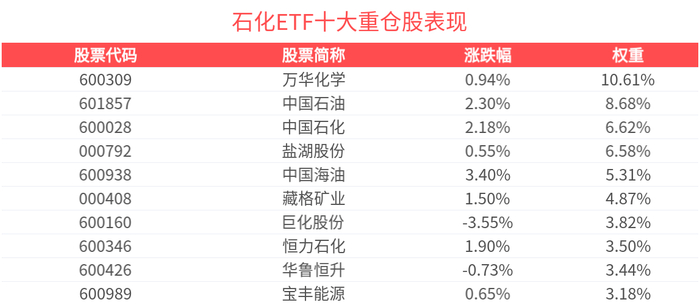
截至2026年1月22日 9:48,中证石化产业指数强势上涨1.16%,成分股和邦生物上涨7.82%,金发科技上 涨4.78%,中国海油上涨3.40%,川发龙蟒,中国石油等个股跟涨。相关ETF方面,石化ETF(159731)近 11天获得连续资金净流入,合计"吸金"4.14亿元,最新规模达6.98亿元,创新高。 | 股票代码 | 股票简称 | 涨跌幅 | 权重 | | --- | --- | --- | --- | | 600309 | 万华化学 | 0.94% | 10.61% | | 601857 | 中国石油 | 2.30% | 8.68% | | 600028 | 中国石化 | 2.18% | 6.62% | | 000792 | 盐湖股份 | 0.55% | 6.58% | | 600938 | 甲国海油 | 3.40% | 5.31% | | 000408 | 藏格矿业 | 1.50% | 4.87% | | 600160 | 巨化股份 | -3.55% | 3.82% | | 600346 | 恒力石化 | 1.90% | 3.50% | | 600426 | 곳을恒计 | -0.73% | 3 ...
聚乙烯:供给现状及展望
Xin Lang Cai Jing· 2026-01-22 02:09
Core Viewpoint - The polyethylene (PE) industry in China is experiencing explosive capacity growth driven by integrated refining strategies, the rise of private refining, and foreign investment, leading to a supply-demand imbalance characterized by "overcapacity, structural imbalance, and regional concentration" [2][15]. Group 1: Domestic Polyethylene Supply Status - China's polyethylene capacity has expanded significantly, with a total capacity expected to reach 41.14 million tons per year by the end of 2025, marking a 15 percentage point increase in growth rate compared to 2024 [3][16]. - The market structure has shifted from being dominated by state-owned enterprises to a more diversified competition, with private companies accounting for 58% of new capacity in 2025 [4][17]. - The import dependency of polyethylene has decreased, with total imports dropping by 50.36 thousand tons in the first eleven months of 2025, leading to a reduction in import dependency to 28% [4][19]. Group 2: Raw Material Diversification - The raw material structure for polyethylene has evolved into a triad of oil-based, coal-based, and light hydrocarbon-based processes, with oil-based polyethylene accounting for nearly two-thirds of production [5][20]. - Coal-based polyethylene has seen rapid development since 2016, with a production capacity concentrated in coal-rich regions, benefiting from lower costs compared to oil-based processes [6][21]. - The light hydrocarbon-based route is emerging as a significant growth area, although it faces challenges due to reliance on imported feedstock [6][22]. Group 3: Regional Distribution and Structural Optimization - Polyethylene production is concentrated in four major regions: South China, North China, East China, and Northwest China, which together account for over 95% of total capacity [8][23]. - The uneven distribution of capacity has led to supply-demand mismatches, with overcapacity in the Northwest and high demand in South and East China [9][24]. - The market is transitioning to a more efficient logistics model that combines local production and consumption, moving away from traditional transportation methods [8][23]. Group 4: Future Outlook for Polyethylene Supply - The polyethylene industry is expected to continue its capacity expansion cycle from 2026 to 2030, with an anticipated addition of over 500 thousand tons in 2026 alone [10][11]. - The focus will shift from quantity to quality, with an emphasis on high-end products to fill existing supply gaps, particularly in LDPE and specialty grades [12][27]. - The maturation of the polyethylene futures market will enhance its role in stabilizing supply and guiding industry development, providing better risk management tools for companies [13][28].

环氧丙烷,草甘膦,丙烯酸板块大涨,化工ETF(159870)开盘获净申购超5000万份
Xin Lang Cai Jing· 2026-01-22 02:01
Group 1 - The global fertilizer market is entering a high-price and tight balance phase, with ongoing supply disruptions in overseas nitrogen and phosphate fertilizers leading to an upward shift in price levels. Potash is expected to see high cost-performance demand potentially exceeding expectations [1][2] - As of January 22, 09:44, the chemical ETF (159870.SZ) rose by 0.55%, and the related index for segmented chemicals (000813.CSI) increased by 0.74%. Key constituent stocks such as Wanhua Chemical rose by 1.07%, Jinhai Technology by 3.44%, Cangge Mining by 1.68%, Hebang Bio by 6.17%, and Hengli Petrochemical by 1.60% [1] - In the nitrogen fertilizer sector, due to risks in Iran and the Middle East, the FOB price for granular urea in the Middle East is currently between $420 and $430 per ton, while the CFR price for urea in Brazil and Southeast Asia is between $430 and $440 per ton. China will not lift urea exports during the spring plowing season, indicating that the global urea market has entered a new high-price platform [1] Group 2 - In the phosphate fertilizer sector, China's sulfuric acid exports halved from January to April, raising global phosphate production costs. From January to August, phosphate exports were suspended, reducing global phosphate supply. The CFR prices for MAP and DAP in Brazil have increased by approximately $40 per ton since the beginning of the year, currently ranging between $680 and $700 per ton, supported by rising sulfur/sulfuric acid costs [2] - For potash, the CFR prices in Brazil and Southeast Asia are currently between $360 and $380 per ton, showcasing a prominent cost-performance advantage compared to nitrogen and phosphate fertilizers. Institutions believe that the demand for potassium chloride may further replace nitrogen and phosphate fertilizers by 2%-3% [2] - Since 2024, there has been strong demand for potash from China, India, and Brazil, with current inventories at low levels, indicating significant potential for further increases in global potash prices [2]
当2.8万亿能源巨无霸降临
36氪· 2026-01-21 14:33
Core Viewpoint - The merger between Sinopec and China Aviation Oil aims to create a national energy powerhouse that can compete with international giants while focusing on carbon neutrality and supply chain security [4][6]. Group 1: Merger Announcement and Initial Actions - The merger announcement on January 8, 2026, revealed the formation of a new entity with total assets of nearly 2.8 trillion yuan and annual revenue exceeding 3 trillion yuan [4]. - Both companies have initiated the integration of their production and procurement systems, establishing a working group to optimize the supply chain from refineries to fuel pumps [5][9]. - The core principle of the merger is "professional integration" rather than mere scale expansion, indicating a shift in competition from channel-based to efficiency and cost-based [6][7]. Group 2: Industry Impact and Reactions - The merger has triggered a restructuring of the aviation fuel supply chain, affecting upstream suppliers, midstream refiners, and downstream airlines [5][16]. - Smaller refining companies and independent traders are feeling pressure as the procurement system is expected to favor Sinopec, potentially reducing orders from China Aviation Oil by at least 30% in the next couple of years [19]. - Some companies are exploring alliances with other large refiners to enhance their bargaining power and are reassessing direct supply options to airports [19][20]. Group 3: User Perspective and Concerns - Airlines, as the end users of aviation fuel, are closely monitoring the merger's impact on their procurement costs, which typically account for over 30% of their total operating expenses [28]. - While the merger could enhance supply stability and reduce costs, there are concerns about diminished bargaining power as China Aviation Oil and Sinopec become a single entity [28][29]. - Airlines are exploring alternative supply channels and considering sustainable aviation fuel (SAF) as a key variable in future negotiations [32][33]. Group 4: Regulatory and Future Considerations - The merger raises questions about market competition and potential monopolistic behavior, prompting expectations of regulatory scrutiny from the State Administration for Market Regulation [35][36]. - The integration is also seen as a step towards accelerating the decarbonization of the aviation industry, with both companies having complementary strengths in SAF technology and distribution networks [36][37]. - Successful implementation of the merger will depend on optimizing the value chain and enhancing global competitiveness while navigating regulatory challenges [38].


大宗商品框架系列(三):解构石化化工链:传统产业中的新机遇
Ping An Securities· 2026-01-21 10:27
Core Insights - The petrochemical industry in China is transitioning from a price cycle bottom to the beginning of a new price cycle, with expectations of a gradual recovery in market conditions as inventory cycles shift from passive destocking to active restocking [3][11] - The demand for traditional refined products like gasoline and diesel has peaked earlier due to the accelerated penetration of new energy sources, leading to a slowdown in refining capacity growth and a shift towards supply integration and optimization [3][13] - The global petrochemical supply landscape is being reshaped, with a significant shift of the industry focus towards China as European and Korean producers reduce capacity due to high costs and low demand [3][18] Group 1: Industry Overview and Future Outlook - The petrochemical industry is expected to enter a new phase of price and inventory cycles, with policies promoting domestic demand and supply-side reforms supporting this transition [3][11] - The refining sector is moving towards high-quality development, with smaller, outdated refineries being phased out in favor of larger, more efficient operations [3][13] - The supply of petrochemical products is tightening due to geopolitical tensions, particularly the ongoing conflict in Ukraine affecting Russian production and exports [3][30] Group 2: Investment Opportunities - Key investment themes include the "anti-involution" policy that aims to control capacity and improve supply conditions, the transition of traditional petrochemical products towards high-end applications, and the rise of new materials driven by technological advancements [4][6] - Specific sectors to watch include the PX/MEG-PTA-PET polyester chain, polyurethane raw materials, and organic silicon, which are positioned to benefit from supply-side reforms and improved pricing dynamics [4][6] - The report suggests focusing on companies with strong integration in refining and petrochemical operations, such as China National Petroleum Corporation and Hengli Petrochemical, which are expected to show resilience and potential for valuation increases as market conditions improve [4][6]
机构市场配置意愿增强,石油石化龙头个股领涨
和讯· 2026-01-21 09:11
Group 1 - The oil and petrochemical sector showed strong performance driven by multiple factors including rising refined oil prices, geopolitical risks boosting crude oil expectations, continuous capital inflow, and strong performance from leading stocks [2] - Leading stocks surged, with companies like Huibo Petroleum (002554.SZ) and Intercontinental Oil & Gas (600759.SH) hitting the daily limit, while others like Tongyuan Petroleum (300164.SZ) and Zhongman Petroleum (603619.SH) saw increases exceeding 5% [2] - The overall market sentiment was positive, with institutional capital showing increased willingness to allocate funds to the sector, leading to a net inflow of capital [3] Group 2 - The petrochemical ETF (159731) rose by 10%, with a total net inflow of 344 million yuan over the past 10 days, reaching a record high of 625 million yuan [3] - Major funds concentrated on refining chemicals and oil and gas extraction, with the sector rising 0.91% and a trading volume of 16.73 billion yuan [3] - Specific stock movements included Guangju Energy (000096.SZ) with the highest net inflow of 14.69 million yuan, while Shenke Co. (002278.SZ) experienced a significant net outflow of 51.44 million yuan [3] Group 3 - Analysts predict that the domestic gasoline price will rise to 7,380 yuan/ton by the end of January, reflecting a 0.82% increase, while diesel prices are expected to decrease to 6,080 yuan/ton, a 1.59% drop [4] - The recent adjustment in refined oil pricing mechanism led to an increase of 85 yuan per ton for gasoline and diesel, which may enhance profit expectations for downstream refining companies [4] - Geopolitical disturbances have led to a recent increase in international crude oil prices, with WTI closing at $60.34/barrel and Brent at $64.92/barrel, reflecting short-term support from geopolitical and inventory data [5] Group 4 - The 2026 energy economic forecast suggests that fundamental changes in the international crude oil market will continue, with increased downward pressure on oil prices due to a loose supply-demand balance [6] - Projected average prices for Brent and WTI crude oil are expected to be between $53-$63/barrel and $49-$59/barrel, respectively [6]

东海证券晨会纪要-20260121
Donghai Securities· 2026-01-21 02:57
Group 1: Key Recommendations - The report emphasizes the revaluation of private refining companies in the petrochemical industry, highlighting that the petrochemical cycle is under pressure but shows signs of improvement ahead [6][7] - Key drivers for the petrochemical cycle include rising oil prices, supply-side capacity clearance, and demand-side stimulus from a loose monetary environment [6][7] - The report predicts that Brent oil prices will fluctuate between $55 and $75 per barrel in 2026, which could benefit refining profitability [7][8] Group 2: Economic Observations - The nominal GDP growth rate stabilized, with Q4 2025 GDP growth at 4.5%, slightly down from 4.8% in Q3 [11][12] - The contribution rates to GDP from final consumption, capital formation, and net exports were 52.9%, 16.0%, and 31.1% respectively in Q4 2025, indicating strong export support and stable consumption [13] - Investment showed a downward trend, with fixed asset investment growth at -3.8% for the year, highlighting the need for policy support to stabilize investment [15][16] Group 3: Industry Insights - TSMC's capital expenditure for 2026 is projected to be between $52 billion and $56 billion, significantly exceeding market expectations, driven by demand for AI and advanced process technologies [18][20] - The global smartphone market showed resilience in 2025, with a total shipment of 1.26 billion units, a 1.9% increase year-on-year, driven by high-end models and foldable screens [21][22] - The report suggests that the semiconductor industry is experiencing upward price trends, particularly in storage chips, indicating structural investment opportunities [19][23]
