
蜜雪冰城

Search documents
存量盘活 | 2025年12月商业地产零售业态发展报告
Sou Hu Cai Jing· 2025-12-23 14:15
Group 1 - The core viewpoint highlights the acceleration of domestic and offshore duty-free shopping, with various provinces focusing on enhancing consumption capabilities and expanding domestic demand during the 14th Five-Year Plan period [5][8][10] - Major cities are being supported to become international consumption centers, with initiatives in cities like Guangzhou, Shenzhen, and Wuhan to drive regional economic growth [8][9] - The duty-free economy is expanding, with new city duty-free stores opening in Tianjin and Xi'an, and Hainan's full island closure set to enhance the range of zero-tariff goods available [10][12] Group 2 - Meituan reported a widening loss in Q3, with a slight revenue increase but a decline in core local business revenue, while instant retail emerged as a growth highlight [6][25][28] - JD.com announced the acquisition of German retail group Ceconomy for €22 billion, indirectly gaining a 22% stake in French e-commerce platform Fnac Darty, aiming to strengthen its presence in the European market [6][29] - The REITs market is expected to expand into more asset types, with a focus on urban renewal and infrastructure, although many consumer REITs have seen price declines [7][30][33] Group 3 - The trend of creating aggregated commercial spaces is rising, with community commercial projects focusing on food markets becoming popular among companies like Yuexiu and CR Land [18][19] - Restaurant brands are accelerating listings and expansion, with "Yujian Xiaomian" becoming the first Chinese noodle restaurant to list on the Hong Kong Stock Exchange, despite a significant drop in share price on its debut [21][22] - Hema's new discount supermarket model is entering a phase of scale expansion, marking a significant shift in the competitive landscape of the discount retail sector [22][23]


东盟调研行丨一周两杯是标配?中式茶饮成泰国年轻人“续命水”
2 1 Shi Ji Jing Ji Bao Dao· 2025-12-23 10:33
Group 1 - The popularity of Chinese tea drinks, such as "霸王茶姬" and "奈雪的茶," is rising among Thai youth, who appreciate the unique flavors and lower sugar content [1] - "霸王茶姬" reported a significant increase in overseas business, with overseas GMV exceeding 300 million yuan, marking a year-on-year growth of 75.3% and a quarter-on-quarter growth of 27.7% [2] - "奈雪的茶" achieved a record overseas sales high shortly after opening its first global flagship store in Thailand, generating nearly 1 million Thai Baht in revenue within three days [2]
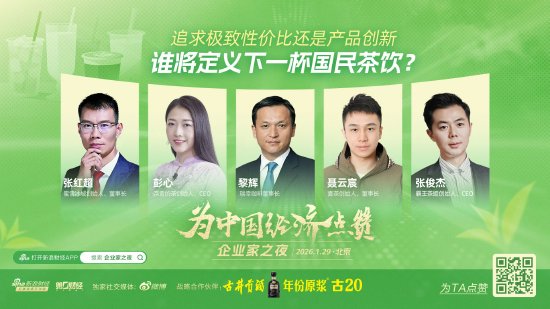
国民茶饮路在何方?为你心中的茶饮年度人物点赞!
Xin Lang Cai Jing· 2025-12-23 09:40
Core Insights - The event "Praise for China's Economy - Entrepreneur's Night" was officially launched on December 17, 2025, highlighting the challenges and innovations in the tea beverage industry amidst fierce competition and market saturation [1][6]. Group 1: Industry Overview - The tea beverage industry is facing multiple challenges, including intense price wars, severe homogenization, and increased competition in international markets [1][6]. - Brands are focusing on innovation, efficiency, and cultural rebranding to reshape the industry landscape [1][6]. Group 2: Company Highlights - **Mixue Ice City**: Under the leadership of founder Zhang Hongchao, Mixue Ice City surpassed 50,000 global stores in 2025, with significant growth in Southeast Asia and the opening of its first store in Los Angeles [3][8]. - **Naixue Tea**: CEO Peng Xin led Naixue Tea to exceed 80 million members in 2025, with a growing online order ratio and the introduction of a new concept store combining tea, light meals, and social spaces [3][8]. - **Luckin Coffee**: Chairman Li Hui has driven Luckin Coffee's recovery, achieving a net revenue of 15.287 billion RMB in Q3 2025, a 50.2% year-on-year increase, with a total of 29,214 stores [4][9]. - **Heytea**: Founder Nie Yuncheng has continued to innovate with new product launches and expanded overseas, with over 100 international stores, including more than 30 in the U.S. [4][9]. - **霸王茶姬 (Bawang Tea Princess)**: CEO Zhang Junjie led the brand to 7,338 global stores by Q3 2025, becoming the first Chinese tea brand to list on the U.S. stock market [5][10]. Group 3: Market Dynamics - The tea beverage market is characterized by fierce competition, with consumers demanding higher quality, health, and experience [5][10]. - Brands face a critical decision between maintaining cost-effectiveness and focusing on product innovation to attract diverse consumer preferences [6][10].
从一场婚礼,看新茶饮的“豪门”分野与隐形战争
Sou Hu Cai Jing· 2025-12-23 08:41
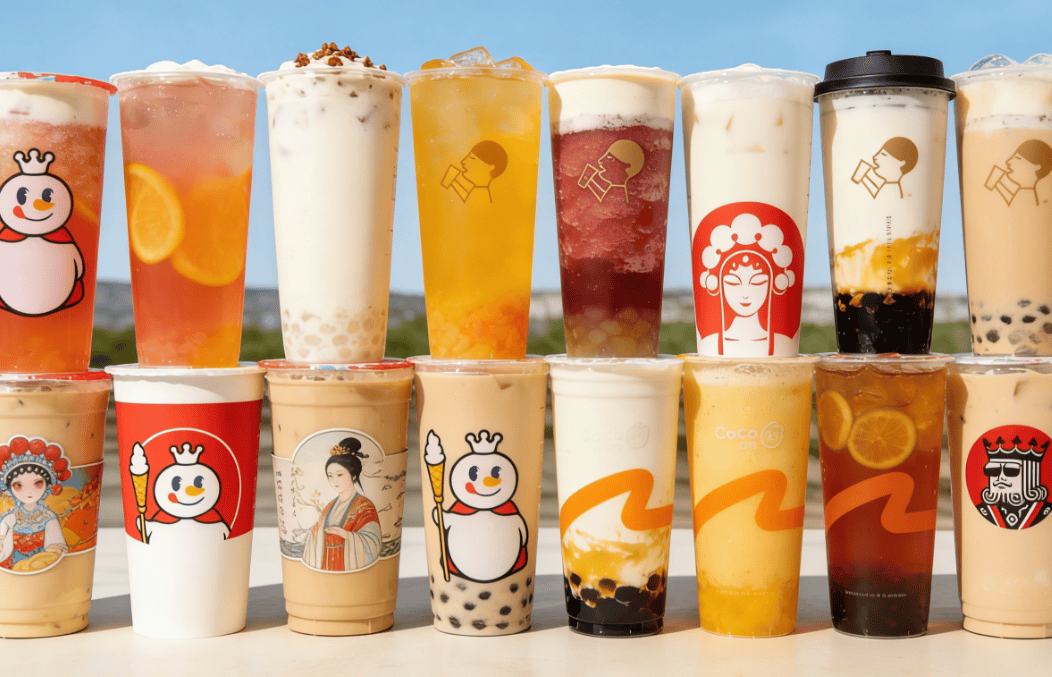
Core Insights - The wedding of Zhang Junjie, founder of Bawang Tea Ji, serves as a significant brand marketing event, highlighting the deep connection between the founder's personal brand and the company itself [1] - The tea beverage industry faces challenges as brands like Bawang Tea Ji must navigate the complexities of capital markets and consumer expectations after achieving initial success [8][10] Group 1: Founder Influence on Brand - A legendary founder's story can create emotional connections with consumers, enhancing brand appeal [2] - The founder's unique personality and aesthetic are crucial in establishing brand identity during the early stages [2] - Bawang Tea Ji's strategy of focusing on "original leaf fresh milk tea" reflects the founder's business acumen, differentiating the brand in a crowded market [4] Group 2: Challenges of Founder Branding - Over-reliance on a founder's personal brand can limit market expansion and consumer demographics [5] - Brands like Bawang Tea Ji may face vulnerabilities when their value is too closely tied to the founder's reputation and personal life [5] - Continuous marketing efforts to maintain the founder's image can lead to brand dilution and consumer fatigue [7] Group 3: Market Positioning and Competition - After going public, Bawang Tea Ji encountered challenges such as declining revenue and same-store sales, indicating that rapid expansion alone is insufficient for sustainable growth [8] - The company must balance between maintaining a premium brand image and addressing market competition, as seen in the struggles of other brands like Mixue Ice City and Luckin Coffee [9] - The tea industry is transitioning from rapid growth to a focus on sustainable, internal growth strategies, requiring brands to adapt to changing consumer preferences and market dynamics [10][11] Group 4: Future Directions - The industry is moving towards a phase where brands must provide genuine value to consumers, beyond just marketing and rapid expansion [11] - Companies need to build robust operational systems and value propositions to thrive in a competitive landscape [11]
食品饮料行业周度市场观察:行业环境,头部品牌动态,投资运营,产品技术,营销活动-20251223
Ai Rui Zi Xun· 2025-12-23 07:46
Investment Rating - The report indicates a gradual recovery in the food and beverage sector, suggesting a positive outlook for investment opportunities in the industry [6]. Core Insights - The beverage market is experiencing a surge in demand for health-oriented products, particularly turmeric drinks and low-GI foods, driven by younger consumers' health consciousness [2][10]. - The approval of elderberry anthocyanins as a new food ingredient is expected to unlock a significant market potential, with a projected global market size of $960 million by 2027 [4]. - The report highlights the ongoing price wars in the beverage industry, with major brands signaling a trend towards price reductions, which may impact profit margins across the supply chain [9]. Industry Trends - The popularity of turmeric drinks among young consumers is attributed to their perceived health benefits, despite concerns over taste and sugar content [2]. - The rise of the health economy is evident, with a significant increase in sales of health-related products, such as herbal teas and functional foods, particularly among millennials and Gen Z [2]. - The elderberry anthocyanins market is anticipated to grow rapidly, with opportunities for product innovation in immune support and gut health [4]. - The low-GI food market is projected to reach ¥176.2 billion by 2024, driven by increasing health awareness and the prevalence of diabetes among younger populations [10]. - The beverage industry is facing a structural shift, with a focus on "precision" beverages that cater to specific consumer needs and preferences [14]. Brand Dynamics - Kunlun Mountain Mineral Water has entered a strategic partnership to expand its market presence in Hong Kong, leveraging local resources and distribution channels [16]. - Jiahe Foods is transitioning from a contract manufacturer to a consumer brand, facing challenges in profitability due to rising raw material costs and increased marketing expenses [19]. - Vitasoy International reported a decline in revenue, particularly in the mainland market, as competition in the plant-based milk sector intensifies [20]. - Tian Shili's "medical-grade" sugar-free tea has achieved a high repurchase rate by targeting pre-diabetic consumers, showcasing the potential for functional beverages in the health market [21]. - The new brand "Bie Xiang Bao Bao" has gained traction in the sugar-free tea market, achieving significant sales growth through innovative product offerings [22].
人均60元的网红面包,把年轻人割麻了
3 6 Ke· 2025-12-23 07:33
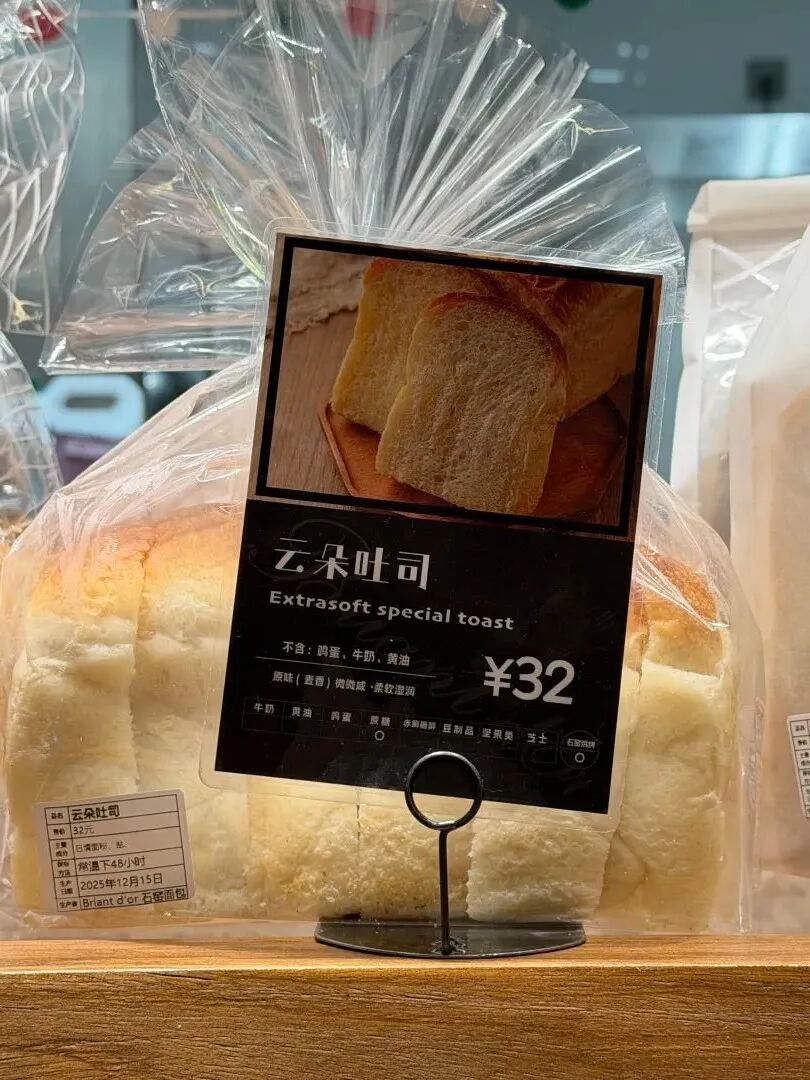
Core Viewpoint - The article discusses the rising prices of bread in China, highlighting the phenomenon of "luxury" bread and the changing consumer perception towards it, as well as the challenges faced by the baking industry in maintaining affordability and accessibility [2][44]. Price Trends - The price of bread has significantly increased, with items like a small toast priced at 28 yuan and bagels at 30 yuan, leading to comparisons with the cost of living and consumer wages [2][6][30]. - High-end bread brands are prevalent in major cities, with average prices ranging from 60 to 70 yuan, making it difficult to find options under 10 yuan [11][30]. Consumer Behavior - Consumers are increasingly surprised by the high prices of bread, which are now seen as a luxury rather than a staple food [9][11]. - The perception of bread has shifted from a simple food item to a status symbol, with consumers often feeling pressured to pay high prices for trendy options [6][51]. Market Dynamics - The baking industry is experiencing a rapid turnover, with more closures than openings among brands, indicating a challenging market environment [44][45]. - The average lifespan of a bakery is only 32 months, with 58% of stores closing within two years, reflecting the competitive and volatile nature of the industry [48][54]. Cost Factors - Rising costs in the baking industry are attributed to expensive ingredients, high labor costs, and significant rental expenses in prime locations [36][41]. - The trend of using premium ingredients and elaborate marketing strategies has further inflated prices, making it difficult for brands to offer affordable options [39][40]. Future Outlook - There is a growing demand for affordable bread options, with consumers expressing a desire for a "budget-friendly" alternative similar to the success of brands like "Mi Xue Bing Cheng" in the beverage sector [54][56]. - The industry faces a challenge in balancing quality and affordability, as consumers seek genuine and reasonably priced products amidst the trend of luxury bread [56].
中泰国际每日晨讯-20251223
ZHONGTAI INTERNATIONAL SECURITIES· 2025-12-23 03:27
Market Overview - On December 22, Hong Kong stocks rose, with the Hang Seng Index up 111 points (0.4%) closing at 25,801 points[1] - The Hang Seng Tech Index increased by 47 points (0.9%) to close at 5,526 points[1] - Daily trading volume decreased to HKD 169.8 billion, with net inflow from southbound funds at HKD 3.13 billion[1] Sector Performance - International gold and silver prices reached new highs, with Zhaojin (1818 HK) up 6.0%, China National Gold (2099 HK) up 7.6%, and China Silver (815 HK) up 5.8%[1] - New consumption stocks performed well, with Mixue Ice Cream (2097 HK) rising 10.1% after opening a store in Los Angeles[1] - China Duty Free Group (1880 HK) surged 15.8% following the official closure of Hainan Island[1] US Market Update - On the US side, the Dow Jones rose 277 points (0.5%) to 48,362 points, while the Nasdaq increased by 121 points (0.5%) to 23,428 points[2] - Tesla's stock rose 1.6% amid positive performance of its Robotaxi compared to Google's Waymo[2] - Nvidia's stock increased by 1.5% as rumors suggest potential chip supply to China pending approval[2] Industry Dynamics - In the automotive sector, stocks like Pony.ai (2026 HK) rose 10.7% due to advancements in L3 autonomous driving technology[3] - In pharmaceuticals, a collaboration between Ginkgo Bioworks (1167 HK) and AstraZeneca (AZN US) was announced, with Ginkgo set to receive an upfront payment of USD 100 million and potential milestone payments up to USD 1.915 billion[3] - Ginkgo's stock fell over 10% as the authorization amount was perceived as lower than expected, indicating a possible sell-off after initial positive sentiment[3]
信达国际控股
Xin Da Guo Ji Kong Gu· 2025-12-23 03:27
Market Overview - The Hang Seng Index (HSI) is expected to find short-term support around the 25,000 point level, following the Federal Reserve's interest rate cut of 0.25% in December, with market expectations for two additional rate cuts in 2026 after the leadership change [2][5] - Despite the Fed's rate cuts and increased monetary policy space in mainland China, the economic situation remains stable, and there is limited incentive for further policy easing in the short term [2] - The focus is on the Central Economic Work Conference's deployment, with the 14th Five-Year Plan emphasizing expanding domestic demand and promoting technological self-reliance [3] Company News - Sanhua Intelligent Control (2050) forecasts a net profit growth of 25%-50% for the year, driven by its leadership in the refrigeration and air conditioning parts industry and strong demand in the automotive parts sector [4][12] - Cathay Pacific (0293) reported a 26% increase in passenger numbers in November, with expectations for annual performance to surpass last year [4][12] - Vanke (2202) has extended the grace period for its domestic bond, with a principal amount of 2 billion yuan, although the proposal for a one-year extension was not approved [4][12] - Geely Automobile (0175) has completed the privatization of Zeekr, which will now operate as a wholly-owned subsidiary [4][12] Industry Insights - The telecommunications industry in mainland China reported a cumulative revenue of 1.61 trillion yuan in the first eleven months, reflecting a year-on-year growth of 0.9% [10] - The Hong Kong stock market led global IPO financing in 2025, with a total of 274.6 billion HKD raised, marking a significant increase from the previous year [10] - The insurance regulatory authority in Hong Kong is proposing new regulations to guide insurance capital towards cryptocurrencies and infrastructure assets [10][11] - The automotive sector saw the top ten SUV manufacturers sell 9.583 million units from January to November, accounting for 65.9% of total SUV sales [10]
中国新增70位亿万富豪!科技新贵崛起,亚太财富增长领跑全球
Sou Hu Cai Jing· 2025-12-23 00:36
Group 1: Global Wealth Landscape - The total wealth of global billionaires reached a historic high of $15.8 trillion, marking a 13% increase from the previous year [3] - The number of billionaires worldwide is projected to increase by 8.8% to 2,919 by 2025, with 287 new billionaires added, the second-highest record since 2015 [3] - The Asia-Pacific region is the fastest-growing area, with the number of billionaires rising from 981 to 1,036, and the total wealth in this region reaching $4.2 trillion, growing by 11.1% [3] Group 2: Technology Wealth Creation - The technology sector has shown the most significant wealth creation effect, with billionaires in this industry seeing a wealth increase of 23.8%, totaling $3 trillion [5] - The resurgence of interest in Chinese technology, particularly following the release of large language models, has driven the strong return of billionaires in the Greater China region [5] - Technology and consumer/retail sectors are the leading industries for wealth creation globally [5] Group 3: Entrepreneurial Spirit in China - Among the 70 new billionaires in mainland China in 2025, 98% are self-made entrepreneurs, significantly higher than the global average [7] - The majority of new billionaires in China come from high-tech industries, with a younger demographic compared to billionaires in other regions [7] - The data indicates that technological breakthroughs and industrial innovation are key drivers of wealth creation in the context of China's economic transformation [7] Group 4: Investment Preferences and Future Outlook - 34% of surveyed billionaires believe that China offers the greatest investment opportunities, a significant increase from 11% in 2024 [11] - 61% of billionaires in the Asia-Pacific region plan to increase investments in hedge funds, developed market stocks, and gold/precious metals [11] - There is a growing interest in emerging market stocks and private equity among billionaires, reflecting a shift in investment focus towards the Asia-Pacific region, particularly Greater China [11] Group 5: Wealth Transfer and Future Projections - The report estimates that by 2040, global billionaires will transfer approximately $6.9 trillion in wealth, with a notable increase in wealth transfer from the current generation to their heirs [13] - Among the 287 new billionaires in 2025, 91 gained their wealth through inheritance, totaling $298 billion [13] - The narrative of wealth is shifting from the generation that created it to the generation that will inherit it, with heirs expected to inherit at least $5.9 trillion in wealth over the next 15 years [13]

欧美强推的「人造肉」,彻底败退中国
36氪· 2025-12-23 00:16
Core Viewpoint - The article discusses the rise and fall of Beyond Meat in the Chinese market, highlighting the challenges faced by plant-based meat companies in adapting to local consumer preferences and the failure of their marketing strategies [10][15][70]. Group 1: Beyond Meat's Market Performance - Beyond Meat, once a star in the plant-based meat industry, has seen its market value plummet from $20 billion to under $2 billion, losing over $10 billion in market capitalization [13][34]. - The company has closed its flagship store on Chinese e-commerce platforms and halted production at its factory in Jiaxing, Zhejiang [10][34]. - Revenue has declined from $4.19 billion in 2022 to $3.26 billion in 2024, with cumulative losses reaching $8.64 billion during the same period [34]. Group 2: Marketing Strategies and Consumer Response - Beyond Meat attempted to penetrate the Chinese market through partnerships with major brands like McDonald's and Starbucks, but these efforts did not yield the expected results [28][30]. - The company employed aggressive marketing tactics, including celebrity endorsements and campaigns promoting the health benefits of plant-based diets, but these strategies failed to resonate with Chinese consumers [31][32][70]. - A significant 74% of Chinese consumers indicated they would not repurchase plant-based meat products, primarily due to high prices and unsatisfactory taste [45][46]. Group 3: Challenges of Plant-Based Meat - The article identifies two major issues with plant-based meat: high prices and poor taste, which have hindered its acceptance in the Chinese market [39][48]. - Plant-based meat products are often priced significantly higher than traditional meat, with some products costing up to 82% more than their animal-based counterparts [41][39]. - The taste and texture of plant-based meat have been criticized, with many consumers finding them inferior to traditional meat options [44][39]. Group 4: Environmental and Health Claims - Claims regarding the environmental benefits of plant-based meat have been challenged, with studies indicating that the carbon emissions from producing plant-based meat can be significantly higher than those from traditional beef [49][48]. - The health benefits promoted by plant-based meat companies have also been questioned, as many products contain high levels of sodium and additives [48][49]. Group 5: Lessons for the Industry - The failure of Beyond Meat serves as a cautionary tale for food entrepreneurs, emphasizing the importance of aligning product offerings with genuine consumer needs rather than relying on capital-driven narratives [70][73]. - The article suggests that successful food innovations must prioritize taste, affordability, and real consumer demand rather than imposing moral or environmental arguments [66][70].
