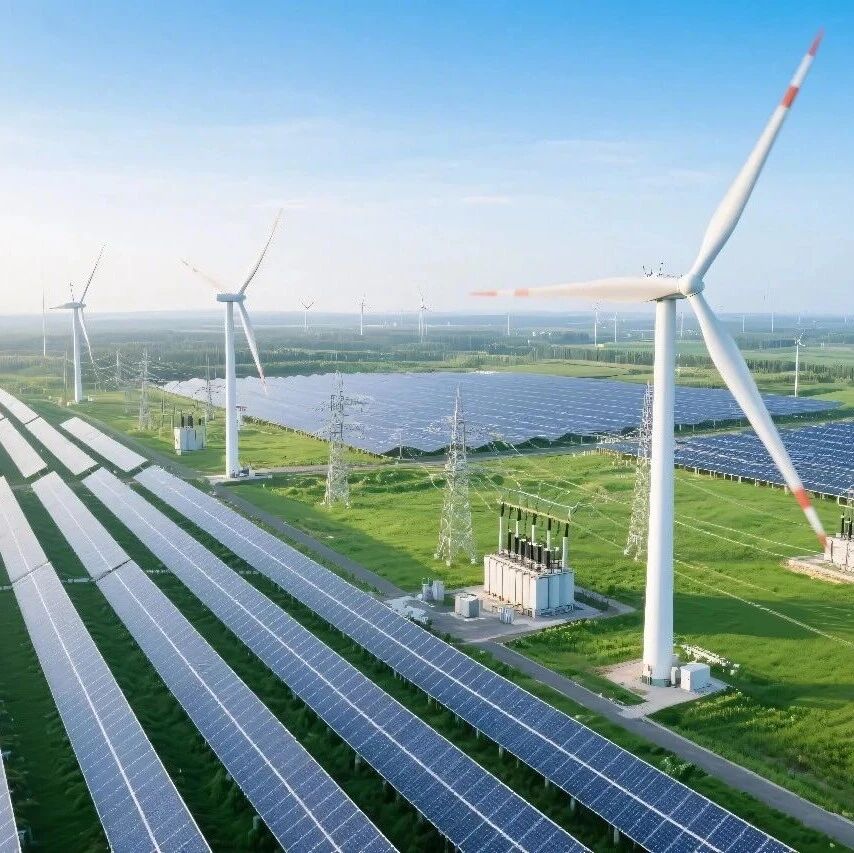
反内卷

Search documents
光伏收储平台“两条腿走路” 实行“承债式收购+弹性封存压产能”的双轨运行模式
Zheng Quan Shi Bao Wang· 2025-12-25 23:36
Core Viewpoint - The establishment of Beijing Guanghe Qiancheng Technology Co., Ltd. is seen as a significant step towards addressing the "involution" and vicious competition within the photovoltaic industry through a multi-crystalline silicon capacity integration acquisition platform [1] Industry Summary - The photovoltaic industry is facing a critical moment with the establishment of a storage platform aimed at self-regulation and combating internal competition, marking a phase in industry governance innovation [1] - The new platform is expected to be operational by the end of 2025, providing a structured approach to mitigate competition issues [1] - The industry anticipates a decline in domestic photovoltaic demand for the first time next year, alongside uncertainties regarding whether rising silicon material prices will positively influence downstream prices [1] Company Summary - Guanghe Qiancheng's storage platform will operate on a dual-track model, implementing "debt-acquisition" and "flexible storage capacity reduction" strategies [1] - The platform is set to take on potential debts amounting to hundreds of billions, aimed at alleviating crises between banks and suppliers, and restoring price stability across the industry [1]
中金2026年展望 | 光储:光伏蛰伏迎拐点,储能方兴未艾时
中金点睛· 2025-12-25 23:36
中金研究 光伏2026年有望实现供需关系的边际改善,各环节龙头有望扭亏为盈,具备困境反转的投资机会。由于光伏消纳问题突出,倒逼国内电力市场化及调 节性电源发展,储能迎海内外景气共振。 摘要 点击小程序查看报告原文 Abstract 2026年或是光伏主产业链逆转之年。 光伏主产业链在反内卷的帮助下于2025年下半年逐步见底甚至改善,但财务报表的改善减缓了市场化出清,因此反 内卷的持续推进势在必行,组件顺价或将是核心。我们认为,2026年虽需求阶段性走弱,但供给端反内卷以及龙头企业alpha将帮助部分企业在2026年扭 亏为盈,储能装机带来消纳能力的增强,十五五中后期光伏需求有望修复。 装机走弱下玻璃胶膜分化,关注铜浆及半导体等第二增长曲线。 明年国内装机下滑,玻璃胶膜企业利润情况会出现分化,有海外客户基础的企业会增加 出口占比、利润重心上移,其他企业将面临更加激烈的竞争。银价高企促进银包铜浆料产业化,行业承压下辅材企业积极寻求半导体、存储领域等第二增 长曲线。 估值与节奏: 当前主产业链主要公司估值仍在1xP/B~ 2.5xP/B的历史底部区间,2Q26需求修复+反内卷推进+产品结构优化,有望迎来业绩批量转正 ...


2026:活力牛的静谧攻势
Mei Ri Jing Ji Xin Wen· 2025-12-25 14:46
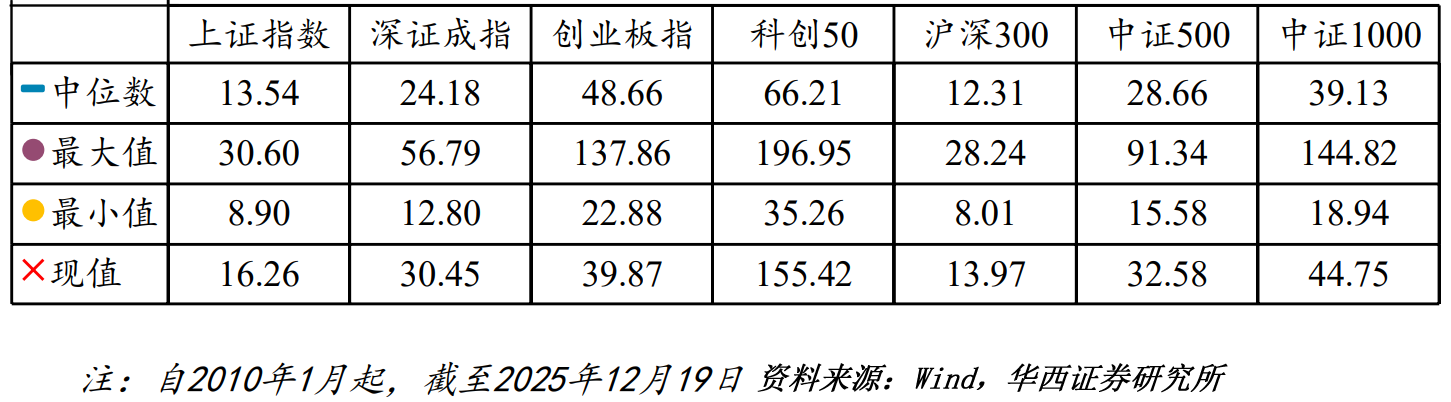
Core Viewpoint - The A-share market in 2025 has shown remarkable performance, with significant gains from various stocks, leading to discussions on investment strategies for 2026 [1] Group 1: 2025 Market Overview - The A-share market is believed to be in the longest bull market cycle since the stock split reform, supported by favorable macroeconomic and industry factors [2][3] - The market has demonstrated resilience, with the Shanghai Composite Index rising from a low of 3040 points in April to a high of 4034.08 points by November, reflecting a nearly 1000-point increase [4] - The overall market sentiment remained stable without signs of overheating, indicating a mature market response [4] Group 2: Policy and Structural Changes - The management has elevated the role of the capital market, focusing on developing new productive forces and increasing residents' property income [3] - State-owned capital is increasingly entering the capital market, with local governments shifting from "land finance" to "equity finance," which is expected to have a profound impact on the market [3] - The ongoing comprehensive reform of the capital market aims to address the imbalance in investment and financing functions, which has historically led to short bull and long bear markets [5] Group 3: 2026 Market Outlook - The market is expected to be driven by a dual engine of fundamental improvement and continuous valuation enhancement in 2026 [7] - Six favorable factors are anticipated to support the improvement of listed companies' fundamentals, including continued expansionary fiscal policy and a stable monetary policy [8] - The valuation levels of major indices are approaching historical median levels, with significant upside potential remaining, particularly for indices like the ChiNext and CSI 500 [9][10] Group 4: Investment Strategies - Investment strategies for 2026 should focus on three main themes: AI technology consumption scenarios, benefiting from "anti-involution" policies, and upgrading through international expansion [14] - The AI technology consumption scenario is expected to see explosive growth, particularly in products like AI glasses, which have shown significant sales increases [14] - The "anti-involution" strategy aims to improve supply-demand dynamics in industries previously affected by price wars, leading to potential recovery in profitability [15] Group 5: Hong Kong Market Insights - The Hong Kong market has shown strong performance, with the Hang Seng Index rising over 28% in 2025, driven by unique investment opportunities and increased capital inflow [16] - The anticipated easing of U.S. monetary policy and the potential for reduced trade tensions are expected to attract more foreign investment into the Hong Kong market [17] - The market's structure and unique offerings provide complementary opportunities for investors, particularly through the Hong Kong Stock Connect [18]
快递行业业务量持续增长 反内卷利好单票价格回升
Mei Ri Jing Ji Xin Wen· 2025-12-25 14:45
Core Insights - The express delivery industry is experiencing a price increase per package in 2025, with "anti-involution" becoming a key term, indicating a shift towards improved profitability and investment opportunities in the A-share express delivery sector [1] Group 1: Business Volume and Growth - The express delivery industry in China is benefiting from robust internet infrastructure and diverse e-commerce platforms, maintaining resilient growth in business volume [2] - The core growth drivers have shifted from "penetration rate increase" to "structural growth," characterized by smaller package sizes, increased reverse logistics due to higher return rates, and the emergence of new e-commerce models like live streaming and community group buying [2][3] - In 2024, the online retail sales of physical goods reached 13,081.6 billion yuan, a year-on-year increase of 6.5%, with express delivery business volume and revenue reaching 1,745 million packages and 1.4 trillion yuan, respectively, reflecting growth rates of 21% and 13% [3] Group 2: Industry Concentration and Pricing - The express delivery industry is seeing an increase in concentration, with the CR8 (market share of the top eight companies) reaching 87.0% by October 2025, indicating a slight increase in market concentration [6] - The average revenue per package in October 2025 was 7.48 yuan, a year-on-year decrease of 3.0%, but with signs of recovery as companies like Shentong and Yunda reported increases in revenue per package [4][6] Group 3: Cost Reduction and Technological Advancements - The express delivery sector is characterized by significant scale effects, where cost reductions in the entire logistics chain can lead to lower prices and increased volume, creating a positive feedback loop [8] - The use of unmanned vehicles for delivery is projected to significantly reduce transportation costs, with estimates showing a potential decrease from 0.16 yuan to 0.05 yuan per package, representing a 69% cost reduction [8] Group 4: Investment Opportunities - A-share express delivery companies have seen their stock prices in a downward trend, with dynamic P/E ratios remaining low; for instance, SF Holding's dynamic P/E ratio was 17.60 as of December 17, 2025, down from a peak of 121.04 yuan in 2021 [9] - As profitability improves in the express delivery sector, investment opportunities are becoming increasingly attractive for investors [9]

南华期货镍&不锈钢2026年度展望:供需结构调整周期,随势而动
Nan Hua Qi Huo· 2025-12-25 12:10
Report Title - Nanhua Futures' Outlook for Nickel & Stainless Steel in 2026: Adapting to the Supply-Demand Structural Adjustment Cycle [1] Report Industry Investment Rating - Not provided Core Views - In 2025, the nickel market first rose and then declined. The price was mainly influenced by demand fluctuations and sentiment changes, lacking fundamental factors for a trend reversal. The annual price performance was weaker than previous years [2][3]. - In 2026, the focus of the nickel market remains on the progress of supply-demand structural adjustments. The demand for stainless steel is expected to remain stable, while the demand for nickel in the new energy sector is likely to be moderate. The Indonesian government's policies will continue to affect the market, and the supply surplus situation may improve marginally [4][5][6]. - The report predicts that in 2026, the main contract range for nickel will be between 118,000 - 130,000 yuan, and for stainless steel, it will be between 12,100 - 13,000 yuan [6]. Summary by Directory 2025 Annual Market Review - **First Quarter**: The nickel price showed a volatile and upward - trending pattern, with the price center rising to the range of 125,000 - 136,000 yuan/ton. The main influencing factors were Indonesian policy adjustments and the contradiction between short - term cost support and long - term oversupply [9]. - **Second Quarter**: The nickel - stainless steel market showed a volatile and downward - trending pattern. Factors such as the US tariff policy, rising LME nickel inventories, and weak terminal demand led to the decline of nickel and stainless steel prices [11]. - **Third Quarter**: The market showed a range - bound and slightly upward - trending pattern, mainly driven by news and policy expectations. However, high inventories and weak demand restricted the upward space of prices [12]. - **Fourth Quarter**: The market was mainly affected by Indonesian policy disturbances and macro - expectations. Although there were short - term price rebounds, the overall supply surplus situation remained unchanged, and the price fluctuations were mainly due to market sentiment and capital speculation [13]. Industrial Chain Performance Nickel Ore - In 2025, the supply of the nickel ore market was affected by policies and seasons. The supply was tight in the first half of the year and then eased. The demand was mainly suppressed by downstream smelting profits, showing cost - sensitivity characteristics [16][19]. - In 2026, the nickel ore market will be in a cycle of strong policy supervision and rational return of production capacity. The Indonesian government's policies will lead to a certain degree of supply contraction, and the price is expected to remain stable with a slight upward trend [22][23]. Ferronickel - In 2025, the supply of the ferronickel market showed regional differentiation and structural substitution characteristics. The supply was tight in the first half of the year and then increased. The demand was mainly suppressed by the weak profits of downstream stainless steel [25][29]. - In 2026, the ferronickel market will also enter a cycle of policy supervision and rational return of production capacity. The growth rate of effective production capacity is expected to slow down, and the price center will likely be affected by the demand of downstream steel mills [30][31]. Nickel Sulfate and Intermediates - In 2025, the supply of global nickel intermediates was mainly from Indonesia. The production of MHP increased significantly, while the production of nickel sulfate decreased. The demand was affected by the differentiation of technical routes, and the pricing system was adjusted [33][35]. - In 2026, the supply of nickel sulfate intermediates will show a structural increase, while the demand in the Chinese battery sector will slow down. The market may enter a cycle of processing fee control and raw material coefficient game [37][38]. Stainless Steel - In 2025, the supply of stainless steel showed a pattern of marginal slowdown in total growth, internal structural differentiation, and intensified extrusion from overseas capacity. The demand was affected by the weakening of traditional growth engines and the challenges of the external market [42][46][47]. - In 2026, the stainless steel market may enter a cycle of supply - demand re - balance. The supply side will see further elimination of high - cost production capacity, and the demand side may have a marginal improvement, especially in high - end special stainless steel [50][52]. 2026 Annual Balance Deduction - In 2026, the core trading logic of the nickel market will shift to the joint action of supply - demand structural optimization and integrated cost rigid support. The supply surplus situation will be alleviated but not reversed [54]. - The demand for nickel in the stainless steel industry will be the core anchor point. The new energy vehicle battery sector will face pressure from the penetration of lithium iron phosphate, and the nickel market surplus will continue in 2026 [54][55].
黑色金属日报-20251225
Guo Tou Qi Huo· 2025-12-25 12:08
Report Industry Investment Ratings - The investment ratings for various black metal products are provided as follows: Thread steel (★★★), Hot-rolled coil (not clearly marked), Iron ore (★★★), Coke (★☆☆), Coking coal (★☆☆), Ferro-silicon (★★☆), Silico-manganese (not rated in the presented content) [1] Core Viewpoints - The overall market of black metals shows different trends. The short - term trends of most products are likely to be volatile. The market sentiment is cautious, and the impact of macro - policies and supply - demand fundamentals needs to be closely watched [2][3][4] Summaries According to Product Categories Steel - Today's steel market is mainly volatile. This week, the apparent demand for thread steel declined, production increased slightly, and inventory continued to decrease. The demand for hot - rolled coil recovered, production increased slightly, and inventory reduction accelerated, but pressure still remained. Iron - water production continued to decline, supply pressure gradually eased, and the decline in steel - mill production may slow down. The domestic demand is weak, while steel exports remain high, and the impact of license management is yet to be observed. The short - term trend of the steel market is expected to be slightly stronger while volatile, and attention should be paid to macro - policy changes [2] Iron Ore - The iron - ore market is volatile today. The global shipment is strong, and there is an expectation of year - end rush, so overseas shipments are expected to remain high. The domestic arrival volume is also strong, and the port inventory increased significantly at the beginning of the week. In the demand side, the terminal demand is low in the off - season, and iron - water production has been decreasing due to environmental protection. However, considering the large previous reduction and stable steel - mill profits, the reduction speed is expected to slow down. Steel - mill inventories are low, with a certain restocking expectation. The iron - ore fundamentals are relatively loose, and the short - term trend is expected to be volatile [3] Coke - The coke price is volatile today. The coking profit is average, and the daily production decreased slightly. Coke inventory decreased slightly, with downstream and traders having limited purchasing willingness. The supply of carbon elements is abundant, and the downstream iron - water production is seasonally decreasing, but the demand for raw materials still has some resilience. The steel - mill profit is average, with a strong willingness to lower raw - material prices. The coke futures price is at a premium, and there are expectations for stimulus policies, so the price is likely to be volatile [4] Coking Coal - The coking - coal price is mainly volatile today. Some coal mines have reduced or stopped production at the end of the year due to safety production and completed annual production tasks. The production of coking coal decreased slightly, the spot auction transactions were okay, and the transaction price increased slightly, while the terminal inventory increased. The total coking - coal inventory increased slightly, and the production - end inventory also increased. The supply of carbon elements is abundant, and the downstream iron - water production is seasonally decreasing, but the demand for raw materials still has some resilience. The steel - mill profit is average, with a strong willingness to lower raw - material prices. The coking - coal futures price is at a discount, and after the discount is repaired, there is still fundamental pressure. However, due to expectations for stimulus policies, the price is likely to be volatile [6] Silico - manganese - The silico - manganese price is strongly volatile today. Driven by the futures rebound, the spot price of manganese ore increased. There are structural problems in the current manganese - ore port inventory, and the balance is relatively fragile. The silico - manganese smelting end pursues the most cost - effective ore formula. If the reduction of oxidized ore is large, the demand for cheaper semi - carbonate ore is likely to increase, and the price of semi - carbonate manganese ore increased last week. The iron - water production decreased seasonally, the weekly production of silico - manganese decreased slightly, and the inventory decreased slightly. Attention should be paid to the impact of "anti - involution". It is recommended to try to go long at low prices [7] Ferro - silicon - The ferro - silicon price is strongly volatile today. The market's expectation of coal - mine supply guarantee increases, and there are expectations of a decline in power costs and semi - coke prices. The iron - water production rebounded to a high level, the export demand decreased to over 20,000 tons, with limited marginal impact. The production of magnesium increased month - on - month, and the secondary demand increased marginally, so the overall demand still has some resilience. The supply of ferro - silicon decreased significantly, and the inventory decreased slightly. Attention should be paid to the impact of "anti - involution". It is recommended to try to go long at low prices [8]
专访邢自强:从投资于物到投资于人,持续撬动消费市场
2 1 Shi Ji Jing Ji Bao Dao· 2025-12-25 12:03
Core Insights - The future of China's economy relies on achieving a dual focus on "starry skies and vast seas" innovation and "daily necessities" improvement in living standards, emphasizing the need for a balanced approach to technological advancement and social welfare [1][2][3] Group 1: Economic Strategy - The strategy involves leveraging China's existing advantages in industrial chains, engineer dividends, and a large-scale market to foster innovation in cutting-edge technologies like 6G, quantum technology, and biomanufacturing [2][5] - The "dual-wheel drive" approach necessitates simultaneous progress in technological innovation and enhancing living standards to solidify the economic foundation [2][3] Group 2: Capital Market Role - The capital market must support both innovation and living standards by enhancing residents' consumption capacity and promoting a sustainable innovation ecosystem [6] - A robust capital market can help alleviate the low-price cycle by providing a stable return on investment, thus encouraging consumer spending [6][8] Group 3: Market Confidence Recovery - Since September 2024, market confidence has been restored due to a threefold awakening in policy, enterprise resilience, and funding dynamics [7][8] - Policy reforms aimed at addressing the low-price cycle have signaled a commitment to development alongside security, fostering a healthier market environment [7] Group 4: Structural Reforms - Key reforms during the "14th Five-Year Plan" include enhancing the national unified market and substantial social security reforms to improve consumer spending and reduce preventive savings [9][11] - The goal is to increase the share of resident consumption in GDP from under 40% to around 45% by 2030, creating a $10 trillion consumption market [9][12] Group 5: Fiscal Transformation - The shift from "investment in material" to "investment in people" is crucial for addressing structural issues of high savings and low consumption [11][13] - Strategies include increasing the proportion of state-owned capital allocated to social security funds and adjusting fiscal spending towards social services [13][14] Group 6: Real Estate Market Stabilization - To stabilize the real estate market, strategies include inventory reduction through government purchases of unsold properties and supporting key real estate firms facing difficulties [15][16] - Implementing interest subsidies on mortgage loans can significantly ease the financial burden on homebuyers, thereby boosting consumer confidence [16]

银河期货每日早盘观察-20251225
Yin He Qi Huo· 2025-12-25 11:00
Report Industry Investment Rating There is no information about the report industry investment rating in the document. Core Viewpoints of the Report - The overall market shows a complex and diverse trend, with different sectors having their own characteristics and influencing factors. For example, the stock index futures are expected to continue to oscillate upward, while the bond market may have a short - term repair trend but also faces potential risks [23][25]. - In the agricultural products sector, the supply of protein meal is generally loose, and the sugar price may rise slightly in the short - term. The oil and fat sector has a technical rebound, but the upward space is limited [29][33][37]. - In the black metal sector, the steel price maintains a range - bound oscillation, the coking coal and coke market has no obvious driving force and oscillates, and the iron ore price runs weakly [61][64][66]. - In the non - ferrous metal sector, precious metals such as gold and silver have a high - level retracement, and the copper price has short - term fluctuations but a long - term upward trend [72][79]. - In the energy and chemical sector, the short - term contradiction in the crude oil market is limited, and the asphalt price oscillates widely. The natural gas market has different trends in different regions [115][120][127]. Summary by Relevant Catalogs Financial Derivatives - **Stock Index Futures**: On Wednesday, the market oscillated upward. Most stock index futures contracts rose, and the discounts of each variety converged. The main indexes have broken through the suppression of the 60 - day moving average, and the moving average system forms a long - position arrangement. It is expected that the stock index will continue to oscillate upward [21][22][23]. - **Bond Futures**: On Wednesday, most bond futures contracts closed higher. The market capital is generally loose, and the end - of - year bond market repair may continue. It is recommended to take profit on long positions of the TL contract in batches [24][25]. Agricultural Products - **Protein Meal**: The supply of international soybeans is generally loose, and the domestic soybean meal crushing profit is still in a loss. It is recommended to adopt a short - selling strategy [28][29]. - **Sugar**: The international sugar price continues to rise, and the domestic sugar price follows. The short - term domestic sugar price may rise slightly, but the upward space is limited [30][33]. - **Oil and Fat Sector**: The inventory of domestic soybean oil has reached an inflection point and is gradually decreasing. The palm oil production in Malaysia may decrease. The oil and fat sector has a technical rebound, but the upward space is limited [35][37]. - **Corn/Corn Starch**: The U.S. corn rebounds, and the domestic corn spot price is stable in the short - term but still has pressure in the long - term. It is recommended to go long on the 03 and 07 contracts on dips [40][41]. - **Pigs**: The supply of pigs still has pressure, and the spot price oscillates. It is recommended to adopt a short - selling strategy [43][44]. - **Peanuts**: The peanut spot price is stable, and the 03 contract has room for decline. It is recommended to sell the pk603 - C - 8200 option [45][48]. - **Eggs**: The demand for eggs is average, and the price has declined. It is recommended to go long on the far - month contract on dips [49][52]. - **Apples**: The demand for apples is average, and the price is mainly stable. The apple fundamentals are strong, and it is recommended to adopt a long - short arbitrage strategy [53][54]. - **Cotton - Cotton Yarn**: The new cotton sales progress is fast, and there are positive factors such as the possible reduction of the planting area in Xinjiang. It is recommended to go long on the contract on dips [57]. Black Metals - **Steel**: The steel price maintains a range - bound oscillation. The demand for steel in December is acceptable, and the cost has support, but the increase space is limited [61]. - **Coking Coal and Coke**: The market has no obvious driving force and oscillates. The supply and demand of coking coal may improve slightly in the later period. It is recommended to wait and see or go long on dips [64]. - **Iron Ore**: The market expectation is changeable, and the iron ore price runs weakly. The global iron ore shipment increases steadily at the end of the year, and the domestic terminal steel demand is weak [66]. - **Ferroalloys**: Supported by cost and the expectation of anti - involution, the ferroalloys follow the rebound in the short - term, but the upward space is limited by demand [69]. Non - Ferrous Metals - **Gold and Silver**: The price of gold and silver rises and then falls. Affected by the initial jobless claims data and pre - holiday profit - taking, the price presents a high - level retracement. It is recommended to hold long positions with the support of the 5 - day moving average [72][73]. - **Platinum and Palladium**: The market may enter a wide - range oscillation period. The fundamentals of platinum are relatively strong, and it is recommended to go long on dips and pay attention to position management [76][77]. - **Copper**: The short - term fluctuation of the copper price intensifies, but the long - term upward trend remains unchanged. It is recommended to go long on dips and pay attention to the positive arbitrage opportunity between different periods [79][80]. - **Alumina**: The alumina price oscillates weakly. The cost expectation decreases, and the fundamental pressure still exists [81][82]. - **Electrolytic Aluminum**: The aluminum price falls with the sector due to market risk - aversion before the overseas holiday. The global shortage pattern remains, and it is recommended to be bullish on the medium - term trend after the correction [83][86]. - **Cast Aluminum Alloy**: The price of cast aluminum alloy falls with the aluminum price. The supply of scrap aluminum is tight, and the cost has support [86][87]. - **Zinc**: The zinc price oscillates widely with multiple long and short factors. It is recommended to pay attention to the influence of capital sentiment [89][90]. - **Lead**: The supply and demand of lead are both weak, and the price oscillates within a range. It is recommended to take profit on part of the long positions and pay attention to the production of secondary lead smelters [93][94]. - **Nickel**: Nickel is a weak variety in the strong sector for a supplementary rise. There are industrial hedging and inventory accumulation pressures, but the attention of funds increases. It is recommended to pay attention to the sustainability of the rise [96][97]. - **Stainless Steel**: The stainless steel price follows the nickel price and runs strongly. The cost is expected to rise, and the inventory decreases [98]. - **Industrial Silicon**: The industrial silicon has a short - term rebound, but it is recommended to go short on rallies in the medium - term. The supply is still in a state of inventory accumulation [100][102]. - **Polysilicon**: The polysilicon is strong in the long - term, but short - term risk management is needed. It is recommended to wait and see in the short - term and go long on dips in the medium - term [104]. - **Lithium Carbonate**: Due to the upgrading of supervision, the lithium price faces a callback risk [107]. - **Tin**: The tin price has an increased risk of callback. The supply of raw materials is expected to improve marginally, and the downstream consumption is weak [109][111]. Shipping Sector - **Container Shipping**: The short - term container shipping market is expected to maintain an oscillation. The spot freight rate has fluctuations, and the market has differences on the high point in January. It is recommended to take profit on most of the long positions of the EC2602 contract and hold the remaining light positions [113][114]. Energy and Chemical Sector - **Crude Oil**: The short - term contradiction in the crude oil market is limited, and the holiday price fluctuation decreases [115]. - **Asphalt**: The asphalt price oscillates widely. The raw material problem still has hidden concerns, and the short - term supply and demand are weak [118][120]. - **Fuel Oil**: The fundamentals of high - sulfur and low - sulfur fuel oil are both in a weak oscillation. It is recommended to be bearish on the low - sulfur fuel oil [122][125]. - **Natural Gas**: The LNG price oscillates at a low level, and the HH price rebounds significantly. It is recommended to hold the long positions of the HH2602 contract [126][127]. - **LPG**: The LPG price consolidates at a low level. The international market is stronger than the domestic market, and there is a pressure on the warehouse receipt [130][131]. - **PX&PTA**: The reduction of polyester yarn production is gradually implemented, and the PX and TA prices maintain a high level. It is recommended to be bullish on the oscillation and pay attention to the positive arbitrage of the 3 and 5 contracts [131][132][133]. - **BZ&EB**: The port inventory of pure benzene continues to rise, and the unexpected maintenance of styrene boosts the sentiment. It is recommended to oscillate within a range and carry out the arbitrage of shorting pure benzene and going long on styrene [133][135][136]. - **Ethylene Glycol**: The shutdown of Taiwanese devices due to efficiency boosts the market buying sentiment. The supply and demand are both weak, and the inventory has a de - stocking pressure [137][138]. - **Short - fiber**: The raw material price is strong, and the processing fee is under pressure. The short - fiber price oscillates strongly [140][141]. - **Bottle Chips**: The bottle chips follow the cost end to fluctuate, and the supply - demand side is relatively loose. The price oscillates strongly [143][144]. - **Propylene**: The supply and demand of propylene are weak, the downstream profit improvement is not good, and the start - up has no obvious increase. It is recommended to oscillate widely and sell options on both sides [145][146]. - **Plastic PP**: The monthly maintenance volume of polyolefins decreases. It is recommended to wait and see for the L contract and go long on a small amount for the PP contract [147][148]. - **Caustic Soda**: The caustic soda price oscillates strongly. The supply decreases slightly, the demand is weak, and the profit is repaired. It is recommended to oscillate and wait and see for arbitrage [150][151]. - **PVC**: The PVC price continues to rebound. The supply pressure is relieved, the demand is still weak, and the cost has support [154]. - **Soda Ash**: The soda ash futures price oscillates. The new production capacity at the end of the year forms a pressure, and the demand is flat [156][158]. - **Glass**: The glass futures price oscillates. The market has a cold - repair voice, but the fundamentals are still weak [159][160]. - **Methanol**: The methanol price oscillates within a range. The international device start - up rate declines, the port inventory increases, and the domestic supply is loose [161]. - **Urea**: The urea price oscillates at a high level. The domestic supply is still high, the international demand has an impact, and the downstream demand is weak [163][164]. - **Pulp**: The pulp price oscillates widely at a high level. The supply is greater than the demand, and the terminal demand is weak [166][169]. - **Log**: The log spot market stabilizes. The short - term valuation is at the bottom, and it is recommended to wait and see or go long on a small amount [170][171]. - **Offset Printing Paper**: The inventory of offset printing paper reaches a new high. The short - term price oscillates narrowly, and the long - term supply - demand pattern is expected to improve [173][174]. - **Natural Rubber and No. 20 Rubber**: The global economic uncertainty index rises. It is recommended to wait and see for the RU and NR contracts and hold the arbitrage position [175][177]. - **Butadiene Rubber**: The export profit and loss of butadiene rubber continue to improve. It is recommended to wait and see for the BR contract [181][182].
2026年一季度全球大类资产配置展望:权益积极看多,债市由配置转向交易
Xiangcai Securities· 2025-12-25 10:26
Macro Environment Outlook - The global economy is in a recovery phase but remains uncertain, with the IMF predicting a decline in global economic growth from 3.2% in 2025 to 3.1% in 2026 [15] - Developed economies are expected to maintain a growth rate of 1.6% in 2026, while emerging markets and developing countries will see a decrease from 4.2% to 4.0% [15] - China's economic growth is projected to slow from 4.8% in 2025 to 4.2% in 2026, reflecting a broader trend of economic deceleration [15] Equity Market Outlook - The equity market is anticipated to exhibit a "slow bull" structure in 2026, characterized by interwoven themes of technological growth, anti-involution, consumption, and low-volatility dividends [6][49] - Long-term capital is expected to continue entering the market, with liquidity remaining moderately loose for most of the time [6][49] - The A-share market has shown a steady upward trend in 2025, with significant contributions from the technology sector and policies promoting cyclical stocks [40][41] Bond Market Outlook - The bond market is expected to maintain a volatile pattern in 2026, with limited downward space for yields, particularly in the 10-year government bond yield projected to fluctuate between 2.0% and 1.5% [6][7] - The overall economic fundamentals are not expected to improve significantly in the short term, limiting the upward pressure on interest rates [6][7] - Investment strategies in the bond market should shift from "buy and hold" to trading to capture short-term opportunities [6][7] Commodity Market Outlook - The outlook for commodities in 2026 remains positive, particularly for gold and copper, driven by expectations of a shift in U.S. monetary policy and a global central bank gold-buying trend [6][7] - The anticipated weakening of the U.S. dollar is also expected to benefit emerging market assets [20] Investment Strategy - The recommended asset allocation for 2026 prioritizes equities over commodities, followed by bonds and cash [6][7] - The report suggests that insurance capital will continue to increase its equity investments, with an estimated inflow of around 2 trillion yuan into the A-share market in 2026 [49][50]
华金证券贺朝晖最新观点!反内卷+科技双线并行,持续关注这些方向
格隆汇APP· 2025-12-25 09:41
Core Viewpoint - The electric new energy industry is entering a new phase of cycle bottoming and recovery driven by "anti-involution" and technology [3][4][18]. Group 1: Industry Recovery and Trends - The electric new energy industry experienced a significant rebound in 2025, with an index increase of 39%, ranking among the top in the market [8]. - Long-term trends show that the photovoltaic, lithium battery, and wind power indices exhibit a typical "three years up, three years down" pattern, closely linked to macro policies and industrial changes [9]. - The industry is expected to benefit from the implementation of anti-involution policies and the promotion of supportive regulations, leading to robust growth [15][24]. Group 2: Key Indicators and Fund Allocation - Key indicators suggest that the electric new energy industry has begun to rebound after a peak and decline in revenue and net profit in 2022, with clear rebound trends in lithium batteries and wind power [19]. - The inventory levels have gradually returned to normal since 2022, indicating risk release, and the ratio of inventory to revenue has started to decline in 2025, reflecting improved supply-demand relationships [20][21]. - As of Q3 2025, the fund allocation ratio in the electric new energy sector is only 2.1%, significantly lower than the peak in 2022, indicating substantial room for increased fund allocation [22][24]. Group 3: Nuclear Fusion Opportunities - The nuclear fusion sector is entering a strategic opportunity period, with significant policy support emerging from the top down [27]. - By 2025, a clear logic for policy support for controllable nuclear fusion is expected to take shape, with local governments actively following up with new projects [28]. - The global landscape shows a policy resonance, with countries like the US, Japan, and the UK viewing nuclear fusion as a key energy solution and implementing supportive policies [30]. Group 4: AIDC and Solid-State Battery Developments - The AIDC power supply segment is characterized by rising computing power demands and a revolution in SST technology, driving new industry trends [37]. - Recent price changes in lithium battery materials are noteworthy, with a rebound following a three-year low, indicating ongoing investment opportunities [45]. - The future growth of the industry will be propelled by demand growth and the iteration of solid-state technology, with solid-state batteries being recognized as a strategic direction by national policies [47]. Group 5: Energy Storage Industry Growth - The energy storage industry is poised for growth driven by increased market demand for trading [53]. - The release of document 136 in 2025 is expected to have a revolutionary impact on the new energy market, necessitating more adjustable power sources [55]. - By mid-2025, cumulative installed capacity for new energy storage reached 101.3 GW, marking a significant milestone, with a continued high growth rate anticipated [57]. Group 6: Wind Power Sector Outlook - The wind power industry is experiencing a notable recovery, with a focus on offshore and overseas markets supporting long-term development [65]. - The wind power sector is in a relatively advantageous position within the overall power grid structure [66]. - The profitability of the wind power supply chain has shown significant improvement, with strong earnings growth across various components by Q3 2025 [69].