个护

Search documents
认知差异,蜕变在即:轻工制造行业2026年投资策略:
Huafu Securities· 2026-01-20 06:09
Core Insights - The report emphasizes the theme of "cognitive differences, transformation imminent," highlighting the accelerated iteration of business models among light industry companies amid macroeconomic and trade fluctuations, suggesting a focus on identifying alpha opportunities in companies with high barriers and leading global capacity layouts [2][16] - The light industry index underperformed the market in 2025, with a return of +20.88%, trailing the CSI 300 by -0.31%. The performance was driven by companies undergoing transformation or restructuring, while only a few stocks, like Xiangxin Home, saw price increases driven by solid fundamentals [10][16] - For 2026, three investment themes are proposed: export alpha, steady growth, and low-level consumption. Recommended companies include Zhongxin Co., Xiangxin Home, and Mengbaihe for exports; Sun Paper and Jiu Long Paper for steady growth; and Gujia Home and Oppein for low-level consumption [2][16] 2025 Sector Review - The light industry sector underperformed the market, with packaging and personal care showing stable growth, while home furnishings and paper faced pressure, leading to a divergence in export performance [3][11] - The overall revenue growth for the light industry sector in Q3 2025 was -0.7%, with a significant decline in net profit attributed to the paper sector, while personal care and packaging showed positive growth [13][14] 2026 Investment Themes - **Export Alpha**: Focus on high-barrier export manufacturing companies that are transitioning from product export to capacity and brand export, benefiting from the recovery of the US real estate chain due to interest rate cuts [2][21] - **Steady Growth**: Emphasis on paper and packaging sectors, with expectations of price recovery in 2026 for paper products, recommending companies like Sun Paper and Yutong Technology [2][16] - **Low-Level Consumption**: Targeting home furnishings and stationery, with recommendations for companies like Gujia Home and Oppein, as the sector is expected to recover with improved consumer sentiment [2][16] Key Companies - Recommended companies for export include Zhongxin Co. and Mengbaihe, while for steady growth, Sun Paper and Jiu Long Paper are highlighted. In the low-level consumption category, Gujia Home and Oppein are suggested as potential investment opportunities [2][16]
新消费&轻工周报:AI+消费迈入物理世界,新型烟草出口格局生变利好龙头-20260118
SINOLINK SECURITIES· 2026-01-18 12:12
Investment Rating - The report does not explicitly state an investment rating for the industry Core Insights - The report highlights various sectors including trendy toys, new tobacco, home furnishings, paper packaging, personal care, AI glasses, Xiaomi Group, pet food, and AI+3D printing, indicating a mixed outlook across these industries with some showing growth potential while others face challenges Trendy Toys - The collaboration between Honor and Pop Mart to launch the first trendy toy smartphone is expected to differentiate products in a competitive market, targeting younger consumers [8] - Despite a decline in overall online GMV for trendy toys, leading companies like Miniso and Bluku are experiencing significant growth, with Miniso's blind box category growing by 315% [10] New Tobacco - The cancellation of VAT export rebates for e-cigarettes is expected to pressure profits in the short term, but may benefit companies like Smoore in the long run as they can capture market share from smaller competitors [11] - The HNB market is anticipated to expand significantly with the upcoming launch of IQOS in the US [12] Home Furnishings - The domestic real estate market remains weak, with significant declines in new and second-hand home transactions [13] - Export figures show a decline for Chinese furniture, while Vietnam's furniture exports are growing, indicating a shift in regional competitiveness [14] Paper Packaging - The report notes fluctuations in paper prices, with a general decline in prices for various paper types, but anticipates a recovery in demand as packaging needs stabilize [15] - The overall retail growth in food, beverages, and daily necessities is expected to support the packaging sector's recovery [16] Personal Care and AI Glasses - The personal care sector shows mixed performance, with some brands experiencing growth while others decline [17] - Meta's plans to significantly increase the production capacity of AI glasses signal a positive outlook for the sector, potentially boosting demand across the supply chain [18] Xiaomi Group - Xiaomi continues to lead in the smartphone market, with expectations to integrate self-developed chips and AI models into their products by 2026 [19] - The company aims to enhance its brand positioning and profitability through technological advancements and strategic product launches [20] Pet Food - The pet food market is projected to grow, with a focus on new product introductions and market expansion strategies [23] - Recent data indicates a decline in GMV for pet food on major e-commerce platforms, highlighting competitive pressures [24] AI+3D Printing - The consumer-grade 3D printing market is expected to grow, driven by new product launches and community engagement initiatives [33] - Companies are focusing on lowering entry barriers and enhancing user experience to penetrate the market further [36]



美护行业2026年度投资策略:国产替代趋势延续,优质国货凸显强a
Hua Yuan Zheng Quan· 2026-01-12 07:27
Group 1 - The report maintains a positive outlook on the beauty and personal care industry, highlighting the ongoing trend of domestic substitution and the emergence of high-quality domestic brands [1][5] - The beauty and personal care sector is expected to continue its growth trajectory, driven by strong brand marketing, product matrix, channel strategies, and management strategies [5][27] - The report identifies key investment opportunities in leading domestic brands such as Mao Ge Ping, Marubi, Proya, and RuYuchen, which are expected to maintain strong growth due to their competitive advantages [5][27] Group 2 - In 2025, the beauty and personal care sector showed stable revenue performance, with a slight increase in profit growth compared to revenue growth [17][22] - The overall performance of the beauty sector in 2025 was moderate, with a year-on-year revenue increase of 3.1% and a net profit increase of 5.0% [17][22] - The cosmetics market in 2025 experienced a steady retail growth rate, with a year-on-year increase of 4.8% in retail sales for cosmetics in China [22][27] Group 3 - The report notes a significant shift in consumer preferences towards efficacy-driven skincare products, with a growing focus on product ingredients and effectiveness [53][57] - The luxury segment of the beauty market is experiencing robust growth, particularly during promotional events, with high-end brands leading the sales increase [63][64] - The report highlights the transformation of sales channels, with Tmall focusing on high-end beauty products while Douyin showcases the rise of domestic brands [30][28] Group 4 - The medical aesthetics market is projected to maintain a compound annual growth rate (CAGR) of around 10% from 2025 to 2028, despite a slowdown in overall growth [31][38] - High-end consumers are increasingly seeking anti-aging treatments, with a notable rise in spending among this demographic [41][39] - The medical aesthetics industry is undergoing a consolidation phase, driven by stricter regulations and a slowdown in the growth of medical institutions [42][43] Group 5 - The personal care market is seeing strong growth in body care products, with a market share of 56% for body care and 44% for hair care [47][45] - The primary consumer demographic for personal care products is women aged 21-35, indicating a growing emphasis on personal care among younger consumers [48][49] - The report emphasizes the importance of product efficacy, with consumers increasingly prioritizing moisturizing, oil control, and beauty-enhancing benefits in personal care products [48][50]
轻工新消费行业周报:26H2别样消费长牛有望开启,四大新消费主线领航-20260111
SINOLINK SECURITIES· 2026-01-11 13:48
Investment Rating - The report maintains a "Buy" rating for the durable consumer goods industry [1] Core Insights - The report anticipates a long-term consumer bull market driven by new consumption trends, with four main themes expected to lead the way: AI+ consumption, overseas expansion, emotional value, and silver economy [1][8] - Historical cycles indicate that the A-share market exhibits 3-4 year cyclical fluctuations, with technology, cyclical consumption, and manufacturing rotating sequentially [1] - The report draws parallels between the upcoming "anti-involution" reforms starting in July 2025 and the "supply-side" reforms initiated in October 2015, suggesting similar transmission paths despite differing contexts [1] Summary by Sections 1. Consumer Outlook for 2026 - The report highlights that the consumer bull market led by new consumption will differ from the 2016-2019 period, focusing on AI+ consumption, overseas expansion, emotional value, and silver economy as key growth areas [8] - AI+ consumption is expected to be a major opportunity throughout 2026, with significant advancements in technology and consumer engagement [12] - The overseas expansion of brands is seen as a critical growth driver, particularly as urbanization rates plateau and the focus shifts to international markets [23] - Emotional value consumption is projected to grow significantly, driven by changing demographics and economic conditions, with sectors like pet care and collectibles gaining traction [28] - The silver economy is anticipated to reach a market size of 71 trillion yuan by 2023, with substantial growth expected as the aging population increases [40] 2. Sector Performance Tracking - The report tracks various sectors, indicating a mixed outlook: - Trend toys are showing upward momentum, with companies like Pop Mart leading the market [43] - The new tobacco sector is expected to benefit from regulatory tightening, favoring compliant manufacturers [45] - The home goods sector is experiencing pressure from weak real estate transactions, but there are signs of stabilization [47] - The paper and packaging sector is seeing price fluctuations, with expectations of recovery as supply tightens [49] - The pet food market is evolving, with a shift towards premium products and increased focus on health and wellness [31] 3. Key Data and Trends - The report provides insights into key data trends, such as the significant growth in the 3D printing market, which is projected to reach $24.61 billion by 2024 [17] - The export of 3D printers from China has seen substantial increases, with a year-on-year growth of 136.2% in export value [25] - The emotional value market is expected to continue expanding, with pet care and collectibles being highlighted as key areas of growth [28]

西南证券:紧扣顺周期复苏与成长 四大主线布局结构性机会
Zhi Tong Cai Jing· 2026-01-09 01:33
Core Viewpoint - The report from Southwest Securities indicates that the performance of the light industry sector in 2025 is expected to be flat, with cyclical and traditional manufacturing valuations under pressure, while packaging, exports, and personal care sectors show differentiated performance [1] 2025 Sector Review - In 2025, the light industry sector experienced relatively flat performance, with traditional cyclical and manufacturing companies facing valuation pressure. However, the packaging and printing sectors benefited from price increases and cross-industry transformations, leading to better stock performance [1] - The export sector showed some differentiation due to tariff policy disruptions, with companies that have balanced production capacity, strong demand resilience, and low tariff impact performing better [1] - The personal care sector achieved excess returns in the first half of the year but entered a valuation digestion phase in the second half due to intensified competition in e-commerce channels. However, domestic brands are expected to continue their growth trajectory due to product structure optimization and channel expansion [1] 2026 Stock Selection Strategy - The focus will be on undervalued cyclical assets as valuation recovery is anticipated amid changes in the bulk commodity cycle, gradually realizing allocation value [2] - There is a need to balance the valuation and growth potential of new consumption and export sectors, favoring high-growth or low-valuation, high-safety stocks [2] - Four main lines of focus for stock selection include: 1. Gradually emphasizing undervalued cyclical stocks, particularly in the paper sector, which is expected to see price increases driven by "anti-involution" and traditional peak season factors, with net profit per ton likely to recover [2] 2. Export stocks with strong demand resilience and manufacturing capabilities are still considered valuable for allocation, especially those with good growth potential in niche categories and minimal tariff impact [2] 3. Domestic personal care brands are expected to see upward trends in market share and growth potential due to rapid product iteration and competitive pricing [2] 4. New consumption trends in AI glasses, new tobacco products, pet supplies, and trendy toys are expected to continue their upward trajectory, contributing to the growth of the consumption sector [2] Recommended Stocks - Recommended stocks include Sun Paper, Bohui Paper, Weigao Medical, Baiya Co., Nobon Co., Yiyi Co., Mengbaihe, and Gujia Home [3]





轻工行业2026年投资策略:掘金情绪消费,重估周期价值
Southwest Securities· 2026-01-08 12:34
Core Insights - The report emphasizes the importance of capitalizing on emotional consumption trends and reassessing cyclical value in the light of the 2026 investment strategy for the light industry sector [1][3]. 2025 Sector Review - In 2025, the light industry sector experienced relatively flat performance, with traditional cyclical and manufacturing companies facing valuation pressure. However, packaging and printing sectors benefited from price increases and cross-industry transformations, leading to better stock performance [4]. - The export sector showed some differentiation due to tariff policy disruptions, with companies that had balanced production capacity and strong demand performing better. The personal care sector saw excess returns in the first half of the year but faced valuation digestion in the second half due to intensified e-commerce competition [4][5]. - The report suggests a dual focus for stock selection in 2026: on one hand, to pay attention to undervalued cyclical assets for valuation recovery; on the other hand, to balance the valuation and growth potential of new consumption and export sectors [4]. Stock Selection Strategy - The report recommends four main lines for stock selection: 1. Gradually focus on undervalued cyclical stocks, particularly in the paper sector, which is expected to see price increases driven by seasonal demand and low channel inventory [4]. 2. Maintain a high allocation to export stocks with strong demand resilience and manufacturing capabilities, especially those less affected by tariffs [4]. 3. Invest in high-quality domestic personal care brands benefiting from product structure optimization and channel expansion [4]. 4. Explore new consumption trends in categories like AI glasses, new tobacco products, pet supplies, and trendy toys, which are expected to see significant growth [4]. Recommended Stocks - The report lists several recommended stocks, including: - Sun Paper Industry (002078.SZ) - Bohui Paper Industry (600966.SZ) - Weigao Medical (300888.SZ) - Baiya Co., Ltd. (003006.SZ) - Nobon Co., Ltd. (603238.SH) - Yiyi Co., Ltd. (001206.SZ) - Mengbaihe (603313.SH) - Gujia Home (603816.SH) [4]. 2025 Sector Performance Data - As of December 31, 2025, the SW light industry manufacturing sector had an overall increase of 20.1%, outperforming the Shanghai Composite Index by 1.7 percentage points. The packaging and printing sector performed particularly well with a 35.4% increase [12]. - The report highlights that the packaging sector benefited from price increases and cross-industry transformations, while the home and entertainment sectors also saw significant gains [12][14]. Export Sector Insights - The report notes that from November 2025, the U.S. reduced tariffs on Chinese imports to 20%, leading to a gradual recovery in orders. The fluctuations in tariff policies had previously caused delays in orders from U.S. buyers [76]. - The report indicates that the export sector is expected to see a return to competitive pricing against ASEAN countries following the tariff adjustments, which may accelerate industry consolidation [76][81]. Personal Care Sector Trends - The personal care sector is experiencing product structure upgrades and channel benefits, with brands focusing on high-demand segments such as oral care and women's hygiene products [31][50]. - The report forecasts that the market for women's hygiene products will reach 1079.6 billion yuan in 2025, with a compound annual growth rate (CAGR) of 3.0% from 2025 to 2029 [50][51]. Baby Care Market Dynamics - The baby care market is projected to grow at a CAGR of 3.1% from 2025 to 2029, with a focus on premiumization and specialized products to counteract declining birth rates [59][66]. - The report highlights that single-child consumption is increasing, which helps mitigate the impact of declining birth rates on the market [69].


“爱你老己”:当热词遇上真实消费,TA们如何用买买买好好爱自己
凯度消费者指数· 2026-01-08 04:24
Group 1 - The core viewpoint of the article highlights a growing trend of self-love among consumers, reflected in their spending on health, quality, and self-expression products [1][2] - The "self-love" mindset is increasingly influencing purchasing decisions, moving from online discussions to actual shopping behaviors, particularly in categories like personal care and health beverages [1][2] Group 2 - In the personal care sector, liquid soap is experiencing significant growth, with sales expected to increase by 55% by 2025, driven largely by high-income new middle-class consumers [4] - The primary consumer demographics for liquid soap include young families and older households, with a focus on health protection and convenience [4] - The body care segment is seeing a notable rise in scented products, with double-digit growth for body lotions that offer emotional experiences [4] Group 3 - Consumers are becoming more discerning in their beverage choices, with 46% regularly checking ingredient labels and nutritional information, indicating a shift towards valuing transparency and real value [6] - The low-temperature yogurt market is witnessing a decline in consumer trust regarding health claims, necessitating brands to adopt clearer communication and professional endorsements [6] Group 4 - Beer consumption is growing in both home and out-of-home markets, with home consumption driven by heavy drinkers seeking quality and value, while younger consumers are pushing for a more social and relaxed drinking experience [7] Group 5 - In the beauty sector, consumers are making more informed choices based on specific scenarios, with different skincare needs for morning and evening routines [9] - Medical beauty consumers spend approximately 1.4 times more on skincare than non-medical beauty consumers, showing a preference for high-efficacy products [9] Group 6 - The approach to self-love varies by life stage and household structure, with single young adults favoring a "prudent" purchasing model focused on quality and value [11] - Older households show a strong preference for essential goods and health products, with a notable demand for quality in their purchases [11]


轻工、美护2026年年度策略:内需筑底深挖潜力,出海突围打开新局
HUAXI Securities· 2026-01-07 02:30
Group 1: Industry Overview - The light industry and beauty sector is expected to stabilize and improve due to the dual drivers of domestic demand policies and steady export growth [3] - The "14th Five-Year Plan" marks a year of enhanced domestic demand policies, coupled with consumers' increasing pursuit of high-quality living, creating significant growth opportunities for the industry [3] - The penetration rate of cross-border e-commerce has ample room for improvement, and the recovery of international relations and demand from emerging markets will further drive market expansion [3] Group 2: Beauty Sector - The cosmetics market is projected to grow steadily, with the skincare segment being the largest, reaching a market size of 4,619 billion yuan in 2024, and expected to grow at a CAGR of 8.6% from 2024 to 2029 [19] - The high-end cosmetics market is rapidly expanding, with the market size for high-end skincare products increasing from 749 billion yuan in 2019 to 1,144 billion yuan in 2024, reflecting a CAGR of 8.84% [19] - Key companies in the beauty sector include: - **Mao Geping**: Revenue reached 25.88 billion yuan in H1 2025, with a growth rate of 31.28% [23] - **Lin Qingxuan**: Revenue grew to 10.52 billion yuan in H1 2025, marking a 98.28% increase [27] - **Marubi**: Revenue is expected to reach 29.70 billion yuan in 2024, recovering from previous declines [32] Group 3: Medical Aesthetics - The medical aesthetics sector is facing short-term pressure due to cautious consumer spending, but the long-term growth potential remains strong, with a projected CAGR of 10%-15% from 2024 to 2027 [36] - The market penetration rate for medical aesthetics in China is currently at 4-5%, indicating a growth potential of 2-5 times compared to countries like the US and South Korea [36] - Key companies in the medical aesthetics sector include: - **Jinbo Biological**: Achieved revenue of 12.96 billion yuan in Q1-Q3 2025, with a year-on-year growth of 31.10% [45] Group 4: Daily Chemicals - The daily chemical industry is benefiting from domestic demand policies, with local brands poised to capture market share [49] - Companies such as **Dengkang Oral Care** and **Runben** are highlighted for their strong market positions and growth potential [51][55] - **Shanghai Jahwa** has shown significant growth, with revenue reaching 49.61 billion yuan in Q1-Q3 2025, reflecting a 10.83% increase [59] Group 5: Home Furnishing - The home furnishing sector is under pressure due to weak real estate sales, with a 15% decline in residential investment in 2025 [65] - National subsidies for home appliances and furnishings have provided some support, but the long-term effects are limited [65] - Leading companies such as **Oppein Home** and **Kuka Home** are noted for their strong channel capabilities and multi-category layouts [65]



造纸轻工周报:扩内需提消费下关注个护、潮玩、宠物等赛道,关注永艺股份报告-20251223
Shenwan Hongyuan Securities· 2025-12-23 07:44
Investment Rating - The report maintains a positive outlook on the industry, highlighting structural consumption opportunities and potential growth in various sectors [3][5][11]. Core Insights - The report emphasizes the importance of domestic consumption, particularly in personal care, pet products, and IP-driven trendy toys, as key areas for investment [3][5][6]. - Export opportunities are expected to improve as external disturbances diminish, with a focus on quality stocks in the export chain [3][11]. - The AI glasses segment is experiencing rapid development, with major players releasing new products that could benefit leading lens manufacturers [3][18]. - The paper industry is anticipated to see a recovery in demand and pricing, with a focus on companies like Sun Paper, Nine Dragons, and others [3][20][22]. - The home furnishing sector is undergoing consolidation, with a focus on companies that offer high dividend safety margins [3][23][25]. Summary by Sections Domestic Consumption - The report highlights the rise of domestic brands in personal care, recommending companies like Baiya and Dengkang for their strong offline channel competitiveness and product upgrades [6][7]. - In the pet products sector, companies like Yiyi and Yuanfei are recommended for their robust growth and global expansion strategies [7][8]. - The IP trendy toy market is driven by self-reward consumption, with companies like Chuangyuan and Guangbo positioned to benefit from this trend [8][9][10]. Export Opportunities - The report notes that external disturbances are lessening, with U.S. interest rate cuts expected to boost furniture consumption [11][13]. - Companies like Yutong Technology and Yongyi are highlighted for their strong global supply chain and potential for growth in overseas markets [13][14][15]. AI Glasses - The report discusses the transition from AI to AR glasses, with new products from Meta and others leading the market [18][19]. - Companies like Kangnait Optical are expected to benefit from the growing demand for integrated lens solutions [18]. Paper Industry - The report indicates a stabilization and potential rebound in paper prices, with companies like Sun Paper and Nine Dragons being key players to watch [20][22]. - The global market for pulp molding is also highlighted, with growth opportunities due to environmental considerations [16]. Home Furnishing - The report notes that the home furnishing industry is seeing accelerated consolidation, with companies like Gujia and Sophia being recommended for their strong market positions and dividend safety [23][25][27]. - The impact of real estate policies on the home furnishing market is discussed, with expectations for improved demand and valuation recovery [24][33].
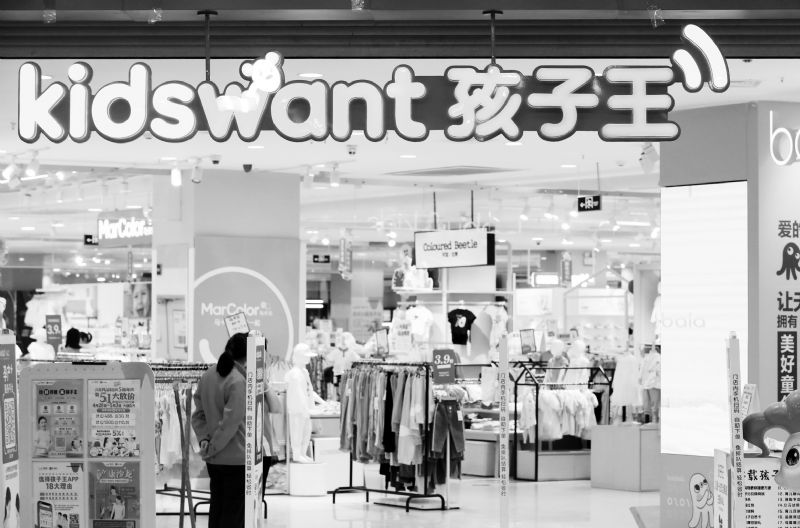
孩子王密集并购撑业绩商誉达19亿 长期借款20.44亿飙升125%拟赴港IPO
Chang Jiang Shang Bao· 2025-12-21 23:17
Core Viewpoint - The company, Kid King, is a leading player in the maternal and infant retail sector in China, initiating a Hong Kong IPO to expand its business despite facing declining profits and increasing debt due to aggressive acquisitions [2][6]. Group 1: Company Overview - Kid King ranks first in China's maternal and infant products and services market with a market share of 0.3% as of 2024, according to Frost & Sullivan [2][3]. - The company has undergone several capital market transitions, including listing on the New Third Board in 2016, delisting in 2018, and successfully launching on the ChiNext in October 2021 [3]. Group 2: Financial Performance - From 2022 to 2024, Kid King's revenue was 85.2 billion, 87.53 billion, and 93.37 billion yuan, with year-on-year growth rates of -5.84%, 2.73%, and 6.68% respectively [3]. - The net profit attributable to the parent company for the same period was 1.22 billion, 1.05 billion, and 1.81 billion yuan, with growth rates of -39.44%, -13.92%, and 72.44% respectively [4]. - In the first three quarters of 2025, the company achieved revenue of 73.49 billion yuan, an increase of 8.1% year-on-year, and a net profit of 2.09 billion yuan, up 59.29% [4]. Group 3: Business Strategy - Kid King has adopted a "three expansions" strategy: expanding product categories, business sectors, and operational formats, focusing on mergers and acquisitions to drive growth [2][6]. - The company has made significant acquisitions, including a full acquisition of the maternal and infant chain leader, Leyou International, for approximately 1.6 billion yuan, enhancing its market share to 7% [6][7]. Group 4: Operational Challenges - The company's operational efficiency has declined, with high fixed costs associated with its "large store + heavy membership service" model, leading to significant sales expenses [5]. - The number of franchise stores increased from 9 at the end of 2024 to 110 by the third quarter of 2025, but this expansion has not improved operational efficiency, as core metrics have shown a decline [5]. Group 5: Financial Risks - Kid King's goodwill value surged to 1.932 billion yuan by September 30, 2025, reflecting a 147.1% increase from the end of 2024, primarily due to the acquisition of high-value assets [7]. - The company's long-term borrowings reached 2.044 billion yuan, a 125.35% increase year-on-year, contributing to an asset-liability ratio of 64.26%, significantly higher than the retail industry average [8].