
有色金属冶炼

Search documents
有色早报-20260212
Yong An Qi Huo· 2026-02-12 02:58
| 2026/02/05 | -2419.70 | -2597.13 | 130 | -21 | 107800 | 13275 | | --- | --- | --- | --- | --- | --- | --- | | 2026/02/06 | -2443.91 | -2565.15 | 130 | -22 | 107600 | 13475 | | 2026/02/09 | -2829.45 | -3032.40 | 130 | -24 | 106925 | 12475 | | 2026/02/10 | -3144.42 | -3150.64 | 130 | -20 | 106750 | 11825 | | 2026/02/11 | -3574.97 | -3428.10 | 130 | -18 | 105250 | 10350 | | 变化 | -430.55 | -277.46 | 0 | 2 | -1500 | -1475 | 供应端,国产和进口TC加速下滑,系冬储临近国内治炼厂收货所致,预计年后北方矿复产后有所缓解;目前在硫酸、 贵金属等副产品支撑下利润上课。11月,火烧云锌锭正式投产(月产量预计 ...
金融期货早评-20260212
Nan Hua Qi Huo· 2026-02-12 02:47
1. Report Industry Investment Rating No relevant content provided. 2. Core Views of the Report - The latest price data in January 2026 in China shows a mild recovery at a low level with structural differentiation, while the non - farm data in the US in January greatly exceeded expectations, leading to an adjustment of the market's expectations for the Fed's interest rate cuts. Domestic price repair depends on the optimization of "new supply" and the unblocking of the transmission chain in the middle and lower reaches. The economic opportunities from the visit and domestic growth - stabilizing policies may lead to a valuation repair of pro - cyclical sectors [2]. - In the short term, for the RMB exchange rate, pre - holiday seasonal settlement demand may support the RMB's appreciation, but after the holiday, its endogenous appreciation power may decline, and its linkage with the US dollar index may increase [3]. - For the stock index, the Fed's interest rate cut rhythm may be postponed, putting pressure on the stock index before the holiday. After the holiday, there may be opportunities for the IC contract [7]. - For the bond market, it is recommended to be cautious before the holiday, with a small amount of medium - term long positions in T2606 and to exit the March contract at high prices [8]. - For the container shipping European line, the market is in a small - scale shock, and funds are cautious. The spot price decline has slowed down, but there are still uncertainties in the market [11][12]. - For new energy products, the spot market for lithium carbonate is trading lightly, and it is recommended to sell volatility strategies before the holiday. For industrial silicon and polysilicon, due to high inventory, it is recommended to hold a light position or be empty before the holiday [15][17]. - For non - ferrous metals, aluminum, alumina, and cast aluminum alloy may be in a shock adjustment. Copper may be weak in its rebound, zinc may be in a shock, nickel - stainless steel may be affected by quota disturbances, tin may be adjusted in a wide - range shock, and lead may fluctuate weakly [20][26][28]. - For oilseeds and fats, for oilseeds, there are few unilateral opportunities, and it is recommended to pay attention to reverse arbitrage opportunities. For fats, the domestic market has limited driving forces and is expected to be in a shock before the holiday [31][33]. - For energy and oil and gas, for fuel oil and low - sulfur fuel oil, due to geopolitical uncertainties, it is recommended to control positions before the holiday. For asphalt, its price may follow the cost - end crude oil, and there may be a decline after the holiday [35][37][39]. - For precious metals, for platinum and palladium, the long - term bull market foundation still exists, and it is recommended to buy in steps at low prices and control positions. For gold and silver, the long - term upward trend remains, and it is recommended to reduce or empty positions before the holiday [43][45]. - For chemical products, for pulp and offset paper, it is recommended to conduct range trading. For pure benzene - styrene, pay attention to cost - end fluctuations. For LPG, pay attention to geopolitical uncertainties. For PTA - PX, it is advisable to buy at low prices. For MEG - bottle chips, it is expected to fluctuate in a wide range. For methanol, it is recommended to be empty before the holiday. For plastics and PP, the short - term driving force is limited, and it is expected to be in a shock before the holiday. For rubber, it is recommended to hold a light position before the long holiday, and it is expected to be in a range - bound shock. For urea, it is recommended to be empty before the holiday. For glass and soda ash, it is recommended to wait and see before the holiday. For propylene, pay attention to cost and risk [51][54][57][62][65][67][69][80][82][83][86]. - For black products, for rebar and hot - rolled coils, the price may be in a weak shock. For iron ore, it is advisable to wait and see cautiously before the holiday. For coking coal and coke, pay attention to the resumption rhythm after the holiday. For ferrosilicon and ferromanganese, they are in a bottom - shock state [88][91][94][95]. - For agricultural and soft commodities, for live pigs, it is recommended to go long on the 05 contract. For cotton, it is expected to be in a shock in the short term. For sugar, the upward space is limited. For eggs, the main contract is expected to decline in a shock. For rubber, it is recommended to hold a light position before the long holiday and is expected to be in a range - bound shock. For apples, the short - term demand weakens, but the decline space is limited. For red dates, the short - term price may be in a low - level shock, and the long - term price is under pressure. For logs, it is recommended to wait and see [99][100][103][104][111][113][114][116]. 3. Summaries According to Relevant Catalogs Financial Futures - **Macro**: China's CPI and PPI data in January 2026 showed a mild recovery at a low level. The US non - farm data in January was strong, affecting the market's expectations for the Fed's interest rate cuts. Indonesia plans to cut the output of the world's largest nickel mine by 70%, and the US Congressional Budget Office expects the 2026 deficit to be $1.9 trillion [1]. - **RMB Exchange Rate**: The US non - farm report in January was strong, delaying the market's expectations for the Fed's first interest rate cut. The RMB exchange rate was under the central bank's regulation and maintained a mild appreciation. Pre - holiday seasonal settlement demand may support the RMB's appreciation, but after the holiday, its endogenous appreciation power may decline [3]. - **Stock Index**: The Fed's interest rate cut rhythm may be postponed, putting pressure on the stock index before the holiday. After the holiday, there may be opportunities for the IC contract [7]. - **Treasury Bond**: It is recommended to be cautious before the holiday, with a small amount of medium - term long positions in T2606 and to exit the March contract at high prices [8]. - **Container Shipping European Line**: The market is in a small - scale shock, and funds are cautious. The spot price decline has slowed down, but there are still uncertainties in the market [11][12]. Commodities New Energy - **Lithium Carbonate**: The spot market is trading lightly. The downstream pre - holiday stocking is basically over, and the supply - demand pattern has not changed significantly. It is recommended to sell volatility strategies before the holiday [15]. - **Industrial Silicon and Polysilicon**: The market is in a wide - range shock. Due to high inventory, it is recommended to hold a light position or be empty before the holiday [16][17]. Non - Ferrous Metals - **Aluminum Industry Chain**: The non - farm data in the US was better than expected, reducing the probability of interest rate cuts. The fundamentals of aluminum have not changed much, and it may be in a shock adjustment. Alumina is expected to be weak in the long - term, and cast aluminum alloy may follow aluminum [20]. - **Copper**: The probability of a March interest rate cut has decreased, and the copper price's rebound is weak. It is recommended to hold a light position or wait and see before the holiday [20][23]. - **Zinc**: It follows the sector's adjustment, and the non - farm data suppresses the price. It is expected to be in a wide - range shock [26]. - **Nickel - Stainless Steel**: It is affected by quota disturbances. The market is in a supply - demand double - weak situation, and it is necessary to pay attention to the risk of capital withdrawal before the holiday [27][28]. - **Tin**: Its price is mainly driven by the macro situation and is expected to be in a wide - range shock adjustment [29][30]. - **Lead**: It follows the sector's fluctuation and is expected to be in a weak shock [30]. Oilseeds and Fats - **Oilseeds**: The external market of US soybeans is strong in the short - term, and the domestic soybean meal may rebound in the short - term but may be restricted by new supplies in the long - term. There are few unilateral opportunities, and it is recommended to pay attention to reverse arbitrage opportunities [31]. - **Fats**: The domestic market has limited driving forces. The palm oil market needs to observe the de - stocking process, the soybean oil has support from policies, and the rapeseed oil supply is loose. It is expected to be in a shock before the holiday [32][33]. Energy and Oil and Gas - **Fuel Oil**: It opened high and went high. The supply of high - sulfur fuel oil is being repaired, and the demand is weak in some areas. The logic is mainly related to geopolitics, and it is recommended to control positions before the holiday [35]. - **Low - Sulfur Fuel Oil**: The cost has increased, and it opened high and went high. The supply is relatively abundant in the short - term, the demand is stable, and the inventory has decreased. It is recommended to control positions before the holiday [36][37]. - **Asphalt**: Its price increase is weak. The demand has reached the freezing point before the holiday, and it may follow the cost - end crude oil. There may be a decline after the holiday [38][39]. Precious Metals - **Platinum and Palladium**: The long - term bull market foundation still exists. It is recommended to buy in steps at low prices and control positions. Pay attention to the impact of Fed officials' speeches and relevant events [43]. - **Gold and Silver**: The long - term upward trend remains, but the short - term operation is difficult. It is recommended to reduce or empty positions before the holiday [45]. Chemical Products - **Pulp - Offset Paper**: The pulp market is relatively neutral, and the offset paper futures may be in a range - bound shock. It is recommended to conduct range trading [51][52]. - **Pure Benzene - Styrene**: Pay attention to cost - end fluctuations. The supply of pure benzene increases, and the demand is flat. The supply of styrene will increase in February, and the demand will decrease during the Spring Festival [54][55]. - **LPG**: There are still uncertainties in geopolitics. The supply is neutral - low, and the demand is at a low level. It is necessary to pay attention to risk management before the holiday [56][57]. - **PTA - PX**: It benefits from the good supply - demand structure of PX. The first quarter may see inventory accumulation, and the second quarter may be in short supply. It is advisable to buy at low prices [59][62]. - **MEG - Bottle Chips**: The demand is seasonally weak, and the supply - demand balance has improved. It is expected to fluctuate in a wide range, and pay attention to geopolitical risks [63][65]. - **Methanol**: It follows geopolitics and non - ferrous metals. It is recommended to be empty before the holiday [66][67]. - **Plastics and PP**: The short - term driving force is limited. PE has a pattern of increasing supply and decreasing demand, and PP has limited supply pressure in the short - term. It is expected to be in a shock before the holiday [68][69]. - **Rubber**: It rose and then fell, with synthetic rubber leading the decline. The fundamentals have both support and pressure, and it is recommended to hold a light position before the long holiday and is expected to be in a range - bound shock [72][80]. - **Urea**: It is in a stage of over - supply due to new capacity release. The 05 contract may have a price increase expectation, but it is recommended to exit long positions and be empty before the holiday [81][82]. - **Glass and Soda Ash**: For soda ash, the demand is expected to weaken, and it is in a weak shock. For glass, there may be concentrated cold repairs before the Spring Festival, and it is recommended to wait and see before the holiday [83][84]. - **Propylene**: The fundamentals still have support, but the cost has uncertainties. Pay attention to cost, supply - demand, and risk [85][86]. Black Products - **Rebar and Hot - Rolled Coils**: The price may be in a weak shock. The supply is relatively strong compared to the demand, and the inventory is accumulating. The price may test the lower limit of the shock range [88][89]. - **Iron Ore**: The overall supply - demand is weak, and the iron water is expected to rise. It is advisable to wait and see cautiously before the holiday [90][91]. - **Coking Coal and Coke**: There are many disturbances in the overseas market, and the domestic driving force is insufficient. Pay attention to the resumption rhythm after the holiday [92][94]. - **Ferrosilicon and Ferromanganese**: They are in a bottom - shock state. The cost provides support, but the downstream inventory accumulation and high inventory of ferromanganese put pressure on the price [95]. Agricultural and Soft Commodities - **Live Pigs**: The futures price has rebounded, and it is recommended to go long on the 05 contract [98][99]. - **Cotton**: It is expected to be in a shock in the short term. The supply - demand is in a tight - balance state, and the external - internal cotton price difference restricts the upward space [99][100]. - **Sugar**: The international raw sugar price is weak, and the domestic sugar's upward space is limited [101][103]. - **Eggs**: The main contract is expected to decline in a shock. The pre - holiday demand has weakened, and the supply is sufficient [104]. - **Rubber**: It rose and then fell, with synthetic rubber leading the decline. The fundamentals have both support and pressure, and it is recommended to hold a light position before the long holiday and is expected to be in a range - bound shock [104][111]. - **Apples**: The pre - holiday stocking is basically over, and the short - term demand weakens, but the decline space is limited [112][113]. - **Red Dates**: The short - term price may be in a low - level shock, and the long - term price is under pressure due to sufficient supply [114]. - **Logs**: The liquidity is insufficient, and the industry is optimistic about the post - holiday market. It is recommended to wait and see [115][116].
20260212申万期货有色金属基差日报-20260212
Shen Yin Wan Guo Qi Huo· 2026-02-12 02:45
20260212申万期货有色金属基差日报 | 品种 | 观点 | | --- | --- | | 铜 | 铜:夜盘铜价震荡整理。精矿供应延续紧张状态,冶炼利润处于盈亏边缘,冶炼产量虽环 比回落,但总体延续高增长。国家统计局数据显示,电力投资稳定;汽车产销正增长;家 电排产负增长;地产持续疲弱。铜价短期可能进入调整阶段。关注美元、铜冶炼产量和下 | | | 游需求等变化。 | | 锌 | 锌:夜盘锌价震荡整理。锌精矿加工费回落,精矿供应阶段性紧张,冶炼产量延续增长。 中钢协统计的镀锌板库存总体高位。基建投资累计增速趋缓,汽车产销正增长;家电排产 负增长;地产持续疲弱。锌价可能跟随有色整体走势。建议关注美元、冶炼产量和下游需 | | | 求等变化。 | | 品种 | 国内前日期货 收盘价 | 国内基差 | 前日LME3月 期收盘价 | LME现货升贴水 (CASH-3M) | LME库存 | LME库存日 度变化 | | --- | --- | --- | --- | --- | --- | --- | | | (元/吨) | (元/吨) | (美元/吨) | (美元/吨) | (吨) | (吨) | | 铜 | ...
降息降准可期,物价乍暖还寒
泽平宏观· 2026-02-11 16:07
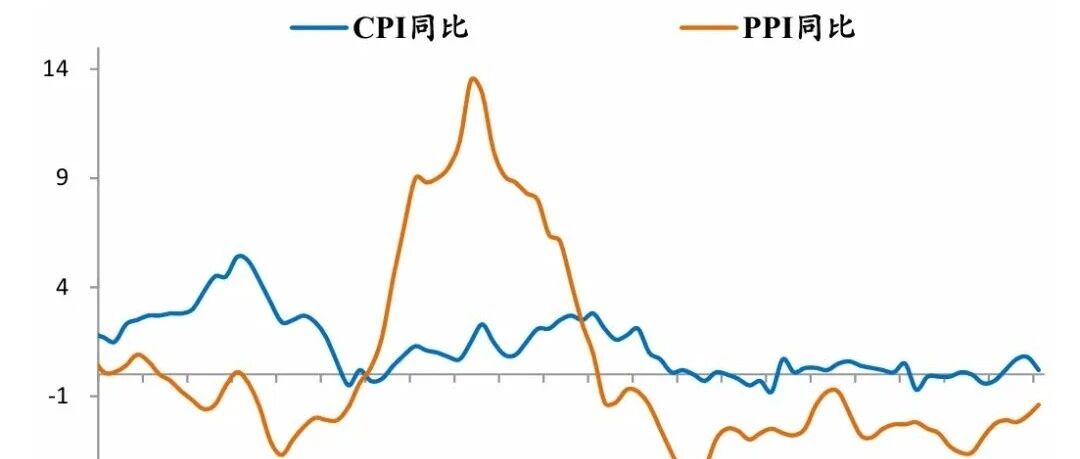
Core Viewpoint - The article discusses the marginal improvement in domestic prices as of January 2025, driven by input factors and anti-involution policies, while still remaining at low levels. It anticipates the potential for expanding domestic demand and monetary easing measures [1][9]. Group 1: CPI Analysis - In January, the CPI increased by 0.2% year-on-year, a decrease of 0.6 percentage points from the previous month, influenced by last year's high base and weak domestic demand [5][10]. - Food prices fell by 0.7% year-on-year, with pork prices down 13.7%, indicating a significant decline in demand [5][10]. - Core CPI rose by 0.8% year-on-year, but this was a decrease of 0.4 percentage points from the previous month, reflecting weak service price growth [12]. Group 2: PPI Analysis - The PPI decreased by 1.4% year-on-year in January, but the decline was less severe than in December, indicating a narrowing of the drop [6][21]. - Input factors have led to price increases in upstream industries, particularly in non-ferrous metals, while downstream sectors remain weak due to insufficient demand [21][24]. - The PPI is expected to recover more significantly, driven by anti-involution policies and geopolitical factors affecting commodity prices [8][21]. Group 3: Future Outlook - The article forecasts a moderate recovery in prices, supported by policies such as the "old-for-new" consumption incentive, adjustments in pig production capacity, and international gold price trends [8][9]. - The central bank's monetary policy is expected to remain accommodative, with potential for interest rate cuts and reserve requirement ratio reductions to stimulate demand [27][30]. - The overall economic environment is characterized by a strong supply but weak demand, necessitating continued efforts to stabilize market expectations and enhance domestic momentum [30][31]. Group 4: Pig Cycle Analysis - The pig price in January showed a year-on-year decline of 13.7%, but the rate of decline has narrowed, indicating a potential bottoming out of the cycle [16][17]. - The current pig cycle is still in a downward trend, with production capacity adjustments beginning but not yet sufficient to drive a significant price recovery [16][17]. - The industry is experiencing increased concentration, which may lead to reduced price volatility in future cycles compared to traditional patterns [18]. Group 5: Monetary Policy Insights - The central bank's Q4 report emphasizes the need for a flexible and effective monetary policy, with a focus on using tools like interest rate cuts to support economic recovery [27][30]. - There is a notable increase in household deposits moving towards wealth management products, indicating a shift in investment preferences that could impact bank liquidity [29][35]. - Loan interest rates continue to decline, with the weighted average rate at 3.15%, reflecting ongoing efforts to lower financing costs for the economy [29][36]. Group 6: Exchange Rate Dynamics - The RMB has strengthened, reaching a midpoint of 6.91 against the USD, creating a favorable environment for capital inflows and policy flexibility [38]. - The anticipated easing of US monetary policy may further enhance China's economic positioning and open up additional policy space [38].

有色金属日报-20260211
Guo Tou Qi Huo· 2026-02-11 13:21
1. Report Industry Investment Ratings - Copper: Not clearly defined, represented by 'なな女' [1] - Aluminum: Not clearly defined, represented by 'なな☆' and 'ななな' [1] - Alumina: Not clearly defined, represented by 'ななな' [1] - Cast Aluminum Alloy: Not clearly defined, represented by '文文文' [1] - Zinc: Not clearly defined, represented by 'な☆☆' [1] - Nickel and Stainless Steel: Not clearly defined, represented by '立☆☆' [1] - Tin: Not clearly defined, represented by 'な女女' [1] - Lithium Carbonate: Not clearly defined, represented by 'ななな' [1] - Industrial Silicon: Not clearly defined, represented by 'なな☆' [1] - Polysilicon: Not clearly defined, represented by 'な女女' [1] 2. Core Views - The copper market continues to have a narrow - range shock, and it is advisable to continue the reverse arbitrage idea. The post - holiday seasonal inventory accumulation may first pressure the price and then the price may rise again based on the demand expectations [2]. - The aluminum market has a weak fundamental situation, with inventory performance significantly weaker than in previous years. There is still adjustment pressure around the Spring Festival. The cast aluminum alloy follows the aluminum price fluctuations but has weak follow - up ability. The alumina market has a reduced operating capacity and production, but the oversupply prospect remains unchanged [3]. - The zinc market has a short - term structural contradiction, with the external market being strong and the export window about to open, which eases the downward pressure on Shanghai zinc. The market is waiting for the guidance of non - farm data [4]. - The nickel and stainless - steel market has a rebound in nickel prices but weak trading. The social inventory continues to increase, and the market is mainly driven by policy sentiment [7]. - The tin market continues to rebound with the upper resistance at the MA20 moving average. Attention should be paid to the post - holiday supply and consumption trends [8]. - The lithium carbonate market has a rebound but weak trading. The inventory structure has changed, and there is a high inventory in the mid - stream. The short - term uncertainty is high [9]. - The industrial silicon market price weakens after breaking through 8400 yuan/ton. The supply is in a phased contraction, and the demand from downstream industries is expected to decline. The price is expected to continue a weak trend [10]. - The polysilicon market has a slight increase in futures prices with narrowed fluctuations. The production decreases, and the market is expected to have a slight de - stocking. The price is expected to continue an oscillating trend [11]. 3. Summaries by Related Catalogs Copper - The Shanghai copper has had a narrow - range shock for three consecutive trading days, and the 0 - 1 month spread has expanded to 440 yuan. It is recommended to follow the reverse arbitrage idea. The post - holiday seasonal inventory accumulation may first pressure the price and then it may rise again based on demand expectations [2] Aluminum & Alumina & Aluminum Alloy - The Shanghai aluminum oscillates. The spot premiums and discounts in East China, Central China, and Foshan are - 190 yuan, - 290 yuan, and - 40 yuan respectively. The aluminum bar processing fee is less than 100 yuan. The inventory is significantly weaker than in previous years, and there is adjustment pressure around the Spring Festival. The cast aluminum alloy follows the aluminum price but has weak follow - up ability. The domestic alumina operating capacity drops to around 9400 yuan, with a phased production decline, but the oversupply situation remains unchanged [3] Zinc - The SMM zinc average price is 24460 yuan/ton, with a real - time premium of 20 yuan/ton to the near - month contract. The spot trading is light. There is a short - term structural contradiction, the external market is strong, and the zinc ingot export window is about to open, which eases the downward pressure on Shanghai zinc. The market is waiting for the guidance of non - farm data [4] Aluminum - The aluminum price is at a low level. The production cuts of primary and recycled aluminum smelters increase, and most downstream enterprises are on holiday. The spot market shows a situation of double - decline in supply and demand. The SMM1 aluminum average price is 16575 yuan/ton, and the discount to the near - month contract narrows to 35 yuan/ton. The overseas aluminum ingots are in surplus, and the import window remains open. The Shanghai aluminum is expected to oscillate at a low level within the price range of 16,500 - 17,800 yuan/ton [6] Nickel and Stainless Steel - The Shanghai nickel rebounds, but the market trading is light. The news about the Indonesian quota causes speculation. The social inventory of nickel and stainless steel continues to increase. The market confidence declines, and the transaction is light. The pure nickel inventory increases by 3000 tons to 73,000 tons, and the stainless steel inventory increases by 15,000 tons to 869,000 tons. The market is in a pre - festival state, waiting for a clear situation [7] Tin - The Shanghai tin continues to rebound, with the upper resistance at the MA20 moving average. The overseas LME tin inventory continues to increase, and the LME spot discount is 159 US dollars. Attention should be paid to the post - holiday supply trend and peak - season consumption rhythm [8] Lithium Carbonate - The lithium carbonate rebounds, but the market trading is light. A large number of hedging positions have been closed during the rapid price increase. The total market inventory decreases by 2000 tons to 105,000 tons. The short - term uncertainty is high [9] Industrial Silicon - The industrial silicon price weakens after breaking through 8400 yuan/ton. The supply has a phased contraction, but there is a复产 expectation after the festival. The downstream polysilicon is expected to reduce production by more than 20,000 tons, and the organic silicon may reduce the demand for industrial silicon by about 90,000 tons if the emission reduction target is implemented. The December export volume is 59,000 tons, with a month - on - month increase of 8%. The social inventory rises to 562,000 tons, with a weekly increase of 8000 tons. The price is expected to continue a weak trend [10] Polysilicon - The polysilicon futures rise slightly, and the market fluctuations narrow. The industry's fully - cost - inclusive tax for silicon materials is about 54,125 yuan/ton. The February production decreases by more than 20% month - on - month, and the downstream silicon wafer production is expected to decrease by 3%. The market is expected to have a slight de - stocking. The latest silicon material manufacturer inventory is 341,000 tons, with a month - on - month increase of 8000 tons. The price is expected to continue an oscillating trend [11]
最新公布!CPI统计口径调整,新增洗碗机、医美服务等新消费分类
券商中国· 2026-02-11 06:18
Core Viewpoint - The article discusses the release of the Consumer Price Index (CPI) and Producer Price Index (PPI) data by the National Bureau of Statistics, marking the first data release based on the new 2025 benchmark, indicating a slight impact on the indices due to the benchmark rotation [1][3]. CPI Summary - In January, the CPI increased by 0.2% month-on-month and year-on-year, with core CPI (excluding food and energy) showing a moderate increase [2][6]. - The CPI's year-on-year growth was affected by the Spring Festival's timing and international oil price fluctuations, with food prices decreasing by 0.7%, impacting the CPI by approximately 0.11 percentage points [6][7]. - The core CPI rose by 0.8% year-on-year, indicating a continued recovery in consumer demand [7]. PPI Summary - The PPI rose by 0.4% month-on-month, marking the fourth consecutive month of increase, while the year-on-year decline narrowed to 1.4% [2][8]. - The increase in PPI is attributed to the ongoing construction of a unified national market, which has led to price increases in certain industries, such as cement and lithium-ion battery manufacturing [8][9]. - Input factors have caused price divergence in the non-ferrous metals and petroleum-related industries, with international metal prices driving domestic price increases [9]. Benchmark Rotation Changes - The benchmark rotation introduced new categories and adjusted weights to better reflect current consumption patterns, with the CPI's service weight increasing and consumer goods weight decreasing [3][5]. - New categories include housing security equipment, elderly products, dishwashers, and internet medical services, expanding the coverage of new economic sectors [3][4]. - The number of survey points for CPI has increased to approximately 120,000, covering around 620,000 specifications, enhancing the data collection process [3][4].

金融期货早评-20260211
Nan Hua Qi Huo· 2026-02-11 02:53
金融期货早评 【风险提示】海外经济数据超预期、特朗普政策超预期 重要声明:以上内容及观点仅供参考,不构成任何投资建议 宏观:人民币汇率升至 6.90 【市场资讯】1)央行发布 2025 年第四季度中国货币政策执行报告:继续实施好适度宽松 的货币政策。2)芝商所:计划于今年夏季开始推出个股期货。3)日本政府将于 2 月 18 日召开特别国会,举行首相指名选举。4)ADP 报告:截至 1 月 24 日的四周内,美国私营 部门就业人数平均每周增长 6500 人。5)美国 12 月零售销售月率录得 0%,低于预测中值 0.4%,前值 0.60%。6)美联储——①哈玛克:经济前景向好,通胀仍然偏高,今年无迫切 降息必要。②洛根:对当前利率政策的效果持"谨慎乐观"态度,更为担忧通胀问题。 【核心研判与传导逻辑】当前,国内宏观政策正以协同发力为核心导向,为经济发展保驾 护航。货币政策锚定宏观政策一致性,与财政政策形成深度协同,具体通过三重路径推进: 一是公开市场操作支持政府债券发行,二是"再贷款+财政贴息"优化资源配置,三是担保增 信分担风险成本,提升金融机构对企业的融资支持力度。同时,央行在货币政策执行报告 中重提引导短 ...
东吴证券晨会纪要2026-02-11-20260211
Soochow Securities· 2026-02-11 02:46
Macro Strategy - The core viewpoint indicates that recent liquidity shocks in overseas markets, driven by concerns over the AI software bubble and subsequent momentum selling, have led to significant volatility in equities, commodities, and cryptocurrencies. It suggests that some assets may have been "wrongly killed" due to these liquidity shocks, as the macroeconomic fundamentals and broad liquidity environment have not changed significantly [1][13] - The report anticipates that the upcoming U.S. non-farm employment and CPI data for January may present upward risks, potentially reversing the slight increase in expectations for Federal Reserve rate cuts observed this week [1][13] Financial Products - The report highlights that overseas market liquidity shows signs of stabilization, which may improve market sentiment. It predicts a positive outlook for the A-share market in February, with a historical probability of 78.57% for an increase following a macro timing model score of 0 [1][16] - Fund allocation recommendations suggest a balanced ETF configuration due to expected short-term market fluctuations, with a focus on sectors like chemicals and electric grid equipment, which continue to see increasing fund sizes [1][16] Commodity Market - The report discusses the impact of liquidity shocks on commodity prices, noting that certain commodities, which rely on supply-demand improvements, have been "wrongly hurt" but may return to fundamental pricing logic as market conditions stabilize [2][17] - It emphasizes that the recent volatility in silver and other precious metals indicates a potential end to the liquidity shock, with silver becoming a key indicator of market sentiment [2][17] Environmental Industry - The report stresses the importance of advancing the national carbon market and outlines investment recommendations in clean energy, energy conservation, and recycling sectors. It highlights specific companies such as Longjing Environmental and others involved in renewable energy and waste management [6][10] Non-Banking Financial Sector - The report notes a recovery in the IPO and refinancing market, with significant year-on-year growth in both areas. It indicates that the capital market reforms and increased market activity are expected to benefit brokerage firms' investment banking revenues [9] AI Industry and Bond Financing - The report focuses on the AI industry, highlighting the need for a diversified financing system to support technology companies, particularly private firms with high growth potential. It reviews case studies of leading tech companies' bond financing paths to assess the feasibility of similar strategies in China [4]

宏观金融类:文字早评2026/02/11-20260211
Wu Kuang Qi Huo· 2026-02-11 02:45
Report Summary 1. Investment Rating The report does not provide an overall investment rating for the industries. 2. Core Views - **Macro - financial**: In the short - term, the divergence in US monetary policy expectations and the approaching Chinese Spring Festival have affected the market. But in the long - term, policy support for the capital market remains unchanged. For stocks, it is recommended to buy on dips; for bonds, the market is expected to continue to fluctuate; for precious metals, maintain a wait - and - see attitude [4][6][9]. - **Non - ferrous metals**: Most non - ferrous metals are expected to fluctuate. Factors such as policy expectations, supply and demand, and inventory levels affect their prices. For example, copper is affected by reserve policies and supply - demand patterns; aluminum is supported by low LME inventory; zinc may be affected by macro sentiment; lead's price stability depends on post - holiday downstream restocking; nickel is under fundamental pressure; tin has supply - demand marginal relaxation; lithium carbonate has uncertain supply - demand after the holiday; alumina is affected by mine strikes and supply overcapacity; stainless steel is supported by fundamentals; and cast aluminum alloy is supported by cost and supply - side factors [12][14][17][18][20][21][22][24][26][28]. - **Black building materials**: The black building materials sector is in a bottom - game stage with multiple factors. Steel products are affected by domestic real - estate policies and overseas monetary policies, and are expected to fluctuate weakly. Iron ore is expected to fluctuate weakly due to supply and demand and inventory factors. Coking coal and coke may face short - term price pressure and potential long - term upward trends. Glass and soda ash are expected to continue to fluctuate, with glass lacking demand support and soda ash having weak demand. Manganese - silicon and silicon - iron are affected by market sentiment and cost factors. Industrial silicon and polysilicon are in a supply - demand double - weak situation [31][33][36][37][40][42][45][49][51]. - **Energy and chemicals**: For rubber, it is recommended to reduce risks before the Spring Festival. Crude oil should be taken profit at high prices and mid - term layout should be the main strategy. Methanol should be observed in the short - term. Urea should be short - sold. For pure benzene and styrene, profits can be gradually taken. PVC has a poor fundamental situation. Ethylene glycol has a high inventory pressure. PTA and p - xylene have good mid - term prospects. Polyethylene and polypropylene are affected by supply and demand and cost factors [56][58][61][63][65][68][70][73][75]. - **Agricultural products**: For live pigs, short - term selling on rebounds is recommended, while long - term support should be noted. For eggs, short - term short - selling is recommended, and the long - term situation depends on capacity reduction. For soybean and rapeseed meal, prices are expected to fluctuate. For oils and fats, mid - term bullishness is expected, and buying on dips is recommended. For sugar, wait for the international price to rebound after the northern hemisphere's harvest. For cotton, there is potential for long - term price increase, and low - buying opportunities before the Spring Festival should be considered [83][85][88][90][94][97]. 3. Summary by Industry Macro - financial - **Stock Index** - **Market Information**: The central bank will continue the moderately loose monetary policy. SMC's Q4 revenue increased by 4.5% quarter - on - quarter, with a gross margin of 19.2% and a capacity utilization rate of 95.7%. Byte released a new image - generation model. The National Development and Reform Commission promotes the integration of bidding and AI [2]. - **Strategy**: Due to the divergence in US monetary policy expectations and the approaching Spring Festival, the market risk appetite is suppressed. In the long - term, policy support remains, so the strategy is to buy on dips [4]. - **Treasury Bonds** - **Market Information**: On Tuesday, the main contracts of TL, T, TF, and TS had different changes. The central bank will continue the moderately loose monetary policy and conducted a net injection of 2059 billion yuan through reverse repurchase [5]. - **Strategy**: The central bank's policy indicates a loose capital situation. However, the economic recovery foundation is not solid, and the demand is weak. The bond market is expected to continue to fluctuate [6]. - **Precious Metals** - **Market Information**: Gold and silver prices in domestic and international markets declined. The inflation expectations in the US decreased, and the retail sales were stagnant. COMEX silver inventory decreased [7][8]. - **Strategy**: The market sentiment is cautious, and prices are expected to fluctuate. Fundamentals support the price of gold, and the tight inventory supports the near - month price of silver. It is recommended to wait and see [9]. Non - ferrous metals - **Copper** - **Market Information**: US retail sales data affected copper prices. LME and domestic copper inventories changed, and the import was at a loss [11]. - **Strategy**: Policies and economic data support the sentiment. The supply of copper ore is tight, but the short - term supply is sufficient. Copper prices are expected to fluctuate [12]. - **Aluminum** - **Market Information**: The market volatility decreased before the holiday. Aluminum prices adjusted due to production cuts in Mozambique. Domestic and LME aluminum inventories changed [13]. - **Strategy**: Domestic inventory accumulates, but LME inventory is low. Aluminum prices are expected to fluctuate [14]. - **Zinc** - **Market Information**: The prices of zinc futures and spot changed. The inventory increased, and the import was at a loss [15][16]. - **Strategy**: The inventory accumulation of zinc ore slows down, and the domestic zinc ingot inventory accumulates. The industry is weak, but macro sentiment may drive the price up [17]. - **Lead** - **Market Information**: The prices of lead futures and spot changed. The inventory increased, and the import had a profit [18]. - **Strategy**: The lead ore inventory is high, and the smelter's operating rate decreases seasonally. The price stability depends on post - holiday restocking [18]. - **Nickel** - **Market Information**: Nickel prices declined slightly. The spot premium and cost remained stable [19]. - **Strategy**: There is a short - term rebound demand, but the fundamentals are under pressure. Nickel prices are expected to fluctuate widely [20]. - **Tin** - **Market Information**: Tin prices fluctuated narrowly. The supply was restricted by raw materials, and the demand was weak [21]. - **Strategy**: Tin prices may rebound with precious metals, but the short - term supply - demand is loose. It is recommended to wait and see [21]. - **Lithium Carbonate** - **Market Information**: The spot and futures prices of lithium carbonate increased slightly [22]. - **Strategy**: The pre - holiday capital is cautious. The future supply - demand is uncertain. Lithium prices are expected to fluctuate within a range [22]. - **Alumina** - **Market Information**: The alumina index declined. The basis and inventory changed [23]. - **Strategy**: The mine strike in Guinea needs attention, and the supply overcapacity persists. It is recommended to wait and see [24]. - **Stainless Steel** - **Market Information**: The price of stainless - steel futures increased slightly. The spot price remained stable, and the inventory increased [26]. - **Strategy**: The supply pressure is controllable, and the fundamentals are supported. It is recommended to buy on dips [26]. - **Cast Aluminum Alloy** - **Market Information**: The price of cast aluminum alloy futures declined slightly. The inventory decreased [27]. - **Strategy**: The cost increases, and the supply - side factors support the price [28]. Black building materials - **Steel** - **Market Information**: The prices of rebar and hot - rolled coil futures declined. The inventory and position changed [30]. - **Strategy**: The market is in a bottom - game stage, affected by domestic and overseas factors. Steel prices are expected to fluctuate weakly [31]. - **Iron Ore** - **Market Information**: The price of iron - ore futures remained unchanged. The spot price and basis were reported [32]. - **Strategy**: The overseas shipment decreased, the demand was affected by equipment failure, and the inventory was high. Iron - ore prices are expected to fluctuate weakly [33]. - **Coking Coal and Coke** - **Market Information**: The prices of coking coal and coke futures declined. The spot prices and basis were reported [34]. - **Strategy**: Overseas coal disturbances affect sentiment, and the short - term price upward drive is weak. There may be a long - term upward trend, but beware of post - holiday price corrections [36][37][39]. - **Glass and Soda Ash** - **Market Information**: The prices of glass and soda ash futures declined. The inventory and position changed [40][41]. - **Strategy**: Glass lacks demand support, and soda ash has weak demand. Both are expected to continue to fluctuate [40][42]. - **Manganese - silicon and Silicon - iron** - **Market Information**: The price of manganese - silicon futures increased slightly, and that of silicon - iron futures decreased slightly [43]. - **Strategy**: The market sentiment and cost factors affect the prices. Pay attention to potential cost - driven events [44][45]. - **Industrial Silicon and Polysilicon** - **Market Information**: The prices of industrial silicon and polysilicon futures declined. The supply and demand changed [46][50]. - **Strategy**: Both are in a supply - demand double - weak situation. Industrial silicon prices are expected to fluctuate weakly, and polysilicon prices are expected to fluctuate [49][51]. Energy and chemicals - **Rubber** - **Market Information**: Rubber prices followed the market to rebound. The tire - enterprise operating rate decreased, and the inventory increased [53][54]. - **Strategy**: Reduce risks before the Spring Festival. Trade short - term on the disk and set stop - losses [56]. - **Crude Oil** - **Market Information**: The prices of crude - oil and refined - oil futures increased. The inventory of crude oil and refined oil changed [57]. - **Strategy**: Take profit at high prices and focus on mid - term layout [58]. - **Methanol** - **Market Information**: The regional spot and futures prices of methanol changed slightly [59]. - **Strategy**: The current price has factored in many negative factors. Observe in the short - term [61]. - **Urea** - **Market Information**: The regional spot and futures prices of urea changed [62]. - **Strategy**: The import window is open, and the fundamentals are bearish. Short - sell [63]. - **Pure Benzene and Styrene** - **Market Information**: The prices of pure benzene and styrene changed. The supply, demand, and inventory changed [64]. - **Strategy**: The non - integrated profit of styrene has been repaired. Gradually take profits [65]. - **PVC** - **Market Information**: The price of PVC futures declined. The cost, supply, demand, and inventory changed [66][67]. - **Strategy**: The fundamentals are poor, with strong supply and weak demand. Pay attention to the changes in capacity and operation [68]. - **Ethylene Glycol** - **Market Information**: The price of ethylene - glycol futures declined. The supply, demand, and inventory changed [69]. - **Strategy**: The inventory pressure is high, and there is a need for production reduction. There is a risk of rebound [70]. - **PTA** - **Market Information**: The price of PTA futures increased. The supply, demand, and inventory changed [71]. - **Strategy**: Enter the inventory - accumulation stage during the Spring Festival. Pay attention to mid - term buying opportunities [73]. - **p - Xylene** - **Market Information**: The price of p - xylene futures increased. The supply, demand, and inventory changed [74]. - **Strategy**: The inventory is expected to increase before the maintenance season. Pay attention to mid - term buying opportunities following crude oil [75]. - **Polyethylene (PE) and Polypropylene (PP)** - **Market Information**: The prices of PE and PP futures increased. The supply, demand, and inventory changed [76][78]. - **Strategy**: PE's valuation has room to decline, and PP's price may bottom out. For PP, buy on dips for the 5 - 9 spread [77][80]. Agricultural products - **Live Pigs** - **Market Information**: The domestic pig prices continued to decline [82]. - **Strategy**: Short - term selling on rebounds, and note the long - term support [83]. - **Eggs** - **Market Information**: The national egg prices were mostly stable with a few declines [84]. - **Strategy**: Short - term short - selling, and the long - term depends on capacity reduction [85]. - **Soybean and Rapeseed Meal** - **Market Information**: The prices of soybean and rapeseed meal futures increased slightly. The supply and demand situation changed [86][87]. - **Strategy**: The prices are expected to fluctuate [88]. - **Oils and Fats** - **Market Information**: The prices of oil futures declined. The supply, demand, and inventory changed [89][90]. - **Strategy**: Mid - term bullish, buy on dips [90]. - **Sugar** - **Market Information**: The price of sugar futures increased slightly. The supply and demand situation changed [91][93]. - **Strategy**: Wait for the international price to rebound after the northern hemisphere's harvest. Observe domestically [94]. - **Cotton** - **Market Information**: The price of cotton futures increased slightly. The supply, demand, and inventory changed [95][96]. - **Strategy**: Short - term high - level fluctuations, long - term potential for increase. Look for low - buying opportunities before the Spring Festival [97].
【人民日报】向新向优 点燃发展引擎
Ren Min Ri Bao· 2026-02-11 00:29
Group 1 - The development of new quality productivity is emphasized as an internal requirement and important focus for promoting high-quality development in China [1] - Various regions and departments are strategically positioning themselves to develop new quality productivity based on local resources, industrial foundations, and research conditions [1] Group 2 - The transformation of old factory buildings into modern national laboratories in Beijing's Changping District showcases a collaboration between local government and Tsinghua University, integrating over 14 national key laboratories [2] - The Changping National Key Laboratory Base is designed to support collaborative scientific research and innovation, with facilities tailored to the needs of various research teams [2] Group 3 - A new research institute, the Beijing Tsinghua Frontier Interdisciplinary Innovation Research Institute, is set to enhance the efficiency of the entire chain from basic research to technology transfer, fostering deep cooperation with leading enterprises [3] - In 2025, Tsinghua's team registered 12 companies in Changping, prioritizing the transformation of scientific achievements in the region [3] Group 4 - Digital technology is being utilized in Luoyang, Henan, to create new experiences in cultural tourism, enhancing visitor engagement through immersive technologies [4][5] - Luoyang's tourism sector has seen significant growth, with over 600 million visitors and nearly 480 billion yuan in tourism revenue during the 14th Five-Year Plan period [5] Group 5 - The Harbin Industrial Park is becoming a hub for technological innovation, with a focus on developing high-tech industries and facilitating the transformation of scientific achievements into practical applications [6][7] - By 2025, the number of high-tech enterprises in Harbin is expected to increase significantly, with over 1,130 major technological achievements being transformed, generating over 20 billion yuan in economic benefits [7] Group 6 - In Guangxi, the introduction of AI in sugarcane farming has improved efficiency and reduced costs, with a digital platform connecting farmers with agricultural machinery [8][9] - The sugar industry in Guangxi is undergoing a digital transformation, with significant investments leading to enhanced production efficiency and a projected output value exceeding 16 billion yuan by 2025 [9] Group 7 - The membrane materials industry in Hangzhou is evolving into a cluster, with significant industrial output and a focus on high-precision filtration technologies essential for semiconductor manufacturing [10][11] - Continuous investment in R&D has led to the establishment of a complete industrial ecosystem around membrane technology, driving innovation and application in various strategic industries [11] Group 8 - The National Ocean Comprehensive Test Site in Sanya, Hainan, is facilitating the development of deep-sea industries, with a focus on integrating marine technology and research [12][13] - By 2025, the site is expected to support over 2,000 scientific research voyages, contributing to the establishment of a comprehensive marine technology industry chain [13] Group 9 - In Chongqing, the film industry is leveraging technology to enhance production efficiency, with digital studios allowing for rapid scene changes and reduced production costs [14][15] - A complete film production ecosystem has emerged in Chongqing, attracting numerous film projects and establishing the region as a significant player in the film industry [15] Group 10 - In Gansu, the JinChuan Group is leading the development of a smart copper smelting factory, integrating new information technologies with manufacturing processes [16][17] - Collaborative innovation among local enterprises and universities is driving advancements in key technologies, enhancing the competitiveness of the copper industry [17] Group 11 - In Xinjiang, the development of a "charging treasure" system for renewable energy storage is enhancing the stability and efficiency of green electricity transmission [18][19] - By 2025, Xinjiang's renewable energy capacity is expected to exceed 167 million kilowatts, with significant contributions to national electricity supply [19]