
Qi Huo Ri Bao Wang

Search documents
实盘大赛总利润显著回升
Qi Huo Ri Bao Wang· 2025-07-23 22:42
Group 1 - The national futures competition has shown a significant recovery in total profits, with a reported increase of 1.4 billion yuan on July 21 and 22 [1] - The surge in profits is driven by policy expectations, particularly in sectors like new energy, black metals, and building materials, leading to a rise in market implied volatility [1] - There is a strong positive correlation between the total profits of participants and the Wenhua Commodity Index, indicating that profits increase when commodity prices rise and decrease when they fall [1] Group 2 - Industry experts suggest that participants should avoid impulsive trading decisions and instead focus on a multi-dimensional assessment of their positions and capital allocation [2] - It is recommended that participants respect the objective facts of the initial market trends and adjust their accounts accordingly, reflecting on whether the underlying logic of long-term trends has changed [2] - Participants are advised to enhance position management and rhythm control, establishing floating stop-loss strategies to protect profit margins while being alert to further market opportunities [2]
日本股市:站在多重挑战下的十字路口
Qi Huo Ri Bao Wang· 2025-07-23 22:39
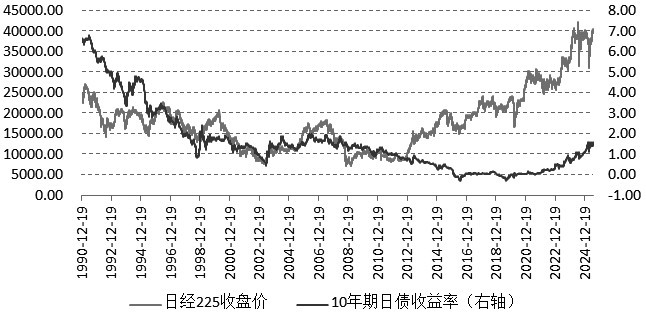
在7月20日举行的日本第27届参议院选举中,由自民党和公明党构成的执政联盟失去了参议院过半数议 席,仅获得46席,即便加上非改选议席,总计也只有121席,未达到参议院248个总议席过半所需的124 席。这是自民党自1955年成立以来,首次在国会众参两院都未能占据过半数席位。 尽管日本首相石破茂表达了继续执政的意愿,但鉴于执政联盟缺乏多数席位,若不与一个或多个在野党 合作,其政策将很难维持连贯性,这对日本经济极为不利。尤为关键的是,新一届政府在对美贸易谈判 方面将会遭遇波折,或难以说服足够数量的立法者支持其与美国达成的任何协议,特别是当该协议涉及 农业或汽车等敏感领域的让步时。 7月21日,日本股市因假日休市。当日,日元对美元盘初一度上涨0.7%,最高涨至147.79,不过随后回 吐部分涨幅至148.48,之后再度拉升至147.80附近,充分体现出政治不确定性对日元走势造成的影响。 经历了4月的大幅下跌行情后,日本股市出现了显著回升的态势。特别是在7月22日,日经225指数相较 于4月所创下的低点大幅反弹了29%。然而,目前日本股市的涨势已趋于缓和,正处于新一轮行情走向 的关键节点。 一方面,海外资金持续不断地 ...

国际糖价承压运行
Qi Huo Ri Bao Wang· 2025-07-23 22:34
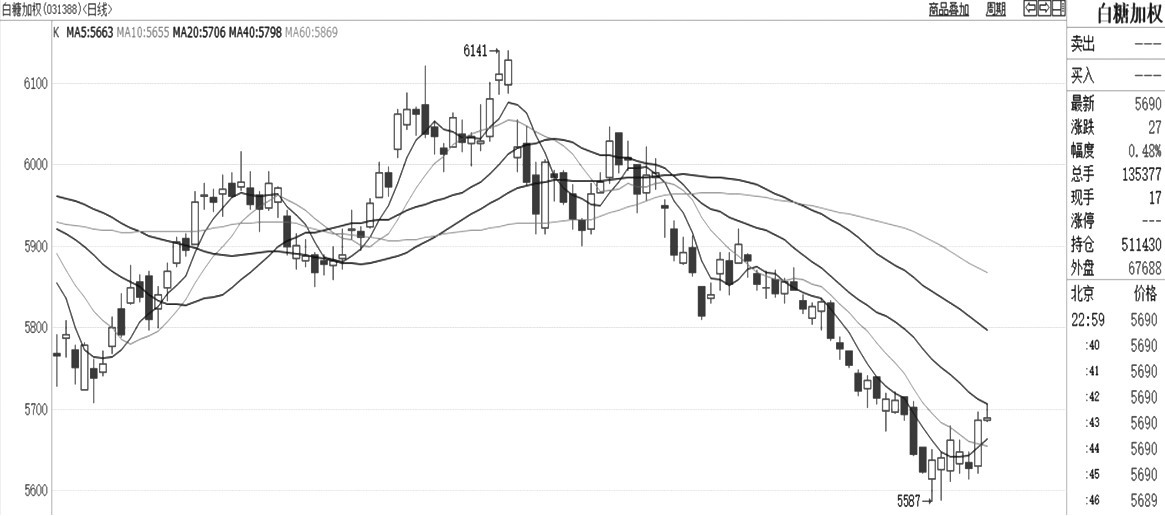
Core Viewpoint - The domestic sugar market is experiencing fluctuations due to changes in production, import volumes, and international market conditions, with a potential rebound in the second half of 2025 depending on import dynamics and global supply factors [1][35]. Domestic Market Situation - Sugar production for the 2024/2025 season reached 11.1621 million tons, a year-on-year increase of 12.03% [4]. - Cumulative sugar sales amounted to 8.1138 million tons, up 23.07% year-on-year [4]. - The sugar sales rate in Guangxi was 71.85%, an increase of 5.39 percentage points compared to the previous year [4]. - The sugar import volume in May 2025 was 350,000 tons, a significant increase of 33,000 tons year-on-year [7]. - Industrial sugar inventory as of May 2025 was 3.0483 million tons, a decrease of 32.21% year-on-year, indicating lower sales pressure for sugar factories [12]. International Market Situation - Global sugar production is projected to increase from 180.75 million tons in 2024/2025 to 189.31 million tons in 2025/2026, a growth of 4.73% [26]. - The USDA forecasts a total global sugar demand of 177.92 million tons for 2025/2026, up 1.4% from the previous year [26]. - Brazil's sugar production is expected to be affected by adverse weather conditions, with a significant decrease in sugar output anticipated [28]. - India's sugar production is expected to recover significantly, with estimates ranging from 31.6 million to 35 million tons for the 2025/2026 season [31]. Summary of Market Dynamics - The overall supply-demand balance in the domestic market appears loose, with projected sugar production of 11.16 million tons and imports of 5 million tons against a consumption of 15.8 million tons [35]. - The import pace in the second half of the year will be crucial for determining sugar price trends, with expectations of reaching 2.4 million tons from June to September [35].
期货工具赋能塑化产业高质量发展
Qi Huo Ri Bao Wang· 2025-07-23 16:24
Core Viewpoint - The plastic industry is undergoing unprecedented transformation opportunities and challenges due to global supply chain restructuring and domestic industrial upgrades [1] Group 1: Industry Development - The DCE, in collaboration with the government of Anqing and the Anhui Securities Regulatory Bureau, hosted a training event focusing on the integration of futures and spot markets to support the transformation and upgrading of the plastic industry [1] - The plastic sector is one of the most stable segments in DCE's operations, with ongoing improvements in the tools and systems to enhance market quality and price influence [2] - The plastic industry in Anhui is showing significant cluster effects and development momentum, positioning itself as a key player in China's manufacturing landscape [2] Group 2: Challenges and Opportunities - The plastic industry is at a critical juncture for transformation, with changes in raw material production routes and increasing price volatility risks [3] - The application of plastic products spans various industries, including home appliances, real estate, textiles, and new energy, with emerging demands reshaping the industry landscape [3] - Challenges such as the downturn in the real estate cycle, high inventory levels in textiles, construction, and chemicals, along with insufficient effective demand, create significant uncertainties for enterprises [3] Group 3: Risk Management - Futures tools are becoming essential for stable operations in the plastic industry, with a correlation of over 0.9 between DCE's chemical futures and spot prices, and a hedging efficiency exceeding 92% [4] - A systematic approach to risk management involves recognizing risks, selecting appropriate financial tools, and effectively managing risks to ensure operational profitability [4] - Successful case studies illustrate how companies have utilized futures tools to stabilize production and optimize procurement costs, achieving win-win outcomes in volatile market conditions [4] Group 4: Event Participation - The training event attracted nearly 150 participants, including representatives from Anhui's plastic enterprises, local government departments, and financial institutions, receiving positive feedback on its effectiveness [5]
企业期待共筑风险管理新生态
Qi Huo Ri Bao Wang· 2025-07-23 16:24
Core Viewpoint - The launch of propylene futures and options is seen as a significant advancement for risk management in the propylene industry, providing essential tools for price volatility management and profit stabilization [1][2][4]. Industry Impact - The introduction of propylene futures fills a critical gap in risk management tools within the industry, enabling companies to better handle price fluctuations and enhance operational profitability [1][2]. - The establishment of a unified pricing benchmark for propylene is expected to transform the pricing model from decentralized negotiations to a more structured approach based on futures pricing plus regional adjustments, improving resource allocation efficiency [2][4]. Company Strategies - Companies like Jineng Chemical plan to utilize futures for inventory risk management and sales channel expansion, while also exploring basis trading and rights trading with downstream clients to enhance supply chain efficiency [3]. - Binhua New Materials aims to apply its experience from caustic soda futures to manage PDH production profits effectively, ensuring stable development through legal and compliant use of futures tools [3]. - Jingbo Petrochemical intends to develop a multi-raw material profit analysis model, leveraging futures to complete the olefin chain and provide diverse risk management solutions for upstream and downstream partners [3]. Market Outlook - The establishment of a propylene futures market is viewed as a pivotal shift towards reclaiming pricing power based on actual supply and demand, which will also facilitate fair valuation in international trade negotiations [4]. - The industry anticipates that the futures market will support the high-quality development of China's olefin industry by promoting pricing autonomy, refined risk control, and stable profits [4][5].
凝聚监管合力 服务企业用好期货“工具箱”
Qi Huo Ri Bao Wang· 2025-07-23 16:24
Group 1 - The core viewpoint of the articles emphasizes the importance of futures markets in enhancing the risk management capabilities of enterprises in Hebei Province, particularly in industries like petrochemicals, coal, steel, and glass [1][2] - The training program organized by Hebei regulatory bodies aims to improve the understanding and utilization of futures tools among local enterprises, thereby fostering a better regulatory environment for hedging activities [2][5] - Hebei Zhengda Glass Co., Ltd. serves as a case study, showcasing effective use of futures for hedging against price volatility, which has strengthened its market competitiveness and industry position [1][2] Group 2 - The demand for hedging through futures has been increasing among enterprises, necessitating enhanced regulatory oversight from government departments, including tax and audit agencies [2][5] - Zhengda Glass has adjusted its inventory management strategy post the listing of soda ash futures, reducing minimum inventory levels while increasing maximum inventory to ensure production stability [3] - The company has established a comprehensive risk management system and continuously updates its financial derivative management policies to optimize hedging operations [4]
海南自贸港封关12月18日启动
Qi Huo Ri Bao Wang· 2025-07-23 16:15
Core Viewpoint - The Hainan Free Trade Port will officially start its closed operation on December 18, 2025, marking a significant milestone in China's efforts to expand its openness and implement liberalization policies [1] Group 1: Policy Implementation - The closed operation will feature a policy framework characterized by "one line" for openness, "two lines" for management, and free flow within the island [1] - The "zero tariff" policy for imported goods will increase from 21% to 74% of the tax categories, allowing for tax-free circulation among eligible entities within the island [2] - Trade management measures will be relaxed, allowing for open arrangements for certain previously restricted imports [2] - Ten "second-line" ports will be established to facilitate the passage of goods into the mainland, enhancing efficiency [2] - A precise regulatory model will be implemented to ensure low intervention and high efficiency for "zero tariff" goods [2] Group 2: Economic Development - The closed operation is expected to attract global resources and promote the development of key industries such as tourism, modern services, high-tech industries, and tropical agriculture [3] - The initiative aims to create a modern industrial system with unique advantages for Hainan, focusing on enhancing productivity and innovation [3] - The government plans to expand the scope of the "zero tariff" policy significantly, increasing the number of tax categories from 1,900 to approximately 6,600, covering 74% of all goods [4] - The policy will allow for free circulation of "zero tariff" goods among various entities, enhancing the competitiveness of local industries [4]
美债收益率曲线平陡变化规律分析
Qi Huo Ri Bao Wang· 2025-07-22 23:34
Group A: Historical Review - The change in the bond yield curve's steepness is different from unilateral changes in bond yields, as it measures the relative changes in yields of bonds with different maturities [2] - Historical periods of flattening in the U.S. Treasury yield curve include April 1988 to 1989, October 1992 to December 1994, August 2003 to June 2006, December 2013 to December 2018, and March 2021 to March 2023, often corresponding with the Federal Reserve's rate hike cycles [2][3] - The flattening of the yield curve typically occurs before the Federal Reserve begins raising rates, while the end of the flattening often coincides with or slightly precedes the end of rate hikes [3] Group B: Yield Curve Dynamics - During rate hike cycles, short-term Treasury yields rise, and when long-term yields also increase, the short-term yields tend to rise more significantly, contributing to the flattening of the yield curve [3][17] - The behavior of long-term yields can vary, sometimes showing volatility or decline, which can lead to a flattening of the curve due to differing influences on short and long-term rates [3][4] - The 2-year Treasury yield closely follows the Federal Reserve's monetary policy, while the 10-year yield reflects broader macroeconomic conditions and inflation expectations [4][17] Group C: Steepening of the Yield Curve - Historical periods of steepening in the U.S. Treasury yield curve include March 1989 to September 1992, May 2000 to August 2003, February 2007 to December 2009, and January 2019 to April 2021, typically aligning with Federal Reserve rate cut cycles [13][15] - The onset of steepening often occurs before the actual rate cuts begin, indicating market anticipation of monetary policy changes [13][15] - In rate cut cycles, both short and long-term yields generally decline, but short-term yields tend to decrease more significantly, contributing to the steepening of the yield curve [13][17] Group D: Economic and Monetary Policy Interactions - The changes in the yield curve are closely linked to monetary policy and economic cycles, with flattening periods usually corresponding to rate hike cycles and steepening periods to rate cut cycles [17] - Short-term yields play a dominant role in shaping the yield curve during these cycles, with their movements significantly influencing the overall curve dynamics [17] - Discrepancies between economic cycles and monetary policy cycles can lead to divergent movements in long-term yields, especially during transitional periods between rate changes [17]

柳暗花明 基差交易化解丙烯产业急难愁盼
Qi Huo Ri Bao Wang· 2025-07-22 16:20
Core Viewpoint - The successful signing of a long-term contract between Jingbo Petrochemical and Binhua New Materials coincided with the launch of propylene futures, marking a significant step towards establishing a stable pricing mechanism in the propylene market [1][6]. Group 1: Contract Negotiation Background - The negotiation for the propylene supply price between Jingbo Petrochemical and Binhua New Materials lasted for a year and a half, focusing on establishing a stable cooperative relationship to ensure orderly production operations [2]. - Binhua New Materials, as the supplier, aimed to lock in profits and stabilize revenue, while Jingbo Petrochemical sought to secure raw material costs to ensure continuous production amid operational inconsistencies [2][3]. - The key issue in negotiations was the lack of a mutually recognized spot price, leading to difficulties in establishing a pricing benchmark, which resulted in prolonged stalemates [2][3]. Group 2: Introduction of Futures - The introduction of propylene futures was seen as a crucial opportunity to resolve pricing disputes, with both companies recognizing the potential of futures markets to provide a fair pricing benchmark [4]. - Following the announcement of the futures launch, both companies quickly resumed negotiations and reached a preliminary consensus on a basis pricing model [4][6]. - The negotiation process involved extensive discussions on key elements such as basis model construction, quality delivery adjustments, and flexible delivery periods [4]. Group 3: Successful Contract Signing - On July 22, the propylene futures were officially launched, and the contract was signed using a "futures price + basis" pricing model, with the basis set at -218 yuan/ton, reflecting a more market-aligned price than previous disputes [6]. - The successful signing of the contract allowed both companies to mitigate the risks associated with absolute price fluctuations, enabling them to focus on managing product price differentials and quality adjustments [6][7]. - This collaboration marked a shift from a competitive stance to a partnership approach in managing market risks, highlighting the industry's growing acceptance of financial pricing tools [7].
提升央国企风险管理能力
Qi Huo Ri Bao Wang· 2025-07-22 16:10
Core Insights - The "2025 Central Enterprises Financial Derivatives Training Course" aims to enhance the application capabilities of central and local state-owned enterprises in financial derivatives, helping them respond proactively to economic changes and preserve the value of state-owned assets [1] Group 1: Importance of Financial Derivatives - The futures market has become a crucial tool for enterprises to stabilize development, promote industrial transformation, and strengthen macroeconomic expectations [2] - Financial derivatives play a significant role in risk management, asset allocation, and capital operation for central and state-owned enterprises [3] Group 2: Training Structure and Content - The training program covers various dimensions, including macroeconomics, national policies, and practical operations of derivatives, with group discussions to address specific issues faced by participants [4] - The training includes insights from the State-owned Assets Supervision and Administration Commission (SASAC) on regulatory frameworks for financial derivatives, enhancing participants' understanding of compliance and risk management [5] Group 3: Regulatory Environment and Best Practices - Regulatory bodies have emphasized the prohibition of speculative trading, the importance of information disclosure, and the need for standardized accounting practices in derivative operations [6] - Companies are encouraged to establish dedicated risk management systems and collaborate across departments to ensure effective hedging practices [6] Group 4: Participant Feedback and Outcomes - Participants reported significant gains in understanding the application logic of financial derivatives in their enterprises, which can enhance risk management strategies [7] - The training involved 56 participants from 15 central enterprises and 19 local state-owned enterprises, covering various industries such as agriculture, forestry, and steel [7]