光大证券研究

Search documents
【光大研究每日速递】20250520
光大证券研究· 2025-05-19 09:14
Core Viewpoint - The core driver for the formation of a bull market is the recovery of the fundamentals, which is often amplified by liquidity easing and industrial trends. A comprehensive improvement in fundamentals typically leads to a bull market, while structural improvements in fundamentals, when combined with liquidity easing and industrial trends, can also foster a bull market. The future outlook suggests a gradual and moderate recovery in fundamentals, with macro and micro liquidity resonance and industrial upgrades expected to drive market growth [4]. Group 1: Market Trends - The A-share market has continued to show a fluctuating performance, with major broad-based indices experiencing a contraction in trading volume. As of last Friday (May 16, 2025), the timing indicators for major indices maintain a cautious outlook due to reduced trading volume. The ETF funds have seen a net outflow, indicating a continued profit-taking state in the market. The short-term market is showing reversal characteristics, with momentum and reversal effects switching rapidly over the past three weeks. Under the backdrop of continued liquidity easing, small-cap stocks are expected to remain dominant [5]. Group 2: Steel Industry Insights - The Ministry of Industry and Information Technology revised the "Steel Industry Normative Conditions" on February 8, 2025, establishing a two-tier evaluation for steel enterprises. This aligns with the broader policy goal of the National Development and Reform Commission to better adapt supply-side changes to demand. It is anticipated that the profitability of the steel sector may recover to historical average levels, and the price-to-book (PB) ratio of steel stocks may also see a corresponding recovery [6]. Group 3: Non-Ferrous Metals Updates - Tungsten prices have reached a nearly 10-month high, while uranium prices have increased for the first time in six months. The price of praseodymium and neodymium oxide has risen for three consecutive weeks, with attention on the demand situation in 2025. Lithium prices have fallen below 80,000 yuan per ton, with potential for accelerated capacity clearance. The Bisie tin mine has ceased operations, leading to an optimistic outlook for tin prices [7]. Group 4: Copper Market Overview - Recent trade conflicts have eased, but the negative impacts of tariffs and trade disputes on the economy have yet to manifest, continuing to suppress copper price increases. Domestic electrolytic copper inventories have seen a low-level increase, possibly due to previous overstocking by domestic and foreign enterprises. Copper prices are expected to gradually rise with the introduction of domestic stimulus policies and potential interest rate cuts in the U.S. [8]. Group 5: Renewable Energy Policy Developments - Shandong and Guangdong provinces have introduced implementation details for Document No. 136, which has garnered ongoing attention from the capital market regarding policy developments in more provinces. The core of the policy is to reflect electricity supply and demand through market-based pricing, thereby stabilizing the financing of renewable energy projects. The Shandong details indicate that the pricing for incremental projects will depend on current spot prices, while the Guangdong details stabilize expectations for new renewable energy installations, particularly favoring offshore wind projects [9]. Group 6: Medical Robotics Advancements - The commercialization process for exoskeleton robots in the medical rehabilitation field is expected to accelerate. These robots are primarily applied in three scenarios: spinal cord injury recovery, stroke rehabilitation, and aging assistance. The global market for exoskeleton robots is entering a period of rapid growth, and China's "14th Five-Year Plan" has included exoskeletons as a key development area for high-end medical equipment. Several regions have included certain rehabilitation exoskeletons in their insurance reimbursement scope, indicating a promising outlook for commercialization in this sector [9].

【有色】国内铜社库2025年3月初以来首次周度累库——铜行业周报(20250512-20250516)(王招华/方驭涛)
光大证券研究· 2025-05-19 09:14
Core Viewpoint - The report indicates a positive outlook for copper prices due to expected macroeconomic improvements, despite current trade tensions and inventory fluctuations [3]. Inventory - Domestic copper social inventory increased by 10% week-on-week, while LME copper inventory decreased by 6% [4]. - As of May 16, 2025, domestic mainstream port copper concentrate inventory stood at 820,000 tons, down 9% from the previous week [4]. - Global electrolytic copper inventory totaled 432,000 tons as of May 9, 2025, a decrease of 0.6% [4]. Raw Materials - In March 2025, China's copper concentrate production was 157,000 tons, up 25.4% month-on-month and 6.9% year-on-year [5]. - The price difference between refined copper and scrap copper was 1,667 RMB/ton as of May 16, 2025, an increase of 372 RMB/ton from May 9 [5]. - Domestic old scrap copper production in April 2025 was 88,000 tons, down 20% month-on-month and 22.5% year-on-year [5]. Smelting - In April 2025, China's electrolytic copper production was 1,125,700 tons, a 0.3% increase month-on-month and a 14.3% increase year-on-year [6]. - The TC spot price as of May 16, 2025, was -43.03 USD/pound, reflecting a slight increase but remaining at the lowest level since September 2007 [6]. - From January to March 2025, the cumulative net import of electrolytic copper was 725,000 tons, a decrease of 17.7% year-on-year [6]. Demand - The cable industry accounted for approximately 31% of domestic copper demand, with a cable enterprise operating rate of 83.39% as of May 15, 2025, down 0.1 percentage points week-on-week [7]. - The air conditioning sector, which represents about 13% of domestic copper demand, saw copper tube production of 189,000 tons in April 2025, down 1.8% month-on-month and 7.1% year-on-year [7]. - Copper rod production, which constitutes about 4.2% of domestic copper demand, had a brass rod operating rate of 55.0% in April 2025, up 0.6 percentage points but down 0.3 percentage points year-on-year [7]. Futures - As of May 16, 2025, the SHFE copper active contract position was 180,000 lots, a decrease of 3.9% week-on-week, placing it at the 49th percentile since 1995 [8]. - The COMEX non-commercial net long position was 22,000 lots as of May 13, 2025, down 0.8% week-on-week, at the 58th percentile since 1990 [8].
复盘A股历史牛市!猜想:现在会是起点吗?
光大证券研究· 2025-05-19 09:14
Group 1 - The article distinguishes between comprehensive bull markets and structural bull markets in the A-share market, highlighting their different market characteristics [1] - Since 2000, there have been four bull markets in A-shares: comprehensive bull markets from 2005-2007 and 2013-2015, and structural bull markets from 2016-2018 and 2019-2021 [1][3] - Comprehensive bull markets are characterized by higher average daily increases in the Shanghai Composite Index and market turnover rates compared to structural bull markets, with a greater proportion of stocks rising over 100% and equity funds yielding over 100% [1][3] Group 2 - The core driver of bull markets is the recovery of fundamentals, with liquidity easing and industrial trends often creating a resonance effect [3] - Comprehensive bull markets typically arise when fundamentals improve broadly, as seen in the 2005-2007 bull market, while structural bull markets can occur during periods of structural improvement in fundamentals combined with liquidity easing and industrial trends [3][4] - The 2005-2007 bull market saw the Shanghai Composite Index rise by 502%, with nominal GDP maintaining double-digit growth and A-share net profit growth rebounding from -5.8% to 63.5% [4] Group 3 - The 2013-2015 bull market was driven by a combination of monetary easing in China and the U.S., along with the influx of leveraged funds, resulting in a 164% increase in the Shanghai Composite Index [4] - The structural bull markets from 2016-2018 and 2019-2021 were influenced by improvements in fundamentals and inflows of northbound capital, with the latter period seeing a 49% increase in the Shanghai Composite Index [4] - The article suggests that the A-share market may enter a new cycle of structural bull markets driven by the three-dimensional resonance of fundamentals, industry, and capital [4][5] Group 4 - Looking ahead, the recovery of fundamentals is expected to be gradual, with macro and micro liquidity resonating with industrial upgrades to drive market growth [5] - The potential for simultaneous monetary easing in China and the U.S. could lead to a shift of domestic assets towards equity markets, supported by a slowdown in IPOs and restrictions on shareholder reductions [5] - The article posits that while a comprehensive bull market may be unlikely due to the broad scope of the A-share market, new incremental capital could drive a structural bull market, with 2025 being a potential starting point [5]

【钢铁】氧化铝、电解铝价格创近1个月来新高——金属周期品高频数据周报(2025.5.12-5.18)(王招华/戴默)
光大证券研究· 2025-05-19 09:14
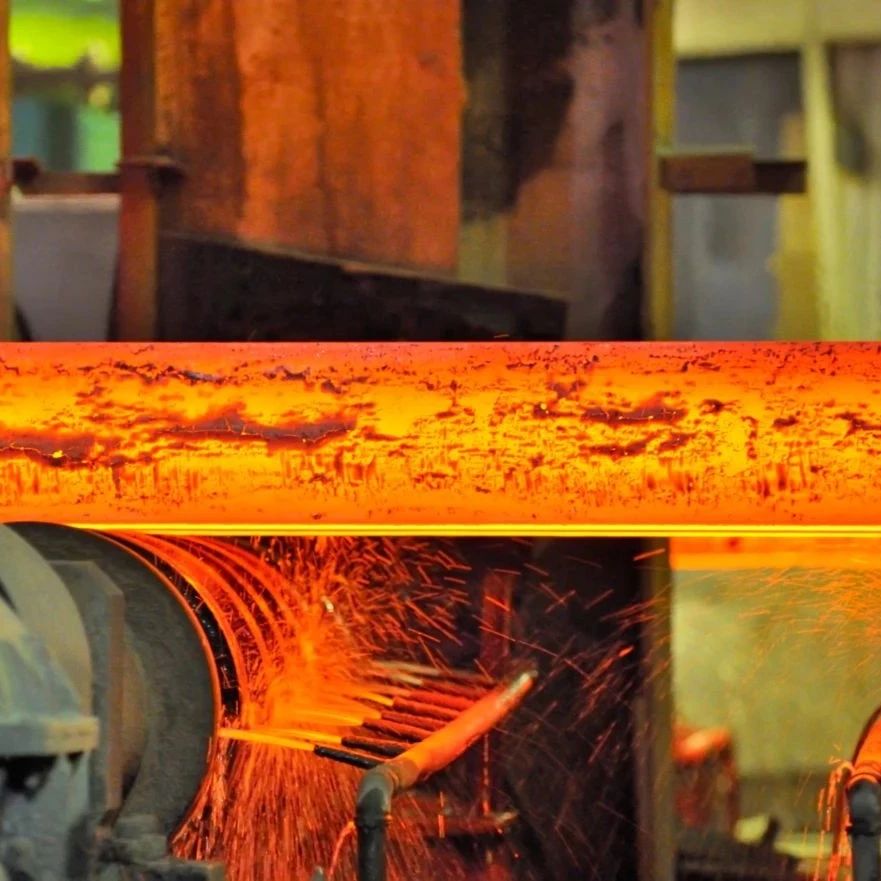
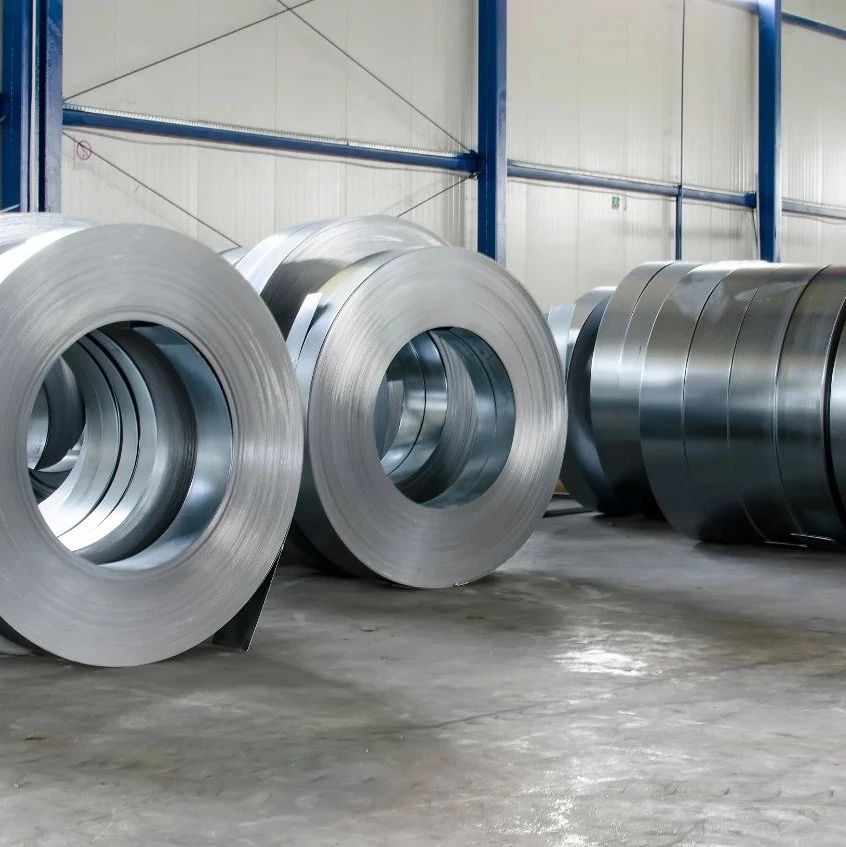
Summary of Key Points Core Viewpoint - The report highlights the current economic indicators and trends in various sectors, including liquidity, construction, real estate, and industrial products, providing insights into potential investment opportunities and market dynamics. Group 1: Liquidity and Financing Environment - The M1 and M2 growth rate difference in April 2025 is -6.5 percentage points, a month-on-month decrease of -1.10 percentage points [3] - The BCI small and medium enterprise financing environment index for April 2025 is 48.03, down -7.24% from the previous month [3] - There is a strong positive correlation between the M1 and M2 growth rate difference and the Shanghai Composite Index [3] Group 2: Construction and Real Estate Chain - Rebar prices have rebounded from an 8-month low, with a weekly increase of +1.59% [3] - The national steel PMI new orders index for April 2025 is 51%, an increase of +9.9 percentage points from the previous month [3] - Cement price index decreased by -1.45%, while rubber prices increased by +3.09% [3] Group 3: Industrial Products Chain - The operating rate of semi-steel tires is at a high level, recorded at 78.33%, an increase of +19.98 percentage points [4] - Major commodity prices show varied performance, with cold-rolled steel, copper, and aluminum prices increasing by +0.33%, +0.57%, and +3.48% respectively [4] Group 4: Price Trends of Specific Products - Tungsten concentrate prices have reached the highest level since 2011, while alumina and electrolytic aluminum prices have hit recent highs [5] - The price of electrolytic aluminum is 20,230 yuan/ton, with a month-on-month increase of +3.48% [5] - The price of graphite electrodes remains stable at 18,000 yuan/ton [5] Group 5: Export Chain - The new export orders PMI for China in April 2025 is 44.70%, a decrease of -4.3 percentage points [7] - The China Containerized Freight Index (CCFI) composite index is 1,104.88 points, down -0.14% from the previous week [8] - The U.S. crude steel capacity utilization rate is 77.50%, an increase of +0.70 percentage points [8] Group 6: Valuation Metrics - The Shanghai and Shenzhen 300 Index increased by +1.12%, with the shipping sector performing best at +6.87% [8] - The PB ratio of the general steel sector relative to the Shanghai and Shenzhen markets is currently at 0.53, with a historical high of 0.82 reached in August 2017 [8]
【医药】商业化进程有望加速,关注外骨骼机器人在医疗康复领域应用——医药生物行业跨市场周报(20250518)(王明瑞/吴佳青)
光大证券研究· 2025-05-19 09:14
Core Viewpoint - The article highlights the potential acceleration of commercialization in the medical rehabilitation field, particularly focusing on the application of exoskeleton robots, which are expected to see significant market growth in the coming years [5]. Market Performance Review - Last week, the pharmaceutical and biotechnology index rose by 1.27%, outperforming the CSI 300 index by 0.16 percentage points but underperforming the ChiNext index by 0.35 percentage points, ranking 11th among 31 sub-industries [3]. - The Hong Kong Hang Seng Medical Health Index increased by 0.57%, lagging behind the Hang Seng Index by 1.35 percentage points [3]. Company R&D Progress Tracking - Recent clinical application submissions include Baiyi Shenzhou's BGB-B455 and Kangnuo's CM336 injection, while DIZHE Pharmaceutical's DZD8586 and Kanghong Pharmaceutical's KH607 have new IND applications [4]. - Ongoing clinical trials include Sanofi's SSGJ-707 and Zhengda Tianqing's TQB2102 in Phase III, Kangning Jere's KN060 in Phase II, and Green Leaf Pharmaceutical's fumaric acid LPM526000133 in Phase I [4]. Investment Strategy for 2025 - The company suggests a structural selection of investment opportunities based on the payment willingness and ability, focusing on three payment channels: in-hospital payments, out-of-pocket payments, and overseas payments [6]. - Key investment directions include policy support for innovative drugs and devices, expanding demand for blood products and home medical devices, and an upward cycle for overseas exports of heparin and respiratory-related products [6]. Exoskeleton Robot Market Outlook - The global exoskeleton robot market is entering a high growth phase, with a projected market size of $1.8 billion in 2024 and expected to exceed $12 billion by 2030, reflecting a compound annual growth rate of 28% [5]. - The inclusion of exoskeletons in China's "14th Five-Year Plan" as a key development area for high-end medical equipment and the incorporation of some rehabilitation exoskeletons into insurance reimbursement in various regions are expected to further accelerate commercialization [5].

【金工】小市值风格仍占优——金融工程市场跟踪周报20250519(祁嫣然/张威)
光大证券研究· 2025-05-19 09:14
Core Viewpoint - The A-share market continued to show a fluctuating performance with reduced trading volume, indicating a cautious sentiment among investors. The market is experiencing a "profit-taking" state, with net outflows from ETFs [2]. Market Performance Summary - The major indices showed mixed results: the Shanghai Composite Index rose by 0.76%, the SSE 50 increased by 1.22%, the CSI 300 gained 1.12%, while the CSI 500 and CSI 1000 fell by 0.10% and 0.23% respectively. The ChiNext Index rose by 1.38%, and the Northbound 50 Index increased by 3.13% [2]. - As of May 16, 2025, the valuation percentiles for major indices were categorized as "moderate" for the Shanghai Composite, SSE 50, CSI 300, CSI 500, and CSI 1000, while the ChiNext Index was rated as "safe" [2]. Sector Valuation Analysis - According to the CITIC industry classification, sectors such as non-ferrous metals, electric power and utilities, home appliances, food and beverage, agriculture, non-bank financials, and transportation are rated as "safe" in terms of valuation [2]. Volatility Analysis - The cross-sectional volatility of the CSI 300, CSI 500, and CSI 1000 indices decreased compared to the previous week, indicating a deterioration in the short-term Alpha environment. However, the time series volatility for the CSI 300 increased, suggesting an improvement in the Alpha environment, while the CSI 500 and CSI 1000 saw a decline [3]. Fund Flow Tracking - The top five stocks attracting institutional attention were Anji Technology (241 institutions), Hengerd (237), Naipu Mining Machine (122), Haimu Star (113), and Diaowei (94) [4]. - During the period from May 12 to May 16, 2025, southbound funds experienced a net outflow of 8.685 billion HKD, with net inflows of 4.910 billion HKD in the Shanghai Stock Connect and net outflows of 13.595 billion HKD in the Shenzhen Stock Connect [4]. ETF Performance - The median return for stock ETFs was 0.74% with a net outflow of 25.370 billion CNY. The median return for Hong Kong stock ETFs was 1.27% with a net outflow of 6.696 billion CNY. Cross-border ETFs had a median return of 3.80% with a net outflow of 1.081 billion CNY, while commodity ETFs had a median return of -4.71% with a net outflow of 4.308 billion CNY [6].

【电新公用环保】山东广东出台136号文配套细则,装机及电价预期逐步明朗——电新公用环保行业周报20250518(殷中枢)
光大证券研究· 2025-05-19 09:14
Overall Viewpoint - Shandong and Guangdong provinces have issued implementation details for Document No. 136, attracting ongoing attention from the capital market regarding policy developments in more provinces. The core of the policy is to reflect power supply and demand through market-oriented electricity prices, achieving a reasonable installed capacity for renewable energy. The mechanism for electricity volume and pricing aims to stabilize the financing capability of renewable energy projects [2]. Shandong and Guangdong Details - Shandong's details state that the mechanism electricity price for existing projects is based on the coal-fired benchmark electricity price, with a mechanism electricity volume cap referencing the non-marketization rate of other provinces. The execution period is based on a reasonable full life cycle hour. For incremental projects, the bidding declaration sufficiency must not be less than 125%, and the mechanism electricity price must not exceed the bidding cap. The setting of the mechanism electricity price for existing projects is considered friendly, with potential optimization for mechanism electricity volume. The electricity price for incremental projects will depend on current spot prices, with lower prices for solar and relatively better prices for wind energy, leading to more intense bidding in the future [2]. - Guangdong's details apply only to incremental projects, with a mechanism electricity volume declaration cap not exceeding 90%. The execution period is 14 years for offshore wind and 12 years for other projects, with no mechanism electricity price applied after expiration. This detail stabilizes expectations for new renewable energy installations and is favorable for offshore wind [2]. Investment Aspects - In the photovoltaic sector, production and industry chain prices have declined since May, with the market recognizing weak domestic photovoltaic demand for 2025 and 2026. Some companies' stock prices have returned to mid-2024 levels. Although supply-side policies for 2024 are below expectations, the policy direction remains unchanged. Some second- and third-tier companies are seeking to divest equity, and bank credit limits are gradually tightening, indicating a trend. A rebound opportunity may arise when new supply-side policies are introduced or when companies undergo a certain level of clearing [3]. - In the wind power sector, due to its favorable output curve and relatively good economic viability, there are expectations for sales recovery of wind power stations following the issuance of detailed policies under Document No. 136. Additionally, there is potential for profit recovery in wind turbine manufacturing [3]. - In the energy storage and power equipment sector, attention should continue to focus on high growth in large-scale storage in Europe, industrial and commercial storage in Southeast Asia, and off-grid storage in Africa by 2025. Future focus will be on changes in grid demand structure driven by virtual power plants and integrated cloud distribution [3].

【煤炭开采】煤价加速下跌,关注夏季用电高峰对需求的拉动——行业周报(2025.5.5~2025.5.12)(李晓渊/蒋山)
光大证券研究· 2025-05-18 13:18
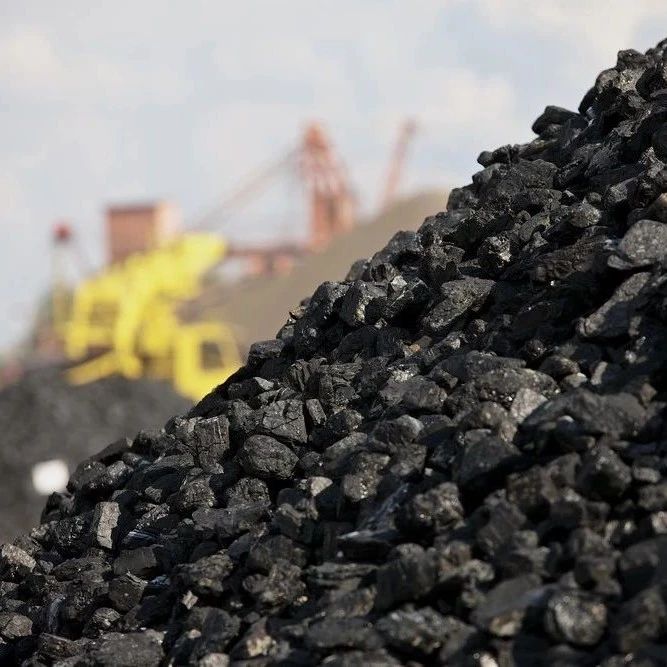
Core Viewpoint - The article highlights the rapid decline in coal prices and emphasizes the upcoming summer electricity peak demand, which is expected to drive coal demand upward [3][4]. Group 1: Coal Price Trends - As of May 16, the coal inventory at the Qinhuangdao port was 7.6 million tons, a 0.93% increase week-on-week and a 48.15% increase year-on-year, marking the highest level for the same period [6]. - The coal inventory in the Bohai Rim ports stood at 32.53 million tons, a 1.57% decrease week-on-week but a 33.72% increase year-on-year, also at a record high for this time of year [6]. - The average closing price for Qinhuangdao port thermal coal (5500 kcal) was 619 yuan/ton for the week of May 11-16, down 19 yuan/ton (-3.05%) from the previous week [4]. Group 2: Seasonal Demand and Production - The summer electricity peak is approaching, which is expected to seasonally increase coal demand, necessitating attention to the extent of the demand surge during the peak season [3]. - The operating rate of 110 sample coal washing plants (approximately 50% of national washing capacity) was 62.1%, a decrease of 0.3 percentage points week-on-week and a 5.8 percentage points decrease year-on-year, remaining at a five-year low [5]. - The average temperature in 28 major cities was 26.99°C, which is at the median for the same period [5]. Group 3: Other Commodity Prices - The average price of thermal mixed coal at the Yulin pit (5800 kcal) was 491 yuan/ton for the week, down 19 yuan/ton (-3.73%) [4]. - The FOB price for thermal coal at Newcastle, Australia (5500 kcal) was $69/ton, a 0.71% decrease [4]. - The settlement price for European natural gas futures (DUTCH TTF) was €35/MWh, an increase of 2.60% [4]. - The Brent crude oil futures settlement price was $65.41/barrel, up 2.35% [4].
【农林牧渔】压栏情绪松动,猪价表现渐弱——光大证券农林牧渔行业周报(20250512-20250518)(李晓渊)
光大证券研究· 2025-05-18 13:18
Core Viewpoint - The article discusses the recent trends in agricultural product prices, particularly focusing on the decline in pig and chicken prices, the fluctuation of grain prices, and the increase in natural rubber prices, indicating a complex market environment influenced by supply and demand dynamics [2][3][4][5]. Group 1: Livestock Prices - The average price of external three yuan pigs in China decreased to 14.61 yuan/kg, a week-on-week decline of 1.42%, while the average price of 15 kg piglets fell to 36.23 yuan/kg, down 1.74% [2]. - The average weight of market pigs remained stable at 129.71 kg, with a national frozen product inventory rate of 14.01%, down 0.13 percentage points [2]. - The price of white feather broiler chickens dropped to 7.40 yuan/kg, a decrease of 0.67%, and chick prices fell to 2.85 yuan/bird, down 2.06% [3]. Group 2: Grain Prices - As of May 16, the average price of corn was 2374.90 yuan/ton, up 0.48%, while wheat prices increased to 2468.89 yuan/ton, a rise of 0.33%. Conversely, soybean meal prices decreased to 3115.71 yuan/ton, down 5.93% [4]. - The increase in corn prices is attributed to high demand in North China and adjustments by enterprises based on market conditions, while soybean meal prices are affected by ample supply from South America and rising inventories [4]. Group 3: Natural Rubber Prices - The domestic natural rubber futures price reached 15025 yuan/ton, reflecting a week-on-week increase of 2.18% [5]. - The demand for natural rubber is supported by the U.S. tariff exemption period for Southeast Asia, leading to increased orders from overseas tire manufacturers [5].

【银行】盈利维持稳定,基本面韧性强——2025年一季度商业银行主要监管指标点评(王一峰/董文欣)
光大证券研究· 2025-05-18 13:18
点击注册小程序 查看完整报告 特别申明: 5月16日,国家金融监督管理总局发布2025年一季度商业银行主要监管指标。数据显示:商业银行25Q1实 现净利润6568亿,盈利增速下降2.3%,平均资本利润率8.82%;不良贷款率1.51%,较上年末略升1bp,资 产质量总体稳定。 商业银行25Q1盈利增速同比下降2.3%,降幅较上年持平 营收结构上,非息收入占比较2024年提升2.5pct至25%,较24Q1下降0.7pct。分机构类别看,国有行、股份 行、城商行、农商行1Q25盈利增速分别为0.1%、-4.5%、-6.7%、-2%,增速变化看,股份行增速较上年下 降6.9pct,国有行、城商行、农商行盈利增速分别较上年提升0.6、6.5、7.8pct。 一季度贷款投放维持较高强度,年初政府债发行前置提振非信贷类资产同比多增 25Q1末,商业银行总资 产增速较为7.2%,较上年末增速持平。其中贷款、非信贷类资产余额同比增速分别为7.3%、6.9%,较上 年末分别变动-0.3、+0.2pct;25Q1新增贷款、非信贷类资产规模分别为9.1、4.6万亿,分别同比多增0.1、 0.6万亿。开年以来经济延续修复态势,实体 ...