YILI(600887)

Search documents
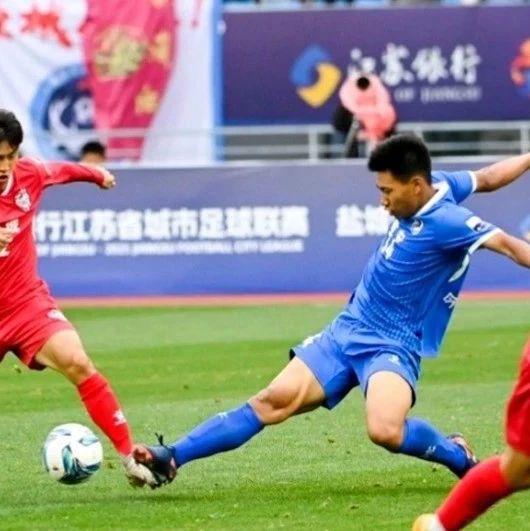
苏超踢的不是球,是一门“搭子经济学”
创业邦· 2025-06-17 02:52
Core Viewpoint - The "Su Chao" league has transcended being merely a sports event, evolving into a new engine for regional economic development, significantly impacting tourism and capital markets, as evidenced by the massive engagement on social media platforms [3][4][25]. Group 1: Economic Impact - As of June 16, the hashtag SuChaoLeague on Douyin had over 4.3 billion views, while the related topic on Weibo garnered over 65 million reads, indicating a substantial public interest [3]. - The league has stimulated local tourism and consumption, with various sectors experiencing significant growth, including sports-related merchandise and local food products [11][25]. - The involvement of numerous sponsors, with the number approaching 20, highlights the league's attractiveness to brands, marking it as a top-tier domestic football event [13][16]. Group 2: Sponsorship Dynamics - The competition among sponsors has intensified, with brands like Yili leveraging innovative marketing strategies to engage with the youth demographic, moving beyond traditional advertising methods [17][18]. - Yili's approach includes creating relatable content and emotional connections with consumers, which has proven effective in enhancing brand visibility and resonance with the audience [19][20]. - The sponsorship landscape is characterized by a mix of local brands focusing on community integration and larger brands like Yili that adopt a more dynamic and engaging marketing strategy [18][21]. Group 3: Consumer Engagement - The concept of "partner economy" has emerged, where brands aim to fulfill the emotional needs of consumers, particularly the youth, who seek social connections and shared experiences [10][11]. - Yili's marketing efforts have successfully tapped into the cultural and emotional aspects of the audience, creating a sense of community and belonging among fans [20][30]. - The league's success is attributed to a collaborative effort among government, brands, and consumers, fostering a vibrant emotional consumption environment [26][27]. Group 4: Long-term Strategy - The league's ongoing popularity suggests a need for brands to innovate continuously, adapting to the evolving consumer landscape and emotional drivers [27][29]. - Yili's strategic focus on long-term engagement rather than short-term gains exemplifies a successful model for converting fleeting attention into lasting brand value [29][30]. - The integration of local culture and community sentiment into marketing strategies is essential for brands looking to capitalize on the emotional consumption trends driven by events like the Su Chao league [25][30].


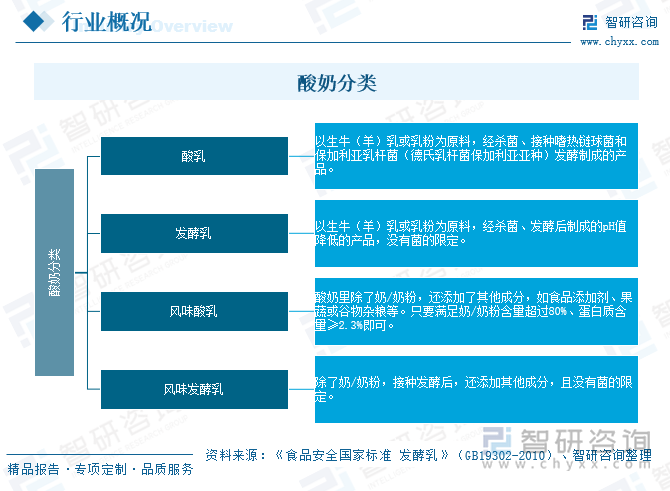
2025年中国酸奶行业市场政策、产业链、发展现状、竞争格局及发展趋势研判:低糖、低脂、高钙、富含益生菌等功能性产品更受消费者青睐[图]
Chan Ye Xin Xi Wang· 2025-06-17 01:34
Overview - The yogurt market in China is experiencing a decline in demand due to macroeconomic factors and decreased consumer confidence, with yogurt demand expected to drop to 7.284 million tons in 2024, a year-on-year decrease of 6.55% [1][13] - The market size is projected to fall to 99.874 billion yuan, a decrease of 9.02% year-on-year, while consumers are increasingly seeking functional yogurts that are low in sugar, low in fat, high in calcium, and rich in probiotics [1][13] Market Policies - A series of policies have been implemented to support the revitalization of the dairy industry in China, including the "14th Five-Year Plan" for enhancing dairy competitiveness and various guidelines aimed at promoting high-quality development in the dairy sector [4][6] Industry Chain - The yogurt industry chain consists of upstream components such as milk sources (dairy cattle and sheep farming), auxiliary materials (sugar, fruit, etc.), production equipment, and packaging materials, while downstream includes sales channels like supermarkets, convenience stores, and e-commerce platforms [7][9] Upstream - The milk supply for the yogurt industry remains stable, with China's milk production reaching 41.967 million tons in 2023, a year-on-year increase of 6.74%, although it is expected to slightly decline to 40.79 million tons in 2024 [9] Downstream - The sales channels for yogurt are primarily offline, with supermarkets and convenience stores dominating, but online sales are growing, accounting for 15.8% of the market in 2024, driven by platforms like Tmall and JD.com [11] Competitive Landscape - The yogurt market in China is characterized by a "two giants leading, many strong competitors coexisting" structure, with Yili and Mengniu dominating in brand influence and market coverage, while other companies focus on niche markets and differentiated products [15][18] Company Analysis - Yili Group has successfully launched innovative products like the "Anmuxi" long shelf-life yogurt, increasing its market share by 1.4 percentage points, with total revenue projected at 115.8 billion yuan and a gross profit margin of 33.88% in 2024 [18] - Mengniu Dairy, with a diverse product range including high-end milk and yogurt, is expected to achieve total revenue of 88.67 billion yuan and a gross profit margin of 39.57% in 2024 [20] Development Trends - The future of the yogurt market will see a rise in demand for functional yogurts that are low in sugar and fat, as well as organic and natural products, with innovative flavors and plant-based options gaining popularity [22]

一杯牛奶的“双足迹”革命,伊利峰会链动百家企业共筑零碳未来
2 1 Shi Ji Jing Ji Bao Dao· 2025-06-16 13:16
Core Viewpoint - Yili Group is actively promoting a sustainable future for the dairy industry through initiatives focused on carbon neutrality and water conservation, highlighted by the launch of the "WISH2030 Declaration" and the expansion of its zero-carbon and low-water footprint alliances [1][2][4]. Group 1: Zero Carbon Initiatives - Yili Group's "1+N" series of reports was released, including the 2024 Zero Carbon Future Report and the Global Low Water Footprint Initiative Annual Report 2024 [2][3]. - The Zero Carbon Alliance has expanded to 154 member companies, with 90% of them having completed low-carbon transformations [4][5]. - The establishment of China's first comprehensive carbon management operation platform has been announced, covering the entire dairy supply chain [6][7]. Group 2: Water Footprint Initiatives - Yili Group launched the Low Water Footprint Initiative Alliance, which has attracted 60 global partners, aiming to significantly improve water efficiency by 2030 [5][6]. - The company has initiated 668 water-saving projects, achieving a total water savings of over 2 million tons annually, with a water reuse rate of 15.13% [6]. - Yili has completed water footprint certification for 3 products and 5 factories, receiving third-party validation [6]. Group 3: Standards and Recognition - Yili participated in the development of 12 international and national standards, including the first global ESG international standard, enhancing China's voice in sustainable development [3][4]. - The company has been recognized for its sustainable development efforts, receiving a "five-star" rating for its sustainability report for six consecutive years [2][3]. - Yili was selected as the only dairy industry "chain leader" in the UNGC's "25 Sustainable Development Chain Leader Alliance" project [7].
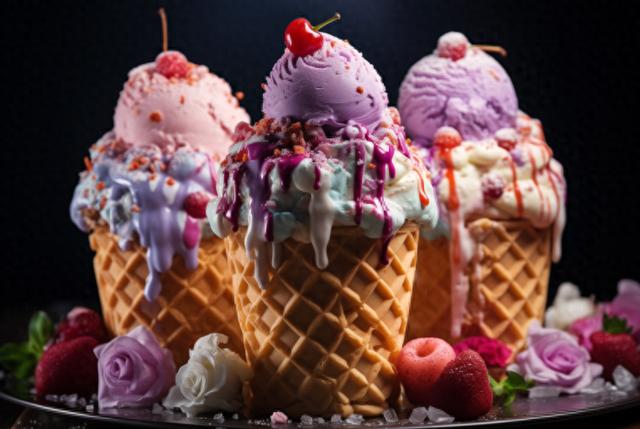
冰淇淋旺季竞争加剧
Huan Qiu Wang· 2025-06-15 01:45
Group 1 - The ice cream market is entering a sales peak in mid-June 2025, with increased competition and new product launches [1][3] - General Mills, the parent company of Häagen-Dazs, reported a continuous decline in store traffic in China, indicating challenges faced by foreign brands in adapting to local market demands [1] - Domestic dairy companies like Mengniu and Yili are looking to boost their performance through ice cream sales, while Unilever plans to independently list its ice cream brand this year [1] Group 2 - Companies are preparing for the summer season earlier, with Unilever announcing 31 new products in January, two months ahead of last year [1] - Traditional best-selling ice cream products remain stable in sales, with popular items priced around 5 yuan, appealing to a wide range of consumers [1] - Analysts note that competition is shifting from price wars to product innovation, channel expansion, and refined operations, with major companies like Yili and Unilever reducing reliance on price adjustments for growth [3]
多家大企业赞助苏超
Mei Ri Jing Ji Xin Wen· 2025-06-15 00:18
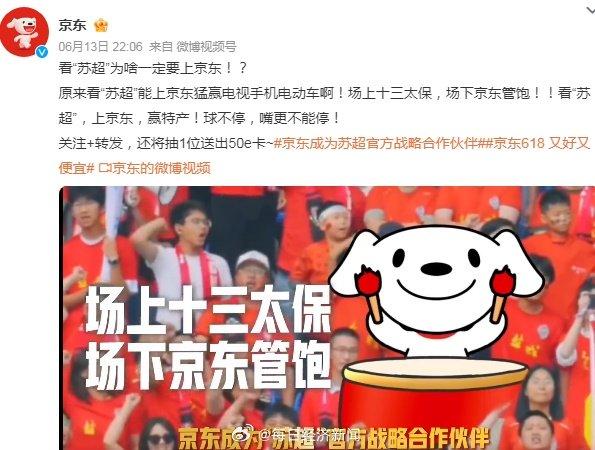
Group 1 - The "Su Super" league has gained significant sponsorship interest, with major companies like JD.com and Yili partnering with the league, indicating its rising popularity in the sponsorship market [1][2] - As of June 13, the number of official strategic partners increased from 1 to 7, with new additions including JD.com and Li Auto, while official sponsors grew from 1 to 5, adding companies like Nubia and Yili [2] - The influx of sponsors is expected to keep ticket prices affordable, encouraging more fan participation, which is crucial for the league's future development [2] Group 2 - The sponsorship categories for "Su Super" include a total of five types: one title sponsor (Jiangsu Bank), one official strategic partner (Guoyuan V3), one official partner (KELME), one official sponsor (Kangshifu's bottled water), and two official suppliers (Zijin Insurance and Gatorade) [1] - The sponsorship landscape reflects the league's growing appeal, as evidenced by the increase in both the number of sponsors and the diversity of companies involved [2]



“苏超”赞助商数量暴增!
第一财经· 2025-06-14 10:02
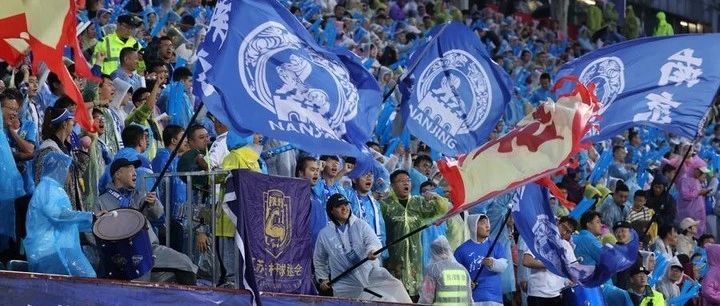
Core Viewpoint - The "Su Super" league has gained significant popularity and commercial value, attracting numerous sponsors and enhancing its market presence, which is expected to lead to further development and improvement of the league [1][4][5]. Sponsorship Growth - Major companies such as JD.com and Yili have signed sponsorship agreements with the "Su Super" league, indicating a strong interest from large enterprises in the event [1][2]. - The total number of sponsors for the "Su Super" league has increased significantly, with strategic partners rising from 1 to 7 and official sponsors from 1 to 5, reflecting a growing interest in the league [2][3]. - The price for official sponsorship seats has surged to 3 million RMB, showcasing the league's increasing commercial appeal [3]. Impact on Development - The influx of sponsors is expected to improve the league's operational conditions, enhance the quality of matches, and create a positive feedback loop for further growth [4]. - Keeping ticket prices affordable is crucial for maintaining fan engagement and participation, which is essential for the league's future development [5]. Community Engagement - The "Su Super" league has successfully connected with local culture, fostering emotional ties between the community and the sport, thus integrating football into the daily lives of ordinary people [6]. - The league emphasizes the importance of maintaining the essence of football amidst commercial growth, ensuring that the core values of the sport are preserved [5].

“苏超”赞助商数量暴增!
Di Yi Cai Jing· 2025-06-14 09:54
Core Insights - The sponsorship market for the "Su Super" league has significantly increased, indicating its growing popularity and commercial value [1][2][3] - Major companies such as JD.com and Yili have joined as official strategic partners and sponsors, enhancing the league's marketability [1][2] - The league's structure now includes a total of 7 strategic partners, 5 sponsors, and an increase in suppliers and partners, reflecting a robust sponsorship ecosystem [2][3] Sponsorship Growth - The number of official strategic partners has risen from 1 to 7, with new additions including JD.com and Li Xiang [1][2] - Official sponsors increased from 1 to 5, with new entrants like Nubia and Yili [1][2] - The total number of sponsors has expanded, including the addition of a public support unit and various regional sponsors [2] Commercial Value and Community Engagement - The increased sponsorship is expected to enhance the league's operational capabilities and improve the overall spectator experience [3][4] - Ticket prices remain affordable, promoting higher attendance and community involvement [4] - The league aims to balance commercial interests with its core values, emphasizing community engagement and the essence of football [4][5] Future Outlook - The influx of sponsors is anticipated to create a positive feedback loop, improving facilities and training conditions, which could attract even more sponsors [3] - Experts suggest that while commercial value is important, the league should maintain its grassroots appeal and community focus [4][5] - The league's connection to local culture and community is seen as a vital aspect of its growth and sustainability [5]
伊利蒙牛押注冰品、和路雪1月就发新品、哈根达斯门店流量下滑⋯⋯闻到了吗?今年夏天冰淇淋市场的火药味
Mei Ri Jing Ji Xin Wen· 2025-06-14 08:42
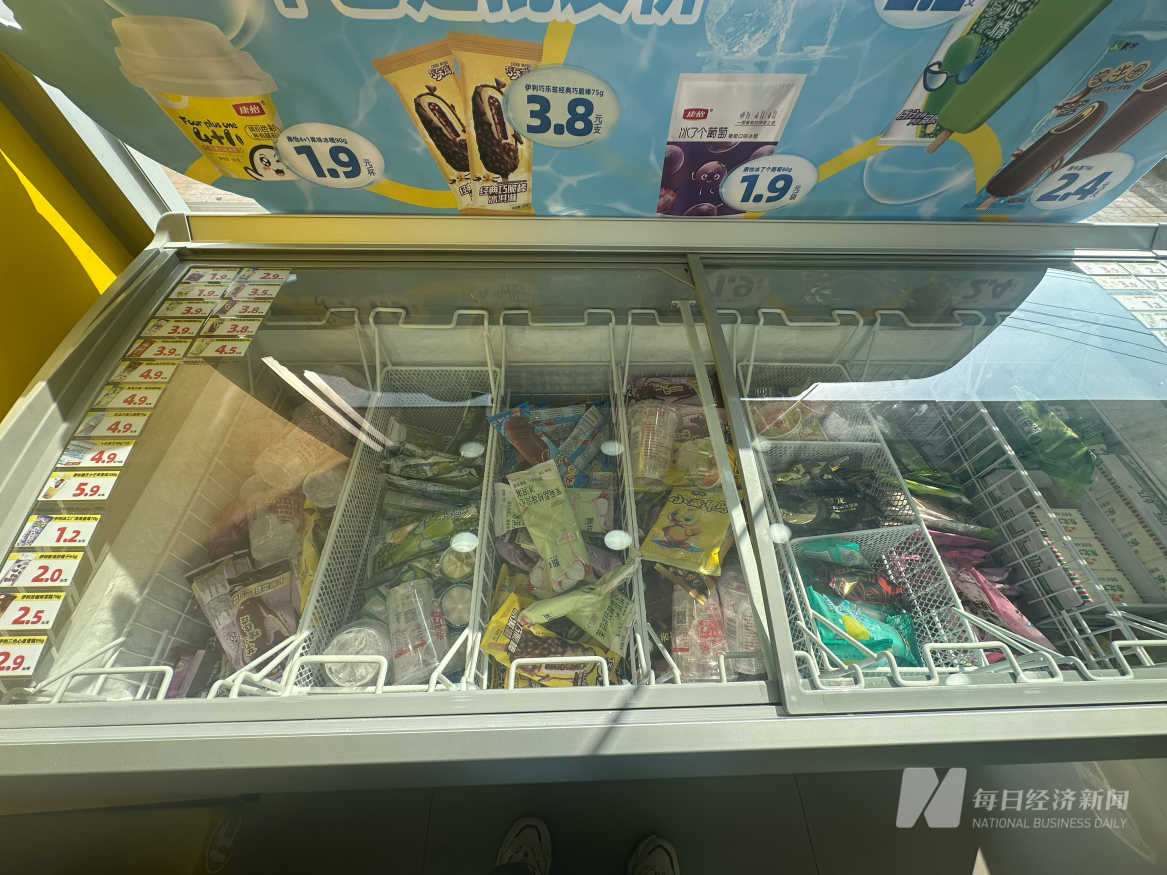
Group 1 - The ice cream market in China is facing challenges as foreign brands struggle with local consumer preferences and competition from new players [1][4] - Major ice cream brands like Mengniu and Yili are looking to boost their performance in the ice cream segment, which has higher profit margins compared to liquid milk [1] - Unilever plans to independently list its ice cream brand, Algida, this year, indicating a strategic shift and the need for strong performance in the market [1] Group 2 - New ice cream products are being launched earlier and in greater numbers, with brands like Algida introducing 31 new products, setting a record [4] - The competition in the ice cream market is intense, with many new entrants and established brands expanding their product lines [4][6] - Traditional ice cream products continue to dominate sales, with popular items like sesame crispy and cola ice cream being top sellers in local shops [4][5] Group 3 - The retail price of ice cream is generally around 4 to 5 yuan, with higher prices in tourist areas [5][6] - The ice cream market is expected to perform better in 2025 compared to 2024, as major brands report a narrowing decline in sales [6] - Price wars are becoming less common, with companies focusing on rational pricing strategies rather than aggressive discounting [6][8] Group 4 - Haagen-Dazs has seen a decline in retail sales in China, but its retail business is experiencing growth due to increased marketing efforts [9] - The company is adjusting its pricing strategy, with promotional events offering lower prices compared to regular retail [9][10]
每天一杯牛奶,你做到了吗?
Xin Jing Bao· 2025-06-14 03:49
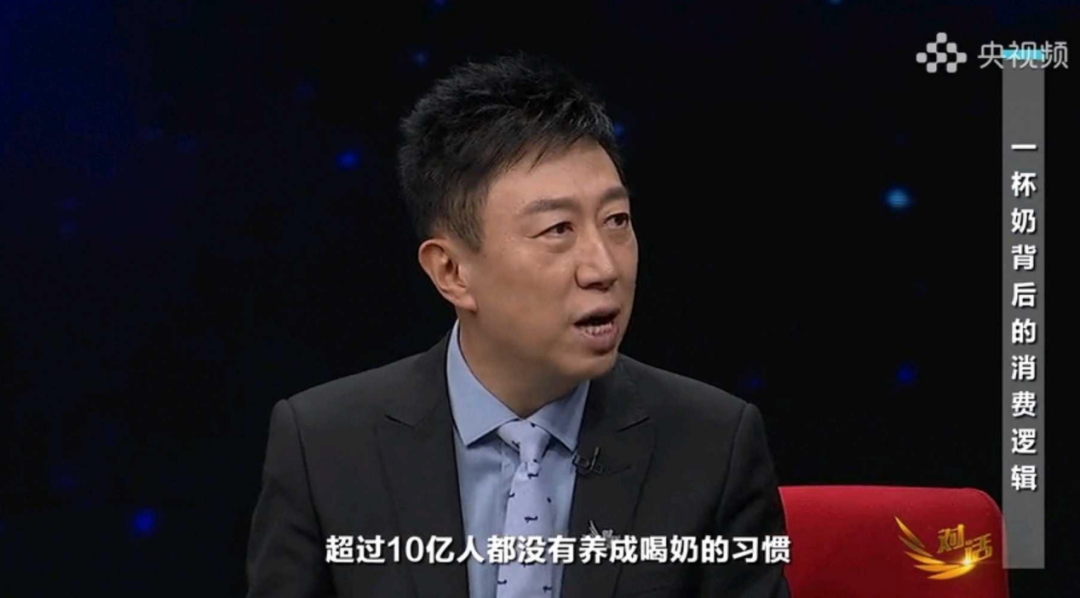
Core Insights - The article highlights the gap between recommended dairy consumption and actual consumption in China, with only 35.6% of the population meeting the daily intake guideline of 300 milliliters of dairy products [1][3][6] - Despite a steady increase in milk production, the dairy industry faces challenges such as low consumer awareness and changing dietary habits, leading to a decline in profits for major dairy companies [12][14][18] Industry Overview - China's milk production reached 4,197 million tons in 2023, marking a 6.7% year-on-year increase, although this is still lower than countries like India and the USA [12][14] - The average per capita dairy consumption in China is about 42 kilograms, which is one-third of the world average and significantly lower than Japan's consumption [6][10] Consumer Behavior - A significant portion of the population, over 1 billion people, has not developed a habit of drinking milk, with only 16.7 grams consumed daily by the 18-59 age group, far below the recommended levels [6][10] - Cultural perceptions of milk as a supplement for the elderly or children contribute to low consumption rates, with many young consumers preferring sugary beverages [10][12] Financial Performance of Dairy Companies - Major dairy companies like Yili and Mengniu reported significant profit declines in 2024, with Yili's net profit down by 18.94% and Mengniu's nearly halved [14][15] - The financial struggles are attributed to economic slowdown, low consumer confidence, and an imbalance in raw milk supply and demand [14][18] Pricing and Market Dynamics - The average price of milk in China is higher than in many other countries, influenced by high production costs and market dynamics [12][18] - There has been a noticeable drop in retail prices for liquid milk products, with promotions leading to lower prices for premium brands [18]
食品饮料行业2025年中期投资策略:结构分化,聚焦景气
Dongguan Securities· 2025-06-13 09:21
Group 1 - The food and beverage industry outperformed the CSI 300 index from January to May 2025, with a decline of 1.52%, surpassing the index by approximately 0.89 percentage points [6][15][16] - The industry valuation has decreased, with a current PE (TTM) of about 21 times, below the five-year average of 34 times [20][24] - Positive consumer policy signals have been established, with significant government initiatives aimed at boosting consumption and expanding domestic demand [24][27] Group 2 - The liquor sector is experiencing weak demand and internal differentiation, with a notable decline in sales during the Dragon Boat Festival [28] - Liquor companies are controlling supply to maintain prices, with several major brands implementing stock control measures [29][31] - Companies like Kweichow Moutai and Wuliangye are engaging in share buybacks to boost market confidence [34][36] Group 3 - The beer sector is showing stable performance with expectations for marginal improvement in 2025, driven by a recovery in demand [4][14] - The condiment sector is anticipated to benefit from the recovery in the restaurant industry, leading to increased demand for condiments [5][18] - The dairy sector is expected to see improved supply-demand dynamics due to favorable fertility policies [22][24] Group 4 - The snack sector is experiencing steady growth, with a focus on multi-channel penetration to enhance brand influence [25][27] - The overall performance of the snack sector is mixed, with some brands outperforming others [27][45]