
YONGHUI SUPERSTORES(601933)

Search documents
在社区卖菜年入近118亿!广东广州跑出一个IPO,与永辉超市竞争
格隆汇APP· 2026-01-25 08:29
Core Viewpoint - The article discusses a new IPO in Guangzhou, Guangdong, which has generated nearly 11.8 billion in annual revenue from community vegetable sales, positioning itself as a competitor to Yonghui Supermarket [1] Group 1: Company Overview - The new IPO has achieved an impressive annual revenue of approximately 11.8 billion, indicating strong market demand and operational efficiency in the community vegetable sales sector [1] - The company is emerging as a significant player in the retail market, particularly in the fresh produce segment, which is traditionally dominated by established players like Yonghui Supermarket [1] Group 2: Industry Context - The community vegetable sales model is gaining traction, reflecting a shift in consumer preferences towards fresh and locally sourced produce [1] - The competitive landscape is intensifying as new entrants challenge established supermarkets, suggesting potential changes in market dynamics and consumer behavior in the retail sector [1]

胖东来的第一批学徒,已经挂科了
首席商业评论· 2026-01-25 04:48
Core Viewpoint - The article discusses the challenges and complexities of replicating the "胖东来" (Pang Donglai) retail model, highlighting the difficulties faced by other supermarkets in adopting this approach and the unique characteristics that define Pang Donglai's success [5][8][29]. Group 1: Industry Challenges - The retail industry is experiencing significant turmoil, with major players like 永辉超市 (Yonghui Supermarket) and 中百 (Zhongbai) reporting substantial losses, while 胖东来 continues to thrive, achieving a sales target of 20 billion yuan ahead of schedule [8][9]. - The traditional supermarket model relies heavily on key account (KA) relationships, which often leads to high fees for suppliers and a lack of control over product selection [10][12]. - The shift towards a new model, as exemplified by 胖东来, involves reducing reliance on KA and focusing on direct consumer sales, which requires a fundamental change in operational strategy [12][13]. Group 2: Management and Organizational Structure - The difficulties in adopting the 胖东来 model stem from the need to overhaul existing procurement systems and the entrenched interests within traditional supermarket structures [13][14]. - The management challenges include maintaining high standards of employee compensation and performance while ensuring that the complexities of large-scale operations do not dilute the effectiveness of management practices [16][22]. - 胖东来’s approach to employee compensation is notably generous, with base salaries for various positions significantly higher than industry standards, which is intended to reduce corruption and improve performance [16][21]. Group 3: Learning from 胖东来 - Other supermarkets attempting to learn from 胖东来 often struggle to implement the necessary changes, as the model requires a deep understanding of operational efficiency and customer engagement [9][30]. - The article emphasizes that simply copying products or practices from 胖东来 is insufficient; a comprehensive transformation of the business model and culture is essential for success [12][31]. - The unique characteristics of 胖东来, including its focus on self-branded products and customer-centric strategies, make it difficult for competitors to replicate its success without significant organizational changes [12][29].

超市大量倒闭,真的是电商冲击的?原因是老年人不来了
Sou Hu Cai Jing· 2026-01-24 13:25
Core Insights - The closure of supermarkets across China is not solely due to the rise of e-commerce but also significantly influenced by the shift in shopping habits among the elderly population [1][10] - In 2024, it is projected that over 1,500 supermarkets will close, with 720 closures occurring in the first half of the year alone [1][6] - The trend indicates a broader transformation in consumer behavior, particularly among older adults who are increasingly embracing online shopping [4][10] Group 1: Supermarket Closures - By 2024, 782 supermarkets have already closed, with expectations of more closures in 2025 [1] - Major chains like Yonghui Supermarket are also affected, planning to close 381 stores by 2025 due to declining customer traffic [7] - The closures reflect a significant industry trend rather than isolated incidents [1][6] Group 2: E-commerce Impact - Online retail growth is at 3.75%, but this alone does not account for the high number of supermarket closures [2] - The elderly demographic, once a primary customer base for supermarkets, is increasingly shopping online, with 51.2% of seniors indicating they shop frequently online [4][10] - The rapid growth in online shopping among seniors is evidenced by a 238% increase in transaction volume from 2019 to 2024 [4] Group 3: Changing Consumer Behavior - Seniors are motivated to shop online for convenience, avoiding the physical effort of visiting supermarkets [5][10] - Familiarity with platforms like WeChat has facilitated this transition, with 24.8% of seniors using WeChat for purchases [5] - The shift in shopping behavior is not just about convenience but also reflects a change in social interaction, as online shopping provides a sense of community [5][10] Group 4: Supermarket Adaptation - Supermarkets that remain open are attempting to adapt by creating more senior-friendly environments and offering specialized sections [7] - However, these adaptations may be too late, as many seniors have already shifted to online shopping [7][10] - The overall retail landscape is changing, with smaller formats like community stores and specialty shops gaining traction [8][10] Group 5: Future Outlook - The retail industry must recognize the importance of understanding and adapting to the new shopping habits of seniors [10] - Successful retailers will be those that can differentiate themselves and embrace online integration, rather than relying solely on traditional models [10] - The evolving consumer landscape indicates that while some seniors still shop in traditional stores, many are now exploring various channels, including online and community group purchases [9][10]

永辉学习胖东来,结果每天一开门就亏600万
盐财经· 2026-01-24 09:56
Core Viewpoint - Yonghui Supermarket is experiencing continuous losses, with a projected net profit loss of 2.14 billion yuan for 2025, marking the fifth consecutive year of losses, totaling over 11.6 billion yuan since 2021 [2][4][11]. Group 1: Financial Performance - The company reported a daily loss of nearly 6 million yuan over the past year [3]. - From 2021 to 2025, Yonghui's losses were 3.944 billion yuan, 2.763 billion yuan, 1.329 billion yuan, 1.465 billion yuan, and 2.14 billion yuan respectively [4]. - In the first half of 2025, Yonghui's revenue was approximately 29.95 billion yuan, a decrease of 20.73% compared to the previous year [34]. Group 2: Strategic Changes and Challenges - Yonghui has attempted various strategies to reverse its decline, including launching "Super Species," community mini-stores, and digital transformation, but these efforts have not yielded positive results [7]. - The company initiated a transformation plan inspired by the successful case of another supermarket, but after 20 months, the anticipated improvements have not materialized, and losses have increased [10][11]. - The transformation involved significant costs, with each store renovation costing between 5 million to 8 million yuan, leading to a total of approximately 9.1 billion yuan in related expenses for 2025 [31][32]. Group 3: Market Position and Consumer Perception - Despite initial positive consumer responses to store renovations, long-term customer retention remains a challenge, with a 19% decline in customer traffic [34][35]. - The price adjustments post-renovation have led to consumer dissatisfaction, as many perceive the new prices as higher than before, deviating from Yonghui's original "everyday low price" strategy [25][26]. - The company has struggled to establish a unique product identity, with its private label offerings lacking distinctiveness compared to competitors [42]. Group 4: Industry Context - The challenges faced by Yonghui are not unique, as other traditional supermarkets are also struggling with store closures and adapting to changing consumer preferences [45]. - The retail landscape has shifted, with price-sensitive consumers gravitating towards community group buying and discount stores, while those seeking quality and experience are moving towards membership-based stores [43][45].

上交所对永辉超市下发监管工作函
Cai Jing Wang· 2026-01-24 02:05
1月23日,上交所官网显示,上交所就永辉超市(601933)出售资产相关事项下发监管工作函,涉及对 象包括上市公司、董事、高级管理人员、控股股东及实际控制人。 (编辑:王璨 林辰) (上交所) ...
红旗连锁:股东关于减持公司股份触及1%整数倍的公告

Zheng Quan Ri Bao Zhi Sheng· 2026-01-23 14:13
(编辑 丛可心) 证券日报网讯 1月23日,红旗连锁发布公告称,永辉超市于2026年1月16日至1月22日通过集中竞价及大 宗交易合计减持公司18,400,100股,占公司总股本1.35%,持股降至103,829,800股,占比7.63%。 ...
上交所:对永辉超市下发监管工作函
Guo Ji Jin Rong Bao· 2026-01-23 14:00
上交所公告,对永辉超市下发监管工作函,涉及对象包括上市公司、董事、高级管理人员、控股股东及 实际控制人。 ...
探店北京区域“胖改”店
虎嗅APP· 2026-01-23 13:53
Core Viewpoint - The article discusses the transformation of traditional supermarkets in Beijing, particularly focusing on the "胖改" (Fat Reform) initiative, which aims to enhance the shopping experience but has led to mixed consumer responses regarding pricing and product availability [5][25]. Group 1: Consumer Experience - Consumers have reported a decline in foot traffic and interest in supermarkets post-reform, with many expressing dissatisfaction over increased prices and a lack of everyday products [6][7][25]. - The transformation has made stores appear cleaner and more organized, but this has not translated into higher customer satisfaction, especially among price-sensitive shoppers [6][9][25]. - Observations indicate that during peak shopping times, such as holidays, the customer turnout has significantly decreased compared to pre-reform levels [7][19]. Group 2: Pricing and Competition - The article highlights that the average prices of products in reformed stores have increased, which has alienated budget-conscious consumers [26][28]. - Comparisons with e-commerce platforms reveal that many products are available at significantly lower prices online, leading consumers to prefer online shopping over physical stores [12][30]. - The competition from membership-based stores like Sam's Club is intensifying, putting additional pressure on traditional supermarkets to justify their pricing strategies [26][28]. Group 3: Operational Challenges - The reform has led to increased operational costs, particularly in labor, as stores have expanded their workforce and raised employee salaries significantly [29][30]. - Despite some positive metrics, such as increased sales and customer return rates, the long-term sustainability of these reforms remains uncertain due to rising costs and the challenge of maintaining service quality across different locations [28][30]. - The article emphasizes the need for traditional supermarkets to balance quality and pricing while navigating the complexities of supply chain management and organizational culture [30][31].
学胖东来反亏21亿?永辉调改店实探:人少价高,标语满天飞!专家称只学表皮
新浪财经· 2026-01-23 12:10
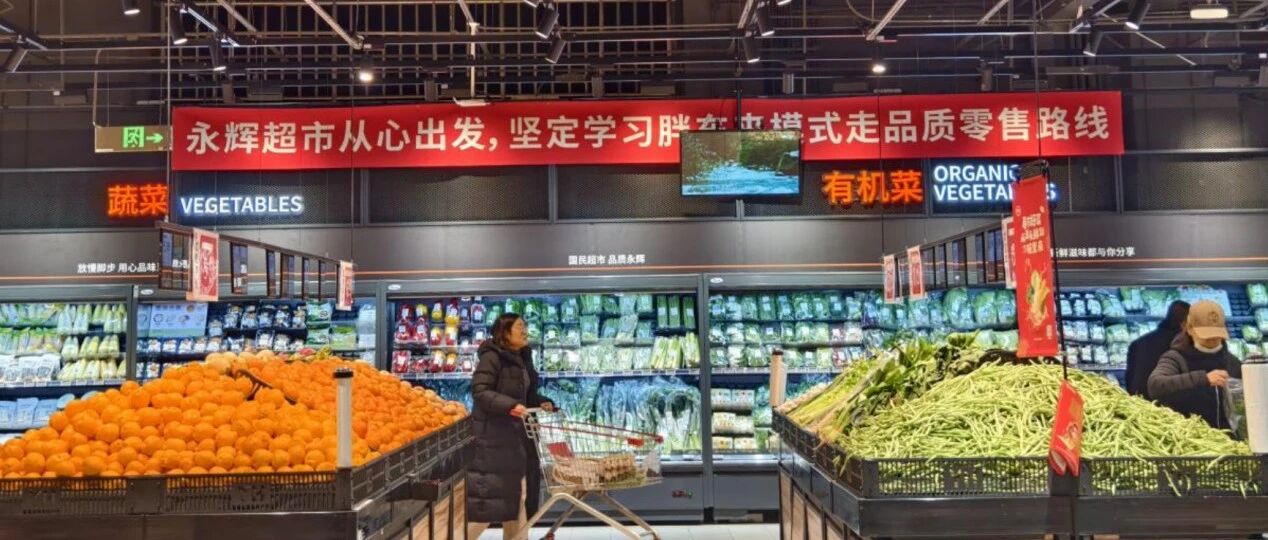
Core Viewpoint - Yonghui Supermarket is expected to incur a net loss of 2.14 billion yuan in 2025, marking its fifth consecutive year of losses, primarily due to store adjustments and related costs exceeding 1.2 billion yuan [3][12][13]. Group 1: Financial Performance - In 2024, Yonghui Supermarket reported a revenue of 67.574 billion yuan, a year-on-year decline of 14.07%, and a net loss of 1.465 billion yuan, which expanded by 10.26% compared to the previous year [11]. - The projected net loss for 2025 is 2.14 billion yuan, compared to a loss of 1.47 billion yuan in the previous year, indicating a worsening financial situation [12]. - The losses are attributed to three main factors: store adjustments, supply chain reforms, and external investments leading to asset impairment [12]. Group 2: Store Adjustments and Strategy - Yonghui Supermarket has deepened adjustments in 315 stores and closed 381 stores that do not align with its future strategic positioning, resulting in significant losses from asset write-offs and other related costs [12][13]. - The adjustments have led to an estimated loss of approximately 910 million yuan from asset write-offs and one-time costs, along with an estimated 300 million yuan loss in gross profit due to store closures [12]. - Experts suggest that the core of the "Pang Donglai model" includes high salaries, long-termism, and regional deep cultivation, which Yonghui has not fully adopted, focusing instead on superficial aspects like decoration and service [13]. Group 3: Customer Experience and Market Response - After the store adjustments, customer traffic initially surged but later returned to normal levels, with some customers noting that prices have increased [9][10]. - The store features a dedicated area for Pang Donglai-branded products, but there have been no reported incidents of product hoarding or reselling, indicating stable customer behavior [9][10]. - The new CEO has acknowledged that Yonghui is currently at the level of Pang Donglai ten years ago and aims to regain customer trust over the next few years [15].
永辉超市调改店实探:顾客称调改后价格变贵
Xin Lang Cai Jing· 2026-01-23 12:03
Core Insights - The article highlights that after the renovation of a Yonghui Supermarket, customer traffic has declined from its peak, with some customers reporting increased prices for products [1] - Despite the introduction of a branded product area featuring "Pang Dong Lai," there were no signs of the anticipated rush or purchasing behavior, and customer traffic remained stable [1] - Experts suggest that Yonghui Supermarket's continued losses are not due to the incompatibility of the "Pang Dong Lai" model, but rather because the company only adopted superficial aspects of the model without understanding its core principles [1] Summary by Categories Customer Traffic and Pricing - Customer traffic at the renovated Yonghui Supermarket has decreased from its peak period, with feedback indicating that product prices have increased [1] Product Offering and Customer Behavior - The introduction of a branded product area did not lead to the expected rush or purchasing frenzy, and customer traffic has remained normal [1] Expert Analysis - Experts believe that Yonghui Supermarket's losses stem from a superficial implementation of the "Pang Dong Lai" model, lacking the essential elements of high salaries, long-term commitment, and regional focus [1]