XPENG(XPEV)

Search documents
2025年度新势力销量分析:零跑强势登顶 头部阵营再重构
Zhong Guo Zhi Liang Xin Wen Wang· 2026-01-15 03:32
Core Insights - The competition in the Chinese new energy vehicle market is intensifying, with a clear shift from "price competition" to "value competition" among new car manufacturers [3] Group 1: Top Performers - Leap Motor achieved a remarkable delivery of 596,555 vehicles in 2025, marking a 103% year-on-year increase and exceeding its annual target of 500,000 vehicles with a completion rate of 119.3% [2][5] - Hongmeng Zhixing delivered 589,107 vehicles, a 32% increase year-on-year, but only reached 58.91% of its ambitious target of 1 million vehicles [5][7] - Xiaopeng Motors delivered 429,445 vehicles, achieving a 126% year-on-year growth and surpassing its target of 350,000 vehicles with a completion rate of 122.69% [9][10] Group 2: Emerging Players and Challenges - Xiaomi Motors entered the market with over 410,000 deliveries, achieving a completion rate of over 114% against its target of 350,000 vehicles, indicating a successful first full sales year [10][12] - Li Auto faced challenges with a total delivery of 406,343 vehicles, down 19% year-on-year, and only achieving 63% of its target of 640,000 vehicles [12][14] - Deep Blue delivered 333,117 vehicles, a 36.6% increase, but faced declining sales in the last two months of the year, highlighting transition pressures [16] Group 3: Diverse Growth Patterns - NIO achieved a record delivery of 326,028 vehicles, a 46.9% increase, with a completion rate of 74.1% against its target [18] - Zeekr delivered 224,000 vehicles, with a slight increase of 0.9%, but fell short of its target of 320,000 vehicles, indicating growth pressures in a competitive market [19][21] - Avita delivered over 120,000 vehicles, but only achieved 60% of its target, reflecting challenges in scaling amidst intense competition [25] Group 4: Market Dynamics and Future Outlook - The market is transitioning from rapid expansion to high-quality development, with brands needing to focus on technological capabilities and precise market positioning to succeed [27] - The implementation of new national subsidy policies in 2026 is expected to accelerate industry reshuffling, intensifying competition in the mainstream price segment [27]


车企自研、第三方合作“双轮驱动”,城市NOA规模化加速
Zhong Guo Jing Ji Wang· 2026-01-15 02:12
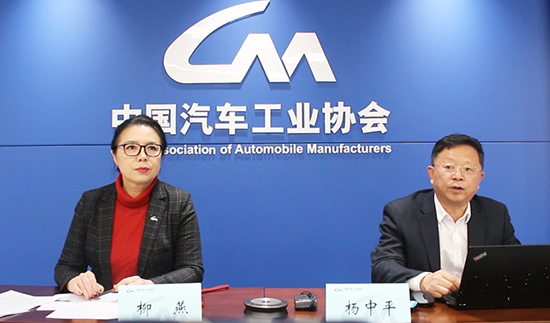
Core Insights - 2025 is identified as a critical year for the commercialization of urban NOA (Navigation Assisted Driving) in China, with a projected market scale growth [1] - The report indicates that from January to November 2025, the cumulative sales of passenger cars equipped with urban NOA reached 3.129 million units, with a penetration rate of 15.1%, an increase of 5.6 percentage points compared to the entire year of 2024 [1] Industry Background - NOA technology is seen as a key driver for smart connected vehicles, bridging advanced driver assistance and fully autonomous driving, which is crucial for enhancing user travel experience and asserting China's competitive voice in the global automotive industry [3] - The report highlights that among the passenger cars sold with urban NOA, domestic brands accounted for 2.5373 million units, representing 81.1% of the total, showcasing innovation and competitiveness in the smart connected vehicle sector [3] Market Dynamics - The current market for urban NOA is characterized by a dual-driven model of self-research by car manufacturers and collaboration with third-party suppliers [5] - Major players in self-research include Tesla, NIO, Xpeng, Li Auto, Xiaomi, and others, while approximately 29 brands collaborate with third-party suppliers [5] - The third-party supplier market is dominated by two key players, Momenta and Huawei, which together hold about 80% market share; Momenta's urban NOA installations reached 414,400 units, accounting for 61.06% of third-party suppliers, while Huawei's HI model accounted for 19.76% with 134,100 units [5] Technological Advancements - The rapid iteration of technology and market competition is driving systemic changes in smart driving technology, core architecture, and industrial ecology [9] - The report emphasizes that end-to-end large models are becoming the core engine for NOA technology iteration, facilitating a shift from modular architecture to integrated systems [10] - New energy vehicle manufacturers are building technological barriers through full-stack self-research, while traditional automakers are accelerating technology deployment through partnerships with third-party suppliers [10] Future Outlook - The report anticipates that by 2030, urban NOA will become a mainstream feature in both assisted and autonomous driving [10] - Recommendations for enhancing the high-quality development of NOA include improving top-level design, strengthening technological innovation, enhancing industry collaboration, and exploring global competitiveness for supply chain enterprises [11]

A股集体低开,商业航天板块集体调整
Di Yi Cai Jing Zi Xun· 2026-01-15 01:58
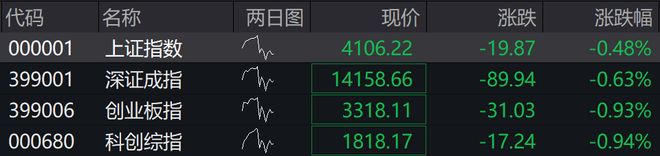
Market Overview - The commercial aerospace sector experienced a collective adjustment, with companies like Tongyu Communication and Fenghuo Communication hitting the daily limit down, while Jili Rigging fell over 8% [1] - The A-share market opened lower, with the Shanghai Composite Index down 0.48%, the Shenzhen Component Index down 0.63%, and the ChiNext Index down 0.93% [1][2] - The AI application sector saw a decline, with CRO, commercial aerospace, brain-computer interface, nuclear fusion, and Yushu Robotics concepts leading the losses [2] Company Specifics - Tianpu Co. opened near the daily limit down after receiving an inquiry letter from the Shanghai Stock Exchange regarding its main business and executive qualifications [2] - Ctrip Group's stock fell nearly 15% following an investigation by the market regulatory authority, while other companies like Tongcheng Travel and Xpeng Motors also saw declines of over 2% [4][6] Index Performance - The Shanghai Composite Index was at 4106.22, down 19.87 points or 0.48% [2] - The Shenzhen Component Index was at 14158.66, down 89.94 points or 0.63% [2] - The ChiNext Index was at 3318.11, down 31.03 points or 0.93% [2] - The Science and Technology Innovation Index was at 1818.17, down 17.24 points or 0.94% [2]


A股集体低开,商业航天板块集体调整
第一财经· 2026-01-15 01:52
Market Overview - The A-share market opened lower with the Shanghai Composite Index down 0.48%, the Shenzhen Component down 0.63%, and the ChiNext Index down 0.93% [4] - The Hang Seng Index also opened lower, down 0.1%, while the Hang Seng Tech Index fell by 0.55% [8] Sector Performance - The commercial aerospace sector experienced a collective adjustment, with companies like Tongyu Communication and Fenghuo Communication hitting the daily limit down, and Jieli Suojian dropping over 8% [3] - AI application themes saw a decline, with sectors such as CRO, commercial aerospace, brain-computer interfaces, nuclear fusion, and robotics experiencing significant drops [6] - In contrast, sectors like energy metals, cybersecurity, and cross-border payment concepts showed active performance [6] Company Specifics - Tianpu Co. opened near the daily limit down after receiving an inquiry letter from the Shanghai Stock Exchange regarding its main business and executive qualifications [7] - Ctrip Group's stock plummeted nearly 15% following an investigation by the market regulatory authority, while other companies like Tongcheng Travel and XPeng Motors also saw declines of over 2% [8][10]



机器人赛道挤满了车圈大佬
3 6 Ke· 2026-01-15 00:16
Core Insights - The article discusses a significant migration of talent from the smart driving sector to the robotics industry, highlighting the emergence of several startups led by former leaders in smart driving technology [1][2][6]. Group 1: Company Developments - Zhihui Square, a startup founded by Guo Yandong, has completed seven rounds of financing within eight months, raising several billion yuan and achieving a valuation of over $1 billion, making it a unicorn [1]. - Guo Yandong, previously a chief scientist at Xiaopeng Motors, emphasizes the importance of integrating hardware and software in robotics, ensuring rapid deployment in real-world scenarios [1]. - Other notable startups include Zhijian Power, founded by former leaders from Li Auto, which secured $50 million in angel funding [2], and Tashizhi Hang, co-founded by Chen Yilun and Ding Wenchao, which set a record for angel round financing in the embodied intelligence sector with $120 million and $122 million in two rounds [4]. Group 2: Talent Migration - Over 30 industry leaders have transitioned from the smart driving sector to robotics, including figures like Gao Jiyang and Zhang Li, who have founded companies focusing on humanoid robots and embodied models [5][6]. - The capital market is favoring talent with smart driving backgrounds, as they possess experience in scaling product deployment and managing substantial resources, which is seen as a competitive advantage in the robotics field [6]. Group 3: Technological Integration - Companies like Tesla and Xiaopeng are leveraging their existing technology from smart vehicles to develop robots, with Xiaopeng's new IRON model integrating AI chips and models previously used in their cars [7][8][11]. - The shared technology between smart vehicles and humanoid robots includes algorithms, hardware, and supply chain resources, indicating a convergence of these two sectors [8][12]. Group 4: Market Dynamics - The robotics industry is witnessing a surge in interest from automotive companies, with many entering the market through self-development, investment, or partnerships [20]. - Despite the excitement, there are concerns about the potential for market chaos due to oversaturation, false advertising, and low-level competition as numerous companies rush into the robotics space [20][21].


纳指收跌1%,甲骨文、博通跌超4%
Mei Ri Jing Ji Xin Wen· 2026-01-15 00:10
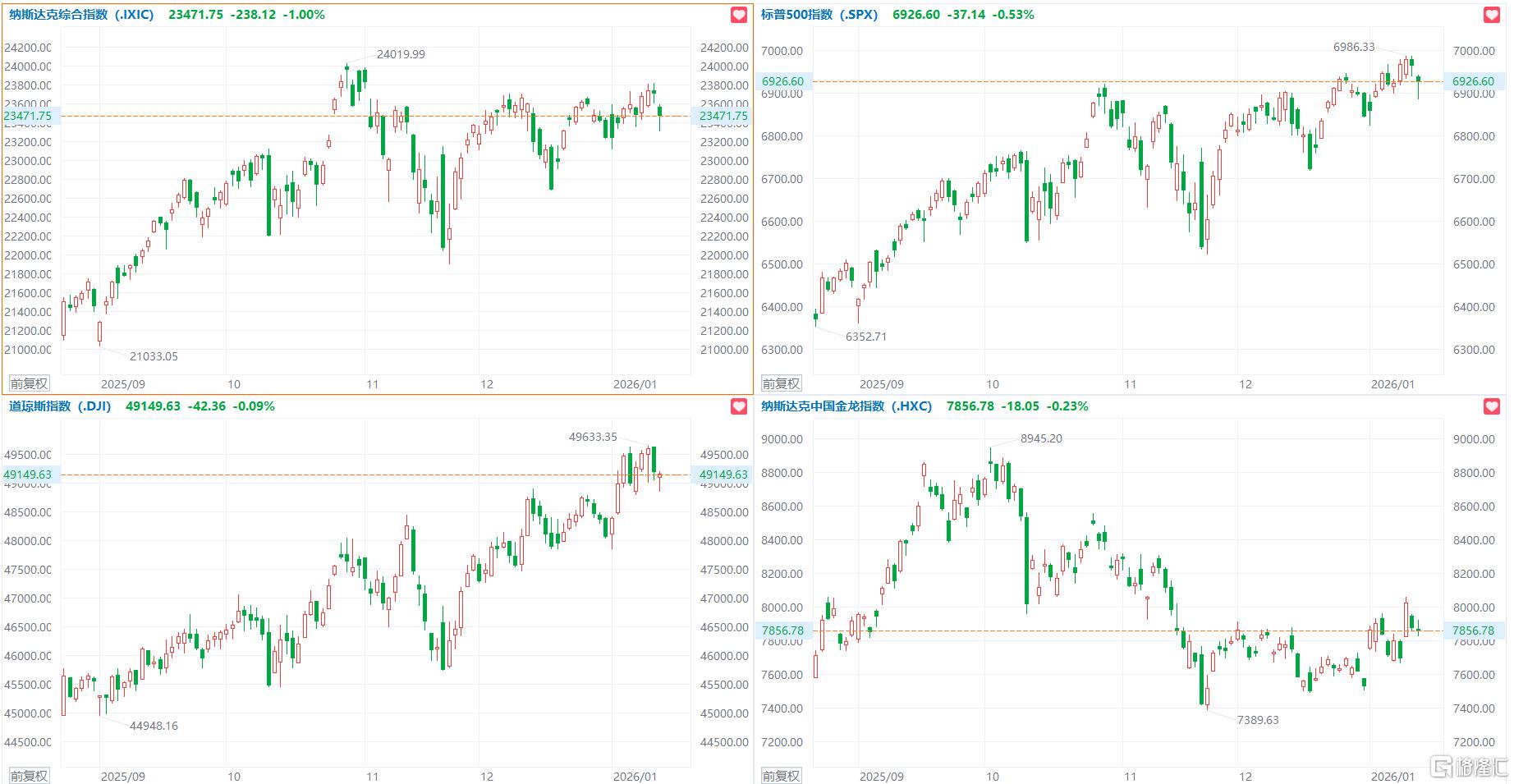
Market Overview - The three major U.S. stock indices closed lower, with the Dow Jones down 0.08%, the Nasdaq down 1.00%, and the S&P 500 down 0.53% [2] - Technology stocks experienced widespread declines, with Oracle and Broadcom falling over 4%, and Amazon, Microsoft, and Meta dropping over 2% [2] - Notably, Intel saw a contrary increase, rising over 3% [2] Chinese Stocks Performance - The Nasdaq Golden Dragon China Index decreased by 0.23%, with significant declines in several Chinese companies [2] - Ctrip fell over 17%, Pinduoduo dropped nearly 4%, and electric vehicle manufacturers such as Li Auto, NIO, and Xpeng, along with Bawang Tea, all declined over 2% [2] - In contrast, Bilibili experienced a rise of over 6% [2]


美股三大指数集体收跌,纳指跌1%,甲骨文、博通跌超4%
Ge Long Hui· 2026-01-14 23:51
Market Overview - The three major U.S. stock indices closed lower, with the Dow Jones down 0.08%, the Nasdaq down 1.00%, and the S&P 500 down 0.53% [1] - Technology stocks experienced widespread declines, with Oracle and Broadcom falling over 4%, and Amazon, Microsoft, and Meta dropping over 2% [1] - Notably, Intel saw a contrary increase, rising over 3% [1] Chinese Stocks Performance - The Nasdaq Golden Dragon China Index decreased by 0.23% [1] - Among popular Chinese stocks, Meituan fell approximately 4%, Pinduoduo dropped 3.9%, and Netease, Li Auto, NIO, and Xpeng all declined over 2% [1] - Conversely, Baidu rose by 0.8%, Tencent increased by 1%, and several companies including WeRide and Pony.ai saw gains of 1.3% and 1.8% respectively, while Alibaba increased by 1.9% [1]




“活着就有机会”,冬天里的造车新势力
汽车商业评论· 2026-01-14 23:07
Core Viewpoint - The article discusses the recent milestones achieved by Chinese electric vehicle manufacturers NIO, Xpeng, and Leap Motor, highlighting their growth and strategic directions in the evolving automotive market, particularly in the context of the 2026 automotive landscape [3][5][8]. Group 1: Milestones and Achievements - NIO reached a significant milestone of producing 1 million vehicles on January 6, 2026, marking a critical point in its growth trajectory [8][12]. - Xpeng and Leap Motor also achieved the 1 million vehicle production mark in late 2025, with Xpeng hitting this milestone on November 21, 2025, and Leap Motor on September 25, 2025 [11][12]. - The time taken for each company to reach 1 million vehicles varied, with NIO taking approximately 7 years and 8 months, while Leap Motor achieved it in about 6 years [12]. Group 2: Strategic Directions - NIO's focus for 2026 includes launching larger, high-margin vehicles, with a goal of achieving profitability [13][27]. - Xpeng is expanding its range of extended-range vehicles, with plans for multiple new models, indicating a shift in strategy to meet market demands [15][30]. - Leap Motor aims for aggressive growth, setting a sales target of 1 million vehicles for 2026 and aspiring to reach an annual sales volume of over 4 million vehicles in the next decade [32]. Group 3: Market Context and Competition - The article notes that the competition among the new energy vehicle manufacturers has intensified, with each company striving to establish a strong market presence [7][19]. - Leap Motor emerged as the top seller among new energy vehicle manufacturers in 2025, delivering 596,555 vehicles, a 103% increase year-on-year [19][21]. - Xpeng and NIO also reported significant growth, with Xpeng delivering 429,445 vehicles (up 126%) and NIO delivering 326,028 vehicles (up 46.9%) [21]. Group 4: Future Outlook - Industry leaders express cautious optimism for 2026, with NIO's management indicating a focus on steady growth rather than ambitious targets [27][28]. - Xpeng's CEO emphasizes the importance of maintaining a balanced approach while capitalizing on global market opportunities [30]. - Leap Motor's CEO envisions a future where multiple Chinese manufacturers achieve significant sales volumes, potentially capturing a large share of the global automotive market [32].

1月15日热门中概股涨跌不一,携程重挫逾17%
Xin Lang Cai Jing· 2026-01-14 21:26
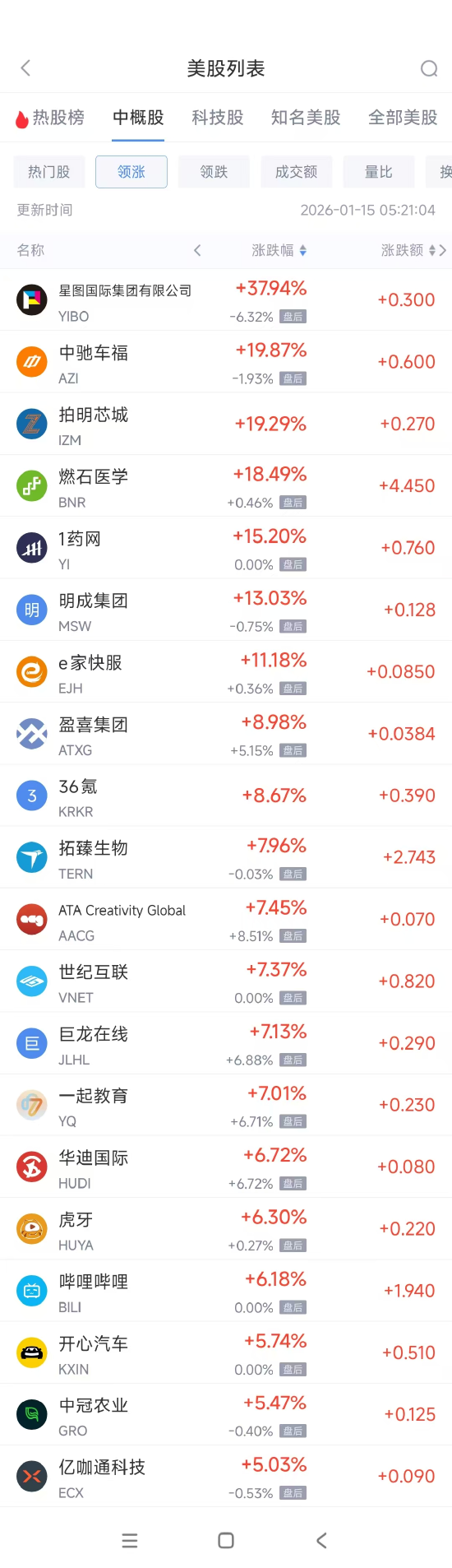
Core Viewpoint - The performance of Chinese concept stocks varied on January 15, with the Nasdaq China Golden Dragon Index (HXC) declining by 0.23% amid ongoing geopolitical risks and the market digesting recent bank earnings reports [1][8]. Group 1: Stock Performance - Among the rising stocks, Alibaba increased by 1.75%, Baidu by 0.77%, and Bilibili by 6.18% [1][7]. - Notable declines included Ctrip, which fell by 17.05%, and Pinduoduo, which dropped by 3.98% [1][8]. - The Dow Jones Industrial Average decreased by 42.36 points (0.09%), the Nasdaq fell by 238.12 points (1.00%), and the S&P 500 dropped by 36.75 points (0.53%) [1][8]. Group 2: Leading Gainers and Losers - Leading gainers included Ming Cheng Group (+13.03%), e家快服 (+11.18%), and 36氪 (+8.67%) [4][9]. - Leading losers featured Ctrip (-17.05%), 英米 (-9.47%), and 浩希健康 (-7.50%) [5][10].


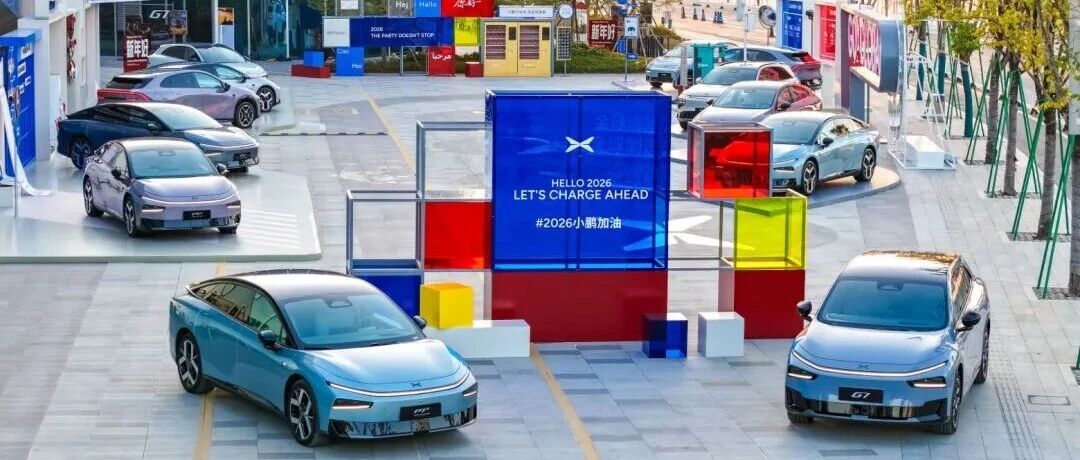
2026,小鹏拼了!
电动车公社· 2026-01-14 16:00
Core Viewpoint - Xiaopeng Motors is gearing up for a significant product year in 2026, launching multiple new models and enhancing its technology to compete in both domestic and global markets [2][7][38]. Group 1: Product Launch and Technology - Xiaopeng Motors introduced four new models on January 8, 2026, focusing on range extension and advanced technology [2][3]. - The new models feature self-developed Turing chips, moving away from Nvidia's Orin X chips, and include enhancements like the second-generation VLA and VLM for improved driving assistance and smart cockpit capabilities [3][4][21]. - The company emphasizes that its range-extended vehicles are fundamentally electric, maintaining low energy consumption and offering a pure electric range of 430 km [11][12]. Group 2: Market Position and Growth - In 2025, the sales of range-extended vehicles in China reached 1.235 million units, a 6% increase year-on-year, while pure electric vehicle sales grew by 24.4% [9]. - Xiaopeng Motors ranked among the top ten global new energy brands in sales, with the potential to break into the top five with the addition of range-extended models [9][10]. - The company aims to achieve a sales target of 550,000 to 600,000 vehicles in 2026, representing a 30% increase from 2025 [52][53]. Group 3: Global Market Strategy - Xiaopeng Motors is actively targeting international markets, with a goal of achieving a 1:1 sales ratio between overseas and domestic markets [41][50]. - The company has expanded its presence to 60 countries and regions, indicating a strong commitment to global growth [51]. - The focus on global media engagement during product launches reflects Xiaopeng's strategy to enhance its visibility and reputation in international markets [46][50]. Group 4: Competitive Landscape - The automotive market in 2026 is expected to be increasingly competitive, with strong rivals like Tesla, Xiaomi, BYD, and Leap Motor [58][59]. - Xiaopeng Motors is positioning itself to leverage its technological advancements and product offerings to navigate this competitive environment [60].