奔驰

Search documents
雷军和李想互动 小米YU7+理想i8要干翻BBA的35C?
Sou Hu Cai Jing· 2025-06-23 08:41
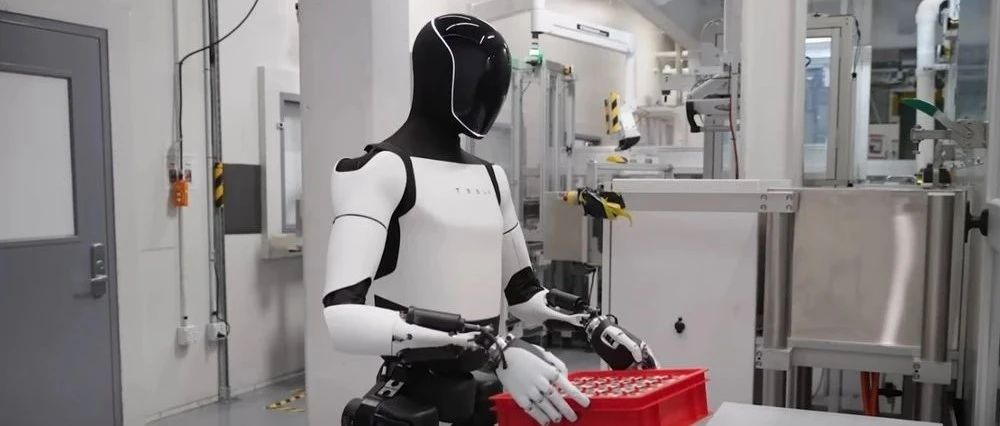
Core Insights - Xiaomi's first SUV, YU7, is positioned as a luxury high-performance vehicle, focusing on driver experience rather than traditional spacious layouts [3] - Li Xiang, CEO of Li Auto, congratulated Xiaomi on the YU7 and highlighted that their upcoming model, Li i8, is a family-oriented SUV, contrasting with Xiaomi's sporty approach [5] - The launch of Xiaomi YU7 and Li Auto's i8 and i6 may directly compete with the BBA's 35C series (GLC, X3, Q5), which are priced between 300,000 to 500,000 yuan [8] Summary by Sections Xiaomi YU7 - The YU7 will maintain an "SUV" classification, emphasizing driving performance and luxury while ensuring practical space [3] - Xiaomi aims to balance sporty performance with comfort in the YU7, countering the trend of prioritizing comfort features in the electric vehicle market [3] Li Auto i8 and i6 - Li Auto's i8 is set to launch in late July and is designed as a three-row, six-seat pure electric SUV, focusing on family travel experiences [5] - Li Auto aims to provide alternatives for families considering premium models like the Mercedes-Benz GLC, BMW X3, and Audi Q5 [5] Market Competition - The introduction of Xiaomi YU7 and Li Auto's models could disrupt the market share of established luxury brands, particularly in the competitive pricing segment [8] - Both companies may leverage their brand value and pricing strategies to attract consumers from the BBA's offerings [8]



我为什么支持BBA放弃全面电动化?
Hu Xiu· 2025-06-23 07:41
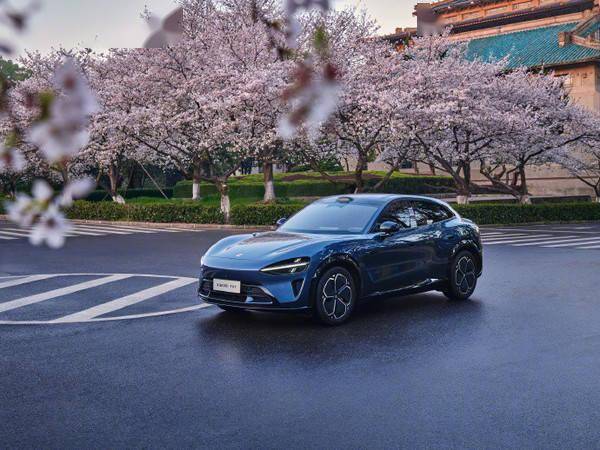
Core Viewpoint - European automotive brands are shifting their strategies regarding internal combustion engine (ICE) vehicles, with Audi confirming it will no longer adhere to its 2033 deadline for phasing out ICE models [2][5]. Group 1: Strategic Shifts - Audi's CEO announced the abandonment of plans to stop developing ICE vehicles by 2026, indicating a broader trend among European manufacturers [2][5]. - Similar confirmations have been made by Mercedes-Benz and Volvo, while BMW has emphasized a coexistence of multiple powertrains without a clear timeline for phasing out ICE vehicles [4][5]. - This strategic shift is largely driven by the poor sales performance of electric vehicles (EVs) from these brands, with even BMW, which has performed best in electrification among the "Big Three" (BBA), not seeing EVs as a significant profit driver [6][10]. Group 2: Market Dynamics - The transition to electrification has disrupted traditional product lines, necessitating a careful balance between developing new EVs and maintaining ICE models [8][10]. - The compromise in product offerings may lead to consumer confusion, as buyers of both ICE and EVs may struggle to find satisfaction in the current offerings [9][10]. - The brands are facing a significant bottleneck in the electrification era, prompting a reevaluation of their product strategies [10]. Group 3: Consumer Perspective - While EVs are perceived as cost-effective in terms of maintenance and energy costs, the rising costs of charging and maintenance are beginning to diminish their advantages [14][18][22]. - The increase in charging costs and the frequency of charging required during certain seasons may lead consumers to reconsider their choices between EVs and ICE vehicles [18][21]. - The emergence of hybrid and range-extended vehicles aims to address the limitations of EVs, but these solutions may not significantly reduce overall maintenance costs [20][22]. Group 4: Future of ICE Vehicles - The rising costs associated with EVs and the convenience issues may lead to a more level playing field between EVs and ICE vehicles in terms of market competitiveness [25]. - ICE vehicles, with their long-standing technological advancements, are still capable of evolving towards greater intelligence and performance, as seen in recent models like the FAW-Volkswagen Tayron [32][33]. - The automotive industry is witnessing a diversification of technology paths, with brands like BMW investing in hydrogen fuel cell technology alongside their electric initiatives [36][37]. Group 5: Industry Collaboration - Major automotive brands are increasingly collaborating with technology companies to enhance their product offerings and adapt to changing market conditions [36][37]. - The ability of established brands to navigate multiple technological pathways allows them to remain competitive without fully committing to a single energy source [34][36].
迈凯伦CCO:电动车是外卖,迈凯伦是高档餐厅
汽车商业评论· 2025-06-22 21:45
撰 文 / 刘宝华 设 计 / 琚 佳 世事无常。 上周最大的行业新闻应该是奥迪全球CEO高德诺公开宣布奥迪撤回原定于2033年停止研发和销售内 燃机汽车的计划,不再设定明确终止时间表。 奥迪之前,奔驰、宝马、沃尔沃、福特已经先后调整了全面电动化计划,改为燃油车与电动化双线 并行。 对电动化最保守的丰田成了最大赢家。丰田截至2025年3月31日的2025财年净利润合人民币2364亿 元,相当于比亚迪、上汽集团、长安汽车、广汽集团、吉利汽车、长城汽车、北京汽车7大上市车 企利润总和的3倍。 搞电动车的越搞越穷,不搞电动车的富得流油。 最能赚钱的车企也开始摇摆。也是上周的消息,法拉利原计划2026年推出的第二款纯电动车型被推 迟到最早2028年推出。这已经是这款车第二次推迟时间表。接近法拉利的消息源称"目前高性能电 动车的需求为0"。 这句话有些残酷,但或许揭示了电动车的市场规律——从品牌、车型、价格、性能各个维度,电动 车都在中低端更容易成功,越高端对电动车来说越困难。 以特斯拉为例,中低端车型 Model Y、 Model 3占总销量超过95%,中高端车型 Model X、 Model S 占比不足5%, 当 ...

豪华车行业系列报告:产品力及品牌价值双升,自主豪车将实现品牌向上
Orient Securities· 2025-06-22 13:46
Investment Rating - The report maintains a neutral investment rating for the automotive and components industry in China [6]. Core Insights - The report highlights that the domestic luxury car market is still dominated by foreign brands, but is increasingly impacted by the rise of domestic high-end brands. The market share of domestic luxury brands is expected to gradually increase due to enhanced consumer confidence and recognition of domestic luxury brands [9][35]. - The profitability of luxury car manufacturers is higher and more stable compared to general car manufacturers, with brands like Ferrari showing significantly higher net profit margins [9][54]. - The report suggests focusing on domestic luxury car brands such as Jianghuai Automobile and BYD, which are expected to achieve breakthroughs in the high-end market [3][35]. Summary by Sections 1. Domestic Luxury Car Market Dynamics - The domestic luxury car market is primarily composed of foreign brands, with imported luxury car sales declining from approximately 810,300 units in 2020 to an estimated 589,500 units in 2024, representing a 15.6% year-on-year decrease [14][15]. - In 2023, the sales of high-end luxury models were about 531,800 units, accounting for approximately 2.4% of total passenger car sales, which is projected to drop to 1.9% in 2024 [9][15]. 2. Product Strength and Brand Value Enhancement - The report emphasizes that the improvement in product strength and brand value of domestic luxury brands will drive their upward brand positioning. This is supported by the increasing recognition of brands like BYD and Huawei in the luxury market [35][41]. - The integration of intelligent technology into luxury vehicles is becoming a key competitive advantage for domestic brands, allowing them to gradually catch up with traditional foreign luxury brands [37][40]. 3. Profitability Comparison - Luxury car manufacturers exhibit higher and more stable profitability compared to general car manufacturers. For instance, Ferrari's average net profit margin from 2020 to 2024 is projected to be 19.9%, significantly higher than that of other manufacturers [9][54]. - The report notes that while luxury brands maintain high profit margins, the increasing competition from domestic brands is expected to pressure the profitability of traditional luxury brands [59]. 4. Valuation Comparison - The report indicates that overseas ultra-luxury brands enjoy a valuation premium, with Ferrari maintaining a high price-to-earnings (P/E) ratio of 60-80 in 2024-2025, while other brands like Porsche and Mercedes-Benz have lower P/E ratios due to market pressures [9][54]. - If domestic luxury brands can establish stable sales and profitability, they may also achieve higher valuation levels compared to traditional manufacturers [9][54]. 5. Investment Strategies - The report recommends focusing on domestic luxury car brands that are expected to break into the high-end market, particularly highlighting Jianghuai Automobile and BYD as key players [3][35].


英伟达,将用AI造AI?
财联社· 2025-06-21 08:20
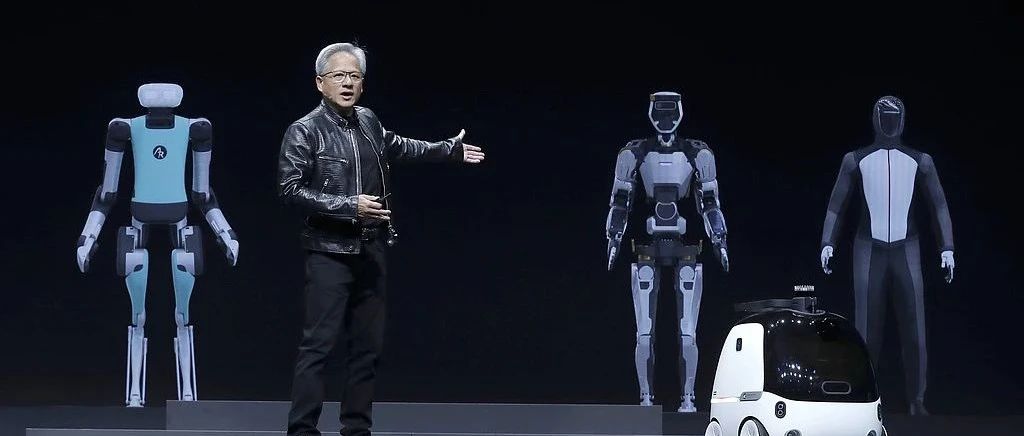
Group 1 - Nvidia is negotiating with Foxconn to deploy humanoid robots in a new factory in Houston, Texas, for the production of Nvidia's AI servers [1] - This will mark the first time Nvidia's products are manufactured with the assistance of humanoid robots on the production line, and it is expected to be Foxconn's first AI server factory utilizing humanoid robots [1] - The deployment is anticipated to be finalized in the coming months, with humanoid robots expected to be operational by the first quarter of next year [1] Group 2 - The introduction of humanoid robots in AI server manufacturing signifies Nvidia's advancement in the field, as the company already provides platforms for building such robots [2] - Major automotive manufacturers like Mercedes and BMW are testing humanoid robots on production lines, and Tesla is also developing its own version [2] - Nvidia's CEO has predicted that widespread application of humanoid robots in manufacturing will be achieved within five years [2]

敏实集团(00425.HK):产能周期视角下经营拐点向上 机器人打开第二增长极
Ge Long Hui· 2025-06-20 18:03
Company Overview - The company, Sensata Technologies, is a global leader in automotive exterior and body structural components, operating in 14 countries with 77 factories and 4 product lines (plastic parts, aluminum parts, metal trims, battery boxes) [1] - It serves over 70 automotive brands, including BMW, Mercedes-Benz, and Tesla, and has undergone three development phases: initial nurturing, lightweight transformation and globalization, and innovative development [1] - In 2020, the company restructured into four major business units and has become one of the largest suppliers of battery boxes and body structural components globally [1] Operational Turning Point - Capital expenditure is slowing down, indicating a clear trend of profit recovery [2] - The traditional main business has solidified its technical and customer advantages [3] - The metal trim segment is projected to generate revenue of 5.49 billion yuan in 2024, with a gross margin of 27.8% [3] New Business Development - The company has formed a strategic partnership with Zhiyuan Robotics, focusing on smart exteriors, electronic skin, integrated joint assemblies, and wireless charging, which may create new revenue growth opportunities [1] Financial Forecast - Revenue is expected to reach 27.1 billion yuan in 2025, 32.1 billion yuan in 2026, and 38.0 billion yuan in 2027, with net profit projected at 2.72 billion yuan, 3.19 billion yuan, and 3.74 billion yuan respectively [2] Capital Expenditure and Profitability - Capital expenditure as a percentage of revenue is expected to drop to 8% in 2024, the lowest in a decade, leading to positive free cash flow of 778 million yuan [3] - Gross margin is forecasted to rise to 28.94% in 2024, with net margin at 10.26% and ROE at 11.97%, benefiting from improved capacity utilization and cost control [3] Business Structure Optimization - Battery box revenue is projected at 5.34 billion yuan in 2024, accounting for 23.1% of total revenue, while traditional businesses (metal trims, plastics, aluminum) will maintain a combined revenue share of 70.3% [3] - The plastic segment is expected to generate 5.87 billion yuan in revenue with a gross margin of 25.1%, expanding into smart exterior integrated products [3] - The aluminum segment is projected to achieve revenue of 4.92 billion yuan with a gross margin of 33.3%, recognized by major clients like BMW and Tesla [3] Key Growth Drivers - The battery box business is expected to experience significant growth, particularly in the European market, with projected revenue of 5.338 billion yuan in 2024, driven by EU carbon emission policies [3] - The company has a competitive advantage in technology with its extrusion molding solution, which offers better airtightness and lower iteration costs compared to integrated die-casting [3] - Domestic market share is expected to rise to 15%-19% in 2023, positioning the company in the first tier, with localized operations reducing costs and fostering deep collaborations with clients like BMW and Daimler [3] - The gross margin for battery boxes is anticipated to improve to 21.43% in 2024, as capacity utilization increases, further enhancing profitability [3]

芯片人去德国!一口气看两场行业大展
芯世相· 2025-06-20 09:24
Core Viewpoint - The article emphasizes the importance of exploring overseas markets for the chip industry, particularly in Europe, as a strategy for industry upgrade and sustained growth amidst intense domestic competition and technological innovation [3]. Group 1: Overview of the European Market Exploration - The chip industry is increasingly focusing on overseas markets, with "going abroad" seen as a new option for growth [3]. - A business investigation trip to Germany is planned from September 4 to September 14, focusing on key cities and major exhibitions like IFA and IAA [3][4]. - The IFA exhibition, one of the largest in the world, attracted over 1,800 exhibitors and more than 210,000 visitors from 138 countries in its last edition [4]. - The IAA exhibition, a key event in the global automotive industry, had 750 exhibitors from 38 countries and over 500,000 visitors [4]. Group 2: Activities and Engagements - The trip will include deep-dive salons and visits to renowned companies and universities, facilitating connections with local resources [6][7]. - Previous trips to Germany in 2018 and 2023 have built a strong resource network and experience in organizing industry-specific itineraries [10]. - The itinerary includes visits to significant cities like Berlin, Leipzig, Dresden, Stuttgart, and Munich, each representing key industrial characteristics [7]. Group 3: Exhibition Insights - IFA covers various aspects of consumer electronics, providing insights into market demands in Germany and globally [5]. - IAA encompasses the entire automotive supply chain, featuring major manufacturers and component suppliers, allowing for efficient identification of potential partners and projects [5]. Group 4: Company Visits and Learning Opportunities - The itinerary includes visits to notable companies such as GlobalFoundries and Mercedes-Benz, which are pivotal in the semiconductor and automotive sectors [19][20]. - Nexperia, a leading semiconductor company, and Fraunhofer, a model for integrating scientific research with industrial development, will also be explored [22][23].

最后一代「纯血」豪华车,卖给了情怀客
36氪· 2025-06-20 09:05
Core Viewpoint - The luxury car market is experiencing significant price reductions, with brands like BMW and Mercedes-Benz launching cost-cutting models to remain competitive in a changing market landscape [3][11][30]. Group 1: Price Reductions and Market Dynamics - BMW's new 5 Series has seen a drastic price drop, with the base model now priced at approximately 260,000 yuan, down from 430,000 yuan a year and a half ago [9][12]. - The sales of the BMW 5 Series have increased for four consecutive months, with May sales reaching 11,000 units, surpassing competitors like the Mercedes-Benz E-Class [12][19]. - The luxury car segment is facing intense competition, leading to a reduction in quality standards as brands strive to lower costs [13][29]. Group 2: Cost-Cutting Measures - BMW is actively seeking to reduce costs by renegotiating supplier contracts, indicating a shift in focus from quality to price [20][21]. - Mercedes-Benz is also under pressure to cut costs, with a reported 43% decline in net profit in Q1 2025, prompting a reevaluation of supplier partnerships [25][27]. - The luxury brands are now considering local suppliers to reduce costs, which may impact the quality of components traditionally associated with luxury vehicles [24][28]. Group 3: Market Positioning and Consumer Preferences - The luxury car market is increasingly misaligned with consumer demands, as traditional luxury vehicles are primarily designed for European markets rather than adapting to local preferences in China [31][34]. - The rise of domestic brands has intensified competition, forcing luxury brands to rethink their product definitions and market strategies [39][46]. - Consumers in China are shifting towards more practical and comfortable vehicles, such as multi-functional SUVs, which are increasingly favored over traditional luxury sedans [40][42]. Group 4: Future Challenges for Luxury Brands - Luxury brands must adapt to changing consumer preferences and market dynamics to avoid further declines in sales and profitability [44][47]. - The globalized nature of luxury brands presents challenges in balancing a unified brand image with the need to cater to local market demands [47][48]. - The current generation of luxury vehicles, such as the eighth-generation BMW 5 Series, symbolizes the end of an era for traditional luxury cars, highlighting the need for innovation and adaptation [48].

都市车界|奥迪撤回全面电动化计划为哪般?
Qi Lu Wan Bao· 2025-06-20 02:55
Core Viewpoint - Audi's global CEO announced the withdrawal of the plan to stop producing internal combustion engine vehicles by 2033, indicating a shift towards new generations of internal combustion and plug-in hybrid models, reflecting the deep contradictions faced by traditional luxury car manufacturers in their electrification transition [1] Sales and Profit Pressure - Audi's global sales are projected to decline by 11.8% in 2024, the largest drop among the BBA group, with electric vehicle sales down 8% to 164,000 units, accounting for only 9.81% of total sales [2] - The brand's operating profit is expected to plummet by 45.3% in 2024, with an operating margin falling to a historical low of 4.6% [2] - In China, Audi's sales decreased by 10.9%, losing nearly 80,000 units, and profit contributions fell by 28.8% [2] Market Demand and Profitability Challenges - The strategic adjustment is driven by uneven global electric vehicle market development, with China achieving a 47.6% penetration rate in 2024, while Audi's electric vehicle sales face bottlenecks [3] - In North America, the electrification process is slower, and Europe saw a 5.9% decline in electric vehicle sales in 2024 [3][4] - The cancellation of subsidies in Germany led to a 33% drop in electric vehicle sales, with overall European electric vehicle sales plummeting by 43.9% in 2024 [4] Technical Constraints - Audi's electrification strategy relies on the PPE and SSP platforms, both facing production delays, with the Q6 e-tron delivery pushed back by 18 months due to software issues [5] - The SSP platform is not expected to be operational until 2029, while the optimization of fuel vehicle technology continues to provide a viable alternative [5] Industry Competition and Profit Balancing - Audi faces strong competition from emerging companies like Tesla, which has superior range capabilities compared to Audi's electric models [6] - The high logistics costs and low production efficiency at the Brussels plant, along with high labor costs in Europe, make maintaining traditional manufacturing increasingly uneconomical [7] - Audi's decision to pause its full electrification plan allows it to leverage profits from fuel vehicles to sustain operations and reduce R&D pressure [7] Industry-Wide Strategic Shift - Audi's strategic shift reflects a broader trend among traditional automakers moving from a "technology worship" approach to a "market-oriented" strategy [8] - Major automakers like BMW and Toyota are questioning the absolute necessity of full electrification, indicating a collective conservative shift in the industry [8][9] - This trend suggests that traditional manufacturers are adapting to regional demand differences through differentiated product offerings while maintaining fuel vehicle production as a competitive advantage [8][10]
车企造人,急不来
虎嗅APP· 2025-06-19 14:42
Core Viewpoint - The automotive industry is increasingly exploring humanoid robots as a new business growth point, driven by the success of Tesla's robot initiatives and the potential market opportunities in this sector [2][3][21]. Group 1: Market Potential and Growth - The humanoid robot market in China is projected to reach approximately 2.76 billion yuan in 2024 and 75 billion yuan by 2029, with an expected shipment of 350,000 units by 2030 [2]. - The automotive industry sees humanoid robots as a more lucrative business opportunity compared to traditional automotive manufacturing [2]. Group 2: Current Industry Involvement - Various automotive companies are at different stages of involvement in the humanoid robot sector, with some like Xpeng and Xiaomi already launching products, while others are still in the research phase [1][3]. - Despite the enthusiasm, many companies have not yet clarified whether their robots are developed in-house or purchased, and most products lack detailed specifications [4][21]. Group 3: Technical Challenges - The transition from automotive technology to humanoid robotics presents significant technical challenges, with only about 20% of the necessary standards and specifications established for humanoid robots compared to 80% for automobiles [7][10]. - Key components such as motors, dexterous hands, and sensors are still under development, and the hardware limitations affect the robots' operational capabilities [10][12]. Group 4: Data and Training Limitations - The data requirements for training humanoid robots are substantially higher than for autonomous vehicles, with most companies currently lacking sufficient data to validate their models [14][15]. - The industry consensus is that at least 10 million data points are needed to effectively train humanoid robots, yet most companies have collected fewer than 1 million [15]. Group 5: Industrial Application Challenges - The integration of humanoid robots into automotive factories is fraught with challenges, as the complexity of tasks such as assembly and quality control requires advanced capabilities that current robots do not possess [17][20]. - The cost of humanoid robots remains high, with Tesla's Optimus priced at $60,000 and other models ranging from 500,000 to 600,000 yuan, making it economically unfeasible to replace human labor in the near term [20][21]. Group 6: Industry Reality vs. Expectations - Many companies' claims about the readiness of humanoid robots for factory work are often overstated, with actual deployment being limited and primarily focused on training rather than operational tasks [21][23]. - The historical context of failed projects, such as Honda's ASIMO, serves as a cautionary tale for the automotive industry as it navigates the complexities of humanoid robotics [22].