卫龙

Search documents
“零食之王”,变了
FBIF食品饮料创新· 2025-05-15 00:26
Core Viewpoint - Konjac has emerged as a new favorite in the snack industry, surpassing traditional snacks like spicy strips, with brands like Wei Long leading the charge in this transformation [1][6][7]. Group 1: Market Dynamics - Konjac snacks have gained immense popularity, with products like konjac jelly and konjac strips becoming mainstream, even entering the beverage sector [1]. - Wei Long's 2024 annual report indicates that konjac products now account for 53.8% of its revenue, surpassing the 42.6% from its traditional spicy strips [1][7]. - Other brands such as Yan Jin Pu Zi, Jin Zai, and Bai Cao Wei have also entered the konjac market, launching their own products [2][9]. Group 2: Consumer Trends - Young consumers are increasingly drawn to konjac snacks, with significant engagement on platforms like Xiaohongshu, where the hashtag Konjac has nearly 400 million views [5]. - Health consciousness is driving the shift towards konjac, as consumers seek snacks that offer health benefits alongside taste [13]. - The rise of the Z generation as a major consumer group emphasizes a preference for low-calorie, low-fat snacks, making konjac an ideal choice due to its high fiber and low-calorie content [15]. Group 3: Product Development and Innovation - The transformation of konjac from a common ingredient to a popular snack is attributed to advancements in food technology that enhance its texture and flavor [13]. - Brands are innovating with various flavors and forms, such as spicy, sesame, and barbecue, to cater to diverse consumer preferences [13]. - Wei Long's introduction of new konjac products, like "Little Witch," and Yan Jin Pu Zi's "Big Demon King," reflects the competitive landscape in the konjac snack market [9][11]. Group 4: Nutritional Aspects - Konjac is marketed as a low-calorie food, with only 9 calories per 100 grams, making it appealing for weight-conscious consumers [17]. - However, many konjac snacks contain added seasonings and oils, which can significantly increase their caloric content, leading to potential misconceptions about their health benefits [20][22]. - Experts caution against excessive consumption of konjac snacks, highlighting that they should not replace regular meals and may cause digestive issues if overconsumed [23].

从华人超市突围战到Costco货架争夺,中国食品饮料品牌出海有多难?
FBIF食品饮料创新· 2025-05-15 00:26
Core Insights - The article highlights the emerging trend of Chinese food and beverage brands becoming key players in global markets, following the success of gaming and short videos in international expansion [1][6][20]. Group 1: Industry Trends - Chinese food and beverage companies are increasingly entering global markets, with brands like Costco in New York and Whole Foods in London showcasing Chinese products alongside local offerings [1][3]. - The trend of Chinese tea beverage brands expanding internationally is notable, with brands like Heytea and Mixue Ice City rapidly increasing their overseas store counts [3][10]. - The overall export value of Chinese food exceeded $80 billion in 2023, but penetration in mainstream Western supermarkets remains low, with less than 3% market share [6][20]. Group 2: Brand Strategies - Brands like Fly By Jing have successfully adapted their products to local tastes while maintaining their Chinese roots, such as creating versatile sauces that appeal to Western consumers [8][9]. - Companies are shifting from targeting only the Chinese diaspora to appealing to mainstream consumers, as seen with brands like Wanglaoji rebranding for international markets [9][10]. - The marketing strategies of these brands leverage social media and cultural curiosity to break down barriers, transforming traditional Chinese foods into trendy items [17][18]. Group 3: Supply Chain and Market Entry - Companies are focusing on building robust supply chains and partnerships to facilitate entry into foreign markets, as exemplified by Dingdong Maicai's collaboration with local retailers [25][29]. - The article emphasizes the importance of compliance with local regulations and consumer preferences, which are critical for successful market penetration [30][32]. - The shift towards a more systematic approach in exporting food products is evident, with brands aiming for long-term sustainability rather than short-term gains [25][30].
天风证券:白酒预计表现平稳 顺周期下大众品板块迎来投机会
智通财经网· 2025-05-14 00:10
Group 1: Core Insights - The report from Tianfeng Securities indicates a positive performance in the liquor sector during the May Day banquet scene, with companies generally seeking stability in 2025, suggesting potential valuation recovery opportunities from upcoming consumer stimulus policies [1][4] - The beer and beverage sectors saw better-than-expected travel data during the May Day holiday, with notable growth in Q1 for companies like Uni-President, driving market performance [1][5] - The health supplement sector showed significant gains, with a focus on three major investment opportunities in a potential cyclical recovery [1][6] Group 2: Market Performance Review - The food and beverage sector and the CSI 300 index experienced increases of +1.76% and +1.92% respectively during the week of May 2 to May 9, with health supplements (+5.09%) and baked goods (+4.25%) leading the gains [3] - The liquor sector outperformed the overall food and beverage market and the CSI 300 index, with a weekly increase of +2.34%, attributed to the easing of performance pressure following Q1 earnings reports [4] Group 3: Sector Recommendations - Recommended stocks in the liquor sector include leading companies with strong alpha and beta benefits, such as Shanxi Fenjiu, Guizhou Moutai, and Luzhou Laojiao [1][4] - In the consumer goods sector, the report highlights opportunities in snack foods, dairy products, and companies with overseas expansion potential, such as Yili and Anqi Yeast [2][6]

零食赛道变革"深水区":下沉市场潜力巨大、呈现健康化等五大趋势,产品创新仍是核心竞争力
Sou Hu Cai Jing· 2025-05-13 09:48
Industry Overview - The snack and baking industry is undergoing a significant transformation from "shallow water" to "deep water" [4] - The competition is shifting from simple taste innovation to a new dimension of "product innovation + scenario exploration + value delivery" [5] Market Potential - The snack market in China has substantial growth potential, with per capita annual consumption of savory snacks at only 2 kg compared to 15 kg in the US and nearly 7 kg in Australia, indicating a significant gap [3] - The lower-tier markets are showing a 10.4% growth in fast-moving consumer goods, highlighting the potential for snack brands to thrive in these areas [5] Consumer Trends - Five major trends in snack innovation have emerged: health consciousness, emotional satisfaction, new Chinese styles, functionality, and flexible meal options [7][8] - Consumers are increasingly focused on health attributes, shifting from "harmless" to "beneficial" snacks, with a growing preference for scientifically balanced nutrition [8] Emotional Value - Snacks are becoming important emotional regulators, with products designed to address stress management and sleep aid gaining popularity [9] - The younger generation views snacks not just as energy sources but as tools for emotional buffering [9] Cultural Influence - The rise of national trends is revitalizing traditional ingredients, with local specialties and intangible cultural heritage driving innovation in snacks [9] - The concept of "medicinal food" is gaining traction, with a projected annual growth rate of 20%-30% for snacks incorporating these elements [9] Functional Snacks - The boundary between snacks and supplements is blurring, with increasing consumer demand for functional snacks that offer benefits like sleep aid and immune support [10] - Modular snack design is seen as a future direction, allowing for versatile consumption scenarios [11] Brand Strategies - Companies are focusing on rapid product development and marketing strategies that resonate with consumers, emphasizing emotional connections and cultural relevance [17] - Successful brands are leveraging consumer insights to innovate and enhance product offerings, ensuring they meet evolving consumer needs [17]
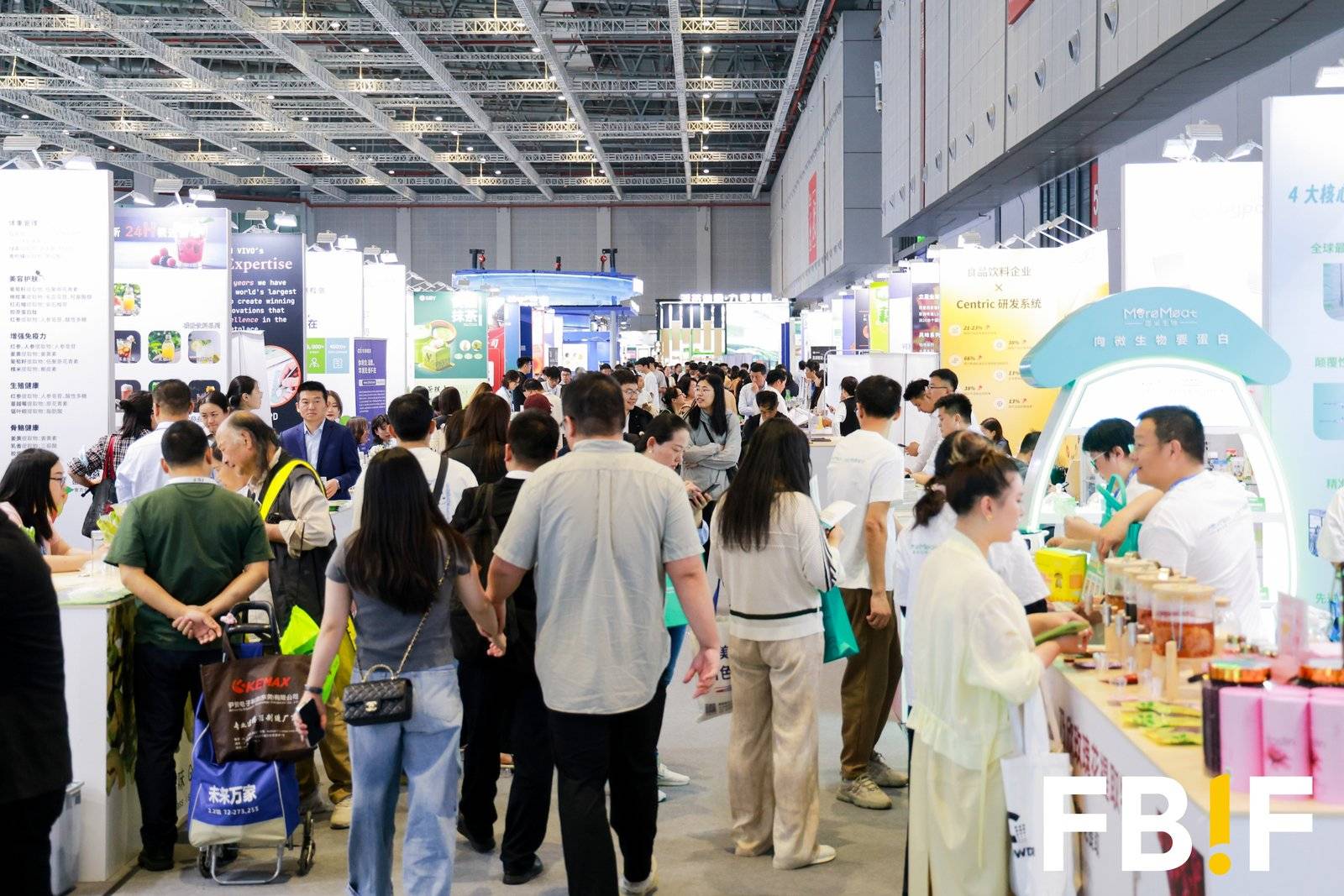
2025 CHINASHOP 「野性消费」新食饮闭门论坛
Sou Hu Cai Jing· 2025-05-13 07:26
Core Insights - The article discusses the evolving consumer demand in the food and beverage industry, emphasizing the importance of emotional value and the shift towards "wild consumption" as a response to changing consumer preferences [2][3][23]. Group 1: Industry Trends - The food and beverage industry is facing challenges such as declining consumer confidence and falling sales in offline formats, yet certain segments like healthy snacks are experiencing growth [3][5]. - Health trends are prominent, with non-fried snack categories like rice cakes gaining popularity, while traditional puffed snacks decline [3][5]. - The beverage sector is also shifting towards health and functionality, with significant growth in high-end health products and functional drinks like electrolyte water [5][9]. Group 2: Supply Chain Importance - The competition in the food and beverage sector is increasingly centered around supply chain efficiency rather than just product innovation [7][9]. - Companies like Mixue Ice City demonstrate the critical role of a robust global supply chain in achieving cost-effective, high-quality products [7][9]. - The future of competition will focus on "technology + green" as key drivers for supply chain upgrades, emphasizing the need for brands to transition from marketing-driven to supply chain-driven models [9]. Group 3: New Retail Trends - Discount retail channels are emerging as a new growth engine in the food and beverage industry, particularly in lower-tier cities where consumers seek high-quality products at lower prices [11][13]. - The penetration rate of discount retail in China is only 3.8%, indicating significant growth potential compared to the global average of 12.6% [13]. - Young consumers are reshaping retail logic with their desire for high cost-performance products, leading to a shift in how brands approach consumer engagement [11][13]. Group 4: Brand Innovation and Strategy - Brands like Lebai and Shenghetang are focusing on health-oriented innovations, such as using rare sugars in their products to meet consumer demand for healthier options [15][19]. - The concept of "long-termism" is emphasized, where brands aim for sustainable growth through continuous innovation rather than short-term trends [15][19]. - Companies are encouraged to leverage cultural elements and traditional products to enhance their global competitiveness, as seen with Shenghetang's focus on traditional Chinese herbal products [19][21]. Group 5: Consumer Engagement and Emotional Value - Brands are urged to shift from traditional competition based on product features to creating emotional value for consumers [23][27]. - The focus on emotional engagement is seen as essential for brands to differentiate themselves in a crowded market, with successful examples highlighting the importance of understanding consumer needs [23][27]. - The discussion emphasizes that the future of competition will revolve around brands that can effectively connect with consumers on an emotional level [23][27].

2025年,企业如何扛过年度大考?
3 6 Ke· 2025-05-12 04:10
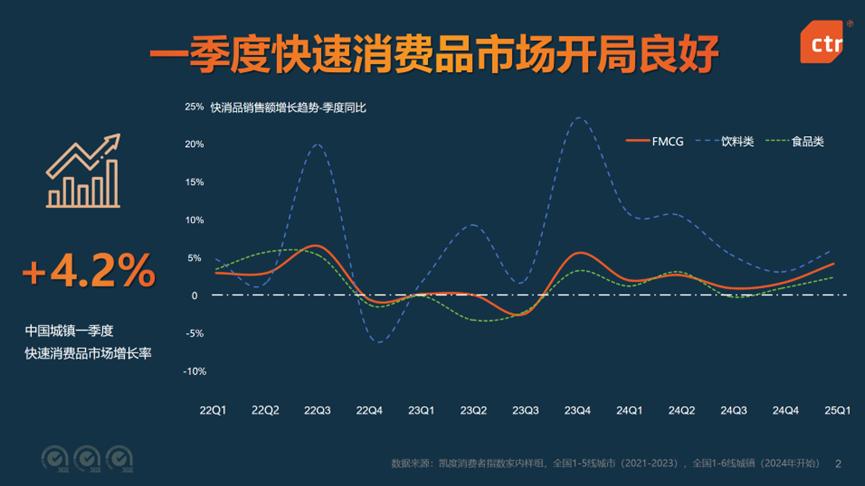
Group 1: Global Economic Outlook - The International Monetary Fund (IMF) has lowered the global economic growth forecast from 3.3% to 2.8% for 2025, indicating a trend of reduced growth across major economies [1] - The volatility and uncertainty in the global economy have become the new normal, prompting companies to explore new growth paradigms through strategies like "stabilizing and expanding new domains" [1] Group 2: China's Fast-Moving Consumer Goods (FMCG) Market - In Q1 2025, China's urban FMCG market sales grew by 4.2% year-on-year, with beverages leading the growth while food categories faced pressure [2] - Beverage categories showed strong performance, with growth exceeding 10% in Q1 and Q2 of 2024, and maintaining a 6.09% growth in Q1 2025 [2][4] - Food categories experienced modest growth, with only a slight increase of 2.5% in Q1 2025 after a stagnant 2024 [2] Group 3: Corporate Strategic Transformation - In response to economic pressures, 61.3% of companies have adopted a "stabilizing" strategy, an increase of 2.5 percentage points from 2024, while 46.4% prioritize profit growth, reflecting a significant 20% year-on-year increase [7] - Companies are balancing the need for stability through cost optimization and non-core business contraction with the desire for profit breakthroughs via technological empowerment and innovative models [7][9] Group 4: Resilience in Business Operations - Companies are actively building resilience rather than merely defending against risks, as seen in the diversified supply chain strategies of brands like Nongfu Spring and McDonald's [9] - The focus on resource integration and efficiency enhancement is crucial for strengthening companies' risk management capabilities [9] Group 5: Profitability and Brand Strategy - Companies are shifting from extensive expansion to lean operations, with brands like Dongpeng Beverage and Weilong leveraging high-value products to boost profit margins [10] - Brand building has become a strategic priority, with 87.7% of advertisers recognizing brand equity as a core competitive advantage, leading to a focus on long-term brand strategies [10] Group 6: International Expansion Challenges - Chinese companies are adopting cautious and diversified strategies for international expansion, with brands like Pop Mart and BYD successfully increasing their overseas revenue [11] - Challenges such as consumer behavior differences and geopolitical factors remain significant hurdles for companies venturing abroad [11] Group 7: Technology and AI Integration - The adoption rate of AI among Chinese companies reached 75% in 2024, marking a 27 percentage point increase from 2023, indicating a shift from exploration to value realization [13] - AI applications are enhancing operational efficiency across various domains, although concerns regarding data privacy and compliance risks persist [13] Group 8: Strategic Recommendations for Growth - To thrive in the current economic climate, companies should focus on deepening their market presence, embracing new technologies, and optimizing resource allocation for global expansion [14] - Strengthening supply chain resilience and brand value is essential for establishing a solid growth foundation [14]
新消费力量崛起公募掘金结构性机会
Shang Hai Zheng Quan Bao· 2025-05-11 14:09
Group 1 - The core viewpoint of the article highlights the rise of new consumption brands and the structural opportunities within the consumer sector, which has attracted significant investment attention since the second half of last year [2][3] - The consumer sector is not a single-direction track but encompasses various styles of assets, including cyclical, defensive, and growth categories, with new consumption brands emerging rapidly [2] - The year 2025 is anticipated to be a turning point for the consumer sector, as structural opportunities have begun to surface this year after a prolonged downturn since February 2021 [2] Group 2 - New consumption is defined as new brands rather than new channels or supply chains, with breakthroughs occurring when new consumer habits form or brand influence expands [2] - Fund managers who recognized the trend early have seen substantial returns, with some funds achieving returns of 54.63% and 27.79% year-to-date as of May 8 [3] - The rise of new consumption brands is attributed to the emergence of a younger generation of consumers who prioritize individual expression and are willing to pay a premium for products that align with their tastes [4] Group 3 - The current consumer market is experiencing a new long cycle, driven by younger demographics that value personal satisfaction and have a higher willingness to pay [4] - Companies that demonstrate strong product capabilities in niche markets, such as trendy toys, gold jewelry, and pet products, are expected to seize broader opportunities in the global market [4]



食品饮料行业研究:周专题:如何看待零食量贩行业的优势与机遇?
SINOLINK SECURITIES· 2025-05-11 07:35
Investment Rating - The report does not explicitly provide an investment rating for the industry or the specific company Core Insights - The snack retail industry is experiencing rapid growth, with the leading company, Mingming Hen Mang, projected to achieve a GMV of 55.5 billion yuan in 2024, capturing a market share of 1.5% [1][11] - The industry has evolved through three distinct phases: 2010-2019 was a period of exploration, 2020-2022 saw rapid expansion driven by digital supply chain improvements, and 2023 onwards marks a consolidation phase with major players like Mingming Hen Mang and Wancheng Group emerging as leaders [2][21] - The snack retail sector is characterized by low gross margins around 10%, high inventory turnover, and minimal accounts payable periods, which differentiates it from traditional retail formats [3][26] Summary by Sections Company Overview - Mingming Hen Mang is the largest snack retailer in China, with a revenue of 39.34 billion yuan and a net profit of 830 million yuan in 2024, reflecting year-on-year growth of 282.2% and 283.4% respectively [1][11] - The company operates primarily through franchise stores in lower-tier cities, with a growing presence in second-tier cities [1][11] - The ownership structure is concentrated, with the actual controllers holding 62% of voting rights [12][14] Industry Development - The snack retail industry is projected to reach a market size of 3.738 trillion yuan in 2024, with a compound annual growth rate (CAGR) of 5.7% expected from 2025 to 2029 [18][19] - The market share of specialized stores is increasing, with a forecasted GMV of 419 billion yuan for 2024 [19] - The industry is witnessing a shift towards a dual-leader structure, with Mingming Hen Mang and Wancheng Group dominating the market [2][24] Comparison with Traditional Retail - Snack retail operates on a low-margin model, with gross margins around 7-10%, significantly lower than traditional supermarkets [3][26] - The operational efficiency is high, with inventory turnover days for Mingming Hen Mang averaging around 11.5 days, which is much lower than traditional retail formats [36][39] - The accounts payable turnover days are also significantly lower, indicating strong negotiation power with suppliers [36][37] Future Outlook - The report anticipates the number of snack retail stores to reach 70,000 to 80,000, supported by the advantages in supply chain and brand management [4][41] - The company plans to enhance its supply chain capabilities and product development, including the establishment of more warehouses and a cold chain logistics system [19][20] - The down-market potential remains strong, with a significant portion of stores located in lower-tier cities, which are expected to continue driving growth [44]
食品饮料行业周报:统一Q1盈利亮眼,把握结构性α-20250511
GOLDEN SUN SECURITIES· 2025-05-11 06:49
Investment Rating - The report maintains an "Increase" rating for the food and beverage industry, indicating a relative performance increase of over 10% compared to the benchmark index [5]. Core Insights - The white liquor sector is focusing on enhancing internal capabilities and improving performance, with a long-term investment value becoming more apparent. Key themes include leading brands, sustained dividends, and strong recovery [2]. - The beer and beverage segment shows promising growth, with Qingdao Beer acquiring Jimo Yellow Wine, indicating a diversification strategy. The performance of Uni-President in Q1 2025 was notably strong, with a revenue increase and a 32% rise in net profit [3]. - The food sector is innovating through collaborations, such as the partnership between Wei Long and Wu Fang Zhai for new product offerings, highlighting the importance of product innovation and creative marketing strategies [4]. Summary by Sections White Liquor - The industry is transitioning from a performance peak to a seasonal slowdown, with companies focusing on brand strength, product structure, and marketing strategies. Notable companies include Guizhou Moutai, Wuliangye, and Shanxi Fenjiu, which are expected to enhance their market share [2]. - The report anticipates a gradual recovery in demand, suggesting that the pressures and risks faced by the white liquor industry are being alleviated [2]. Beer and Beverage - Budweiser APAC reported a decline in sales and price in Q1 2025, primarily due to weak performance in the ready-to-drink segment. However, Qingdao Beer’s acquisition of Jimo Yellow Wine is seen as a strategic move for long-term growth [3]. - Uni-President's Q1 2025 performance showed double-digit revenue growth and a significant increase in net profit, indicating a robust position in the beverage market [3]. Food - The introduction of new products for the Dragon Boat Festival, such as the collaboration between Wei Long and Wu Fang Zhai, reflects a trend towards innovative product offerings and marketing strategies in the food sector [4]. - The report emphasizes that both emerging and established brands must adapt to changing market dynamics through product innovation and creative marketing to maintain leadership positions [4].
安慕希×绿箭推出清新薄荷味酸奶;好望水上新桑葚水 | 创新周报
FBIF食品饮料创新· 2025-05-11 01:03
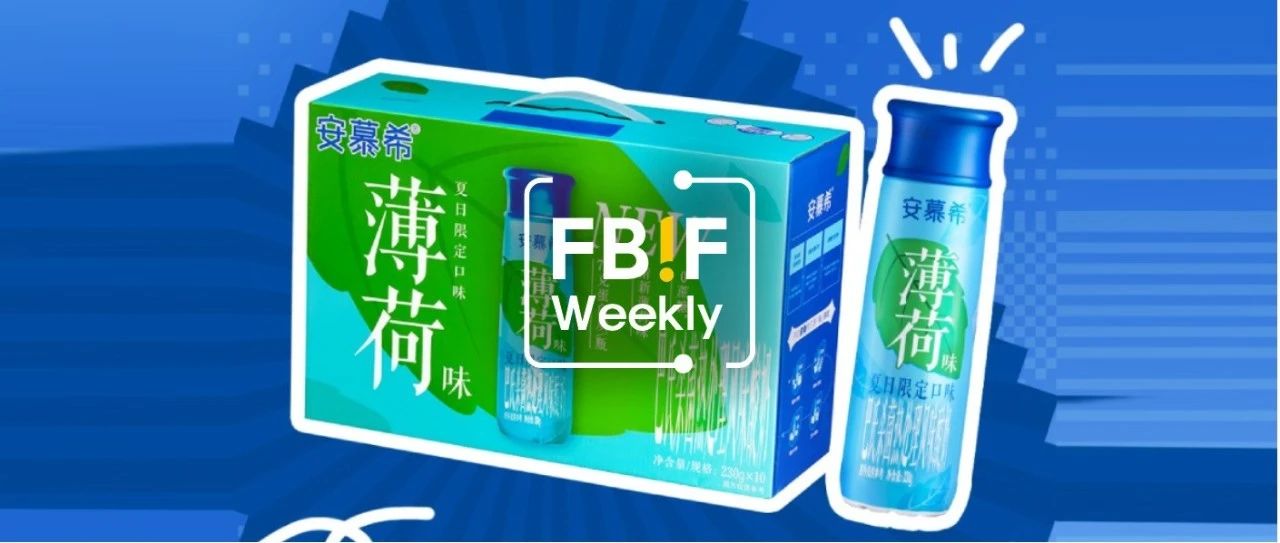
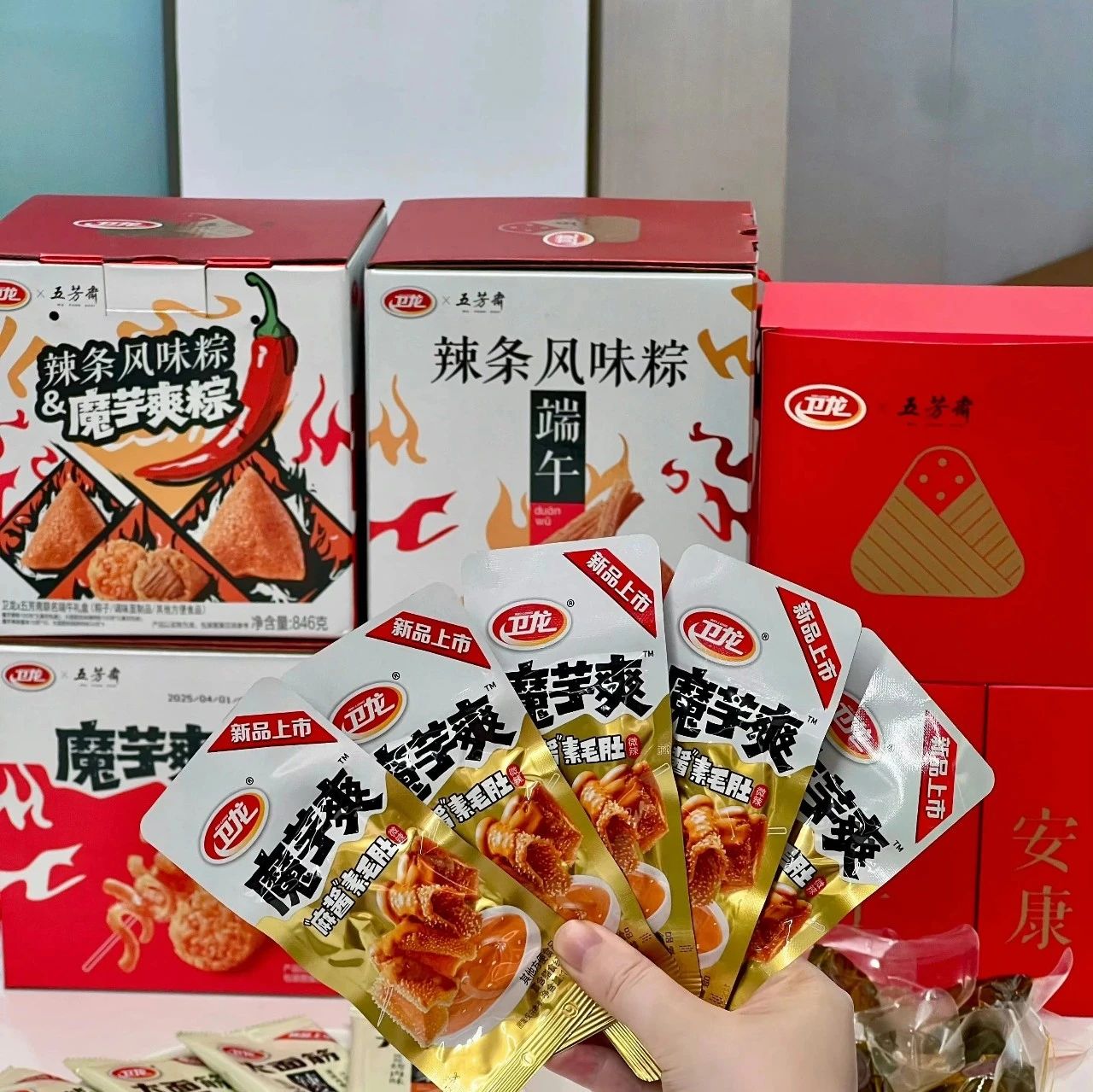
Group 1 - The article highlights the latest food innovations and trends, featuring various new product launches from different brands [1] - Anmuxi and Green Arrow have launched a summer limited edition of mint-flavored yogurt, which contains 7.1g of protein per 230g bottle and is priced at 10.9 yuan [4] - Good Hope Water has introduced a new mulberry water product, made with black mulberries and black goji berries, available in 500ml bottles for 5.9 yuan [5] - Yongpu has released an ice mint black coffee liquid made from 100% Arabica coffee beans, containing ≥200mg/kg of caffeine, priced at 39.9 yuan for a 175g box [8] - Hershey's and ADT have collaborated to launch anti-theft chocolate bars in Brazil, featuring a Bluetooth tracker that alerts users if the chocolate moves outside a designated range [10] - Sanquan has introduced two new Chinese-style tea dumplings: jasmine Longjing and rose black tea, each weighing 50g and sold in packs of four for 49.9 yuan [12] - Cocoa Full has launched three new tea beverages: double pomelo Tieguanyin, orange small osmanthus, and guava lemon green tea, each containing ≥15% juice and priced at 44.9 yuan for a pack of nine [14] - Joyoung has released two new soy milk tea flavors: kirin watermelon and domineering durian, each with approximately 87kcal per serving and priced at 39.9 yuan for a box [17] - Weidong and Wufangzhai have collaborated to launch a Dragon Boat Festival gift box containing spicy meat dumplings and konjac dumplings [18] - Kraft Heinz has introduced Lunchables PB&J sandwiches in the U.S., designed for easy consumption without thawing or heating, priced at $2.49 [20] - Stella Rosa has launched a new watermelon and chili-flavored wine, made from 95% white Moscato grapes, priced at $11.99 [21]