
货币政策

Search documents
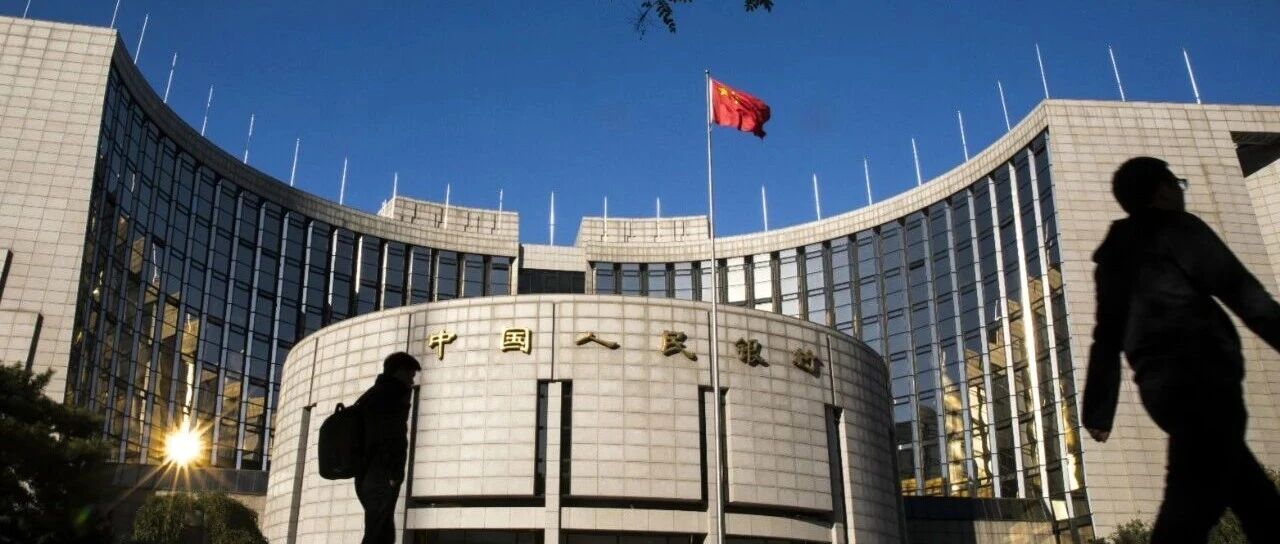
央行:坚定维护股票、债券、外汇等金融市场平稳运行
第一财经· 2026-03-19 07:58
Core Viewpoint - The meeting of the People's Bank of China emphasizes the importance of implementing a moderately loose monetary policy to support stable economic growth and reasonable price recovery, while also addressing financial risks and deepening financial reform and opening up [1][2][3][4]. Group 1: Monetary Policy Implementation - The People's Bank of China will continue to implement a moderately loose monetary policy, focusing on promoting stable economic growth and reasonable price recovery as key considerations [2]. - The central bank will utilize various monetary policy tools, including reserve requirement ratios, government bond transactions, and medium-term lending facilities, to maintain ample liquidity and align social financing scale and money supply growth with economic growth and price level expectations [2]. - The bank aims to guide and regulate interest rates, enhance policy transparency, and maintain the stability of the RMB exchange rate at a reasonable and balanced level [2]. Group 2: Financial Services and Risk Management - The focus will be on enhancing financial services in key areas and weak links, particularly in supporting domestic demand expansion, technological innovation, and small and micro enterprises [2][3]. - The central bank will work to balance economic growth, structural adjustments, and financial risk prevention, while continuing to address debt risks associated with financing platforms [3]. - A market-oriented and legal approach will be adopted to manage risks in small financial institutions, ensuring the stability of stock, bond, and foreign exchange markets [3]. Group 3: Financial Reform and Governance - The People's Bank of China will deepen financial reform and opening up, improving the central bank's system and establishing a robust monetary policy framework [3][4]. - The bank will promote high-level openness in the financial services sector and enhance the interconnectedness of financial markets, while also supporting the construction of the Shanghai International Financial Center and maintaining Hong Kong's status as an international financial hub [3]. - Continuous efforts will be made to strengthen party governance, improve the quality of proposal handling, and ensure the effective implementation of financial policies for the public [4][5].

沪铅期货日报-20260319
Guo Jin Qi Huo· 2026-03-19 07:14
1. Report Industry Investment Rating - No relevant information provided 2. Core Viewpoints of the Report - On March 16, 2026, the lead futures price showed a high - opening and low - closing trend with a slight decline, and it is expected to maintain a range - bound oscillation in the short term due to the lack of clear trend - driving factors [2][5] 3. Summary by Relevant Catalogs 3.1 Futures Market - On March 16, 2026, the main contract of SHFE lead futures (PB.SHF) opened high and closed low, with an opening price of 16,550 yuan/ton, a highest price of 16,565 yuan/ton, a lowest price of 16,195 yuan/ton, and a closing price of 16,315 yuan/ton, down 1.63% from the previous trading day [2] 3.2 Spot Market Basis Analysis - On March 16, 2026, the average spot price of 1 lead in the domestic non - ferrous market was 16,410 yuan/ton. The spot price was at a premium of 95 yuan/ton over the main contract of lead futures, indicating a relatively stable supply of spot market resources and no obvious supply - demand imbalance [3] 3.3 Market Dynamics - Overseas: The continuous Middle East conflict has pushed up oil prices, strengthened inflation expectations, and the probability of the Fed's interest - rate cut in March has dropped to near zero. The US dollar index has broken through 100, suppressing the prices of commodities including lead [4] - Domestic: In February, the new social financing was 2.38 trillion yuan, and M2 increased by 9% year - on - year. The loose monetary policy provided some support for domestic commodity demand, but the slow consumption recovery restricted the upward space of lead prices [4] 3.4 Market Outlook - Technically, the lead price fell but did not break through the previous low - level range, and it is likely to maintain a range - bound oscillation in the short term [5] - Fundamentally, the current futures - spot price difference is reasonable, there is no obvious contradiction in the supply - demand side, and there are differences between long and short positions in the capital side without extreme unilateral positions, so there is a lack of clear trend - driving factors [5]
美联储议息会议:降息取决于通胀进展
Ping An Securities· 2026-03-19 05:57
1. Report Industry Investment Rating No information provided regarding the specific investment rating for the industry in this context. 2. Core Viewpoints of the Report - The Fed decided to keep the policy rate unchanged at 3.5 - 3.75% in the March 2026 meeting, with one dissenting vote advocating a 25BP rate cut [2]. - The Fed's meeting statement had two main changes: it stated the uncertainty of the Middle - East situation's impact on the US economy and modified the description of the unemployment rate [2]. - The Fed raised its inflation and growth forecasts for the year, while keeping the year - end policy rate forecast at 3.4%, implying one more rate cut this year. The rate forecast points became more concentrated [2]. - Powell was concerned about the possibility that inflation may not decline as expected. He believed that the Fed's upward adjustment of the core inflation forecast was due to energy shocks and the slower - than - expected cooling of core commodity inflation. He also said that maintaining a slightly restrictive interest rate was important, and there would be no rate cut without progress on inflation [2]. - After the meeting, the market compressed its expectations for rate cuts. US Treasury yields and the US dollar index rose, while the US stock market was under pressure [2]. 3. Summary by Relevant Catalog 3.1 Fed Meeting Decision - In the March 2026 meeting, the Fed kept the policy rate at 3.5 - 3.75%. One Fed理事 (Milan) voted against and advocated a 25BP rate cut [2]. 3.2 Changes in the Meeting Statement - Regarding geopolitics, the Fed stated that the impact of the Middle - East situation on the US economy was uncertain. - The description of the unemployment rate was changed from "showing some signs of stabilization" to "little changed in recent months" [2]. 3.3 SEP Economic Forecast - The Fed raised its GDP growth forecasts for 2026 and 2027 by 0.1pp and 0.3pp to 2.4% and 2.3% respectively. - It increased the PCE growth forecast for 2026 from 2.4% to 2.7% and the core PCE growth forecast from 2.5% to 2.7%. - The Fed maintained the year - end policy rate forecast at 3.4%, with 7 out of 19 participants predicting no rate cut this year, 7 predicting one rate cut, and 5 predicting two or more rate cuts [2]. 3.4 Powell's Press Conference - Powell was concerned that inflation may not decline as expected. The upward adjustment of the core inflation forecast was due to energy shocks and the slower - than - expected cooling of core commodity inflation. - He believed that energy shocks could bring downward pressure on consumption and employment, but the impact on the economy was uncertain. The Fed raised its growth forecast, and Powell thought it reflected productivity progress due to the savings economy after the pandemic rather than generative AI. - Powell emphasized the importance of maintaining a slightly restrictive interest rate to balance employment and inflation risks, and said there would be no rate cut without progress on inflation [2][3]. 3.5 Asset Price Reaction - After the meeting, the market compressed its expectations for rate cuts. US Treasury yields and the US dollar index rose, while the US stock market was under pressure [2]. 3.6 Investment Strategy - Given the high geopolitical uncertainty and energy shocks, the 2 - year US Treasury yield at 3.7 - 3.75% and the 2 - year break - even inflation rate at 3.2 - 3.4% (near last year's high) have a certain safety margin and allocation value. - It is recommended to wait and see for long - term US Treasuries. The US Treasury yield curve is relatively flat. If geopolitical risks ease, long - term yields may be suppressed by improved risk sentiment and fiscal pressure from the war [2].
2026年债市投资策略:或胜于预期
Hua Yuan Zheng Quan· 2026-03-19 02:14
Economic Review and 2026 Outlook - In 2025, the actual GDP growth rates for Q1 to Q4 were 5.4%, 5.2%, 4.8%, and 4.5%, while nominal GDP growth rates were 4.6%, 3.9%, 3.7%, and 3.9% respectively, indicating a downward trend in actual GDP growth throughout the year [4][10] - Fixed asset investment (excluding rural households) decreased by 3.8%, the lowest since 2010, while retail sales of consumer goods grew by 3.7%, and export growth (in RMB terms) was 6.1% [4][19] - The economic state in 2025 was characterized by strong supply but weak demand, with resilient production and exports, but persistent weakness in domestic demand [4][19] 2026 Policy and Institutional Behavior Outlook - A moderately loose monetary policy is expected, with a forecasted policy interest rate cut of 10-20 basis points, and a potential reserve requirement ratio (RRR) cut of 50-100 basis points [4][62][66] - The net financing scale of government bonds in 2026 is projected to be around 13.8 trillion yuan, remaining stable compared to the previous year [4][76] - The influence of trading desks on the bond market is anticipated to weaken, while the pricing power of banks and insurance funds is expected to increase due to lower funding costs [4][62][79] Investment Recommendations - The bond market in 2026 is expected to perform better than anticipated, with a projected net issuance of around 20 trillion yuan and significant demand from banks and insurance funds [4][58] - The 10-year government bond yield is expected to fluctuate between 1.6% and 1.9%, while the 30-year government bond yield is projected to be between 1.9% and 2.4% [4][58] - Investors are advised to focus on opportunities in long-term bonds and to monitor oil price fluctuations and changes in risk appetite [4][58]
美联储今年或降息一次,鲍威尔:已做好“临时留任”准备
第一财经· 2026-03-18 23:35
Core Viewpoint - The Federal Reserve decided to maintain the interest rate range at 3.50%-3.75%, with a slight upward revision in economic and inflation forecasts, while indicating a potential rate cut later this year [3][5][7]. Economic Outlook - Recent economic activity has been expanding at a steady pace, with stable employment growth and little change in unemployment rates, although inflation remains high [5][6]. - The Fed has raised its economic growth forecast for this year by 0.1 percentage points to 2.4%, and for 2027 and 2028 by 0.3 and 0.2 percentage points, respectively [7]. - Core PCE inflation is projected to rise to 2.7% this year, an increase of 0.2 percentage points from previous forecasts, indicating persistent price pressures [7][8]. Geopolitical Factors - The Fed acknowledged the uncertainty surrounding the impact of the Middle East conflict on the U.S. economy, particularly regarding oil prices and inflation [6][9]. - Oil prices surged due to the conflict, with Brent crude futures exceeding $109 per barrel, which could exert downward pressure on spending and upward pressure on inflation [17]. Interest Rate Projections - The FOMC's interest rate expectations remain unchanged, with a median rate of 3.4% for 2026, suggesting one potential rate cut [12][14]. - There is significant internal disagreement within the Fed regarding future rate cuts, with some members advocating for aggressive cuts while others prefer to maintain current rates [12][14]. Labor Market and Inflation - The labor market is expected to remain resilient, with the unemployment rate projected at 4.4% for this year, unchanged from previous estimates [8]. - The Fed's approach to monetary policy will continue to be data-driven, balancing the risks of inflation against labor market conditions [14][15]. Credit Demand and Economic Concerns - Recent data indicates a rise in credit demand, particularly for credit card limits, with the approval rate for new credit at its lowest since June 2021 [18]. - Concerns about economic growth and potential stagflation are prevalent, as high inflation and labor market conditions complicate the Fed's dual mandate of full employment and price stability [18].
美国股债双杀!道指跌超750点,“中国金龙”跌超2%,布油冲击110美元,黄金白银重挫
第一财经· 2026-03-18 23:18
Core Viewpoint - The article discusses the significant decline in U.S. stock markets following the Federal Reserve's decision to maintain interest rates unchanged, while also highlighting the economic risks posed by the ongoing conflict between the U.S. and Israel against Iran [3][4]. Group 1: Market Performance - On Wednesday, U.S. stock markets experienced a sharp decline, with the Dow Jones Industrial Average falling by 768.11 points, a drop of 1.63%, closing at 46,225.15, marking a year-to-date low [3]. - The Nasdaq Composite Index decreased by 1.46%, closing at 22,152.42, while the S&P 500 Index fell by 1.36%, ending at 6,624.70 [3]. - The Dow has seen a decline of over 5% this month, potentially leading to its worst monthly performance since 2022 [3]. Group 2: Federal Reserve's Decision - The Federal Reserve decided to keep interest rates unchanged for the second consecutive meeting, with expectations of a single rate cut for the year [4]. - Fed Chair Jerome Powell indicated that the impact of the Middle East situation on the U.S. economy remains uncertain, and monetary policy will be adjusted based on evolving economic data and risks [5]. - The market's expectation for a rate cut within the year has dropped to 45% following the Fed's announcement [5]. Group 3: Economic Data - The U.S. Producer Price Index (PPI) rose by 0.7% month-on-month, significantly above the market expectation of 0.3%, and increased by 3.4% year-on-year, exceeding the anticipated 2.9% [6]. - The rise in prices is attributed to the conflict in the Middle East, which has increased shipping and oil costs, indicating a risk of further inflation [6]. - Analysts suggest that the inflation observed is structural rather than temporary, likely to impact monetary policy throughout the third quarter [6]. Group 4: Sector Performance - Major tech stocks underperformed, with Nvidia down 0.84%, Google, Meta, Tesla, Apple, and Microsoft all declining over 1%, and Amazon dropping nearly 2.5% [6][7]. - In contrast, AMD shares rose by 1.6% following a strategic partnership with Samsung in AI infrastructure storage chips [7]. - The storage sector showed mixed results, with SanDisk up 4.65% and Western Digital down 2.84% [8]. Group 5: Oil Market Dynamics - International oil prices surged due to Israel's attacks on Iran's gas processing facilities, raising concerns about oil and fuel transport [9]. - WTI crude oil for May delivery was reported at $99.20 per barrel, rebounding over 5% from its daily low, while Brent crude futures rose by $3.96 to $107.38 per barrel, a 3.83% increase [9]. - Despite rising oil prices, safe-haven assets like gold and silver saw declines, with COMEX gold futures dropping 3.7% to around $4,820 per ounce [9].

全线大跌,美联储表态!
Wind万得· 2026-03-18 23:09
Market Overview - The U.S. stock market experienced a significant sell-off, with major indices closing sharply lower due to unexpected wholesale inflation data and cautious remarks from Federal Reserve Chairman Jerome Powell regarding inflation prospects [2][4] - The Dow Jones Industrial Average fell by 768 points, a decline of 1.63%, closing at 46,225.15, marking a new low for the year and breaching the critical 200-day moving average support level [2][3] - The S&P 500 index dropped 1.36% to 6,624.70, while the Nasdaq Composite fell 1.46% to 22,152.42, reflecting deteriorating market sentiment [2][3] Inflation Data - The Producer Price Index (PPI) for February showed a month-on-month increase of 0.7%, significantly exceeding economists' expectations of 0.3%, indicating persistent inflationary pressures [3][4] - This report reflects price conditions prior to the outbreak of the U.S.-Iran conflict, suggesting that inflation was already at concerning levels before the geopolitical tensions escalated [3] Energy Prices and Market Sentiment - Rising costs of metals, industrial materials, and manufacturing are attributed to structural inflation driven by tariffs, which is expected to persist into the third quarter [4][5] - The surge in energy prices since the outbreak of conflict has not yet been reflected in the inflation data, leading to fears of accelerating prices that could eventually impact consumer spending [4][5] - Brent crude oil futures rose by 3.83% to $107.38 per barrel, while West Texas Intermediate crude oil futures remained high at $96.32 per barrel, signaling potential stagflation [4] Federal Reserve's Position - The Federal Reserve decided to maintain the federal funds rate in the range of 3.5% to 3.75%, acknowledging the uncertain impact of the Middle East situation on the U.S. economy [8][9] - Powell's comments indicated that while some progress on inflation is expected, it may not be as significant as previously anticipated, raising doubts about the credibility of future rate cuts [4][8] - The Fed's economic outlook for 2026 shows a slight optimism with GDP growth projected at 2.4%, but inflation concerns remain, with personal consumption expenditures (PCE) inflation expectations adjusted to 2.7%, still above the Fed's 2% target [8][9] Geopolitical Risks - The ongoing U.S.-Iran conflict has created significant uncertainty, disrupting global oil supply and contributing to rising oil prices, which complicates the Fed's decision-making regarding interest rates [9] - The political pressure from the White House on the Fed has intensified, with criticisms directed at Powell for not convening emergency meetings to address the economic situation [9]

鲍威尔:无意在调查结束前离开美联储
21世纪经济报道· 2026-03-18 22:44
Group 1 - The Federal Reserve announced that it will maintain the federal funds rate target range at 3.5% to 3.75% following a two-day monetary policy meeting [1] - Powell indicated that the appropriate level for the federal funds rate is projected to reach 3.4% by the end of this year and 3.1% by the end of next year, consistent with previous forecasts [1] - Powell emphasized that these individual predictions carry uncertainty and do not represent the committee's plans or decisions, highlighting that monetary policy does not follow a fixed path [1] Group 2 - Powell stated he would continue to serve as "acting chair" if his successor is not confirmed by the end of his term in May [2] - The independence of the Federal Reserve has been a point of contention, with President Trump previously pressuring the Fed to lower interest rates and criticizing Powell's actions [2]
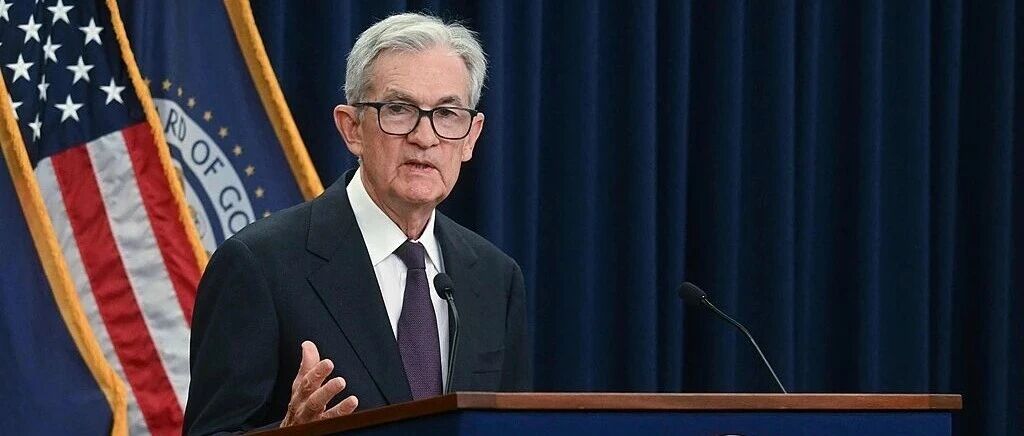
Fed Chair Jerome Powell talks inflation and labor market after leaving rates unchanged
Youtube· 2026-03-18 18:57
Economic Overview - The US economy is expanding at a solid pace, with consumer spending remaining resilient and business fixed investment continuing to grow, although the housing sector remains weak [4][10] - The median projection for real GDP growth is 2.4% for this year and 2.3% for next year, which is stronger than previous projections [4] Labor Market - The unemployment rate is currently at 4.4%, showing little change since late last summer, with job gains remaining low due to a decline in labor force growth [5][6] - Labor demand has softened, with indicators such as job openings and nominal wage growth showing little change in recent months [6] Inflation - Inflation has eased from its mid-2022 highs but remains elevated, with total PCE prices rising 2.8% over the past 12 months and core PCE prices rising 3.0% [7][8] - Near-term inflation expectations have increased due to rising oil prices from Middle East supply disruptions, while longer-term expectations remain aligned with the 2% inflation goal [8][10] Monetary Policy - The FOMC decided to keep the policy rate unchanged, viewing the current stance as appropriate for achieving maximum employment and 2% inflation [2][9] - The target range for the federal funds rate is maintained at 3.5% to 3.75%, with projections indicating a potential decrease to 3.4% by the end of this year and 3.1% by the end of next year [12] Future Outlook - The Fed will continue to monitor risks to both sides of its dual mandate and will adjust monetary policy based on incoming data and evolving economic outlook [11][13] - The commitment to achieving maximum employment and stable prices remains a priority for the Fed, with a focus on bringing inflation sustainably to the 2% goal [13][14]

Bitcoin, Ethereum Slip on Inflation Surprise as Oil Prices Jump
Yahoo Finance· 2026-03-18 15:05
Market Overview - The price of Bitcoin decreased by 5% to around $71,135, while Ethereum and Solana fell by 7% to $2,185 and 6% to $89 respectively [2] - The S&P 500 index fell by 0.4%, the Nasdaq declined by 0.3%, and the Dow Jones Industrial Average dropped by 300 points [5] Inflation and Economic Indicators - The Producer Price Index (PPI) rose by 3.4% year-over-year, exceeding economists' expectations of a 2.9% increase [1] - Elevated energy prices are contributing to inflation concerns, as indicated by the recent PPI data [3] Federal Reserve and Interest Rates - The Federal Reserve is expected to maintain its benchmark interest rate in the range of 3.5% to 3.75% [8] - There is growing confidence among traders that the Fed will keep interest rates unchanged for the remainder of the year [8] - The Fed's response to prolonged elevated energy costs may lead to higher interest rates for an extended period, which could negatively impact the cryptocurrency market [4][5] Geopolitical Factors - Brent crude futures increased by over 5% to $109 due to reports of attacks on Iran's South Pars gas field [6] - President Trump's comments regarding Iran and the Strait of Hormuz may influence market sentiment and energy prices [6][7]