
强预期

Search documents
库存持续累积,下游节前存补库预期:铁矿日报-20260127
Guan Tong Qi Huo· 2026-01-27 09:58
1. Report Industry Investment Rating - There is no information about the report industry investment rating in the provided content. 2. Core Viewpoints of the Report - The iron ore market is expected to fluctuate in the short term. The supply pressure has eased slightly due to the decrease in arrivals, while the demand is relatively stable. Although the ports are still accumulating inventory, it is gradually shifting to downstream steel mills. The futures contracts show a back structure and positive basis, with a slight short - term weakness, but the overall downside space may be limited [2][4]. 3. Summary According to the Directory Market行情态势回顾 - **Futures prices**: The main iron ore futures contract continued to fluctuate within a narrow range, closing at 788 yuan/ton, up 3.5 yuan/ton or 0.45% from the previous trading day. The trading volume was 212,000 lots, the open interest was 571,000 lots, and the settled funds were 9.9 billion yuan. The futures market is in a narrow - range consolidation, showing a slight short - term weakness, and attention should be paid to further tests near the short - term support of 780 [1]. - **Spot prices**: The mainstream port spot varieties, such as PB powder at Qingdao Port, rose 6 yuan to 799 yuan, and Super Special powder rose 6 yuan to 678 yuan. The swap's main contract was at 103.7 (+0.15) US dollars/ton. Spot and swap prices increased slightly [1]. - **Basis and spread**: The price of PB powder at Qingdao Port converted to the futures market was 832.4 yuan/ton, with a basis of 44.4 yuan/ton, and the basis narrowed. The iron ore 5 - 9 spread was 18.5 yuan, and the 9 - 1 spread was 12.5 yuan. The iron ore futures contracts showed a back structure and positive basis, with a short - term weakness and limited downside space [1]. Fundamental Analysis - **Supply**: Overseas mine shipments increased, mainly due to the recovery in Australia, while shipments from Brazil and non - mainstream countries declined. The arrivals continued to weaken, and there were expected disturbances on the supply side due to weather. The short - term supply pressure eased, but the inventory pressure was still increasing [2]. - **Demand**: The molten iron output increased slightly month - on - month, the profitability of steel mills recovered, and the rigid demand was relatively stable. Steel mills were in the process of restocking, but the enthusiasm was still weak, and there was strong game between upstream and downstream. Attention should be paid to the recovery height of molten iron and the release rhythm of restocking demand before the festival [2]. - **Inventory**: Port inventories continued to accumulate, and steel mill inventories also increased, but were still significantly lower than the historical average. The total inventory pressure was still building up [2]. Macro - level Analysis - **Domestic**: This week, the domestic macro situation continued the pattern of "weak reality, stable policy, and strong expectation". The recovery of domestic demand was still slow, consumption and investment had not formed an effective resonance, and exports could not offset the insufficient domestic demand. The macro environment was mainly for bottom - support [3]. - **Overseas**: This week, the overseas macro logic revolved around the marginal weakening of demand, the slow decline of inflation, and the increasing policy uncertainty. US consumption was still resilient, but the income growth slowed down, the savings rate was low, and the internal driving force was weakening. Core inflation continued to cool down, but the stickiness in the service sector remained, and the decline of inflation was not smooth. The market's focus shifted to the expectation of the Fed's leadership change, and the policy prospects changed from a single interest - rate cut path to "rhythm and framework game" [3].
1月26日钢铁市场:厉害了广东!万亿项目引爆2026!!节前交易冷清,明日钢价走势如何?
Sou Hu Cai Jing· 2026-01-27 02:50
Group 1 - The overall steel market in South China is stable, with minor fluctuations in individual brands, while the futures market shows an increase in most black series products, led by coking coal with a rise of 1.35% [3] - Guangdong plans to invest over 1 trillion yuan in 2026, with significant allocations for infrastructure, industry, and public welfare projects, which is expected to support steel demand [4] - The China Iron and Steel Association reported a slight decrease in daily crude steel production but an increase in daily steel output, indicating a mixed supply situation that may pressure steel prices [5][9] Group 2 - Guangdong's public budget revenue for 2025 was 1.39 trillion yuan, with a growth of 3%, and the forecast for 2026 is 1.44 trillion yuan, also growing by 3%, indicating stable fiscal conditions that support steel demand [6][7] - The increase in public budget expenditures and the growth in the less developed regions of Guangdong provide ongoing support for steel demand, particularly in construction [7] - The futures market shows a mixed sentiment, with rebar prices rising but with a decrease in positions, indicating weaker momentum despite the price increase [8][9]


开年狂涨50%!碳酸锂期货突破18万关口
2 1 Shi Ji Jing Ji Bao Dao· 2026-01-23 09:22
Group 1 - The lithium carbonate market continues to rise sharply, with futures contracts surging over 7% to exceed 180,000 yuan/ton, closing at 181,520 yuan/ton, indicating a significant increase in market activity [1] - The average price of battery-grade lithium carbonate reached 171,000 yuan/ton, while industrial-grade lithium carbonate averaged 167,500 yuan/ton, both showing daily increases of 6,500 yuan/ton, or approximately 3.95% and 4.04% respectively [1] - Since the beginning of 2026, lithium carbonate prices have increased by 50.46%, breaking through multiple price thresholds within a month [1] Group 2 - The adjustment of export tax rebate policies for battery products is a key driver of the current price surge, with the rebate rate set to decrease from 9% to 6% starting April 1, 2026, and to be completely eliminated by January 1, 2027 [1] - Demand is being driven by downstream manufacturers ramping up production in response to the anticipated reduction in export tax rebates, with phosphate iron lithium manufacturers canceling maintenance to operate at full capacity [1][2] - Supply constraints are evident, with a reported weekly production decrease of 338 tons and inventory reduction of 783 tons, attributed to annual maintenance at lithium salt plants and strong demand from battery manufacturers [2] Group 3 - Despite the bullish sentiment in the market, analysts caution that the current situation reflects a "strong expectation, weak reality" dynamic, with actual improvements in the lithium carbonate fundamentals being limited [2] - The market is experiencing a shift from a "full industry chain destocking" phase to a scenario where smelters and traders are accumulating inventory while downstream manufacturers are passively destocking [2] - Major lithium industry players are accelerating capacity expansion, with significant investments announced for new projects aimed at increasing production capacity [3][4]
资金情绪高涨,PTA远端加工费修复
Hua Tai Qi Huo· 2026-01-23 03:13
Report Industry Investment Rating No relevant content provided. Core Viewpoints - The cost side has been fluctuating around the situations in Venezuela and Iran recently. The PXN was $330/ton in the day before last trading day (a month-on-month change of -$9.50/ton). The spot floating performance was weak, with March at -5, April around -3/-2, and May dropping to par. The expected increase in PX supply due to improved profitability, along with more imports from internal and external market arbitrage, and the implementation of demand-side maintenance plans, have led to a decline in PXN. However, the medium-term outlook for PX remains positive. The logic that profit restoration will lead to the cancellation or postponement of PX maintenance plans in the second quarter is difficult to confirm. Attention should be paid to the implementation of PX maintenance and import conditions [1]. - The spot basis of the TA main contract was -71 yuan/ton (a month-on-month change of -1 yuan/ton), the PTA spot processing fee was 387 yuan/ton (a month-on-month change of -29 yuan/ton), and the processing fee on the main contract's futures price was 399 yuan/ton (a month-on-month change of +21 yuan/ton). The implementation of polyester factories' Spring Festival production cut plans has led to a reduction in the average monthly polyester load in February from around 83% to 81%, increasing the PTA inventory accumulation in February and weakening the near-term fundamentals. In the long run, as the cycle of concentrated capacity expansion ends, the PTA processing fee is expected to gradually improve [1]. - The polyester operating rate was 88.3% (a month-on-month decrease of 2.5%). The weaving load will be concentrated on holidays around late January, which may accelerate the decline. Due to the firm price of polyester yarn, the current terminal has difficulty passing on costs to downstream, and is mainly digesting raw material inventories, with low purchasing enthusiasm and accumulating filament inventories. In January, the Spring Festival maintenance plans of polyester plants will be gradually implemented, and the polyester load will accelerate its decline. There will be more maintenance plans for staple fibers and small factories. The average monthly load in January will be around 88%, and the average monthly load in February will be reduced to around 81% [2]. - The spot production profit of PF was -20 yuan/ton (a month-on-month increase of 13 yuan/ton). Supported by costs, direct-spun polyester staple fibers remained at a high level. Downstream orders are gradually decreasing, and some yarn mills have completed their raw material reserves before the Spring Festival. The number of yarn mills reducing or suspending production will increase near the end of the month, and staple fibers will face inventory accumulation pressure in the later period [2]. - The spot processing fee of PR was 582 yuan/ton (a month-on-month change of +11 yuan/ton). Recently, the Spring Festival maintenance plans of polyester bottle chip factories have been gradually implemented, and the inventory reduction before the Spring Festival has been smooth. The market's spot supply has decreased slightly. Attention should be paid to cost fluctuations [2]. - For trading strategies, in the short term, with increased capital positions, PX/PTA/PF/PR are bullish, but the structure and near-term fundamentals have not significantly improved. Currently, there is a situation of weak reality and strong expectations, with PTA being stronger than PX. Attention should be paid to whether there will be unplanned resumptions of PTA production due to the restoration of processing fees. For cross-variety trading, go long on PTA and short on MEG. There is no cross-period trading strategy [3]. Summaries by Directory Price and Basis - Figures include the TA main contract, basis, and inter-period spread trends; PX main contract trends, basis, and inter-period spread; PTA East China spot basis; and short fiber 1.56D*38mm semi-gloss natural white basis [7][8][13] Upstream Profit and Spread - Figures cover PX processing fee PXN (PX China CFR - Naphtha Japan CFR), PTA spot processing fee, South Korean xylene isomerization profit, and South Korean STDP selective disproportionation profit [15][19] International Spread and Import-Export Profit - Figures involve the toluene US-Asia spread (FOB US Gulf - FOB South Korea), toluene South Korea FOB - Japan Naphtha CFR, and PTA export profit [21][23] Upstream PX and PTA Operation - Figures show China's PTA load, South Korea's PTA load, Taiwan's PTA load, China's PX load, and Asia's PX load [24][27][29] Social Inventory and Warehouse Receipts - Figures include PTA weekly social inventory, PX monthly social inventory, PTA total warehouse receipts + forecast volume, PTA warehouse warehouse receipt inventory, PX warehouse receipt inventory, and PF warehouse receipt inventory [35][37][38] Downstream Polyester Load - Figures cover filament sales volume, staple fiber sales volume, polyester load, direct-spun filament load, polyester staple fiber load, polyester bottle chip load, filament DTY factory inventory days, filament FDY factory inventory days, filament POY factory inventory days, Jiangsu and Zhejiang loom operating rate, Jiangsu and Zhejiang texturing machine operating rate, Jiangsu and Zhejiang printing and dyeing operating rate, filament FDY profit, and filament POY profit [43][45][53] PF Detailed Data - Figures include 1.4D physical inventory, 1.4D equity inventory, polyester staple fiber load, polyester staple fiber factory equity inventory days, recycled cotton-type staple fiber load, original-recycled spread (1.4D polyester staple fiber - 1.4D imitation large chemical fiber), pure polyester yarn operating rate, pure polyester yarn production profit, polyester-cotton yarn operating rate, polyester-cotton yarn processing fee, pure polyester yarn factory inventory available days, and polyester-cotton yarn factory inventory available days [68][69][72] PR Fundamental Detailed Data - Figures cover polyester bottle chip load, bottle chip factory bottle chip inventory days, bottle chip spot processing fee, bottle chip export processing fee, bottle chip export profit, East China water bottle chips - recycled 3A-grade white bottle chips, bottle chip next-month spread (next month - base month), and bottle chip next-next-month spread (next next month - base month) [85][89][94]
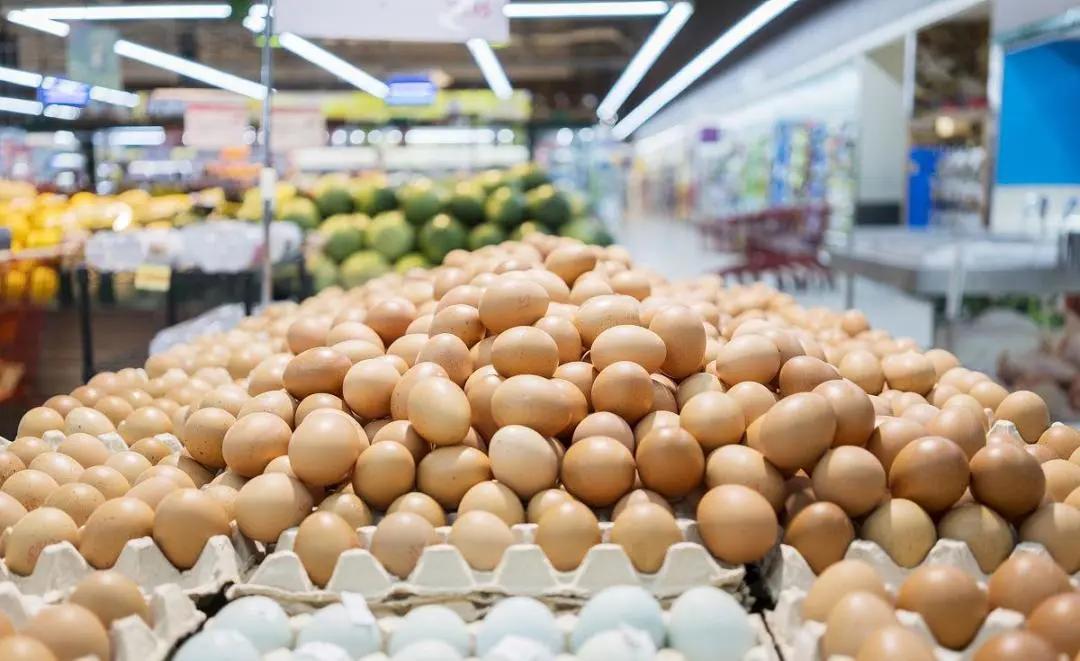
在产蛋鸡存栏跌破13亿只!国家发改委:蛋鸡养殖每只亏损25.87元
Xin Lang Cai Jing· 2026-01-05 11:45
Core Viewpoint - The egg price is expected to remain low in 2025 due to high inventory of laying hens and lack of accelerated capacity elimination in the industry [1][6] Group 1: Inventory and Production - The inventory of laying hens dropped to 1.295 billion in December 2025, with a month-on-month decrease of 0.07 billion, while the main production area accounts for over 80% of the total [3][8] - The age structure of laying hens is relatively young, with the main production hens making up 80.12% of the inventory, compared to 75% in 2022, indicating challenges in capacity elimination [3][8] - The sales of commercial broiler chicks have started to recover since November 2025, but the industry has not yet entered a phase of accelerated capacity elimination [3][8] Group 2: Financial Performance - The National Development and Reform Commission reported a loss of 25.87 yuan per laying hen as of December 29, 2025 [4][9] - The current egg price is 6.00 yuan per kilogram, with feed prices at 2.64 yuan per kilogram, resulting in an egg-to-feed price ratio of 2.35, which is a decrease of 2.08% from the previous week [5][9] - The overall market conditions indicate that the egg price is at a low point, with a slight reluctance to sell from the farming sector, although demand may improve temporarily due to pre-holiday stocking [10]
齐盛期货:焦煤回升持续性存疑
Qi Huo Ri Bao· 2025-12-26 00:35
Core Viewpoint - The recent rebound in coking coal futures is driven by macro policy expectations and changes in supply-demand dynamics, despite the fundamental market conditions remaining unchanged [1][2]. Group 1: Macroeconomic and Policy Factors - The release of the "Key Areas for Clean and Efficient Utilization of Coal (2025 Edition)" in mid-December has been a pivotal factor in shifting market sentiment, imposing stricter coal consumption standards for power generation and heating [1]. - This policy aims to eliminate outdated production capacity and suppress low-price homogeneous competition, which is expected to reshape the overall valuation of the coal industry [1]. - The Central Economic Work Conference's stance on addressing excessive competition has provided emotional support for undervalued black commodities [1]. Group 2: Supply Dynamics - Coking coal supply is characterized by weak domestic production and strong imports, with major coal-producing regions like Shanxi and Inner Mongolia reducing output as they complete annual production assessments [2]. - Safety production policies have tightened, further exacerbating supply constraints, while imports of Mongolian coal have remained high, with customs clearance rates peaking at over 1,600 trucks per day in mid-December [2]. - Despite rumors of restrictions on imported coal, actual customs data indicates that the influx of Mongolian coal has not been hindered, leading to an accumulation of inventory at ports [2]. Group 3: Market Conditions - The high volume of imported Mongolian coal is suppressing domestic coking coal prices, as the typical seasonal supply contraction is offset by the influx of imports and high social inventory levels [3]. - Price differentiation among coal types is evident, with main coking coal and fat coal showing resilience, while other types like lean coal and gas coal face significant price pressure due to weak demand and ample supply [3]. - The steel industry is currently in a traditional consumption lull, with average daily pig iron production dropping to approximately 2.265 million tons, leading to reduced consumption of coking coal and coke [4]. Group 4: Inventory and Demand Outlook - Coking coal inventories at steel mills are at 8.0499 million tons, with a usable days supply of 13.02 days, while independent coking plants hold 10.3629 million tons with 12.4 days of supply [4]. - The winter storage replenishment by coking steel enterprises is expected to be delayed this year due to sufficient social inventory and the later timing of the Spring Festival [4]. - Short-term forecasts suggest that coking coal futures may maintain a strong trend, but the sustainability of this rebound is uncertain, with potential inventory pressures from imports and steel production levels limiting price increases [5].
11月宏观数据分析:11月经济数据继续走弱,内需不足是主要制约
Xi Nan Qi Huo· 2025-12-16 02:02
Report Industry Investment Rating No relevant information provided. Core Viewpoints - In November 2025, the macro - economic data continued to decline, and the recovery momentum remained weak. The manufacturing PMI rebounded but was still below the boom - bust line. Industrial production, consumption, and fixed - asset investment growth rates all continued to weaken, and the real estate market was still in a downward trend. Domestic effective demand was insufficient, and the economy faced many challenges [3]. - The implementation of more proactive macro - policies is required to expand domestic demand and optimize supply, promoting both qualitative improvement and reasonable quantitative growth of the economy. "Expanding domestic demand and anti - involution" will be long - term and important policy measures [3]. - The financial market is in a state of "weak reality, strong expectation", and market sentiment is continuously improving. Despite the twists and turns, the macro - economy and asset prices in 2025 are expected to continue the upward - repair trend [3]. Summary by Directory 1. Manufacturing PMI - In November, the manufacturing PMI was 49.2%, up 0.2 percentage points from the previous month, but still below the boom - bust line. Large - scale enterprise PMI decreased, while medium and small - scale enterprise PMIs increased [4]. - Among the 5 classification indexes of manufacturing PMI, the supplier delivery time index was above the critical point, the production index was at the critical point, and the new order index, raw material inventory index, and employment index were below the critical point [4]. - The non - manufacturing business activity index was 49.5% in November, down 0.6 percentage points from the previous month. The construction industry business activity index increased, while the service industry business activity index decreased [7]. 2. CPI and PPI - In November 2025, the national CPI increased by 0.7% year - on - year and decreased by 0.1% month - on - month. The PPI decreased by 2.2% year - on - year and increased by 0.1% month - on - month. The core inflation continued to improve [8][10]. - The anti - involution policy has achieved continuous results, and the PPI is in an upward - repair trend. The PPI year - on - year growth rate is expected to turn positive in 2026 [12]. 3. Import and Export - In November, China's total import and export value was 549.03 billion US dollars, with a year - on - year growth of 4.3%. Exports were 330.35 billion US dollars, up 5.9% year - on - year, and imports were 218.67 billion US dollars, up 1.9% year - on - year, with a trade surplus of 111.68 billion US dollars [13]. - Exports to the EU rebounded significantly, while exports to the US were gradually replaced by those to ASEAN. China's exports have shown strong resilience, and the real risk for foreign trade lies in the potential decline in global demand [16]. 4. Credit and Money Supply - At the end of November 2025, the stock of social financing scale was 440.07 trillion yuan, with a year - on - year growth of 8.5%. The growth rates of both M1 and M2 declined, and the M1 - M2 gap narrowed [18][23]. - Resident and enterprise credit demand was weak. Resident short - term and long - term loans decreased significantly, and enterprise short - and long - term loans were at a low level, with a significant increase in bill financing [19][21]. 5. Industrial Production, Consumption, and Investment - In November, the added value of large - scale industries increased by 4.8% year - on - year and 0.44% month - on - month. The total retail sales of consumer goods increased by 1.3% year - on - year, but the growth rate continued to decline, especially in sectors such as home appliances, furniture, and automobiles [24][26]. - From January to November, national fixed - asset investment (excluding rural households) decreased by 2.6% year - on - year, with declines in private fixed - asset investment, real estate development investment, and infrastructure investment [28]. 6. Real Estate Market - From January to November, the sales area and sales volume of new commercial housing decreased by 7.8% and 11.1% year - on - year respectively, and the decline accelerated in November. Real estate new construction, construction, and completion also decreased [31][33]. - The real estate market is in the process of bottoming out and transforming. Although there are fluctuations, the year - on - year decline in sales and prices is narrowing, and the de - stocking effect is emerging. The first half of 2026 is expected to be a critical period for the real estate market to stop falling and stabilize [38].
流动性充裕难掩情绪脆弱
Southwest Securities· 2025-12-08 13:14
1. Report Industry Investment Rating - Not provided in the document 2. Core Viewpoints of the Report - Last week, the traditional "stock-bond seesaw" effect failed again, with both the stock and bond markets rising and falling together. Long-term interest rates fluctuated sharply between the "reality of loose money" and the "frustration of strong expectations," and the oversold of ultra-long-duration assets reflected the crowding of market funds and the fragility of market sentiment [3][91]. - In the last four trading weeks of the year, the fact that the "sales new rules" have not fully "landed" remains the main market concern, but the approaching important meetings have restored the "loose money" expectation. The focus of market gaming may still be the emotional fluctuations caused by marginal policy changes [3][92]. - The report maintains the judgment of a recovery market in December but expects the downward space of interest rates to be relatively limited. It is recommended to adopt a left-side layout configuration rhythm, prioritize switching positions to medium - and short - term treasury bonds and policy financial bonds, and pay attention to trading opportunities of secondary perpetual bonds of the same term. As the meeting window approaches, gradually increase the offensive nature of the portfolio, control the overall duration center of the portfolio within the medium - to long - term range of 5 - 7 years, and avoid high - congestion assets [3][92][93]. 3. Summary According to the Directory 3.1 Important Matters - On December 5, 2025, the central bank will conduct a 1000 - billion - yuan 3 - month (91 - day) fixed - quantity, interest - rate - tendered, multi - price - winning bidder - selected买断式逆回购 operation. The net investment of the central bank in treasury bonds in November was 5 billion yuan, far lower than the market's relatively optimistic expectation of 100 billion yuan. On December 5, 2025, six major banks stopped selling 5 - year large - denomination certificate of deposit products [6][9]. 3.2 Money Market 3.2.1 Open Market Operations and Fund Interest Rate Trends - From December 1 to 5, 2025, the central bank's 7 - day reverse repurchase operation had a net investment of - 84.8 billion yuan. It is expected that the basic currency will have a maturity withdrawal of 66.38 billion yuan from December 8 to 12, 2025. At the beginning of the month, the fund market was generally loose, and DR001 fell below 1.3% for the first time this year [14][15]. 3.2.2 Certificate of Deposit Interest Rate Trends and Repurchase Transaction Situations - In the primary market, the issuance scale of inter - bank certificates of deposit last week was 495.91 billion yuan, a decrease of 63.54 billion yuan from the previous week. The net financing scale was 47.1 billion yuan, an increase of 289.69 billion yuan from the previous week. The issuance interest rates of inter - bank certificates of deposit generally increased last week. In the secondary market, the yields of inter - bank certificates of deposit generally increased last week [25][31][34]. 3.3 Bond Market - In the primary market, the supply scale of interest - rate bonds decreased last week, with an actual issuance of 430.717 billion yuan and a net financing of 128.844 billion yuan. As of December 5, 2025, the cumulative net financing scale of various treasury bonds in 2025 was about 6.23 trillion yuan, and that of various local bonds was about 7.11 trillion yuan, showing a significant increase compared with the average values from 2021 to 2024. As of last week, the issuance scale of special refinancing bonds in 2025 had reached 2.29 trillion yuan, mainly with long - term and ultra - long - term maturities [38][44][48]. - In the secondary market, at the beginning of the month, the short - term interest rates were stable, while the ultra - long - term interest rates continued to be affected by market noise and increased significantly. The yields of 1 - year, 3 - year, 5 - year, 7 - year, 10 - year, and 30 - year treasury bonds changed by - 0.01BP, - 1.46BP, 1.39BP, 0.17BP, 0.68BP, and 7.20BP respectively. The 10Y - 1Y treasury bond yield spread increased from 43.95BP to 44.64BP. The yields of the same - term CDB bonds also changed, and the 10Y - 1Y CDB bond yield spread increased from 34.94BP to 37.66BP. The implied tax rate of 10 - year CDB bonds increased slightly [51]. 3.4 Institutional Behavior Tracking - Last week, the leveraged trading scale was generally stable due to the relatively loose fund market. In the cash bond market, state - owned banks significantly increased their holdings of treasury bonds within 5 years and local bonds within 10 years; rural commercial banks mainly increased their holdings of 5 - 10 - year policy financial bonds and treasury bonds over 5 years; insurance companies continued to prefer local bonds over 10 years; securities firms and funds were the main sellers last week [68][73]. - In October 2025, the leverage ratio of all institutions in the inter - bank market was about 118.77%, an increase of about 0.06 percentage points from September. The leverage ratios of commercial banks, securities companies, and other institutions in the inter - bank market in October 2025 were about 110.31%, 191.29%, and 132.17% respectively [68]. 3.5 High - Frequency Data Tracking - Last week, the settlement price of rebar futures increased by 2.47% week - on - week, the settlement price of wire rod futures remained flat, the settlement price of cathode copper futures increased by 5.02% week - on - week, the cement price index decreased by 0.40% week - on - week, and the South China Glass Index decreased by 4.70% week - on - week. The CCFI index decreased by 0.62% week - on - week, and the BDI index increased by 9.92% week - on - week. In terms of food prices, the wholesale price of pork decreased by 0.84% week - on - week, and the wholesale price of vegetables increased by 3.31% week - on - week. The settlement prices of Brent crude oil futures and WTI crude oil futures increased by 0.09% and 1.91% respectively week - on - week. The central parity rate of the US dollar against the RMB was 7.07 last week [88]. 3.6 Market Outlook - The report maintains the judgment of a recovery market in December but expects the downward space of interest rates to be relatively limited. It is recommended to adopt a left - side layout configuration rhythm, prioritize switching positions to medium - and short - term treasury bonds and policy financial bonds, and pay attention to trading opportunities of secondary perpetual bonds of the same term. As the meeting window approaches, gradually increase the offensive nature of the portfolio, control the overall duration center of the portfolio within the medium - to long - term range of 5 - 7 years, and avoid high - congestion assets [3][92][93].
黑色建材日报-20251010
Wu Kuang Qi Huo· 2025-10-10 02:41
1. Report Industry Investment Rating No relevant content provided. 2. Core Viewpoints of the Report - The steel market shows a weak reality in the short - term, but the market's expectation for the recovery of steel demand is rising with the macro - environment turning loose. Steel prices still have a downward risk from the fundamental perspective, and policy signals and the Fourth Plenary Session trends need to be focused on [2]. - For iron ore, short - term iron ore prices may adjust if the finished steel situation weakens after the holiday. Attention should be paid to the "Silver October" performance after restocking [5]. - The black - building materials sector may first decline and then rise, similar to the situation in 2023. The market is expected to be driven by policies, and the black - building materials sector may gradually have the cost - effectiveness of long - position allocation in the long - term [10]. - Industrial silicon is expected to be mainly volatile in the short - term, and attention should be paid to the improvement of the supply - demand structure after the holiday [15]. - For polysilicon, the price may be supported if leading enterprises carry out maintenance in November, and attention should be paid to policy changes [17]. - Glass is recommended to be viewed more positively in the short - term, and attention should be paid to policy trends. Soda ash is expected to continue the volatile consolidation pattern in the short - term [20][22]. 3. Summary by Related Catalogs Steel Market Quotes - The closing price of the rebar main contract was 3096 yuan/ton, up 24 yuan/ton (0.781%) from the previous trading day. The registered warehouse receipts decreased by 10110 tons, and the main contract positions increased by 34297 lots. The spot prices in Tianjin and Shanghai increased by 10 yuan/ton [1]. - The closing price of the hot - rolled coil main contract was 3286 yuan/ton, up 33 yuan/ton (1.014%) from the previous trading day. The registered warehouse receipts remained unchanged, and the main contract positions increased by 24718 lots. The spot prices in Lecong and Shanghai increased by 10 - 20 yuan/ton [1]. Strategy Views - The steel showed a volatile and stronger trend. The real demand during the holiday was weak, but the market's expectation for demand recovery is rising. The steel price has a downward risk, and policy signals and the Fourth Plenary Session trends need attention [2]. Iron Ore Market Quotes - The main contract (I2601) of iron ore closed at 790.50 yuan/ton, up 1.28% (+10.00). The positions increased by 12200 lots to 45.96 lots. The weighted positions were 75.65 lots. The spot price of PB powder at Qingdao Port was 784 yuan/wet ton, with a basis of 42.94 yuan/ton and a basis rate of 5.15% [4]. Strategy Views - During the holiday, steel mill production was stable, and overseas ore shipments were stable. The short - term iron ore price may adjust if the finished steel situation weakens. Attention should be paid to the "Silver October" performance after restocking [5]. Manganese Silicon and Ferrosilicon Market Quotes - Manganese silicon (SM601 contract) closed up 0.17% at 5768 yuan/ton. The spot price in Tianjin was 5670 yuan/ton, with a basis of 92 yuan/ton. Ferrosilicon (SF511 contract) closed down 0.40% at 5472 yuan/ton. The spot price in Tianjin was 5700 yuan/ton, with a basis of 228 yuan/ton [9]. Strategy Views - The black - building materials sector may first decline and then rise. Manganese silicon may be driven by manganese ore disturbances if the black - building materials sector strengthens. Ferrosilicon is likely to follow the black - building materials sector with low operation cost - effectiveness [10][11]. Industrial Silicon Market Quotes - The main contract (SI2511) of industrial silicon closed at 8640 yuan/ton, with no change. The weighted positions increased by 8057 lots to 407790 lots. The spot prices of different grades remained unchanged, with bases of 660 yuan/ton and 260 yuan/ton respectively [13]. Strategy Views - Industrial silicon is expected to be mainly volatile in the short - term. If production cuts occur in the southwest during the dry season and demand remains stable, the far - month contract valuation may increase. Attention should be paid to the improvement of the supply - demand structure after the holiday [14][15]. Polysilicon Market Quotes - The main contract (PS2511) of polysilicon closed at 50765 yuan/ton, down 1.16% (-595). The weighted positions increased by 7663 lots to 234012 lots. The spot prices of different grades remained unchanged, with a basis of 1785 yuan/ton [16]. Strategy Views - The current polysilicon price lacks upward drive. If leading enterprises carry out maintenance in November, the fundamentals may improve, and attention should be paid to policy changes [17]. Glass and Soda Ash Market Quotes - Glass: The main contract closed at 1218 yuan/ton, up 0.66% (+8). The inventory increased by 346.9 million boxes (+5.84%). The long positions of the top 20 increased by 91284 lots, and the short positions increased by 131962 lots [19]. - Soda ash: The main contract closed at 1250 yuan/ton, down 0.40% (-5). The inventory decreased by 10.41 million tons. The long positions of the top 20 increased by 41693 lots, and the short positions increased by 27467 lots [21]. Strategy Views - Glass: The terminal demand is weak. It is recommended to view it more positively in the short - term and pay attention to policy trends [20]. - Soda ash: The domestic soda ash market is generally stable. It is expected to continue the volatile consolidation pattern in the short - term [22].
国债期货2025年10月报:债市情绪仍显低迷,关注预期变化-20250929
Yin He Qi Huo· 2025-09-29 09:34
Report Summary 1. Investment Rating The report does not mention the industry investment rating. 2. Core Viewpoints - The domestic economic "weak reality" continues, and the economic indicators in Q4 face the unfavorable impact of the higher base after September 24 last year. The central bank's attitude of caring for liquidity remains unchanged, which supports the bond market. However, the "anti-involution" policy and the high prosperity of some technology industries, along with the easing of geopolitical disturbances and the Fed's interest rate cut, make the "strong expectation" the dominant force in the macro narrative. The potential adjustment of public bond fund redemption fees and tax policies exacerbates bond market volatility. In the short term, bond market sentiment is still sluggish, but treasury bonds have an irreplaceable role in hedging potential expectation differences [3][57]. - In terms of operations, in the short term, investors are advised to be cautious about the TL contract and hold a small amount of long positions in bond futures. The TF contract may be the best option. For arbitrage, if the market expectation is revised or extreme sentiment causes an over - adjustment in the bond market, the TL contract can be considered for flattening the curve and reverse arbitrage operations, but the timing needs to be observed [4][59]. 3. Summary by Directory 3.1 Market Trend Review - In September, the bond market performance was somewhat differentiated. The short - and medium - term bonds were generally in a volatile range, while the long - term bonds adjusted significantly under the influence of "strong expectations" and bond fund redemption pressure, and the yield curve became steeper. As of September 29, the monthly returns of the TS, TF, T, and TL main contracts were - 0.09%, - 0.03%, - 0.15%, and - 2.44% respectively. The overall weak bond market sentiment made the market valuation slightly low, and the IRR of the main contracts of bond futures at all maturities was around 1.3 - 1.4% [6]. 3.2 "Weak Reality" Continues, "Strong Expectation" Dominates the Narrative - The domestic economic data in August released in September continued to weaken marginally, with both supply and demand falling short of expectations. Investment, consumption, and foreign trade all showed different degrees of decline. The market believes that the "stall" of the investment end is a phased weakening driven by "anti - involution" and a policy choice. With the Fed's interest rate cut in September, the potential spill - over effect of overseas monetary policy and the high prosperity of domestic high - tech industries make the "strong expectation" the dominant force in the macro narrative, which is reflected in the bond yield curve [11][18][22]. 3.3 Price Repair is Differentiated, Downward Transmission Needs Observation - In August, the CPI was - 0.4% year - on - year and 0.0% month - on - month, both lower than expected. The decline in the year - on - year CPI was mainly due to weak food prices, while the month - on - month decline was more affected by seasonal factors. The core CPI reached a new high this year, but its repair momentum still needs to be improved. The PPI showed signs of bottom - up repair, but the performance of upstream production materials and downstream living materials was still differentiated. The profit of industrial enterprises increased significantly in August, but it was mainly due to the low base last year, and the improvement in demand was not obvious. In the future, the PPI may continue to rise year - on - year, but the price transmission and the base effect need to be observed [23][24][30]. 3.4 Social Financing Growth Peaked and Declined, M1 Growth Slowed - In August, new RMB loans were lower than expected, and the social financing growth showed signs of peaking. Although the real estate sales data in September showed marginal improvement, considering the high base last year and the front - loaded fiscal efforts this year, it is likely that the social financing growth has peaked this year. The slowdown in social financing affected deposit creation and money supply. The M1 growth continued to rise but is expected to have limited upward space [32][36][43]. 3.5 The Central Bank Cares for Liquidity, but Further Easing is Difficult in the Short Term - In September, the market capital tightened slightly. The central bank took measures to maintain market liquidity, but the current capital price is within the central bank's acceptable range, and further significant decline requires a significant increase in market interest rate cut expectations. The central bank's attitude towards the economic situation is more optimistic, and it emphasizes the implementation of existing policies and the prevention of capital idling [46][47][48]. 3.6 Bond Fund Fees May be Adjusted, Preventive Redemption Increases Market Volatility - In September, the CSRC revised the regulations on public bond fund sales fees, which may affect the stability of bond fund liabilities. As the quarter - end approached, preventive redemptions increased, exacerbating market volatility. If the final regulations are similar to the draft, the bond market may experience a phased over - adjustment; otherwise, the market sentiment may stabilize [55][56]. 3.7 Future Outlook - The "weak reality" of the domestic economy continues, and the bond market is supported by the central bank's liquidity care. However, the "strong expectation" dominates the macro narrative, and the potential adjustment of bond fund fees and tax policies increases market volatility. Treasury bonds can hedge potential expectation differences. In the short term, investors are advised to be cautious about the TL contract and hold a small amount of long positions in bond futures. For arbitrage, the timing needs to be observed [57][59].