
通缩

Search documents
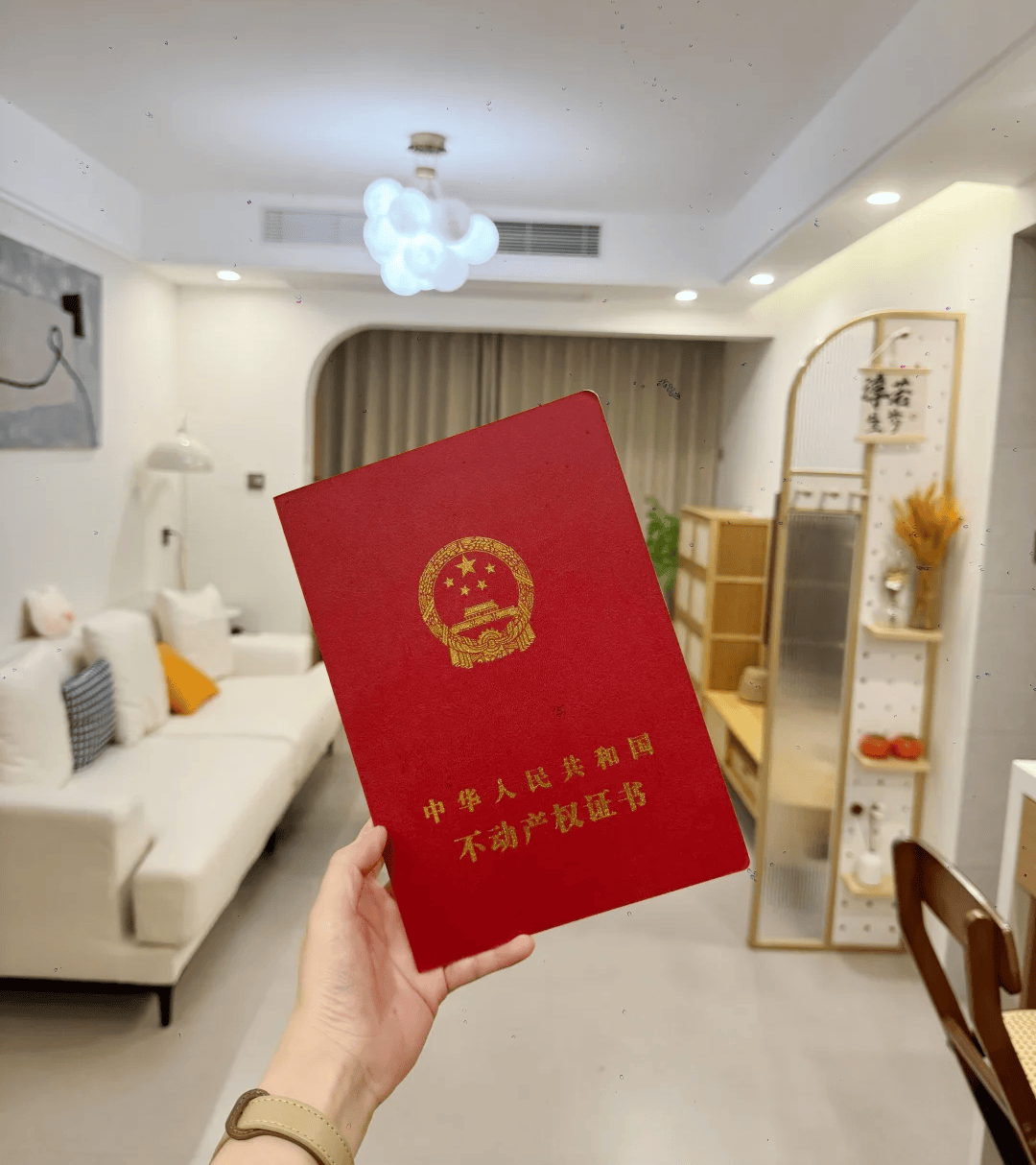
提前还房贷真的会“亏”吗?银行经理透露:很多人还在“白送钱”
Sou Hu Cai Jing· 2025-06-18 00:21
Core Viewpoint - The article discusses the implications of early mortgage repayment in the context of declining loan interest rates and the opportunity costs associated with investment decisions. Group 1: Early Repayment Considerations - Early repayment of mortgages may not be financially beneficial if the borrower has access to higher-yielding investment opportunities that can cover loan interest costs [1][6] - Individuals with limited investment experience may find early repayment more advantageous as they are less likely to achieve returns that exceed mortgage interest rates [6][10] - The actual cost of borrowing can differ significantly from nominal rates, influenced by factors such as inflation and deflation [8][10] Group 2: Investment Opportunities - Borrowers with substantial investment experience may choose to keep their funds liquid for higher returns rather than repaying mortgages early [10][12] - If alternative investments yield returns greater than the mortgage interest rate, early repayment is generally not advisable [12][15] - The timing of mortgage repayment is crucial; early repayment is more beneficial within the first third of the loan term, especially under an amortized payment structure [13][15] Group 3: Strategies for Early Repayment - Two primary strategies for early repayment include shortening the loan term or reducing monthly payments, depending on the borrower's financial situation [17] - Borrowers anticipating future deflation may find early repayment to be a wise decision, while those expecting inflation should consider maintaining their investments [15][17]

大摩宏观闭门会议:三个新方向
2025-06-16 15:20
各位投资者朋友们周一上午好也是不好意思我们刚才出现了一些技术上的困难所以说今天的webcast有所延迟那也是再次欢迎大家来到了每周一度的大幕宏观策略团我是蔡志鹏那Robin总这周是在休假但是呢他在休假前已经就北京之行的所得和团队有了一些充分的交流那本期节目呢是由我代为主持那中国宏观经济在最近的几周大致是比较的平稳 关税对于经济的影响存在一定的滞后而财政的政策的前置也是有助于延续了九二四政策转向以来的一些政策脉冲所以说我们今天就聚焦三大边际上的一些变化也分别对应了投资者朋友们比较关心的几个话题分别是中美贸易磋商的新进展消费品已就换新政策的调整以及中办和国办发布的进一步改善社保体系的一个意见 那这三个边际上的变化对于短期的贸易局势以及中长期中国走出通缩的探索有什么意义那这个是宏观层面要探讨的问题那今天和往常一样呢我们也邀请到了中国首席股票策略师LauraLaura在发布了年终展望之后呢也是进行了一轮又一轮的紧锣密鼓的路演上周也是参加了大摩的澳大利亚峰会 那今天也是欢迎Laura带来最新的投资者反馈包括在地缘政治风险之下对于股票的配置会如何看待那我们今天的还邀请到了大中华消费团队的首席Lillian也会跟大家分享最 ...
2025年第二季度即将走完,我国GDP增速能达到多少呢?
Sou Hu Cai Jing· 2025-06-16 10:57
2025年第二季度的最后一个月已走完一半的路程,该出预测文章了——根据当前的多项经济数据分析、解读及展望,南生认为:4至6月的我国GDP实际提 升力度将在4.7%至4.9%区间,取个中位数,4.8%吧。 增速预计维持在4.8%左右,主要依赖三大动能 一是企业对非美市场的拓展获得了巨大的成绩,不仅对冲对美贸易的损失,而得到了更多的收益——以5月份为例:中国对印度尼西亚出口上涨16.8%、对 越南出口上涨18.8%、对泰国出口大涨20.9%,对整个东盟的商品出口金额大涨了12.2%。 2025年5月份,我国对法国出口上涨5.9%,对德国出口金额提升了12.3%,对整个欧盟的出口增长了6.4%;对英国出口上涨7.4%,对加拿大出口上涨8.7%, 对拉美各国的商品出口上涨9.4%…… 对一带一路沿线国家的商品出口金额在今年5月份上涨了9.2%,对非洲各国的商品出口金额大涨了18.9%,并推动:我国5月份的外贸顺差金额暴涨至1032.2 亿美元,同比居然激增了40.3%,创新高。 是不是感到很惊讶啊?特朗普的本意是围剿中国,降低我国的外贸顺差,但结果却是:中国的对外贸易继续高歌猛进,单月顺差金额突破了1000亿美元。若 ...
5月经济平稳增长表现出较强韧性
First Capital Securities· 2025-06-16 09:47
Economic Performance - In May, industrial added value increased by 5.8% year-on-year, exceeding the expected 5.7%, but down 0.3 percentage points from April[2] - The cumulative value from January to May is still 0.5 percentage points higher than the total for last year[2] - Retail sales of consumer goods in May grew by 5.1% year-on-year, surpassing the expected 4.9%, and up 1.3 percentage points from April[2] - Cumulative fixed asset investment growth from January to May was 3.7%, below the expected 4.0%, but still 0.5 percentage points higher than last year[2] Sector Analysis - Manufacturing sector investment from January to May saw a cumulative year-on-year growth of 8.5%, down 0.3 percentage points from January to April, and 0.7 percentage points lower than last year[10] - Infrastructure investment (excluding electricity) grew by 5.6%, down 0.2 percentage points from January to April, but up 1.2 percentage points from last year[10] - Real estate investment showed a decline of 10.7%, down 0.4 percentage points from January to April, and 0.1 percentage points lower than last year[10] Trade and Exports - In May, exports increased by 4.8% year-on-year, down 3.3 percentage points from April, while cumulative exports from January to May were up 0.2 percentage points from last year[11] - Imports decreased by 3.4%, down 3.2 percentage points from April, with cumulative imports down 12.3% from last year[11] - The trade surplus in May was $103.2 billion, a historical high, with a cumulative surplus of $471.9 billion from January to May, representing a year-on-year increase of 40%[11] Economic Challenges - The urban surveyed unemployment rate in May was 5.0%, slightly below the expected 5.1%, but youth unemployment remains high, affecting consumer confidence[4] - The CPI in May was -0.1%, indicating ongoing deflationary pressures, while the PPI was -3.3%[25] - Real estate sector challenges continue to impact overall economic growth, with new housing starts down 22.8% year-on-year from January to May[33]
金鹰基金杨晓斌:市场上下空间或有限 个股机会凸显行情或将持续
Xin Lang Ji Jin· 2025-06-16 06:03
Market Overview - The overall trend of AH stocks in the past six months can be summarized as "gathering market sentiment amid divergence, with gradual valuation recovery amid fluctuations" [1] - Since the pandemic, the stock market has been in a long-term adjustment due to risk control and the downturn in the real estate cycle [1] - After September 24, there has been a noticeable change in market style, with effective policies boosting confidence and altering the characteristics of a shrinking market [1] Investment Opportunities - The Chinese stock market has a high allocation value globally, with the Shanghai-Shenzhen 300 dividend yield remaining above 1.5%, indicating strong appeal for large incremental funds like insurance [1][2] - The continuous decline in bank deposit interest rates is expected to drive savings into the stock market as fixed deposits mature [1] - The return of overseas funds to the Chinese market is evident, with Hong Kong stocks showing significant recovery since the beginning of the year [2] Economic Context - The controllable economic downturn risk suggests that the current dividend yield is unlikely to experience a significant decline [2] - The major reasons for the significant pullback in A-shares since 2021 include economic downturn and deflation expectations, which are less pronounced compared to developed markets [2] - The stabilization of economic expectations is seen as a major positive factor for the stock market [4] Sector Analysis - Assets with strong earnings certainty and high dividend nature are expected to yield absolute returns, attracting low-risk preference funds [3] - Industries that are likely to see opportunities before the economic bottom is confirmed include innovative pharmaceuticals, new consumption, AI-related sectors, non-bank financials, and more [3] - Many downstream industries are gradually emerging from profit troughs due to price adjustments and technological breakthroughs, despite the year-on-year PPI hitting a new low [3] Conclusion - The risk-reward ratio in the stock market has become particularly evident after years of macro risks, with the current bottom position of the market not requiring a significant economic rebound for valuation recovery [4] - Patience and bottom-up research are essential for achieving favorable results in the current market environment [4]
全球经济游戏:谁在操控?
Hu Xiu· 2025-06-16 01:06
Group 1 - The article discusses the concept of deflation in the context of a credit currency era, suggesting that temporary deflationary periods present opportunities for profit [1] - It highlights the dangers of reckless money printing, which can undermine currency credibility and lead to a situation where the currency is not accepted internationally [2][3] - The article references historical instances where the U.S. dollar lost its status, particularly in the 1970s when the South African rand was favored over the dollar due to its gold backing [2][4] Group 2 - The decline in South African gold production due to sanctions did not lead to an increase in gold prices, as the global market recognized the unsustainability of the gold standard [5] - The article argues that the U.S. dollar is not truly backed by oil or gold, and questions the transparency of the Federal Reserve's monetary policy [5][6] - It mentions the political dynamics surrounding the Federal Reserve and the influence of former President Trump, suggesting that his actions may undermine the Fed's authority [8][10] Group 3 - The article discusses the implications of rising oil prices on inflation and monetary policy, indicating that political motivations may drive decisions on interest rates [9][10] - It suggests that the introduction of stablecoins in oil transactions could challenge the Federal Reserve's control over currency issuance [12] - The potential for geopolitical tensions, particularly between Iran and Israel, could lead to significant increases in energy prices, impacting global markets [20][21] Group 4 - The article emphasizes the structural deflation issues faced by the U.S. economy, despite being the largest oil importer [24][30] - It argues that rising oil prices could benefit certain stakeholders, including oil producers and the U.S. economy, by stimulating demand [28][29] - The article concludes that Europe will bear the brunt of rising energy prices, exacerbating its economic challenges [31]

【UNFX课堂】五月通胀数据:缓慢进展与持续的粘性
Sou Hu Cai Jing· 2025-06-12 02:43
Core Insights - The May 2025 Consumer Price Index (CPI) report from the U.S. Bureau of Labor Statistics indicates a slow but non-linear decline in inflation, with overall CPI rising by 2.4% year-on-year and core CPI increasing by 2.8%, both slightly below market expectations [1][2] - The core CPI's year-on-year growth rate has remained at 2.8% for the second consecutive month, suggesting a gradual cooling of inflation [1][2] Inflation Trends - The slight increase in overall CPI from 2.3% in April to 2.4% in May is attributed to base effects and specific monthly fluctuations, with month-on-month growth rates showing a slowdown [2] - Core CPI's month-on-month growth has also slowed to 0.1% (seasonally adjusted), marking one of the lowest monthly increases since last year, providing evidence for ongoing disinflation [2] Service Sector and Housing Costs - Core services (excluding energy) have seen a year-on-year increase of 3.6%, remaining unchanged from April, indicating persistent inflationary pressure in this sector [2] - Housing rent, a major component of core services, has seen a slight decrease in year-on-year growth from 4.0% in April to 3.9% in May, but the month-on-month growth remains at 0.3%, reflecting a slow adjustment process [2][4] Core Goods and Tariff Impact - Core goods inflation has begun to contribute positively to overall inflation, with a year-on-year increase of 0.3%, following a period of negative or near-zero growth [4] - Despite recent tariffs imposed on Canada, Mexico, and China, May data did not show significant acceleration in goods inflation, suggesting a lag in tariff transmission or offsetting factors such as supply chain improvements [4] Monetary Policy Implications - The report supports the Federal Reserve's stance to maintain interest rates, as the moderate performance of core inflation and the slowdown in monthly data provide solid backing for this decision [5][6] - The Federal Reserve is weighing various factors, including the gradual decline in inflation and the persistent stickiness in the service sector, particularly housing, alongside potential inflationary risks from tariffs [6][7] Future Outlook - The upcoming FOMC economic projections, especially regarding inflation and GDP growth, will be closely monitored by the market, as they may influence the Fed's outlook on the current inflation environment [7] - The path to achieving the 2% inflation target remains challenging, requiring time and continuous data support, with the Federal Reserve likely to maintain a cautious approach until clearer signals emerge [8]
BlueberryMarkets蓝莓市场:美国5月CPI会否揭示关税通胀传导?
Sou Hu Cai Jing· 2025-06-11 06:51
Group 1 - The upcoming US CPI data for May is crucial for assessing the price transmission effects of the Trump administration's tariff policies, with expectations of a potential increase in year-on-year CPI from 2.3% to 2.5% [1] - The impact of tariffs is becoming more evident in the commodity sector, with significant price increases expected in audio equipment, clothing, new cars, and home appliances, while retail price hikes indicate accumulating transmission pressures [3] - There is a fundamental divide within the Federal Reserve regarding the assessment of tariff impacts, with differing views on whether the effects are persistent or one-time shocks, contributing to uncertainty around interest rate cuts [3] Group 2 - The May CPI data may signify the end of the "pre-tariff era" inflation model, as the depletion of corporate inventories could lead to clearer cost transmission paths in the coming months [4] - The bond and currency markets are closely linked to the CPI release, with upcoming treasury auctions testing market pricing of inflation expectations, and potential movements in the dollar index and gold prices being monitored [3] - The divergence in consumer spending patterns, particularly in services showing deflationary signs, may temporarily suppress overall inflation despite rising prices in certain goods [3]
地产销售降温
SINOLINK SECURITIES· 2025-06-11 05:50
Investment Rating - The report does not explicitly state an investment rating for the industry Core Insights - The impact of the 924 policy is gradually diminishing, leading to a noticeable decline in real estate sales, with a year-on-year decrease of 17.2% in the total transaction area of commercial housing in 30 major cities in the first week of June [3] - The Consumer Price Index (CPI) has shifted from an increase to a decrease, with a month-on-month decline of 0.2% in May, indicating potential continued downward pressure on CPI [6] - Automotive sales remain resilient, with a year-on-year increase of 13% in retail sales of passenger vehicles in May [8] - The funding availability rate has ended its decline and turned to growth, with a slight increase to 59.13% as of June 3 [10] - GDP growth is estimated to remain around 5.2% based on high-frequency data from the first week of June [12] Summary by Sections Real Estate Sector - The 924 policy's effect is waning, resulting in a significant drop in real estate sales, with the total transaction area for commercial housing in major cities falling to 20.6 million square meters in early June, down from 32.3 million square meters [3] - The average daily sales area of second-hand homes in 11 sample cities decreased to 19.0 million square meters, down from 25.6 million square meters [3] Consumer Price Index (CPI) - In May, the CPI decreased by 0.2% month-on-month and 0.1% year-on-year, primarily due to falling energy prices, with gasoline prices dropping by 3.8% [6] - The report anticipates further downward pressure on CPI due to ongoing supply chain issues and weak demand [6] Automotive Industry - Retail sales of passenger vehicles reached 1.93 million units in May, marking a 13% increase year-on-year, while wholesale sales were 2.329 million units, up 14% year-on-year [8] - The penetration rate of new energy vehicles reached 53.5%, with retail sales of new energy vehicles growing by 30% year-on-year [8] Funding Availability - The funding availability rate for construction sites increased to 59.13%, with non-residential projects seeing a rise to 61.01% [10] - The report notes a slight decline in funding for residential projects, which fell to 49.85% [10] Economic Growth - The GDP growth rate is projected to be around 5.2% based on high-frequency data from early June [12]
经济数据开始显现偏弱的现实,能化整体震荡
Zhong Xin Qi Huo· 2025-06-10 03:41
1. Report Industry Investment Rating The report does not explicitly mention an overall industry investment rating. However, based on the individual品种outlooks, the general sentiment for the energy and chemical industry is "震荡" (sideways movement), with some品种having "震荡偏弱" (sideways with a weak bias) outlooks. 2. Core Viewpoints of the Report - Economic data shows a weakening reality, and the overall energy and chemical sector is expected to move sideways. The weak domestic economic data in May, including deflation trends and mixed trade data, are the main reasons for the adjustment in the domestic chemical market. However, the relatively stable oil prices limit the downside space for chemicals [1][2][3]. - Crude oil supply surplus expectations remain, but short - term macro and geopolitical factors support prices. OPEC + production increases have not fully met the quota, which helps ease short - term supply concerns, but the cumulative effect of production increases in the second half of the year may lead to a supply surplus [5]. - Different品种in the energy and chemical sector have their own supply - demand characteristics, and most are expected to move sideways or sideways with a weak bias. For example, LPG demand is weak, asphalt prices are expected to fall, and PTA supply is increasing while demand is decreasing [3]. 3. Summary by Variety Crude Oil - **Viewpoint**: Supply surplus expectations remain, and prices are influenced by macro and geopolitical factors. On June 9, SC2507 closed at 474.3 yuan/barrel (+1.76%), and Brent2508 closed at 67.13 dollars/barrel (+0.72%). - **Main Logic**: Macro and geopolitical factors boost short - term prices. Saudi Arabia's actual production increase in May was less than the quota, which eases short - term supply concerns. However, the supply surplus is expected in the second half of the year due to the cumulative effect of OPEC + production increases. - **Outlook**: Prices will continue to move sideways under the balance of OPEC + production pressure and macro - geopolitical support [5]. LPG - **Viewpoint**: Demand is weak, and the upward rebound space is limited. On June 9, PG 2507 closed at 4116 yuan/ton (+0.44%). - **Main Logic**: Domestic refinery maintenance is ending, and supply is increasing. High temperatures reduce domestic combustion demand, and PDH device operating rates are slightly declining, with limited propane demand. - **Outlook**: It is expected to move sideways at the bottom in the short term [10]. Asphalt - **Viewpoint**: Futures prices are expected to fall. The main asphalt futures closed at 3509 yuan/ton, and spot prices in East China, Northeast China, and Shandong were 3650 yuan/ton, 3900 yuan/ton, and 3695 yuan/ton respectively. - **Main Logic**: Crude oil price increases are driven by geopolitical factors, and heavy oil supply is expected to increase. Domestic asphalt raw material supply is sufficient, inventory in Shandong is decreasing, but cracking spreads are high, and production in South China is increasing. Demand - side indicators show that asphalt is overvalued. - **Outlook**: The probability of inventory reduction, basis, and calendar spread increases is high, but the absolute price is overvalued [5]. High - Sulfur Fuel Oil - **Viewpoint**: The cracking spread is falling. The main high - sulfur fuel oil contract closed at 2943 yuan/ton. - **Main Logic**: Crude oil price increases due to sentiment, and heavy oil supply is expected to increase. China's fuel oil import tariff increase and the substitution of natural gas for oil in power generation reduce demand. - **Outlook**: Supply is increasing while demand is decreasing, and prices are expected to move sideways with a weak bias [6]. Low - Sulfur Fuel Oil - **Viewpoint**: Prices follow crude oil and move sideways. The main low - sulfur fuel oil contract closed at 3525 yuan/ton. - **Main Logic**: Supply and demand are both weak. Demand is affected by weak refined oil products, shipping demand decline, and energy substitution. Domestic refined oil supply pressure may be transmitted to low - sulfur fuel oil. - **Outlook**: It will follow crude oil price fluctuations with a relatively low valuation [9]. PX - **Viewpoint**: Supply resumes quickly, and attention should be paid to PTA production and polyester start - up. On June 9, PX CFR China Taiwan was 808 (-10) dollars/ton, and PX 2509 closed at 6494 (-62) yuan/ton. - **Main Logic**: Crude oil price fluctuations slow down the cost - side guidance. Asian PX operating rates are expected to increase, and PTA device restarts are stronger than maintenance. Domestic PX is in a de - stocking cycle. - **Outlook**: Supply - demand competition intensifies, and prices will continue to consolidate [11]. PTA - **Viewpoint**: Supply is increasing while demand is decreasing, and the market situation is deteriorating. On June 9, PTA spot price was 4855 (-42) yuan/ton, and the spot processing fee was 473 (13) yuan/ton. - **Main Logic**: Demand is weak due to limited orders and high inventory in the weaving industry. Polyester production and sales are sluggish, and supply is restarting. - **Outlook**: Supply - demand weakens, and prices are expected to move sideways with a weak bias [11]. Short - Fiber - **Viewpoint**: Production cuts support processing fees, and prices follow raw materials. On June 9, polyester short - fiber prices were 6485 (-25) yuan/ton, and the spot processing fee was 868 (-39) yuan/ton. - **Main Logic**: The short - fiber industry's production cuts reduce supply pressure, and the spot basis strengthens. The decline on Monday was due to macro factors, and the industry pattern is still healthy. - **Outlook**: Processing fee compression space is limited, and macro - level negatives dominate the market [15]. Polyester Bottle - Chip - **Viewpoint**: Prices follow raw materials, and the self - pattern is weak. On June 9, domestic polyester bottle - chip factory quotes were mostly stable, and the export quotes were also stable. - **Main Logic**: Supply and demand are weak. The industry is reducing production due to poor profitability, but inventory is still at a five - year high. - **Outlook**: Processing fees will fluctuate between 300 - 400 yuan/ton, and the expansion power is limited [16]. PP - **Viewpoint**: Prices are expected to move sideways. On June 9, the mainstream transaction price of East China wire - drawing PP was 7050 yuan/ton, and the main contract basis was 118 (-7) yuan/ton. - **Main Logic**: Oil price rebounds support the cost side, but terminal demand is weak. Supply is increasing, and high - level maintenance is needed to balance supply and demand. - **Outlook**: Prices will move sideways in the short term [25]. Plastic (LLDPE) - **Viewpoint**: Prices are expected to move sideways. On June 9, the mainstream LLDPE spot price was 7120 (-10) yuan/ton, and the main contract basis was 42 (-22) yuan/ton. - **Main Logic**: Oil price rebounds, but terminal demand is weak. The plastic's own fundamentals are under pressure, and demand is low. Overseas prices are stable, and the exchange rate affects the domestic market. - **Outlook**: The LLDPE 09 contract will move sideways in the short term [24]. Styrene - **Viewpoint**: Prices increase slightly. On June 9, the East China styrene spot price was 7450 (50) yuan/ton, and the main contract basis was 239 (-53) yuan/ton. - **Main Logic**: Weekend sales of pure benzene in Shandong are good, which improves market sentiment. However, the real - time benefits are few, and supply may increase while demand is weak. - **Outlook**: Prices will move sideways with a weak bias in the short term [11]. PVC - **Viewpoint**: Prices have a weak rebound in the short term. On June 9, the East China calcium - carbide - based PVC benchmark price was 4780 (+10) yuan/ton, and the main contract basis was - 36 (-16) yuan/ton. - **Main Logic**: Sino - US talks improve market sentiment. However, in the medium - long term, new production capacity, off - season demand, and weak export expectations still put pressure on the market. - **Outlook**: Prices will have a weak rebound in the short term, and the market will be under pressure in the medium - long term without strong macro - stimulus [27]. Caustic Soda - **Viewpoint**: Spot prices have peaked, and short - selling is recommended. On June 9, the Shandong 32% caustic soda equivalent - to - 100% price was 2750 yuan/ton, and the main contract basis was 442 (+27) yuan/ton. - **Main Logic**: Non - aluminum demand is in the off - season, and the receiving volume of Weiqiao increases. However, concentrated maintenance in June limits the decline space. - **Outlook**: Spot pressure is not large in June, and the 09 contract is expected to be bearish. Short - selling is recommended, but beware of supply reduction and alumina restocking [27]. Methanol - **Viewpoint**: Prices are expected to move sideways. On June 9, the low - end price of methanol in Taicang was 2325 yuan/ton, and the 01 port spot basis was 48 yuan/ton. - **Main Logic**: Prices are affected by cost pressure and weak demand. Port inventory is increasing, and coal price rebounds have a small impact. - **Outlook**: Prices will move sideways in the short term [21]. Urea - **Viewpoint**: The futures market is weak, and wait for the callback opportunity after agricultural demand is released. On June 6, the low - end prices of urea factory warehouses and the market were 1760 (-20) and 1740 (-65) yuan/ton respectively, and the main contract closed at 1697 yuan/ton (-1.34%). - **Main Logic**: Supply is high, agricultural demand has not yet been concentrated, and industrial demand is weak. Exports are expected to be reflected in mid - to - late June. - **Outlook**: The domestic supply is strong while demand is weak, and spot prices may be under pressure. The futures market is expected to move sideways with a weak bias [21]. Variety Data Monitoring Energy and Chemical Daily Indicator Monitoring - **Inter - period Spreads**: Different品种have different inter - period spread values and changes. For example, SC's M1 - M2 spread is 4 (-1), and WTI's M1 - M2 spread is 0.94 (-0.01) [29]. - **Basis and Warehouse Receipts**: Each品种has its own basis and warehouse receipt data. For example, the asphalt basis is 222 (+36), and the warehouse receipt is 91510 [30]. - **Inter - variety Spreads**: There are also inter - variety spread data, such as 1 - month PP - 3MA spread is - 121 (-17) [31].