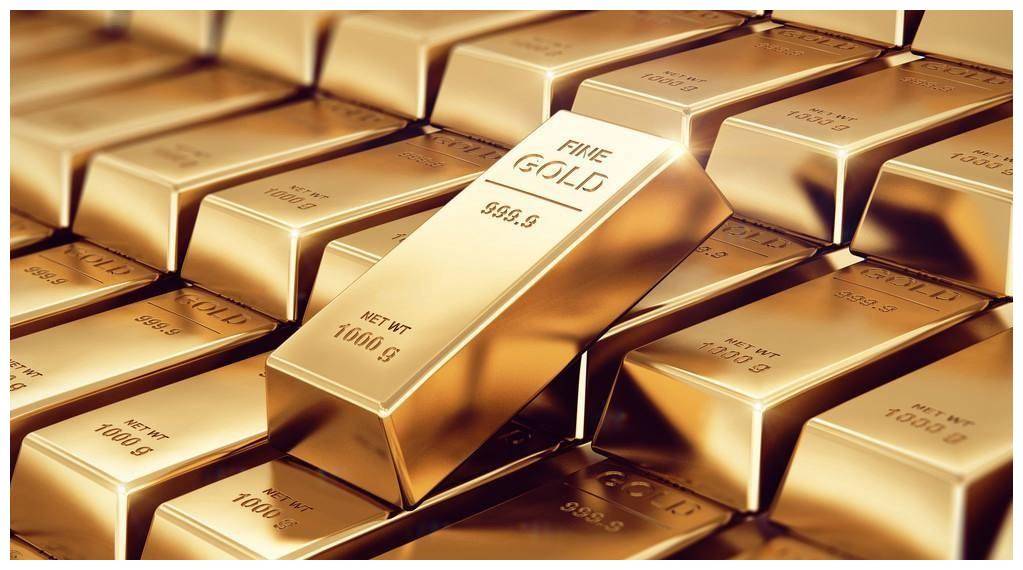
去美元化

Search documents
反转!特朗普盟友印度背刺?5千亿交易崩盘,谁是赢家?
Sou Hu Cai Jing· 2026-02-16 04:36
Core Viewpoint - The recent trade negotiations between the U.S. and India highlight the complexities of international relations, where both parties have differing priorities and strategies, with the U.S. seeking to leverage tariff reductions for political gains while India aims to maintain its energy independence and economic stability [3][12]. Group 1: Trade Negotiations - On February 2, Trump announced a significant bilateral trade deal with Modi, including the removal of a 25% tariff on Russian oil and a reduction of reciprocal tariffs to 18%, which was perceived as a resolution of past trade disputes [3][5]. - The U.S. proposed that India reduce its imports of Russian oil in exchange for a commitment to purchase $500 billion worth of American and allied products over the coming years, covering various sectors such as energy, technology, and agriculture [3][5]. Group 2: India's Position - Modi's response to the tariff adjustments was limited to a thank you, without addressing the core issues of Russian oil imports or the procurement plan, indicating India's reluctance to commit to the proposed terms [5][10]. - India imported 7.7 million tons of Russian oil in November 2025, accounting for 35% of its total oil imports, and many transactions are conducted in rupees, bypassing the U.S. dollar, which reflects India's strategy to maintain economic autonomy [5][9]. Group 3: Energy Security - The Indian government is unlikely to abandon Russian oil due to its critical role in energy security and domestic pricing, as switching to more expensive oil could lead to increased costs for transportation and household energy [7][9]. - India's military relationship with Russia is also a significant factor, as cutting ties could jeopardize crucial defense procurement channels, making it a complex decision for Modi [9][10]. Group 4: U.S. Perspective - From the U.S. perspective, Trump is under pressure to demonstrate support for American manufacturing and to take a strong stance against Russia, but the recent tariff reductions have not yielded the expected commitments from India [11][12]. - The U.S. has previously attempted to pressure India regarding its stance on the semiconductor supply chain, but India has shown a tendency to prioritize its domestic initiatives over external demands [11][12].

为何关税没有消失,CPI就下跌了?美国官方统计口径的最新CPI数据出炉了,CPI数据为2.4%,核心CPI数据为2.5%
Sou Hu Cai Jing· 2026-02-15 15:59
Group 1 - The U.S. economy appears to be presenting conflicting data, with the Federal Reserve focused on inflation rates while consumer prices are unexpectedly declining despite high tariffs [1][3] - The Consumer Price Index (CPI) for January 2026 showed a year-on-year increase of 2.4%, while the core CPI, excluding volatile food and energy prices, was at 2.5%, complicating expectations for interest rate cuts [3] - There is speculation that if tariffs on basic industrial goods are lifted, the CPI could drop below the critical 2% threshold, potentially signaling deflation, which is a serious concern [5] Group 2 - The Federal Reserve, led by Jerome Powell, is in a difficult position as the CPI is near 2% and the job market remains strong, suggesting that interest rates should not be lowered [7] - The U.S. financial system is heavily reliant on overseas markets, and a shift in interest rates could lead to a loss of liquidity, as global investors may withdraw their funds if U.S. dollar returns become less attractive [7][11] - The current economic strategy appears to be sacrificing capital returns to maintain industry profits, with the administration exerting control over global oil prices to stabilize the dollar's position [11] Group 3 - OPEC's decision to continue its production increase policy is seen as a strategic move by the Trump administration to lower domestic prices ahead of midterm elections, despite potential short-term increases in oil prices [9] - The U.S. is attempting to create a low-cost oil system that could undermine traditional oil-producing countries in the Middle East, indicating a significant shift in global energy dynamics [9][11] - The interplay between tariffs, oil prices, and the dollar's status is creating a precarious balance that may not be sustainable in the long term [12][14]
国际金价狂飙!伦敦金站上 5040 美元,2026 黄金牛市逻辑全解析
Sou Hu Cai Jing· 2026-02-15 10:15
Core Viewpoint - The international gold market is experiencing a significant upward trend, with expectations for continued growth leading into 2026, driven by various macroeconomic factors and market dynamics [1][12]. Group 1: Current Market Situation - International gold prices surged, with London gold quoted at $5040.56 per ounce, up $121.6, a 2.47% increase; COMEX gold also showed strong performance at approximately $5063.8 per ounce [2]. - In contrast, the domestic gold market remained stable due to the Spring Festival holiday, with gold T+D at 11085 yuan per gram, down 16.55 yuan, a 1.47% decrease [4]. Group 2: Investment Recommendations - Investors are advised to prioritize bank gold bars for investment due to their lower price spreads and closer alignment with base gold prices, making them a strong choice for asset preservation [4]. - Gold jewelry should only be considered for personal use and not as a short-term investment due to high processing fees and potential depreciation upon resale [4]. Group 3: Factors Supporting Gold Price Increase - The expectation of a 50 to 75 basis point interest rate cut by the Federal Reserve in 2026 is anticipated to weaken the dollar, enhancing gold's appeal as a non-yielding asset [6]. - A survey by the World Gold Council indicates that 95% of central banks plan to continue increasing their gold reserves in 2026, marking a decade-high level of commitment [7]. - Ongoing geopolitical conflicts and the acceleration of de-dollarization are driving funds into gold, which is viewed as a stable asset without sovereign credit risk [8]. - A mismatch in supply and demand, with a declining growth rate in global gold production and increasing investment demand, is expected to push gold prices higher [9]. Group 4: Institutional Outlook - Major financial institutions are raising their gold price forecasts for 2026, with Goldman Sachs predicting a price of $5400 per ounce and JPMorgan Chase setting a more optimistic target of $6300 per ounce, citing strong investment demand and central bank purchases [10][14]. - The influx of global capital into the gold market is providing substantial momentum for the anticipated price increases, reinforcing the structural bull market characteristics of gold [11].

种种迹象表明,中国要再抛美债,美元遇难!特朗普承认犯下大错
Sou Hu Cai Jing· 2026-02-15 07:54
Core Viewpoint - China is accelerating its reduction of U.S. Treasury holdings, reflecting growing concerns about the future of U.S. debt and the dollar's stability, while U.S. officials are beginning to acknowledge the implications of this trend [1][24][30]. Group 1: China's Actions - Chinese financial institutions have been explicitly instructed to reduce their holdings of U.S. Treasuries, indicating a strategic shift to mitigate risk [3][26]. - China's U.S. Treasury holdings have decreased significantly, dropping to approximately $688.7 billion, the lowest level since 2008, with a reduction of $11.8 billion in October alone [7][8]. - Over the past few years, China has consistently sold off U.S. Treasuries, with current holdings nearly half of the peak level of $1.3 trillion in 2013 [7][8]. Group 2: U.S. Debt Situation - The U.S. national debt has surpassed $36 trillion, with a debt-to-GDP ratio of 124%, and interest payments consuming 13.2% of federal spending [10]. - Major credit rating agencies have downgraded U.S. sovereign credit ratings, leading to a decline in the perceived safety of U.S. Treasuries [12][20]. - The attractiveness of U.S. Treasuries is diminishing due to rising financing costs driven by high interest rates set by the Federal Reserve [22][32]. Group 3: Global Financial Implications - The ongoing reduction of U.S. Treasury holdings by China is part of a broader trend of "de-dollarization," where countries are diversifying their foreign exchange reserves away from the dollar [30][36]. - The U.S. dollar's dominance is being challenged, with its status as a "safe asset" eroding, prompting other nations to reconsider their dollar-denominated assets [20][30]. - The financial market's stability is increasingly dependent on the credibility of U.S. fiscal policies, as trust in U.S. debt and the dollar is waning [34][36].
黄金一夜变天!2026年2月9日最新报价,全国价差竟这么大?
Sou Hu Cai Jing· 2026-02-15 07:31
Group 1 - Recent gold price drop has caused panic, but the fundamentals remain stable, indicating a minor adjustment in a bull market [1] - In the first week of February, international gold prices fluctuated from $4,654 to $4,971, with a weekly volatility exceeding 8%, while silver experienced over 22% fluctuation [1] - Gold prices at various stores include: Sun Gold Store at 1,449.00 CNY/g, Qilu Gold Store at 1,396.00 CNY/g, and Ayi Gold Store at 1,539.00 CNY/g [2][3] Group 2 - Historical data shows that since 2000, there have been at least 7 instances of monthly declines exceeding 5% during bull markets, averaging every 18 months [5] - Central banks continue to purchase gold, with 1,136 tons bought in 2025 and an additional 28 tons in January, indicating ongoing demand despite price fluctuations [5] - The demand for gold from jewelry, chip, and dental material industries has increased by 3.7%, while gold mining output only grew by 1.2% [5] Group 3 - The Federal Reserve did not cut interest rates in February, leading to a reduction in market expectations for rate cuts from 5 to 3 times this year, which has put pressure on gold prices [6] - The price of recycled gold remained stable at 1,075 CNY/g, with only a slight decrease, indicating sustained consumer demand [6] - The wholesale price of gold in Shenzhen is currently 1,274 CNY/g, with a retail price around 1,540 CNY/g, showing a significant price difference [7] Group 4 - Banks are selling gold bars at varying prices, with Industrial Bank pricing at 1,134 CNY and Bank of China at 1,110 CNY, indicating competitive pricing [9] - The recent drop in gold prices has eliminated speculative funds and reduced leverage, strengthening the overall market stability [9] - The ongoing activity in gold trading and recycling suggests that the market is not facing a collapse, but rather a period of adjustment [9]
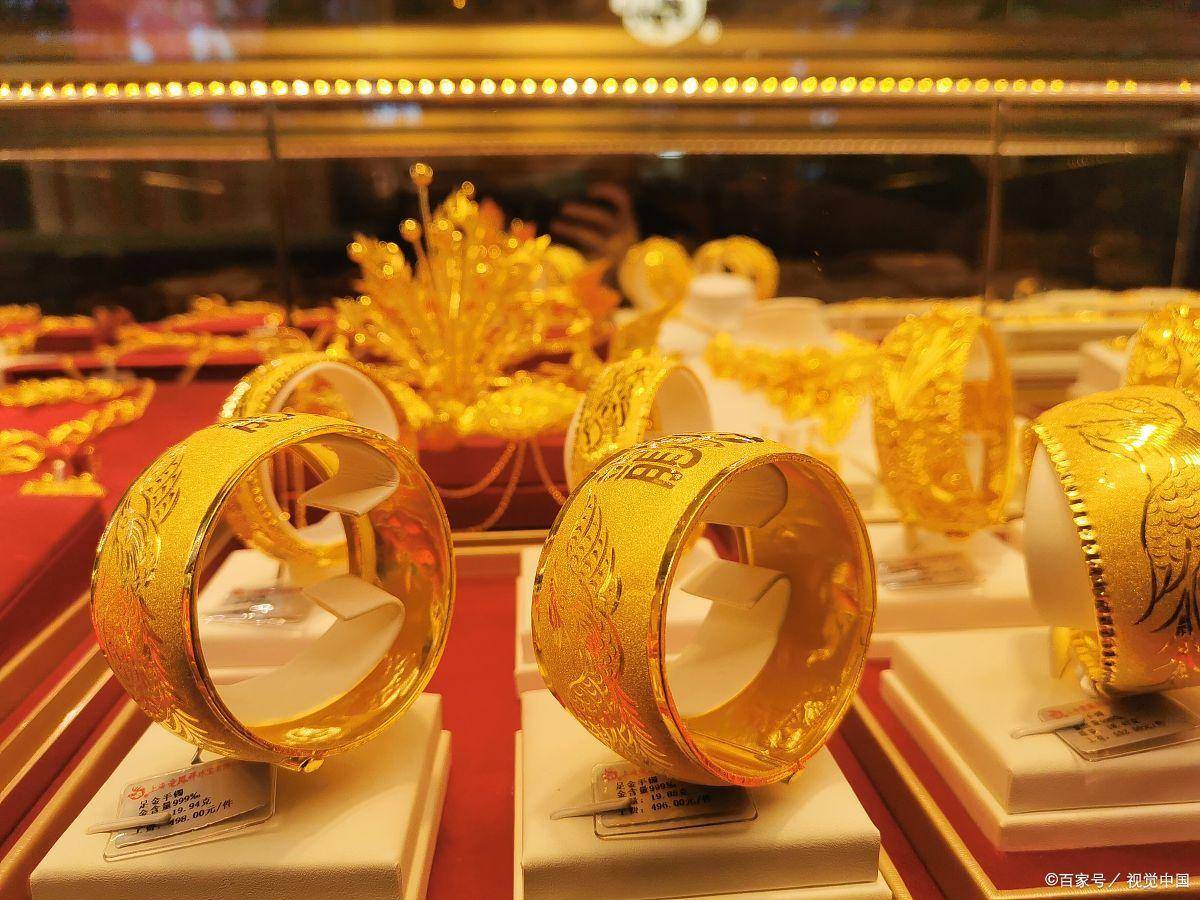
美国若新增印发2万亿美元用于全球采购 将引发多维度全球经济连锁影响 多国加速去美元化
Sou Hu Cai Jing· 2026-02-15 06:33
Group 1 - The core viewpoint is that if the U.S. prints an additional $2 trillion for global procurement, it will have multifaceted chain effects on the global economy [1] - The increase in dollar supply will lead to a dilution of purchasing power for ordinary workers, resulting in a decrease in real income [1] - Manufacturing countries will experience a surge in raw material prices, leading to increased costs for factories and ultimately higher prices for consumer goods [1] Group 2 - The influx of new dollars is expected to create a false sense of prosperity in emerging markets, which could collapse if the Federal Reserve tightens monetary policy [1] - Many countries are already taking measures against the risks of dollar overproduction, such as increasing gold reserves and accelerating local currency settlements [1] - If the U.S. engages in large-scale dollar issuance again, it may further undermine trust in the dollar and lead to significant reductions in its purchasing power [2]
普京向美元霸权宣战,称正制定新国际储备货币,中国等五国已加入
Sou Hu Cai Jing· 2026-02-15 05:55
Group 1 - The BRICS nations, with a combined population of 3 billion and accounting for one-quarter of the global economy, are considering the establishment of a new international reserve currency to challenge the dominance of the US dollar [1][3] - President Putin's proposal for a new currency backed by BRICS economic mechanisms aims to reshape trade dynamics among member countries and reduce the influence of the US dollar [3] - Russia's efforts to create a financial settlement system and promote the use of the ruble in international trade signify a strategic shift in the global economic landscape, positioning Russia as a challenger to Western financial systems [1][3] Group 2 - The success of any new international reserve currency, such as the proposed Eurasian or BRICS currency, hinges on regional economic integration and the exclusion of US dominance [5] - The geopolitical landscape is evolving, with the US's military withdrawal from regions like Central Asia and the Middle East allowing for a more stable environment for new currency initiatives [5] - The decline of the US dollar's dominance is accelerated by the US's monetary policies during the COVID-19 pandemic, prompting countries to seek alternatives and explore de-dollarization [5][8] Group 3 - The excessive issuance of the US dollar has led to global market instability and inflation, prompting a reevaluation of the global currency system [7][8] - The emergence of new currency systems, including the internationalization of the yuan and the proposed new reserve currencies, indicates a shift towards a post-dollar era [8] - The global economic narrative is being rewritten as countries race to establish alternatives to the dollar, reflecting a significant transformation in the monetary landscape [8]
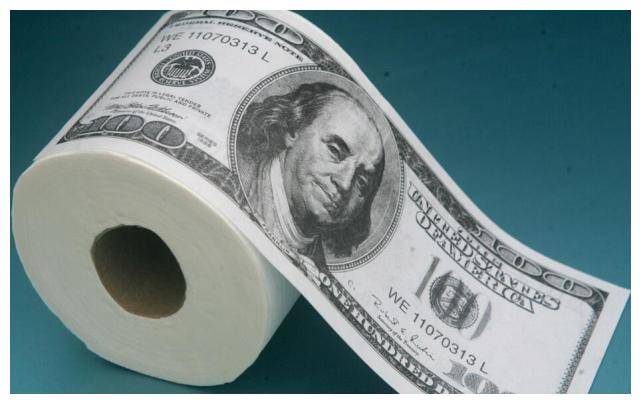
黄金涨3.98%、白银9.7%同步走高,这波行情背后透露了什么市场玄机?
Sou Hu Cai Jing· 2026-02-15 05:54
Group 1: Market Movements - Silver surged by 9.7% and gold by 3.98% on February 7, just a week after experiencing significant declines of 36% and over 12% respectively on January 31 [1][3] - The volatility in precious metals was not merely a technical adjustment but was triggered by the nomination of Kevin Warsh as the new Federal Reserve Chairman, leading to global liquidity fears [3][4] - The extreme price fluctuations caused chaos in the physical market, with some jewelry stores halting sales of investment silver bars due to drastic price changes [3][4] Group 2: Economic Implications - Warsh's nomination raised concerns about monetary tightening, as he advocates for both interest rate cuts and balance sheet reduction, creating a paradox in market expectations [4][9] - The narrative of "de-dollarization" has been sharply corrected, with central banks increasing gold purchases, particularly China, which bought gold for 13 consecutive months [6][11] - The silver market is facing a supply shortage, with COMEX registered inventories dropping to 103 million ounces while open interest reached 429 million ounces, indicating a mismatch that could lead to forced liquidations [6][11] Group 3: Investor Behavior - There is a sharp division in market sentiment regarding future trends, with some analysts believing in the long-term decline of U.S. debt sustainability and dollar credibility, while others see potential recovery if Warsh successfully implements his policies [8][13] - The volatility has led to significant movements in funds, with some capital flowing from precious metals to U.S. Treasuries as investors reassess liquidity risks [11][13] - The current market conditions have made it difficult for ordinary investors to navigate, with high volatility and uncertainty dominating trading strategies [13]
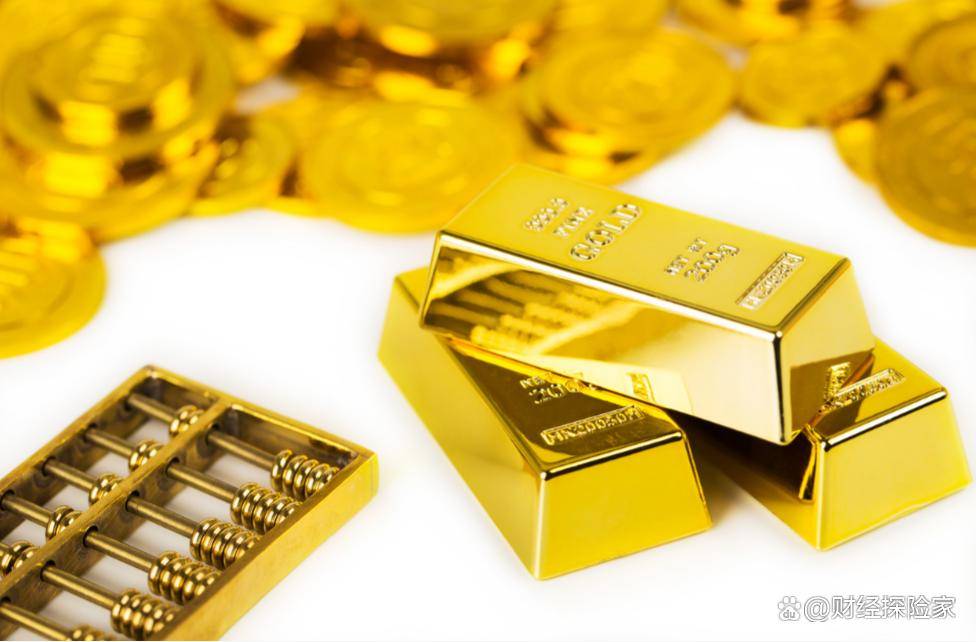
不救美元,中国抛售美债加持黄金,不到72小时,美财长紧喊不脱钩
Sou Hu Cai Jing· 2026-02-15 05:43
Group 1 - China has significantly reduced its holdings of U.S. Treasury bonds, bringing its position down to $682.6 billion, nearly halving from a peak of $1.3 trillion in 2013, marking the lowest level since 2007 [5][7] - The reduction in U.S. Treasury holdings is a strategic, gradual process, with China net selling bonds for nine consecutive months, including a notable reduction of $11.8 billion in October alone [7][8] - In contrast, China has been increasing its gold reserves, accumulating 139 million ounces over 15 months, reaching a historical high of 74.19 million ounces (approximately 2,308 tons) [10] Group 2 - The increase in gold reserves reflects a strategic shift to mitigate credit risk associated with U.S. debt, as the U.S. debt has surpassed $38 trillion, with interest payments exceeding $1.2 trillion annually [14] - The move also aims to prevent the "weaponization" of the dollar, as seen in the freezing of Russian assets, prompting China to secure its assets in gold [16] - China's strategy includes diversifying investments beyond U.S. debt, with funds allocated to gold, high-rated Eurozone bonds, and ASEAN infrastructure equity investments [18] Group 3 - The U.S. has reacted to China's actions with urgency, as evidenced by Treasury Secretary Yellen's rapid shift from a confrontational stance to a more conciliatory approach, emphasizing the importance of maintaining ties with China [21][23] - The U.S. economy's reliance on China is evident, as the U.S. debt market is significantly impacted by China's actions, with concerns over liquidity and potential systemic financial risks if other countries follow suit in selling U.S. bonds [25][27] - The U.S. acknowledges its dependence on China in critical supply chains, which complicates any potential decoupling, especially with upcoming midterm elections influencing policy decisions [29][31] Group 4 - The ongoing financial dynamics between China and the U.S. are reshaping global financial structures, with a noticeable trend towards de-dollarization as more countries follow China's lead in reducing U.S. bond holdings and increasing gold reserves [33][35] - Countries like Poland and Russia are also increasing their gold reserves significantly, indicating a broader shift away from dollar dependency [36][38] - The rise of local currency settlements among oil-rich nations and the expansion of China's CIPS system further illustrate the diminishing dominance of the dollar in global trade [40][41] Group 5 - The U.S. faces a dilemma in maintaining dollar hegemony amidst a growing debt crisis, with the current debt level posing significant challenges to its financial stability [43] - The interdependence between the U.S. and China complicates the situation, as both economies rely on each other for stability and growth, making a complete decoupling impractical [45][46] - The future of U.S.-China financial relations is likely to evolve into a prolonged contest, with the trend towards a more balanced global financial system becoming increasingly apparent [48]
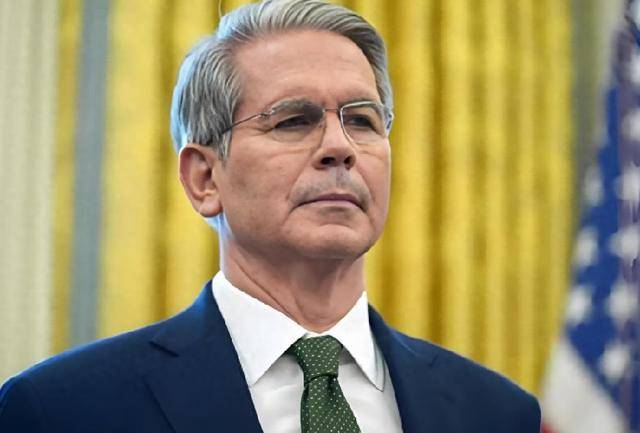
抛售1130亿美债后,中国加快美元换黄金,7月从俄罗斯运回7.5亿元
Sou Hu Cai Jing· 2026-02-15 04:43
Group 1 - The core viewpoint of the article is that the Russia-Ukraine war and subsequent sanctions against Russia by the West are significantly reshaping the global financial system, with China accelerating its reduction of dollar-denominated debt and increasing gold purchases [1] - In the first half of this year, China reduced its holdings of U.S. Treasury bonds by $113 billion, bringing its total holdings to below $1 trillion [1] - In July, China imported approximately $1.088 billion worth of gold from Russia, marking a month-on-month increase of over 750% and a year-on-year surge of 4800% [3] Group 2 - The increase in gold imports from Russia, while small relative to China's total foreign exchange reserves of over $3 trillion, indicates a significant shift in trade dynamics between China and Russia [5] - Following the outbreak of the Russia-Ukraine war, the U.S. and G7 countries called for a ban on gold imports from Russia, prompting Russia to pivot towards strengthening financial ties with China [7] - Russia's strategy includes accelerating energy trade with China and increasing gold exports to enhance its foreign exchange sources, indicating a shift away from reliance on the West [7] Group 3 - China's low percentage of gold in its foreign exchange reserves, historically under 4%, is attributed to its late economic development compared to Western countries [5][8] - The historical context of the Bretton Woods system and the subsequent establishment of the petrodollar system has led to a predominance of dollar-denominated reserves in China, despite efforts to diversify [9] - Recent U.S. economic decline and increased restrictions on China have prompted a reassessment of the reliance on the dollar, leading to a push for gold accumulation as a hedge against potential geopolitical risks [11]