
能源

Search documents
2025民营企业助力南疆发展推进会在新疆和田召开
Zhong Guo Xin Wen Wang· 2025-10-21 06:08
Group 1 - The 2025 Private Enterprises Supporting Southern Xinjiang Development Conference was held in Hotan, Xinjiang, focusing on policy, funding, technology, market, and talent to promote private enterprises settling in Southern Xinjiang [1] - Since the launch of the project promotion conference in Beijing, 145 projects have been implemented in Southern Xinjiang, covering various sectors such as energy, textiles, equipment manufacturing, real estate development, and agricultural product processing, with a total investment of 48.82 billion yuan [1] - The continuous investment from private enterprises is injecting momentum into the high-quality development of Southern Xinjiang, supported by local policies and resource advantages [1] Group 2 - Tianjin Green Landscape Ecological Construction Co., Ltd. plans to leverage its technological advantages in ecological landscape and smart devices to promote new cultural tourism products in Hotan [2] - Hainan Yifeng Construction Engineering Co., Ltd. aims to introduce advanced clean energy technology and funding to support new energy projects in Hotan, facilitating green transformation and sustainable development in Southern Xinjiang [2] - The conference serves as a platform for private enterprises to exchange and cooperate, promoting industrial integration and resource sharing to steadily enhance the local economy [2]
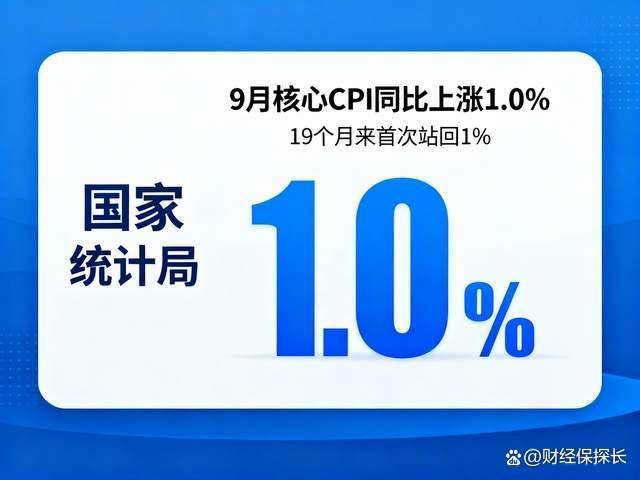
19个月,核心CPI重回1%!但CPI还在降,经济到底是暖了还是凉了?
Sou Hu Cai Jing· 2025-10-21 05:03
Core Insights - The core CPI in September increased by 1.0% year-on-year, marking a significant return to focus after 19 months of fluctuations [3] - Overall CPI, however, decreased by 0.3% year-on-year, indicating a mixed economic signal where core CPI rises amidst overall deflation [5] Price Movements - Prices of essential food items such as seasonal vegetables and eggs rose by 2.2% and 3.3% respectively, while pork prices fell by 0.7%, suggesting a shift in consumer sentiment away from pork [7] - Service prices, particularly in tourism and accommodation, saw a year-on-year increase of 0.6%, reflecting a growing demand for higher quality services despite a seasonal decline post-summer [9] Economic Indicators - The core CPI's rise to 1% is viewed as a positive sign for consumer demand recovery, although it is influenced by base effects from the previous year [10] - The disparity in energy prices, with continued declines in gasoline and diesel, indicates a lack of recovery in production demand, highlighting structural issues in the economy [11] Consumer Behavior - The surge in gold prices by 6.5% is driven by both risk aversion due to geopolitical uncertainties and a lack of consumer confidence, leading to increased purchases of gold as a safe asset [11] - The demand for higher quality services, such as beauty and home services, is indicative of a trend towards consumption upgrades, where consumers prioritize quality over mere affordability [10] Future Outlook - The sustainability of the core CPI's upward trend depends on timely policy support and the stabilization of market confidence, as current recovery appears to be largely spontaneous [12] - The interplay between weak energy prices and fluctuating service costs poses a risk to consumer confidence, which is crucial for sustained economic recovery [12]

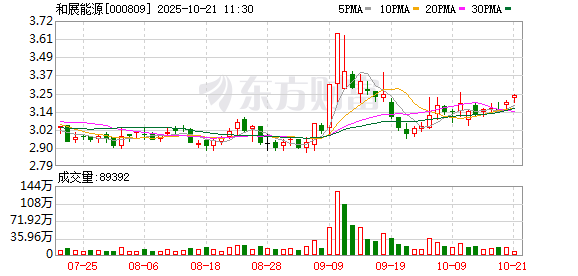
和展能源:明阳混塔合同尚未签订,双方正在进一步沟通洽谈
Mei Ri Jing Ji Xin Wen· 2025-10-21 04:05
Core Viewpoint - The company is currently in discussions regarding the signing of a contract for the Mingyang mixed tower project related to the Huadian Liaoning Dandongshan project, which has commenced construction as of the end of September [2]. Group 1 - The Huadian Liaoning Dandongshan project has officially started construction as of the end of September [2]. - The contract for the Mingyang mixed tower has not yet been signed, and both parties are in further negotiations [2].

宏观日报:前三季度经济稳步上行-20251021
Hua Tai Qi Huo· 2025-10-21 02:12
Report Summary 1. Industry Investment Rating No information provided on the industry investment rating. 2. Core Viewpoints - The economy showed a steady upward trend in the first three quarters of 2025. In the production industry, fixed - asset investment declined slightly, but equipment and tool purchase investment had double - digit growth, and high - end manufacturing investment was prominent. In the service industry, the real estate market showed signs of improvement, and shipping and aviation industries had changes in schedules and prices [1][2]. - Different sectors in the industry had various trends. Upstream industries like glass and some agricultural products had price changes; mid - stream industries such as chemical and energy sectors had fluctuations in开工率 and consumption; downstream industries like real estate and services also had different performance [3][4][5]. 3. Summary by Related Catalogs Production Industry - From January to September 2025, national fixed - asset investment (excluding rural households) was 371,535 billion yuan, a year - on - year decrease of 0.5%, and a 0.07% decline in September compared to the previous month. Equipment and tool purchase investment increased by 14.0% year - on - year. In terms of industrial structure, the primary industry investment increased by 4.6% year - on - year, the secondary industry investment increased by 6.3%, with industrial investment up 6.4% and manufacturing investment up 4.0%. High - end manufacturing sectors like automobile manufacturing and railway, ship, aerospace and other transportation equipment manufacturing had significant investment growth of 19.2% and 22.3% respectively [1]. Service Industry - In September 2025, in 70 large and medium - sized cities, housing prices in all tiers of cities declined month - on - month, but the year - on - year decline continued to narrow, and the number of cities with year - on - year increases in new - home prices rose. Some cities like Beijing and Shanghai showed positive trends in the real estate market. The 2025 winter - spring flight schedule was implemented from October 26, with domestic flight times contracting for two consecutive seasons, with 1.0% and 1.8% declines in 2024 and 2025 respectively. Global shipping giants raised freight rates on multiple routes by 600 - 2000 US dollars per container from October 15 [2]. Industry Overview - Upstream - In the black industry, glass prices dropped significantly. In the agricultural industry, egg prices rose slightly, while pork prices declined [3]. Industry Overview - Midstream - In the chemical industry, the PX operating rate remained stable at a high level, while the polyester and PTA operating rates were low. In the energy industry, power plant coal consumption decreased [4]. Industry Overview - Downstream - In the real estate industry, the sales of commercial housing in first, second, and third - tier cities continued to decline. In the service industry, the number of domestic flights increased slightly [5]. Key Industry Price Index Tracking - On October 20, various commodities had different price changes. For example, in the agricultural sector, the spot price of eggs increased by 4.59% year - on - year, while the average wholesale price of pork decreased by 4.11%. In the energy sector, the spot price of WTI crude oil increased by 2.97%, while the spot price of Brent crude oil decreased by 2.30% [36].
中国总会计师协会财务管理专业委员会2025年秋季论坛成功举办
Xin Jing Bao· 2025-10-21 02:08
Core Insights - The forum focused on the transformation of financial management in the era of artificial intelligence, emphasizing the shift from traditional accounting to value creation and proactive risk management [1][2]. Group 1: Forum Overview - The "2025 Autumn Forum" was successfully held in Beijing, organized by the Chinese Institute of Certified Public Accountants, with a theme centered on "Deep Language Models (DeepSeek) and Penetrative Financial Management" [1]. - Keynote speeches highlighted the importance of deep learning models in reshaping financial management practices across various sectors, including state-owned enterprises and financial institutions [2][3]. Group 2: Key Presentations - Experts from different fields shared insights on the application of technology in financial risk management, with a focus on proactive measures rather than mere compliance [3][4]. - The presentations included practical applications of DeepSeek in financial scenarios such as intelligent reconciliation, risk warning, and cash flow forecasting [3][4]. Group 3: Roundtable Discussion - A roundtable discussion addressed the challenges and opportunities in AI-driven financial management, emphasizing the need for high-quality data and skilled professionals [5][6]. - Participants discussed the significance of contract-based cash flow management in enhancing overall funding efficiency within organizations [6]. Group 4: Future Directions - The forum concluded with a call for continued collaboration among industry peers to leverage deep learning technologies for greater value creation in financial management [7]. - Ningbo Bank expressed its commitment to fostering partnerships and developing a new ecosystem for intelligent finance in the era of big models [7].

宝城期货资讯早班车-20251021
Bao Cheng Qi Huo· 2025-10-21 01:56
1. Report Industry Investment Rating No relevant content provided. 2. Core Views of the Report - The overall economic operation in the first three quarters maintained a stable and progressive trend, with major macro - indicators generally stable and positive results achieved in high - quality development. The next stage should focus on promoting the implementation of more proactive macro - policies to ensure stable employment, enterprises, markets, and expectations, and promote sustained and healthy economic development [17][18] - The bond market has shown a repair trend, and its continuation depends on the combination of fiscal and monetary policies. There is still room for incremental measures in monetary policy, and the upward risk of bond yields is limited [27] - The bond market has faced the pressure of non - bank funds flowing into the stock market since July. The de - leveraging trend of institutions is likely to continue in the fourth quarter, and the market style will probably continue the "interest rate stronger than credit" switch [28][29] 3. Summary by Relevant Catalogs 3.1 Macro Data Overview - In September 2025, GDP at constant prices increased by 4.8% year - on - year, the manufacturing PMI was 49.8%, and the non - manufacturing PMI for business activities was 50.0% [1] - In September 2025, the year - on - year growth rates of M0, M1, and M2 were 11.5%, 7.2%, and 8.4% respectively; the CPI decreased by 0.3% year - on - year, and the PPI decreased by 2.3% year - on - year [1] - In September 2025, exports increased by 8.3% year - on - year, and imports increased by 7.4% year - on - year [1] 3.2 Commodity Investment Reference 3.2.1 Comprehensive - China and the US are about to return to the negotiation table. The US will raise issues regarding rare earths, fentanyl, and soybeans. China advocates resolving issues through equal, respectful, and reciprocal consultations [2] - In the first three quarters, China's GDP increased by 5.2% year - on - year. In September, the added value of large - scale industries increased by 6.5% year - on - year, and social consumer goods retail总额 increased by 3% [2] - In September, housing prices in various cities showed a downward trend month - on - month, but the year - on - year decline continued to narrow, and the number of cities with year - on - year increases in new housing prices increased [2] - China's 10 - month LPR remained unchanged for the fifth consecutive month. There is still room for moderate monetary policy easing in the fourth quarter [3] - On October 9, the total funds in China's futures market exceeded 2 trillion yuan, a 24% increase from the end of 2024 [3] - Dalian Commodity Exchange will launch monthly average price futures for linear low - density polyethylene, polyvinyl chloride, and polypropylene on October 28, and expand the scope of tradable varieties for qualified overseas investors [3] 3.2.2 Metals - International gold prices rose by more than 4% on Monday. COMEX gold futures for December delivery reached a high of $4398 per ounce [5] - International precious metal futures generally rose, and London base metals mostly increased [5] - Chow Tai Fook and Lao Pu Gold will raise prices for their gold products [5] - As of October 17, inventories of various metals in the London Metal Exchange decreased to varying degrees [6] - As of October 20, the holdings of SPDR Gold Trust increased by 1.09% [6] - The Shanghai Futures Exchange adjusted the trading margin ratio and daily price limit for gold and silver futures [6] 3.2.3 Coal, Coke, Steel, and Minerals - In September, China's production of crude steel, pig iron, and steel showed different trends. From January to September, the cumulative production of crude steel and pig iron decreased year - on - year, while that of steel increased [7][8] - In September, the decline in raw coal production narrowed, the growth rate of crude oil and natural gas production accelerated, and power production was stable [8] - The US and Australia signed an agreement on rare earths and critical minerals, planning to invest over $3 billion in critical mineral projects in the next six months [8] - BHP still forecasts annual attributable ore output of 260 - 270 million tons and annual copper production of 1.8 - 2 million tons [9] 3.2.4 Energy and Chemicals - There are differences in statements between the US and India regarding India's purchase of Russian oil [10] - EU member states support phasing out imports of Russian natural gas by January 2028 [10] - The CEO of Saudi Aramco warned of a potential global oil shortage and called for increased investment in exploration and production [10] - The Shanghai International Energy Exchange will adjust the threshold for the open interest of the underlying futures contracts in the crude oil option contract text [11] 3.2.5 Agricultural Products - From October 6 - 12, 2025, the average purchase price of pigs and the average ex - factory price of white - striped pork decreased both month - on - month and year - on - year [12] - The summer grain purchase in 2025 ended in September, with a total purchase of 107.95 million tons of wheat. The minimum purchase price policy played a role in stabilizing the market [12] - The Ministry of Agriculture and Rural Affairs launched an action to combat autumn floods, rush to sow wheat, and promote strong seedlings [12] 3.3 Financial News Compilation 3.3.1 Open Market - On October 20, the central bank conducted 189 billion yuan of 7 - day reverse repurchase operations, with a net withdrawal of 64.8 billion yuan [13] - The Ministry of Finance and the central bank will conduct a tender for the 10th installment of the 2025 central treasury cash management commercial bank time - deposit on October 23, with an operation volume of 120 billion yuan and a term of 1 month [13] 3.3.2 Important News - The Fourth Plenary Session of the 20th Central Committee of the Communist Party of China began on October 20 [15] - China's 9 - month economic data showed that the growth rate of social consumer goods retail总额 was 3%, fixed - asset investment (excluding rural households) decreased by 0.5% year - on - year, and the added value of large - scale industries increased by 6.5% year - on - year [17] - New policy - based financial instruments are being rapidly deployed. As of October 17, the China Development Bank, the Export - Import Bank of China, and the Agricultural Development Bank of China have made significant investments, which are expected to drive large - scale project investments [18] - The Ministry of Finance and the State Taxation Administration are conducting a joint supervision pilot on the agency accounting and tax - related services of agency accounting firms [18] - In the first three quarters, RMB loans increased by 601.3 billion yuan, with a year - on - year decrease. In September, RMB loans increased by 78.4 billion yuan, also with a year - on - year decrease [18] - The Ministry of Industry and Information Technology emphasized accelerating the implementation of the work plan for stabilizing the growth of the building materials industry, including measures such as banning new production capacity, standardizing existing capacity, and eliminating backward capacity [18] 3.3.3 Bond Market Summary - Due to the rebound of the A - share market and progress in Sino - US talks, bond yields in the inter - bank market rose, and treasury bond futures declined. The inter - bank market funds were generally balanced [21] - In the exchange bond market, some bonds rose and some fell. The Wande Real Estate Bond 30 Index fell by 0.10%, and the Wande High - Yield Urban Investment Bond Index rose by 0.03% [21] - The CSI Convertible Bond Index rose by 0.06%, and the Wande Convertible Bond Equal - Weighted Index rose by 0.38% [22] - Interest rates in the money market showed different trends, with some rising and some falling [22][23] - The weighted winning yields of 91 - day, 3 - year, and 10 - year treasury bonds issued by the Ministry of Finance were 1.2746%, 1.4910%, and 1.8204% respectively [24] - European and US bond yields showed different trends, with some rising and some falling [24][25] 3.3.4 Foreign Exchange Market Express - The on - shore RMB against the US dollar closed at 7.1231, up 34 points from the previous trading day. The central parity rate of the RMB against the US dollar was 7.0973, down 24 points from the previous trading day [26] - The US dollar index rose by 0.07%. Most non - US currencies fell, while the Australian dollar and the offshore RMB against the US dollar rose [26] 3.3.5 Research Report Highlights - In the first half of this year, the global green bond issuance volume reached $330 billion, and China ranked second globally. About 11% of overseas green bonds were denominated in RMB [27] - The repair trend of the bond market depends on fiscal and monetary policies. There is still room for incremental monetary policy measures, and the upward risk of bond yields is limited [27] - In 2026, PPI may show a steady upward trend, and CPI may fluctuate. The impact on the bond market depends on demand - side policy increments [27] - Since July, the bond market has faced the pressure of non - bank funds flowing into the stock market. The de - leveraging trend of institutions is likely to continue in the fourth quarter, and the market style will probably continue the "interest rate stronger than credit" switch [28][29] - The risks of two US regional banks are less severe than the previous round, mainly causing emotional fermentation. Credit risks in a high - interest - rate environment are rising, but a credit crunch may be mild [29] - Sichuan's strategic location, large population, and regional differences will drive investment demand, and its special bond balance has tripled since 2019, while the debt growth rate of urban investment enterprises has slowed down [29] 3.4 Stock Market News - The A - share market showed a shrinking and volatile trend on Monday, with more stocks rising than falling. The Shanghai Composite Index rose by 0.63%, the Shenzhen Component Index rose by 0.98%, and the ChiNext Index rose by 1.98%. The market turnover decreased to 1.75 trillion yuan [31][32] - The Hong Kong Hang Seng Index rose by 2.42%. Technology stocks rebounded, and civil aviation stocks soared. Southbound funds had a net sell - off of HK$2.67 billion, with Alibaba being the major net - sold stock [32]
期货眼日迹:每日早盘观察-20251021
Yin He Qi Huo· 2025-10-21 01:47
1. Report Industry Investment Ratings No industry investment ratings are provided in the report. 2. Core Views of the Report - The report analyzes various commodities including agricultural products, black metals, non - ferrous metals, and energy chemicals. Each commodity has its own supply - demand situation, price trends, and corresponding trading strategies based on factors such as macro - environment, seasonal changes, and policy impacts [5][7][9]. 3. Summary by Commodity Categories Agricultural Products - **Bean Meal**: The macro - environment affects the market. International soybean pressure is high, and domestic bean meal may face supply pressure and price decline. Suggestions include shorting the 05 contract, conducting M11 - 1 positive arbitrage, and selling call options at high points [17]. - **Sugar**: International raw sugar prices are weak, and domestic sugar is expected to follow. It is recommended to short at high prices [20][21]. - **Oils and Fats**: The market is expected to remain volatile in the short term. It is advisable to wait and consider going long on dips [24][25]. - **Corn/Corn Starch**: New grain prices are rebounding, and the market is expected to be strong and volatile. It is recommended to go long on the 12, 01, 05, and 07 contracts [28][29]. - **Hogs**: Supply pressure persists, and prices may face some downward pressure. It is recommended to wait and use a short - straddle strategy for options [30][32]. - **Peanuts**: There is a reduction in production, and the market is expected to be strong and volatile in the short term. It is recommended to go long on dips for the 01 and 05 contracts and sell the pk601 - P - 7600 option [34]. - **Eggs**: Demand is fair, but the egg price is still under pressure. It is recommended to close out short positions and wait [38]. - **Apples**: The high - quality fruit rate is average, and prices are expected to be stable with a slight increase. It is recommended to go long on the 11 - month contract and short the 1 - month contract [41][42]. - **Cotton - Cotton Yarn**: New cotton acquisition is accelerating, and the market is expected to be volatile. It is recommended to wait [45]. Black Metals - **Steel**: Demand is weak, and valuations are low. Steel prices are expected to fluctuate within a range. It is recommended to conduct long - short spread arbitrage on the volume - screw difference [48][49]. - **Coking Coal and Coke**: Market sentiment is cooling, and prices are expected to fluctuate within a range. It is recommended to go long on dips for coking coal [51]. - **Iron Ore**: It is recommended to take a bearish view in the medium term and conduct cash - futures reverse arbitrage [52][54]. - **Ferroalloys**: Demand is expected to be weak, but valuations and costs provide support. It is recommended to sell out - of - the - money straddle option combinations [55][56]. Non - Ferrous Metals - **Precious Metals**: Due to the U.S. government shutdown and high expectations of Fed rate cuts, precious metals are expected to rise. It is recommended to hold long positions and buy deep - out - of - the - money call options [59][60][63]. - **Copper**: The market is expected to consolidate in the short term, and the long - term trend remains unchanged. It is recommended to go long on dips and conduct cross - market positive arbitrage [64][65]. - **Alumina**: Supply is showing marginal changes, and prices are expected to bottom - out at low levels. It is recommended to wait and observe [69][71]. - **Electrolytic Aluminum**: The medium - term upward trend remains unchanged. It is recommended to go long on dips [74][76]. - **Cast Aluminum Alloy**: The price is expected to be strong and volatile. It is recommended to go long on dips [78]. - **Zinc**: It is recommended to wait and observe. Consider short - selling LME zinc and buying SHFE zinc if the ratio deteriorates [84]. - **Lead**: Supply is gradually recovering, and prices may decline. It is recommended to hold short positions [86][89]. - **Nickel**: Accumulating inventories indicate an oversupply, and prices are under pressure. It is recommended to short at the upper limit of the shock range and sell a wide - straddle option combination [89][91]. - **Stainless Steel**: Demand is weak, and prices may be in a weak and volatile pattern. It is recommended to wait and observe [94][95]. Other Commodities - **Industrial Silicon**: The price is expected to fluctuate narrowly in the short term. It is recommended to wait for a full correction [96][97]. - **Polysilicon**: It is recommended to avoid long positions in the short term and conduct reverse arbitrage for the 2511 and 2512 contracts [99]. - **Lithium Carbonate**: Demand provides support, and supply has risks. Lithium prices are expected to rise [100].
研究所晨会观点精萃-20251021
Dong Hai Qi Huo· 2025-10-21 01:03
Macroeconomic and Financial Analysis - Market concerns about trade tensions have eased, leading to an overall increase in global risk appetite. Domestically, economic growth has accelerated, and the softening of the US President's trade stance, along with the introduction of multiple industry stability - growth plans, has boosted domestic risk appetite. The short - term upward macro - drive has strengthened, and attention should be paid to the progress of Sino - US trade negotiations and the implementation of domestic incremental policies [2]. - For assets: The stock index is expected to fluctuate in the short term, and it is advisable to be cautiously bullish. Treasury bonds are expected to fluctuate in the short term, and it is advisable to wait and see. In the commodity sector, the black metal market is expected to fluctuate in the short term, and it is advisable to wait and see; the non - ferrous metal market is expected to fluctuate in the short term, and it is advisable to be cautiously bullish; the energy and chemical market is expected to fluctuate in the short term, and it is advisable to wait and see; precious metals are expected to fluctuate strongly at a high level in the short term, and it is advisable to be bullish [2]. Stock Index - Driven by sectors such as coal and gas, airport shipping, and consumer electronics, the domestic stock market has risen. The acceleration of domestic economic growth, the softening of the US President's trade stance, and the introduction of multiple industry stability - growth plans have boosted domestic risk appetite. The short - term upward macro - drive has strengthened, and attention should be paid to the progress of Sino - US trade negotiations and the implementation of domestic incremental policies. It is advisable to be cautiously bullish in the short term [3]. Precious Metals - The precious metals market declined on Monday. The main contract of Shanghai Gold closed at 970.32 yuan/gram, down 1.63%; the main contract of Shanghai Silver closed at 11742 yuan/kilogram, down 3.99%. Spot gold broke through the record high of last Friday, driven by the expectation of further US interest rate cuts and continuous hedging demand. It is expected to fluctuate strongly at a high level in the short term, and the medium - to - long - term upward trend remains unchanged. It is advisable for short - term bulls to continue holding or reducing positions on rallies, and to buy on dips in the medium - to - long - term [3]. Black Metals Steel - On Monday, the domestic steel market continued to be weak, and market trading volume remained low. The overall economic downward pressure is still large, and market risk - aversion sentiment has increased. The real demand for steel is still weak, but it improved slightly last week. The inventory of five major steel products decreased by 18.46 tons week - on - week, and apparent consumption increased by 139 tons. Supply is likely to decline further as steel mill profits narrow. There is no trending market in the steel market, with upward movement restricted by the supply - demand pattern and downward movement supported by costs. In the short term, the upward and downward space is limited [4]. Iron Ore - On Monday, the spot and futures prices of iron ore both weakened. The molten iron output has been declining for three consecutive weeks but remains at a high level of 240 tons. The logic of compressed steel mill profits continues, and molten iron output is expected to decline further. Steel mill raw material replenishment has temporarily ended. Global iron ore shipments increased by 126 tons this week, while arrivals decreased by 526.4 tons week - on - week. Port inventory increased by 253.77 tons last week. It is advisable to take a bearish view on iron ore prices in the later stage [5]. Silicon Manganese/Silicon Iron - On Monday, the spot and futures prices of silicon manganese and silicon iron rebounded slightly. The output of five major steel products has declined for two consecutive weeks, reducing the demand for ferroalloys. The price of silicon manganese 6517 in the northern market is 5600 - 5650 yuan/ton, and in the southern market is 5650 - 5700 yuan/ton. Manganese ore prices continue to be weak. The national capacity utilization rate of silicon manganese increased slightly, and daily output increased. The price of 72 - grade silicon iron in the main production area is 5100 - 5200 yuan/ton, and 75 - grade is 5800 - 6100 yuan/ton. The price of 75B silicon iron tendered by Hebei Steel in October decreased compared with the previous round. The silicon iron and silicon manganese futures prices are expected to continue to fluctuate within a range [6]. Soda Ash - On Monday, the main contract of soda ash was weak. Supply is in the capacity - release period, with plans for capacity release in the fourth quarter, maintaining a loose supply pattern. Although the anti - involution policy is clear, there is no clear industry document yet, and the price is dragged down by supply - side contradictions in the medium - to - long - term. It is advisable to take a bearish view in the medium - to - long - term [7]. Glass - On Monday, the main contract of glass fluctuated weakly. Glass production increased slightly, and the number of production lines remained stable. As the "Golden September and Silver October" period ends, downstream procurement has slowed down. Although there is some policy support, overall demand is difficult to increase significantly. It is advisable to conduct short - term range operations [7]. Non - Ferrous Metals and New Energy Copper - The US dollar declined last week due to dovish remarks from Powell, increased expectations of Fed rate cuts, and the alleviation of fiscal risk concerns in Japan and France. The suspension of Indonesia's second - largest copper mine has exacerbated the global copper shortage, supporting futures prices. However, the suspension is temporary, and production will resume in the middle of next year. Next year is a year of high copper supply, with an expected output growth rate of 5% (optimistic estimate) or 3% (neutral estimate), and the growth rate will fall below 2% after 2027. There is also a risk of the Panama copper mine restarting. Domestic refined copper de - stocking is less than expected, and social inventory is at a relatively high level. Domestic electrolytic copper production remains high, and demand is facing challenges. US copper inventory is high, restricting future import demand. Copper prices are expected to remain high and fluctuate [8]. Aluminum - On Monday, Shanghai aluminum fluctuated narrowly. The outer market is stronger than the inner market, resulting in a low internal - external price difference, which supports the inner market. Domestic aluminum fundamentals are not good, with slow de - stocking of social inventory and high aluminum rod inventory. London aluminum inventory has decreased recently, and overseas demand is not good. If institutions continue to withdraw aluminum from LME warehouses, it will support aluminum prices. Aluminum prices are expected to fluctuate within a range in the short term [9]. Tin - On the supply side, Indonesia has transferred six previously seized tin smelters to a state - owned enterprise, which plans to increase refined tin output. However, the crackdown on illegal tin mining and the adjustment of the mining approval cycle have exacerbated the global tin shortage in the short term. After the maintenance of large - scale smelters in Yunnan ended, the smelting start - up rate returned to over 50%. On the demand side, the start - up rate of tin solder remains low, and the improvement in downstream and terminal orders is limited. Traditional industries such as consumer electronics and home appliances have weak demand, and photovoltaic demand has declined. Tin prices are at a historical high, which suppresses physical demand. Weekly inventory decreased by 769 tons to 7017 tons. Tin prices are expected to remain high and fluctuate [10]. Lithium Carbonate - On Monday, the main contract of lithium carbonate rose 0.05%. The current supply and demand of lithium carbonate are both increasing, with strong demand in the peak season and continuous de - stocking of social inventory. The fundamentals are improving marginally, and the downward space is limited. The market is expected to fluctuate strongly, and attention should be paid to the upper pressure range [11]. Industrial Silicon - On Monday, the main contract of industrial silicon rose 0.88%. Weekly production reached a new high, but there was no inventory accumulation during the wet season. Attention should be paid to the resumption of production in the north. The 2511 contract faces the pressure of digesting warehouse receipts. The market is expected to fluctuate within a range, and attention should be paid to the cash - flow cost support of large manufacturers [11]. Polysilicon - On Monday, the main contract of polysilicon fell 3.66%. The number of warehouse receipts is increasing, and there will be concentrated cancellations in November, bringing selling pressure. The current situation of high supply and low demand continues. Attention should be paid to the implementation of storage purchase news and the support of spot prices [12][13]. Energy and Chemicals Crude Oil - Against the background of the easing of Sino - US tensions, oil prices declined slightly. The long - expected supply surplus is gradually emerging, and the tanker carrying capacity has reached a recent high. Oil prices will continue to test the lower support in the near future [14]. Asphalt - As oil prices continue to test the lower support, asphalt also has the risk of breaking through the support level. The basis remains low, and the actual shipping volume is low. The pressure of factory inventory accumulation continues, and social inventory is being depleted in the East China region. Profits have recovered slightly, and production has increased significantly, leading to an increase in supply pressure. In the later stage, oil prices will be affected by OPEC+ production increases, and asphalt may face challenges due to increased inventory pressure. Attention should be paid to the support of crude oil costs [14]. PX - Due to the continuous decline of crude oil prices and weak polyester demand, PX prices have followed the downward trend. Although the high start - up rate of PTA provides some demand support, PX is expected to continue to fluctuate weakly in October due to the overall decline of the polyester sector [14]. PTA - Driven by the decline of crude oil prices, the overall energy and chemical sector has declined. Downstream start - up rates are low, orders are scarce, and terminal start - up rates are below the historical average. PTA processing fees have declined, and port and factory inventories are accumulating. The basis has decreased, and short - term trading should focus on short - selling on rallies [15]. Ethylene Glycol - After breaking through the previous low, the port inventory of ethylene glycol has rebounded. With the expectation of new production capacity coming on - stream, ethylene glycol prices will remain low. Downstream start - up rates are weak, and both overseas and domestic demand are sluggish. In October, inventory will continue to accumulate, and prices will remain low. If oil prices continue to decline, there is still a risk of further decline [15]. Short - Fiber - Short - fiber has adjusted following the polyester sector and is expected to continue to fluctuate weakly in the near future. Terminal orders have increased seasonally but with limited amplitude. The increase in short - fiber start - up rates has led to limited inventory accumulation. Further inventory depletion depends on the continuous improvement of terminal orders. In the medium - term, short - selling on rallies may be considered [15]. Methanol - This week, methanol supply has decreased in the short term, and olefin demand remains high, leading to a slight reduction in inventory and an improvement in the short - term supply - demand structure. However, traditional downstream demand is weak, and there are plans for many plants to restart, increasing supply pressure. High inventory and external factors such as tariff upgrades restrict price increases. Methanol prices are expected to fluctuate in the short term [16]. PP - The supply growth rate of the PP market continues to be higher than demand, and inventory levels are high, putting pressure on the market. The decline of crude oil prices has weakened cost support, expanding the downward price space. Attention should be paid to the recovery of downstream demand [17]. LLDPE - This week, the supply of polyethylene has increased, and inventory has accumulated significantly, suppressing prices. Demand is divided, with the start - up rate and orders of agricultural film improving, but the overall downstream start - up rate is still slow to increase. The decline of crude oil prices has weakened cost support, and the polyethylene market will be under pressure in the short term [17]. Urea - The daily output of urea is between 18.1 - 19.1 tons. Industrial procurement is stable, and agricultural demand is recovering after rainfall. Exports are shrinking after the window period closes. The market is cautious, and purchases are mainly made at low prices. The short - term market may be stable after a period of stalemate, but there is still a risk of decline in the later stage [17]. Agricultural Products US Soybeans - The release of USDA reports has been postponed, and concerns about Sino - US soybean trade continue, making the export prospects of US soybeans unclear. However, domestic crushing consumption provides some support. The new - season harvest situation of US soybeans is unknown. The sowing of Brazilian soybeans is progressing smoothly, and the weather conditions in the core production areas of Argentina are good. The CBOT soybean market is expected to remain stable with narrow fluctuations. Attention should be paid to the dynamics of Sino - US soybean trade [18]. Soybean and Rapeseed Meal - Domestic downstream phased replenishment has increased, and soybean meal inventory has decreased significantly. As of October 17, 2025, soybean inventory in major oil mills increased slightly week - on - week and significantly year - on - year, while soybean meal inventory decreased week - on - week and increased year - on - year. Apparent consumption of soybean meal increased significantly. Currently, oil mill profits are generally in the red, increasing their willingness to support spot prices. Although the expected arrival of soybeans in the fourth quarter is sufficient, there may be a supply gap before the new - season South American soybeans are available in the first quarter of next year. After the short - term over - decline, soybean meal prices are expected to stabilize and fluctuate. Rapeseed meal supply is tight due to low factory start - up rates, and the market is in a state of weak supply and demand, with inventory decreasing slightly [19]. Soybean and Rapeseed Oil - Soybean oil has entered the peak season, but trading volume has not changed significantly. The inverted price difference between domestic and foreign soybean and palm oil provides some consumption expectations. The basis of first - grade soybean oil in Zhangjiagang has increased. For rapeseed oil, before the supply of Australian rapeseed and direct imports of Russian oil increases, the de - stocking market supports the stability of the spot basis. As of October 17, 2025, soybean oil commercial inventory decreased week - on - week and increased year - on - year, while rapeseed oil inventory decreased [20]. Palm Oil - A large amount of palm oil arrived in China last week, and the arrival is concentrated recently, leading to an increase in commercial inventory. Malaysian palm oil exports have increased at a slower rate. As of October 17, 2025, domestic palm oil commercial inventory increased week - on - week and year - on - year [20][21]. Corn - The bumper harvest of corn in the Northeast and North China has come onto the market. The harvest weather is not conducive to storage, and farmers are eager to sell due to profitable prices, causing a significant seasonal impact on the market. Currently, corn trading at the grassroots level and ports is light, and the willingness of channels and downstream feed mills to build long - term inventories is still weak. However, the current price is close to the planting cost, and high - quality corn is in short supply. As the temperature drops, farmers may be more reluctant to sell, which will slow down the price decline [21]. Pigs - After the festival, the process of reducing production and inventory has accelerated, and pig prices have fallen to a new low this year, resulting in widespread losses in breeding profits. Recently, the price difference between fat and lean pigs and some regional restocking have supported the market, increasing the reluctance of small - scale farmers to sell and pressuring the market. Large - scale farms plan to increase the pace of slaughter, but supply is expected to decrease in late October, which will stabilize the extreme downward risk of pig prices. The far - month futures are slightly at a premium. Unless there is a significant increase in demand beyond the seasonal norm, it is difficult for pig prices to recover significantly. Attention should be paid to the impact of extreme weather on pig farming in North China this year [22].
陕西:扩大开放打开发展新天地
Shan Xi Ri Bao· 2025-10-20 23:08
Core Viewpoint - Shaanxi is enhancing its open economy by developing a multi-dimensional transportation network, integrating into the Belt and Road Initiative, and creating new opportunities for international trade and investment [1][6]. Group 1: Transportation and Logistics - Shaanxi has established a multi-dimensional transportation network, facilitating rapid logistics, such as 15 days for Konka appliances to reach Europe and 7 days for flour from Kazakhstan to Shaanxi [1]. - The launch of the first return train of the China-Europe Railway Express from Ankang, carrying 1,352 tons of Russian barley, marks a new phase of "two-way circulation" in logistics [2]. - Xi'an Xianyang International Airport has opened over 20 international cargo routes, with a total import-export trade value of 193.65 billion yuan, growing by 8.2% in the first three quarters of the year [5][4]. Group 2: Economic Development and Trade - The Shaanxi Free Trade Zone has become a significant area for reform and innovation, with 985 innovation cases formed and 38 reform results replicated nationwide [8][9]. - The province's exports have increased significantly, with companies like Shaanxi Haisefu Bioengineering achieving a 29% growth in export value [7]. - Shaanxi's trade with emerging markets has also seen growth, with exports to Central Asian countries reaching 7.49 billion yuan, up 17.3% year-on-year [11]. Group 3: Industry and Innovation - Companies in Shaanxi, such as Konka, are leveraging their proximity to the China-Europe Railway Express to reduce logistics costs by one-third and expedite shipping times [10]. - The province is witnessing a transformation in its industrial landscape, with a focus on high-end, intelligent, and green development, as evidenced by projects in Kyrgyzstan, Uzbekistan, and Saudi Arabia [12][13]. - The continuous improvement in the open economy is expected to lead to more "Shaanxi manufacturing" and "Shaanxi creation" entering global markets [13].


大宗商品周报:关税仍存在不确定性扰动商品短期或震荡运行-20251020
Guo Tou Qi Huo· 2025-10-20 11:03
Report Industry Investment Rating No relevant content provided. Report's Core View - The commodity market may fluctuate in the short - term due to uncertainties such as Trump's trade policy, Sino - US trade negotiations, the US government shutdown, and geopolitical situations. The precious metals sector has strong potential, while other sectors have different trends [2]. Summary by Related Catalogs 1. Market Performance Review - The commodity market declined by 1.14% last week. Only the precious metals sector rose by 10.76%, while the non - ferrous, agricultural products, black, and energy - chemical sectors fell by 1.07%, 1.52%, 1.66%, and 3.43% respectively. The 20 - day average volatility of the commodity market increased with a narrowing margin, and the precious metals and energy - chemical sectors had significant volatility increases. The overall market scale increased, with only the non - ferrous sector having net capital outflows, mainly concentrated in Shanghai copper [2][6]. - Among specific varieties, gold, silver, and soybean No.1 had the highest gains of 10.9%, 10.53%, and 2.03% respectively, while glass, crude oil, and fuel oil had the largest declines of 9.28%, 6.34%, and 5.54% respectively [6]. 2. Outlook for Different Sectors Precious Metals - The uncertainty of Sino - US economic and trade relations strengthens the sector's hedging properties. Powell's statement that balance - sheet reduction may end in the next few months strengthens the expectation of monetary easing, leading to a significant rise in the sector. The actual overall position of gold is at a low level, with potential for further growth. Short - term fluctuations may intensify [2]. Non - Ferrous Metals - The Fed's October Beige Book shows weakening consumer spending and a labor shortage. Domestically, the economy continues to improve. The raw material supply is tight, and inventory increases, with overall supply and demand remaining relatively loose. The sector may fluctuate in the short - term, waiting for a clear macro - environment [3]. Black Metals - The apparent demand for rebar has recovered significantly after the holiday but is still weak year - on - year. Production continues to decline, and inventory has decreased. The high - level hot metal has slightly declined, and downstream carrying capacity is insufficient. With the contraction of steel mill profits, the pressure for steel mills to cut production increases, and the negative feedback expectation of the industrial chain strengthens. The price of coking coal may be prone to rise and difficult to fall. The sector may fluctuate in the short - term, with coking coal and coke relatively stronger [3]. Energy - Oil prices continued to decline last week. The US refinery utilization rate dropped sharply, causing crude oil inventory to increase by 352,400 barrels more than expected. The three major institutions' October reports raised the supply - demand surplus for this year and next year by 210,000 barrels per day and 460,000 barrels per day respectively. The easing of the Russia - Ukraine situation and Sino - US trade games have increased market risk - aversion. Oil prices may continue to be weak in the short - term [3]. Chemicals - For polyester products, the industrial chain may continue to be weak due to weak oil prices and weakening demand expectations. For building materials, PVC domestic demand is stable, but exports face policy pressure, and cost support is not obvious. Glass has high intermediate inventory pressure and continues to be under pressure [4]. Agricultural Products - The sales progress of new - season US soybeans is slow, and China has not purchased US new - season soybeans, putting pressure on US soybean prices. Domestic soybean supply in the fourth quarter is generally stable, and soybean meal inventory is high. If Sino - US trade relations do not improve, soybean meal may fluctuate downward. The pattern of strong oil and weak meal may continue [4]. 3. Commodity Fund Overview - Gold ETFs had significant gains, with most having a weekly return rate of around 11%. The total scale of gold ETFs was 21.8244 billion yuan, with a growth of 10.76%. The trading volume increased by 204.56%. Other commodity funds such as energy - chemical, agricultural product, and non - ferrous metal ETFs had different performance trends [38].