
金属冶炼

Search documents
宝城期货资讯早班车-20250625
Bao Cheng Qi Huo· 2025-06-25 02:47
1. Report Industry Investment Rating No relevant content provided. 2. Core Viewpoints of the Report - China's economy shows resilience, with GDP maintaining stable growth and consumer market gradually recovering [1]. - The central bank implements a moderately loose monetary policy, and experts expect further interest rate cuts and reserve requirement ratio cuts in the second half of the year [2][17]. - The stock market rebounds strongly, and high - profile institutions maintain an overweight recommendation for A - shares and Hong Kong stocks [34][35]. 3. Summary according to Relevant Catalogs 3.1 Macro Data - GDP growth in Q1 2025 was 5.4% year - on - year, showing stability [1]. - In May 2025, the manufacturing PMI was 49.5%, and the non - manufacturing PMI was 50.3%, with different trends [1]. - Social financing scale, M0, M1, M2, and other indicators showed certain changes in May 2025 [1]. 3.2 Commodity Investment 3.2.1 Comprehensive - Six departments jointly issued a guidance on financial support for consumption, setting up a 500 - billion - yuan re - loan [2]. - The central bank's monetary policy is expected to further loosen, with possible interest rate cuts of up to 30 basis points and reserve requirement ratio cuts of up to 0.5 percentage points [2][17]. - Israel and Iran agreed to a full - scale cease - fire [3]. 3.2.2 Metals - Most London base metals declined, and international precious metals futures generally fell [5]. - As of mid - June, the prices of aluminum ingots and electrolytic copper increased, while zinc ingot prices decreased [5]. 3.2.3 Coal, Coke, Steel, and Minerals - As of mid - June, the prices of coking coal, coke, and rebar all declined [6]. 3.2.4 Energy and Chemicals - CNOOC signed an oil and gas exploration and production contract [7]. - International oil prices dropped significantly due to the easing of the Middle East situation [7][8]. 3.2.5 Agricultural Products - As of mid - June, the prices of soybeans, cotton, and corn all increased [11]. - Brazil's soybean meal exports in June are expected to reach 1.92 million tons [12]. 3.3 Financial News 3.3.1 Open Market - On June 24, the central bank conducted 406.5 billion yuan of 7 - day reverse repurchase operations, with a net investment of 209.2 billion yuan [14]. - On June 25, the central bank will conduct 300 billion yuan of MLF operations, with a net investment of 118 billion yuan [14]. 3.3.2 Key News - Six departments jointly issued a guidance on financial support for consumption, aiming to boost and expand consumption [15]. - The 2025 Summer Davos Forum opened, and experts expect China's economic growth to remain above 5% in the second half of the year [16]. - Credit bond ETFs' total scale exceeded 200 billion yuan, becoming a rapidly growing segment in the ETF market [18]. 3.3.3 Bond Market Summary - China's bond market declined, with yields on major interest - rate bonds rising slightly [23]. - Exchange - traded bonds showed mixed performance, with some bonds rising and some falling [23]. 3.3.4 Foreign Exchange Market - The on - shore RMB against the US dollar rose, and the RMB central parity rate hit a high since November 2024 [28][29]. - The US dollar index fell, and non - US currencies generally rose [29]. 3.3.5 Research Report Highlights - Some amortized bond funds switched their investment styles from "full - rate" to "full - credit" [30]. - It is recommended to increase the allocation of 3 - 5 - year medium - and high - coupon credit bonds [30]. 3.4 Stock Market - The A - share market rebounded strongly, with the Shanghai Composite Index regaining 3400 points [34]. - The Hong Kong stock market also rose, and the southbound capital had net purchases [35]. - High - profile institutions maintain an overweight recommendation for A - shares and Hong Kong stocks [35].
日度策略参考-20250624
Guo Mao Qi Huo· 2025-06-24 07:51
1. Report Industry Investment Ratings - Bullish: Aluminum [1] - Bearish: Zinc, Nickel, Stainless Steel, Polysilicon, Carbonate Lithium, Palm Oil, Rapeseed Oil, Cotton, Coking Coal, Coke [1] - Neutral: Stock Index, Treasury Bond, Gold, Silver, Copper, Alumina, Industrial Silicon, Rebar, Hot - Rolled Coil, Iron Ore, Glass, Soda Ash, Corn, Soybean Meal, Pulp, Logs, Live Pigs, Gasoline, Fuel Oil, Asphalt, BR Rubber, PTA, Ethylene Glycol, Short - Fiber, Styrene, PVC, Calcined Anthracite, LPG, Container Shipping on the European Route [1] 2. Core Views of the Report - The short - term stock index is expected to show a weak and volatile pattern due to weak domestic fundamentals, a policy vacuum, and high overseas uncertainties. However, the decline space is limited under the background of "asset shortage" and "national team" support [1]. - Asset shortage and weak economy are beneficial to bond futures, but the central bank's short - term interest rate risk warning suppresses the upward space [1]. - Gold prices may remain high and volatile in the short term due to uncertainties in the Middle East situation [1]. - The prices of various metals and agricultural products are affected by factors such as supply - demand relationships, inventory levels, geopolitical situations, and policy changes, showing different trends [1]. 3. Summaries by Related Catalogs Macro - finance - The stock index is expected to be weak and volatile in the short term, with limited decline space. Bond futures are affected by asset shortage and weak economy, but the upward space is suppressed by interest rate risk warnings [1]. Precious Metals - Gold prices may remain high and volatile in the short term due to Middle East uncertainties. Silver prices are mainly volatile due to the game between macro and fundamentals [1]. Non - ferrous Metals - Copper prices may remain high and volatile as copper inventories are expected to decline further. Aluminum prices are strong due to low inventory levels. Alumina prices are volatile, with the spot price falling and the futures price under pressure from increased production. Zinc prices face upward pressure, and nickel prices are weakly volatile in the short term and pressured by long - term over - supply [1]. Black Metals - Rebar and hot - rolled coil prices are in a window of switching from peak to off - peak seasons, with no upward driving force. Iron ore prices are affected by the expected peak of molten iron and supply increments in June. Coke and coking coal prices are bearish [1]. Agricultural Products - Sugar production in Brazil is expected to increase in the 2025/26 season. Corn prices are expected to be volatile, and soybean meal prices are expected to be volatile with different trends for different contracts. Cotton prices are expected to be weakly volatile [1]. Energy and Chemicals - Crude oil's impact on related products is complex. Products such as gasoline, fuel oil, and asphalt are affected by factors such as geopolitical situations, consumption seasons, and inventory levels. Chemical products like PTA, ethylene glycol, and short - fiber are affected by geopolitical conflicts and supply - demand relationships [1].
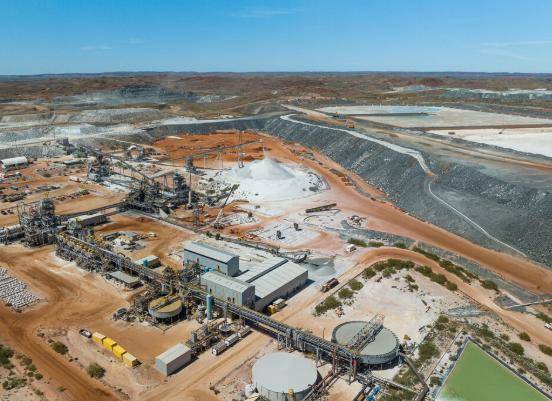
澳大利亚矿业危机,全球经济波动,暴露高电费与大宗商品波动压力
Sou Hu Cai Jing· 2025-06-24 06:45
首先,高昂的能源成本已成为制约澳大利亚冶炼行业发展的最大障碍。澳大利亚的电力价格在过去一年 中急剧上涨,这不仅影响了普通家庭的日常开销,也对能源密集型的冶炼厂造成了毁灭性打击。以铝土 矿和铜等金属冶炼厂为例,电力占其生产成本的比例通常达到50%以上。当电费不断攀升时,冶炼厂不 得不选择削减生产或甚至停产,这直接导致了产能过剩的市场失衡和就业的急剧下降。 与此同时,国际大宗商品价格的波动亦为澳大利亚矿商带来了严峻挑战。近年来,全球经济的不确定性 加剧,大宗商品价格起伏不定,金属价格的波动尤其明显。全球经济放缓,需求减少,直接影响到澳大 利亚的出口收入,矿商的盈利能力进一步下降。在这种背景下,澳大利亚的冶炼行业几乎处于"两头受 夹"的困境:一方面,能源成本不断上升,另一方面,市场需求的减弱使得其产品售价下降。许多冶炼 厂不得不考虑削减成本或停产,这一过程必然会引发大量工人失业,社会不稳定因素也随之增加。 在这场矿业危机中,企业的呼救声逐渐变得更为尖锐。矿商们纷纷要求澳大利亚政府给予经济援助,呼 吁政府减免电费或提供补贴,以帮助他们度过这一困难时刻。然而,政府的回应却充满了犹豫与谨慎。 总理安东尼·阿尔巴尼斯领导的 ...

五矿期货文字早评-20250624
Wu Kuang Qi Huo· 2025-06-24 03:39
文字早评 2025/06/24 星期二 宏观金融类 股指 前一交易日沪指+0.65%,创指+0.39%,科创 50+0.38%,北证 50+1.54%,上证 50+0.41%,沪深 300+0.29%, 中证 500+0.61%,中证 1000+1.31%,中证 2000+1.94%,万得微盘+2.54%。两市合计成交 11226 亿,较上 一日+549 亿。 宏观消息面: 1、在美国 22 日空袭伊朗三处核设施后,伊朗议会迅速通过"关闭霍尔木兹海峡"的提案,该海峡是海 湾地区石油输往世界各地的唯一海上通道,是全球最重要的石油 "咽喉要道"之一。 2、美商务部计划撤销台积电、三星、SK 海力士在华使用美国技术的豁免政策,要求这些企业今后需逐 案申请许可证。 3、美联储理事鲍曼:若通胀持续下降或劳动力市场疲软,7 月可能会降息。美联储将于 7 月 22 日举办 关于银行资本的会议。 资金面:融资额-82.33 亿;隔夜 Shibor 利率+0.10bp 至 1.368%,流动性较为宽松;3 年期企业债 AA- 级别利率-0.66bp 至 2.8756%,十年期国债利率-0.20bp 至 1.6387%,信用利差 ...
国泰君安期货所长早读-20250623
Guo Tai Jun An Qi Huo· 2025-06-23 03:31
1. Report Industry Investment Ratings - Not provided in the given content 2. Core Views of the Report - The outcome of the Israel-Iran conflict depends on the damage to Iranian nuclear facilities and Iran's level of retaliation. Market expectations are reflected in the rise of Middle - East stock markets on June 22 [8]. - PVC has short - term fluctuations and long - term downward pressure due to high production, high inventory, and uncertain export prospects [9][11][12]. - Stock index futures have a short - term consolidation but a medium - term bullish trend. There are opportunities to buy on dips [13]. 3. Summary by Related Catalogs 3.1 Israel - Iran Conflict - After the US attacked three Iranian nuclear facilities, Iran launched a "retaliatory attack". The US is ready for dialogue on June 23. The conflict's development will affect the market [8][25]. - On June 22, Middle - East stock markets opened higher, with the Israeli TA - 125 index rising 1% and the TA - 35 benchmark index rising 1.2% [8]. 3.2 PVC - PVC has a short - term shock, but the trend is under pressure. The high - production and high - inventory structure is difficult to change in the short term. The export demand can only relieve the pressure temporarily, and the overall drive is downward [9][11][12]. - In the future, there will be more capacity put into production, with an expected 1.1 million tons in June - July. The anti - dumping policy may be implemented in early July, and the domestic demand related to real estate is weak [11]. 3.3 Stock Index Futures - The short - term trend is related to the Israel - Iran situation. The medium - term trend is positive due to policy support, low interest rates, and capital market system reforms. There are opportunities to buy on dips [13]. 3.4 Other Commodities 3.4.1 Precious Metals - Gold: Geopolitical risks have increased. Silver: Continuing to rise [16][20]. 3.4.2 Base Metals - Copper: The strengthening of LME copper spot prices supports the price [16][26]. - Aluminum: Waiting for the inventory inflection point. Alumina: Narrow - range fluctuations. Aluminum alloy: Range - bound fluctuations [16][29]. - Zinc: Supply surplus may become apparent, and the price is under pressure [16][32]. - Lead: Weak supply and demand, with prices oscillating [16][35]. - Tin: Tight current situation but weak expectations [16][38]. - Nickel: The future expectation of the nickel ore end is loose, restricting the upward elasticity of the smelting end. Stainless steel: Supply and demand are both marginally weak, and steel prices are oscillating at a low level [16][43]. 3.4.3 Energy and Chemicals - Carbonate lithium: As the delivery month approaches, attention should be paid to the willingness to accept warehouse receipts [16][50]. - Industrial silicon: Limited upside space, suitable for short - selling on rallies. Polysilicon: Continue to short [16][52]. - Iron ore: Expectations are volatile, and prices are range - bound [16][55]. - Rebar and hot - rolled coil: Wide - range fluctuations [16][57][58]. - Ferrosilicon: Fluctuates widely due to sector sentiment resonance. Silicomanganese: Fluctuates widely with firm ore quotes [16][61]. - Coke and coking coal: Fluctuate widely with an increase in hot metal production [16][65][66]. - Steam coal: Demand needs to be released, and prices fluctuate widely [16][70].
宝城期货资讯早班车-20250619
Bao Cheng Qi Huo· 2025-06-19 01:42
1. Report Industry Investment Rating No relevant content provided. 2. Core Viewpoints of the Report - The Fed maintained the benchmark interest rate at 4.25%-4.50% in its June meeting, with reduced but still high uncertainty about the outlook. It also adjusted GDP and inflation forecasts [3]. - Multiple financial regulatory departments announced measures at the 2025 Lujiazui Forum to promote high - level opening up of the financial market [2][15]. - Various commodity markets showed different trends, including changes in inventory, production, and trading policies [5][8]. 3. Summary by Directory 3.1 Macro Data Quick View - In Q1 2025, GDP grew by 5.4% year - on - year, unchanged from the previous quarter [1]. - In May 2025, the manufacturing PMI was 49.5%, up from 49.0% in the previous month, and the non - manufacturing PMI for business activities was 50.3%, down from 50.4% [1]. - In May 2025, M0, M1, and M2 had different year - on - year growth rates, with M0 at 12.1%, M1 at 2.3%, and M2 at 7.9% [1]. 3.2 Commodity Investment Reference 3.2.1 Comprehensive - Qualified foreign investors can participate in more domestic commodity futures and options starting from June 20 [2]. - Zhengzhou Commodity Exchange adjusted trading rules for some futures contracts [2]. - Multiple financial regulatory departments announced policies at the 2025 Lujiazui Forum to support Shanghai's international financial center construction [2][15]. 3.2.2 Metal - India restricted imports of palladium - rhodium alloys with a gold content over 1% [5]. - London Metal Exchange inventories of various metals changed, and the gold ETF's holdings increased [5]. - "New Bond King" Gundlach predicted that gold would reach $4000 [6]. 3.2.3 Coal, Coke, Steel, and Minerals - Nippon Steel completed the acquisition of U.S. Steel for $14.9 billion [7]. 3.2.4 Energy and Chemicals - China's May imports and exports of energy and chemical products showed different trends, such as a 10.4% increase in gaseous natural gas imports [8]. - Russia and some OPEC+ countries may increase crude oil production [8][9]. - EIA data showed changes in U.S. oil and gas inventories and production [10]. 3.2.5 Agricultural Products - The government planned to reduce the inventory of breeding sows by about 1 million [12]. - As of June 18, the national "Three Summers" wheat harvest was 96% complete [12][13]. - The global cotton market may see increased production, and domestic cotton fundamentals are improving [13]. 3.3 Financial News Compilation 3.3.1 Open Market - The central bank conducted 1563 billion yuan of 7 - day reverse repurchase operations, resulting in a net withdrawal of 77 billion yuan [14]. - The central bank issued 30 billion yuan of central bank bills in Hong Kong on June 18 [14]. 3.3.2 Key News and Information - Multiple financial regulatory departments announced policies at the 2025 Lujiazui Forum to promote high - level opening up [15]. - The Fed maintained the benchmark interest rate, adjusted GDP and inflation forecasts, and influenced financial markets [16]. - Various domestic and international economic and political events occurred, such as government officials' investigations and international trade disputes [17][18] 3.3.3 Bond Market Summary - The Chinese bond market showed narrow fluctuations, with different trends in bond yields and futures [25]. - European bond yields generally declined, while U.S. bond yields rose [29]. 3.3.4 Foreign Exchange Market Express - The on - shore RMB against the US dollar closed down, and the US dollar index rose [30]. 3.3.5 Research Report Highlights - Guosheng Fixed Income believed that the 10 - year Treasury bond has high investment value [31]. - Yangtze River Fixed Income expected the June capital market to remain stable [31]. - CITIC Securities analyzed the possible nomination of the next Fed Chairman [32]. 3.4 Stock Market Key News - The CSRC announced policies to support the listing of unprofitable enterprises on the Sci - tech Innovation Board and ChiNext [35]. - The A - share market had a narrow range of fluctuations, while the Hong Kong stock market declined [35]. - Multiple companies' IPO progress was reported, such as Moore Threads and MiniMax [37]
安粮期货安粮观市
An Liang Qi Huo· 2025-06-18 02:16
Group 1: Macroeconomics and Stock Index - The expectation of the Fed's interest - rate cut is rising, and the weakening dollar is beneficial to the risk appetite of emerging markets. The domestic economy shows a "stable and progressive" trend, with the contribution rate of consumption to GDP growth significantly increasing, investment in science - and - technology manufacturing accelerating, and the export structure tilting towards the mid - to - high - end market. The monetary policy remains flexible and appropriate, and ample liquidity supports the market. Attention should be paid to the policy signals of the Lujiazui Forum on June 18th, and the Middle - East situation may cause increased volatility. Neutral strategies are recommended for IH and IF, such as holding short out - of - the - money options or lightly long positions. For IC and IM, inter - period spread arbitrage can be arranged, or long forward contracts can be bought at low prices to hedge against fluctuations [2] Group 2: Crude Oil - The development of the Israel - Iran conflict is a key factor affecting oil prices recently. The market is starting to wait and see, and volatility has increased significantly. Fundamentally, the peak summer season for crude oil is coming, and U.S. inventories have declined for three consecutive weeks, which supports the rise in oil prices to some extent. However, in the medium term, the Middle - East situation, especially Iran's counter - attack against Israel's attack, needs to be closely monitored. If the situation in the Middle East continues to escalate, oil prices are likely to rise. Many institutions predict that if the regional conflict further expands, oil prices may return to the high - price range. If the driving factor fades or the conflict de - escalates, the risk premium of crude oil will also decline rapidly. The WTI main contract should focus on the resistance around $78 per barrel [3] Group 3: Gold - Iran has released signals to ease the Israel - Iran conflict, but the fire incident of three oil tankers in the Strait of Hormuz has intensified the tension, and the safe - haven demand has pushed up the price of gold. Trump announced the suspension of sanctions against Russia at the G7 summit, which led to a partial decline in the gold price, but geopolitical uncertainties still exist. As of the early Asian session on June 17th, spot gold was trading around $3380 - $3400 per ounce, rising slightly during the day and touching the $3400 mark. Technically, attention should be paid to the support around $3385 and the resistance around $3450. The Middle - East risk premium (short - term) and the Fed's interest - rate cut expectation (medium - term) support the price, but profit - taking behavior restrains the increase. In the short - term strategy, the development of the Israel - Iran conflict is the core driving factor. If the situation deteriorates, the gold price may break through around $3450; if there is a diplomatic breakthrough, it may fall to the support area of $3250 - $3300. The differences in trade at the G7 summit should also be synchronously monitored. In the long - term, the uncertainty of the global economy, the intensification of trade frictions, and the rising inflation expectation may provide structural support for gold [4] Group 4: Silver - As of the Asian session on June 17th, the international silver price was trading in a narrow range between $36.1 - $36.5 per ounce, and the increase in the warehouse receipt volume indicates intensified long - short competition. Iran is seeking to mediate the Israel - Iran conflict through Oman and Qatar, but Israel claims to have "controlled the airspace over Tehran", and Iran warns of an "unprecedented" attack. The risk of conflict escalation supports safe - haven assets. The tariff differences between the U.S. and Europe remain unresolved (the EU may accept a unified tariff of 10%), but the market focus has shifted to the Middle - East situation. If the U.S. intervenes, it may further push up precious metals. The gold - silver ratio is still at a historical high, and the industrial demand for silver and the logic of a supplementary rise attract funds. The positions of Shanghai silver have increased in the past five days, highlighting the bullish sentiment. Attention should be paid to the key support at $36 per ounce. Currently, it is still in a volatile market. If the Middle - East situation eases, the safe - haven demand may weaken, and if the Fed's interest - rate cut pace fails to meet expectations, it may suppress the upward space of the silver price [5] Group 5: Chemical Industry PTA - The spot price in East China is 5020 yuan per ton, with a month - on - month increase of 15 yuan per ton and a basis of 270 yuan per ton. The Middle - East geopolitical factors led to a relatively strong trend in the cost - end crude - oil price last week, which supports the PTA price, but the upward space is limited. In June, PTA plants are undergoing both maintenance and restart, with the overall operating rate maintained at 83.25%, a month - on - month increase of 4.25%. The available inventory days are 4.03 days, basically the same as the previous period but still at a historical low, showing a continuous de - stocking trend. The polyester factory load is maintained at 88.72%, a month - on - month decrease of 0.46%, and the Jiangsu - Zhejiang loom load is 61.02%, a month - on - month decrease of 0.24%. The textile market is in the off - season, with weak orders and a lack of positive stimuli, and inventory pressure is gradually emerging. In general, the cost - end crude - oil fluctuations provide short - term support, but the supply - demand contradiction of PTA itself still dominates the price trend. In the short term, it may fluctuate following the cost end [6] Ethylene Glycol - The spot price in East China is reported at 4470 yuan per ton, with a month - on - month increase of 33 yuan per ton and a basis of 70 yuan per ton. Affected by geopolitical factors, some Middle - East plants have shut down, but the overall operating load of ethylene glycol is 55.07%, a month - on - month increase of 2.71%, and the coal - based operating rate is 55.28%, a month - on - month increase of 3.95%. The weekly output is 33.71 tons, an increase of 1.82 tons compared with the previous week. The inventory in the main ports of East China is 56.38 tons, a month - on - month decrease of 3.42 tons. The polyester factory load is maintained at 88.72%, a month - on - month decrease of 0.46%, the Jiangsu - Zhejiang loom load is 61.02%, a month - on - month decrease of 0.24%, and the terminal order days are 9.91 days, a month - on - month decrease of 0.51 days. Currently, the ethylene - glycol market focuses on geopolitical factors and cost - end price changes in the short term, and needs to track tariff policies and the recovery of downstream demand in the medium term. In the short term, it may fluctuate slightly to the upside [7] PVC - The mainstream spot price of Type 5 PVC in East China is 4750 yuan per ton, remaining unchanged month - on - month; the mainstream price of ethylene - based PVC is 5050 yuan per ton, with a month - on - month increase of 50 yuan per ton; the price difference between ethylene and electricity is 300 yuan per ton, with a month - on - month increase of 50 yuan per ton. In terms of supply, last week it was 79.25%, a month - on - month decrease of 1.47% and a year - on - year increase of 3.23%. Among them, the calcium - carbide method was 81.77%, a month - on - month decrease of 0.54% and a year - on - year increase of 6.32%, and the ethylene method was 72.59%, a month - on - month decrease of 3.94% and a year - on - year decrease of 5.11%. In terms of demand, there is no obvious improvement in domestic downstream product enterprises, and transactions are still mainly for rigid demand. As of June 12th, the new sample statistics of PVC social inventory decreased by 2.59% month - on - month to 57.36 tons, a year - on - year decrease of 36.83%. Among them, the inventory in East China was 52.20 tons, a month - on - month decrease of 2.72% and a year - on - year decrease of 38.25%; the inventory in South China was 5.16 tons, a month - on - month decrease of 1.24% and a year - on - year decrease of 17.69%. Affected by market sentiment, the futures price rebounded slightly on June 17th, but the fundamentals of PVC have not improved significantly, and the futures price is oscillating at a low level [8] PP - In the spot market, the mainstream price of PP raffia in North China is 7161 yuan per ton, with a month - on - month increase of 29 yuan per ton; in East China, it is 7195 yuan per ton, with a month - on - month increase of 44 yuan per ton; in South China, it is 7308 yuan per ton, with a month - on - month increase of 24 yuan per ton. In terms of supply, last week the average capacity utilization rate of polypropylene was 78.64%, a month - on - month increase of 1.63%; the capacity utilization rate of Sinopec was 77.99%, a month - on - month increase of 0.45%. The domestic polypropylene output was 77.56 tons, an increase of 1.79 tons compared with last week's 75.77 tons, a rise of 2.36%; compared with the 65.54 tons in the same period last year, it increased by 12.02 tons, a rise of 18.34%. In terms of demand, the average operating rate of domestic polypropylene downstream industries decreased by 0.04 percentage points to 49.97%. In terms of inventory, as of June 11, 2025, the port sample inventory of Chinese polypropylene decreased by 0.18 tons compared with the previous period, a month - on - month decrease of 2.71%, and inventory was successfully reduced last week. On June 17th, the futures price rebounded slightly, mainly due to market sentiment. The fundamentals are weak, there is no obvious driving force, and the futures price may oscillate. Be vigilant against the risk of sentiment decline [9][10] Plastic - In the spot market, the mainstream price in North China is 7386 yuan per ton, with a month - on - month increase of 31 yuan per ton; in East China, it is 7560 yuan per ton, with a month - on - month increase of 45 yuan per ton; in South China, it is 7721 yuan per ton, with a month - on - month increase of 27 yuan per ton. From the supply side, the capacity utilization rate of Chinese polyethylene production enterprises is 79.17%, an increase of 1.76 percentage points compared with the previous period. From the demand side, the average operating rate of downstream products of LLDPE/LDPE in China last week decreased by 0.49% compared with the previous period. Among them, the overall operating rate of agricultural films decreased by 0.53% compared with the previous period, and the operating rate of PE packaging films decreased by 0.45% compared with the previous period. In terms of inventory, as of June 11, 2025, the sample inventory of Chinese polyethylene production enterprises was 50.87 tons, a decrease of 0.9 tons compared with the previous period, a month - on - month decrease of 1.74%, and the inventory trend changed from increasing to decreasing. Driven by the increase in the cost - end price of crude oil, the futures price rebounded on June 17th. Currently, the fundamentals of plastics are weak, the futures price may oscillate, and be vigilant against the risk of sentiment decline [11] Soda Ash - The mainstream price of heavy soda ash in the Shahe area is 1214 yuan per ton, remaining unchanged month - on - month. There are slight differences among regions. The mainstream price of heavy soda ash in East China is 1350 yuan per ton, in North China is 1400 yuan per ton, and in Central China is 1350 yuan per ton, all remaining unchanged month - on - month. In terms of supply, last week the overall operating rate of soda ash was 84.9%, a month - on - month increase of 4.14%. The soda - ash output was 74.49 tons, an increase of 4.08 tons compared with the previous period, a rise of 5.79%. Recently, equipment operation has been relatively stable, and there are few maintenance enterprises. In terms of inventory, last week the factory inventory was 168.63 tons, a month - on - month increase of 5.93 tons, a rise of 3.64%. It is understood that the social inventory decreased by nearly 2 tons, with a total of more than 32 tons. The demand side shows average performance. Mid - and downstream enterprises replenish their inventories for rigid demand for low - price goods, but still have a resistance to high - price goods. Overall, the market lacks new driving forces, and it is expected that the futures market will continue to oscillate in the bottom - range in the short term. Continuously pay attention to equipment maintenance dynamics and unexpected events [12] Glass - The market price of 5mm large - size glass in the Shahe area is 1117 yuan per ton, remaining unchanged month - on - month. There are slight differences among regions. The market price of 5mm large - size glass in East China is 1230 yuan per ton, in North China is 1130 yuan per ton, and in Central China is 1070 yuan per ton, all remaining unchanged month - on - month. In terms of supply, last week the operating rate of float glass was 75.57%, a month - on - month increase of 0.03%. The weekly glass output was 109.12 tons, a decrease of 0.67 tons compared with the previous period, a decline of 0.61%. Recently, the supply level has not fluctuated much, but there are still plans to ignite production lines from June to July. Pay attention to production - line changes. In terms of inventory, last week the factory inventory of float glass was 6968.5 ten - thousand weight - boxes, a month - on - month decrease of 6.9 ten - thousand weight - boxes, a decline of 0.1%. With the coming of the rainy season, the enterprise inventory pressure cannot be ignored. The demand side remains weak and has not improved significantly. In the short term, it is difficult for the glass demand to improve substantially, and it is expected that the futures market will oscillate weakly in the short term. Continuously pay attention to changes in enterprise inventory, production - line changes, and market sentiment [13][14] Rubber - The spot price of rubber: domestic full - latex is 13900 yuan per ton, Thai smoked three - piece is 19500 yuan per ton, Vietnamese 3L standard rubber is 15000 yuan per ton, and No. 20 rubber is 13650 yuan per ton. The raw - material price in Hat Yai: smoked sheets are 66.87 Thai baht per kilogram, latex is 56.95 Thai baht per kilogram, cup lump is 47.2 Thai baht per kilogram, and raw rubber is 64 Thai baht per kilogram. Rubber is mainly driven by market sentiment to rebound, but the repeated situation of the U.S. resuming trade - war tariffs and the supply - exceeding - demand fundamentals restrict the rebound height of rubber. Pay close attention to the recent strength of the crude - oil chemical sector. Fundamentally, domestic full - latex has started production, the Yunnan production area has fully started production, and the supply of Hainan latex has begun to increase. The Southeast - Asian production areas have fully started production, and the overall supply is in a loose state. Currently, the global supply and demand of rubber are both loose. This week, the operating rate of downstream tires for passenger cars is 69.98%, a month - on - month increase of 5.93% and a year - on - year decrease of 10%. The operating rate of truck tires is 58.7%, a month - on - month increase of 3.05% and a year - on - year increase of 4.95%. The market is hyping up macro - narratives such as the trade war. The U.S. imposing tariffs on automobiles and expanding the scope of tariffs on household appliances may seriously suppress global rubber demand. Pay close attention to the operating conditions of rubber downstream enterprises. Currently, the operating rate has rebounded this week, and combined with macro - sentiment, it drives the rubber price to rebound. Pay attention to factors such as domestic rubber import volume and inventory changes [15][16] Methanol - The domestic spot price of methanol has generally increased. The spot price of methanol in East China is reported at 2585 yuan per ton, an increase of 95 yuan per ton compared with the previous day. The closing price of the main methanol futures contract MA509 is reported at 2455 yuan per ton, a decrease of 0.37% compared with the previous trading day. In terms of port inventory, the inventory of Chinese methanol ports has increased, with a stock of 65.2
安粮观市:宏观、产业、技术面面俱到
An Liang Qi Huo· 2025-06-16 03:05
Group 1: Macro and Index Futures - The stock index futures market has shown certain volatility recently, with the main contracts rising to varying degrees. The trading volume and open interest have increased, indicating rising attention to small and medium - cap index products. However, the basis is generally at a discount, and the market is expected to fluctuate within a range in the short term. It is advisable to hold a light position and make low - level layouts [2]. Group 2: Crude Oil - The escalation of the Middle East situation has led to concerns about oil supply disruptions and driven up oil prices. Fundamentally, the approaching summer peak season and declining US inventories support price increases, but in the medium - term, the reaction of the Middle East situation and the outcome of the US - Iran nuclear agreement negotiation are crucial. OPEC+ plans to increase production in July. WTI should pay attention to the pressure around $78 per barrel, and in the long - term, the upside of oil prices is limited without major geopolitical impacts on supply [3]. Group 3: Gold - The Middle East conflict has broken the consolidation of international gold prices. On June 13, spot gold prices soared by 1.7% intraday, approaching the April high. Investors should pay attention to geopolitical situations, the Fed's FOMC meeting in July, and the US - EU tariff negotiation deadline. Gold prices may face technical corrections [4][5]. Group 4: Silver - Affected by the Middle East situation, silver prices rose but were restricted by industrial attributes. The Shanghai Futures Exchange's silver futures warehouse receipts decreased, and trade policy uncertainties suppressed industrial demand. Sprott's silver trust received a net inflow of $500 million. Silver prices are supported by geopolitical risks but may face technical overbought corrections. Attention should be paid to Iran's retaliatory actions, the Fed's FOMC meeting, and the US - EU tariff negotiation [6]. Group 5: Chemicals PTA - The price of PTA is supported by the rising cost of crude oil due to the Middle East situation, but the upside is limited. In June, PTA device maintenance and restart were concurrent, with an overall operating rate of 83.25%. The polyester and textile industries are in the off - season, and the market lacks positive stimuli. PTA supply and demand are in a tight balance, and it may fluctuate with the cost side in the short term [7]. Ethylene Glycol - The supply of ethylene glycol has increased slightly, with an overall operating load of 55.07%. The inventory in East China's main ports has decreased. The demand side is weak, and it may fluctuate with the cost side in the short term [8]. PVC - The supply of PVC has decreased slightly, and the demand from downstream enterprises has not improved significantly. The social inventory has decreased. The futures price is affected by market sentiment and may oscillate at a low level due to weak fundamentals [9][10]. PP - The supply of PP has increased, with the average capacity utilization rate rising to 78.64%. The demand from downstream industries has decreased slightly, and the inventory has decreased. The futures price may oscillate at a low level due to weak demand [11][12]. Plastic - The supply of plastic has increased, with the production enterprise capacity utilization rate rising to 79.17%. The demand from downstream industries has decreased, and the inventory has decreased. The futures price may oscillate in the short term due to weak fundamentals [13]. Soda Ash - The supply of soda ash has increased, with the overall operating rate rising to 84.9%. The factory inventory has increased, and the social inventory has decreased. The demand is average, and the futures price may continue to oscillate at the bottom in the short term [14]. Glass - The supply of glass has remained relatively stable, with a slight decrease in weekly output. The inventory has decreased slightly, but the pressure during the rainy season cannot be ignored. The demand is weak, and the futures price may oscillate weakly in the short term [15][16]. Rubber - The price of rubber is affected by the repeated trade war situation and the oversupply fundamentals. The domestic and Southeast Asian production areas are in the harvest season, and the supply is abundant. The downstream tire operating rate has decreased. Rubber may show a pattern of slow rise and sharp fall under weak fundamentals [17]. Methanol - The spot price of methanol has decreased, while the futures price has increased. The port inventory has increased, and the supply pressure is high. The demand from the MTO device has recovered, but the traditional downstream demand is in the off - season. The futures price may oscillate strongly, and attention should be paid to the inventory accumulation speed and the impact of the Middle East situation on oil prices [18]. Group 6: Agricultural Products Corn - The USDA's June report has limited positive support. Domestically, the corn market is in the transition period between old and new grains, with a potential shortage of supply. Wheat may replace corn in the feed field, and weather may affect prices. The downstream demand is weak. Corn may oscillate between 2300 - 2400 yuan per ton in the short term [19]. Peanut - In the long - term, the domestic peanut planting area is expected to increase in 2025. Currently, the market is in the inventory consumption period, with low inventory levels. The demand is in the off - season, and the price may be pushed up by restocking demand. The short - term price may weaken, and attention should be paid to the support at 8200 yuan per ton [20]. Cotton - The US cotton planting and budding rates are slightly slower than in previous years. In the long - term, the cotton supply is expected to be abundant, and the price may remain low. Currently, the import is low, and the commercial inventory is lower than usual, providing support. The downstream textile market is in the off - season, and the demand is weak. Cotton may oscillate strongly in the short term [21]. Pig - The government's reserve release has sent a positive signal, but the market supply is sufficient, and the consumer demand is weak. The futures contract 2509 should pay attention to whether it can break through the upper pressure level of 14000, and the pig slaughter situation needs continuous attention [22]. Egg - The supply of eggs is sufficient due to high laying - hen inventory. The demand is weak due to difficult storage in hot and humid weather. The current futures price is undervalued, and it is recommended to wait and see [23]. Soybean No. 2 - The market has digested the positive impact of the China - US trade talks. The USDA's June report is neutral. The US soybean planting is progressing smoothly, and the Brazilian soybean is in the peak export season. It may oscillate in the short term [24][25]. Soybean Meal - The global geopolitical situation is unstable. The market has digested the China - US trade talks. The US soybean planting is good, and the Brazilian soybean is in the export peak. Domestically, the supply pressure of soybean meal is increasing, and the downstream demand is weak. It may oscillate in the short term [26]. Soybean Oil - The international oil price increase has driven up the domestic soybean oil market. The US soybean planting is progressing well, and the Brazilian soybean is in the export peak. Domestically, the oil - mill operating rate is high, and the demand is in the off - season. The inventory pressure is increasing. It may oscillate strongly in the short term [27]. Group 7: Metals Shanghai Copper - The complexity of the 2025 interest - rate cut path, global tariff conflicts, and the Middle East risk may affect market sentiment. Domestically, policy support is strong. The copper market is in a stage of resonance, and it is advisable to hold for now, with the defense line moved to the lower neckline of the island pattern [28]. Shanghai Aluminum - The macro - sentiment is boosted by the China - US economic and trade consultation and the US interest - rate cut expectation. The supply of electrolytic aluminum is stable, and the demand is in the off - season. The price may oscillate within a range [29][30]. Alumina - The supply of alumina is sufficient, and the demand is mainly for rigid needs. The inventory has increased slightly. The price is under pressure, and the futures contract 2509 may show a weak adjustment trend [31]. Cast Aluminum Alloy - The cost of cast aluminum alloy is supported by the tight scrap - aluminum market, but the supply is excessive. The demand from the new - energy vehicle industry may slow down in the second half of the year. The inventory is relatively high, and the futures contract 2511 may operate weakly [32]. Lithium Carbonate - The raw - material prices in the lithium industry chain have stabilized, and the supply is stable with a structural adjustment. The demand is weak. The market may continue to oscillate at the bottom in the short term, and it is recommended that conservative investors wait and see, while aggressive investors can conduct range operations [33]. Industrial Silicon - The supply of industrial silicon has increased slightly, and the demand is weak. The inventory digestion is slow, and the price is under pressure. Aggressive investors can short at high prices [34]. Polysilicon - The supply of polysilicon is stable, and the demand is weak overall. The export volume has decreased. The market supply - demand contradiction is still prominent, and the futures contract 2507 may oscillate, with attention paid to the previous low - point support [35]. Group 8: Black Metals Stainless Steel - The technical trend of stainless steel may shift from a one - sided decline to a low - level oscillation. The cost support is weak, the supply pressure remains, and the demand is weak. It is recommended to wait and see [36]. Rebar - The rebar futures may shift from a resistive decline to an oscillation under a high basis. The cost is stable, the demand is in the off - season, and the inventory is low. It is recommended to take a light - position, low - level, long - biased approach in the short term [37]. Hot - Rolled Coil - The technical trend of hot - rolled coil is stabilizing. The cost is stable, the apparent demand has recovered, and the inventory is low. It is recommended to take a light - position, low - level, long - biased approach in the short term [38]. Iron Ore - The supply of iron ore has increased, and the demand has decreased slightly. The port inventory is still at a relatively high level, and the inventory pressure is emerging. The market sentiment is boosted by the easing of China - US tariffs, but the export sustainability is uncertain. The futures contract 2509 may oscillate in the short term, and attention should be paid to the inventory digestion speed and the steel - mill restart rhythm [39][40]. Coal Mine - The supply of coking coal is expected to contract due to production accidents and new regulations. The demand for coking coal and coke is weak. The futures contracts of coking coal and coke may oscillate recently, and attention should be paid to the steel - mill inventory digestion and policy implementation [41].
伦敦金属交易所(LME)数据显示,铜库存114475吨,减少2375吨。铝库存353225吨,减少2375吨。镍库存197538吨,减少96吨。锌库存131000吨,减少1025吨。铅库存264975吨,减少3775吨。锡库存2260吨,减少105吨。
news flash· 2025-06-13 08:10
伦敦金属交易所(LME)数据显示, 铜库存114475吨,减少2375吨。 铝库存353225吨,减少2375吨。 镍库存197538吨,减少96吨。锌库存131000吨,减少1025吨。铅库存264975吨,减少3775吨。锡库存 2260吨,减少105吨。 ...
沪镍、不锈钢早报-20250612
Da Yue Qi Huo· 2025-06-12 02:48
交易咨询业务资格:证监许可【2012】1091号 沪镍&不锈钢早报—2025年6月12日 大越期货投资咨询部 祝森林 从业资:F3023048 投资咨询证:Z0013626 联系方式:0575-85226759 重要提示:本报告非期货交易咨询业务项下服务,其中的观点和信息仅作参考之用,不构成对任何人的投资建议。 我司不会因为关注、收到或阅读本报告内容而视相关人员为客户;市场有风险,投资需谨慎。 沪镍 每日观点 1、基本面:外盘继续回落,20均线开始承压。产业链上,镍矿现货成交平静,菲律宾出船有所恢复, 矿山继续挺价。镍铁价格弱稳,成本线小幅下移。不锈钢仓单继续流出,现货供应压力仍大。新能源汽 车产销数据较好,电池向(6镍)倾向,有利于镍的需求提升。中长线过剩格局不变。偏空 2、基差:现货122700,基差910,偏多 3、库存:LME库存197508,-618,上交所仓单21113,+72,偏空 4、盘面:收盘价收于20均线以下,20均线向下,偏空 5、主力持仓:主力持仓净空,空增,偏空 6、结论:沪镍2507:震荡偏弱运行,重心慢慢下移,短期关注下方成本支撑。 多空因素 影响因素总结 利多: 1、新能源汽车 ...